Observational skills Normal Worksheets for Ages 5-9
16 filtered results
-
From - To
Enhance your child's observational skills with our engaging and age-appropriate worksheets designed for learners aged 5-9! These printable resources encourage critical thinking and keen observation through fun activities, including identifying differences, completing patterns, and connecting the dots. Perfect for home or classroom use, our worksheets are designed to nurture curiosity, improve attention spans, and develop analytical skills. With a variety of colorful and interactive exercises, children will enjoy learning while sharpening their ability to notice details in their environment. Boost your child’s learning journey and watch their confidence soar as they master these essential skills! Explore our collection today!
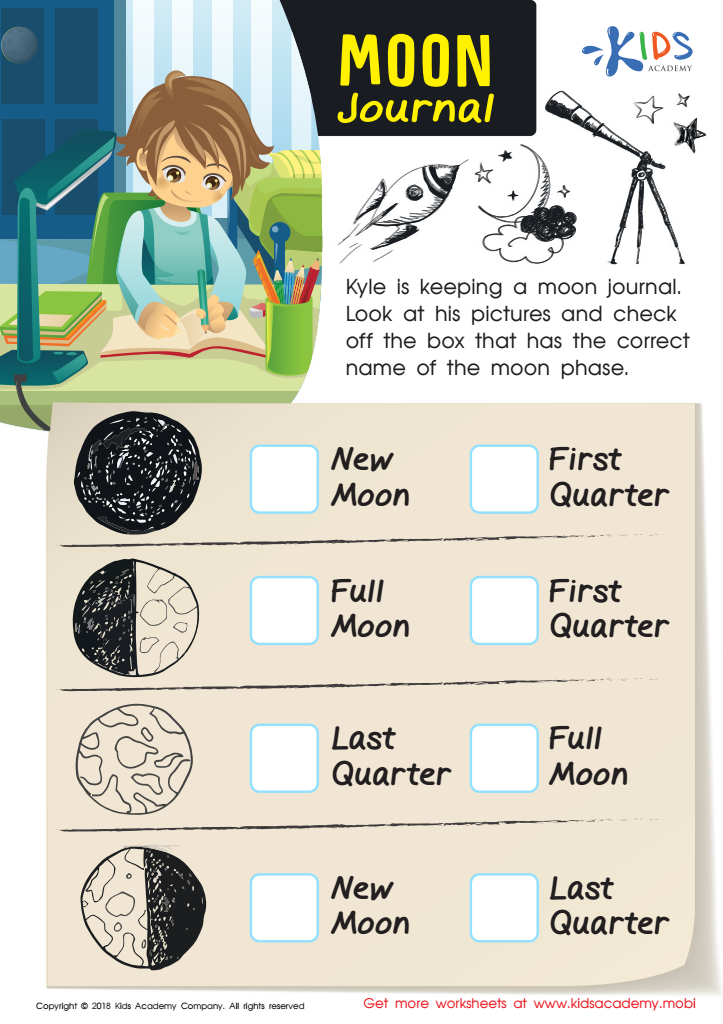
Moon Journal Worksheet
 Assign to My Students
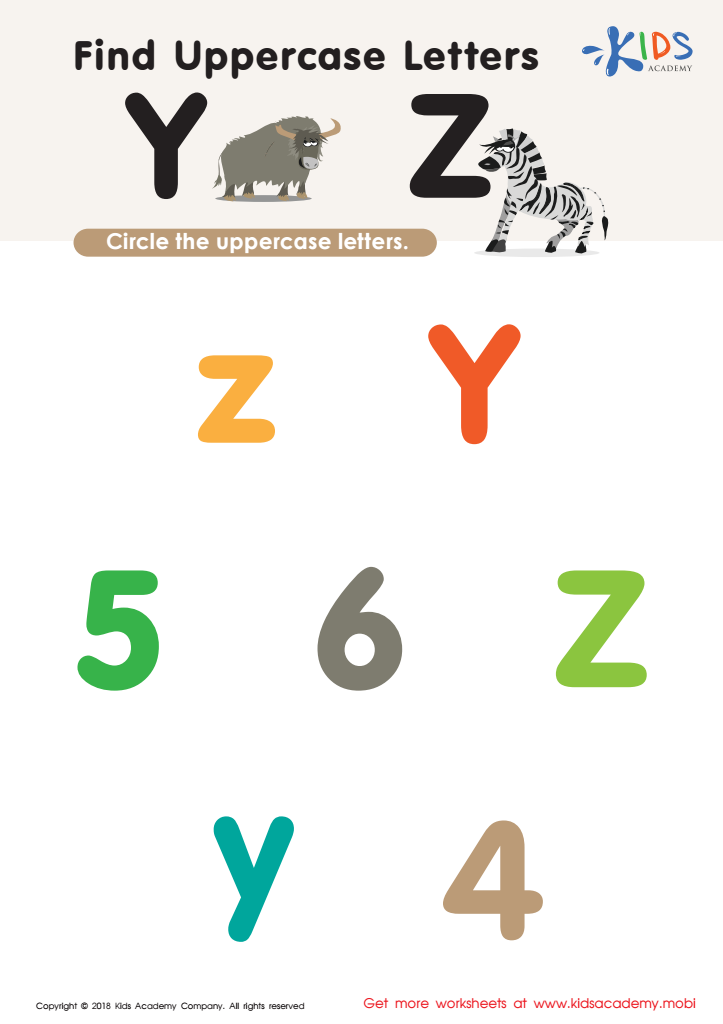
Find Uppercase Letters Y Z Worksheet
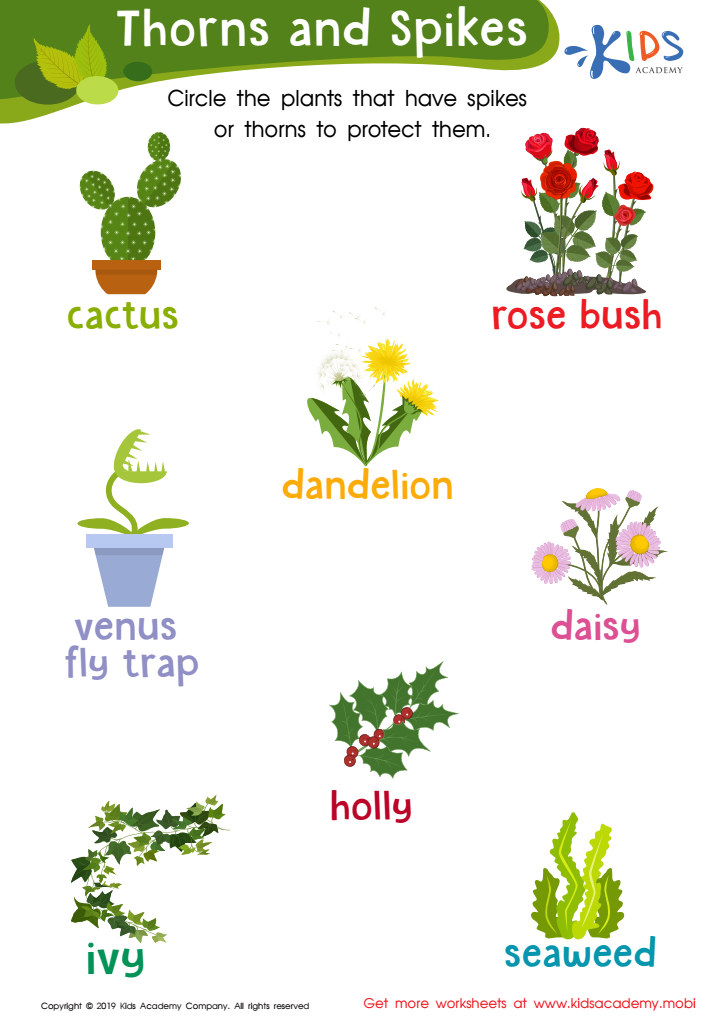
Thorns and Spikes Worksheet
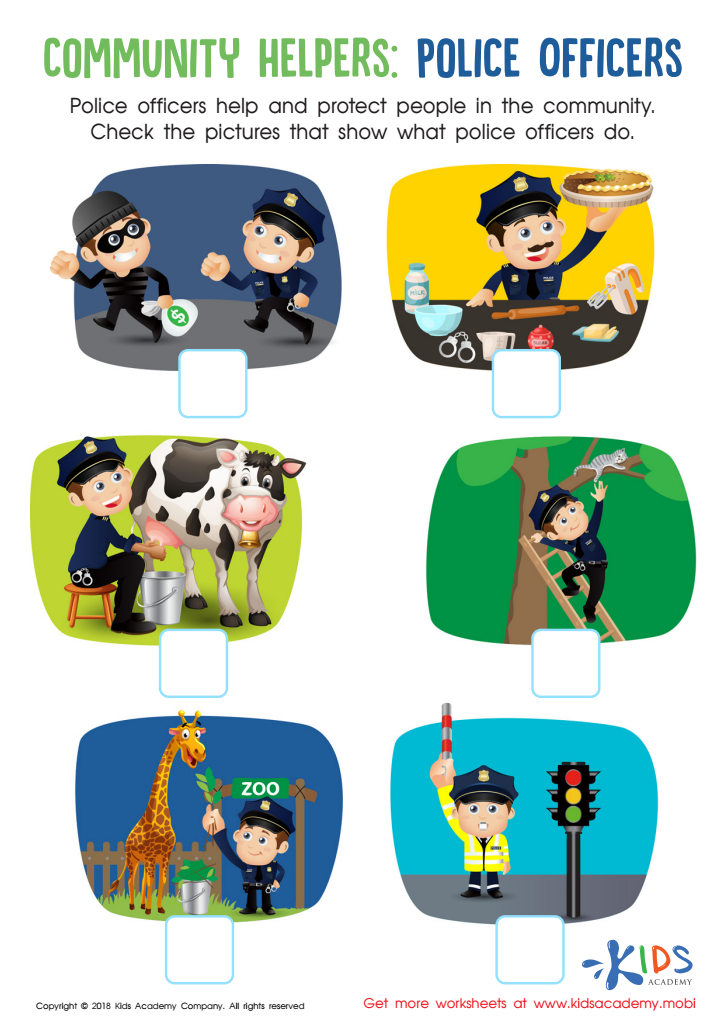
Police Officers Community Helpers Worksheet
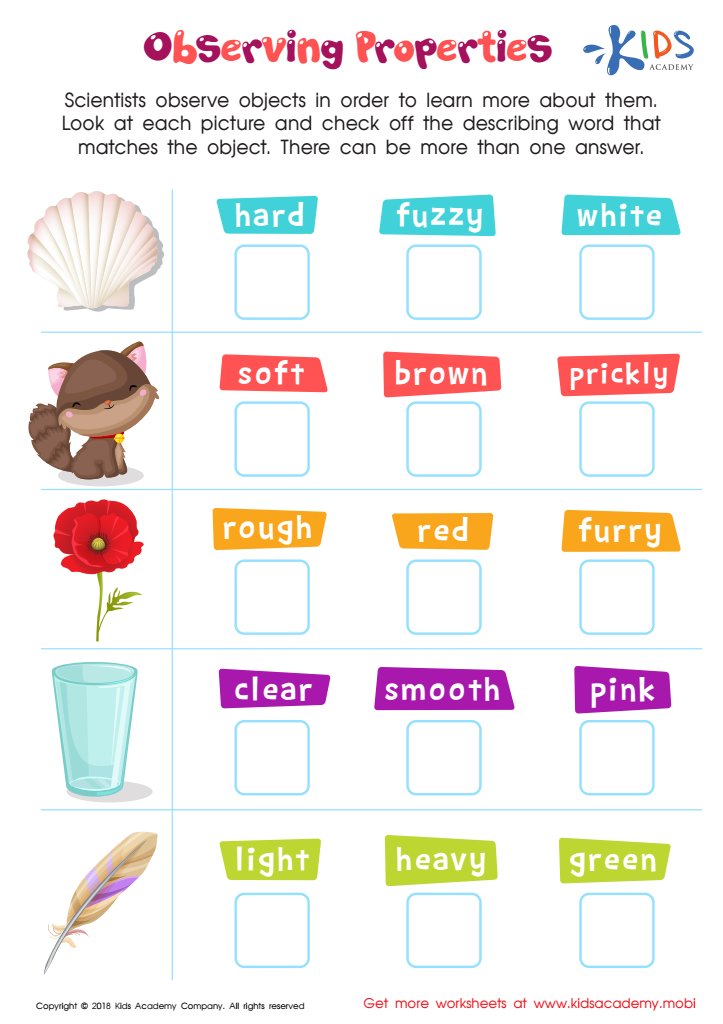
Observing Properties Worksheet
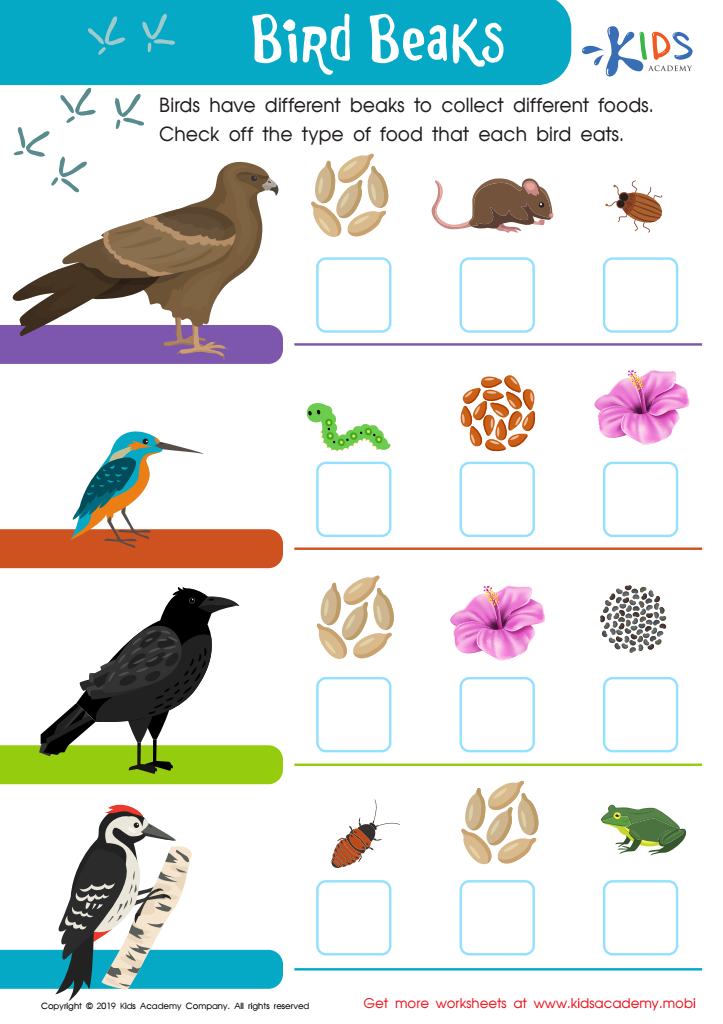
Bird Beaks Worksheet
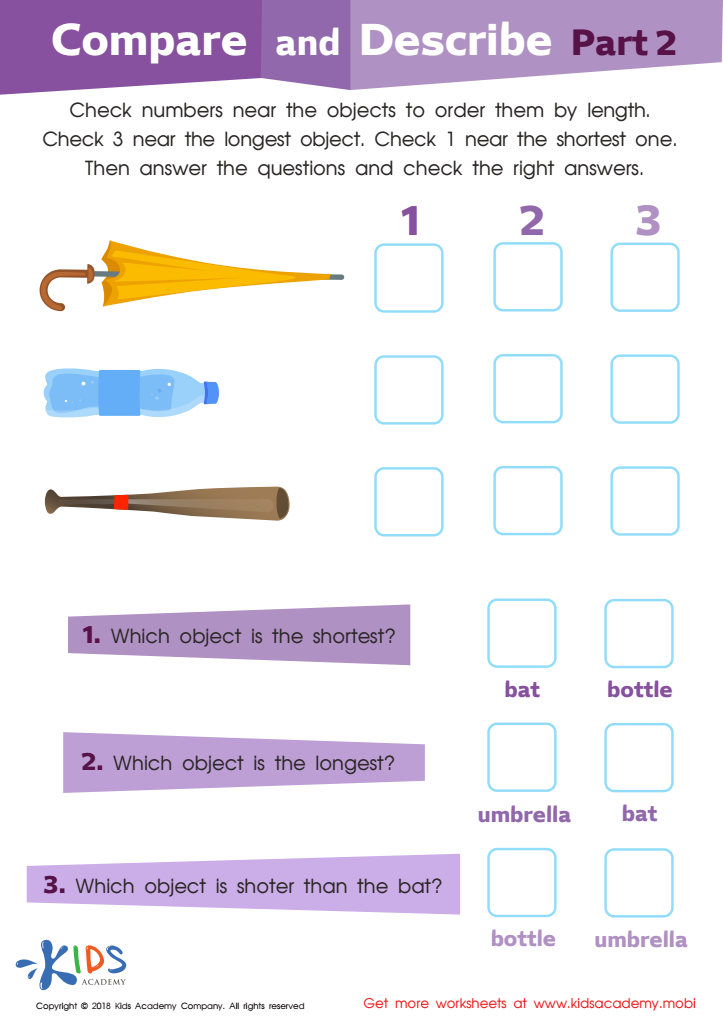
Compare and Describe: Part 2 Worksheet
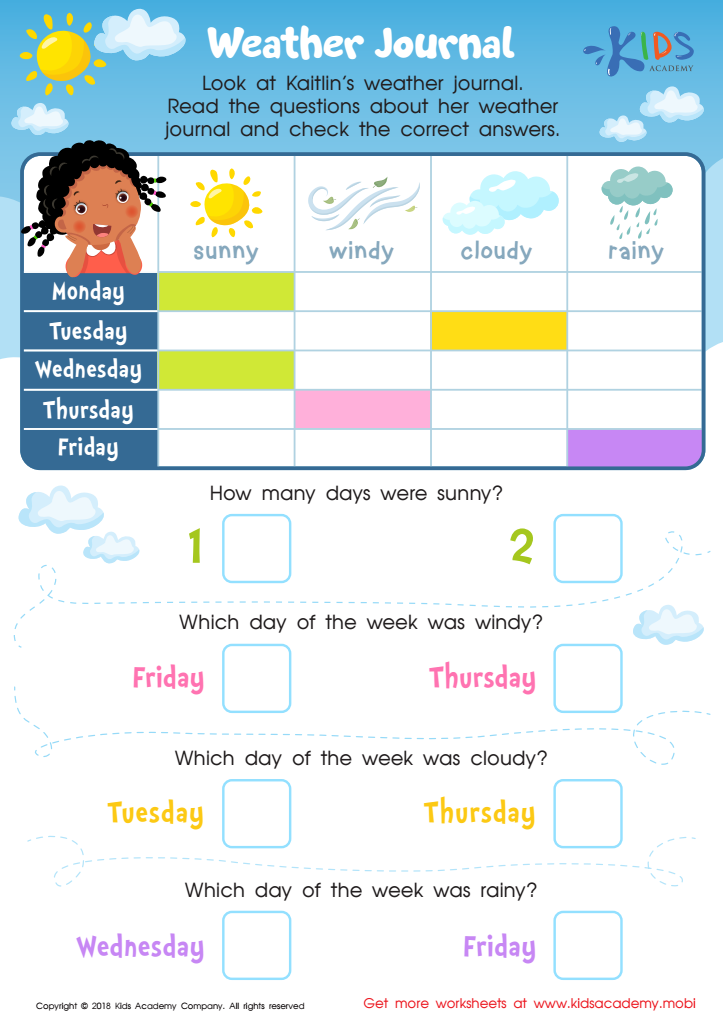
Weather Journal Worksheet
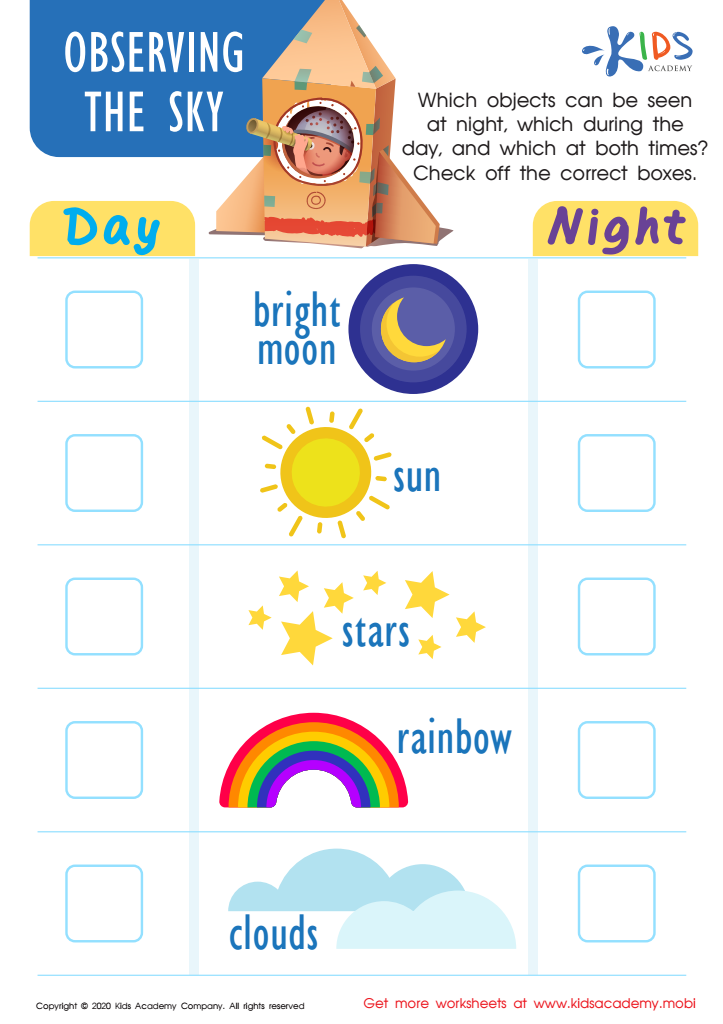
Observing the Sky Worksheet
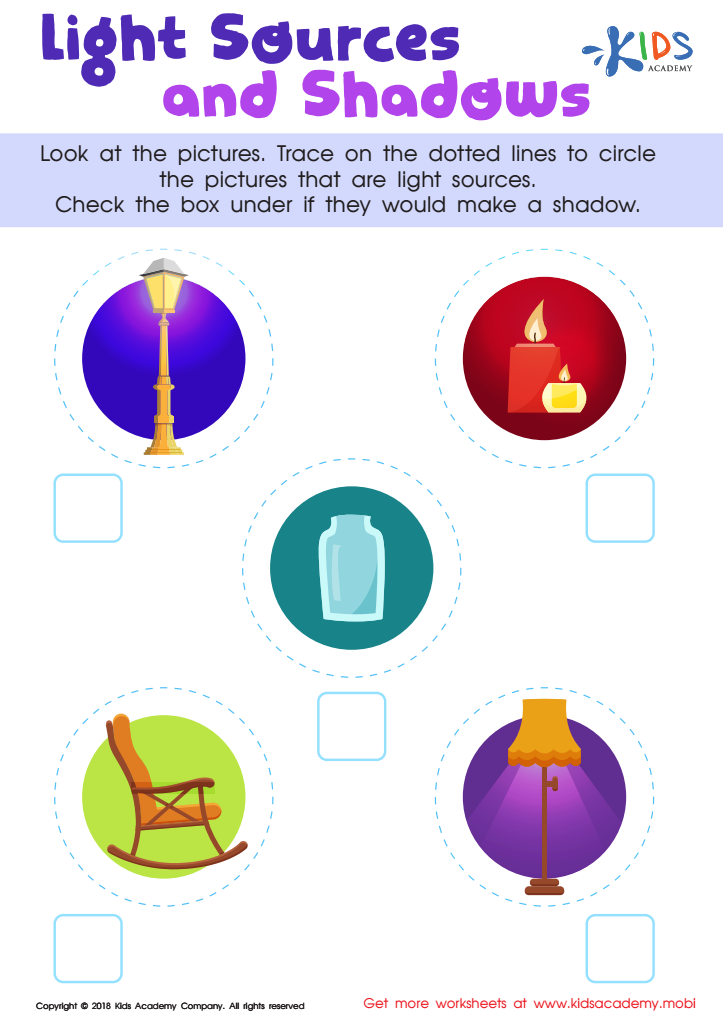
Light Sources and Shadows Worksheet
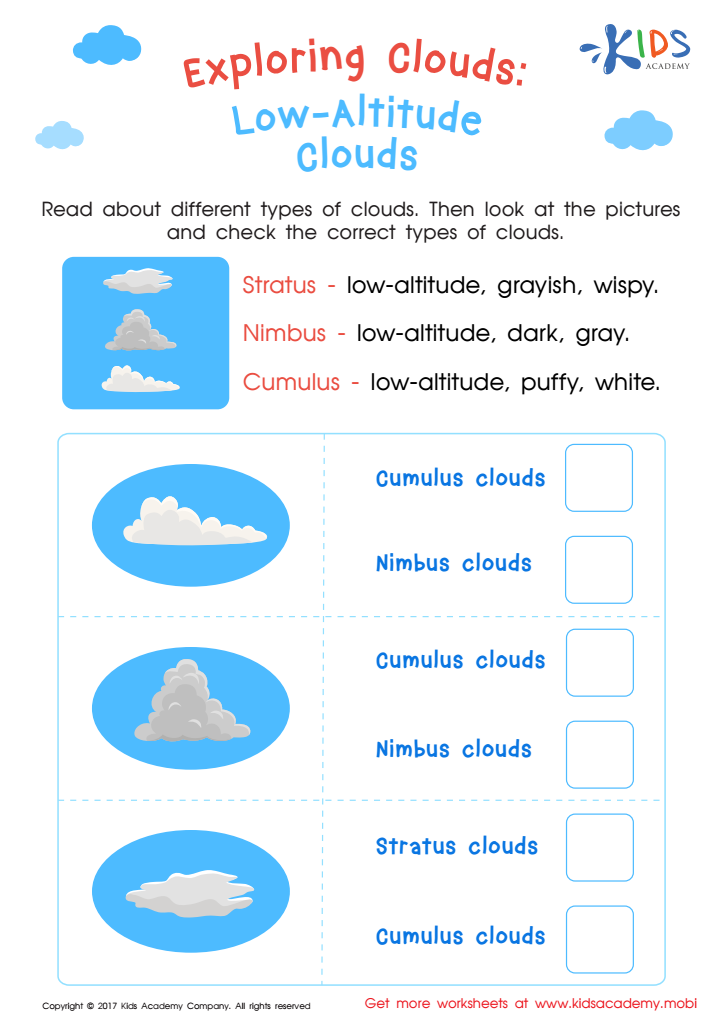
Exploring Clouds: Low Altitude Clouds Printable
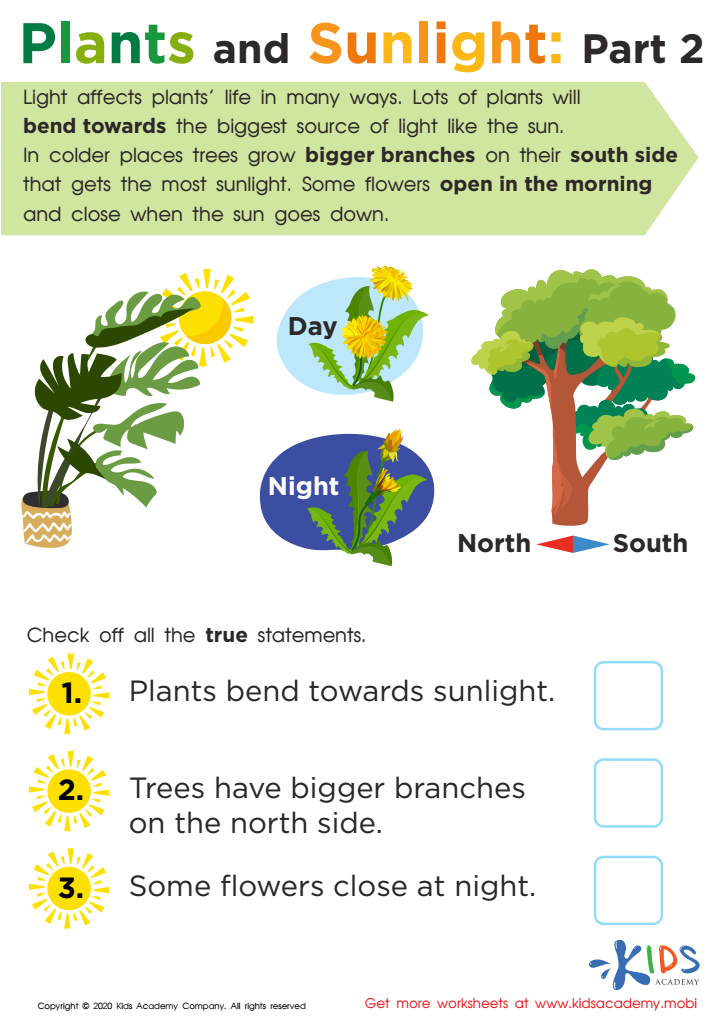
Plants and Sunlight: Part 2 Worksheet
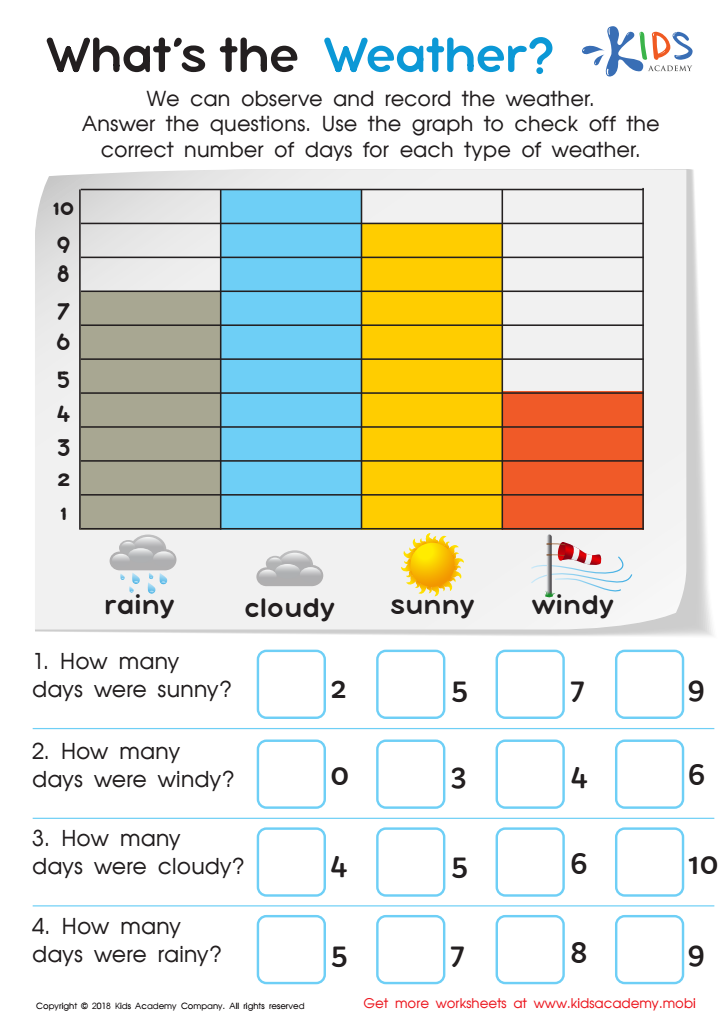
What's the Weather? Worksheet
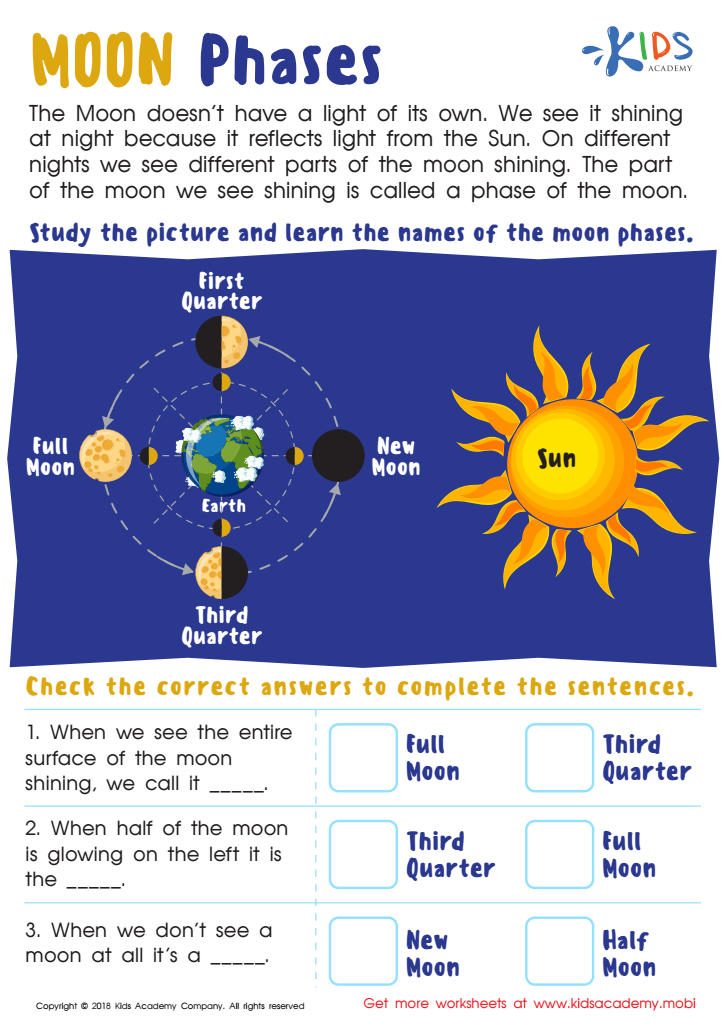
Moon Phases Worksheet
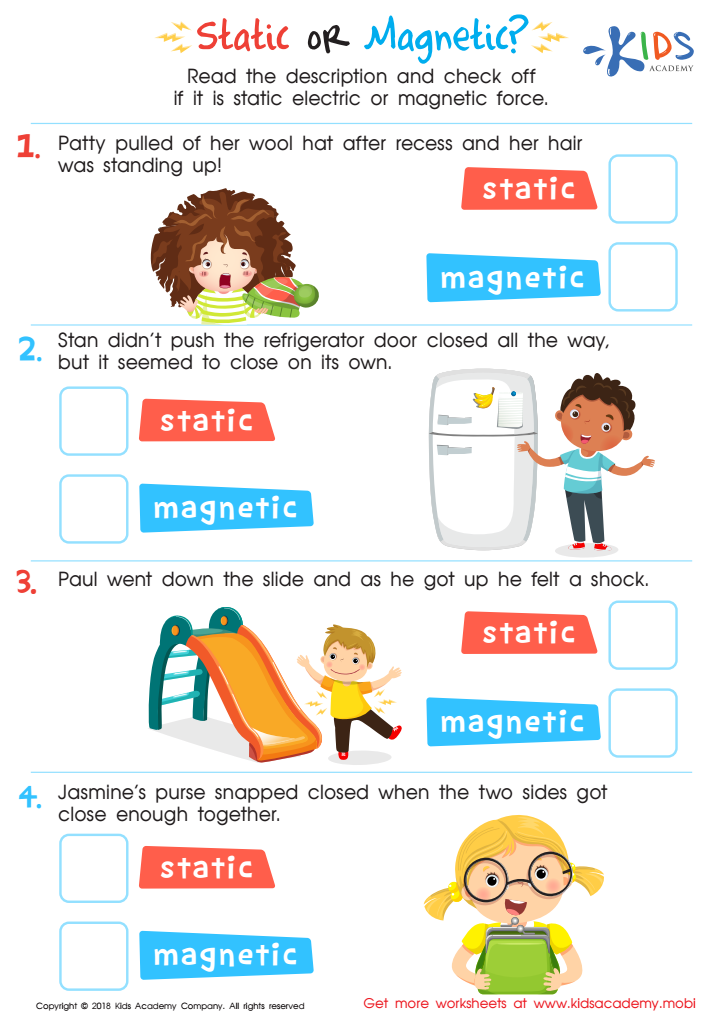
Static or Magnetic Printable Worksheet
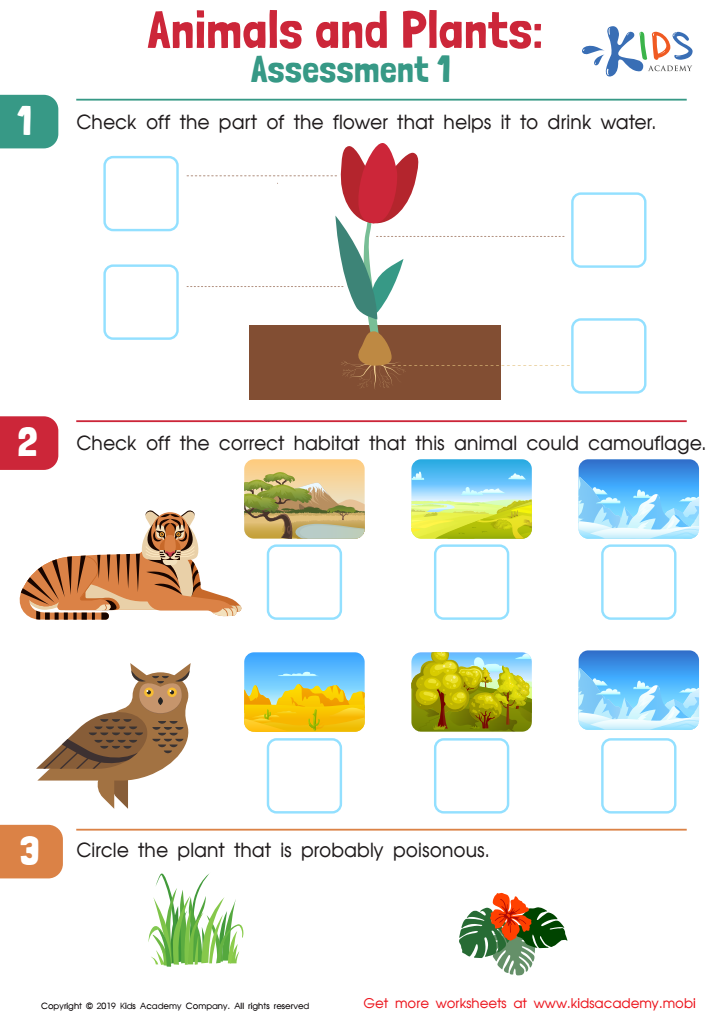
Animals and Plants: Assessment 1 Worksheet


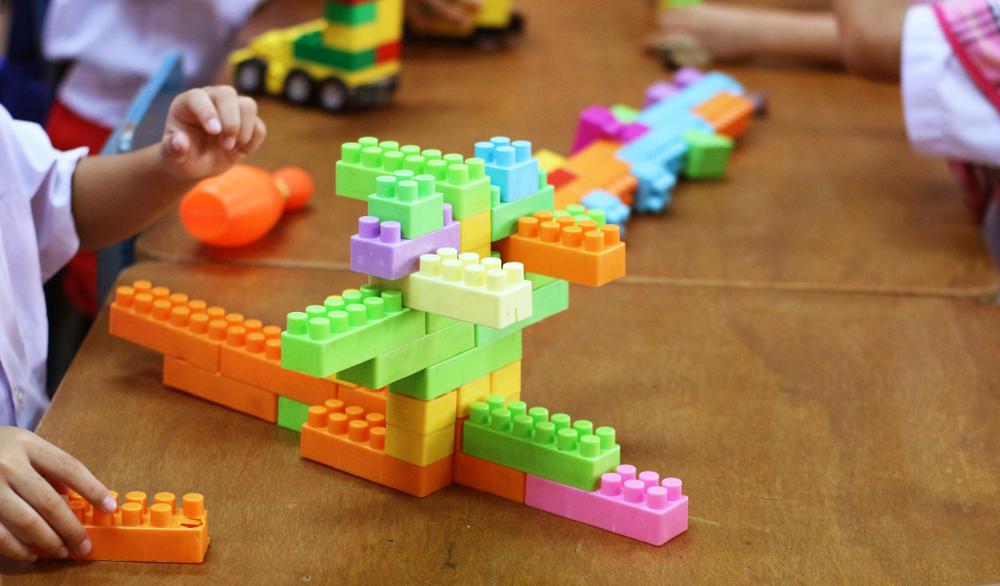





Observational skills are crucial for children aged 5-9 as they form the foundation for effective learning and social interaction. Parents and teachers should care about these skills because they enhance a child's ability to notice and interpret their surroundings, fostering curiosity and critical thinking. At this developmental stage, children learn by observing, which helps them understand complex concepts and environments.
Strong observational skills allow children to engage more deeply with their learning. Recognizing patterns, understanding cause-and-effect relationships, and developing empathy through observing peers are all vital in nurturing cognitive and emotional growth. When children can attentively observe, they can ask questions, make connections, and gain confidence in their ability to learn independently.
Moreover, sharpening these skills promotes purposeful play, bolsters creativity, and develops problem-solving abilities. Teachers can design activities that encourage exploration, while parents can foster these skills at home, such as through nature walks or scavenger hunts.
Ultimately, caring about and nurturing observational skills can significantly impact a child's academic performance and social relationships, setting the stage for lifelong learning and successful interactions. By supporting this aspect of development, caregivers can equip children with the necessary tools to navigate their world effectively.








