Normal Math Worksheets for Ages 5-9
557 filtered results
-
From - To
Boost your child's math skills with our Normal Math Worksheets for ages 5-9, carefully curated by Kids Academy. These engaging and educational worksheets are designed to help young learners develop a strong mathematical foundation. Featuring a wide range of activities including addition, subtraction, multiplication, division, and more, our math worksheets promote critical thinking and problem-solving. Vibrant and interactive, they make learning fun and effective. Perfect for home practice or classroom use, these worksheets provide a fantastic resource for educators and parents aiming to enhance their children’s math proficiency while keeping them entertained. Excel in math with Kids Academy!
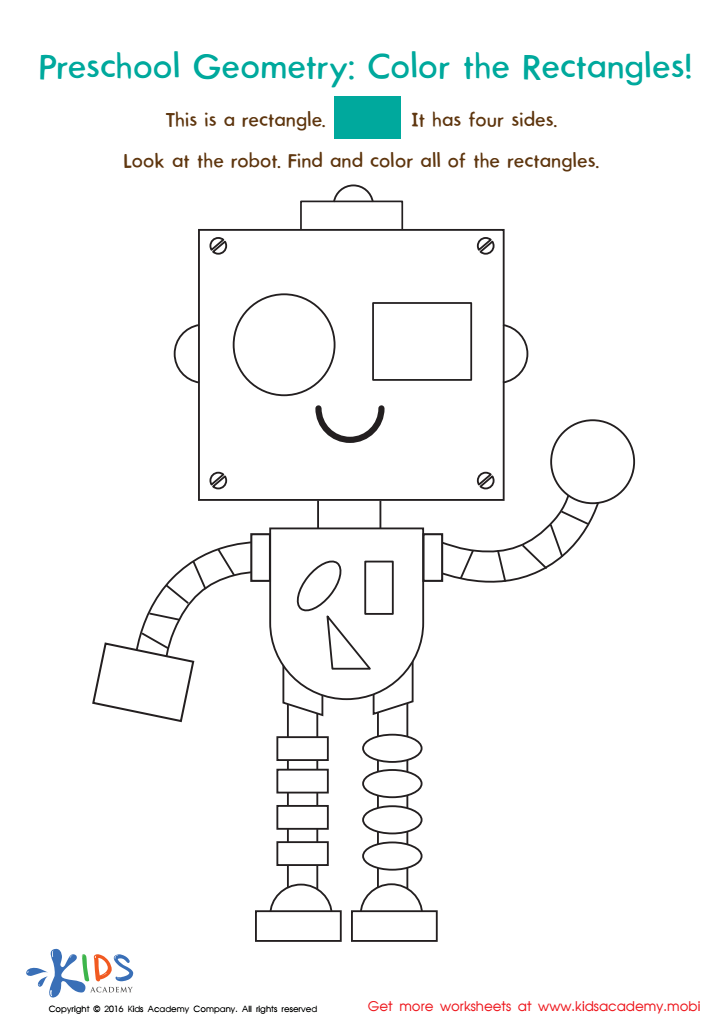
Geometry Worksheet
 Assign to My Students
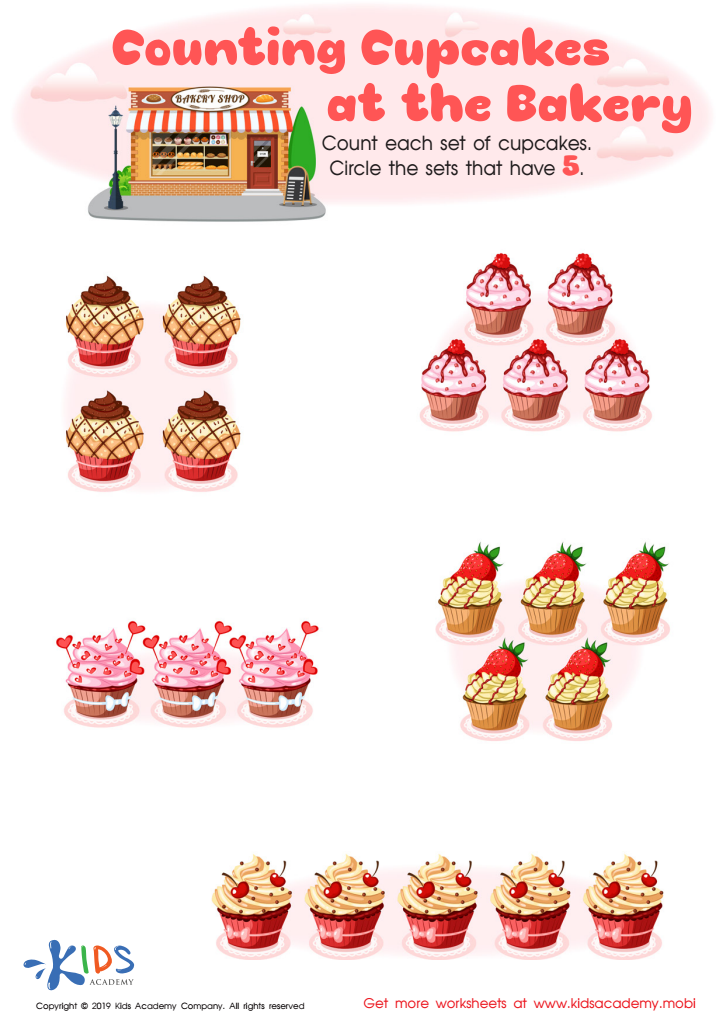
Counting Cupcakes Worksheet
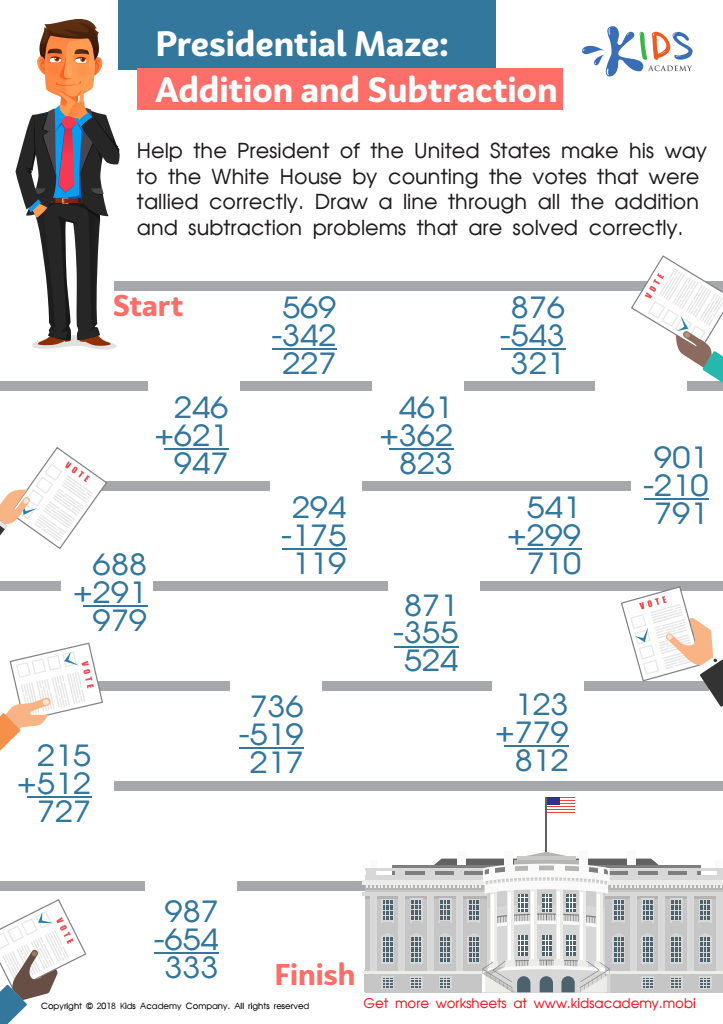
Presidential Maze: Addition and Subtraction Worksheet
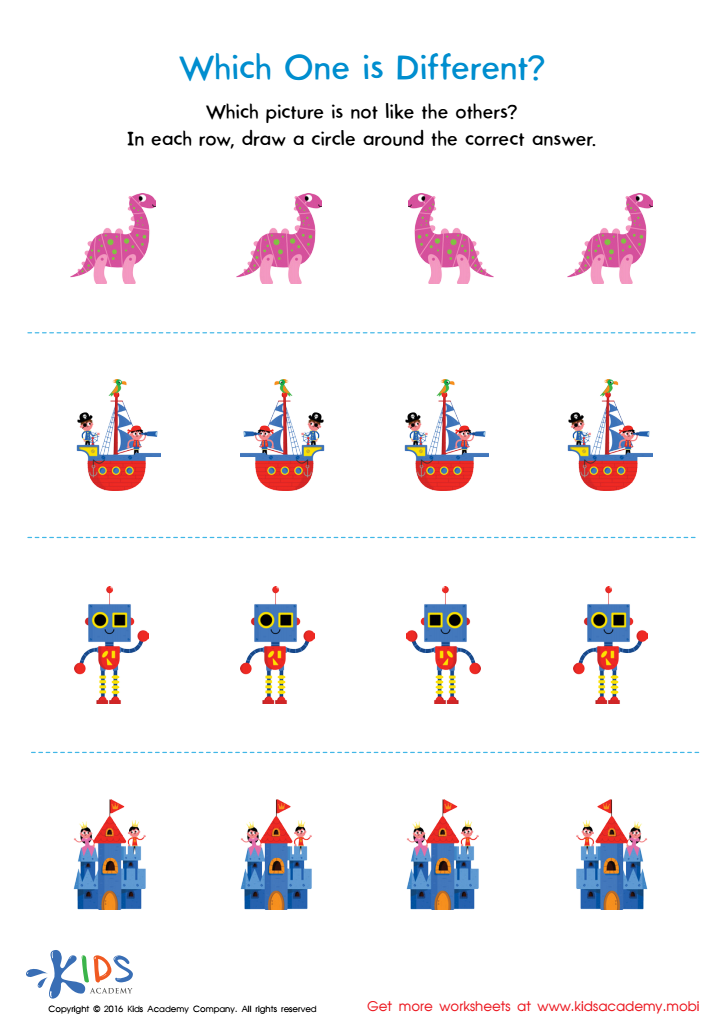
Which One Is Different Worksheet
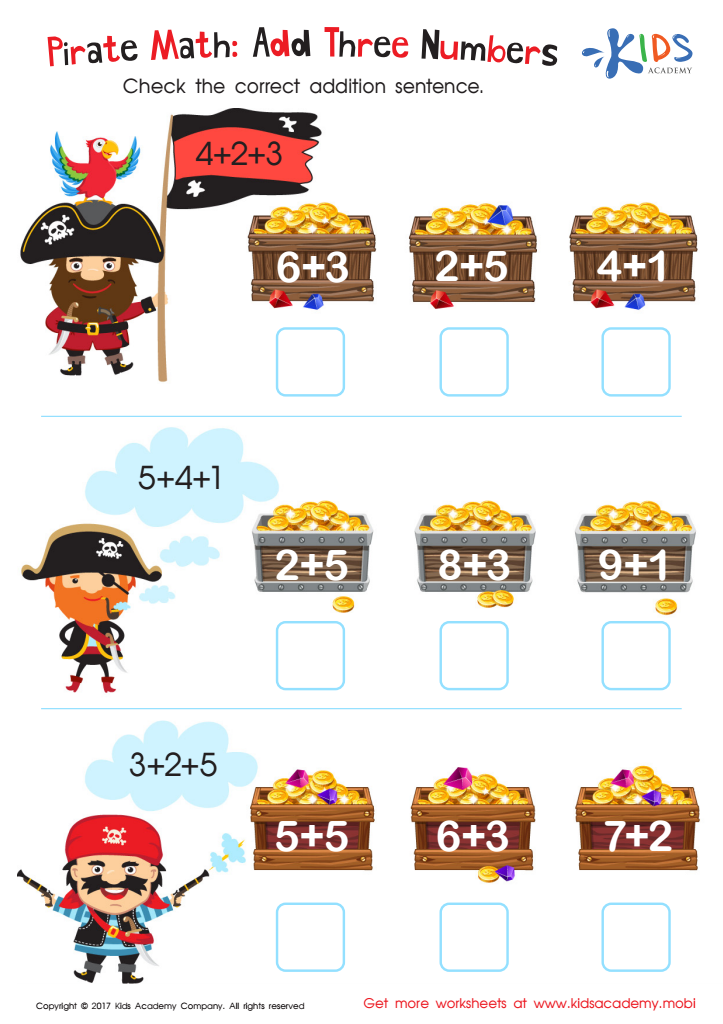
Pirate Math Printable
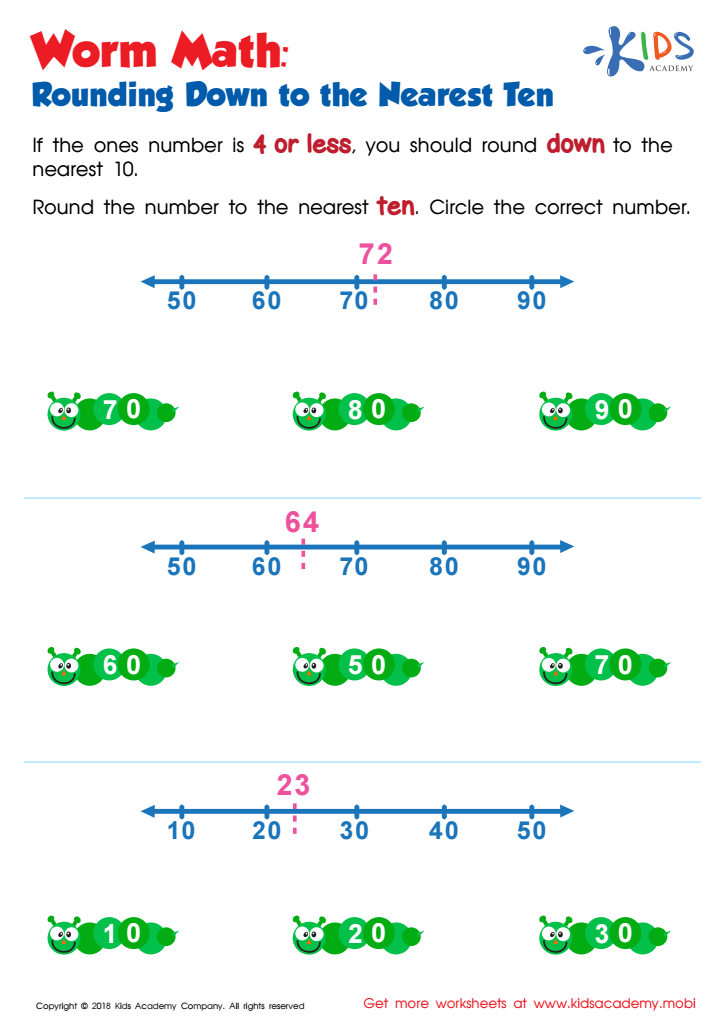
Worm Math Rounding Down to the Nearest Ten Worksheet
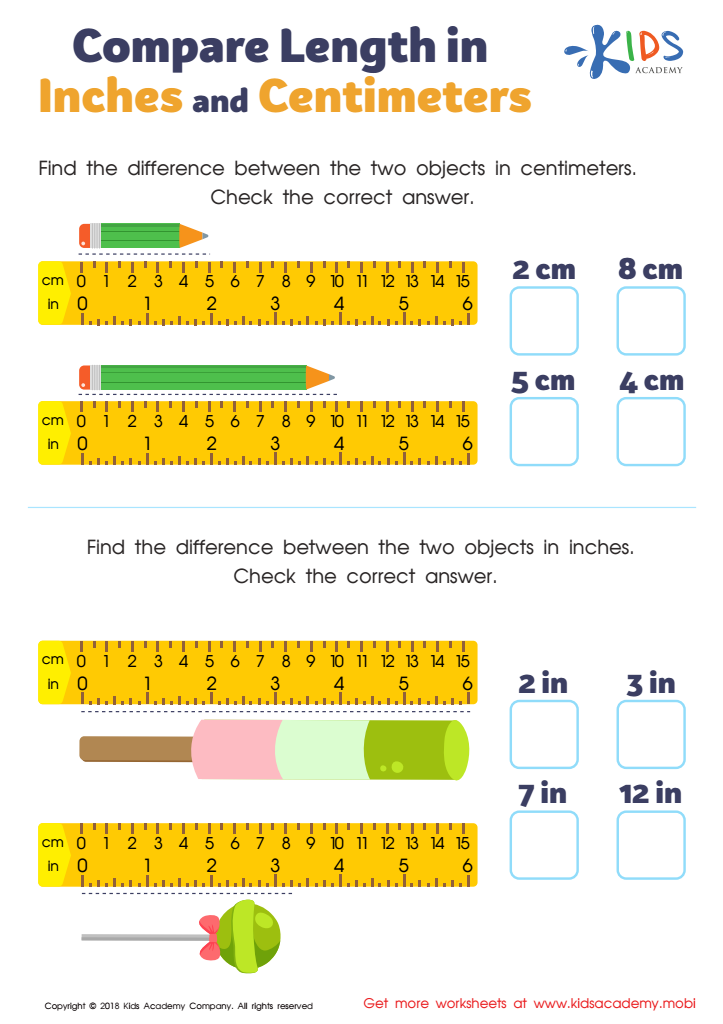
Compare Length in Inches and Centimeters Worksheet
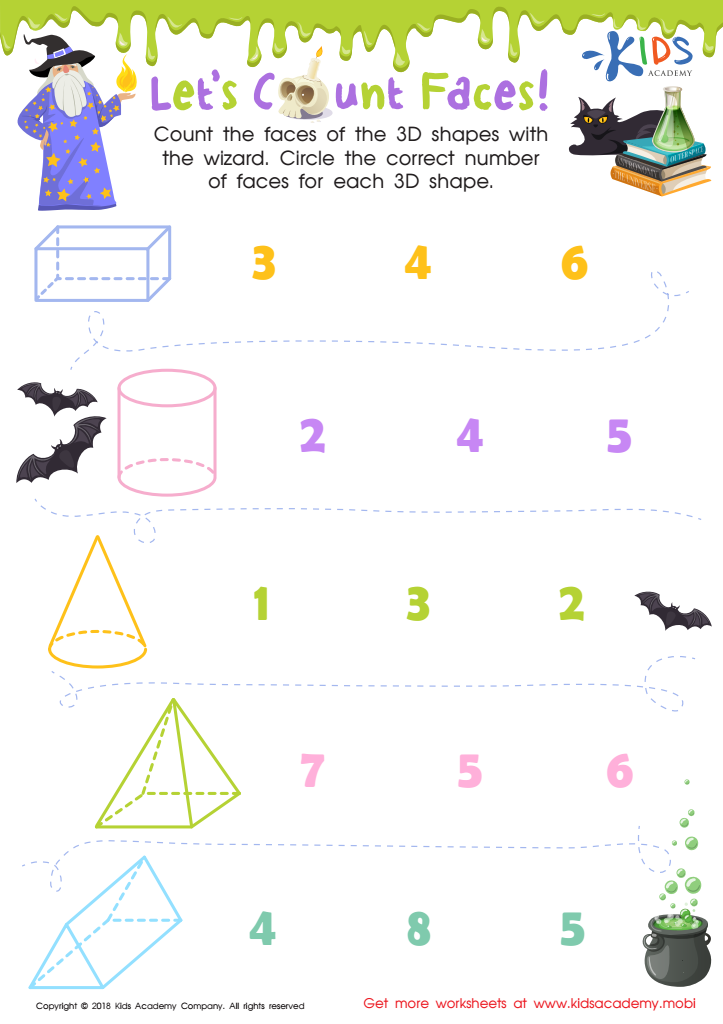
Let's Count Faces! Worksheet
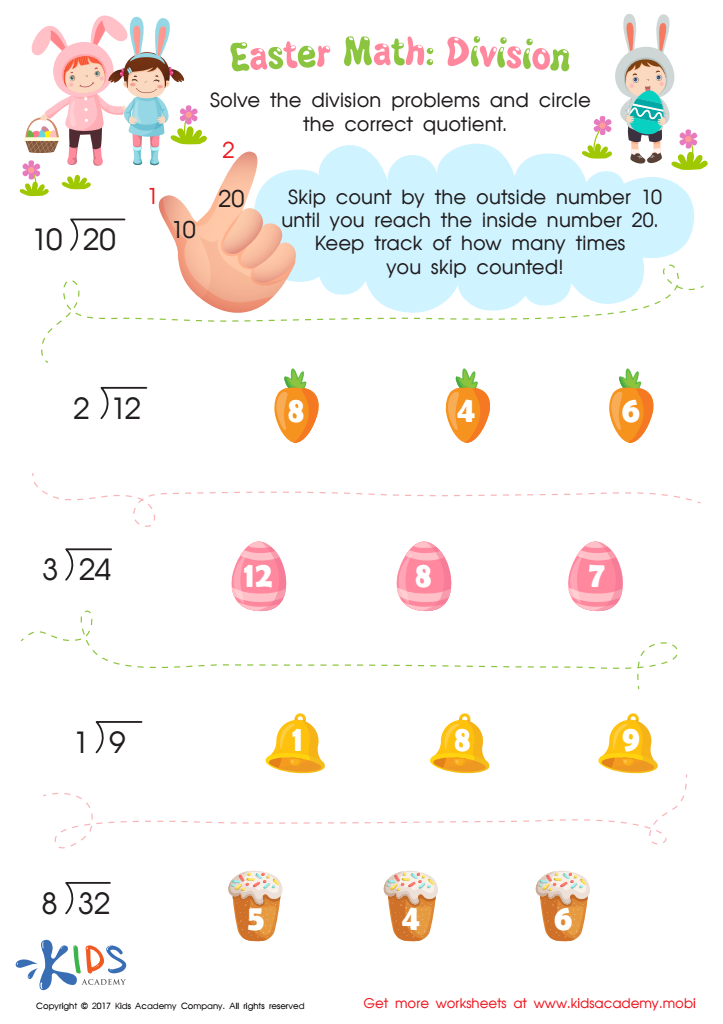
Division Worksheet
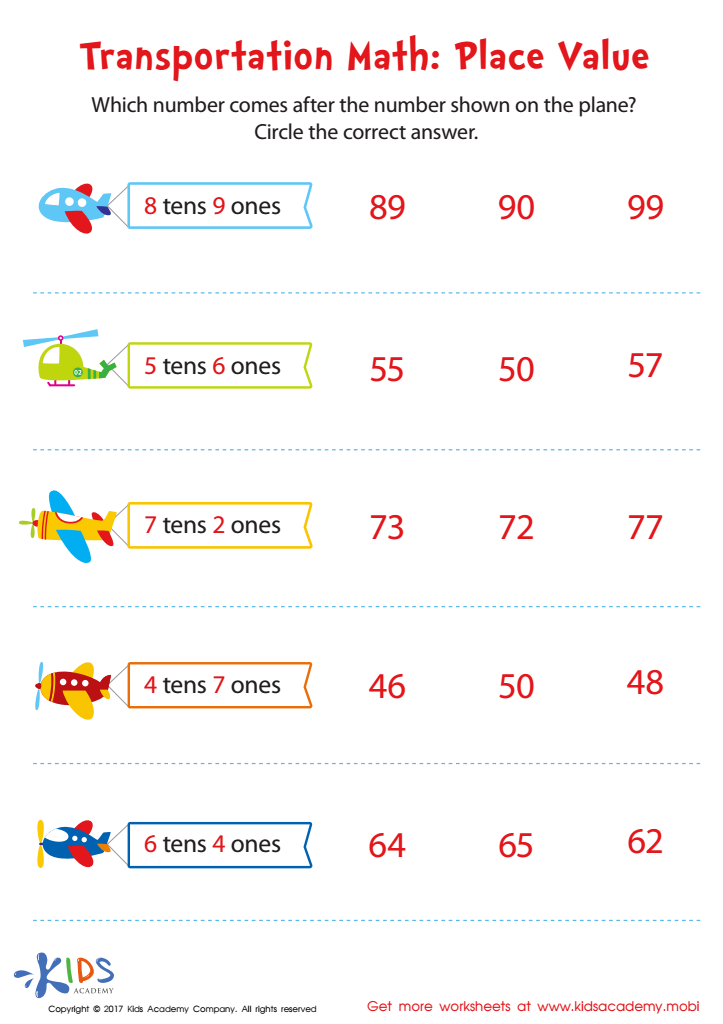
Transportation Math Printable
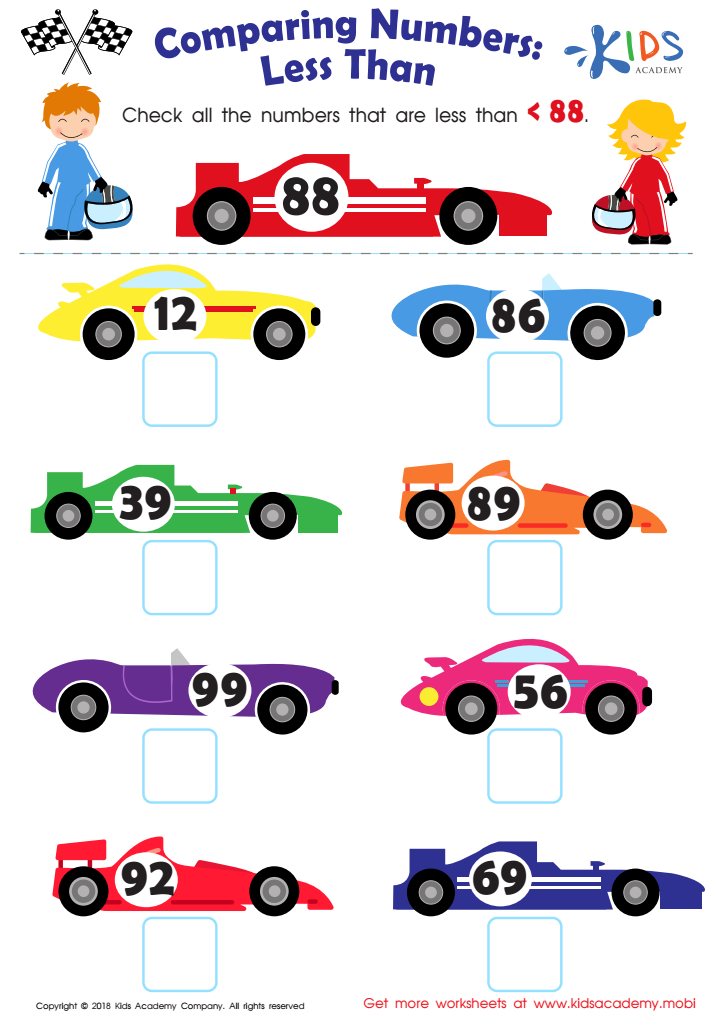
Less Than Worksheet
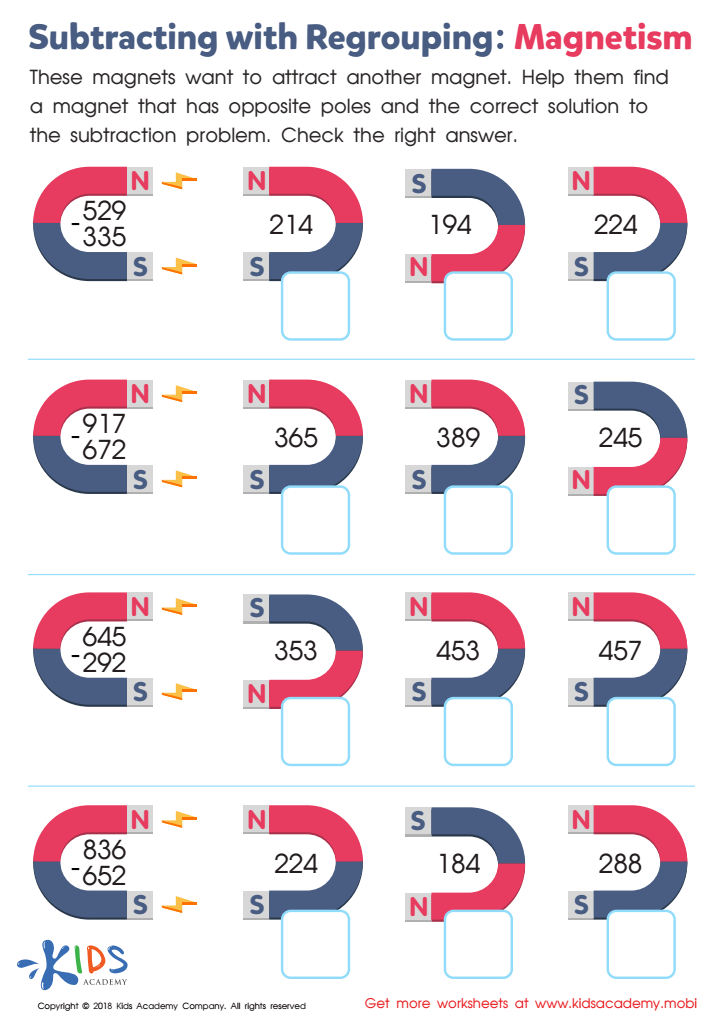
Subtracting with Regrouping: Magnetism Worksheet
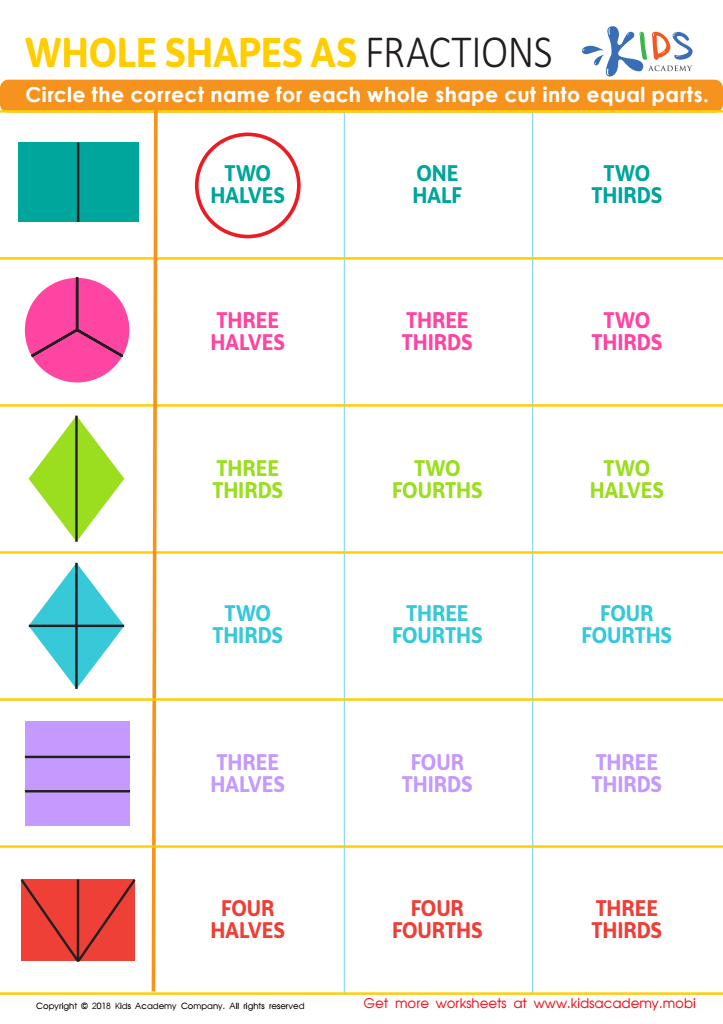
Whole Shapes as Fractions Worksheet
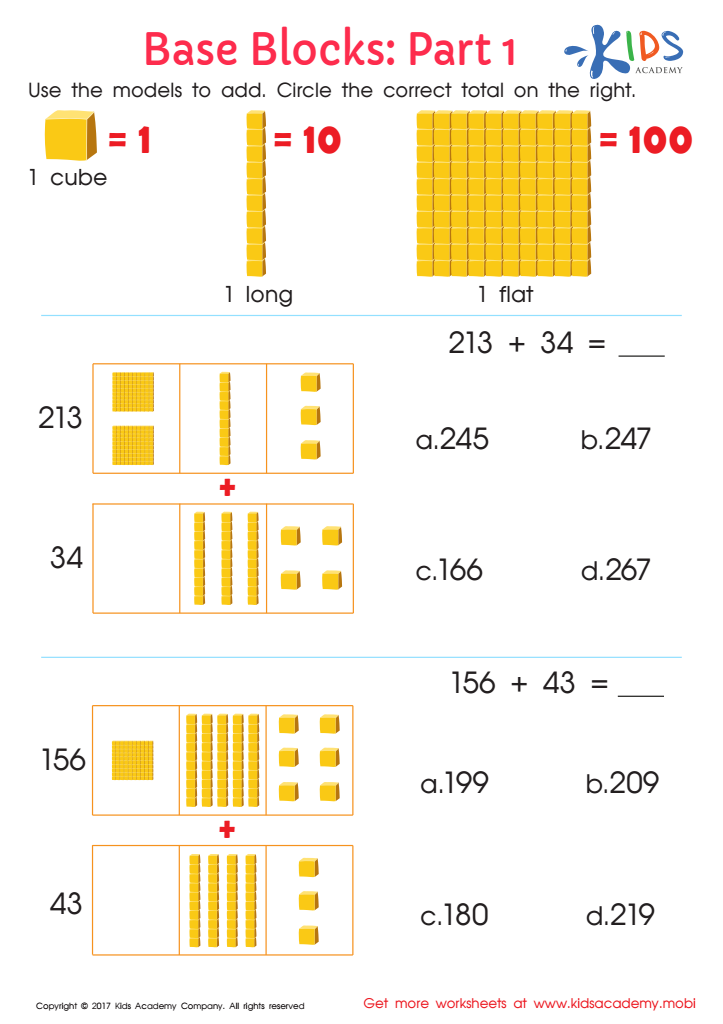
Base Ten Blocks Worksheet: Part 1
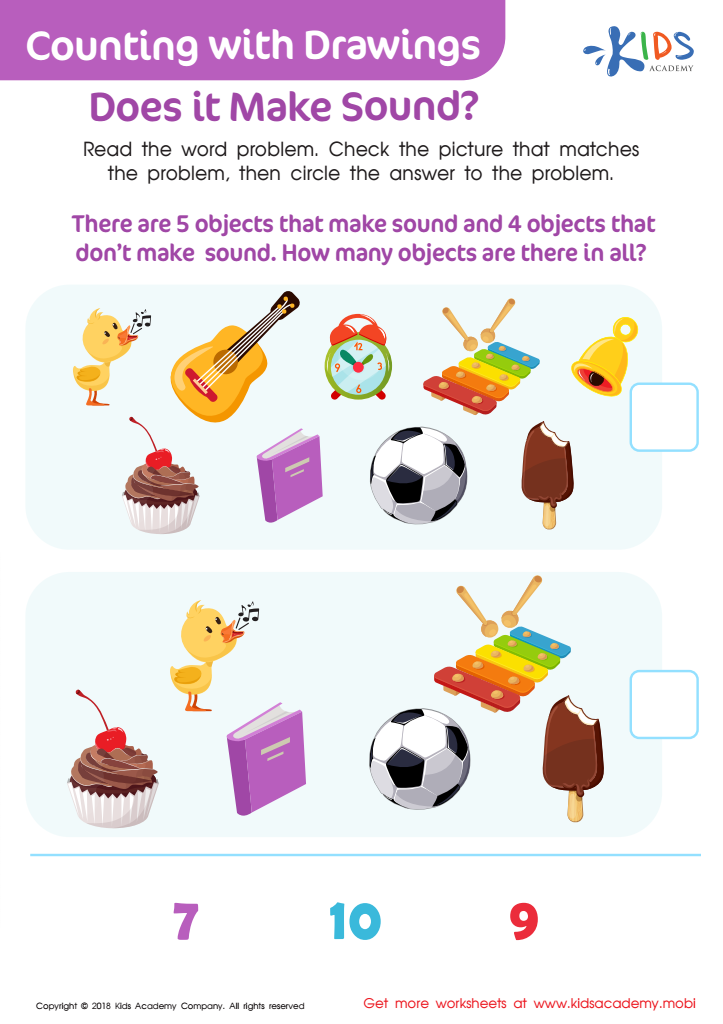
Counting With Drawings. Does It Make Sound? Worksheet
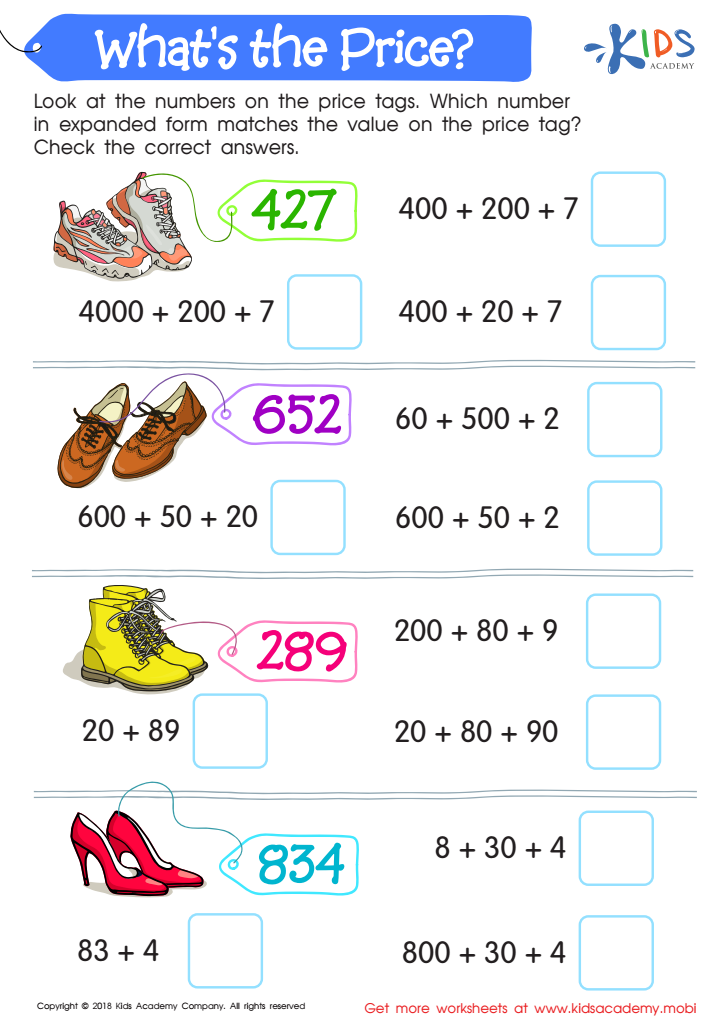
What's the Price? Worksheet
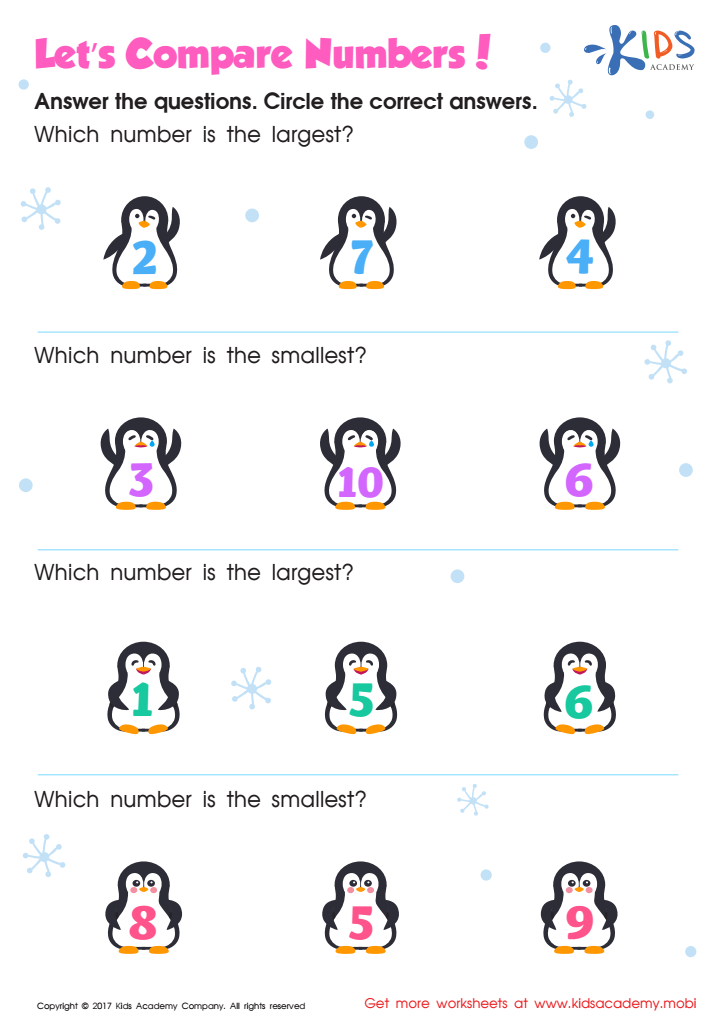
Comparing Numbers 1–10 Worksheet Kindergarten
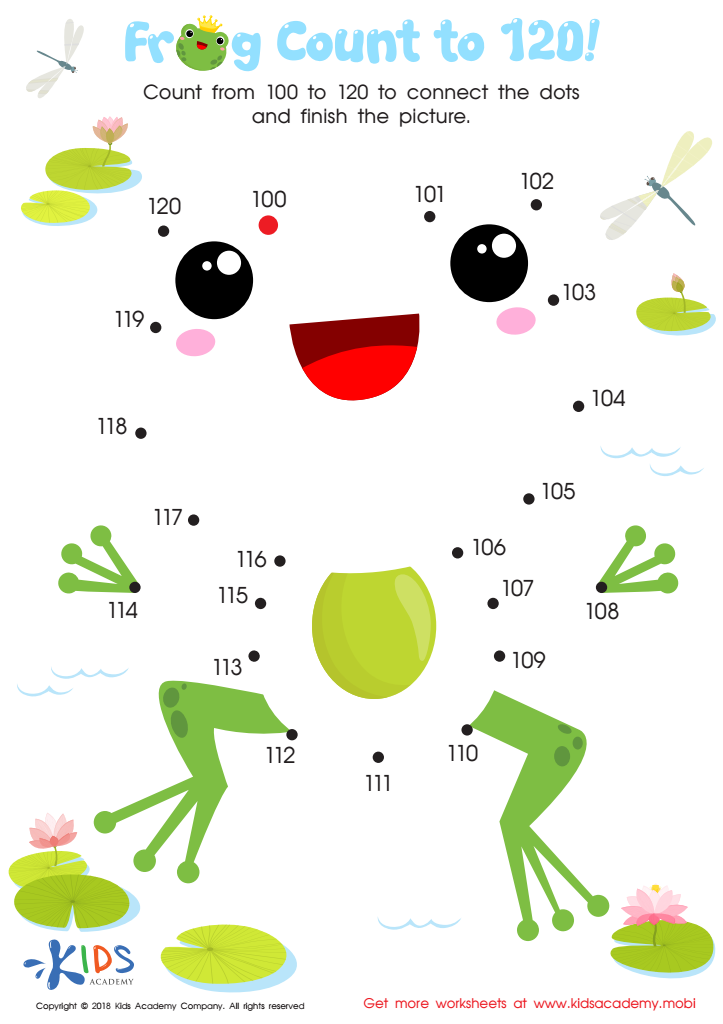
Frog Count to 120 Worksheet
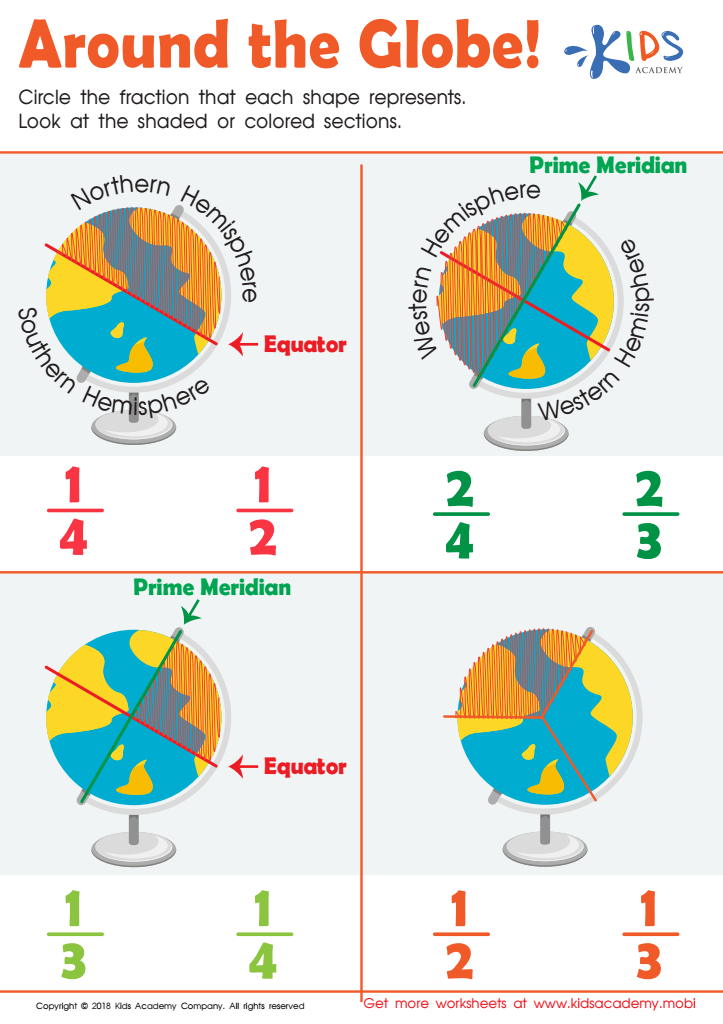
Around the Globe Worksheet
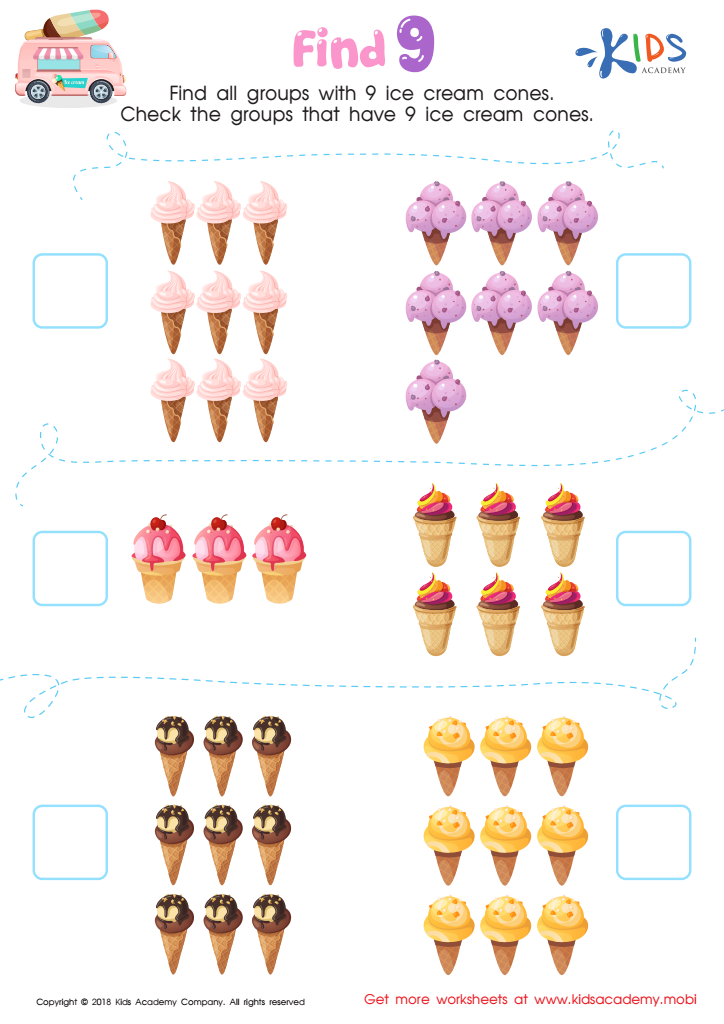
Find 9 Worksheet
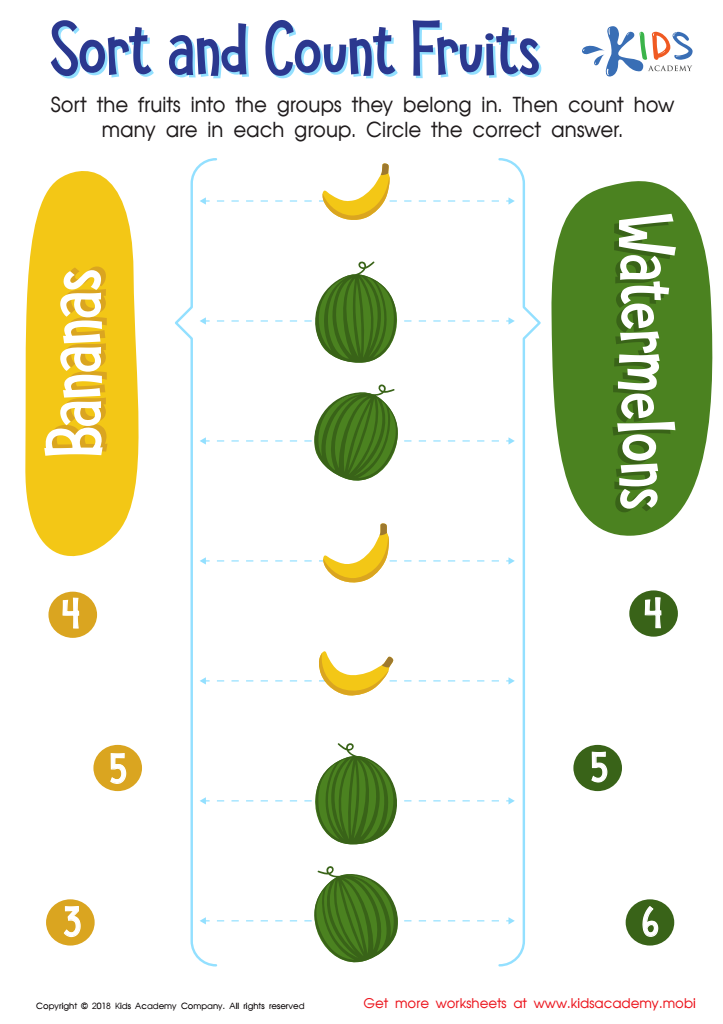
Sort and Count Fruits Worksheet
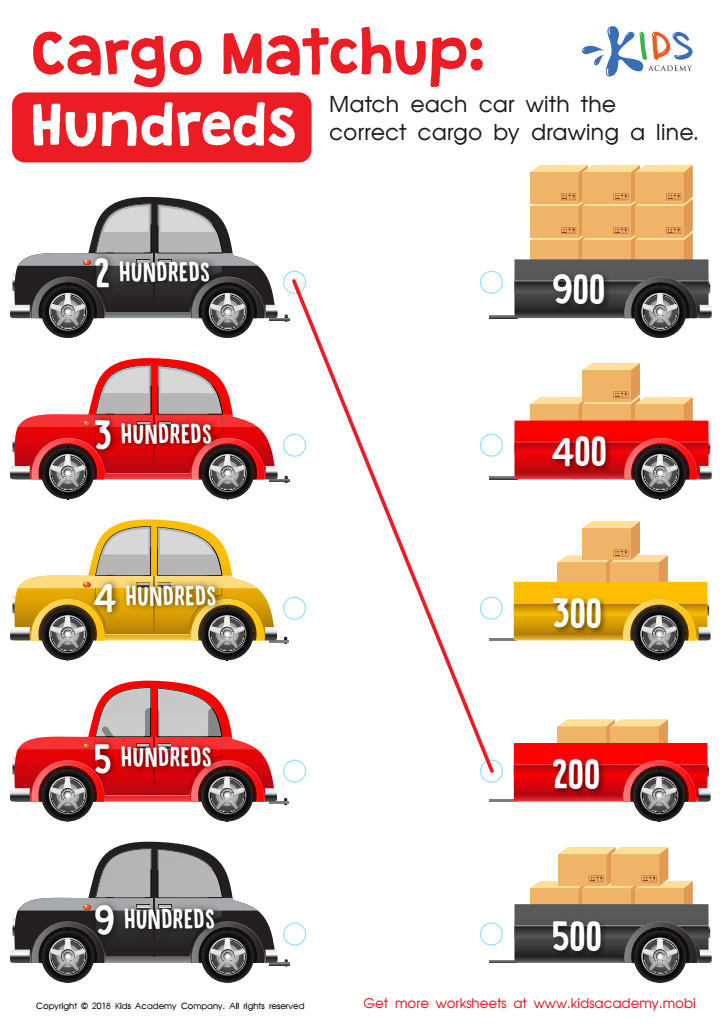
Cargo Matchup: Hundreds Worksheet
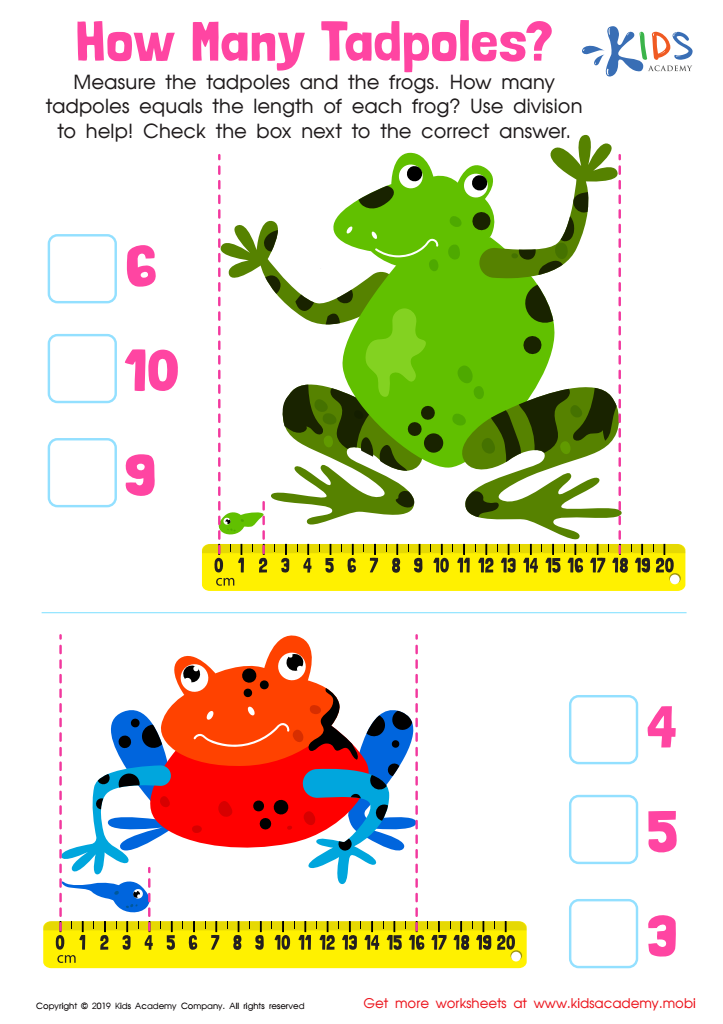
How Many Tadpoles Worksheet
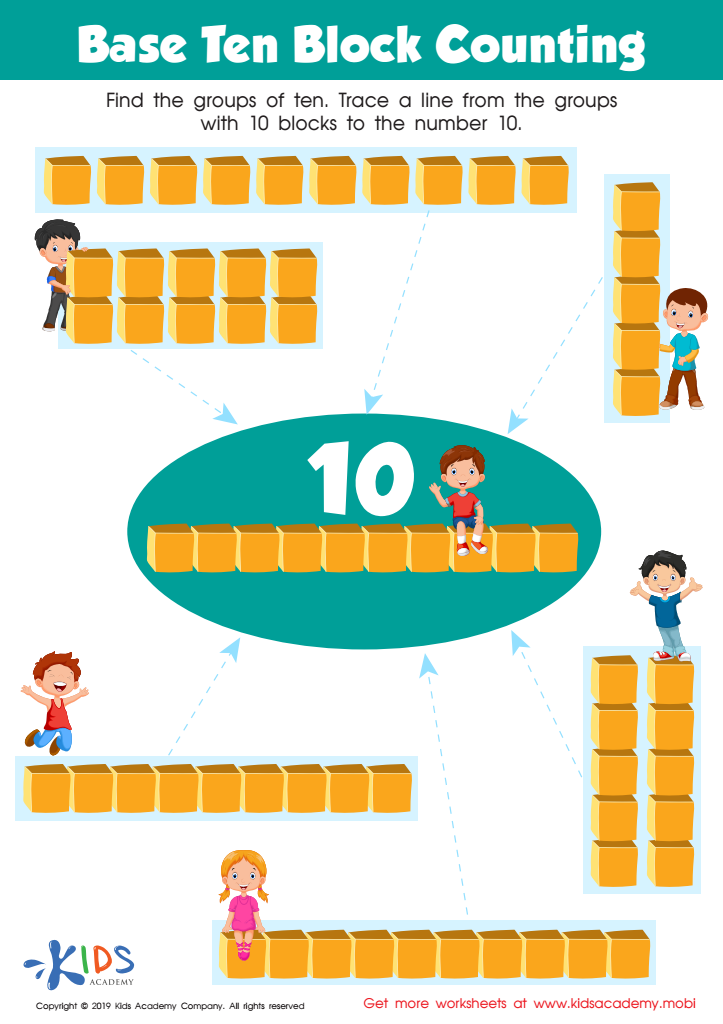
Base Ten Block Counting Worksheet




.jpg)



Parents and teachers should care about normal math for ages 5-9 because this foundational period is crucial for developing basic numeracy and problem-solving skills. During these early years, children are naturally curious and exhibit significant cognitive growth, making it the perfect time to introduce mathematical concepts. Understanding numbers, counting, basic arithmetic, shapes, and patterns forms the bedrock for future learning.
When parents and teachers emphasize math at this stage, they help develop a child's confidence and fluency in mathematical thinking. Early experiences with math can boost a child's curiosity, fostering a positive attitude toward learning that lasts a lifetime. Moreover, engaging in math activities enhances critical thinking, logical reasoning, and spatial awareness, all of which are vital across numerous academic subjects and everyday activities.
By supporting children in mastering age-appropriate math concepts, adults help pave the way for academic success. Skills learned through early math are linked to improved performance in later years, including standardized tests and advanced math courses. Therefore, caring about early math education isn't just about learning numbers; it's about equipping children with the tools they need to navigate a world increasingly centered around STEM (science, technology, engineering, and mathematics).








