Problem-Solving Skills Normal Addition Facts Worksheets for Ages 5-9
5 filtered results
-
From - To
Unlock your child's potential with our Problem-Solving Skills Normal Addition Facts Worksheets, specially designed for ages 5-9. These engaging, interactive worksheets help young learners master addition through real-world scenarios and critical thinking activities. By merging fun with education, our resources encourage children to tackle mathematical problems with confidence. As they practice finding solutions, students will not only reinforce their addition facts but also enhance their problem-solving techniques. Perfect for parents and educators alike, these worksheets are instrumental in building a strong mathematical foundation. Explore our collection today and support your child's journey to mathematical fluency and self-assurance!
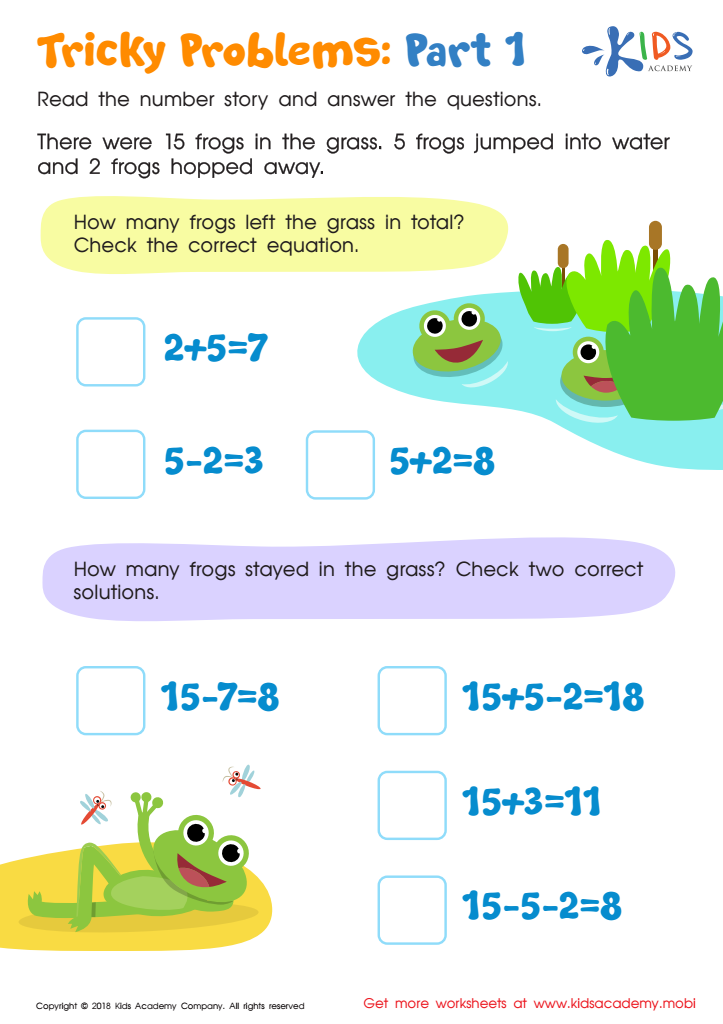
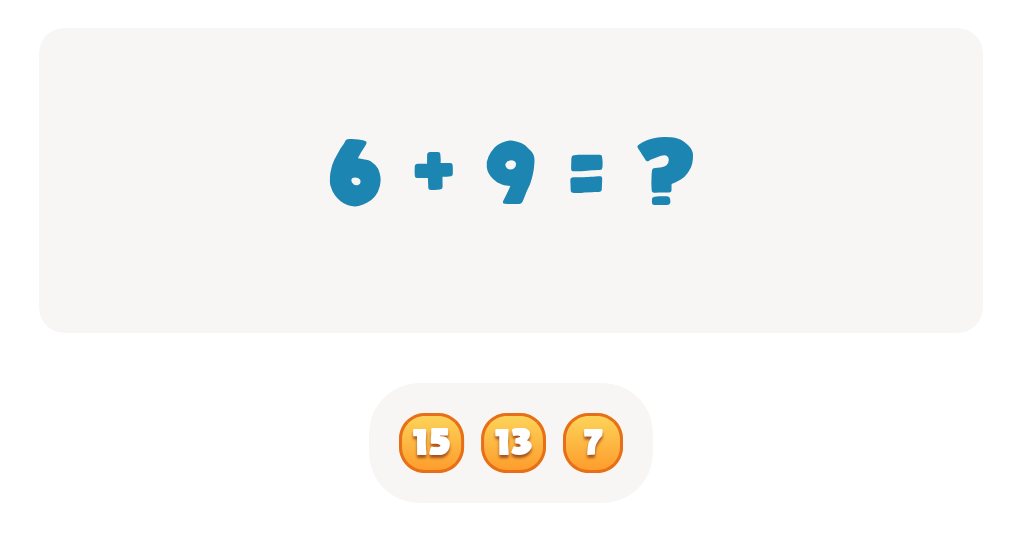
Tricky Problems Worksheet: Part 1
 Assign to My Students
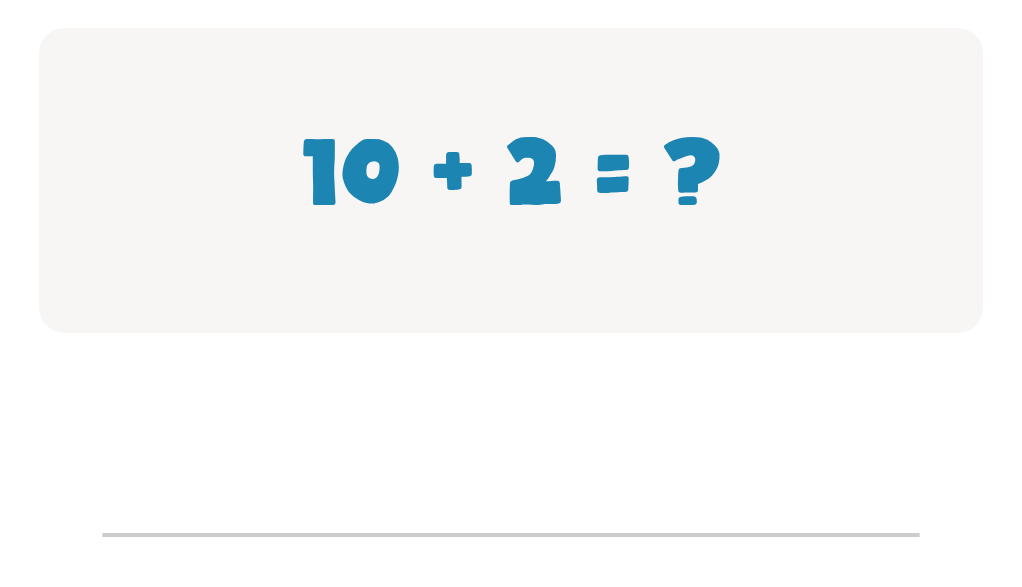


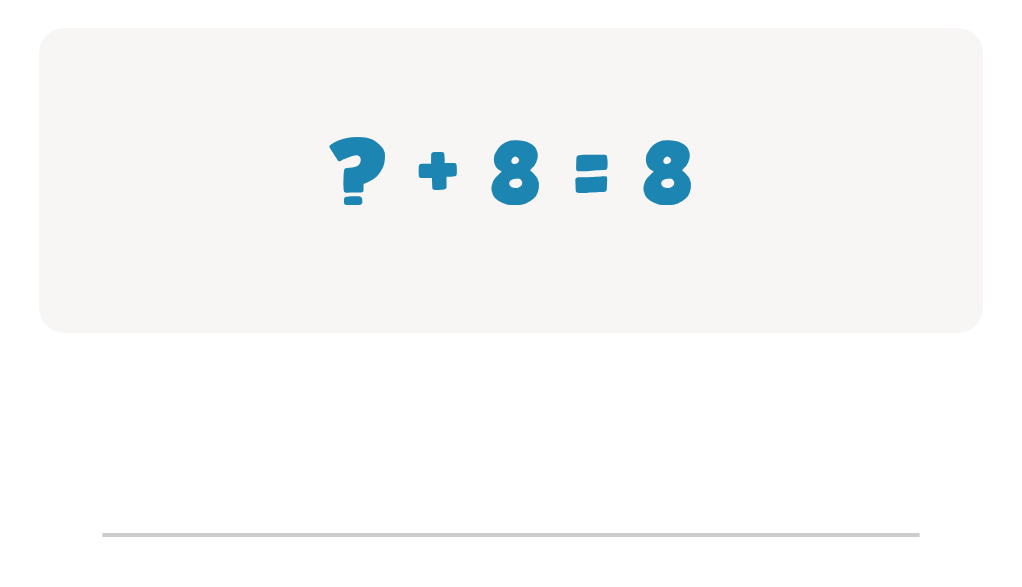
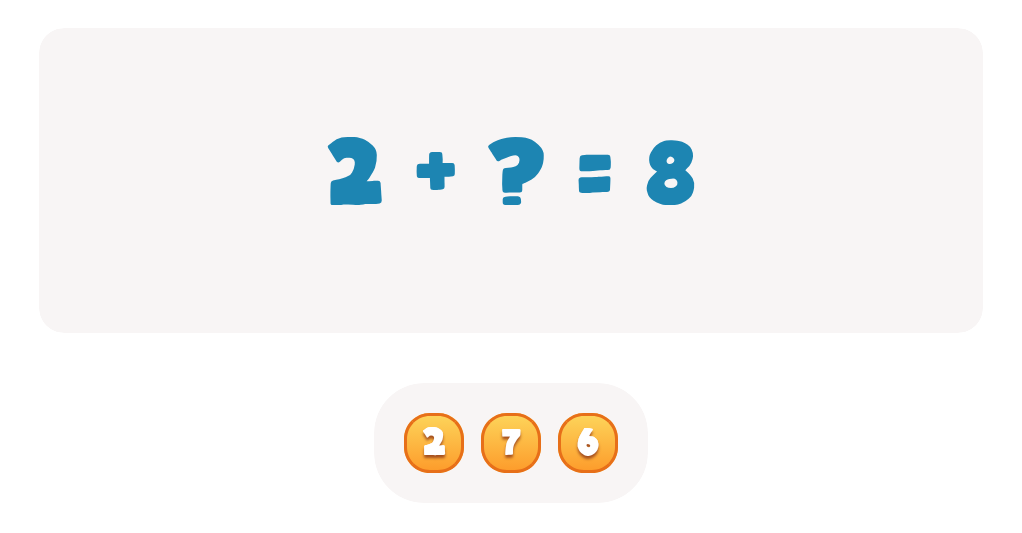
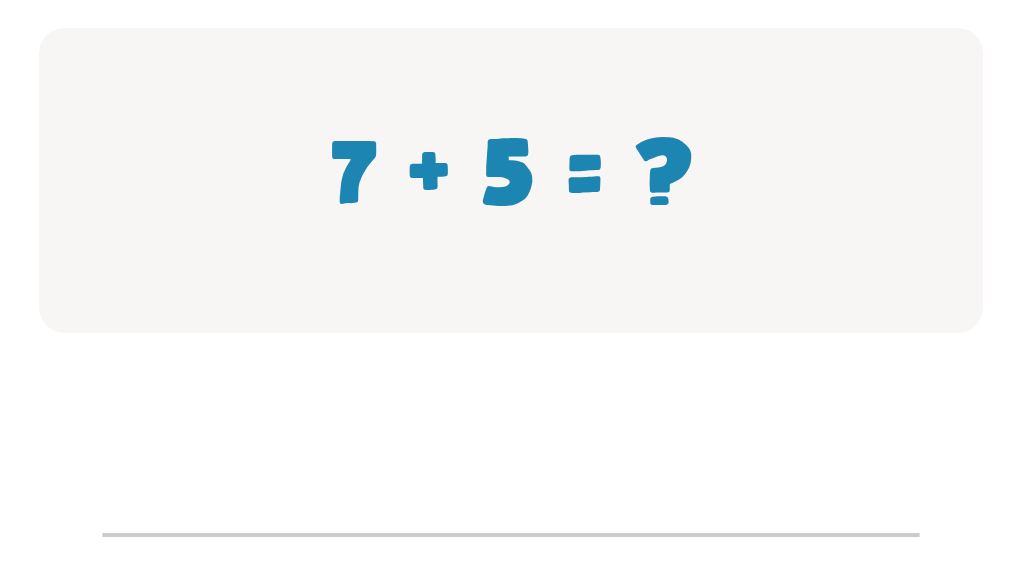
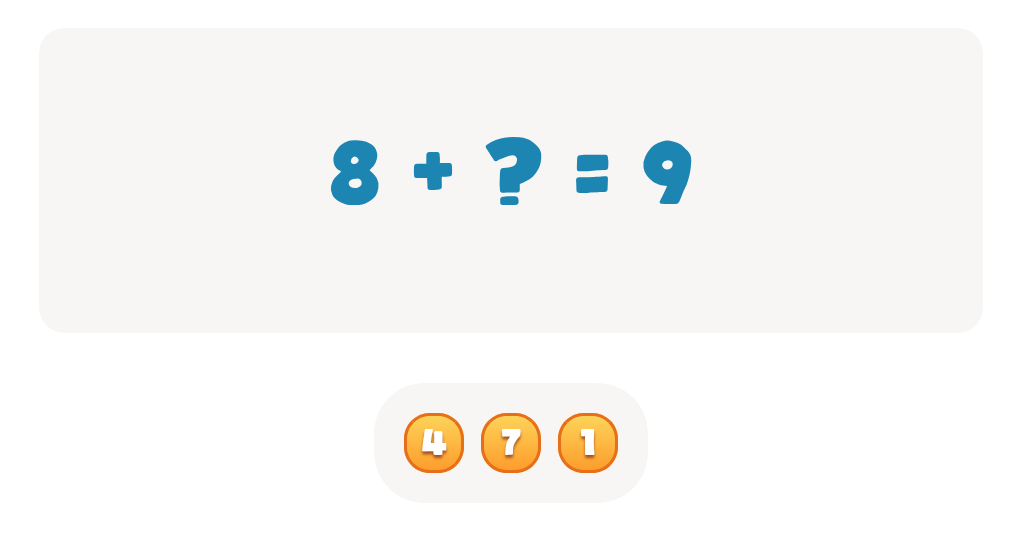

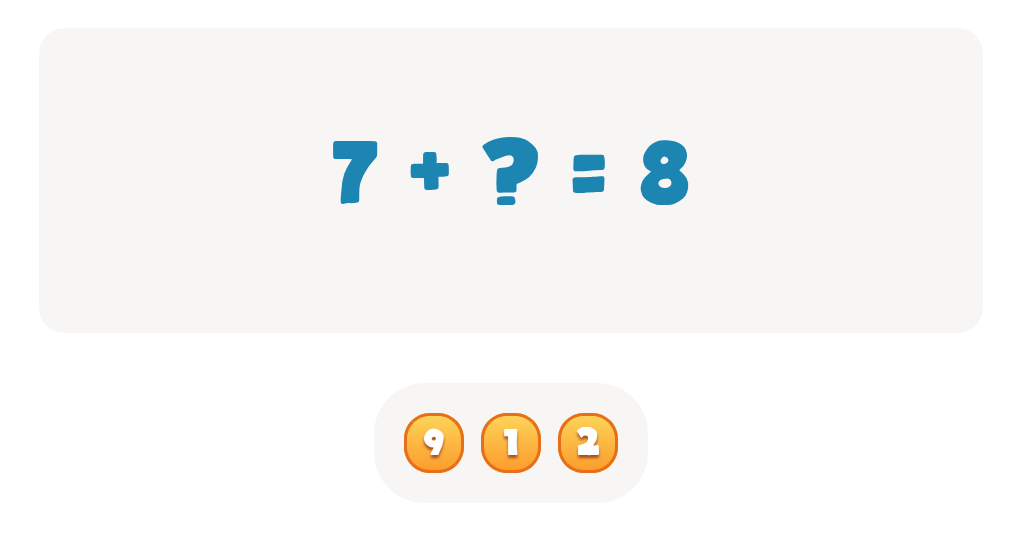
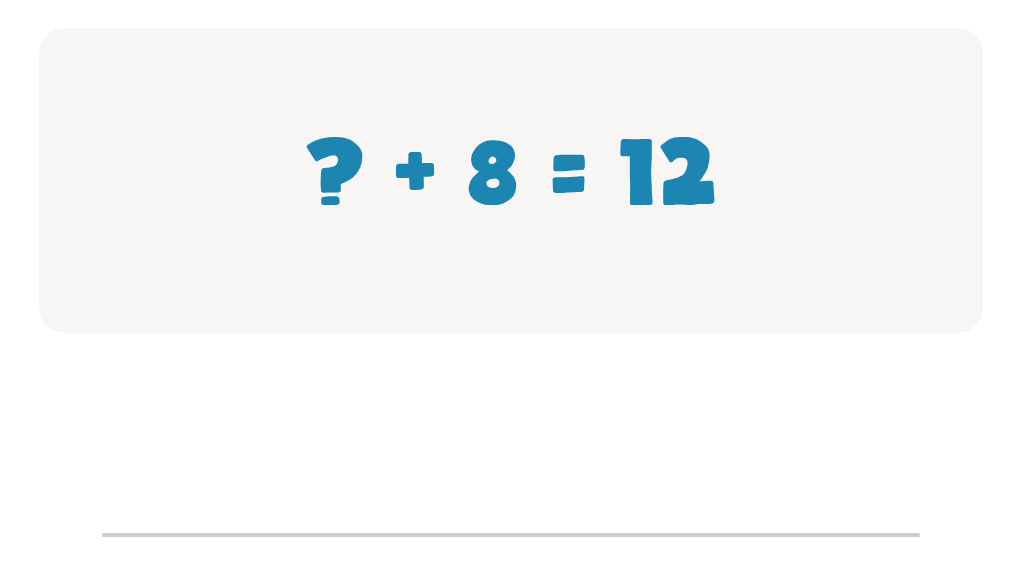
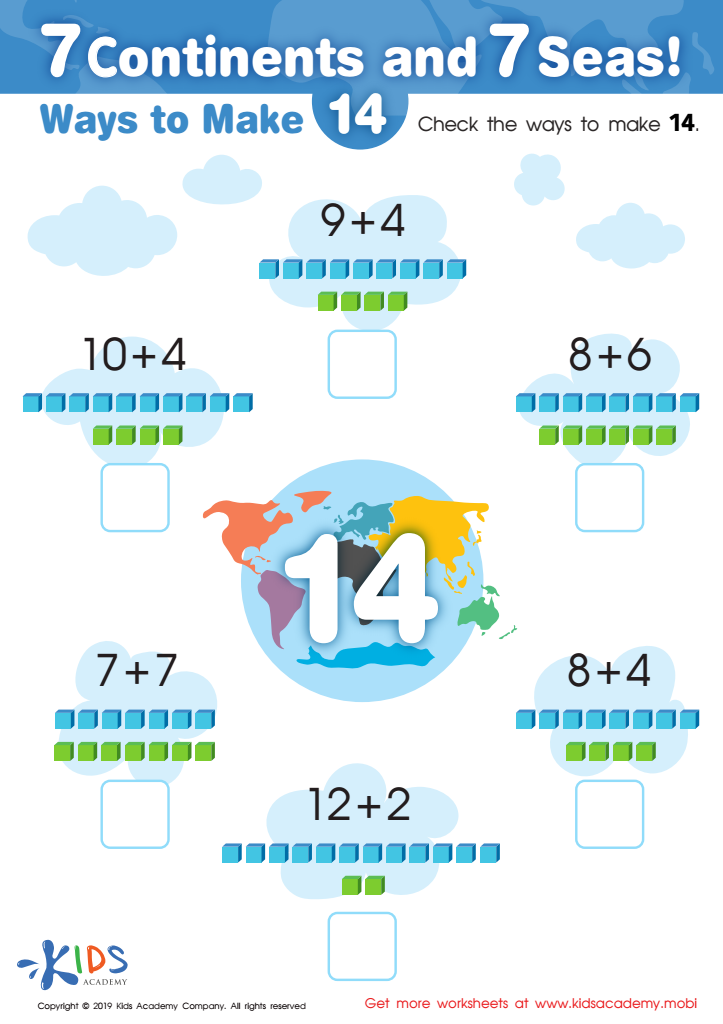
7 Continents and 7 Seas Worksheet
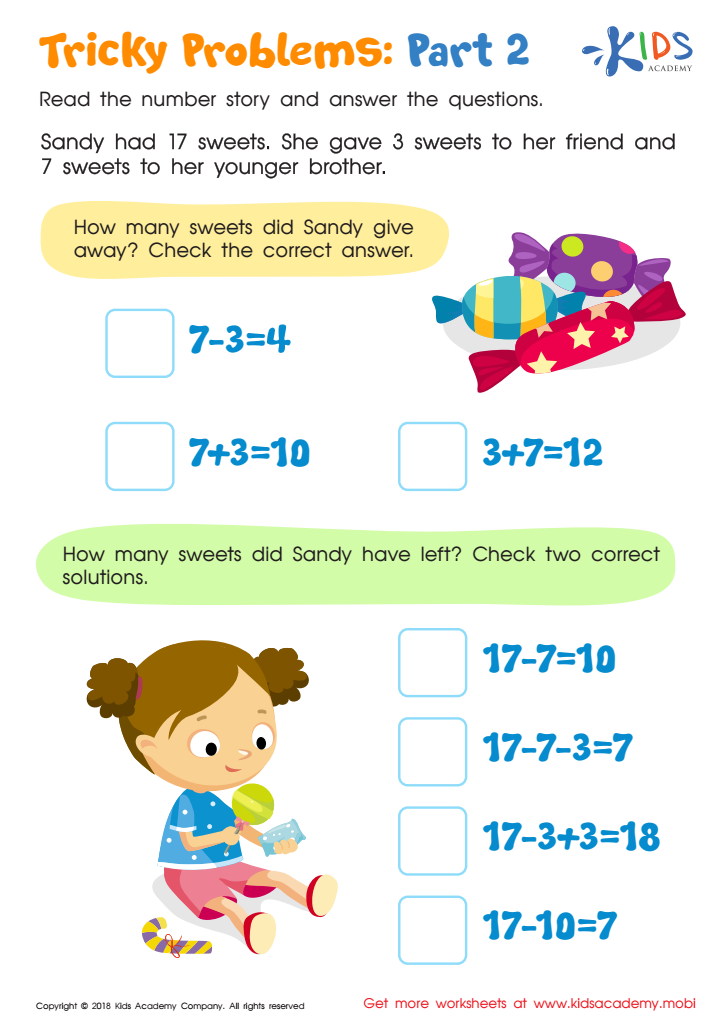
Tricky Problems Worksheet: Part 2
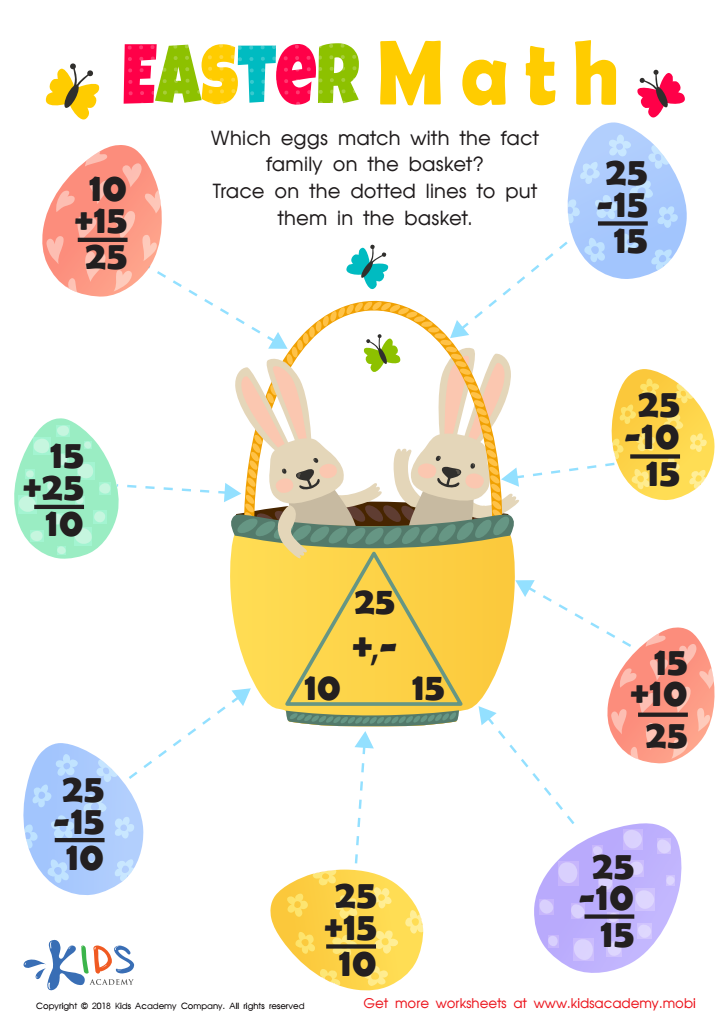
Fact Families: Easter Math Worksheet
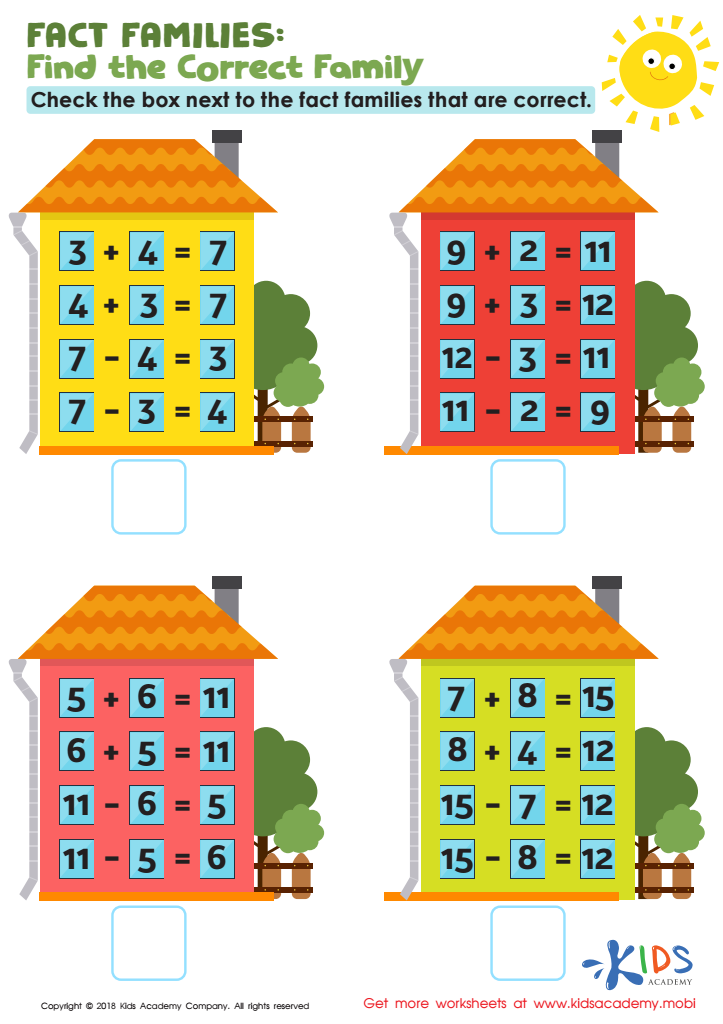
Fact Families: Find Correct Family Worksheet








Parents and teachers should prioritize problem-solving skills in normal addition facts for children ages 5-9 because these foundational abilities significantly impact overall cognitive development. Early mastery of addition fosters confidence in math, providing children with a solid base for more complex mathematical concepts in later years. Enhanced problem-solving skills also encourage critical thinking, allowing children to break down challenges into manageable parts and evaluate possible solutions.
Moreover, strong problem-solving abilities enhance a child's resilience. When students encounter difficulties, those equipped with effective problem-solving strategies are more likely to persevere, fostering a growth mindset. This mindset is crucial as it teaches them that mistakes are opportunities for learning rather than setbacks.
Additionally, developing these skills in a collaborative environment, such as a classroom or at home during homework, builds social skills and promotes teamwork as children learn to discuss and manage solutions together.
By focusing on normal addition facts through problem-solving exercises, parents and teachers empower children not just mathematically but also in their approach to everyday challenges. Ultimately, these core skills weave into broader life experiences, setting the stage for future academic success and personal growth.








