Understanding patterns Normal Numbers Worksheets for Ages 5-9
4 filtered results
-
From - To
Discover our "Understanding Patterns Normal Numbers Worksheets" designed specifically for children aged 5-9. These engaging worksheets provide an exciting way for young learners to grasp the concept of patterns in numbers. With a variety of fun exercises, your child will explore sequential and visual patterns, enhancing their logical thinking and problem-solving skills. Our educational resources are perfect for classroom activities or home practice, fostering a love for math through interactive learning. Watch as your child gains confidence and proficiency in recognising and creating patterns, laying the foundation for future mathematical success. Start their learning journey today with our comprehensive worksheets!
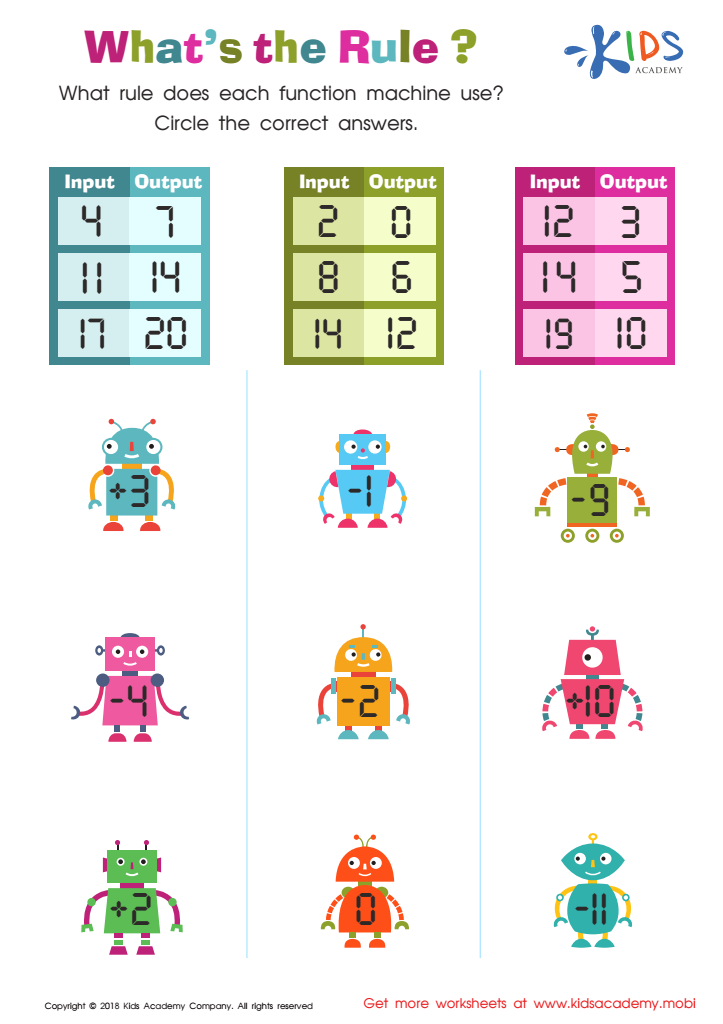
What's the Rule Worksheet
 Assign to My Students
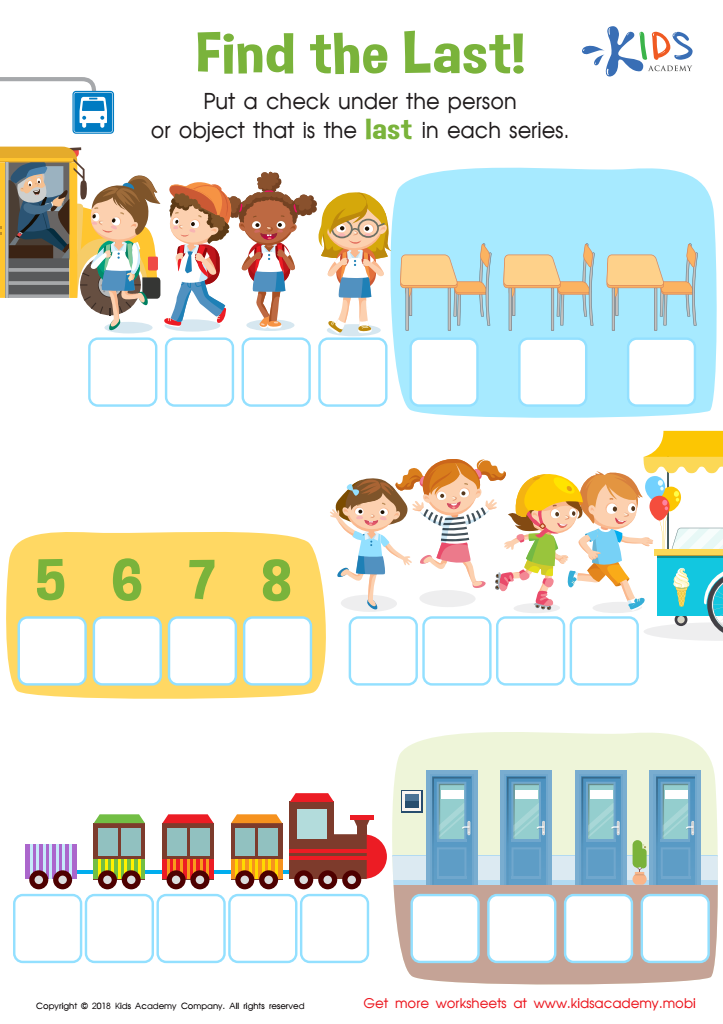
Find the Last! Worksheet
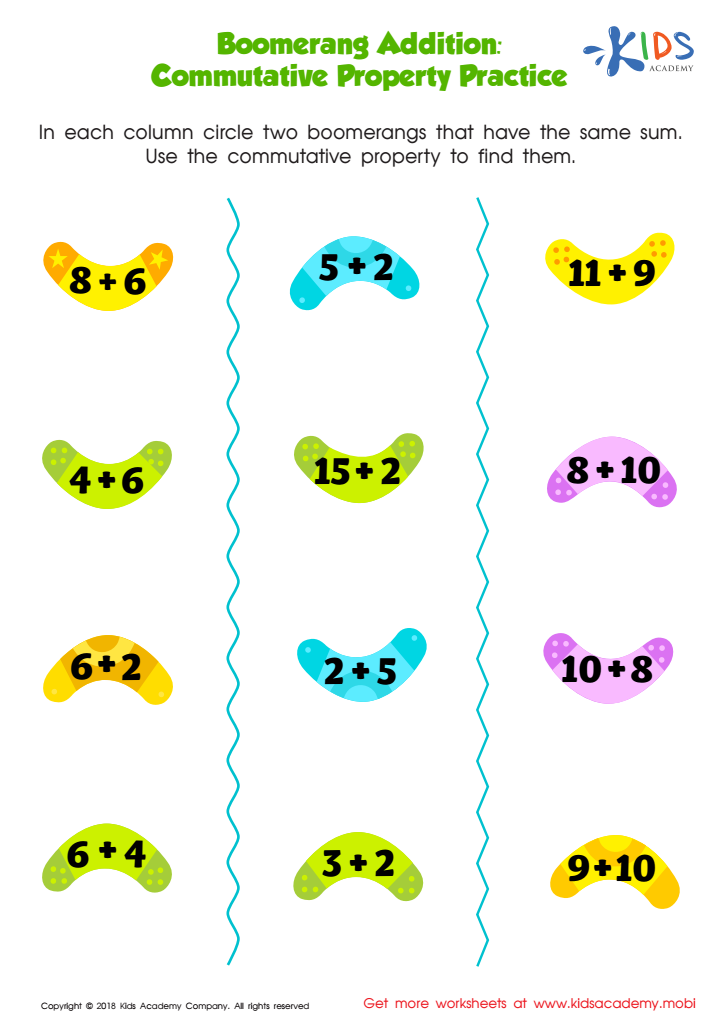
Boomerang Addition Worksheet
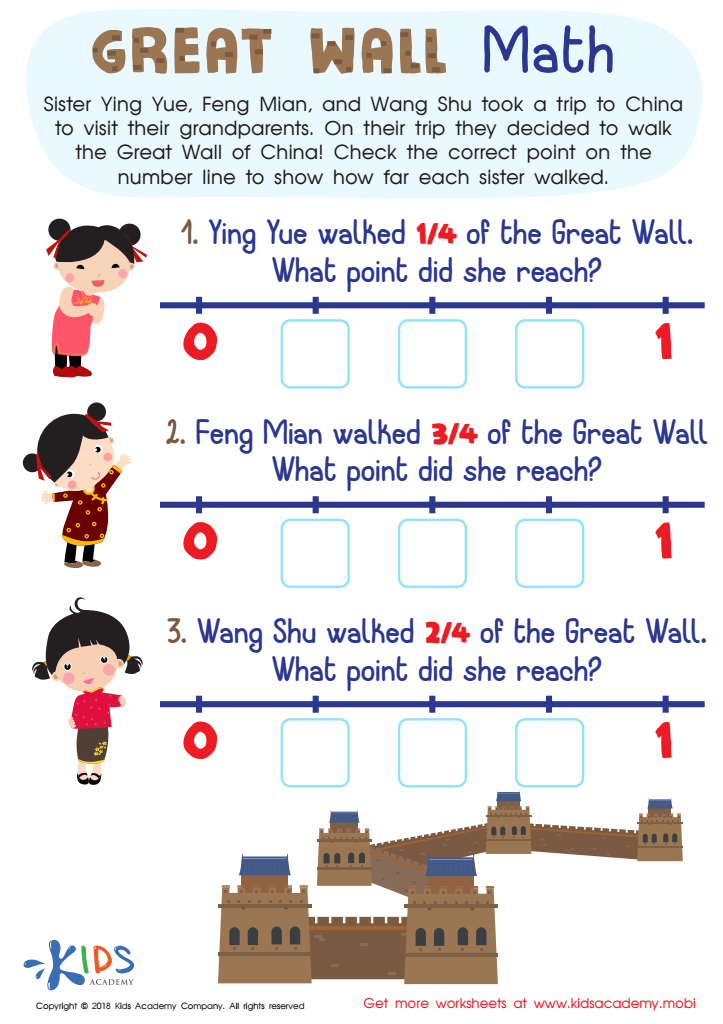
Great Wall Math Worksheet






.jpg)

Understanding patterns and normal numbers is crucial for children aged 5-9 as it lays the foundation for essential mathematical skills and logical reasoning. For parents and teachers, recognizing the importance of this concept can greatly enhance a child's cognitive development and problem-solving abilities.
Patterns serve as building blocks in mathematics and science. They help children identify relationships between numbers and recognize sequences, which are pivotal in various mathematical operations. By grasping the concept of normal numbers—which relate to counting and measuring—children develop better numerical fluency, aiding their confidence in dealing with basic arithmetic.
Furthermore, pattern recognition fosters critical thinking and creativity. When children learn to identify and predict patterns, they enhance their analytical skills, preparing them for higher levels of education and real-life situations. This skill encourages perseverance and resilience, as children learn to explore and make sense of their world.
Lastly, engagement in identifying patterns and understanding normal numbers promotes collaboration among peers. Group activities focused on these concepts can nurture teamwork and communication skills, creating a well-rounded educational experience. By investing time in these foundational skills, parents and teachers set the stage for children's future academic and personal success.








