Basic Math Skills Normal Math Worksheets for Ages 5-9 - Page 2
35 filtered results
-
From - To
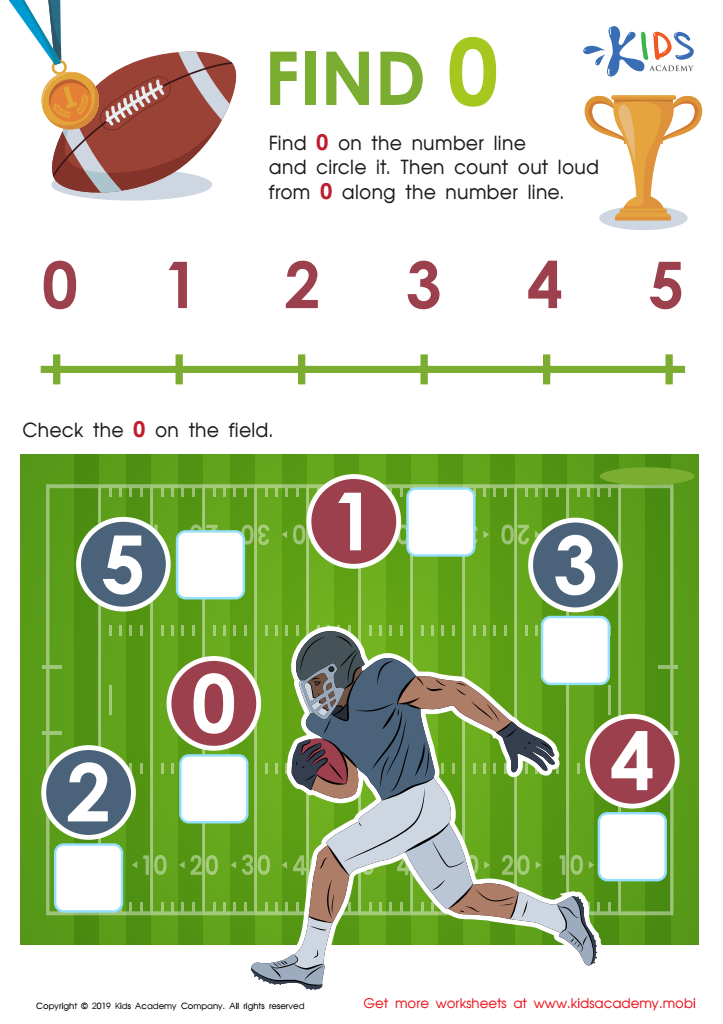
Find 0 Worksheet
 Assign to My Students
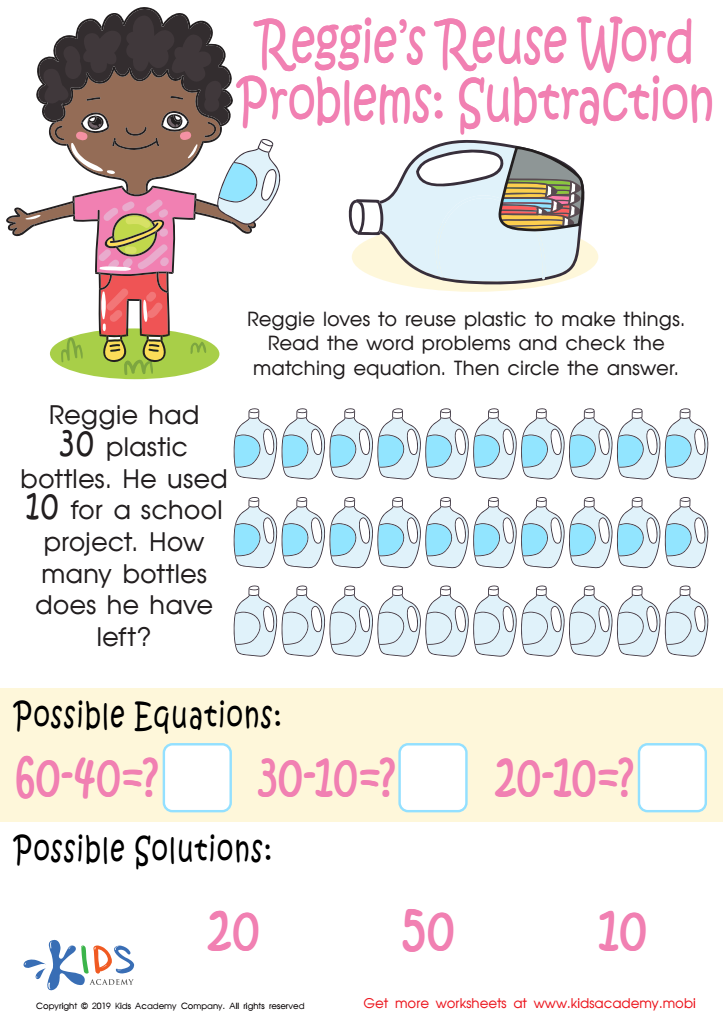
Reggie's Reuse Word Problems: Subtraction Worksheet
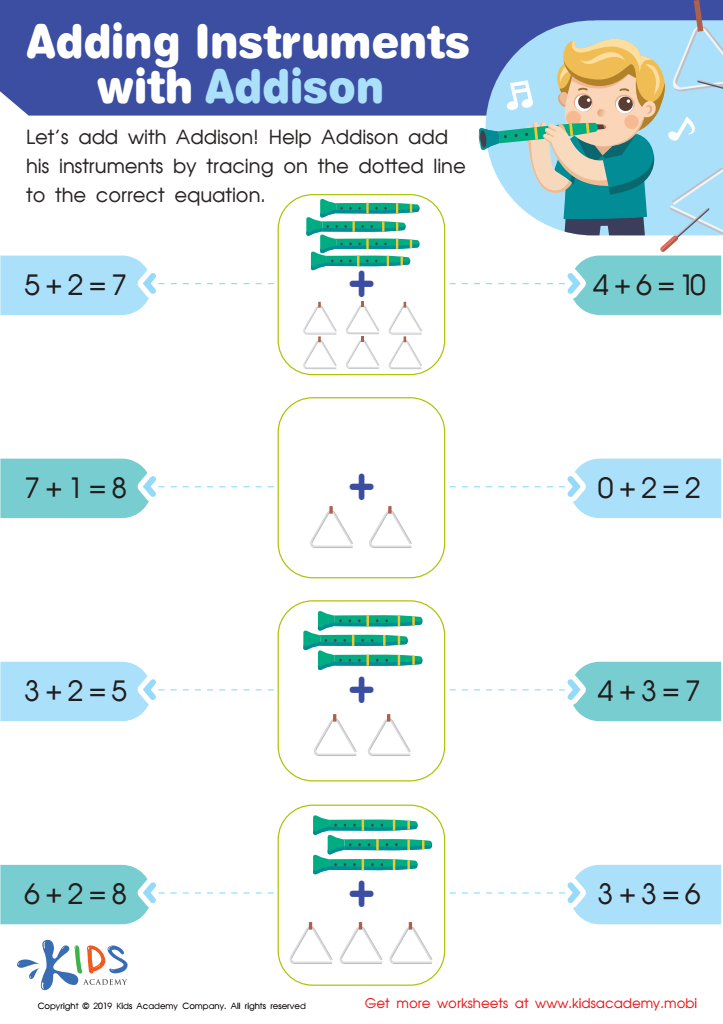
Adding Instruments with Addison Worksheet
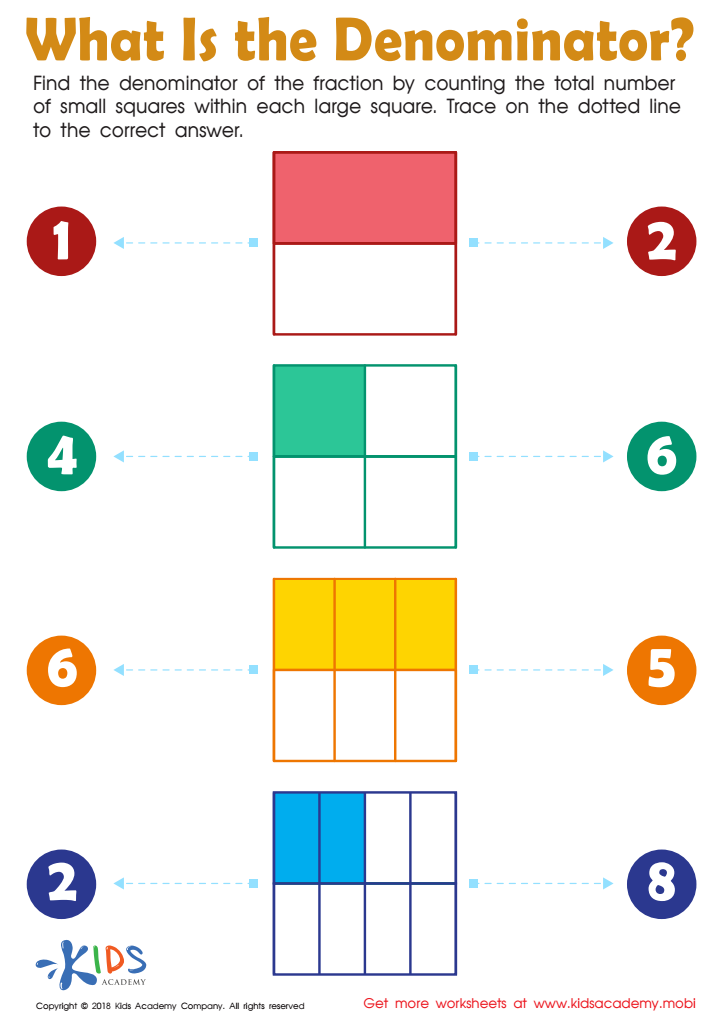
What Is the Denominator? Worksheet
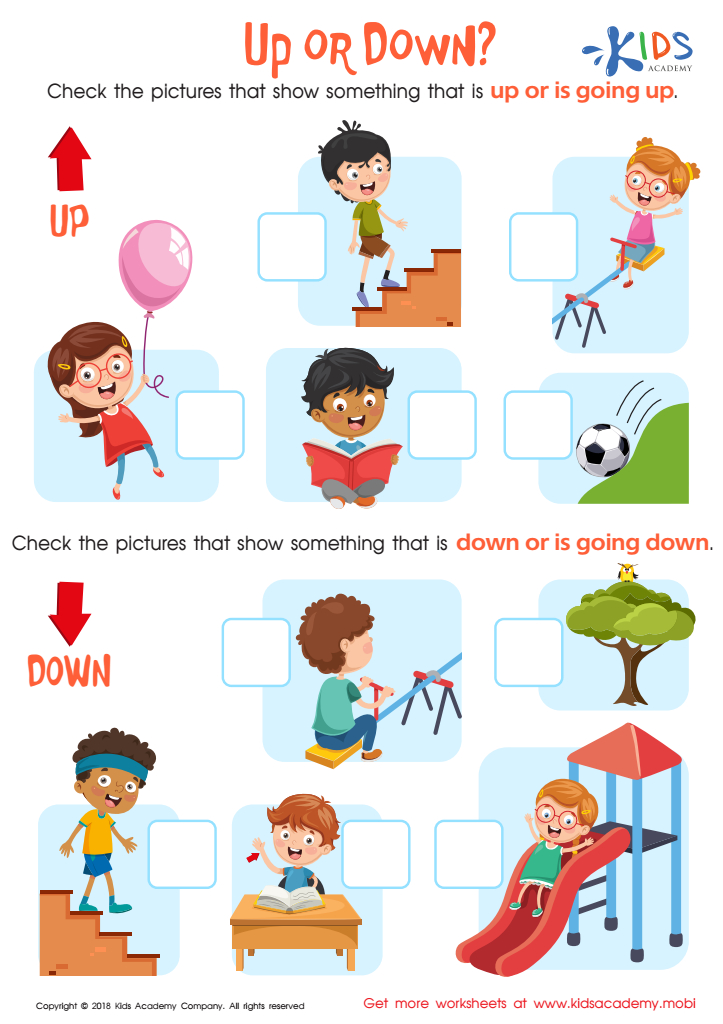
Up or Down Worksheet

Count and Match Vegetables 1 – 5 Math Worksheet
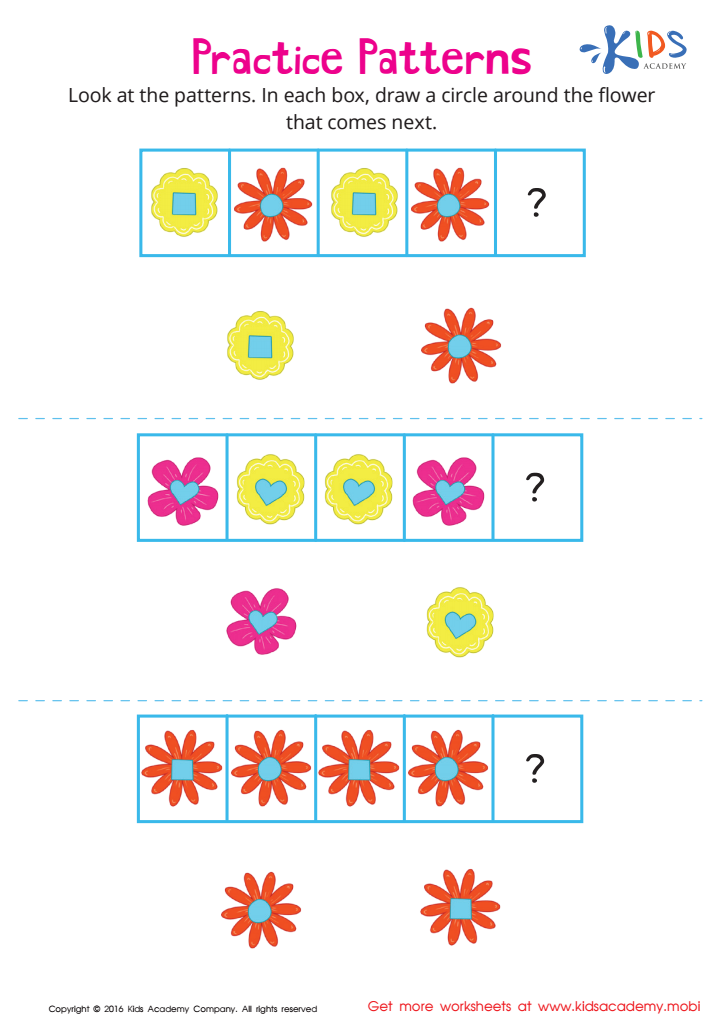
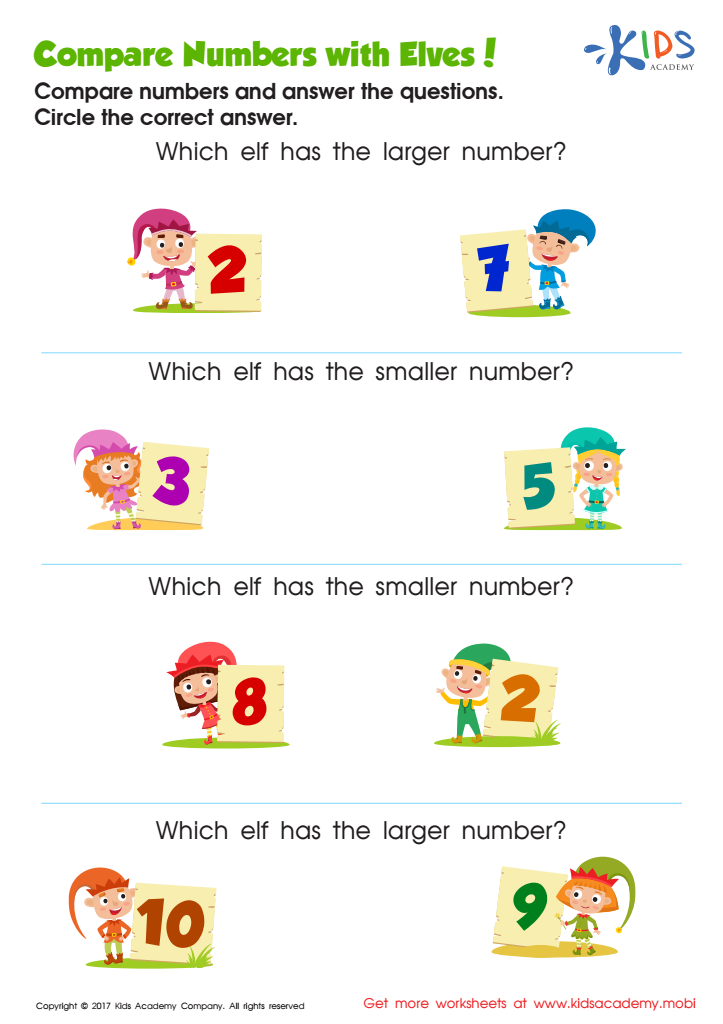
Comparing Numbers Worksheet for Kindergarten
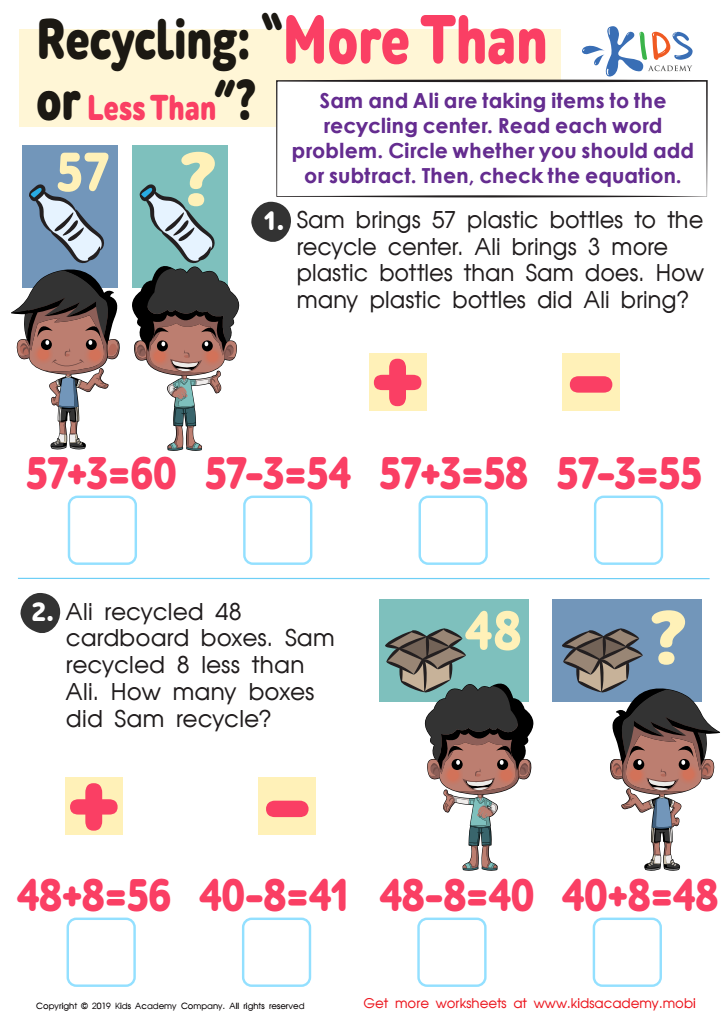
Recycling - More or Less Worksheet
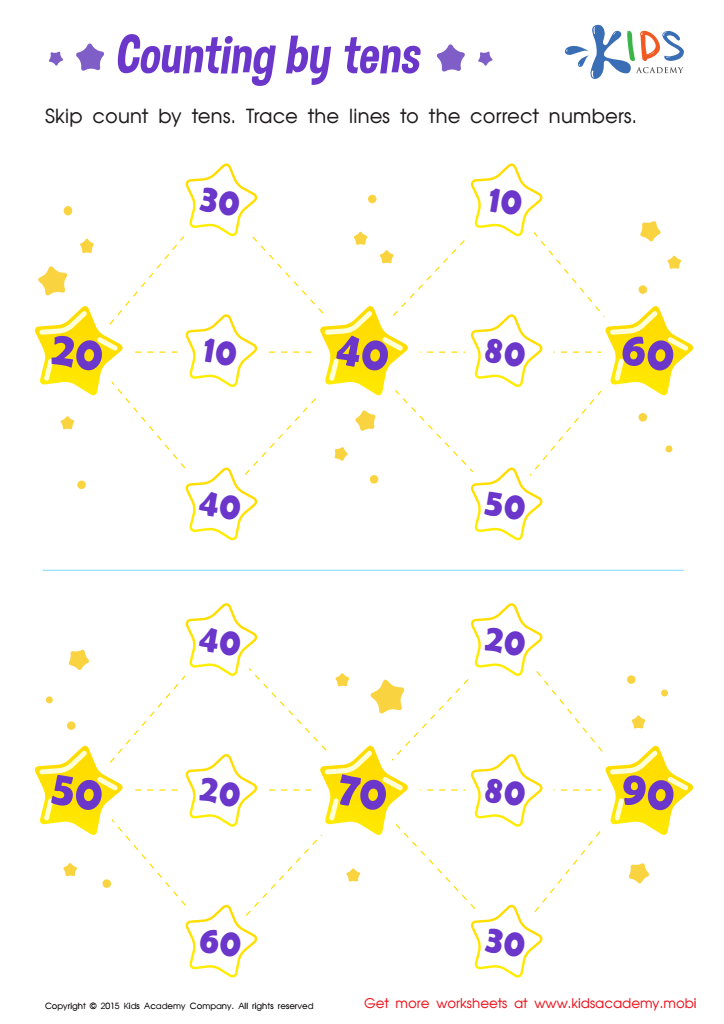
Learn Dozens: Counting by Tens Printable
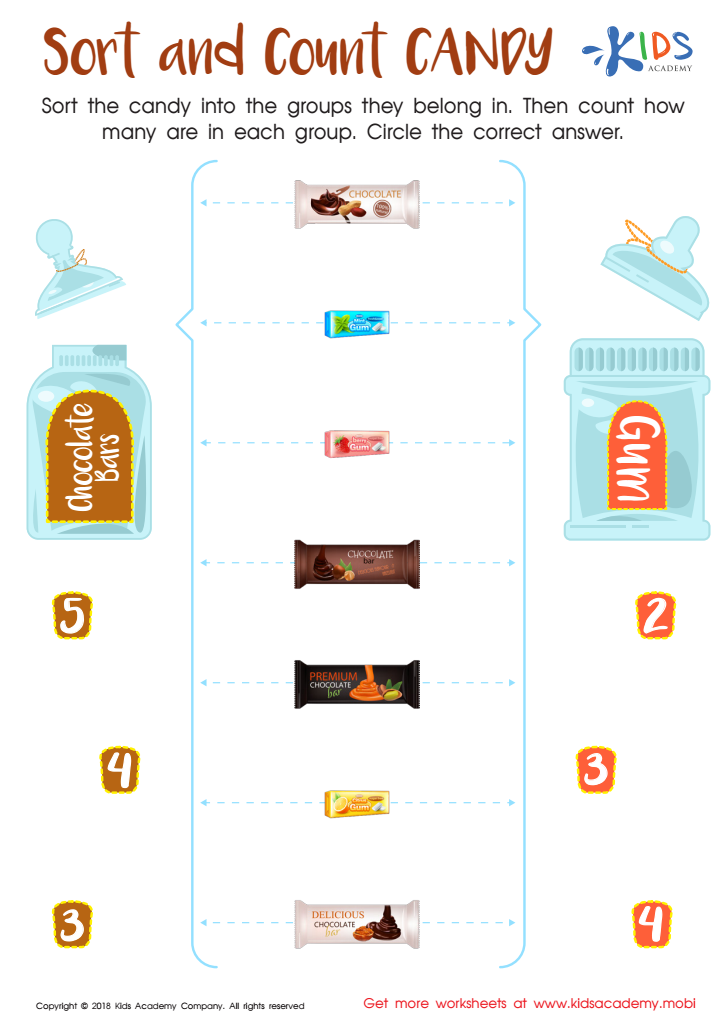
Sort and Count Candy Worksheet



.jpg)



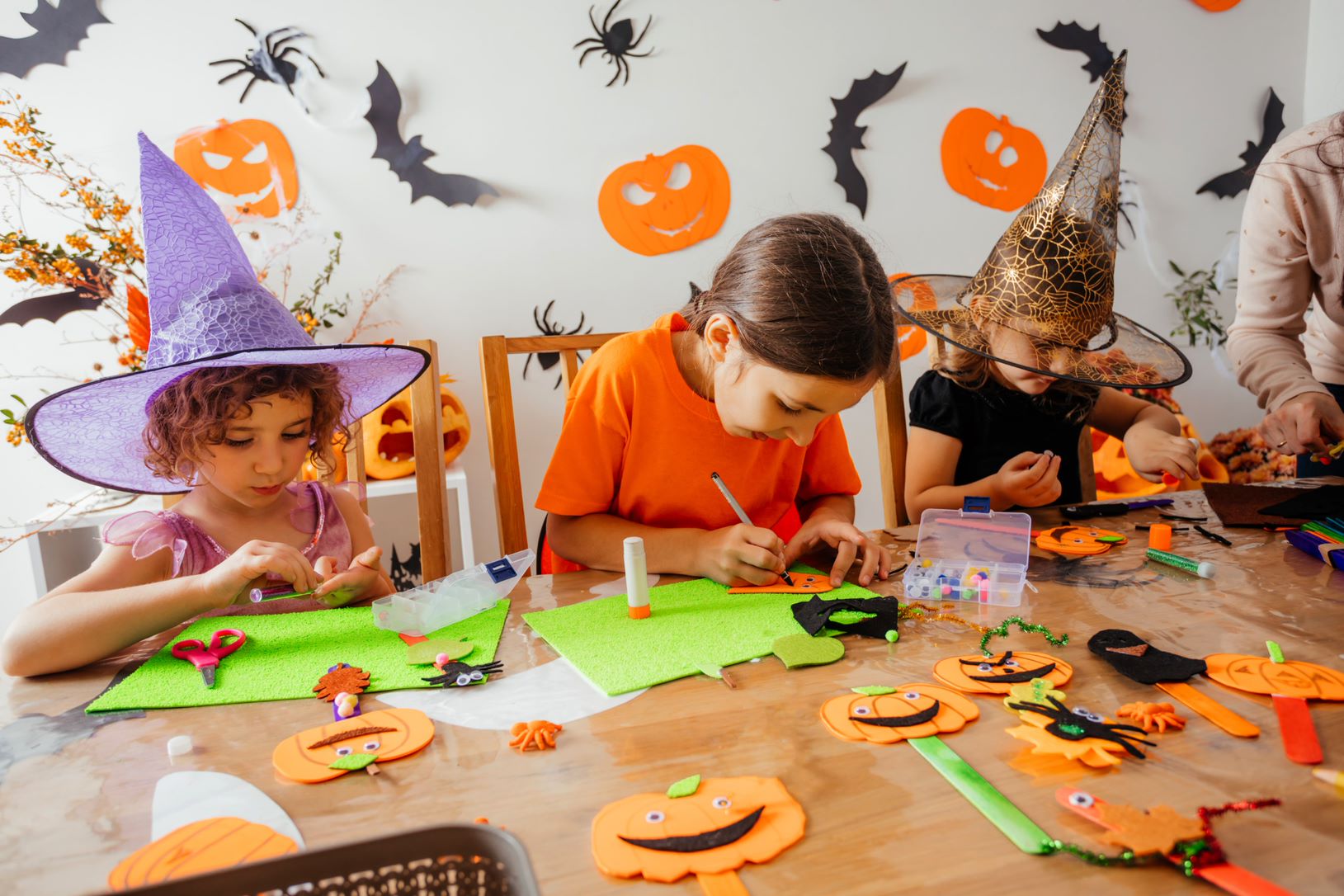
Basic math skills are foundational for children aged 5-9 and are critical for their overall development and future success. Parents and teachers should care about these skills for several reasons. Firstly, early math competency enhances cognitive development, encouraging critical thinking and problem-solving abilities. Children who grasp basic concepts like addition, subtraction, and number recognition build confidence in their mathematical understanding, which creates a positive attitude toward learning.
Moreover, these basic skills are crucial for everyday life. Simple math is involved in tasks such as shopping, cooking, and budgeting, making it essential for children to understand how numbers function in practical scenarios as they grow older.
Socially, collaboration in group activities, such as games involving counting or sharing, promotes teamwork and communication—skills invaluable for future interpersonal relationships. Furthermore, strong basic math skills often correlate with academic success in higher grades.
In conclusion, investment in basic math skills during ages 5-9 lays the foundation for future learning challenges, fosters independence, and prepares children for a society that increasingly relies on numeracy. Therefore, ensuring children develop these skills should be a priority for both parents and educators alike.








