Cognitive Development Normal Math Worksheets for Ages 5-9 - Page 2
27 filtered results
-
From - To
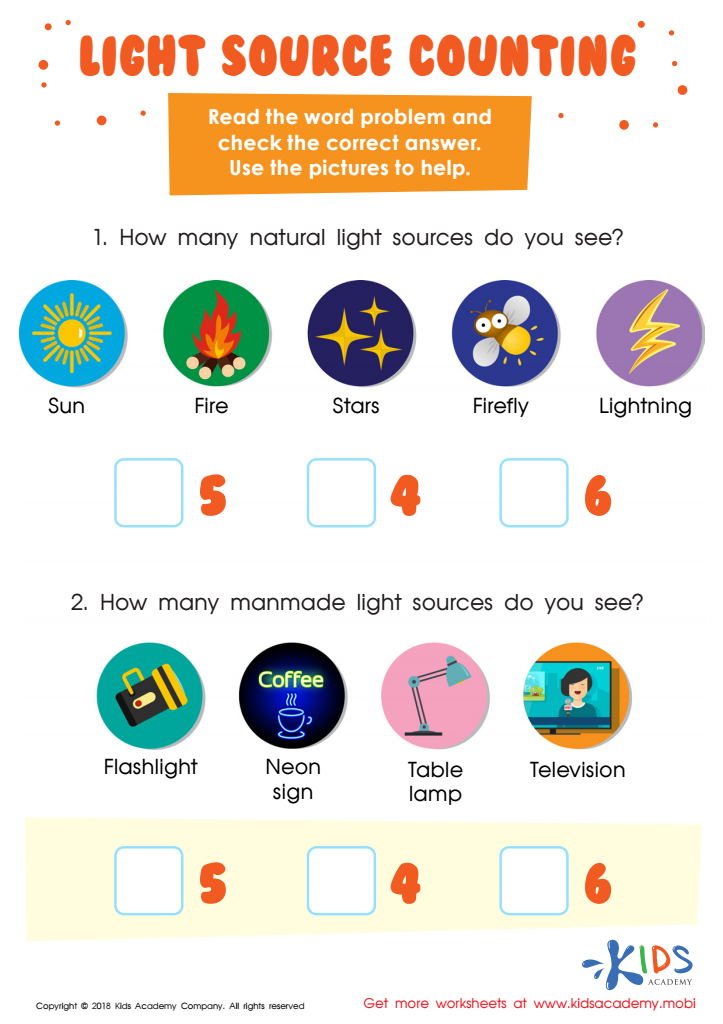
Light Source Counting Worksheet
 Assign to My Students
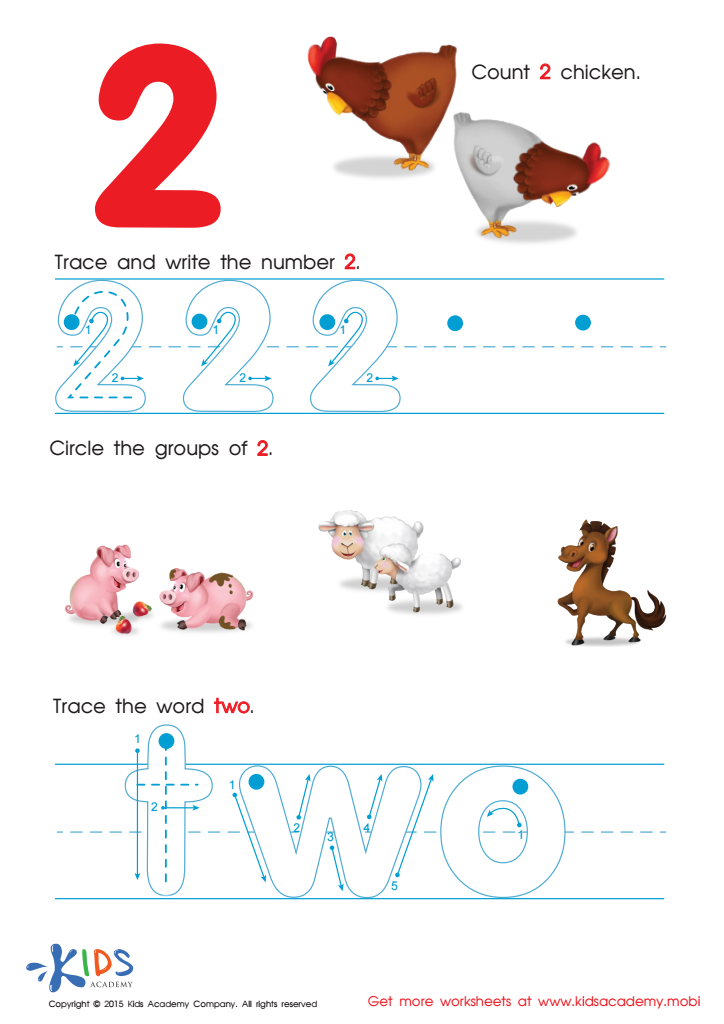
Learn to Write the Number 2 Worksheet
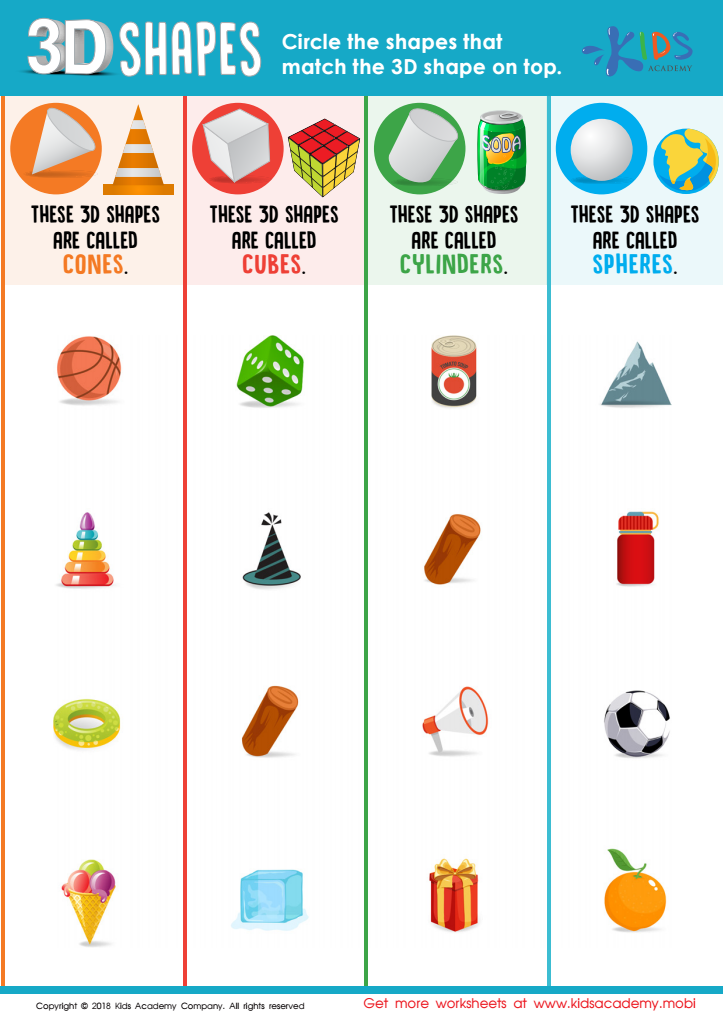
3D Shapes Worksheet








Cognitive development in math for ages 5-9 is crucial for several reasons. First, this stage marks a significant time in children’s learning, where foundational math skills are established. Understanding numbers, patterns, and basic operations enables children to solve problems, think critically, and develop logical reasoning.
Parents and teachers play a vital role in fostering an environment that nurtures these abilities. Engaging children in playful, hands-on activities makes learning math enjoyable and encourages exploration. Activities such as counting games, measuring ingredients for a recipe, or building with blocks support the development of spatial awareness.
Moreover, addressing cognitive development in early math lays the groundwork for later advanced concepts. Children who grasp the basics are more confident in their abilities and are less likely to struggle with complex math in the future. Furthermore, math skills are increasingly important in a technology-driven world, impacting future educational and career opportunities.
Lastly, promoting awareness of children's individual learning paces is essential in recognizing any potential learning difficulties early on. By caring about cognitive math development, parents and teachers can help build a strong, confident foundation that will boost children's overall academic growth and personal development.








