Problem Solving Normal Math Worksheets for Ages 5-9
13 filtered results
-
From - To
Explore our engaging Problem Solving Normal Math Worksheets tailored for children aged 5-9! Designed to enhance critical thinking and reasoning skills, these worksheets provide fun and interactive math challenges that encourage kids to apply their knowledge. Each activity focuses on real-world scenarios, helping young learners develop problem-solving strategies through stimulating exercises. Suitable for teachers and parents, our worksheets are perfect for classroom use or home practice, ensuring children build confidence in their math abilities. Join us in fostering a love for math and empowering your child with essential problem-solving skills today! Download now and make learning a joyful adventure!
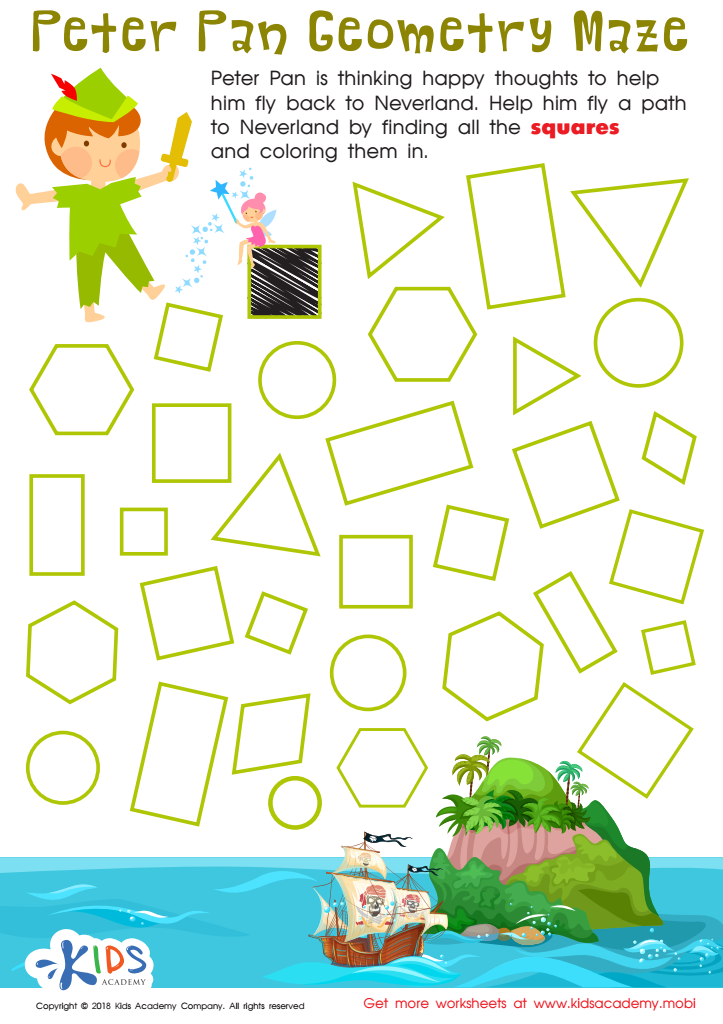
Peter Pan Worksheet
 Assign to My Students
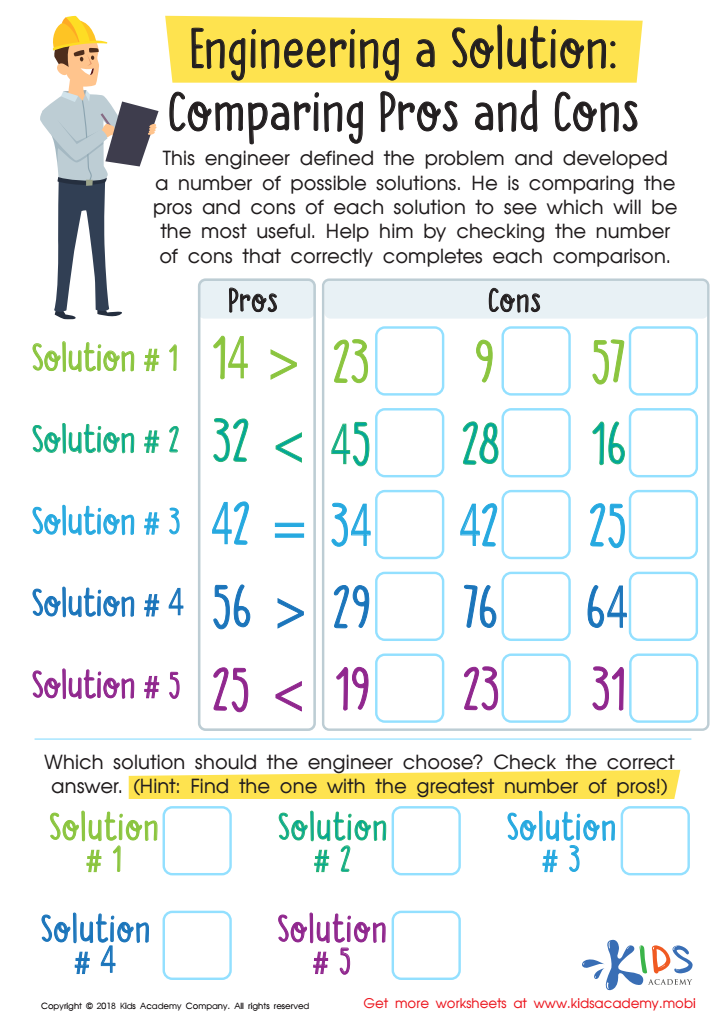
Engineering a Solution: Comparing Pros and Cons Worksheet
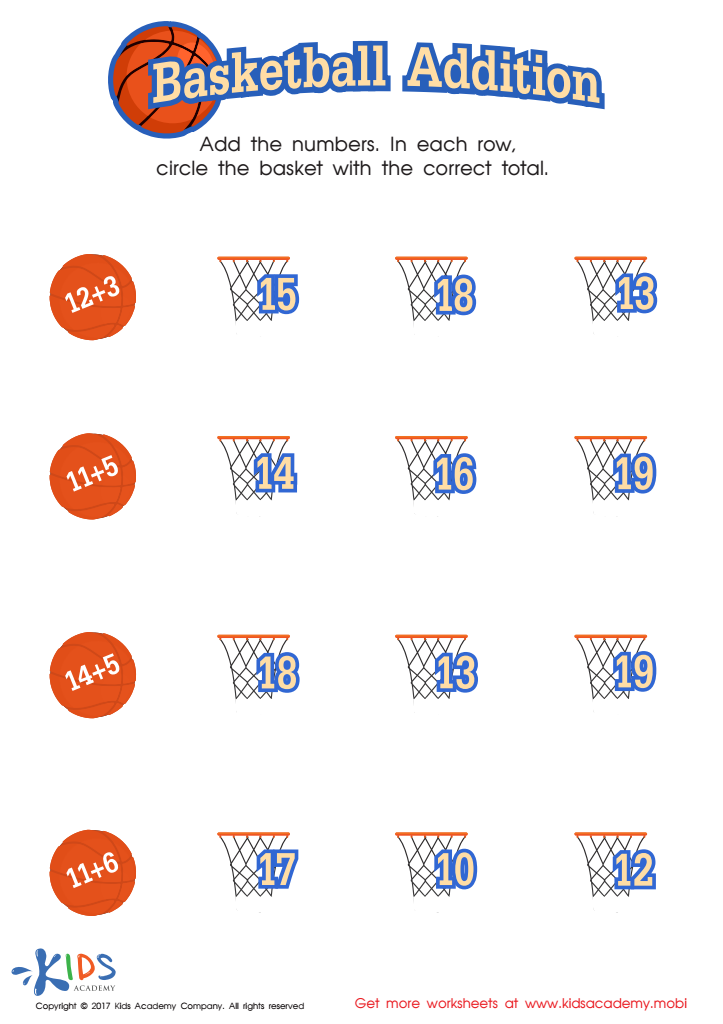
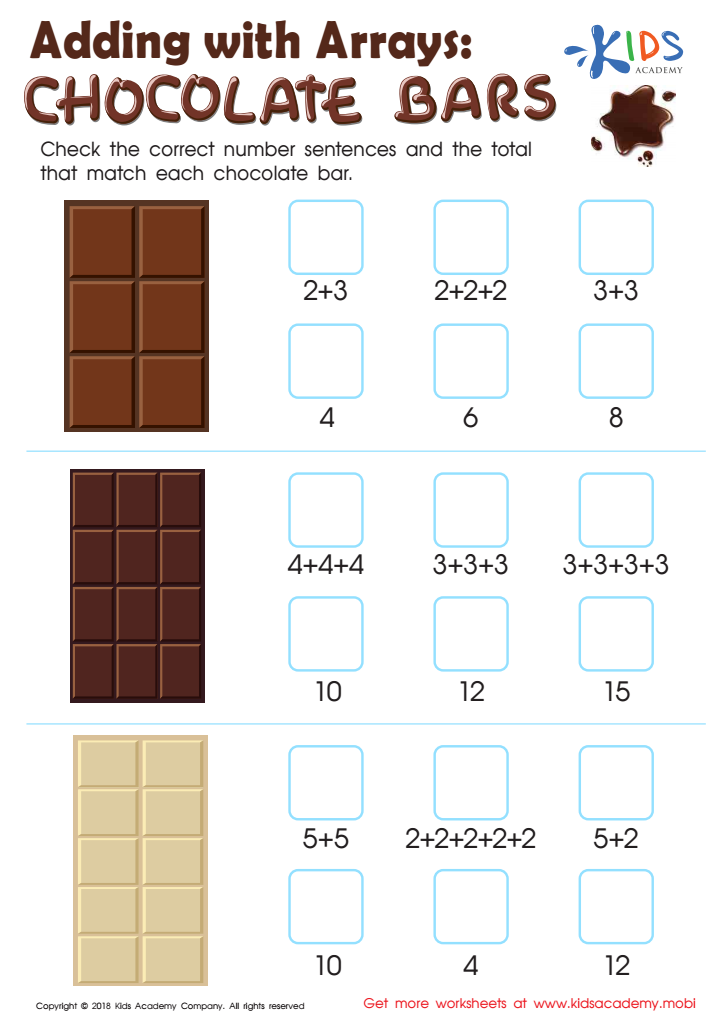
Adding with Arrays: Chocolate Bars Worksheet
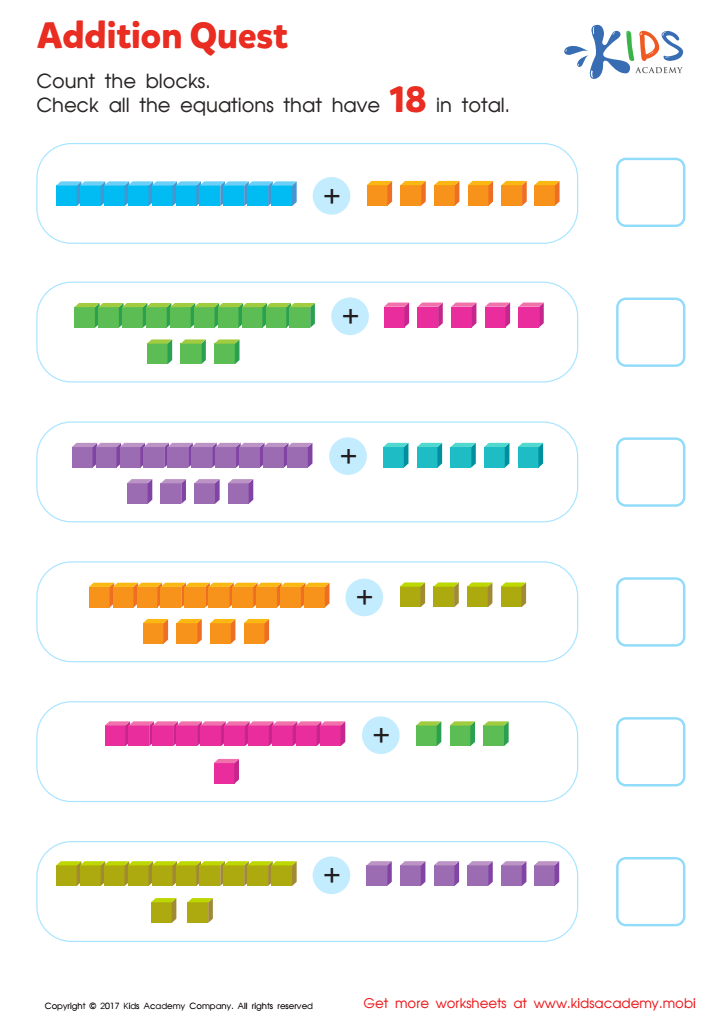
Addition Quest Worksheet: Part 2
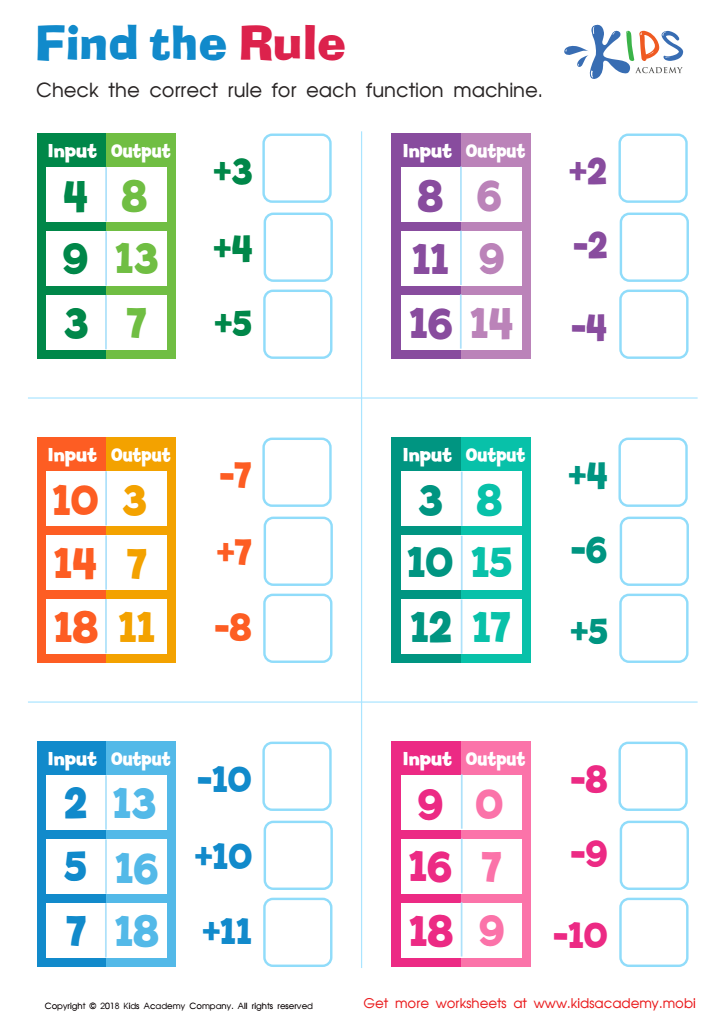
Find the Rule Worksheet
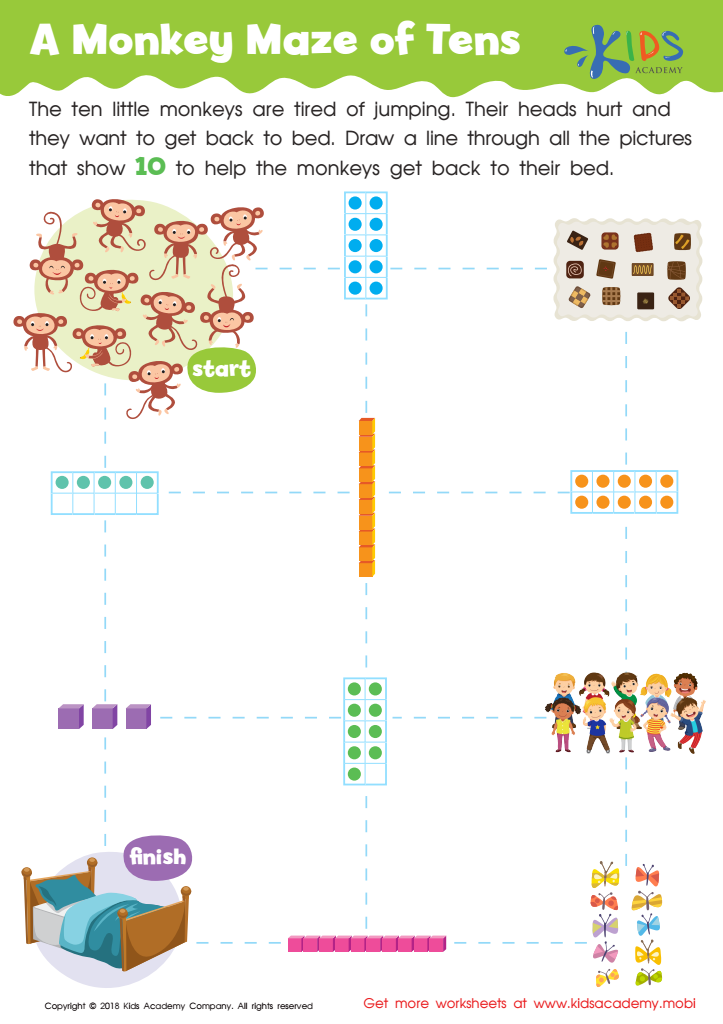
A Monkey Maze of Tens Worksheet
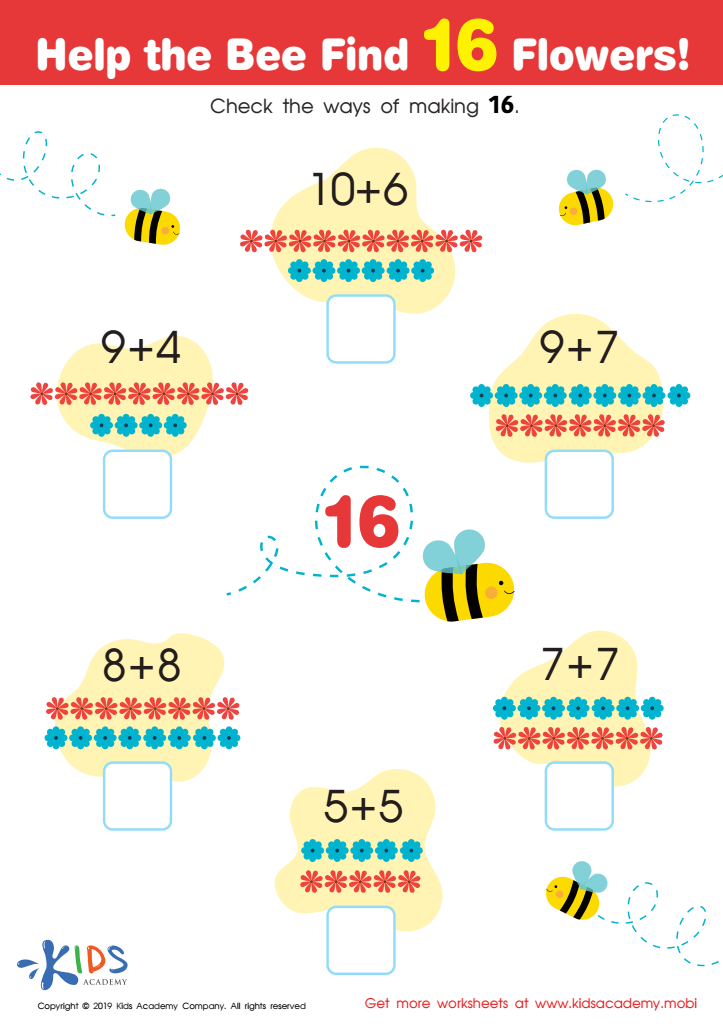
Help the Bee Find 16 Flowers Worksheet
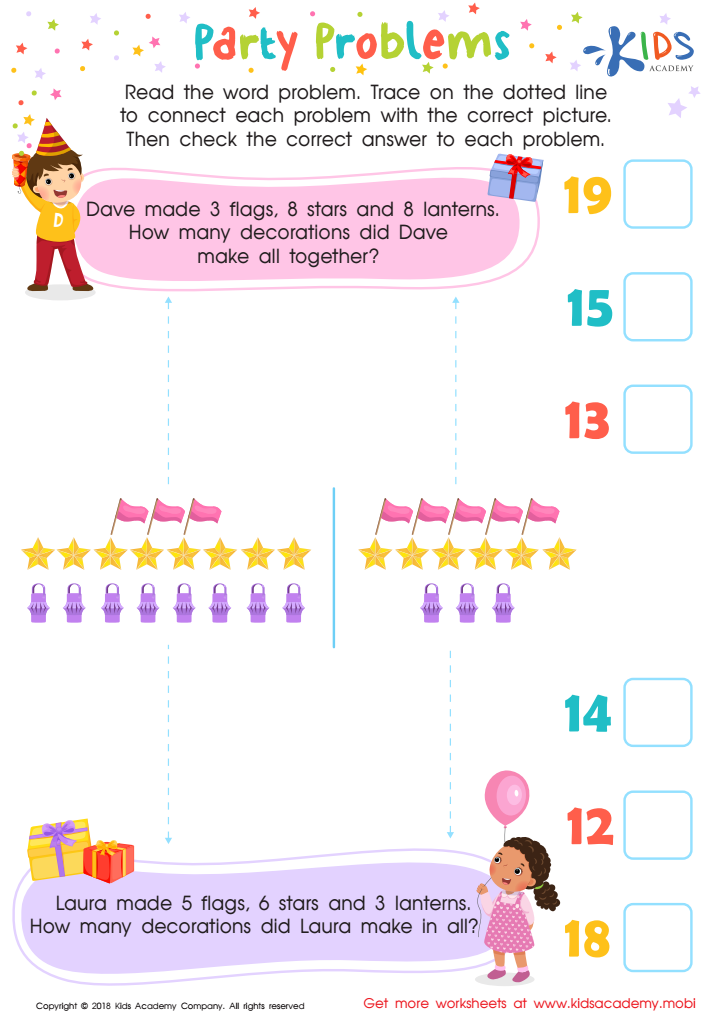
Party Problems Worksheet
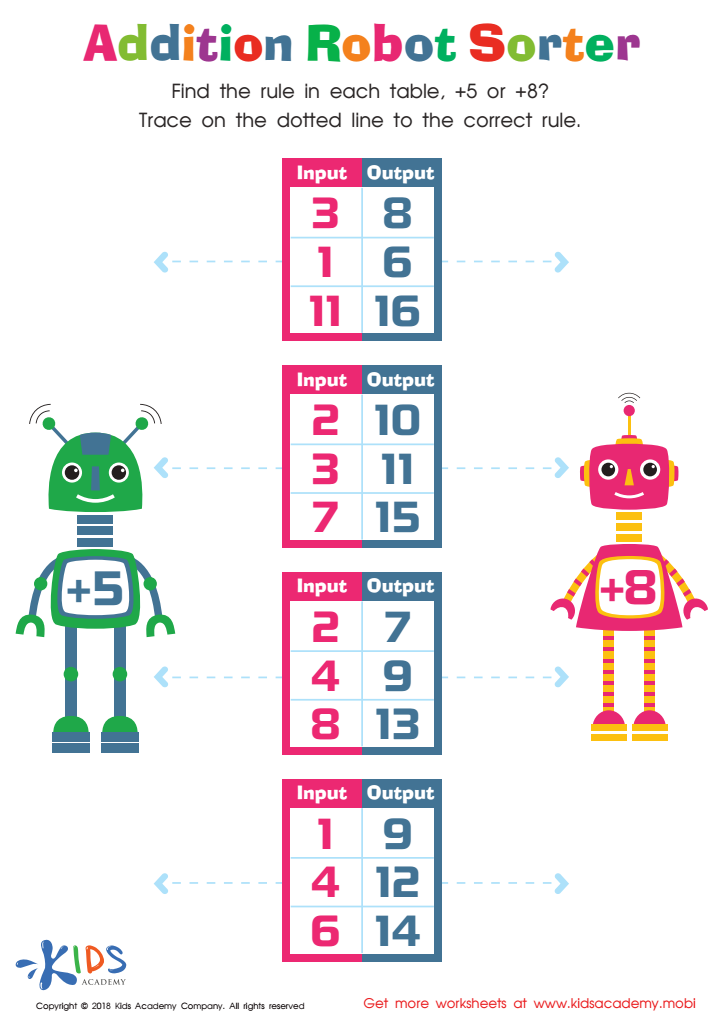
Addition Robot Sorter Worksheet
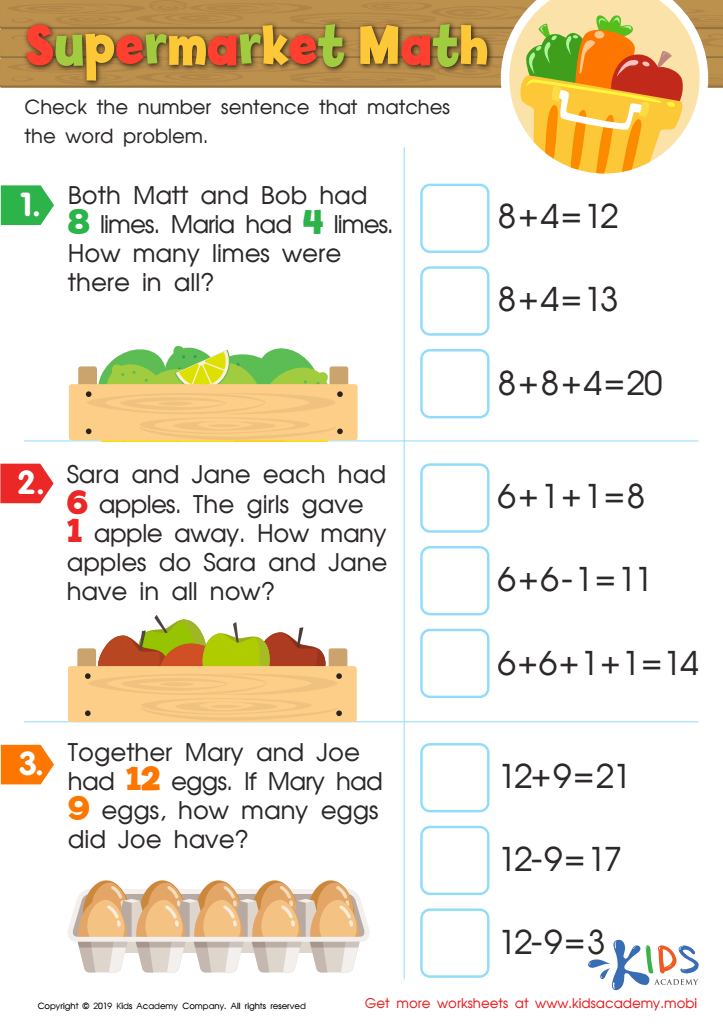
Supermarket Math Worksheet
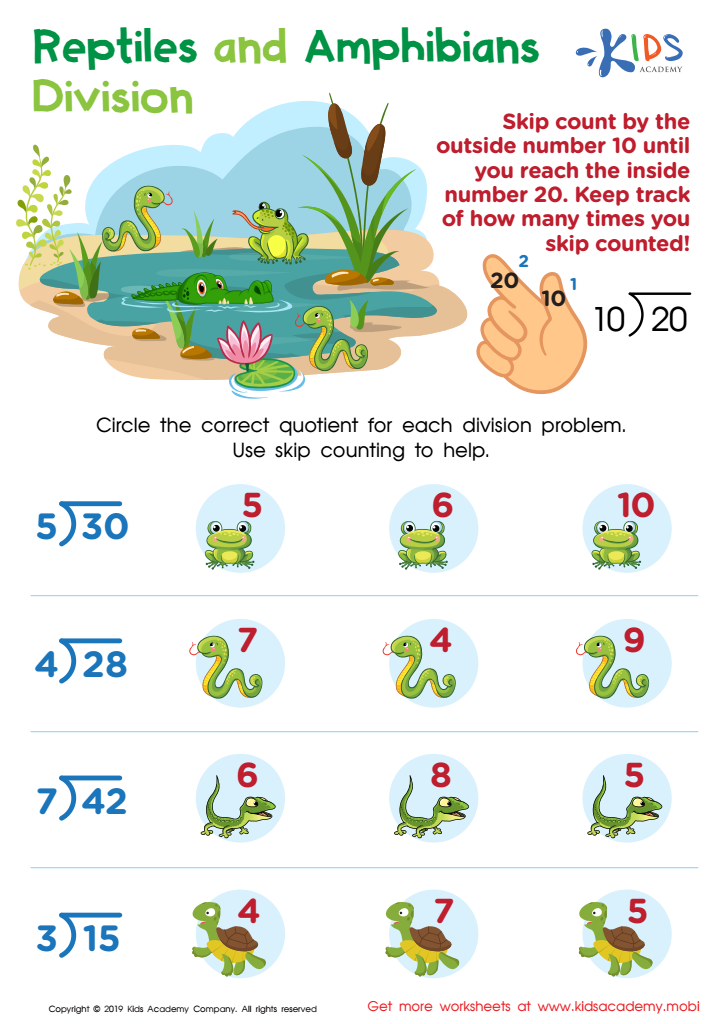
Reptile and Amphibians Division Worksheet
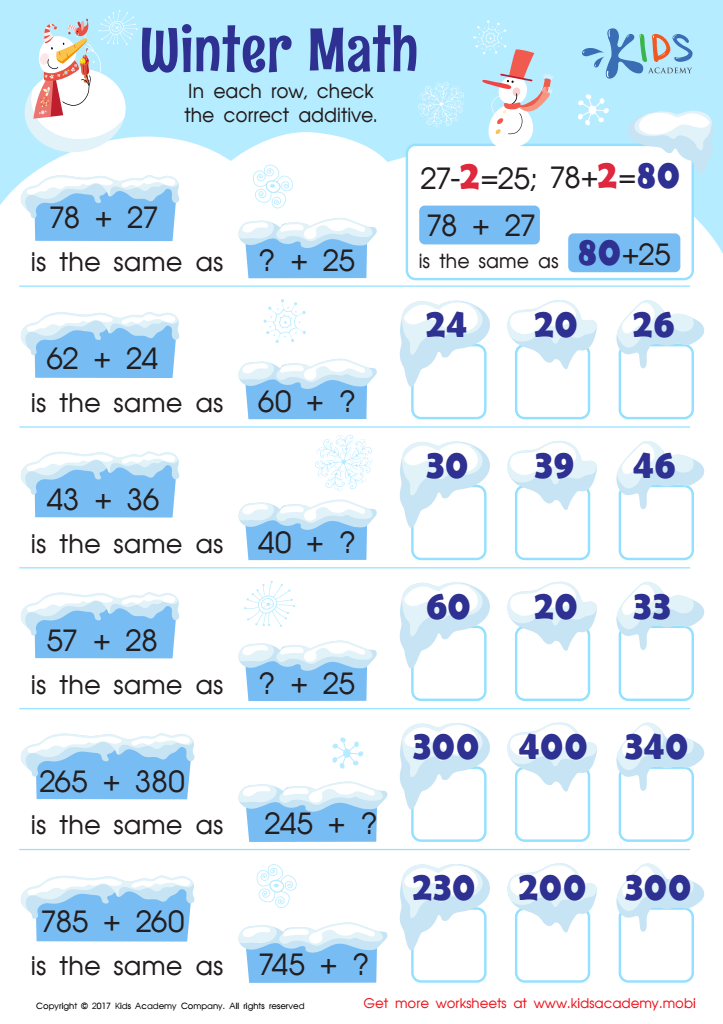
Free Addition Worksheet








Problem Solving Normal Math for ages 5-9 is crucial for developing foundational skills that children will rely on throughout their education and lives. At this early stage, learning is not merely about numbers; it’s about fostering critical thinking, reasoning, and the ability to approach challenges systematically. When parents and teachers prioritize problem solving in math, they help children develop a growth mindset, encouraging them to view challenges as opportunities for learning rather than obstacles.
Math problem solving teaches children to analyze situations, break them down into manageable parts, and apply strategies to find solutions. These skills are transferable and will benefit them in everyday life, from figuring out how much they spent while shopping to facing more complex tasks in the classroom.
Moreover, engaging with problem-solving activities can boost a child's confidence in math, making them more likely to participate in mathematical discussions and activities. This early enthusiasm for learning shapes their attitude toward education as a whole. In a world that increasingly relies on critical thinking, these foundational problem-solving skills are vital, not just for academic success, but for producing innovative, independent thinkers who can tackle real-world problems. Therefore, teachers and parents should actively support and encourage this aspect of math education.








