Visual discrimination Normal Math Worksheets for Ages 5-9
8 filtered results
-
From - To
Boost your child's math skills and visual perception with our Visual Discrimination Normal Math Worksheets, specially designed for ages 5-9. These worksheets provide engaging and fun activities to help young learners differentiate between shapes, sizes, and patterns, essential in developing strong math foundation. Each worksheet challenges kids to identify, compare, and analyze visual information, promoting critical thinking and problem-solving abilities. Through enjoyable exercises, children enhance their attention to detail, readiness for more advanced math concepts, and overall school performance. Give your child the tools they need to excel in math with our expertly crafted visual discrimination worksheets.
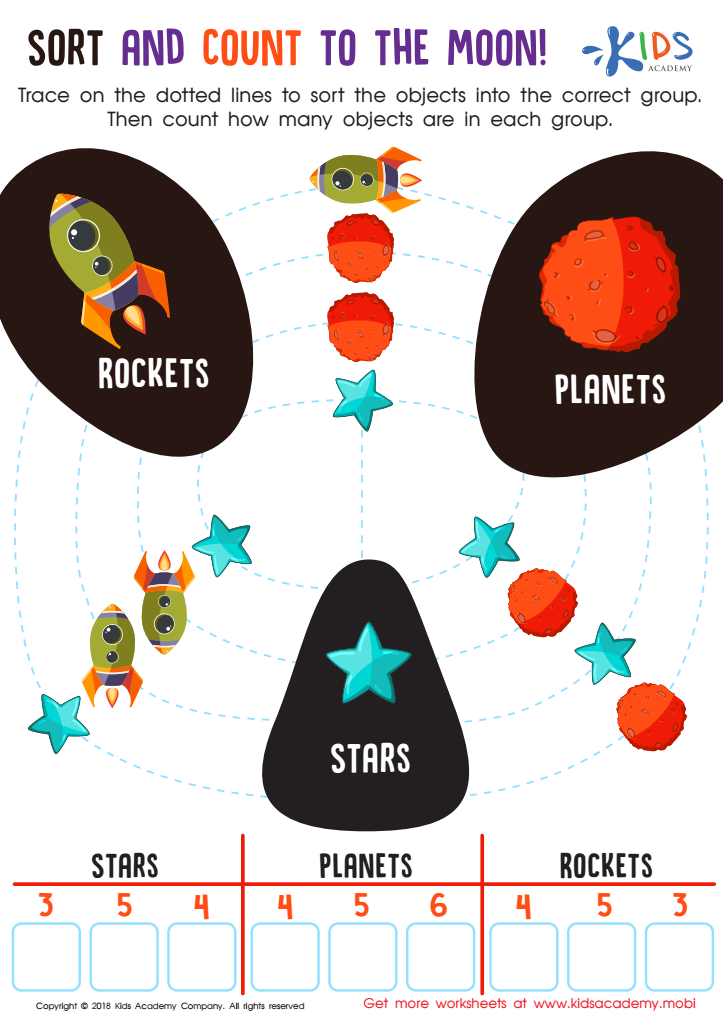
Sort and Count to the Moon Worksheet
 Assign to My Students
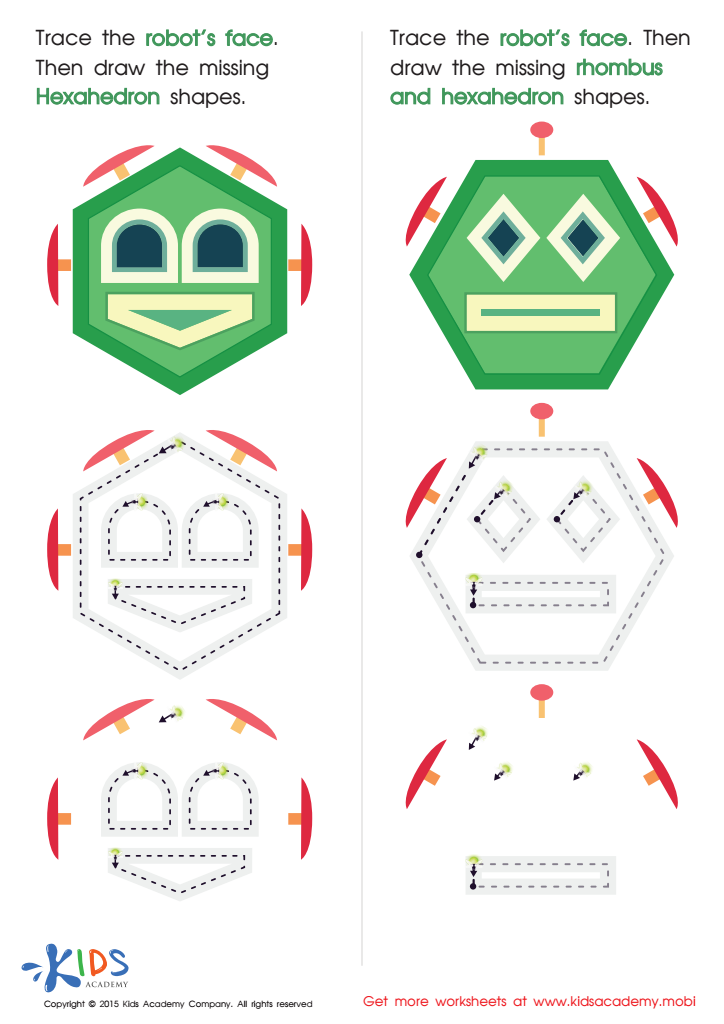
Practice Drawing Hexahedrons And a Rhombus Worksheet
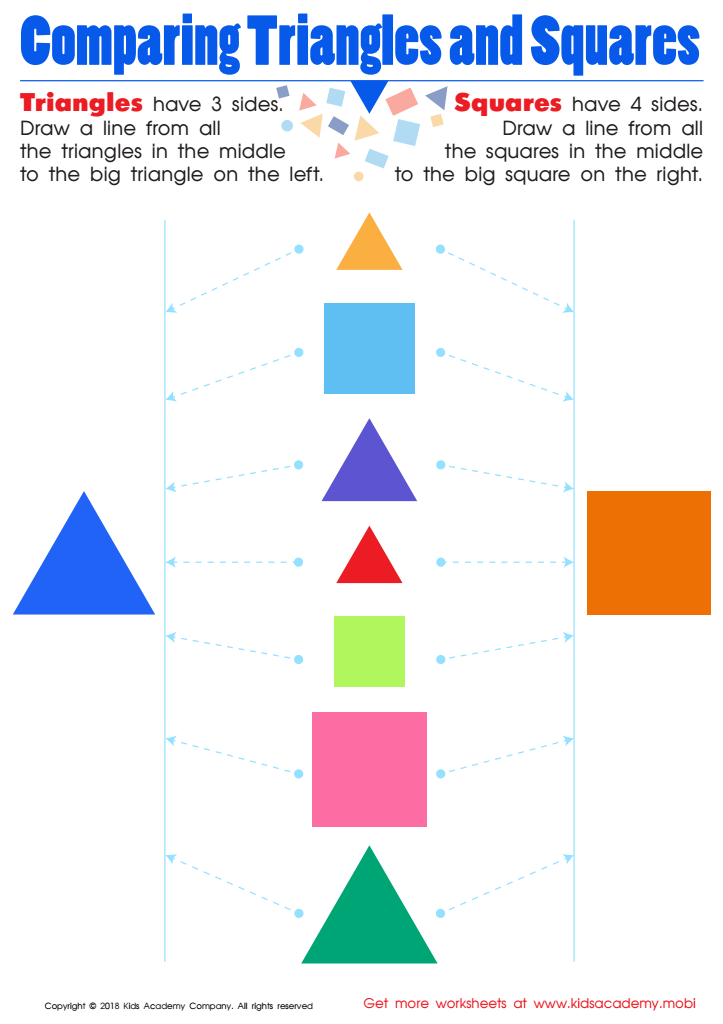
Comparing Triangles Squares Worksheet
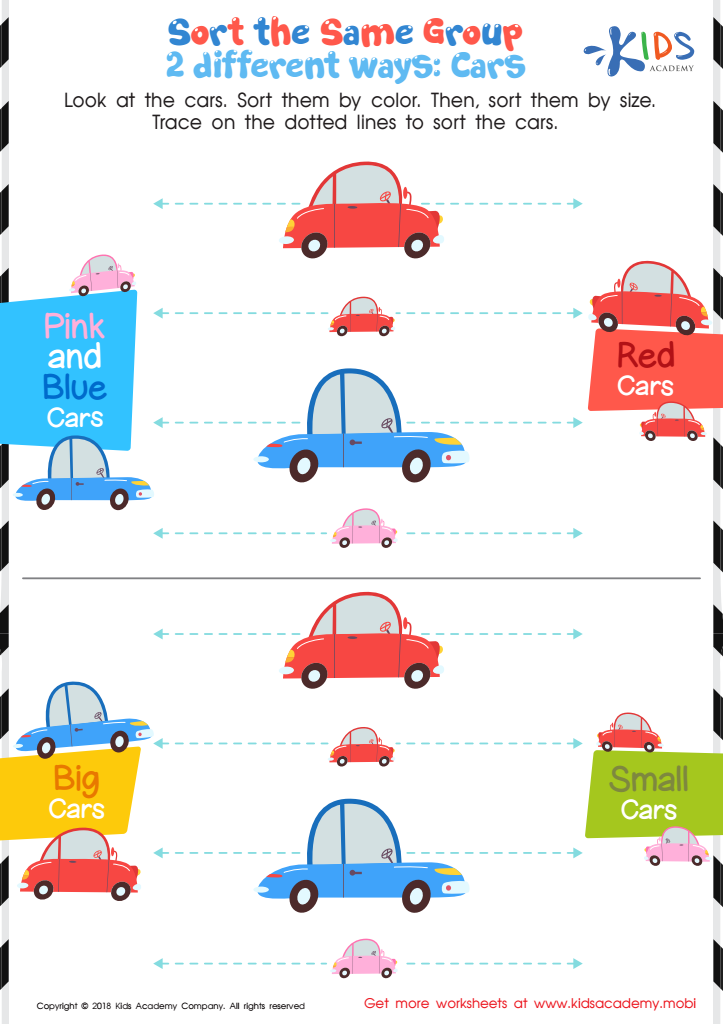
Sort the Same Group 2 Different Ways: Cars Worksheet
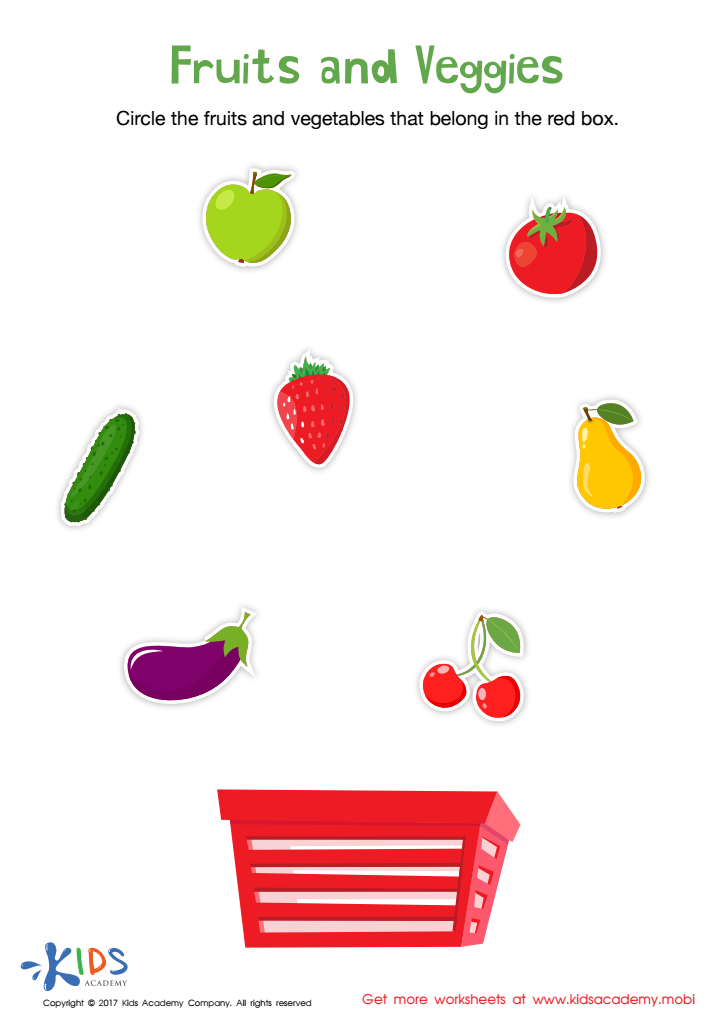
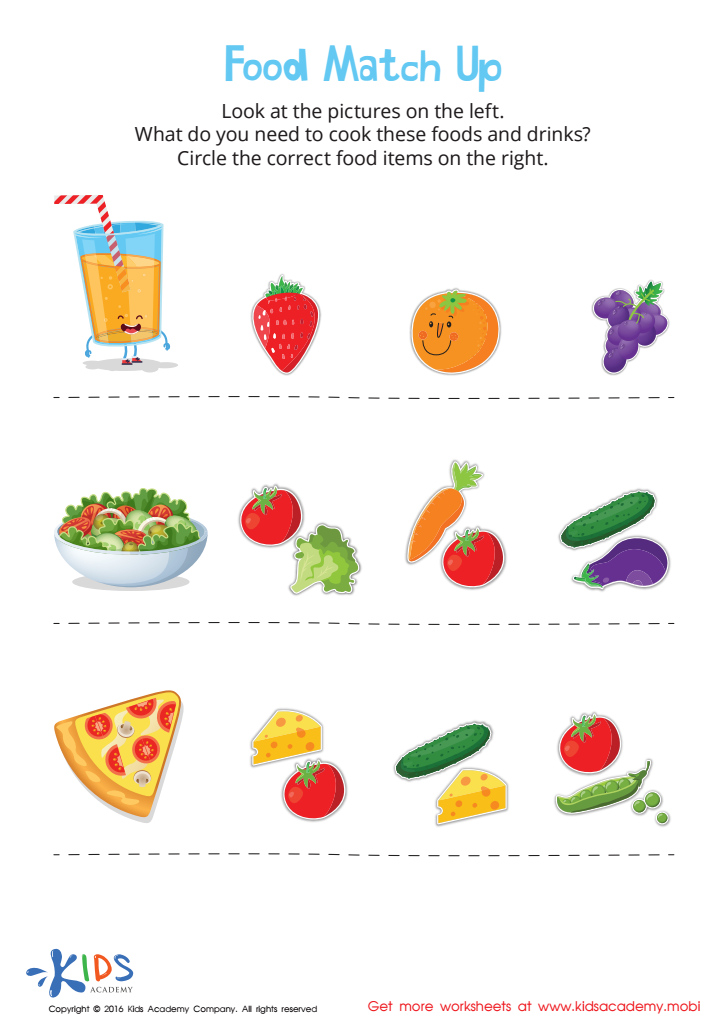
Food Match Up Worksheet
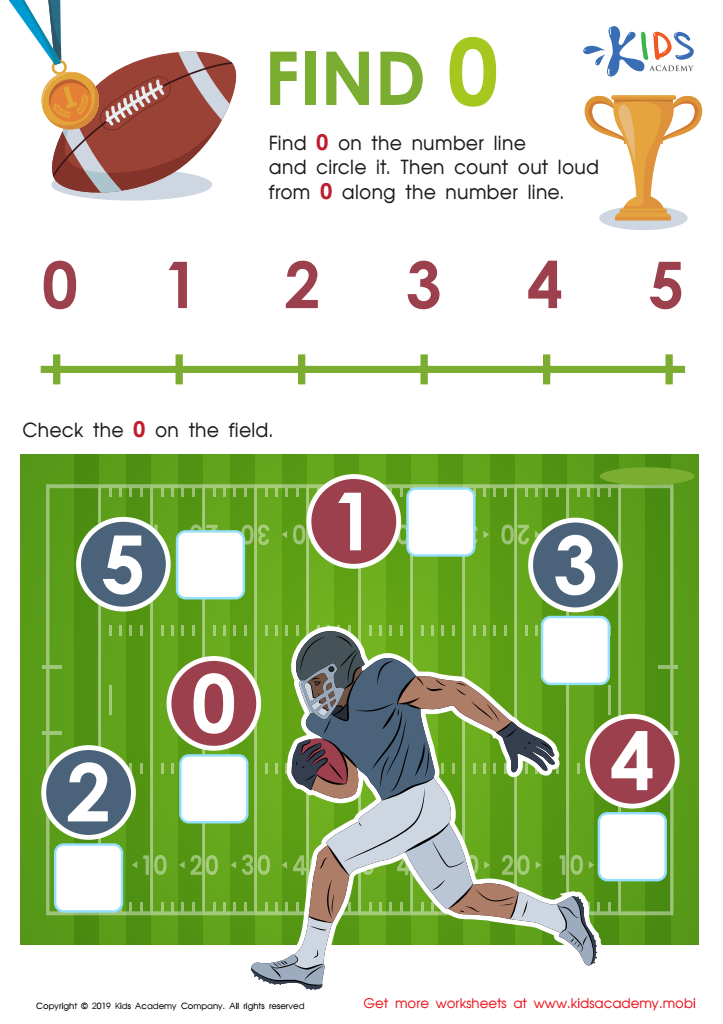
Find 0 Worksheet
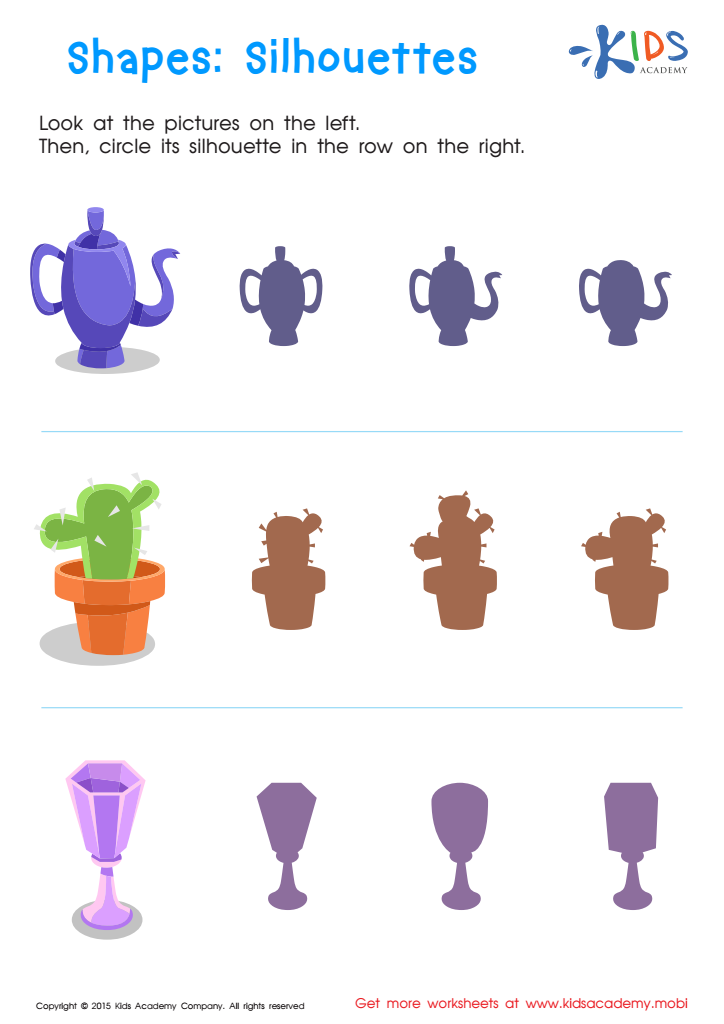
Silhouettes – Shapes Worksheet





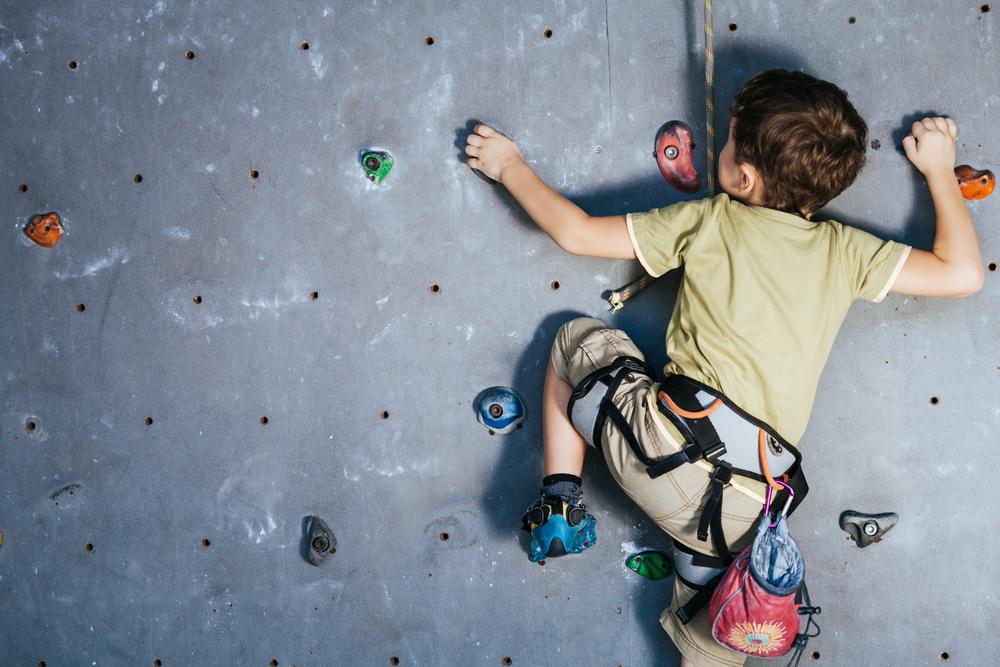


Visual discrimination is an essential cognitive skill that enables children to differentiate between objects, shapes, symbols, and letters. For ages 5-9, developing normal visual discrimination is crucial in supporting various aspects of learning, including reading, writing, and math.
In math, visual discrimination helps children distinguish between different numbers and mathematical symbols, which is vital for solving problems correctly. For example, understanding the subtle differences between "6" and "9" or "+" and "x" mitigates confusion and minimizes errors. This skill extends to recognizing patterns, shapes, and sizes, which forms the foundation for geometry and spatial awareness.
Supporting visual discrimination aids early readers in differentiating letters and words, playing a critical role in their literacy development. A child with strong visual discrimination can tell apart "b" from "d" or "p" from "q," enabling smoother reading experiences and reducing frustrations.
Teachers and parents should care about nurturing visual discrimination since children struggling with this skill may lag in academic performance and overall confidence. Engaging children in activities like puzzles, matching games, and drawing helps enhance their visual perception. By fostering a stimulating environment that reinforces visual discrimination, adults can ensure children develop the necessary skills for academic success and daily problem-solving.








