Problem-Solving Skills Normal Measurement Worksheets for Ages 5-9
5 filtered results
-
From - To
Unlock your child’s potential with our engaging Problem-Solving Skills Normal Measurement Worksheets designed specifically for ages 5-9. These worksheets provide a fun, interactive way for young learners to grasp the foundational concepts of measurement while enhancing their critical thinking abilities. Each activity encourages students to tackle real-world problems, promoting analytical skills and creativity as they measure, compare, and analyze various shapes and sizes. Ideal for classroom or home learning, our resources are easy to use, aligned with educational standards, and designed to foster a love for math. Empower your child's learning journey with our innovative measurement worksheets today!
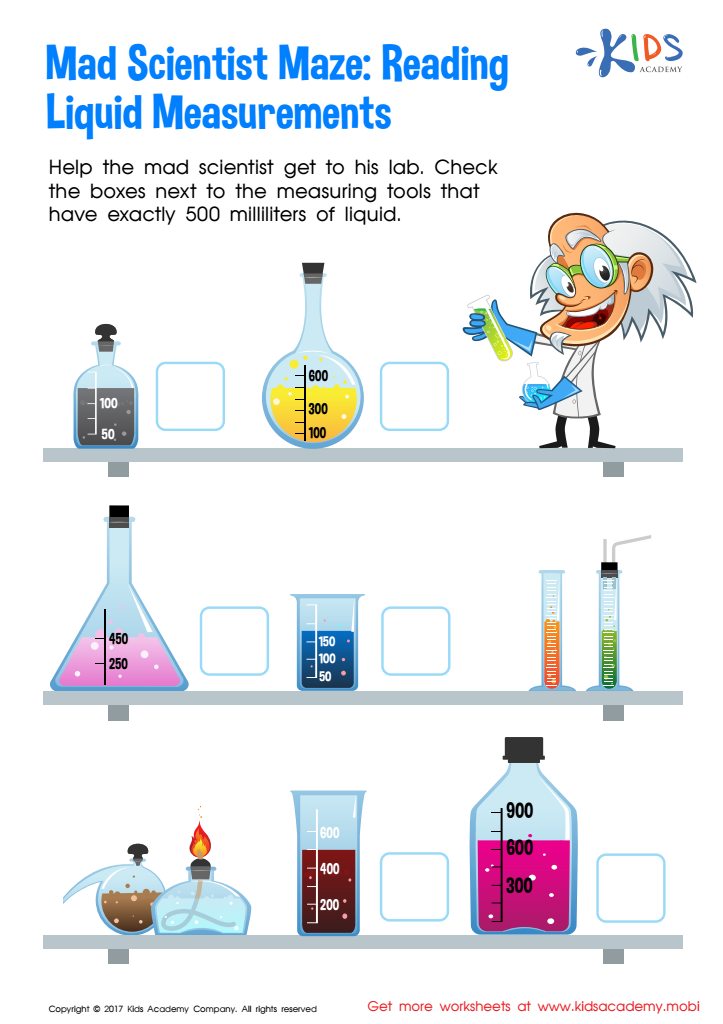
Reading Liquid Measurement Worksheet
 Assign to My Students
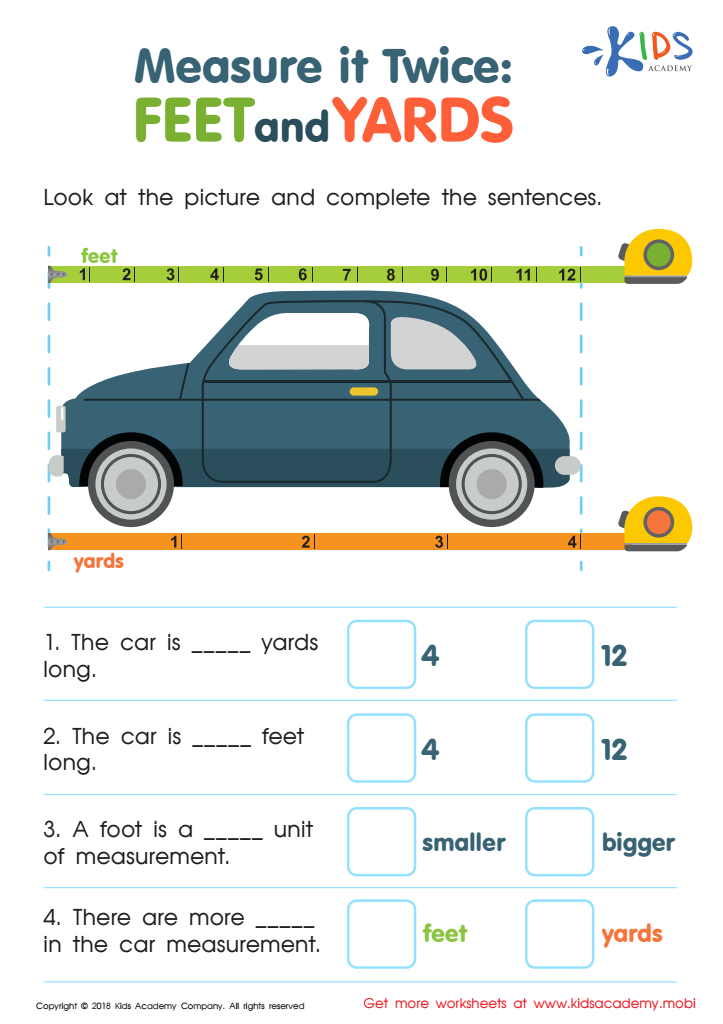
Measure It Twice: Feet and Yards Worksheet
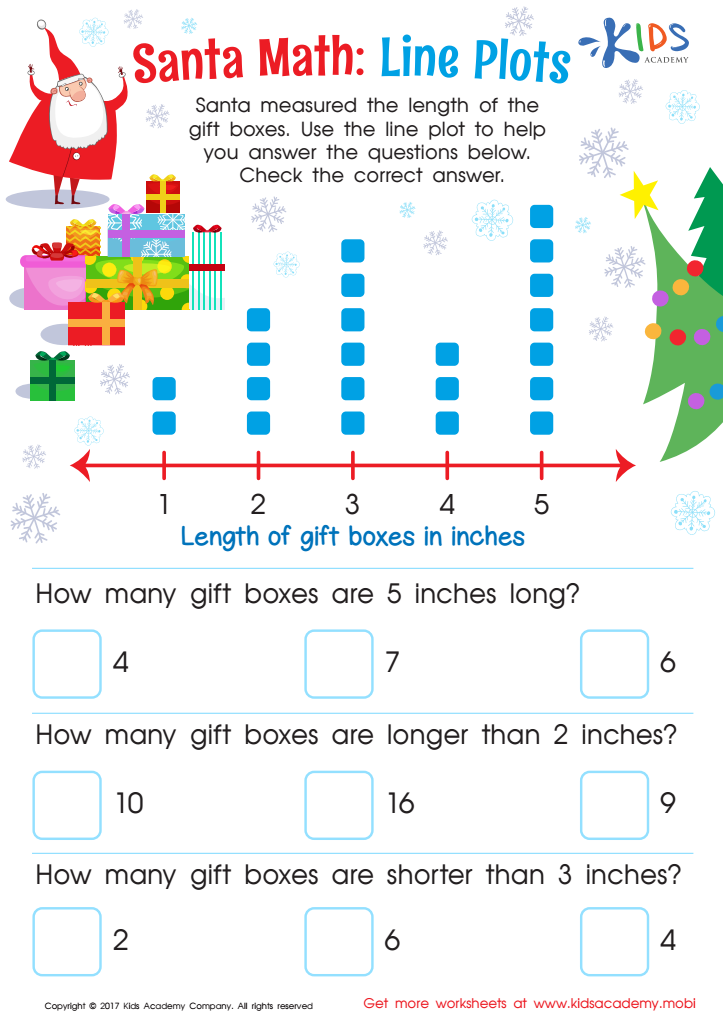
Line Plot Worksheet
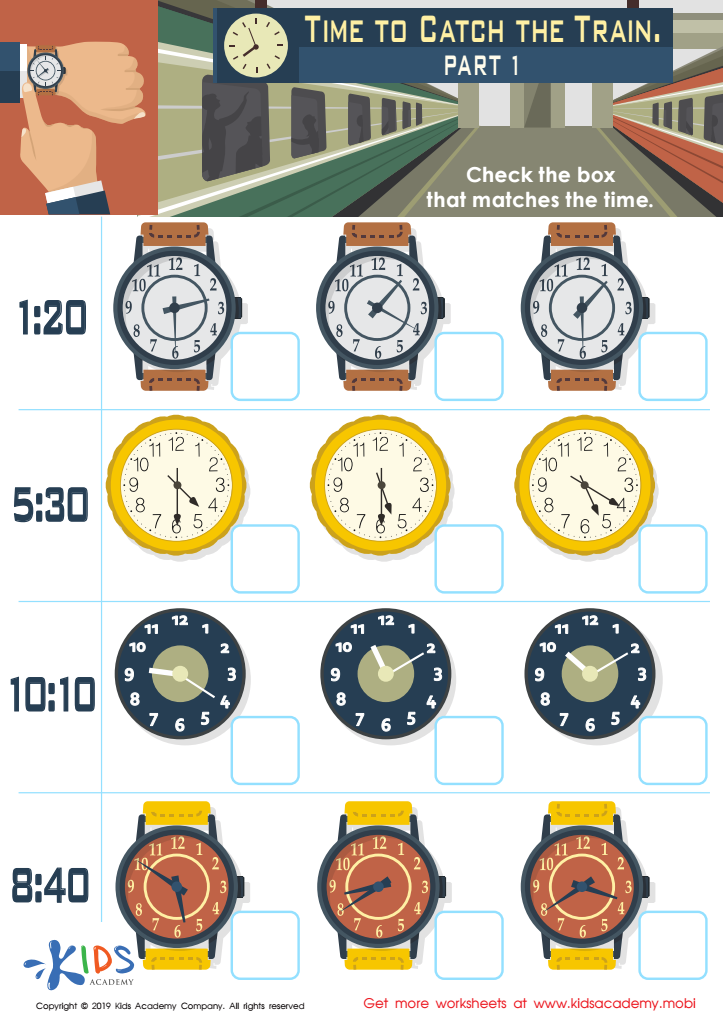
Time to Catch the Train Part 1 Worksheet
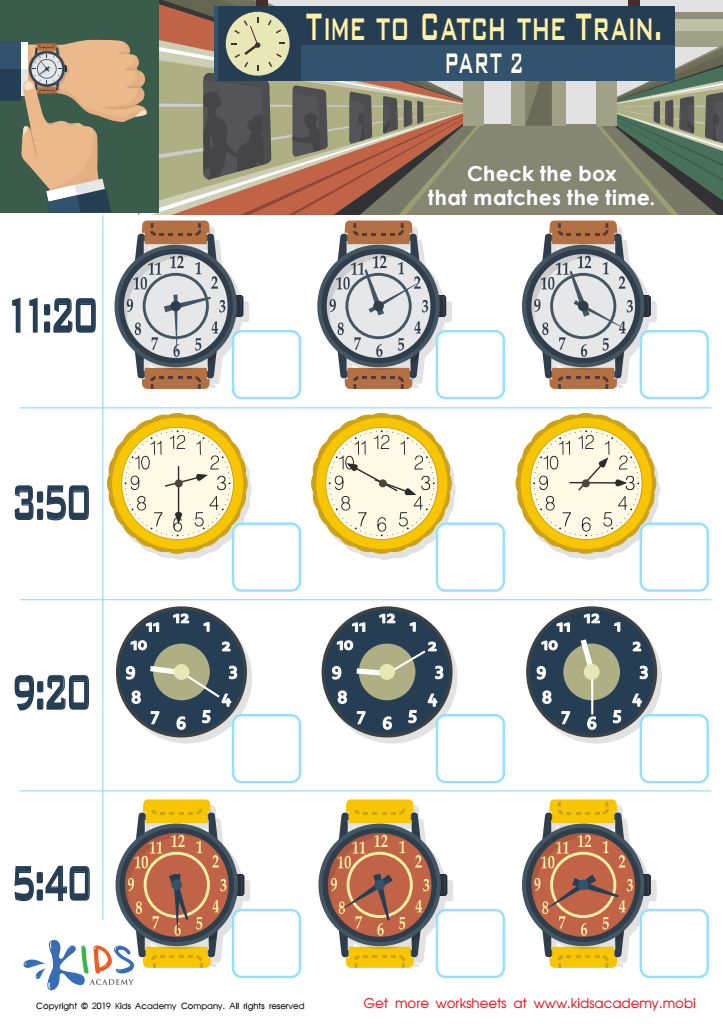
Time to Catch the Train Part 2 Worksheet








Parents and teachers should care about problem-solving skills normal measurement for ages 5-9 because these skills are foundational for children's cognitive and emotional development. At this age, children are developing critical thinking abilities, and measuring their problem-solving skills provides insights into their cognitive progress compared to their peers.
Strong problem-solving skills empower children to approach challenges with confidence and resilience. They learn to analyze situations, identify potential solutions, and implement plans effectively. By understanding normal measurements for their age group, educators and caregivers can better identify children who may need additional support or enrichment.
Moreover, fostering problem-solving skills in early childhood lays the groundwork for future academic success and life skills. It enhances reasoning abilities, promotes creativity, and nurtures perseverance—skills that are essential for navigating complex situations later in life.
Involving parents through assessments of problem-solving skills encourages collaboration, enabling them to better support their child's learning at home. Also, it can inform instruction methods, leading to tailored educational strategies that meet diverse learning needs. Ultimately, paying attention to these measurements helps equip children with the tools they need to thrive in both school and everyday life.








