Critical Thinking Normal Reading Worksheets for Ages 5-9 - Page 2
44 filtered results
-
From - To
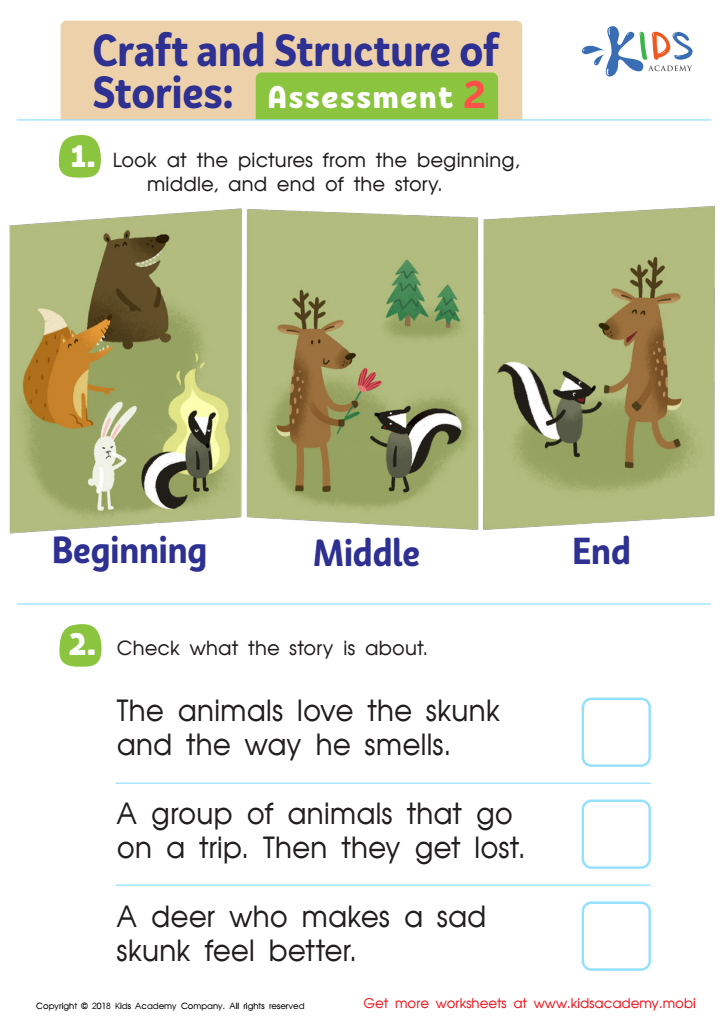
Craft and Structure of Stories: Assessment 2 Worksheet
 Assign to My Students
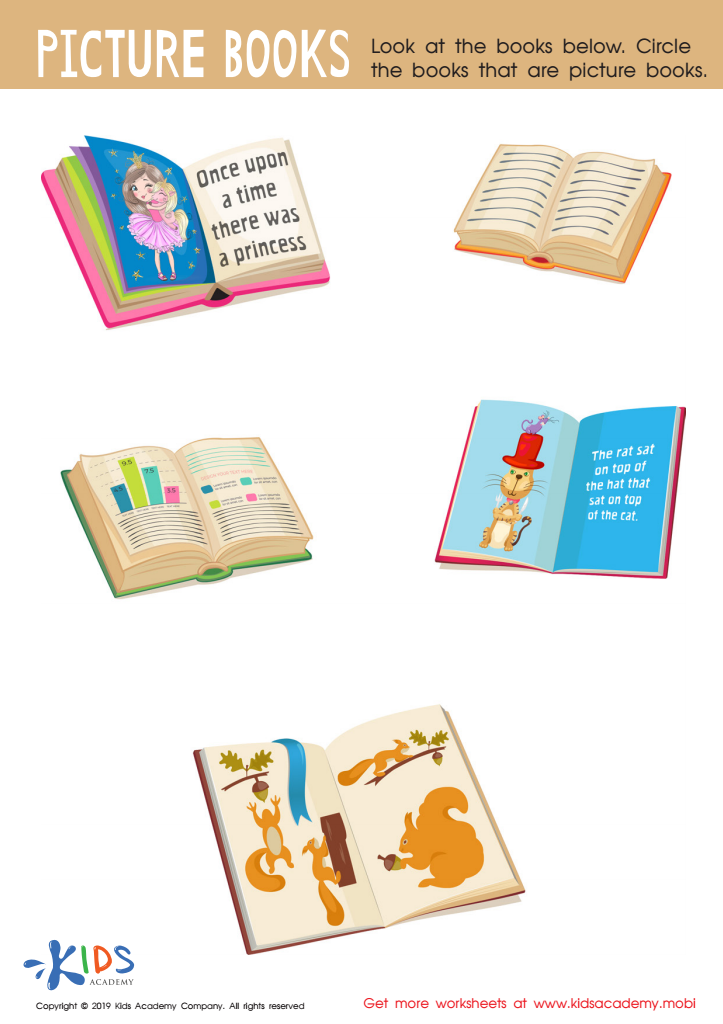
Picture Books Worksheet
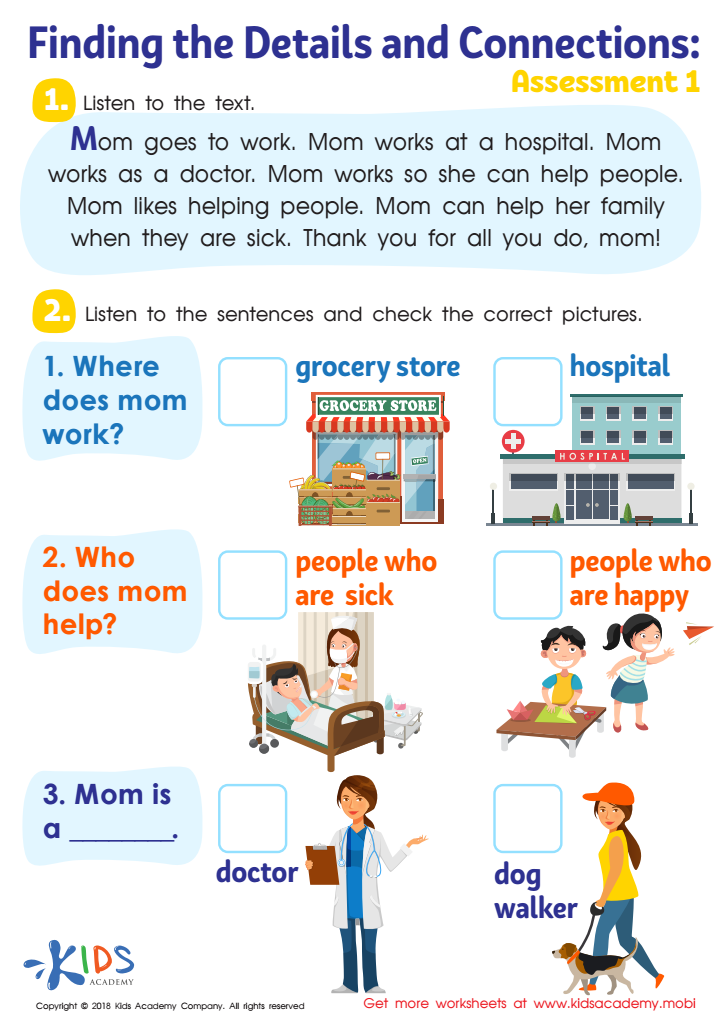
Finding the Details and Connections: Assessment 1 Worksheet
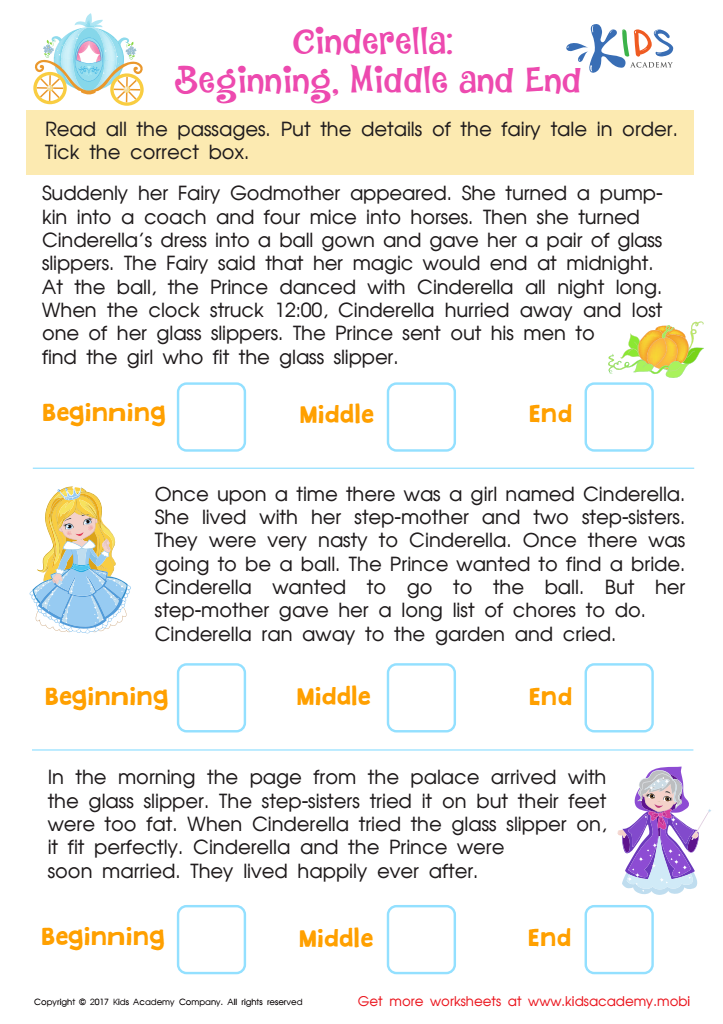
Cinderella: Beginning, Middle and End Worksheet
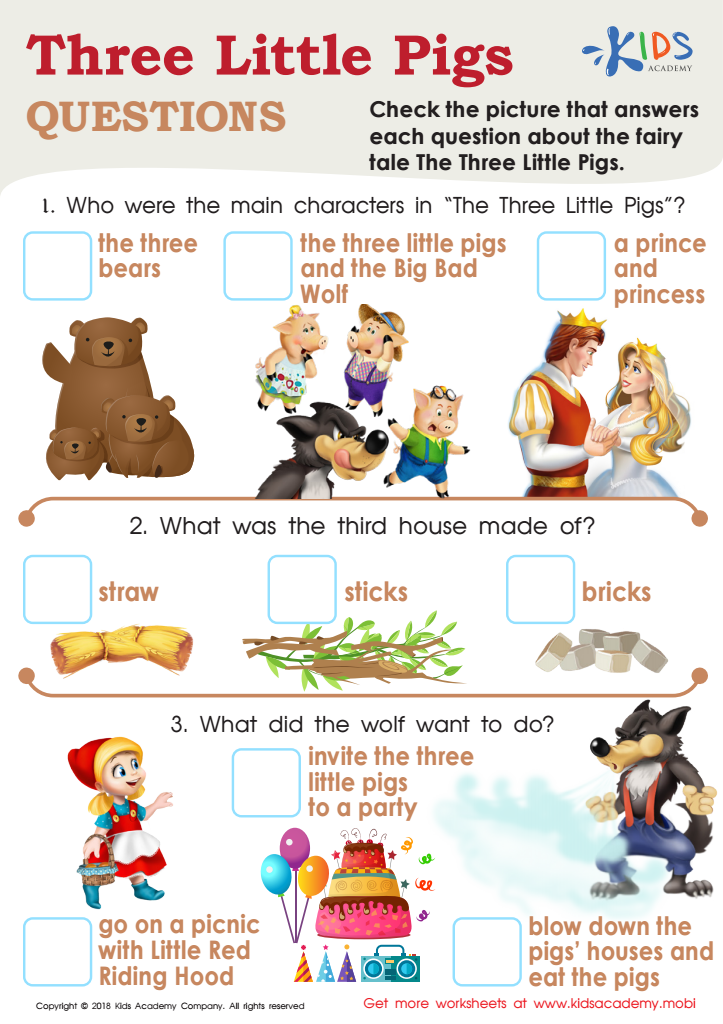
Three Little Pigs Questions Worksheet
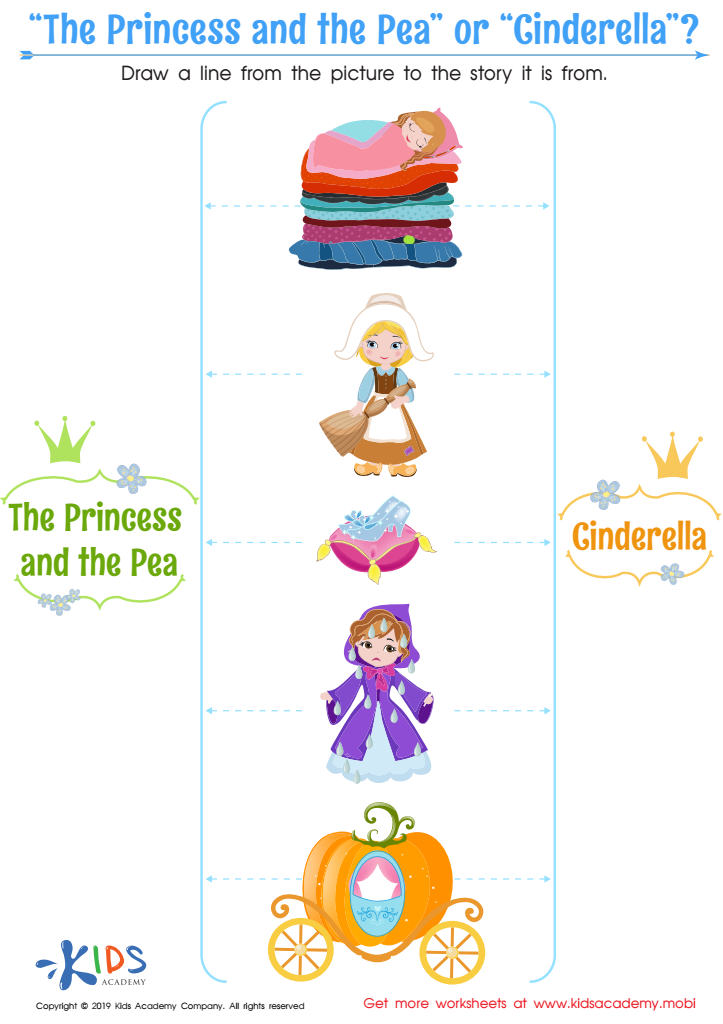
“The Princess and the Pea” or “Cinderella” Worksheet
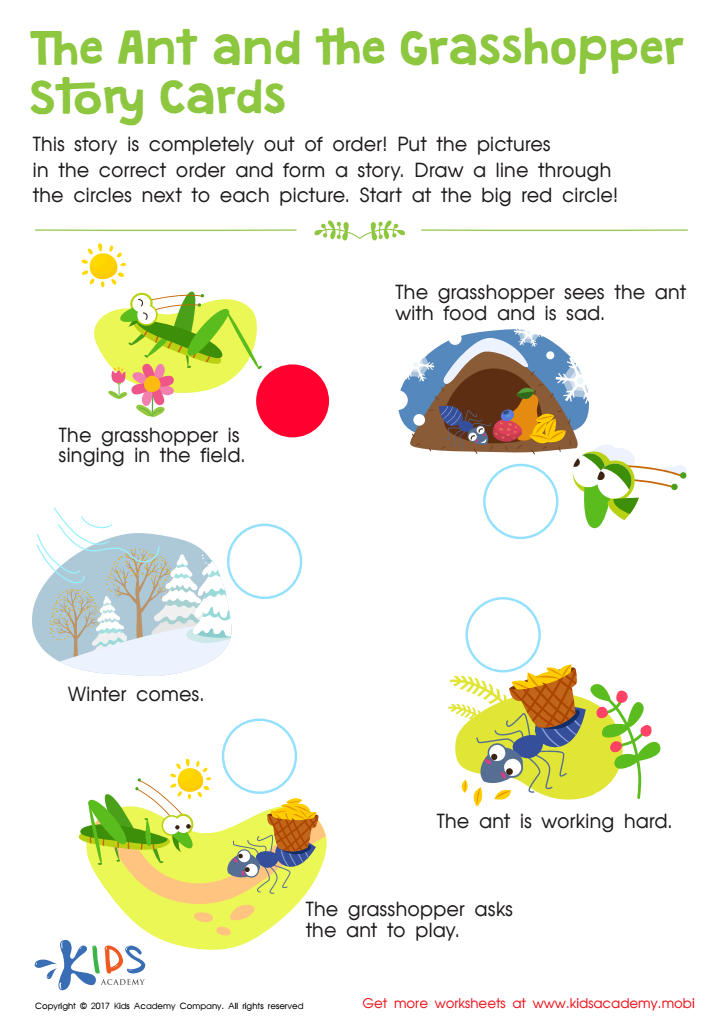
The Ant and The Grasshopper Worksheet
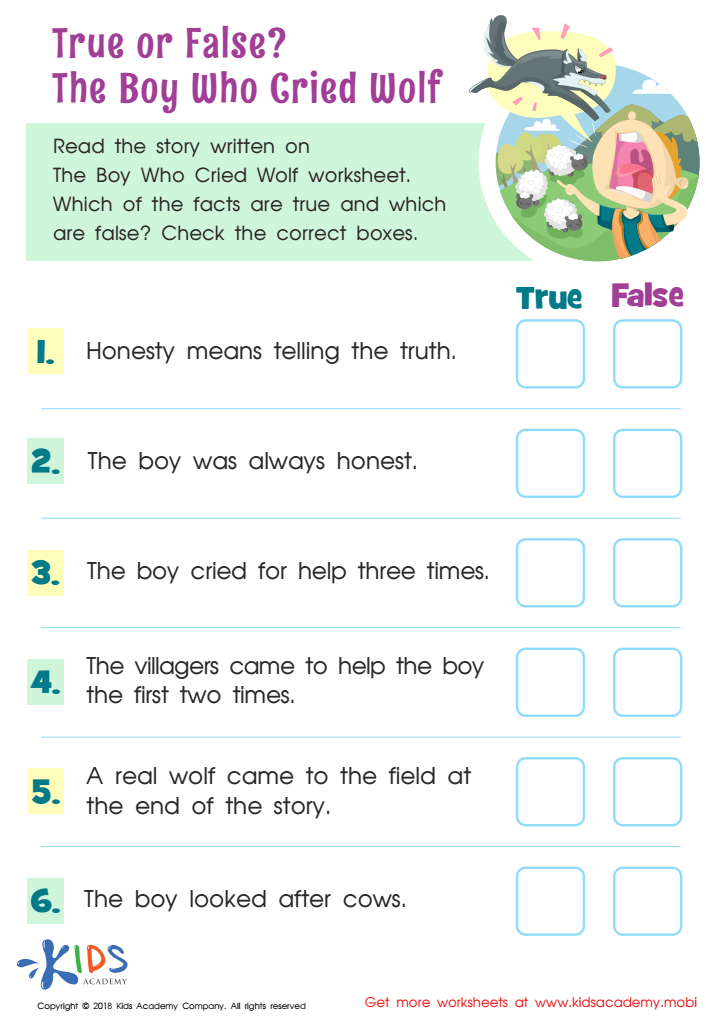
True or False? The Boy Who Cried Wolf Worksheet
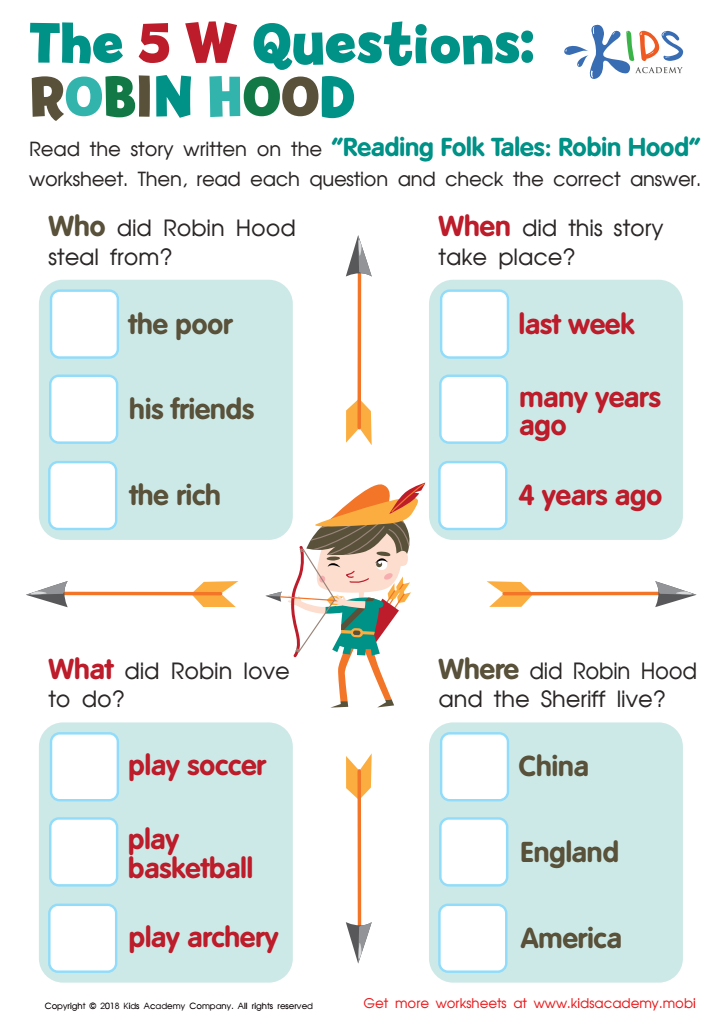
The 5 W Questions: Robin Hood Worksheet
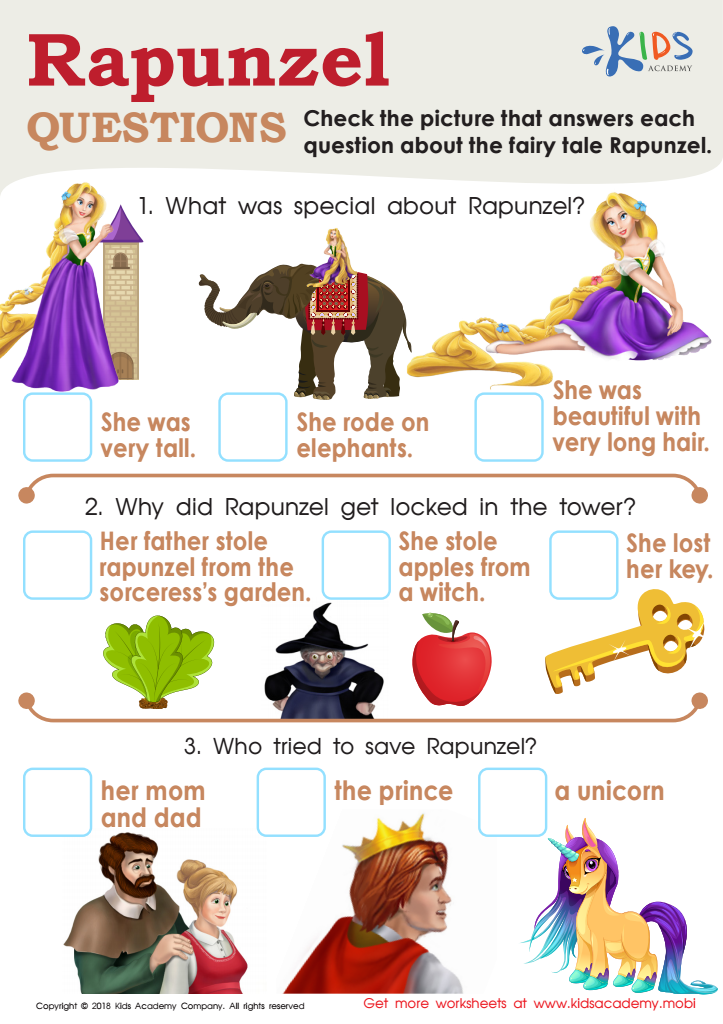
Rapunzel Questions Worksheet
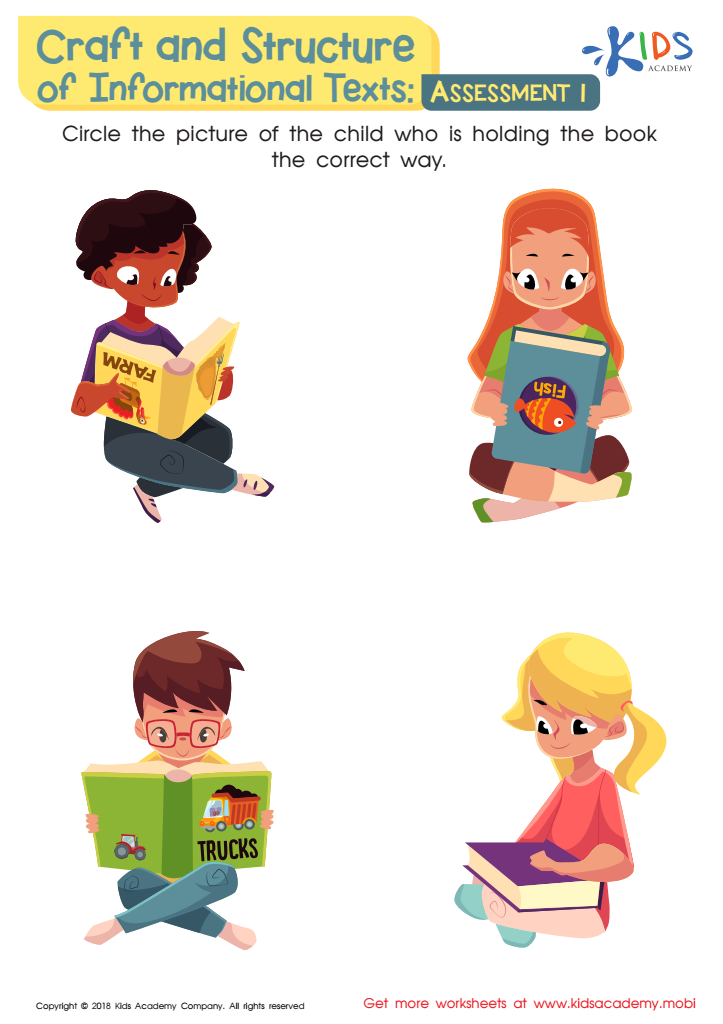
Craft and Structure of Informational Texts: Assessment 1 Worksheet
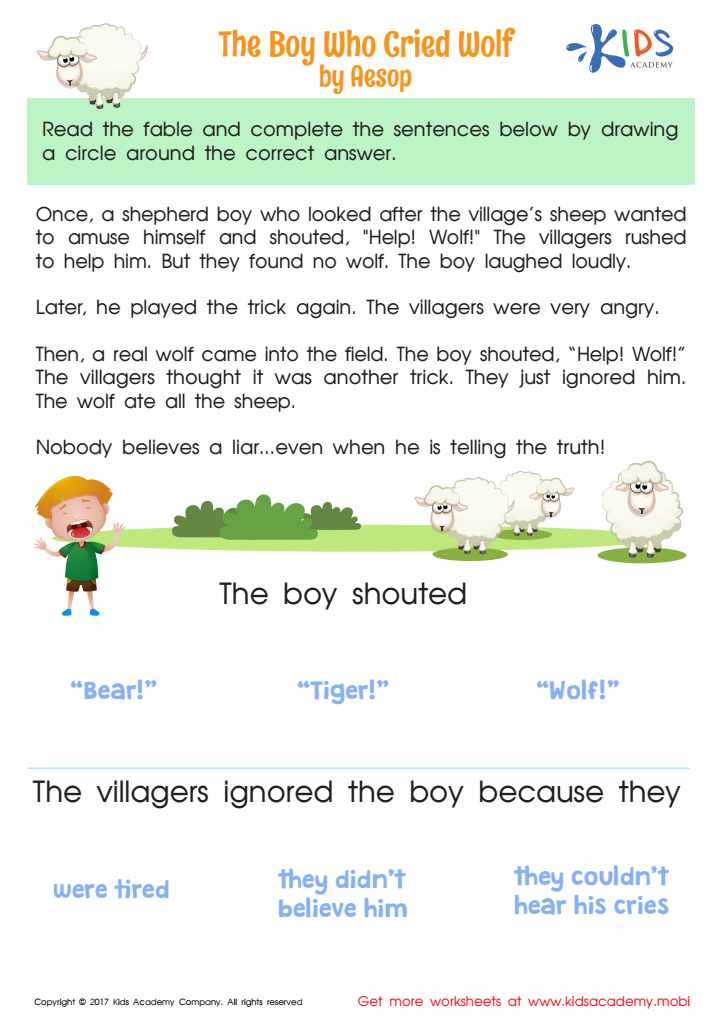
The Boy Who Cried Wolf Worksheet

Assessment: First Thanksgiving Worksheet
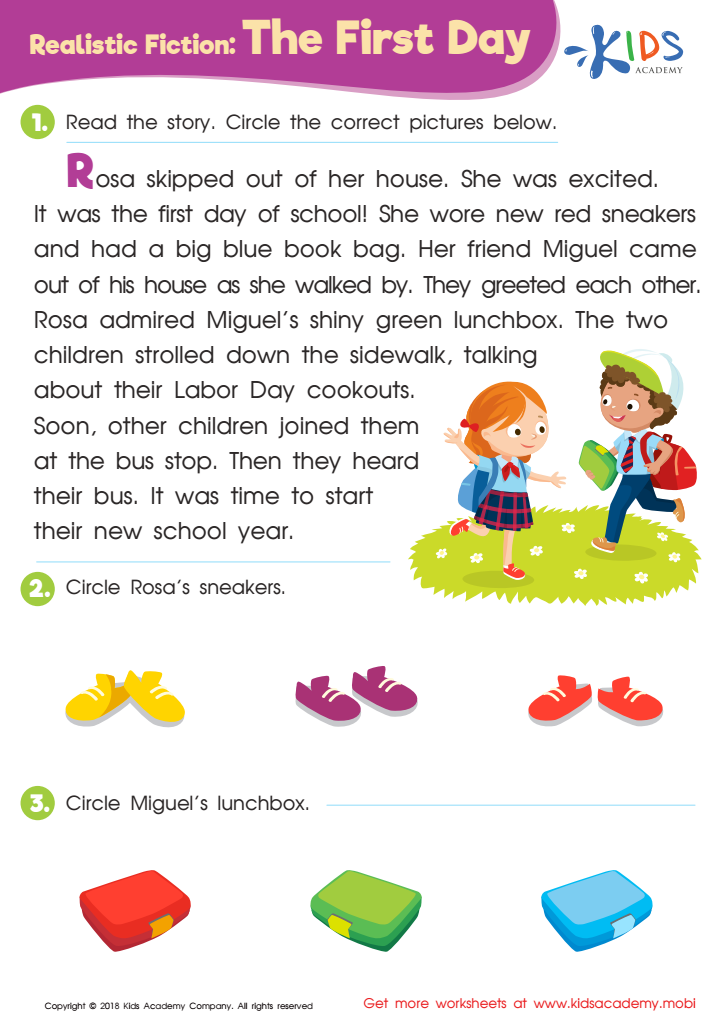
Realistic Fiction: The First Day Worksheet
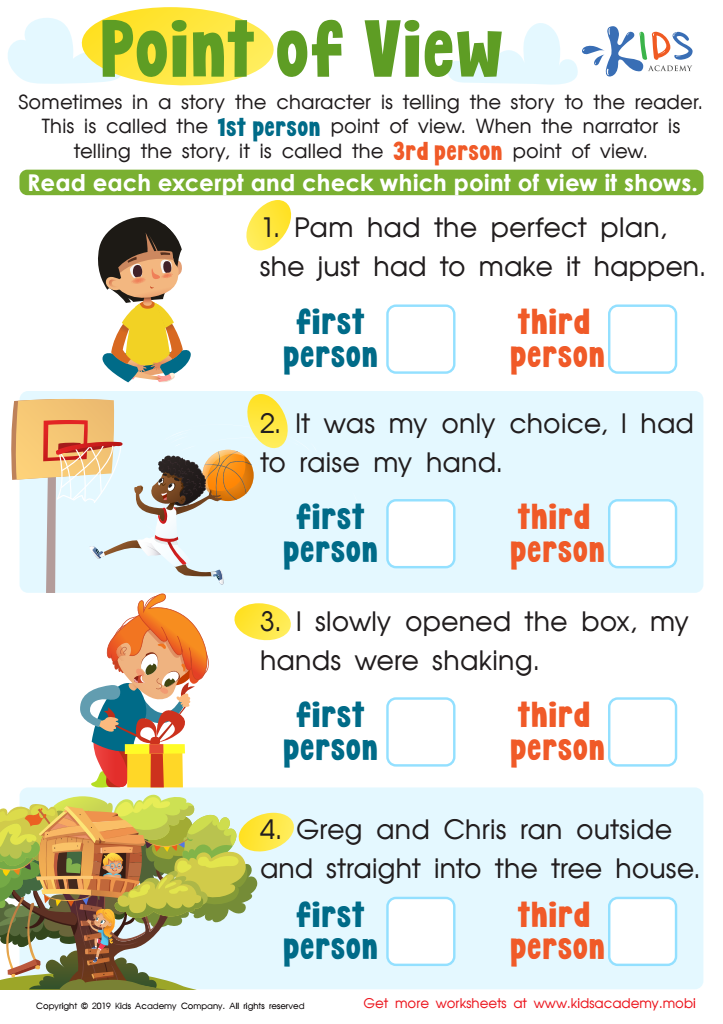
Point of View Printable
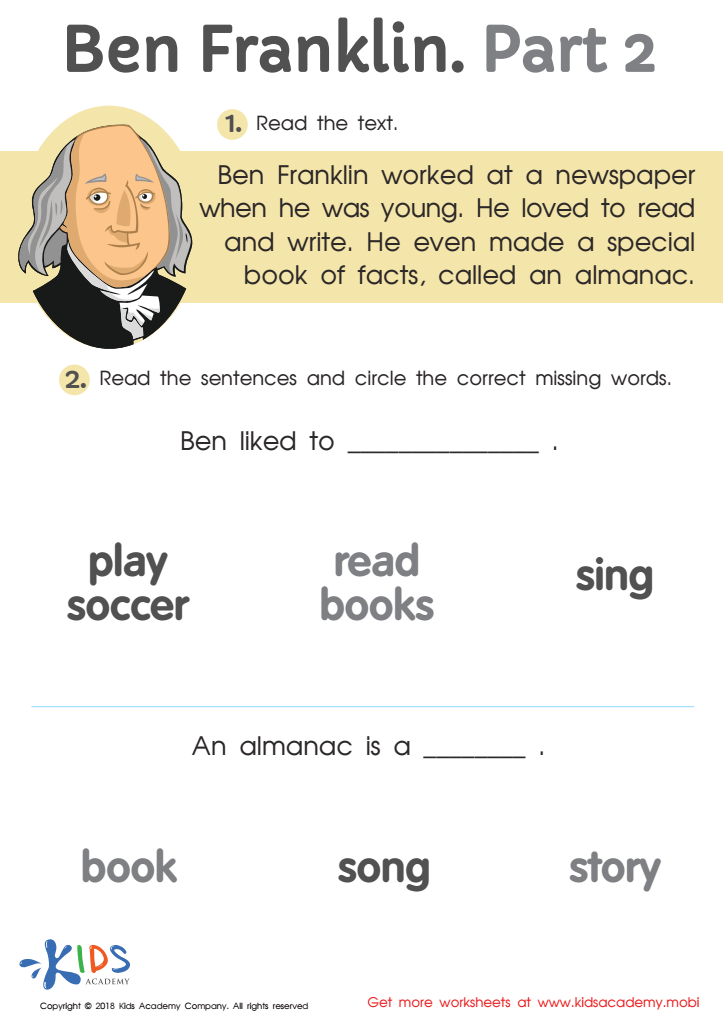
Ben Franklin Part 2 Worksheet
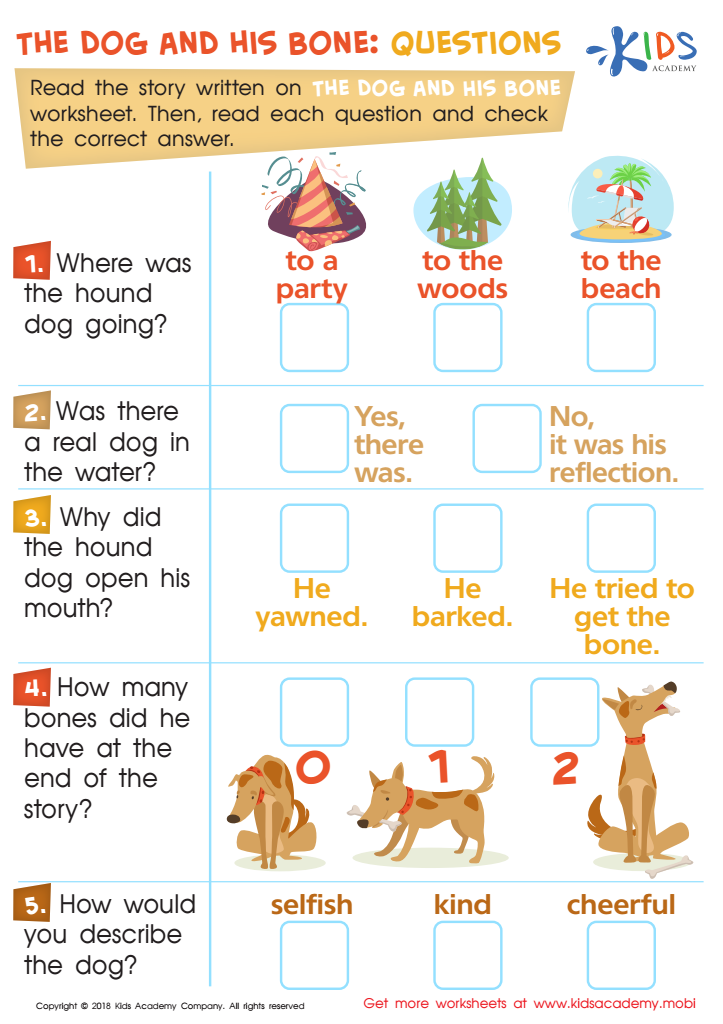
The Dog and His Bone: Questions Worksheet
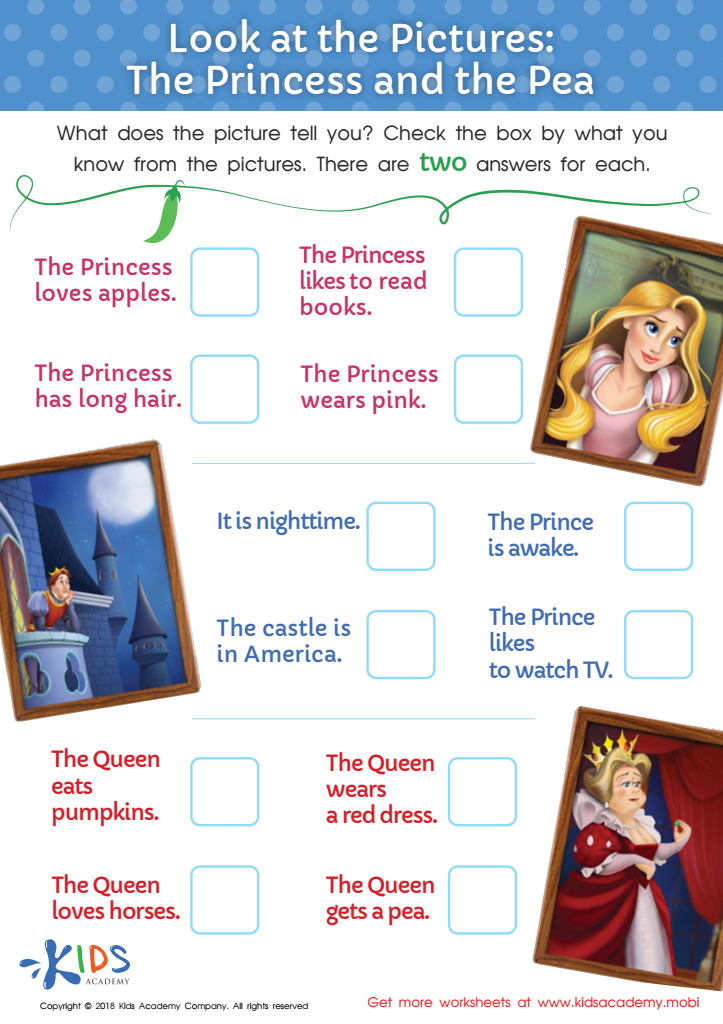
Look at the Pictures: The Princess and the Pea Worksheet
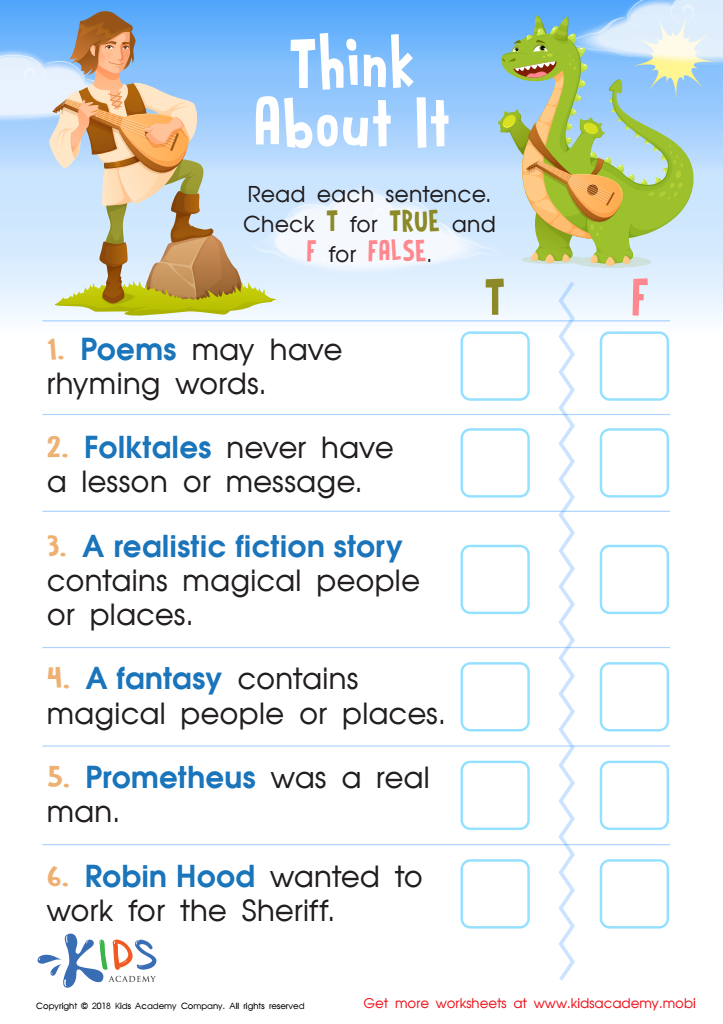
Think About It: Assessment Worksheet
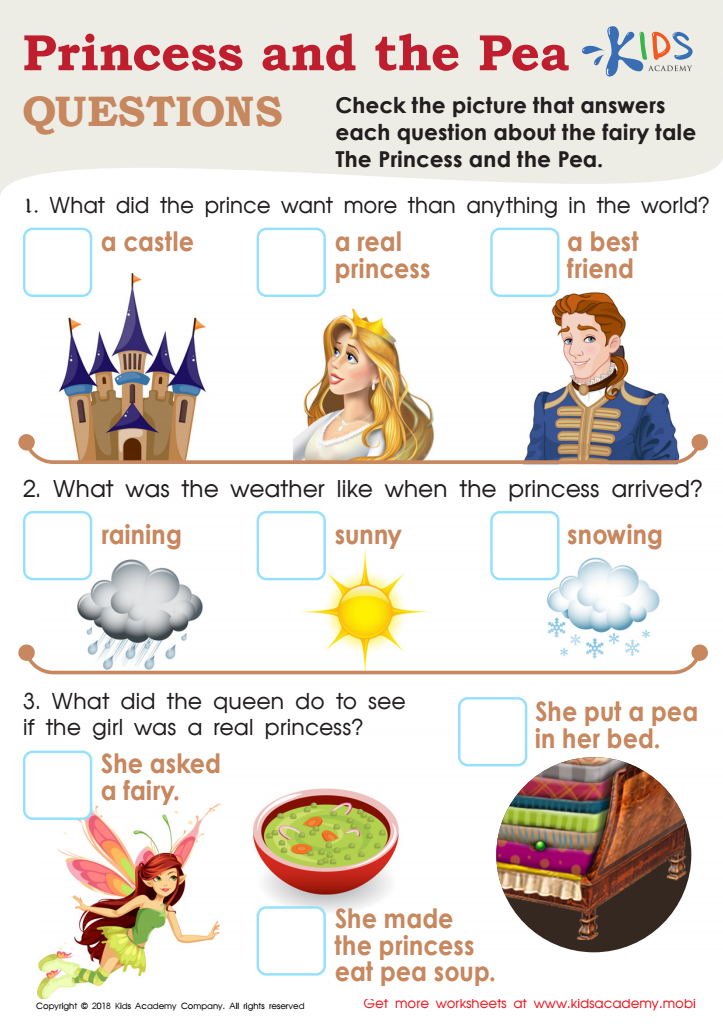
Princess and the Pea Questions Worksheet








Parents and teachers should prioritize fostering critical thinking and normal reading in children aged 5-9 because these skills form the foundation for effective learning and problem-solving throughout their lives. Critical thinking encourages children to analyze information, ask questions, and make reasoned decisions instead of merely memorizing facts. It helps them understand concepts more deeply and frees them to think independently, ultimately shaping their ability to navigate complex situations both in school and beyond.
Simultaneously, reading proficiency is crucial at this stage, as it impacts all areas of learning. When children read well, they gain better comprehension skills, which enhances their ability to follow instructions, understand mathematical problems, and grasp scientific concepts. Reading also stimulates imagination and empathy, allowing children to see different perspectives and build robust social skills.
Together, critical thinking and reading skills stimulate cognitive development and equip children with the tools to adapt to an ever-changing world. They enable children to process information critically and confidently, laying the groundwork for advanced learning in later grades. As such, investing time and resources into developing these abilities in young children not only assists with their current academic performance but also affords them greater opportunities for future success and personal growth.








