Understanding ecosystems Normal Animals Worksheets for Ages 5-9
3 filtered results
-
From - To
Explore our engaging "Understanding Ecosystems Normal Animals Worksheets" designed for ages 5-9. These educational resources introduce young learners to the fascinating world of ecosystems and the diverse animals that inhabit them. Through colorful illustrations and interactive activities, children will develop a deeper understanding of how species interact with their environments. Our worksheets promote critical thinking and encourage exploration of habitats, animal behaviors, and the importance of biodiversity. Perfect for educators and parents alike, these worksheets make learning about ecosystems enjoyable and accessible. Help your child discover the wonders of nature while building essential science skills today!
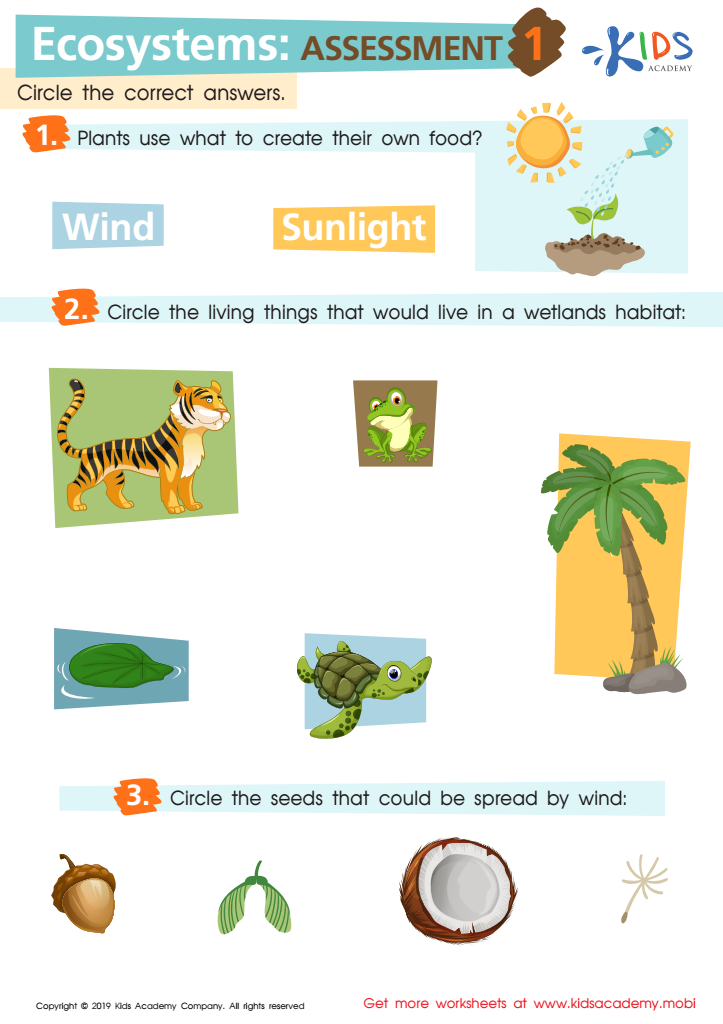
Ecosystems: Assessment 1 Worksheet
 Assign to My Students
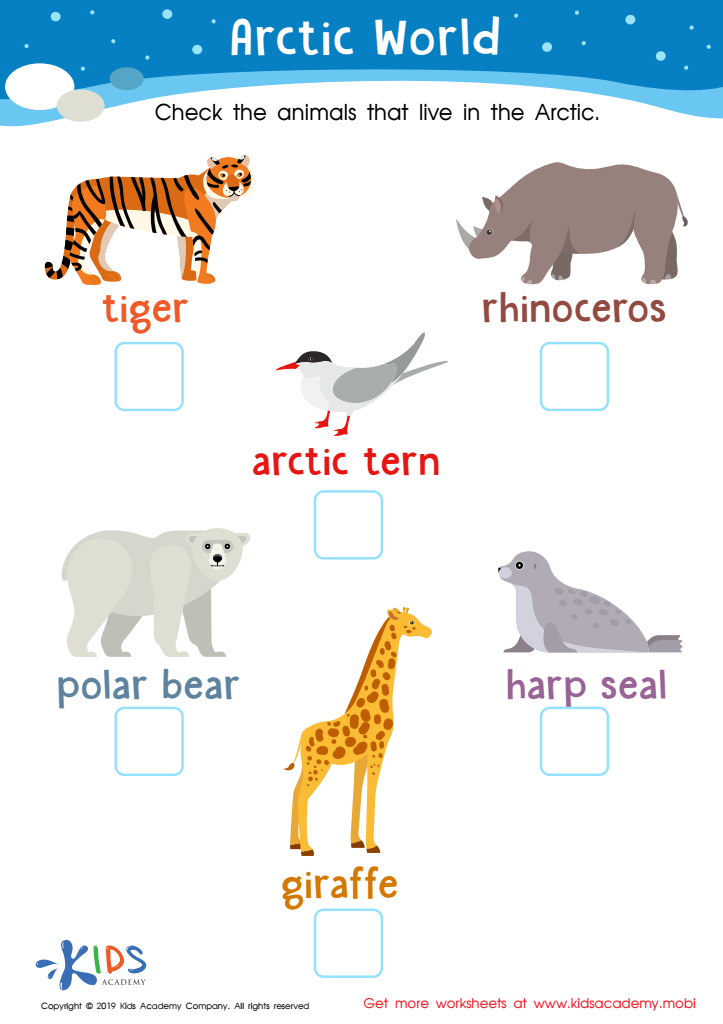
Arctic World Worksheet
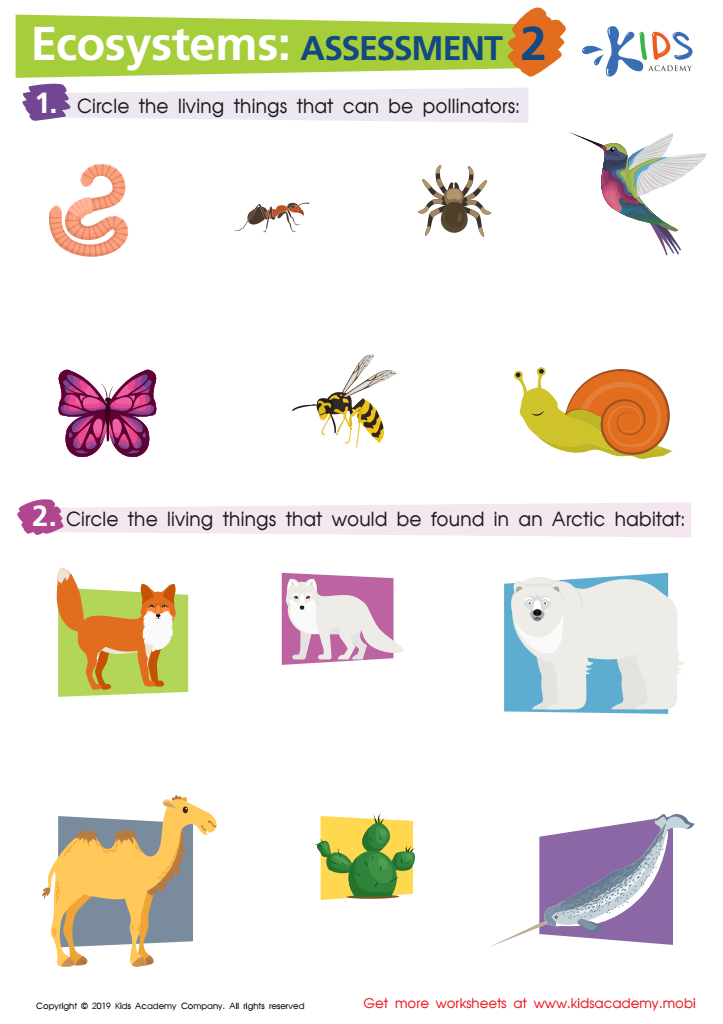
Ecosystems: Assessment 2 Worksheet








Understanding ecosystems and normal animals is crucial for children ages 5-9, and parents and teachers play a pivotal role in this learning process. At this age, children are naturally curious about the world around them. By introducing them to ecosystems, we foster an appreciation for biodiversity and the interconnectedness of life. This knowledge nurtures empathy and respect for animals and their habitats, encouraging kids to see the value of preserving nature.
Furthermore, learning about ecosystems supports essential educational goals. It enhances critical thinking as children explore food chains, habitats, and the roles different animals play in their environments. Engaging them in hands-on activities, such as observing local wildlife or participating in nature walks, makes learning experiential and memorable.
Additionally, understanding normal animals helps debunk myths and misconceptions children might have about wildlife, nurturing a more informed generation. This knowledge can inspire future conservation efforts as children grow and become stewards of the planet, empowered to make a difference.
In summary, investing time in teaching children about ecosystems and normal animals not only enriches their education but also instills a lifelong commitment to protecting our environment and understanding the intricate balance of nature.








