Vocabulary expansion Normal Animals Worksheets for Ages 5-9
5 filtered results
-
From - To
Introducing our "Vocabulary Expansion Normal Animals Worksheets" designed for children ages 5-9. These engaging worksheets are perfect for young learners eager to explore the fascinating world of animals. Our fun and educational activities encourage kids to learn new words related to various creatures, helping to expand their vocabulary and deepen their understanding of the animal kingdom. Through interactive exercises and captivating facts, children enhance their language skills while enjoying hours of educational fun. Perfect for classroom use or homeschooling, our worksheets provide an enriching addition to any early science curriculum by blending vocabulary development with animal science exploration.
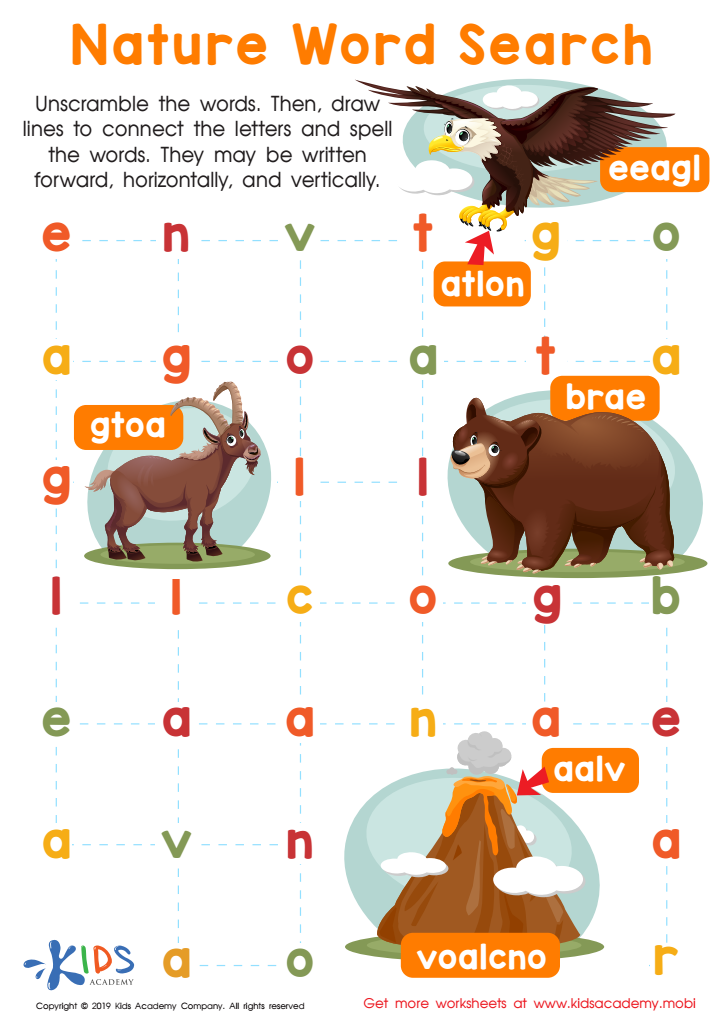
Nature Word Search Worksheet
 Assign to My Students
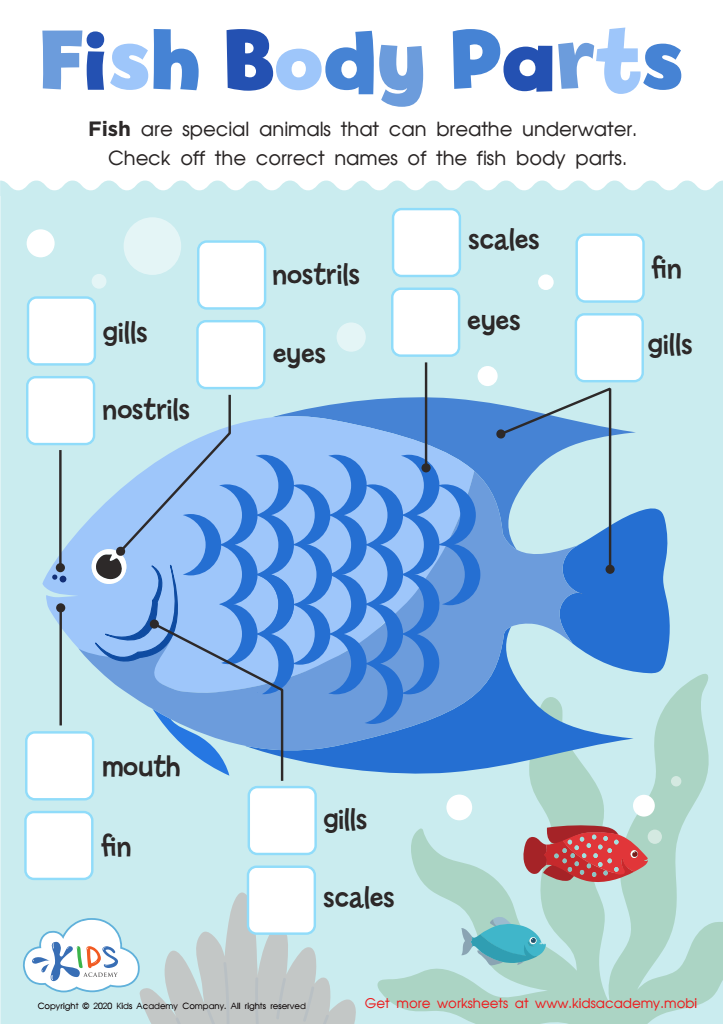
Fish Body Parts Worksheet
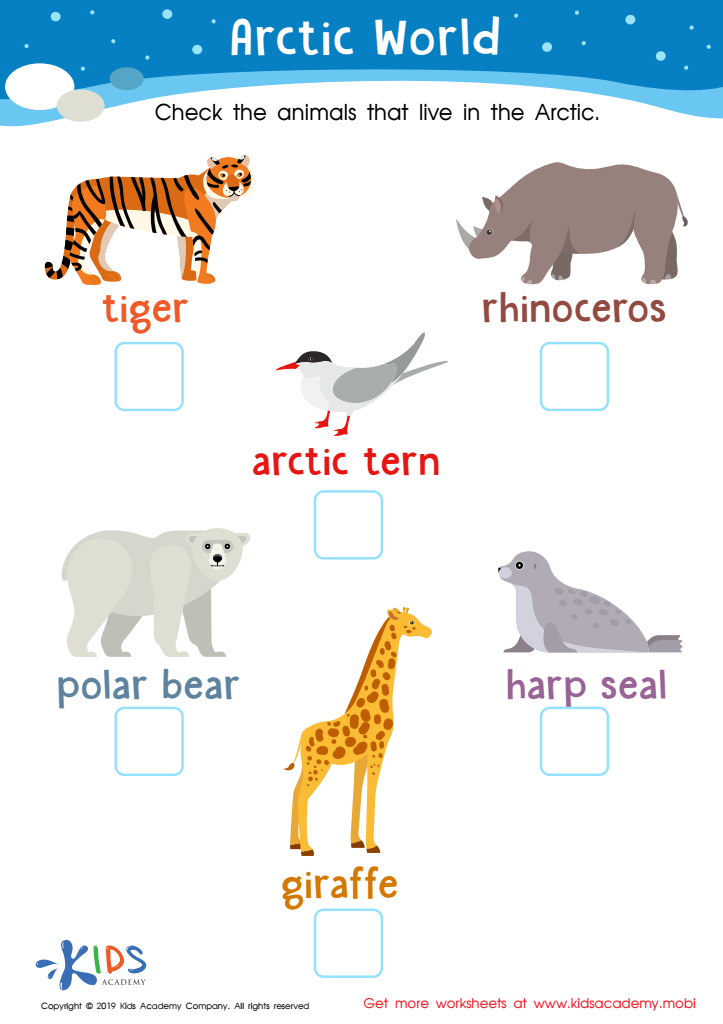
Arctic World Worksheet
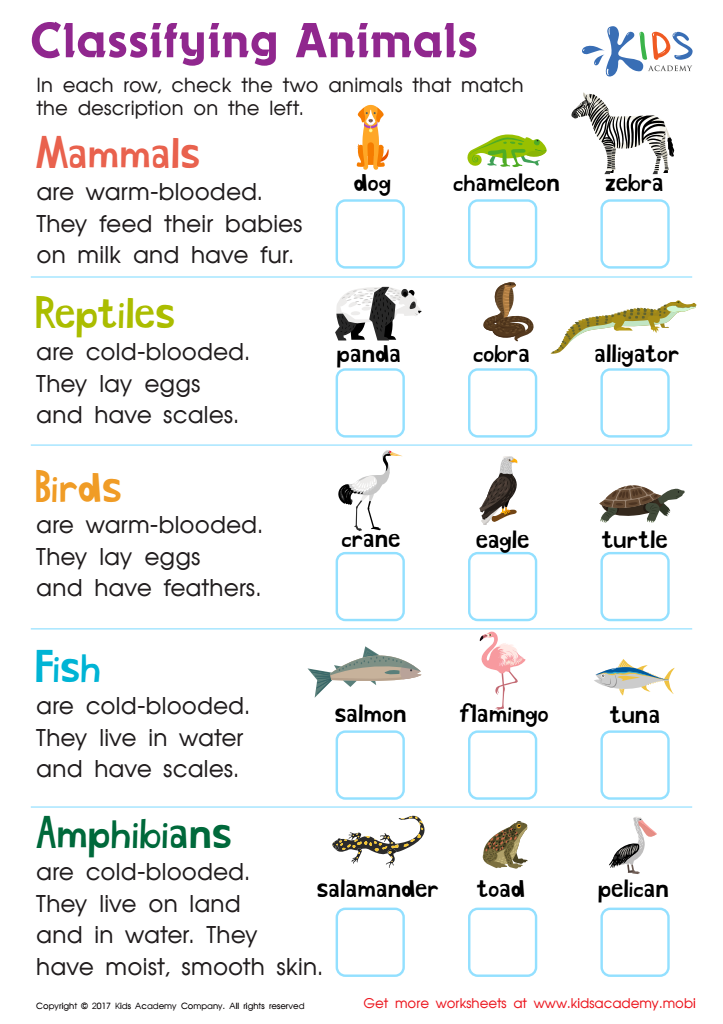
Classifying Animals Worksheet
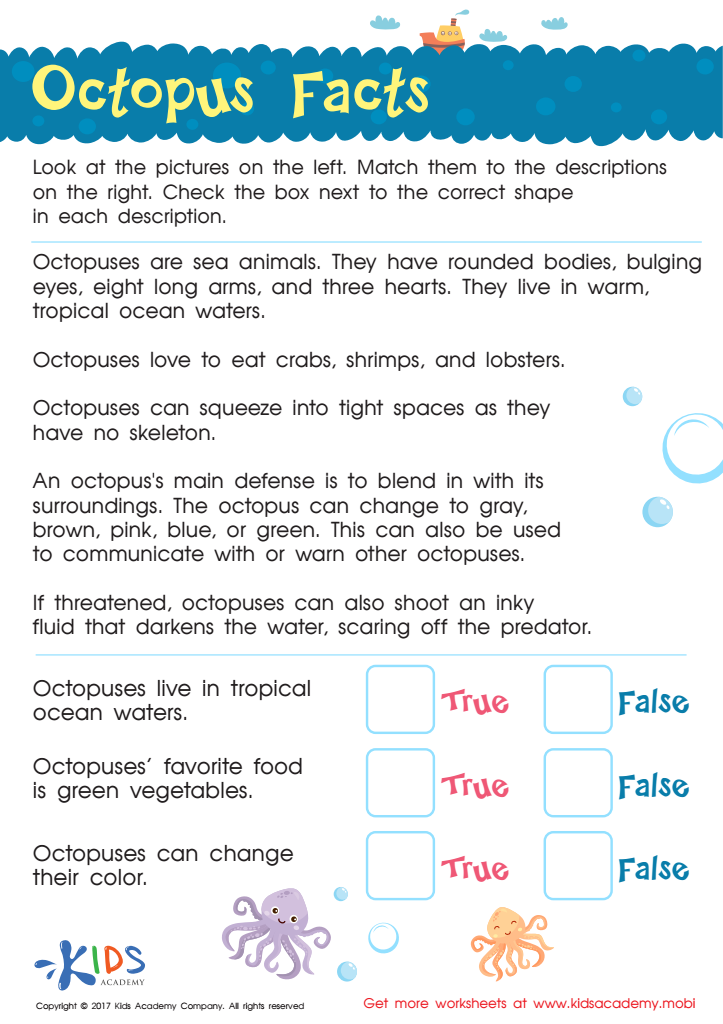
Octopus Facts Worksheet For Kids







Vocabulary expansion in young children, particularly those aged 5-9, plays a critical role in their overall development. During these formative years, children are rapidly gathering the building blocks they will use for more advanced learning and comprehension. Familiarity with a wider range of words related to 'normal animals' offers several benefits.
First, it enhances their ability to communicate more effectively. When children know more words, they can express their thoughts and emotions with greater clarity and precision. This is useful in daily interactions and in understanding complex instructions or stories in school.
Second, a robust vocabulary boosts reading comprehension. When children encounter new words in texts about animals, they can better understand and enjoy what they are reading. This engagement can foster a love for learning and curiosity about the natural world.
Furthermore, learning about various animals helps introduce scientific concepts and environmental awareness early on. Knowing more about animals, their habitats, and their behaviors encourages respect for nature and stimulates interest in science subjects.
Parents and teachers should therefore focus on vocabulary expansion related to normal animals as it supports linguistic, cognitive, and emotional development. With better language skills, children will be well-equipped for academic success and enriched interactions in their everyday lives.








