Space knowledge Normal Science Worksheets for Ages 5-9
5 filtered results
-
From - To
Explore the wonders of the universe with our "Space Knowledge Normal Science Worksheets for Ages 5-9." Designed to spark curiosity, these engaging worksheets introduce young learners to essential concepts about planets, stars, and beyond. Through fun activities, kids will develop foundational scientific skills, enhancing their understanding of space-related themes. Our worksheets are perfect for early grade teachers, parents, and homeschoolers, offering a blend of creativity and education to keep children captivated. Each worksheet is tailored to help children think critically while exploring the vast cosmos, encouraging discovery and a lifelong passion for science. Perfect for in-class or at-home learning!
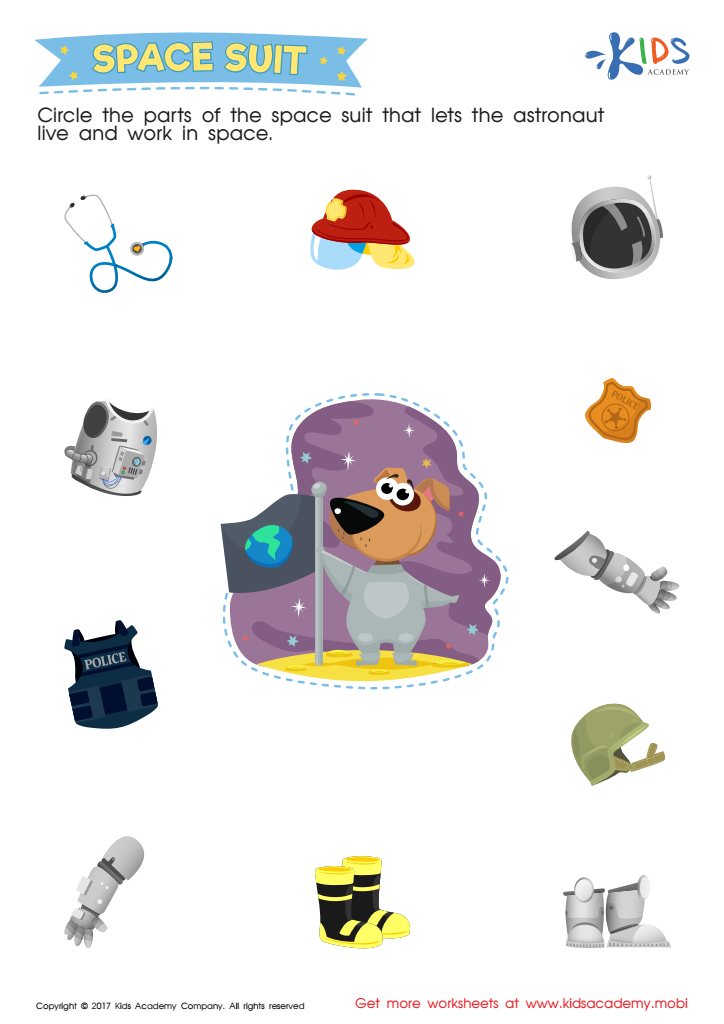
 Assign to My Students
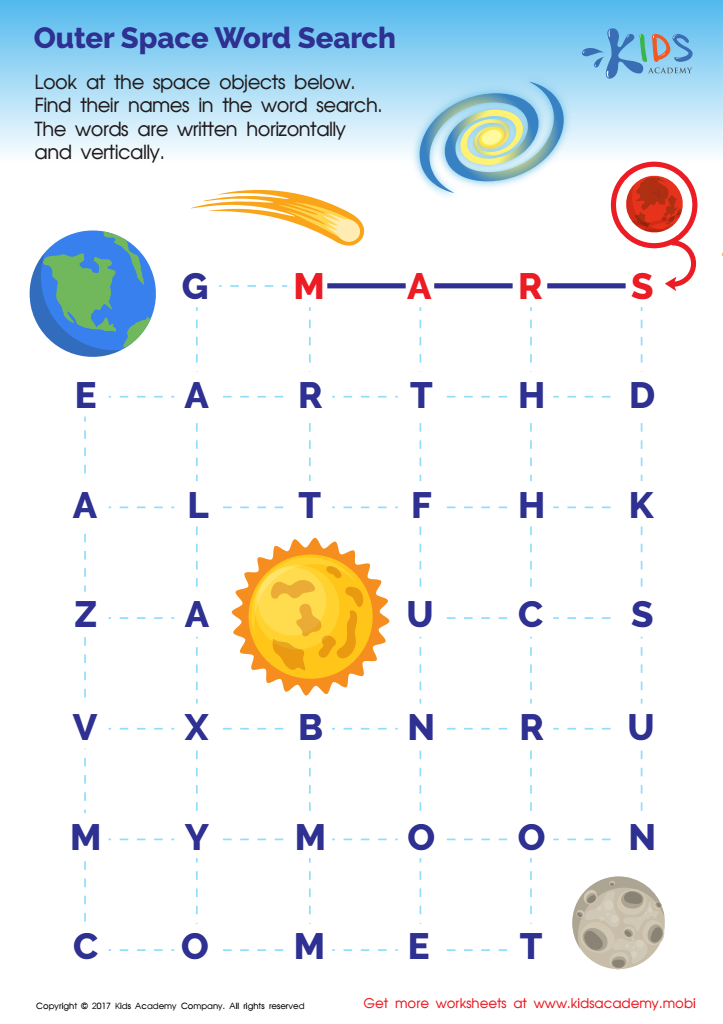
Outer Space Word Search Printable
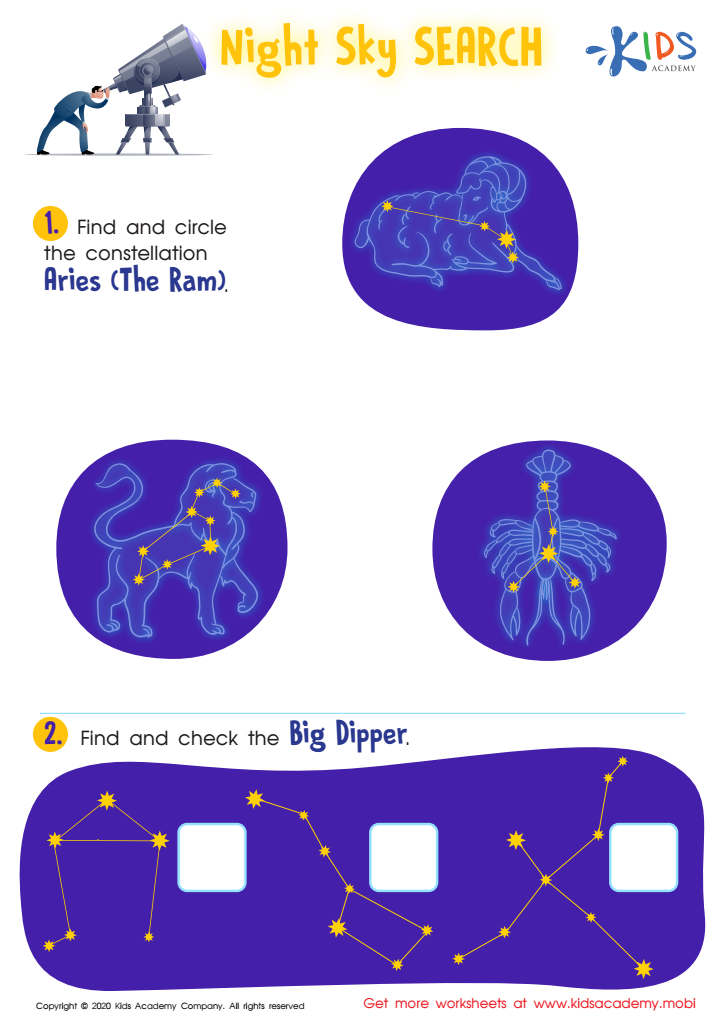
Night Sky Search Worksheet
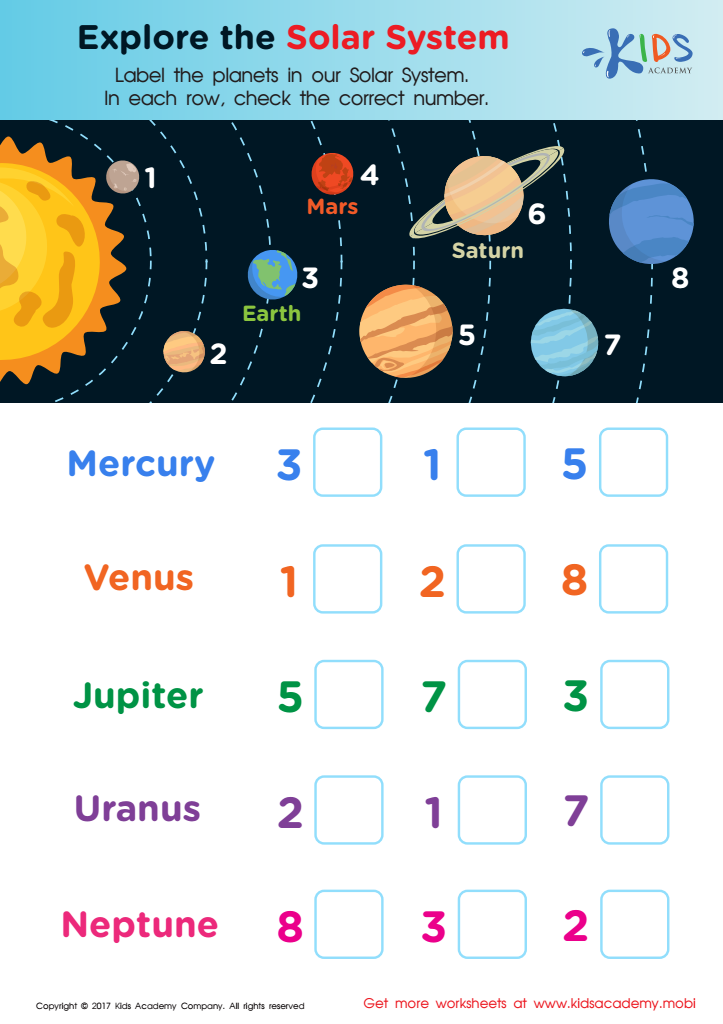
Solar System Planets Worksheet
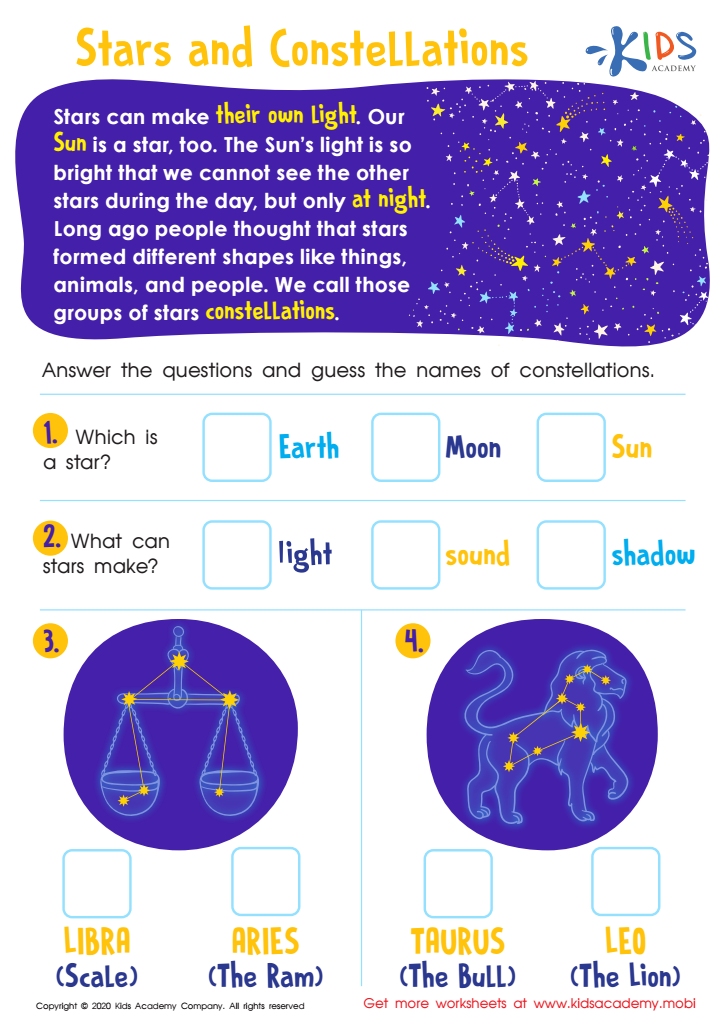
Stars and Constellations Worksheet




.jpg)


Understanding space knowledge—what we often call "normal science"—is crucial for children aged 5-9 for several reasons. First, this age is foundational for cultivating curiosity about the universe. Engaging young learners with concepts like planets, stars, and gravity fosters their natural inquisitiveness and encourages a lifelong love of learning.
Second, space science introduces essential scientific skills, such as observation, questioning, and experimentation. By exploring space, children enhance their critical thinking and problem-solving abilities. These skills are not only vital in science but are transferable across various subjects and everyday life.
Moreover, awareness of space fosters creativity. Children who learn about constellations or the concept of gravity can exercise their imagination, envisioning worlds and stories that expand their cognitive development.
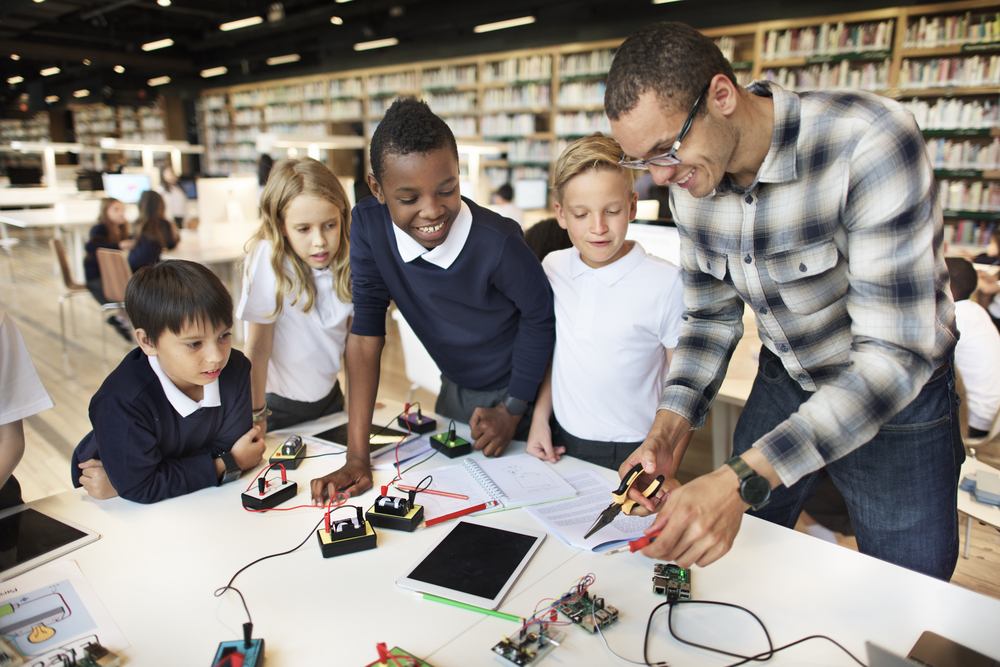
Additionally, space knowledge supports social and emotional development by emphasizing teamwork through collaborative projects like model-building or experiments, promoting communication skills.
Lastly, in an age dominated by technological advancements, understanding the fundamentals of space science not only prepares children for future academic pursuits but also inspires them to think about careers in STEM (Science, Technology, Engineering, and Mathematics). This early grounding is essential for nurturing the next generation of innovators and explorers.







