
Word Recognition Normal Alphabet Worksheets for 5-Year-Olds
8 filtered results
Difficulty Level
Grade
Age
-
From - To
Subject
Activity
Standards
Discover our engaging Word Recognition Normal Alphabet Worksheets designed specifically for 5-year-olds! These interactive worksheets encourage early reading skills as children explore letters and common words through fun activities. Each worksheet promotes letter recognition, vocabulary building, and phonetic awareness, laying a solid foundation for literacy development. Ideal for preschoolers and kindergartners, these printables allow kids to practice in a creative and supportive environment. Foster a love for reading by guiding your child through these captivating exercises that make learning enjoyable. Download our worksheets today and watch your child flourish as they become confident young readers!
Favorites
With answer key
Interactive
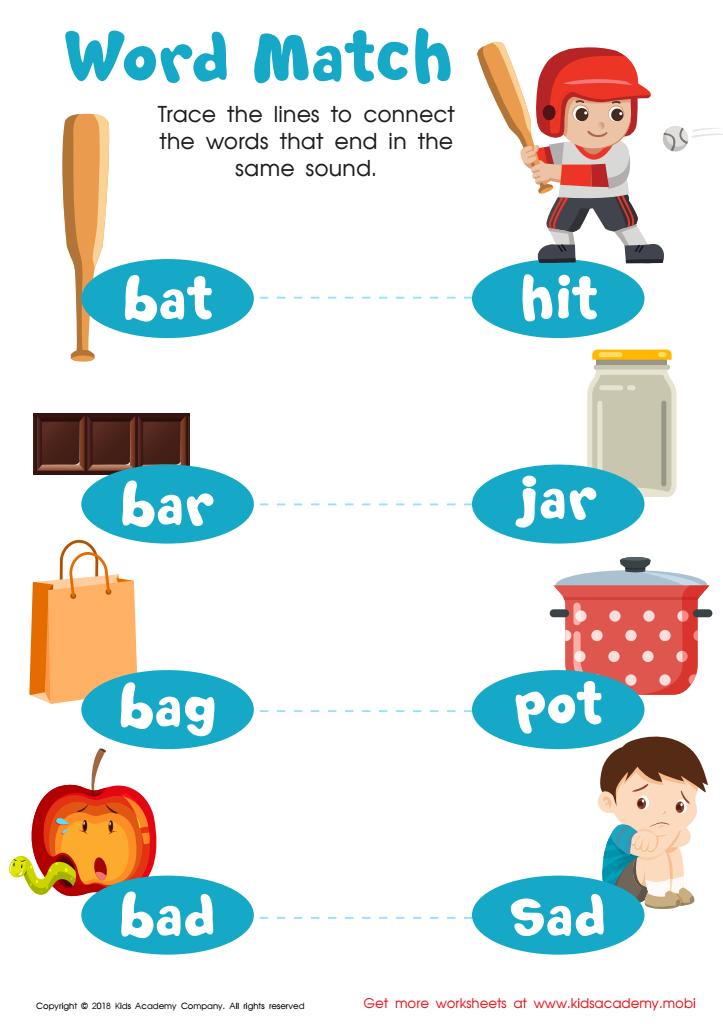
Word Match Reading Worksheet
This printout helps children learn to read fluently by connecting words with the same sound. Colorful pictures aid understanding and context for kindergarten-level students. Tracing lines, they learn to identify the sounds made by letters of the alphabet and deepen their knowledge of phonics.
 Assign to My Students
Word Match Reading Worksheet
Worksheet
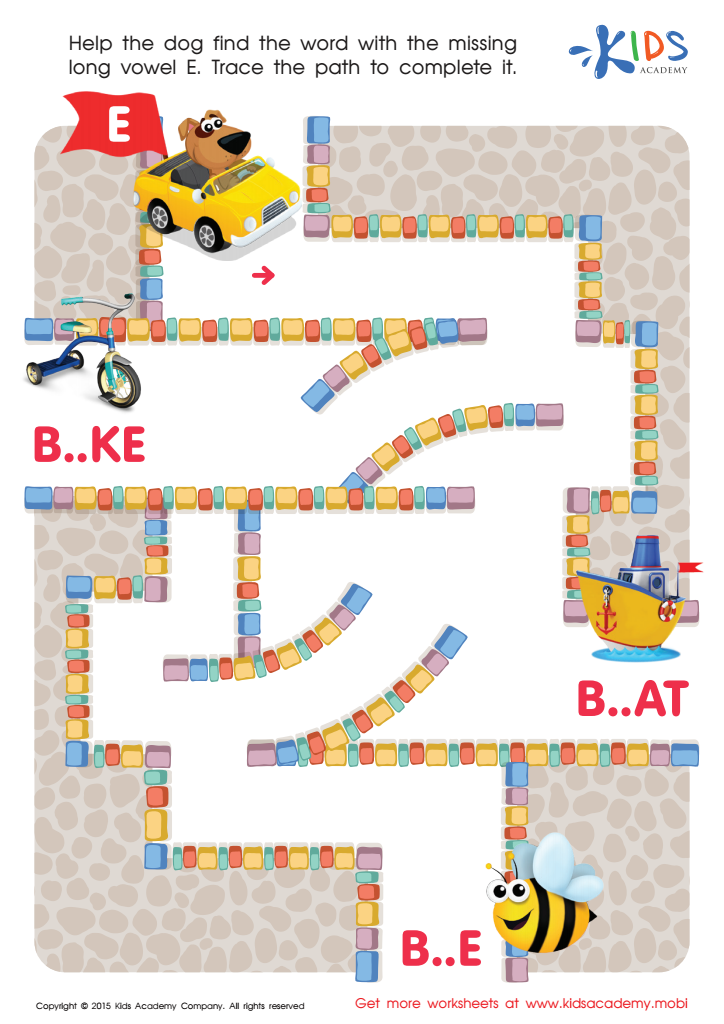
Long Vowel Sound E Worksheet
Practice distinguishing long and short vowel sound E with this free printable! Kids must complete the word “bee” by tracing the maze and adding the missing letter E. Remind them to say the word aloud to help sharpen their phonics ear. Get more phonics fun with the vowel sound E here.
Long Vowel Sound E Worksheet
Worksheet
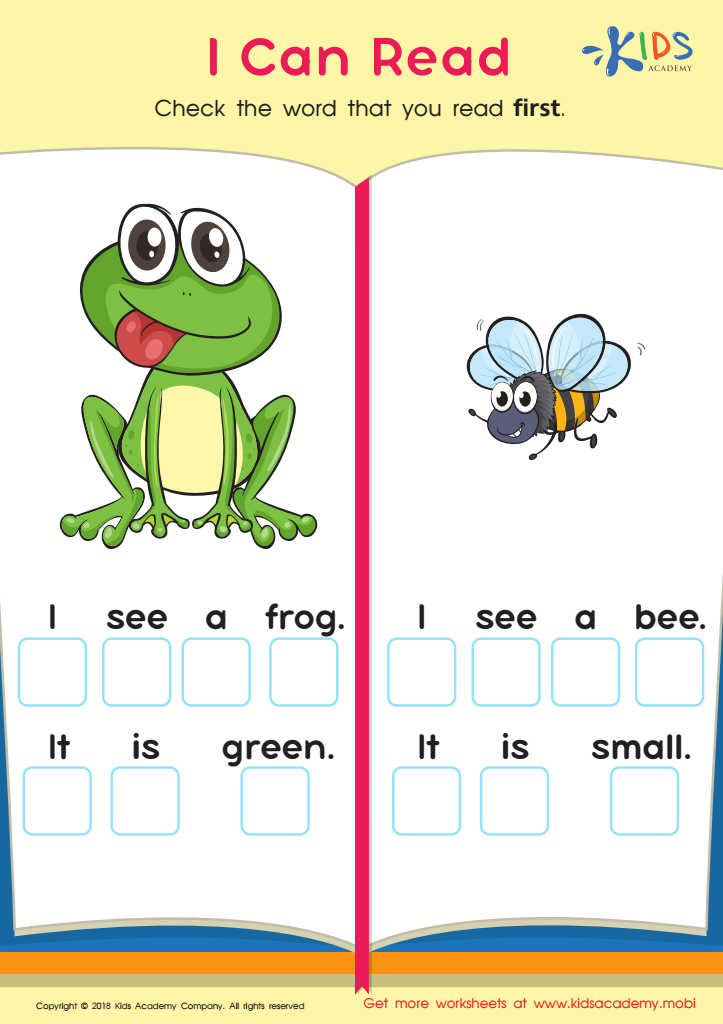
I Can Read Worksheet
Test your child's reading skills with this fun worksheet. See how well they know one-letter, two-letter, and five-letter words. Ask your little one to read the sentences and tick the word they identify first. It's a great way to track their progress and help them become more confident readers.
I Can Read Worksheet
Worksheet
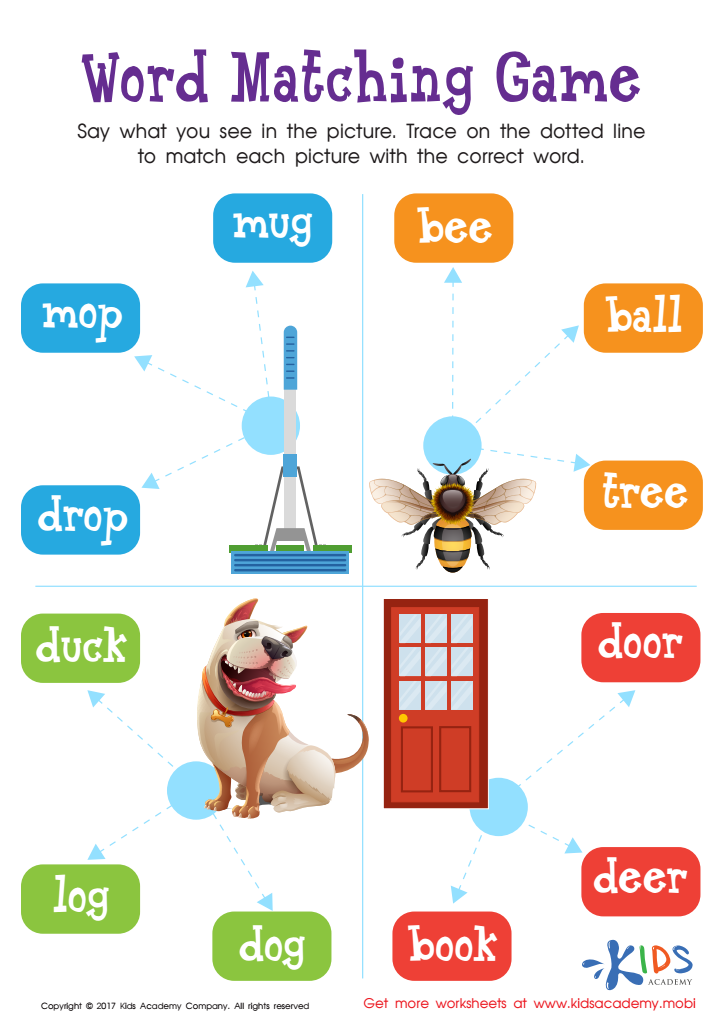
Word Matching Game Worksheet
Help your early reader develop prereading skills with this fun matching worksheet! Visual cues help them learn sight words, decode words in word families, and identify phonetic patterns. They'll practice discerning sounds past initial consonants while saying the name of the picture and finding the matching word - and reading at the same time!
Word Matching Game Worksheet
Worksheet
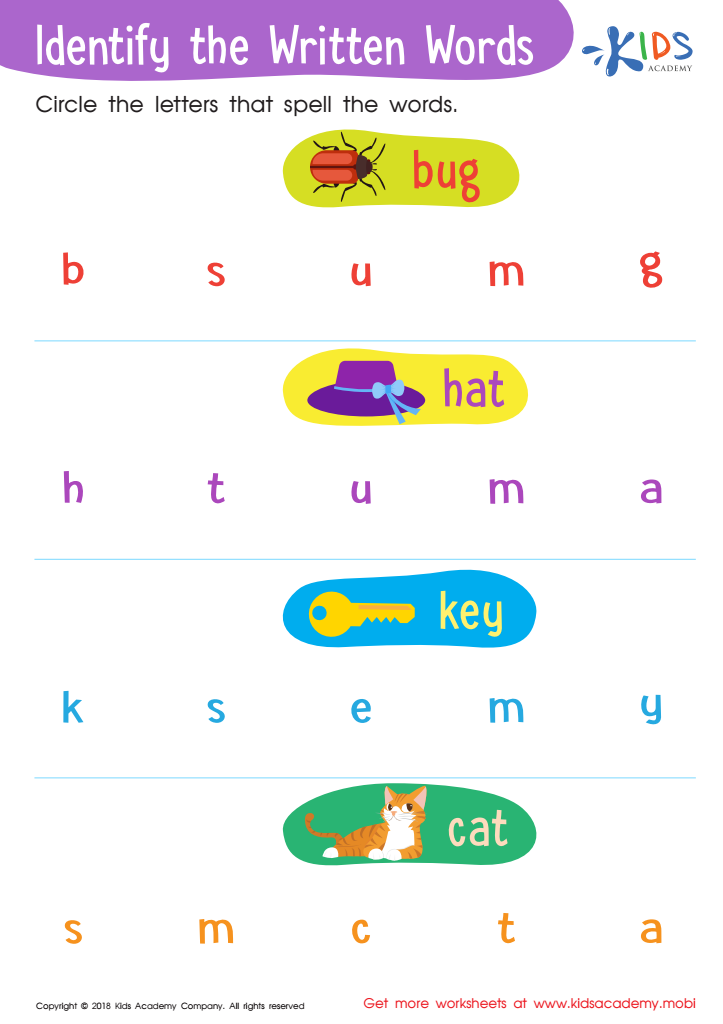
Identify the Written Words Worksheet
Have your students identify the objects on the printout, then spell the words. If they already know how to spell, this exercise should be easy. Help them circle the correct letters from the set to spell out the words. This is a great way to reinforce reading and spelling skills. Max 80 words.
Identify the Written Words Worksheet
Worksheet
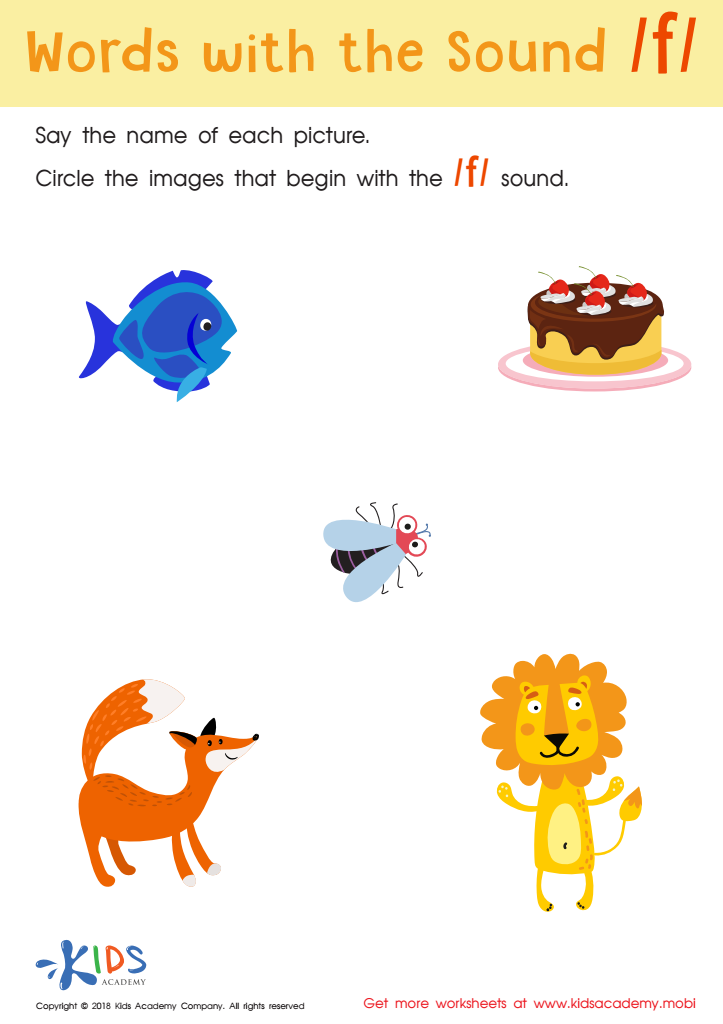
Words with sound f Reading Worksheet
This illustrated phonics worksheet is ideal for preschool or kindergarten. It helps boost learners' literacy skills with a focus on the letter "f". Ask your child to name all the pictures, listening for that sound. Examples are fish, fox, lion, bug. When they can identify which words start with "f", have them circle the images. Congratulate them on a job well done!
Words with sound f Reading Worksheet
Worksheet
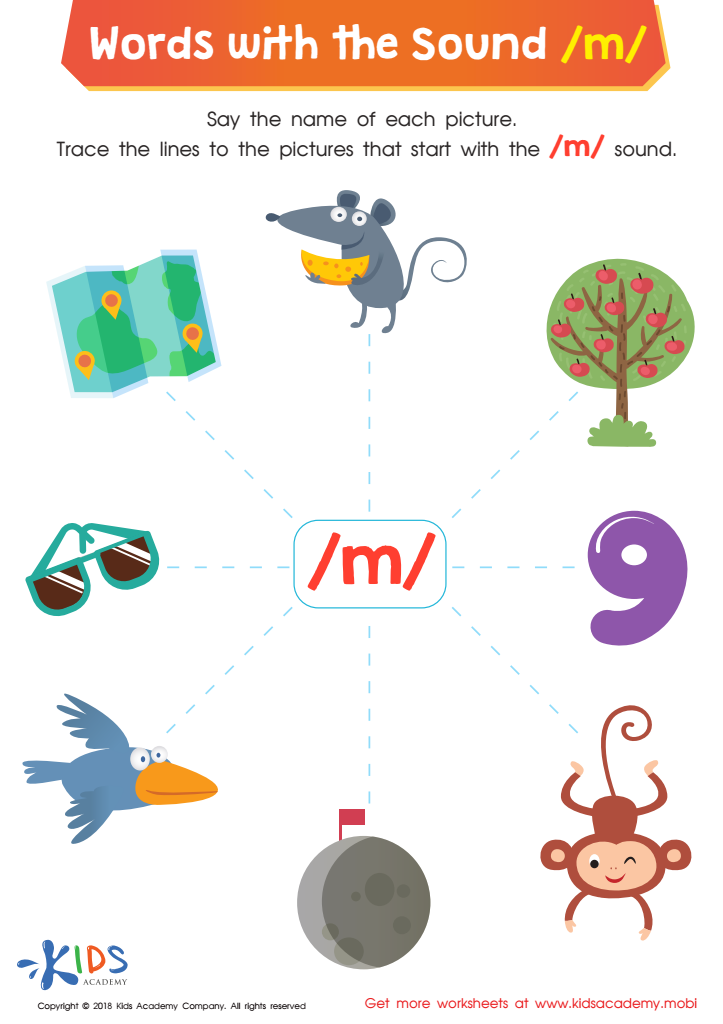
Words with Sound M Reading Worksheet
Emerging readers will use this traceable worksheet to name and trace pictures with the letter sound «m». Bright, engaging pictures make this fun and build confidence while strengthening fine motor skills. They won't even know they're also working on reading skills!
Words with Sound M Reading Worksheet
Worksheet
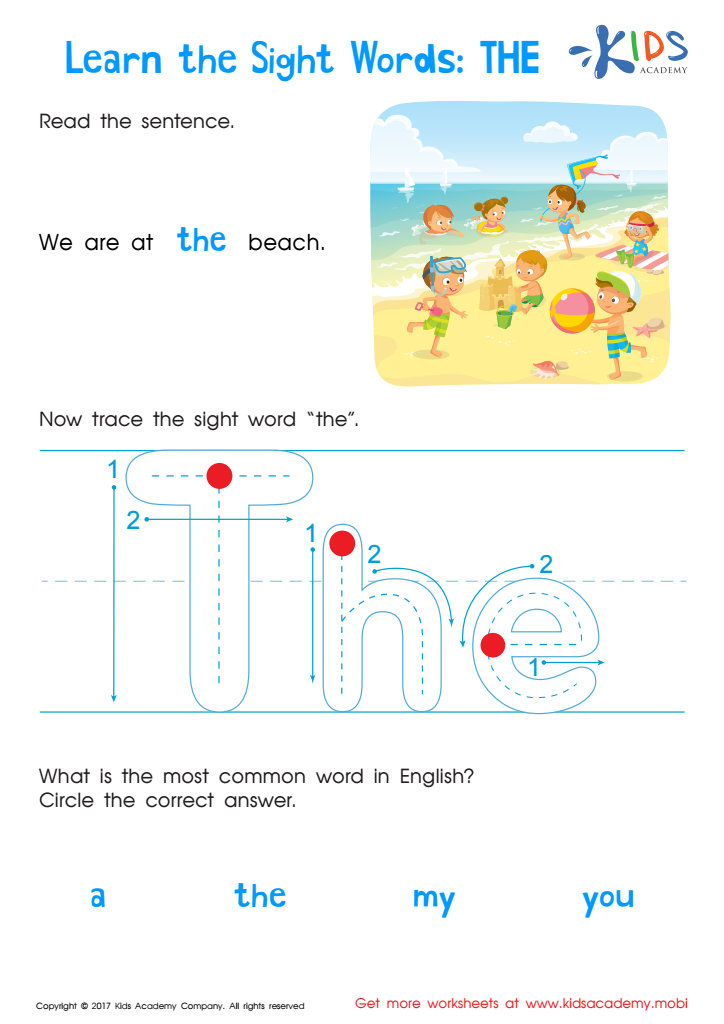
Sight Words: The Worksheet
Get the worksheet and start now.
The word "the" is an essential part of English. Teaching your child to read and write it is easy with this sight words worksheet. They'll practice reading the word, tracing it, and using it in sentences. It's the perfect way to take your child's language skills to the next level! Get the worksheet today.
Sight Words: The Worksheet
Worksheet
Join Kids Academy for Free
Who is primarily going to use this learning content?








Word recognition is a crucial foundational skill for 5-year-olds, as it directly impacts their reading development and overall literacy. Understanding the normal alphabet, including letter names and sounds, allows children to begin recognizing familiar words. This skill sets the stage for fluency and comprehension, making reading a more approachable and enjoyable task.
For both parents and teachers, encouraging word recognition can bolster a child’s confidence and motivation. As young learners identify and decode words, they associate reading with success, which fosters a love for books and learning. This positive reinforcement takes root early and shapes long-term educational attitudes.
Moreover, children who develop word recognition skills tend to perform better academically. They are more likely to excel in written tasks, understand instructions, and participate in reading-related activities. Additionally, facilitating these skills helps students prepare for more complex literacy challenges that they will encounter in subsequent years.
By prioritizing word recognition, parents and teachers can create a supportive and engaging learning environment that emphasizes early literacy. Therefore, investing time in teaching this fundamental skill not only benefits children intellectually but also enriches their overall development and future learning experiences.







