Color recognition Normal Coloring Pages Worksheets for 5-Year-Olds
14 filtered results
-
From - To
Help your 5-year-old master color recognition with our engaging Normal Coloring Pages Worksheets! Designed to develop essential coloring and learning skills, these worksheets feature fun and educational images that capture young imaginations. Children will practice identifying and using various colors to breathe life into delightful scenes, all while reinforcing their understanding of basic color concepts. Perfect for preschool and kindergarten, our simple, print-ready coloring pages make learning interactive and stress-free. Explore our diverse collection and watch your child’s creativity and comprehension grow! Visit Kids Academy for more enchanting educational resources and activities.
Christmas: Night Before Christmas Printable
 Assign to My Students
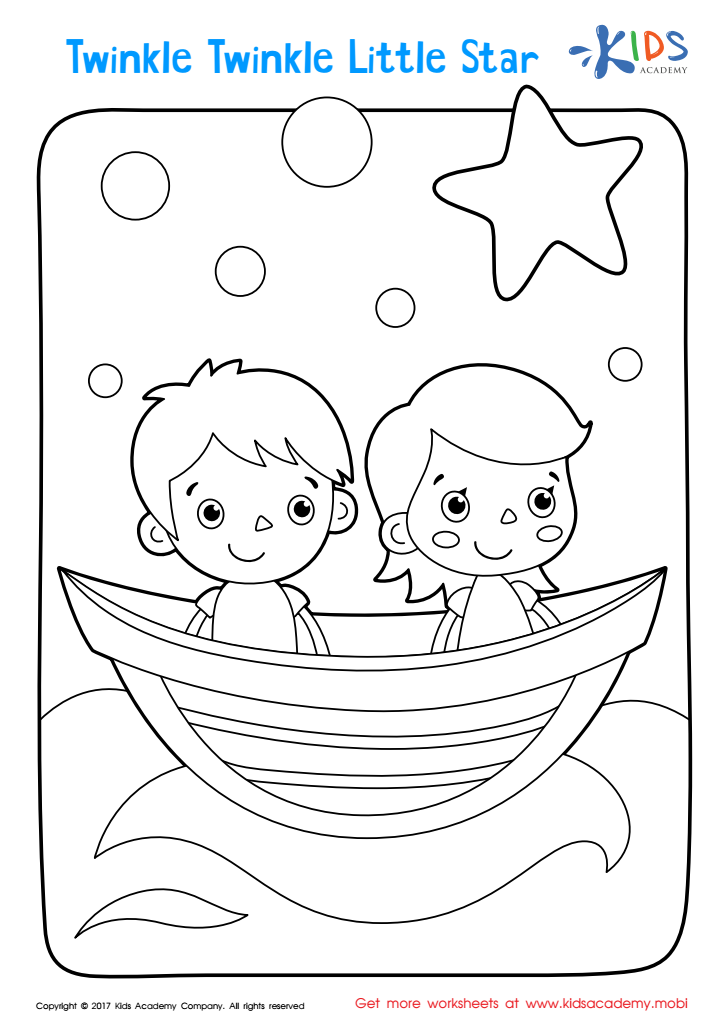
Twinkle Twinkle Little Star Coloring Page
Assign to My Students
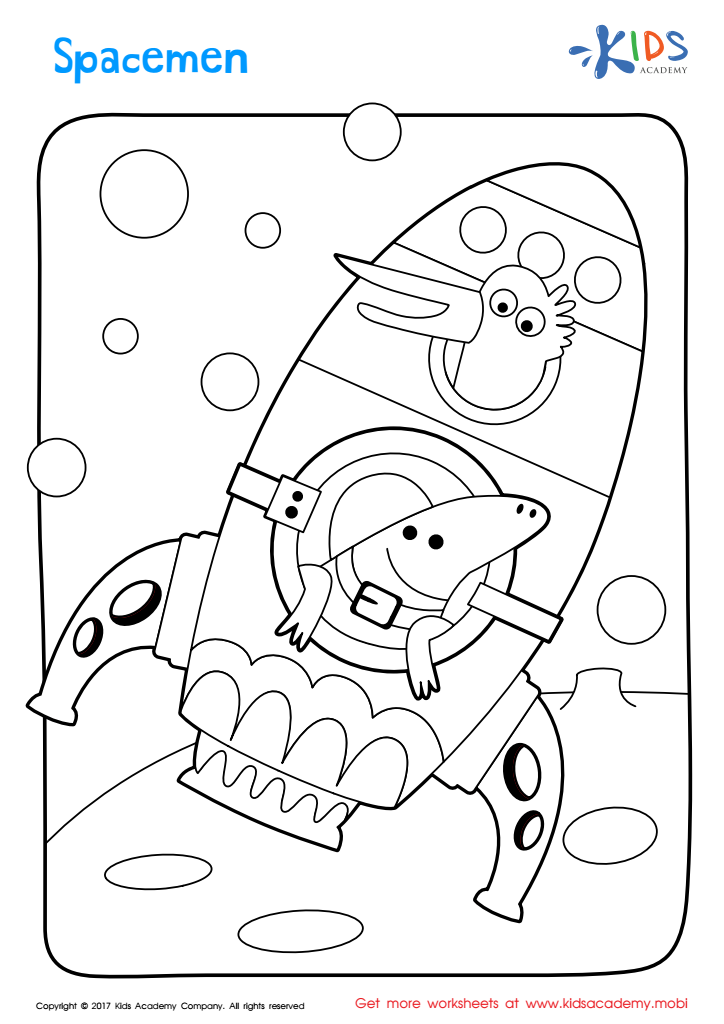
Spacemen Coloring Page
Assign to My Students
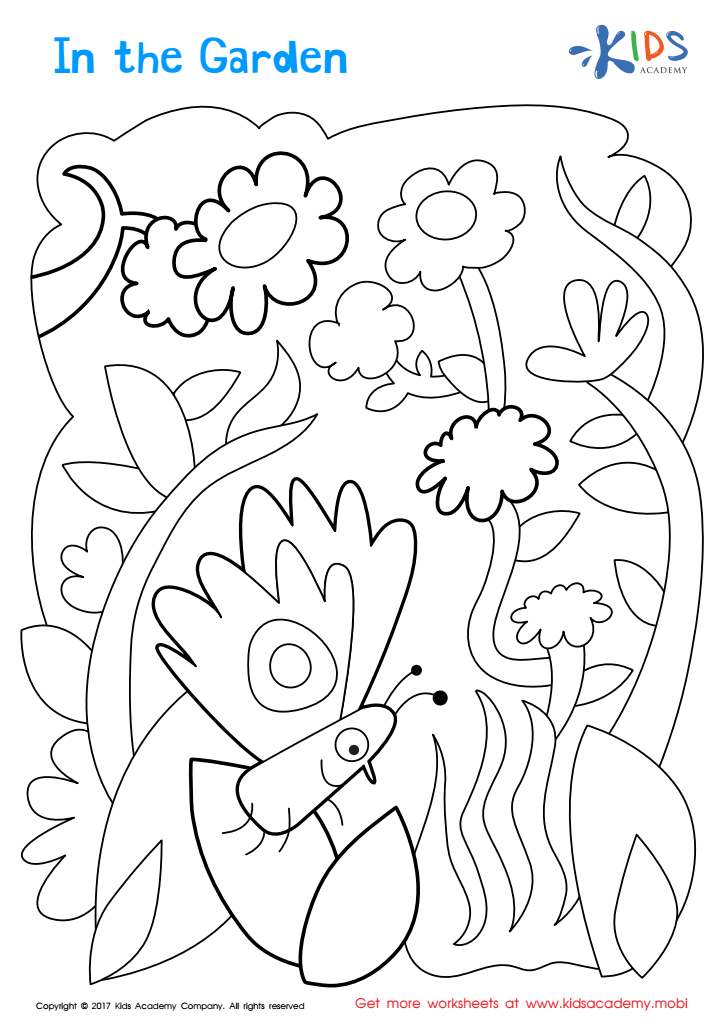
In The Garden Coloring Page
Assign to My Students
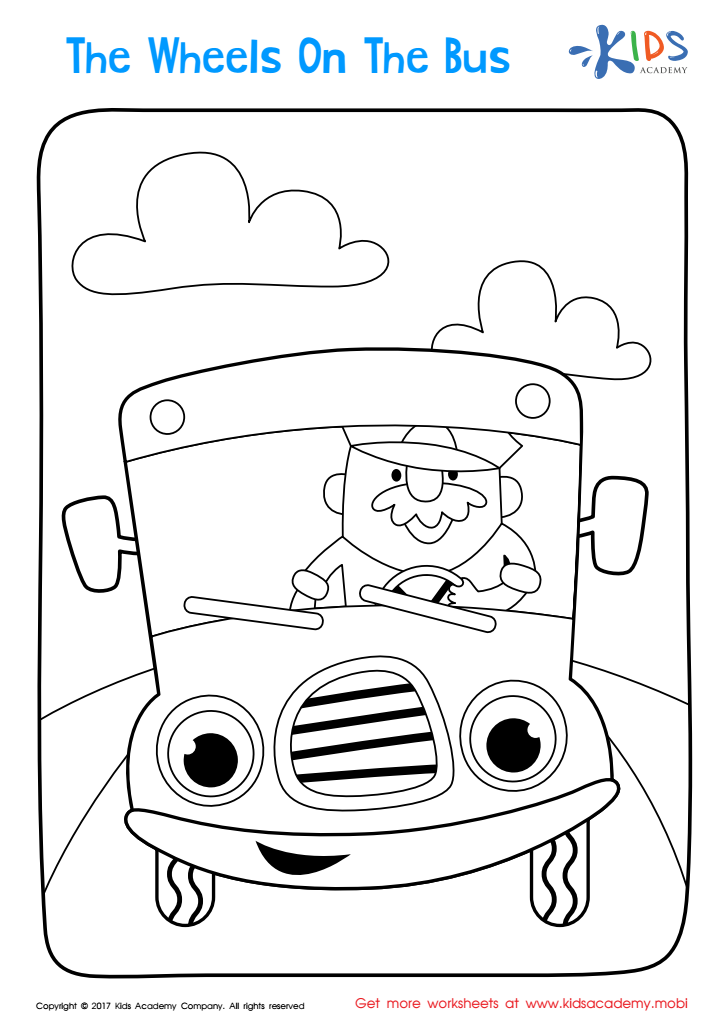
The Wheels on the Bus Coloring Page
Assign to My Students
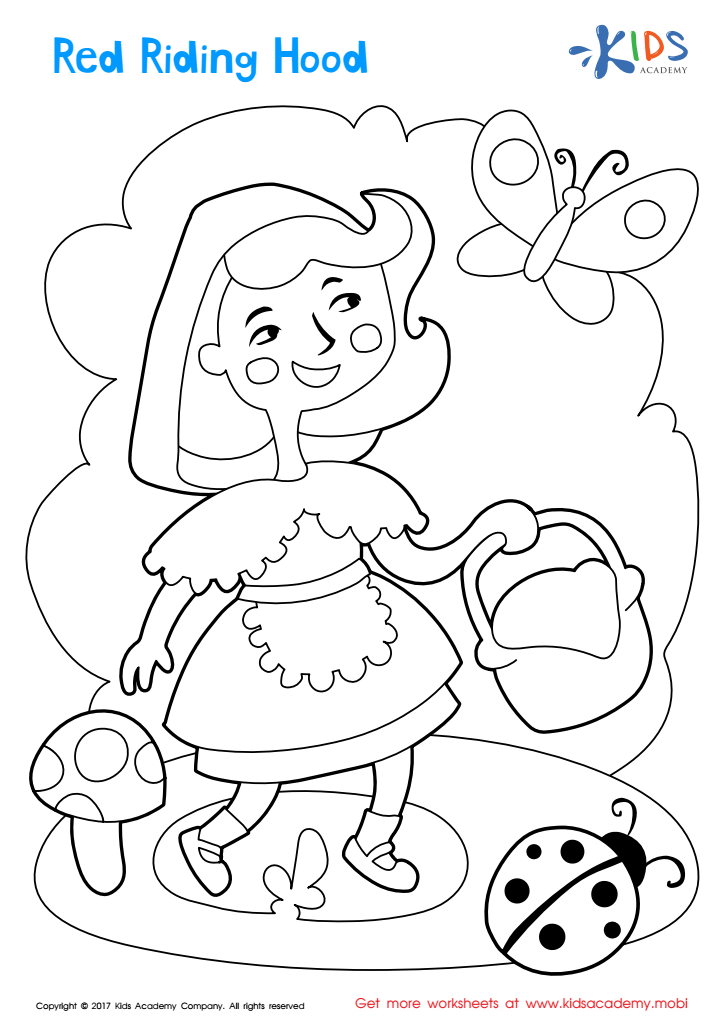
Red Riding Hood Coloring Page
Assign to My Students
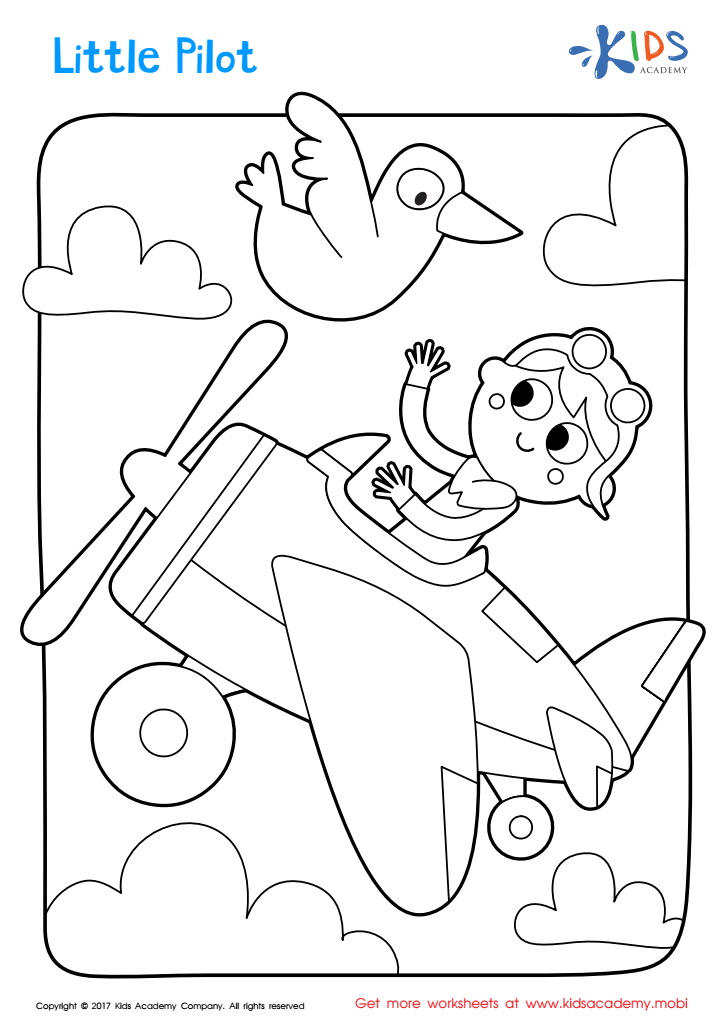
Little Pilot Coloring Page
Assign to My Students
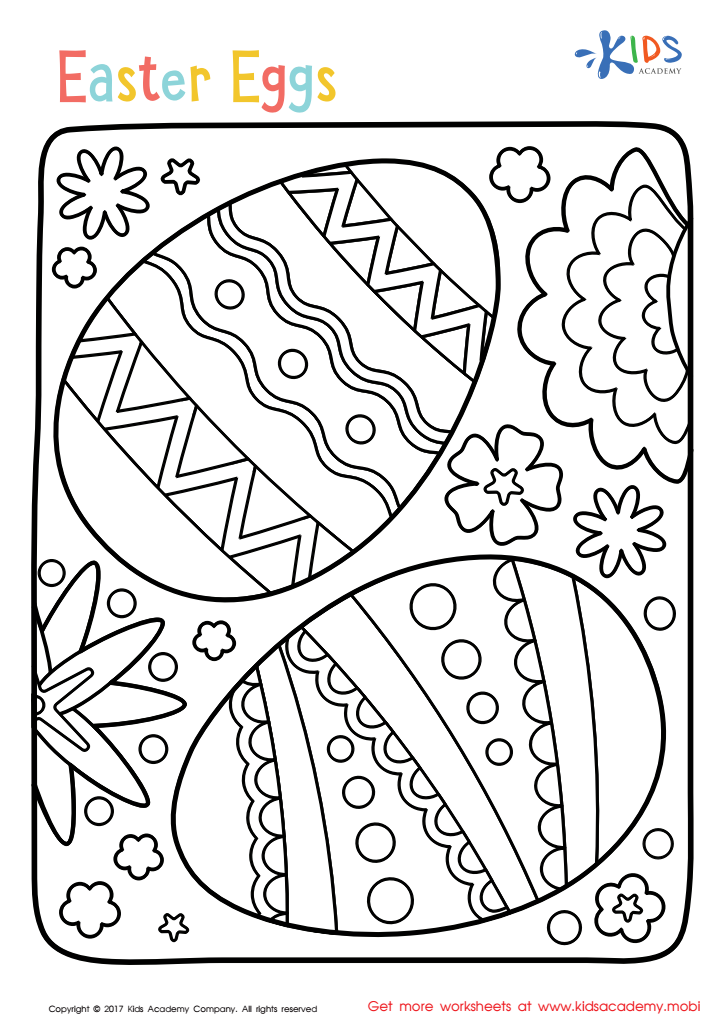
Easter: Easter Eggs Worksheet
Assign to My Students
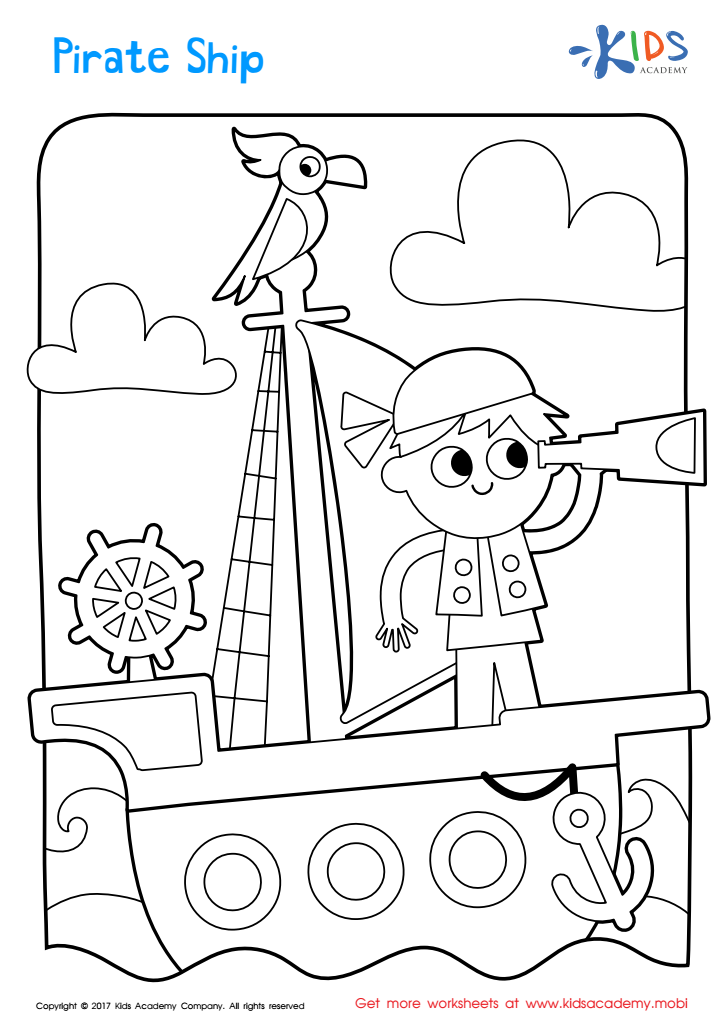
Pirate Ship Coloring Page
Assign to My Students
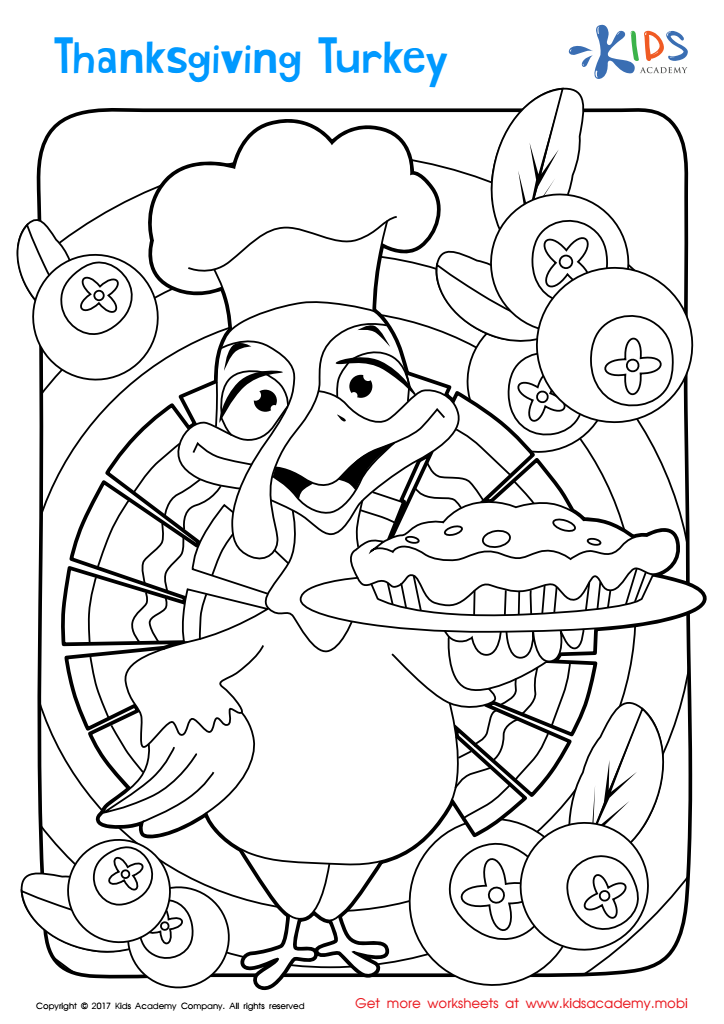
Turkey Thanksgiving Day Worksheet
Assign to My Students
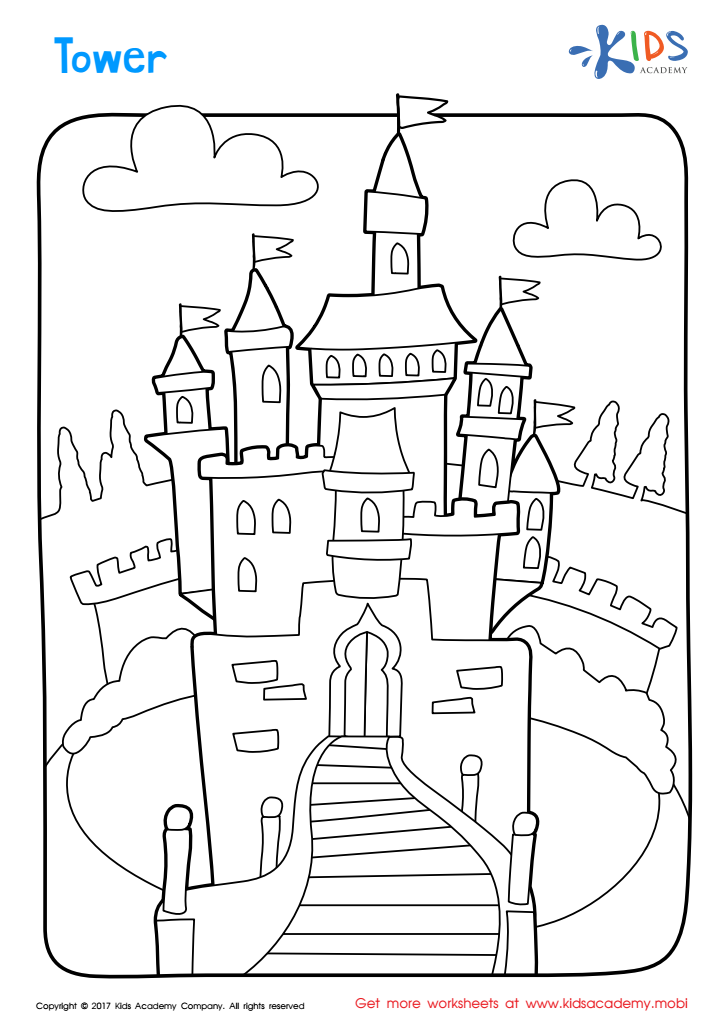
Tower Coloring Page
Assign to My Students
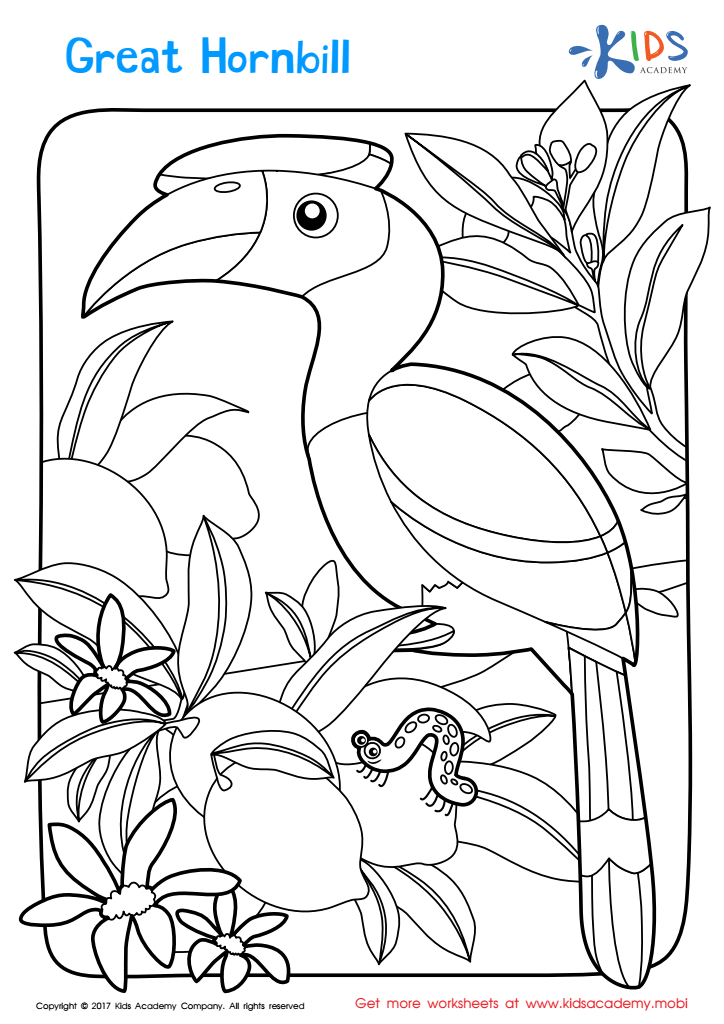
Great Hornbill Worksheet
Assign to My Students
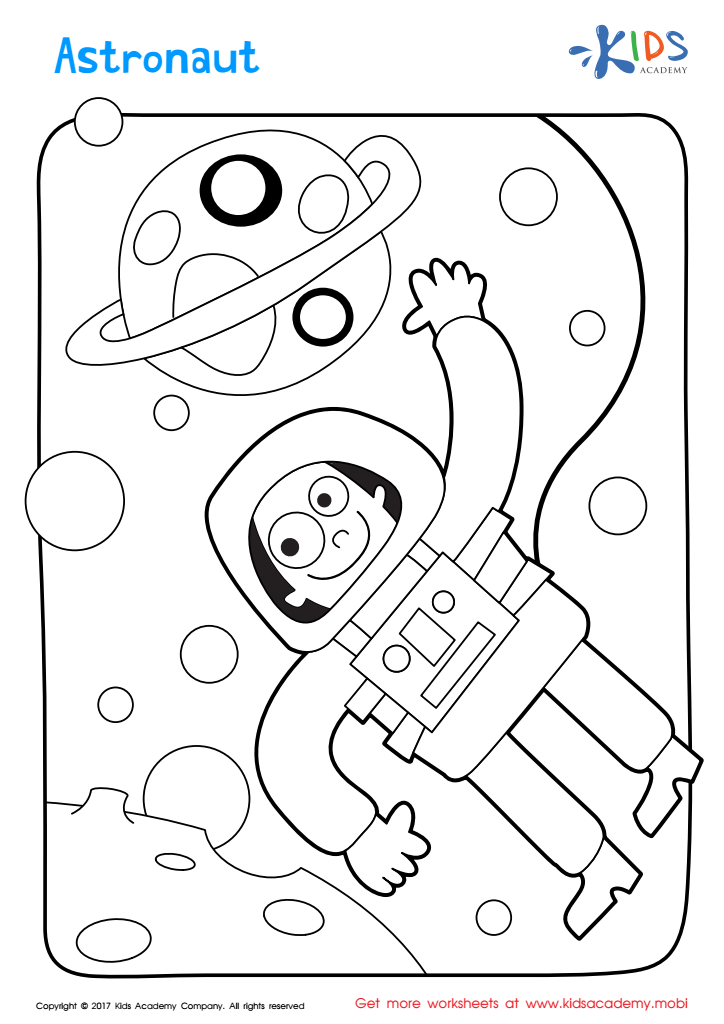
Astronaut Coloring Page
Assign to My Students


.jpg)





Color recognition and normal coloring pages are crucial for 5-year-olds because they significantly aid in a child's early development. During this formative stage, young children are rapidly developing their cognitive, emotional, and fine motor skills. Color recognition specifically supports cognitive progress by helping children distinguish between and identify different colors. This is foundational for tasks such as reading, where recognizing differences in letters and symbols is necessary.
Using normal coloring pages allows children to practice staying within lines, honing fine motor skills which are essential for writing and other tasks requiring hand-eye coordination. Additionally, these activities promote patience and focus as children spend time completing their coloring sheets.
Emotionally, coloring is an excellent medium for expression. It provides an outlet for children to convey their feelings and experiences, which can be particularly valuable for those who are still developing their verbal communication skills. Moreover, it can build self-esteem as children feel a sense of achievement upon completing their artwork.
Finally, coloring activities foster creativity and imagination, allowing children to experiment with choosing colors and designing their pictures. Hardy parental and teacher encouragement of these practices can yield early learners who are more prepared for academic challenges and beyond, rounding out their emotional and cognitive development in a balanced way.