Identification skills Normal Worksheets for 5-Year-Olds
5 filtered results
-
From - To
Our "Identification Skills Normal Worksheets for 5-Year-Olds" are designed to engage young learners while helping them develop essential recognition abilities. Featuring colorful and fun activities, these worksheets focus on identifying shapes, letters, numbers, and patterns, crucial for early childhood development. Created by expert educators, each worksheet encourages observation and critical thinking, making learning enjoyable and effective. Perfect for both classroom and at-home practice, these resources support parents and teachers in fostering foundational skills in an interactive way. Visit Kids Academy to explore our comprehensive collection tailored specifically for 5-year-olds, ensuring a strong start to their educational journey.
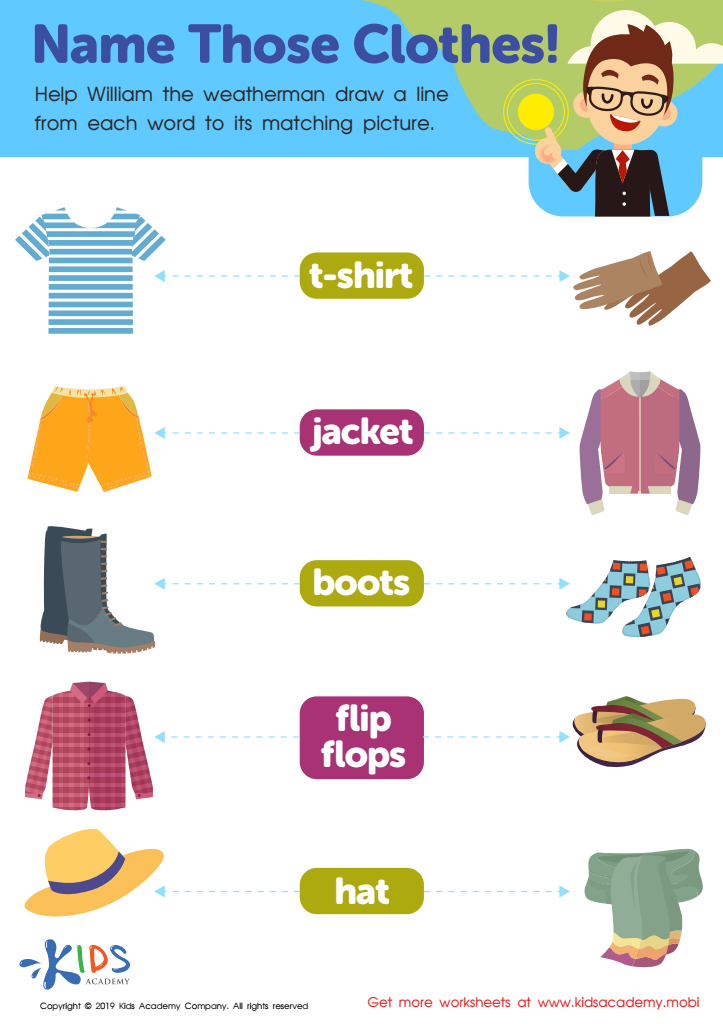
Name Those Clothes Worksheet
 Assign to My Students
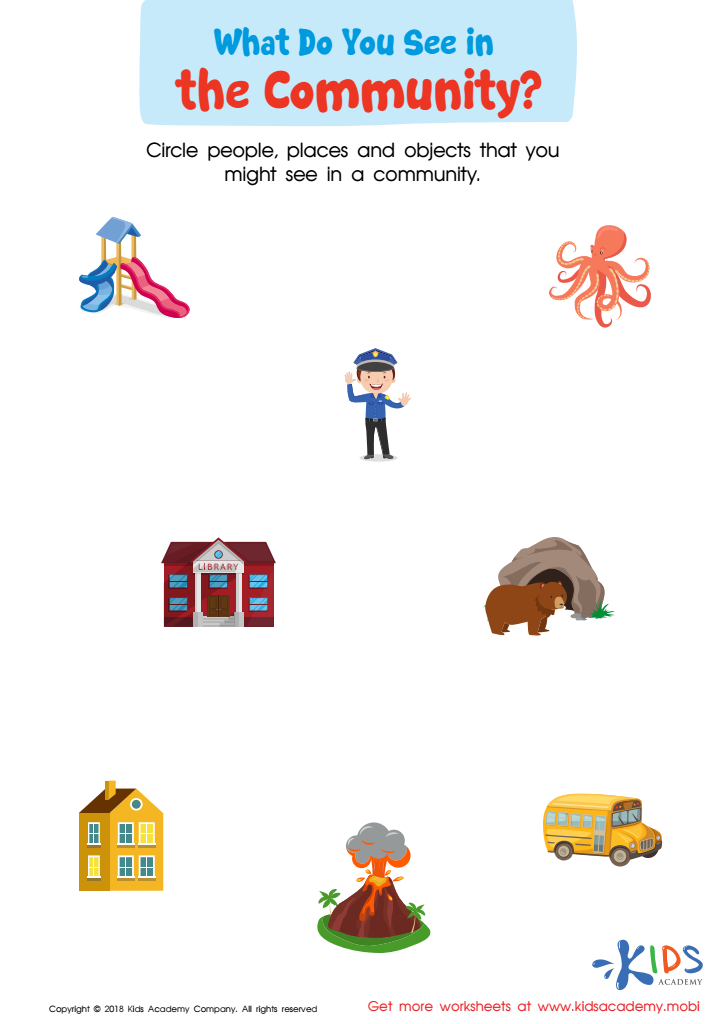
What Do You See in the Community Worksheet
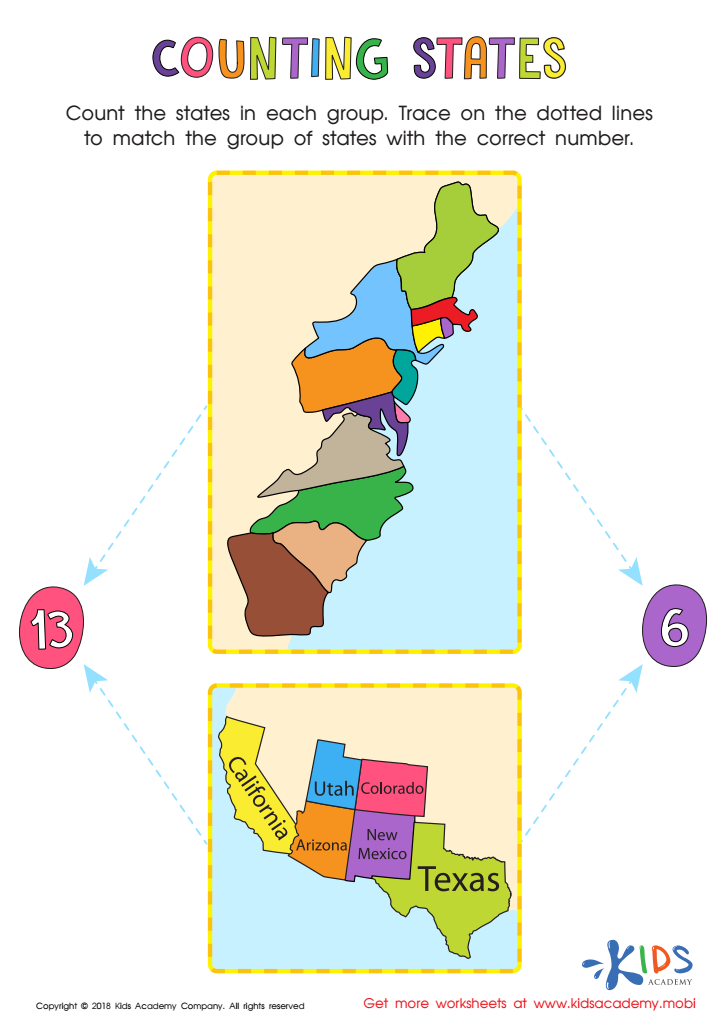
Counting States Worksheet
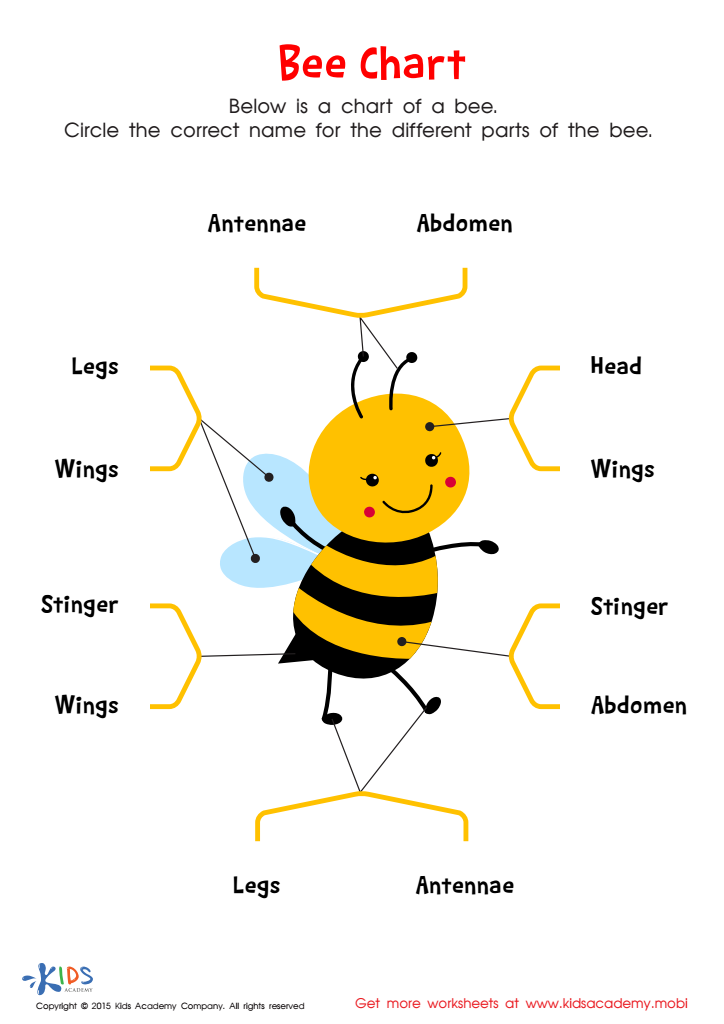
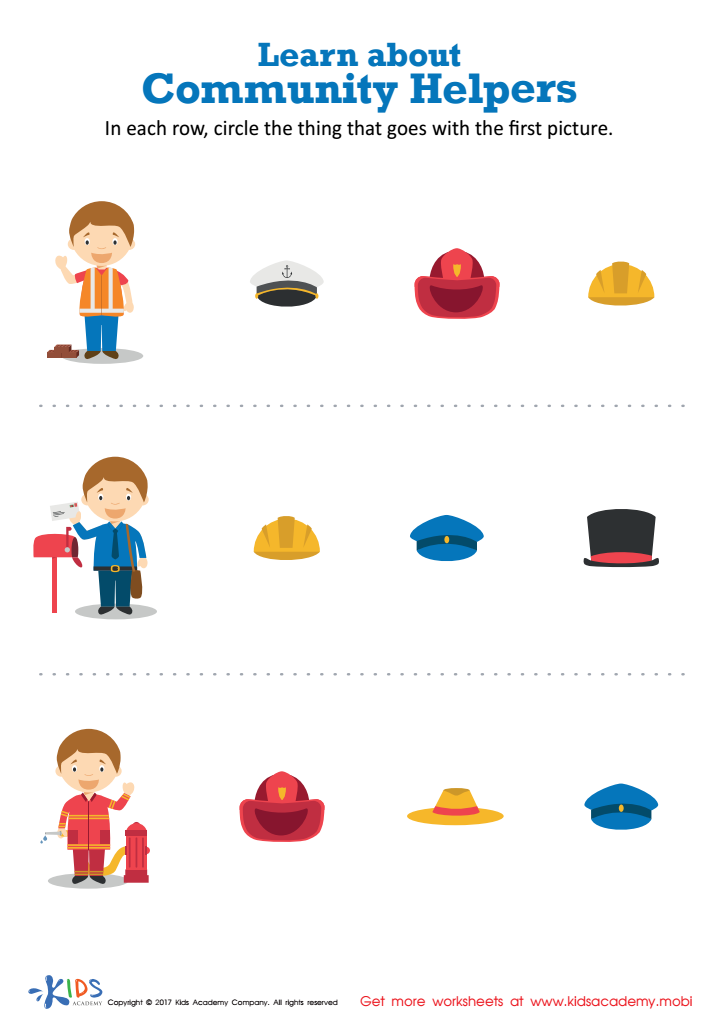
Learn about Community Helpers Printable







Identification skills, or the ability to recognize and name objects, numbers, letters, colors, and sounds, play a crucial role in early childhood development. For a 5-year-old, these skills lay the foundation for future academic success and overall cognitive growth. By being able to identify and label their surroundings, children develop language, improve memory, and enhance comprehension. This basic recognition supports literacy as they learn to read by recognizing letters and words. Early math skills are also reinforced when children identify numbers and simple shapes.
Parents and teachers should prioritize identification skills because they serve as building blocks for more complex abilities such as problem-solving, critical thinking, and even social interactions. When children can correctly identify items such as classroom materials or social cues, they gain confidence and become better prepared to engage in learning activities and collaborative play. Ensuring that a 5-year-old reaches these developmental milestones helps support a smoother transition into kindergarten and beyond. Monitoring these skills also enables early detection of learning disabilities or delays, allowing for timely interventions. By fostering strong identification skills, parents and teachers equip children with essential tools for both academic success and day-to-day life activities.








