Problem-Solving Skills Normal Worksheets for 5-Year-Olds - Page 3
51 filtered results
-
From - To
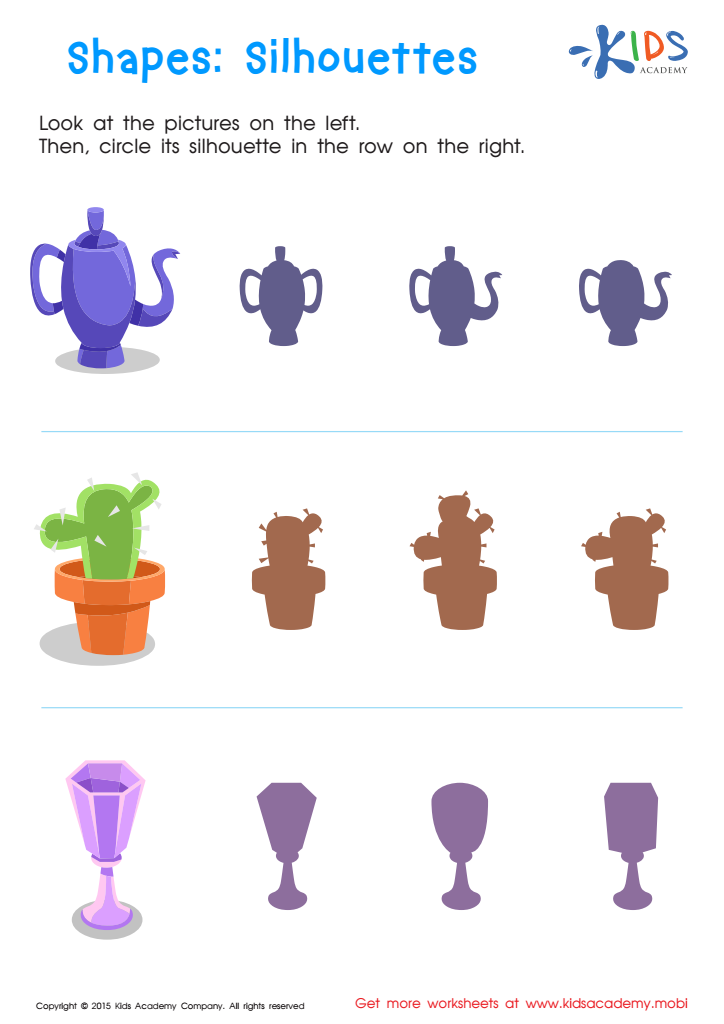
Silhouettes – Shapes Worksheet
 Assign to My Students
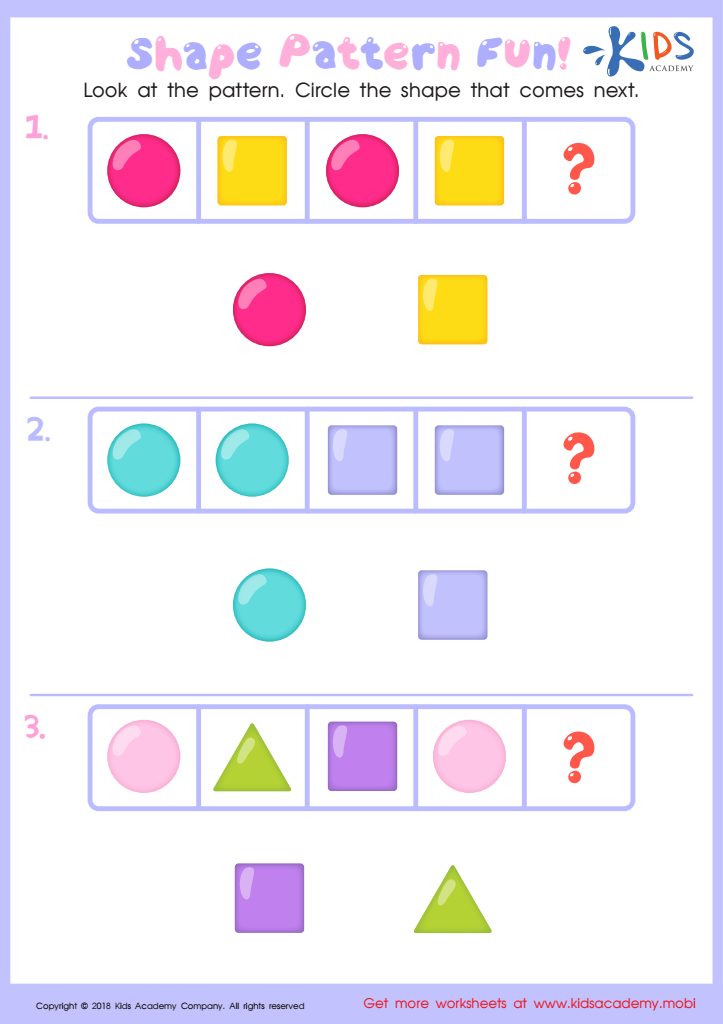
Shape Pattern Fun Worksheet
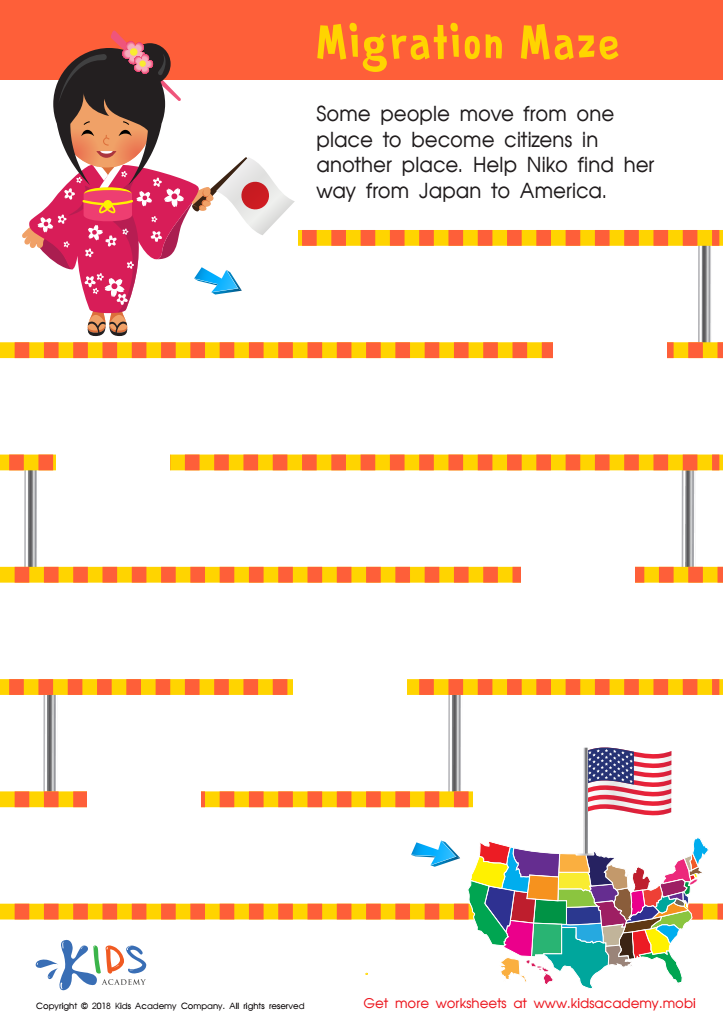
Migration Maze Worksheet






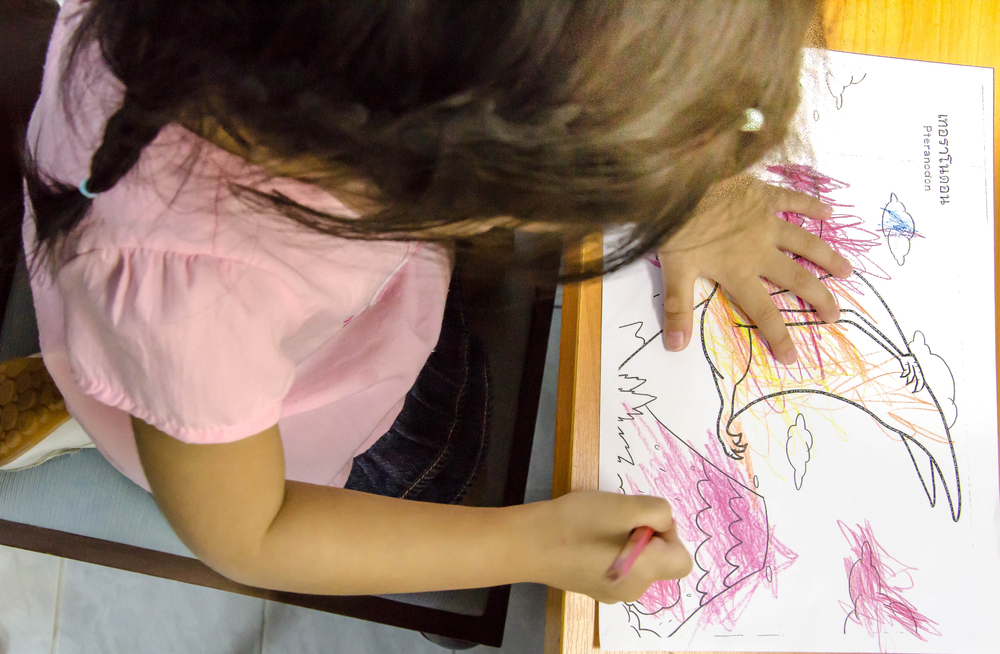
Problem-solving skills are crucial for 5-year-olds as they lay the foundation for lifelong learning and development. During this critical developmental stage, children encounter various challenges—academically, socially, and emotionally. Nurturing these skills helps children learn to analyze situations, evaluate potential solutions, and take action independently, fostering a sense of autonomy and confidence.
Parents and teachers play pivotal roles in supporting these skills by providing age-appropriate challenges and encouraging exploration. Engaging children in playful problem-solving activities—such as puzzles, building blocks, or role play—instills a growth mindset, enabling them to understand that mistakes are part of the learning process. Additionally, these skills are directly linked to social competence; children learn to communicate, collaborate, and negotiate with peers, which are essential for building friendships and resolving conflicts.
Moreover, strong problem-solving skills are foundational for future academic success. They enhance critical thinking, enhance creativity, and foster resilience, all of which are increasingly relevant in today's fast-changing world. By prioritizing problem-solving skills, parents and teachers can equip children with essential tools not only for academic achievement but also for navigating life's challenges with confidence and resourcefulness.








