Fine Motor Skills Normal Math Worksheets for 5-Year-Olds - Page 2
29 filtered results
-
From - To
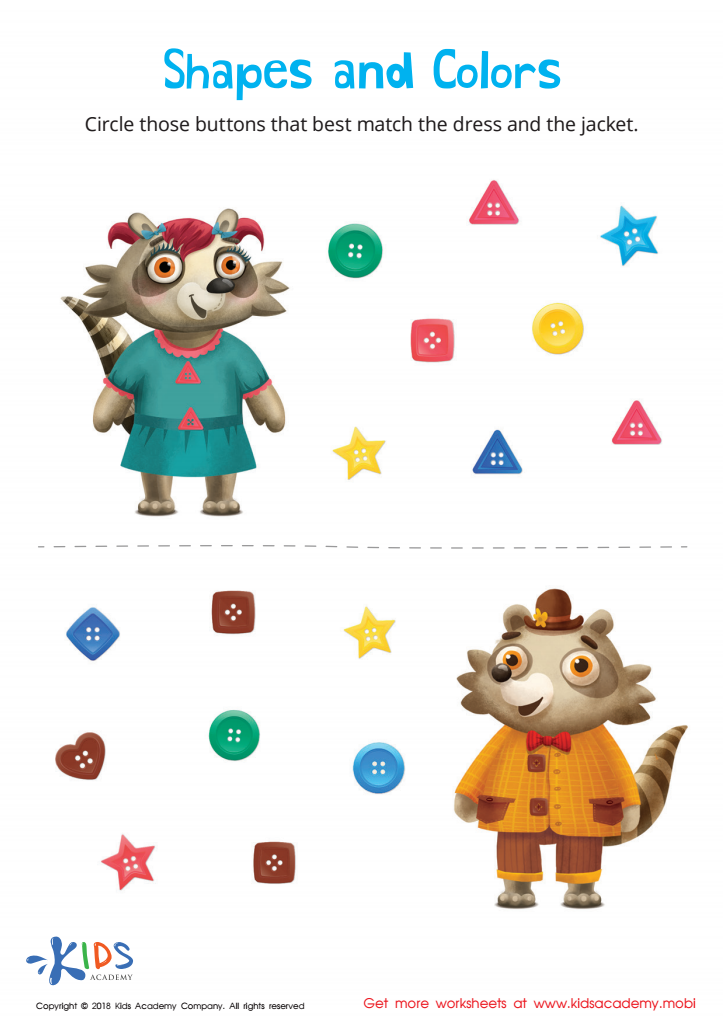
Shapes and Colors Worksheet
 Assign to My Students
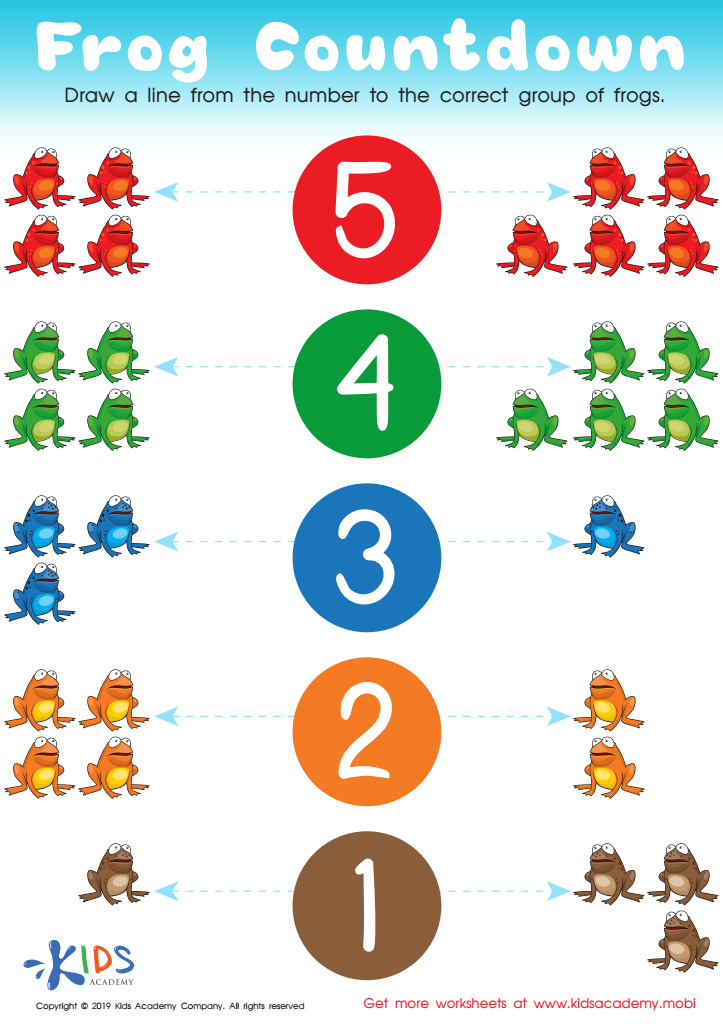
Frog Countdown Worksheet
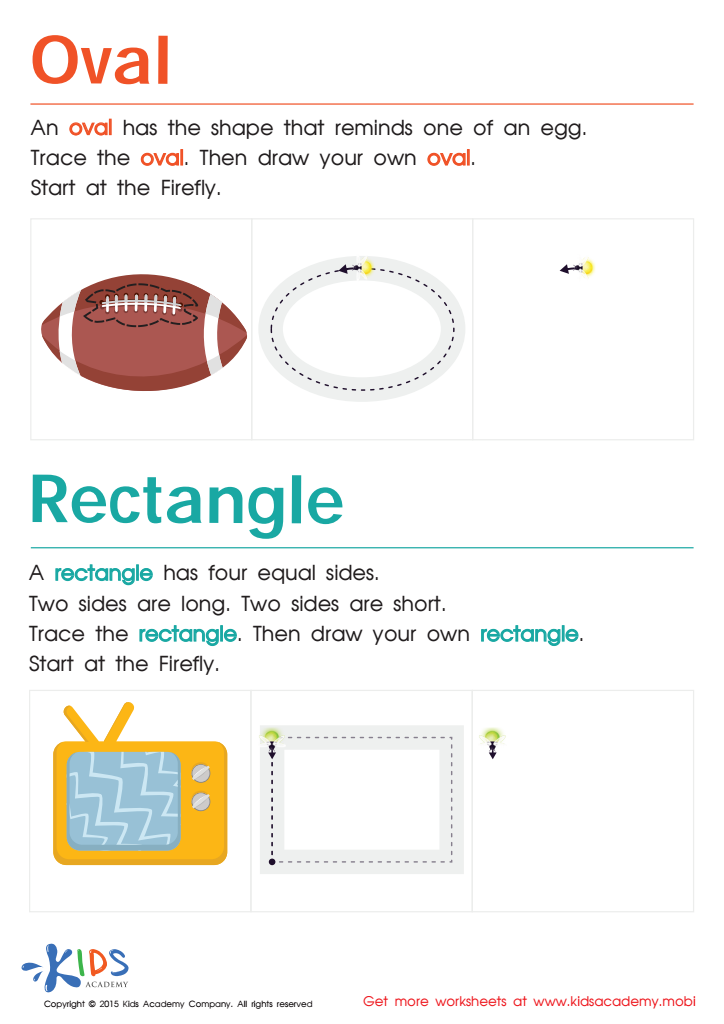
Easy Drawing of Ovals And Rectangles Worksheet
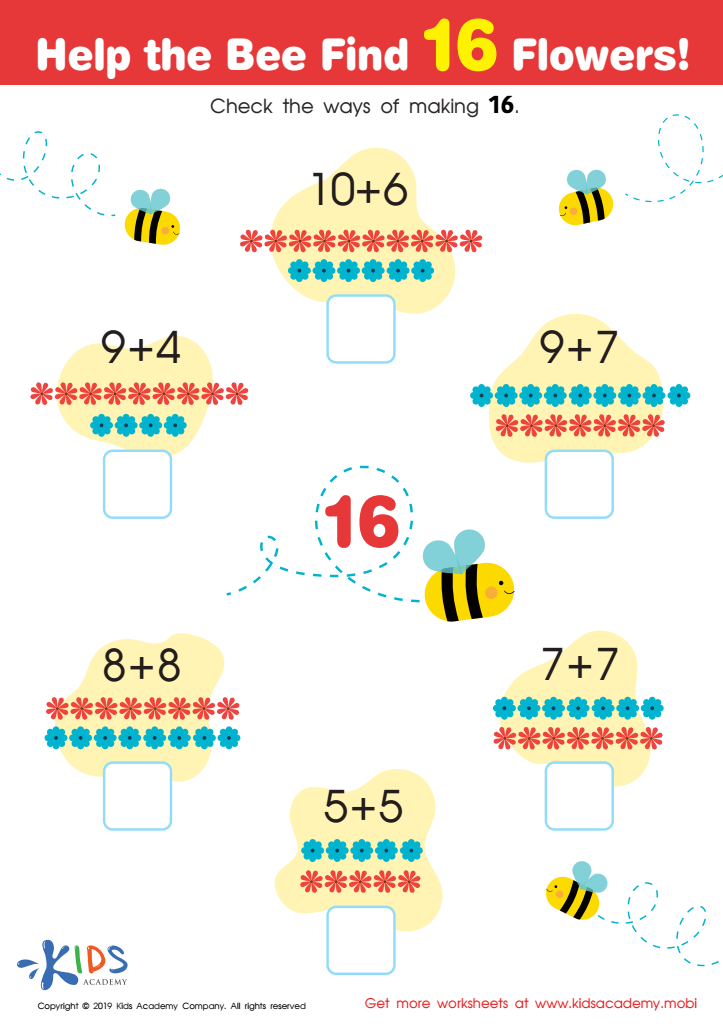
Help the Bee Find 16 Flowers Worksheet
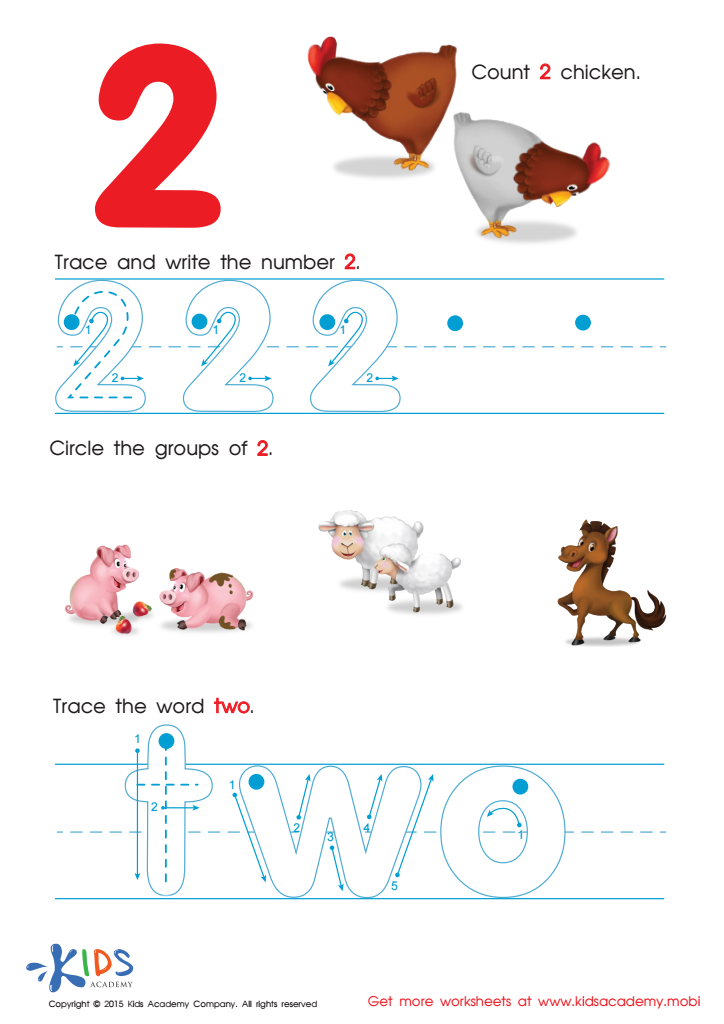
Learn to Write the Number 2 Worksheet


.jpg)





Fine motor skills are crucial for 5-year-olds as they lay the foundation for various academic and everyday tasks, particularly in the context of learning math. Parents and teachers should care about the development of these skills because they directly impact a child's ability to manipulate objects, write, draw, and engage in number-related activities. As children develop fine motor skills, they gain the dexterity needed to handle pencils, scissors, and math manipulatives, which all play a key role in understanding mathematical concepts.
When fine motor skills are nurtured, children are better equipped to focus on problem-solving without struggling with the physical components of the activity. For instance, effectively counting with small objects or sketching shapes becomes easier, thus promoting a healthier learning environment. Moreover, these skills contribute to their overall confidence and independence, encouraging a positive attitude towards learning.
Additionally, incorporating fine motor activities into math lessons, like tracing numbers or using counters for counting, fosters an engaging and interactive experience. This holistic approach not only enhances mathematical understanding but also develops creativity and coordination, making fine motor skills an essential aspect of early childhood education. Therefore, prioritizing their growth can significantly enrich a child's learning journey.








