Hand-eye Coordination Normal Math Worksheets for 5-Year-Olds
6 filtered results
-
From - To
Improve your 5-year-olds' hand-eye coordination while making math fun with our specially designed math worksheets! These engaging activities seamlessly blend essential math skills with fine motor development, perfect for young learners. Each worksheet features colorful images and entertaining themes that capture children’s interest, promoting a love for learning. As they solve math problems and complete fun exercises, kids enhance their coordination and dexterity, setting a strong foundation for future academic success. Explore our collection of normal math worksheets that will both challenge and delight your child—making learning an enjoyable journey! Discover the joy of math with hands-on practice today!
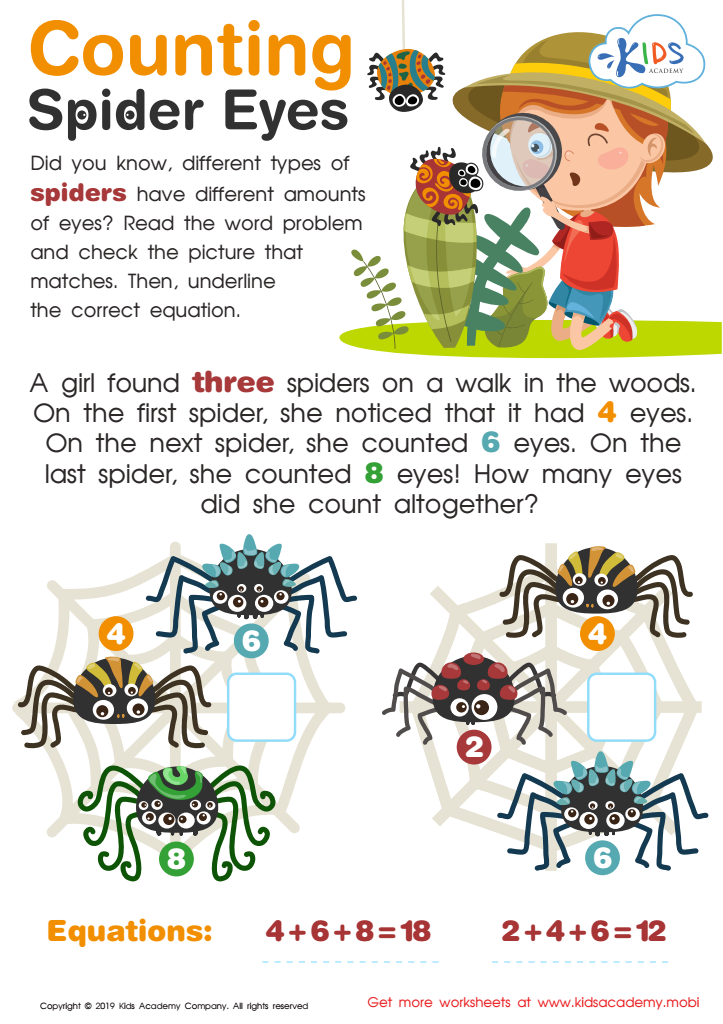
Counting Spider Eyes Worksheet
 Assign to My Students
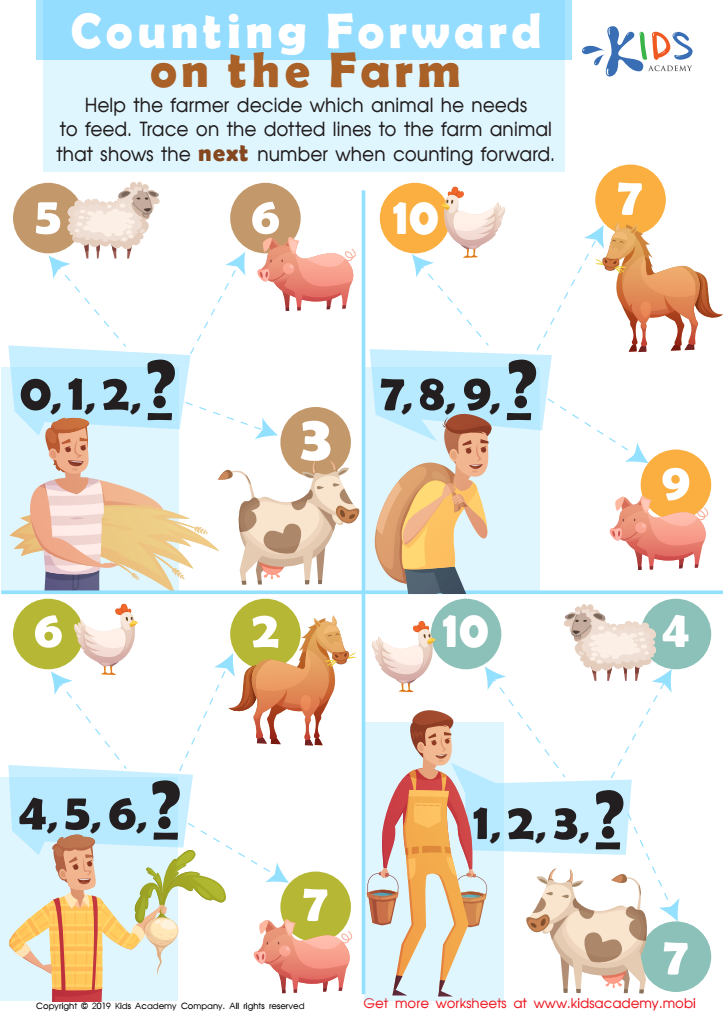
Counting Forward On the Farm Worksheet
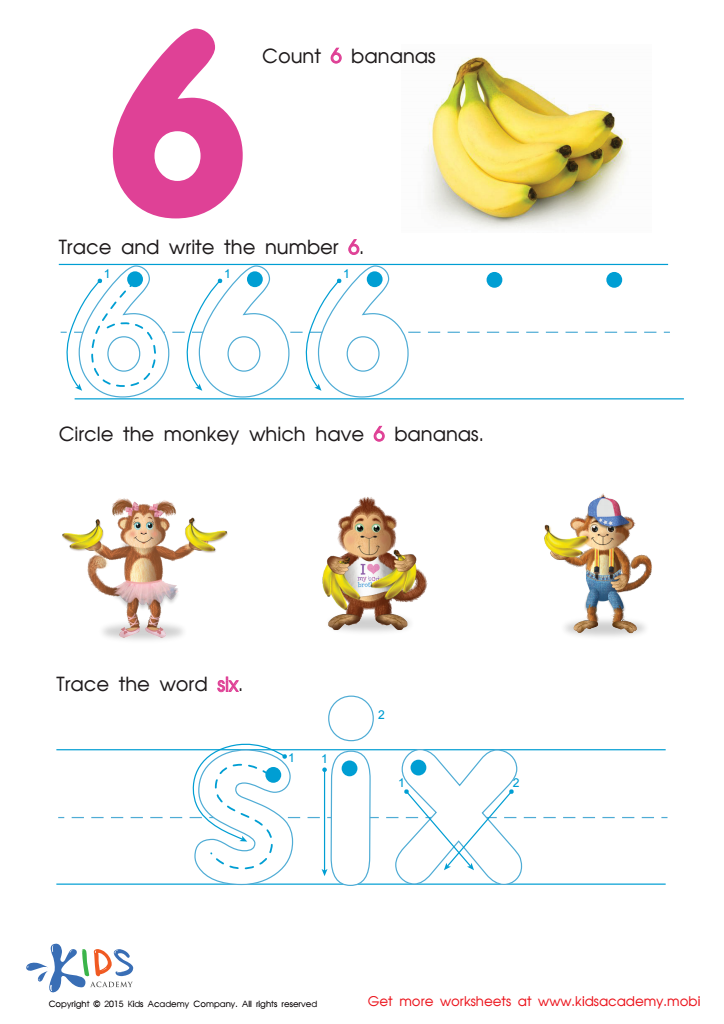
Tracing And Writing Number 6 Worksheet
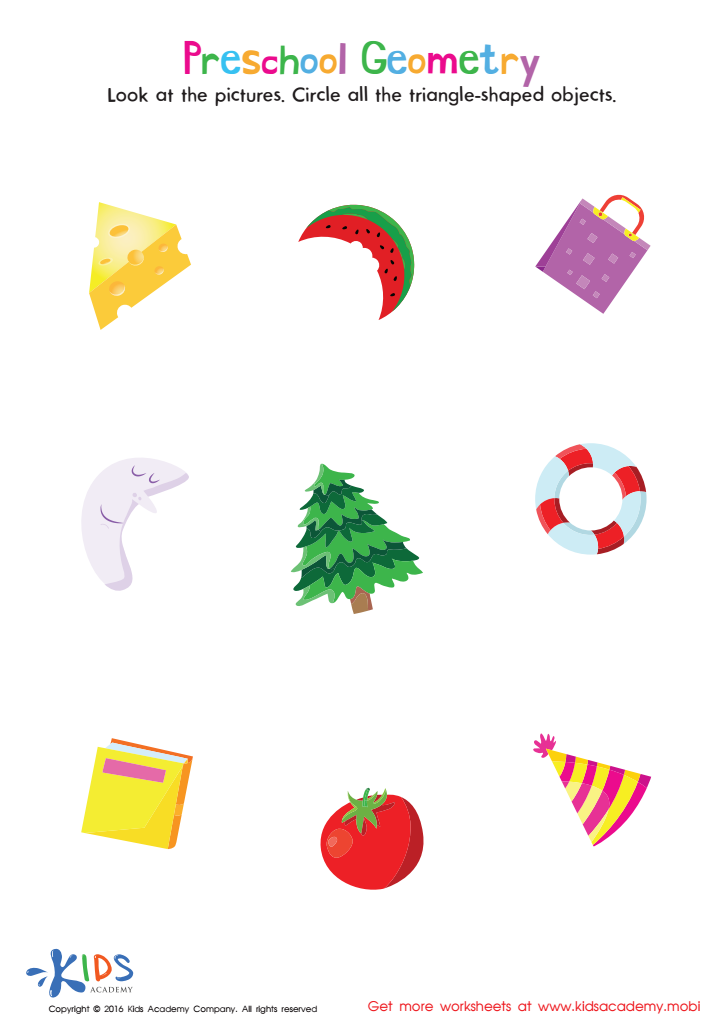
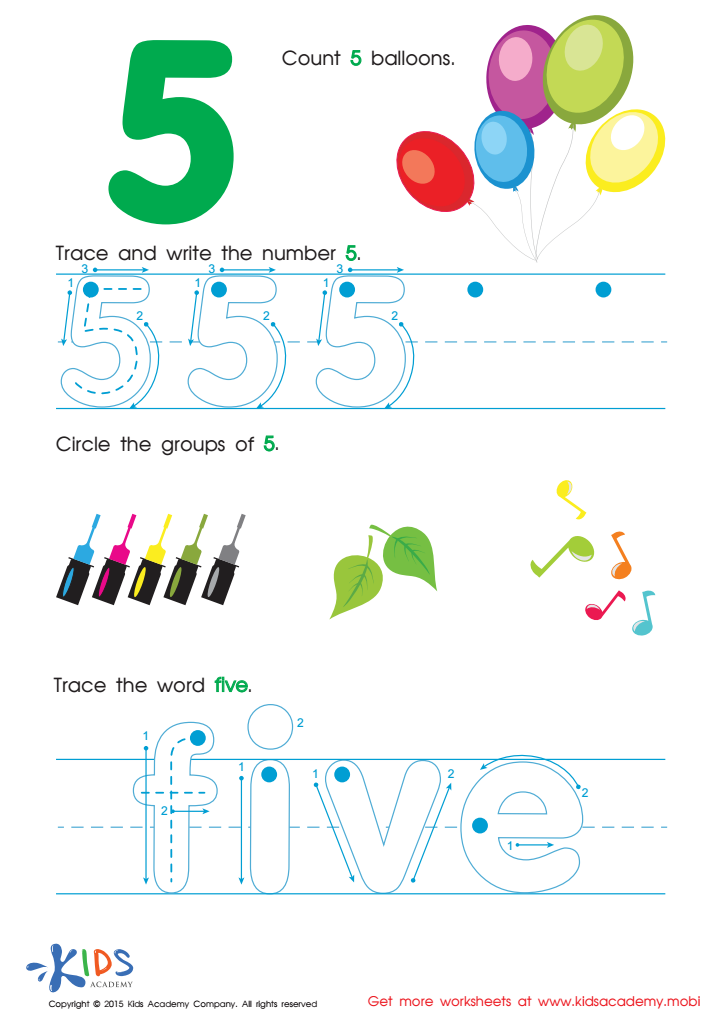
Practice Writing Number 5 Worksheet
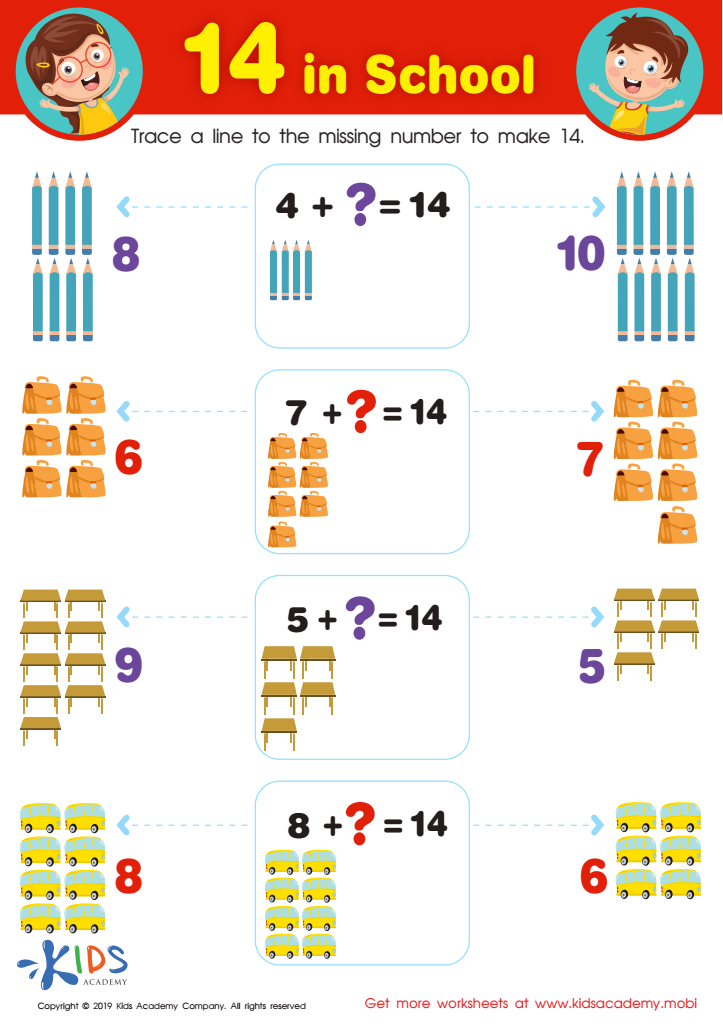
14 in School Worksheet


.jpg)

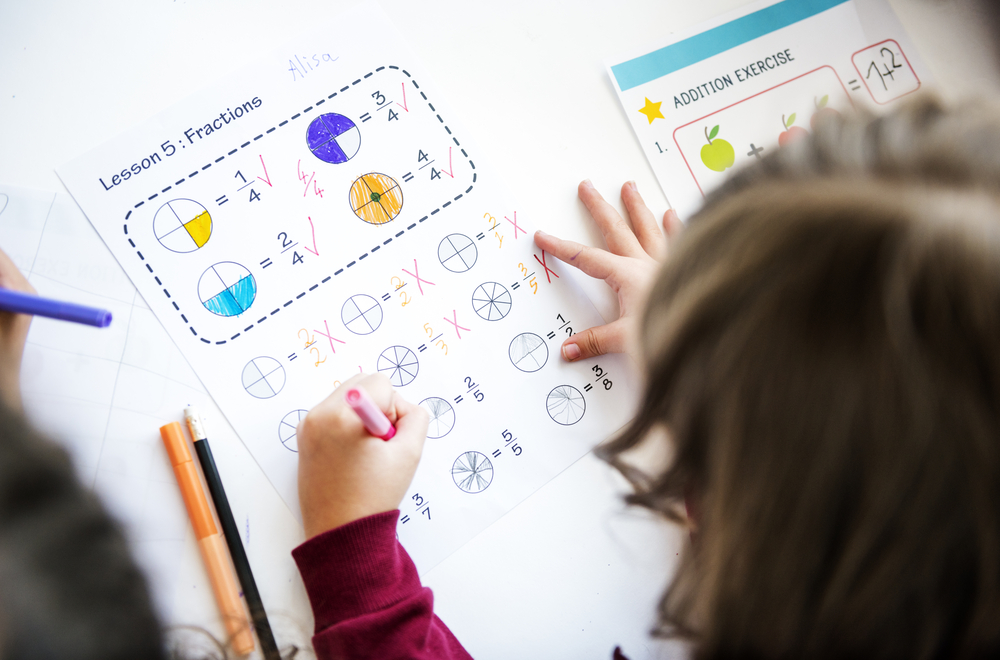

Hand-eye coordination is a fundamental skill that significantly impacts a child’s overall development, particularly in early mathematics. For 5-year-olds, developing this coordination enables them to grasp mathematical concepts more effectively. When children manipulate objects, such as counting blocks or using math tools, they engage both their visual and motor skills. This interaction reinforces their understanding of numbers and relationships, thereby promoting spatial awareness essential for solving basic math problems.
Furthermore, hand-eye coordination activities, like sorting or stacking, help to foster problem-solving skills and logical thinking. These skills are foundational for comprehension in more complex mathematical operations as children progress in their education. Teachers and parents should prioritize these activities within learning environments because they help create a strong foundation for future academic success.
Moreover, children with developed hand-eye coordination tend to experience greater confidence in their abilities, fostering a positive attitude towards learning. Through enjoyable practices, such as puzzles and interactive games, parents and teachers can enhance these essential skills, making math engaging and relevant for young learners. Investing time in this aspect of development not only assists in academic growth but also supports a holistic, confident approach to learning.








