Problem-Solving Skills Normal Math Worksheets for 5-Year-Olds - Page 2
29 filtered results
-
From - To
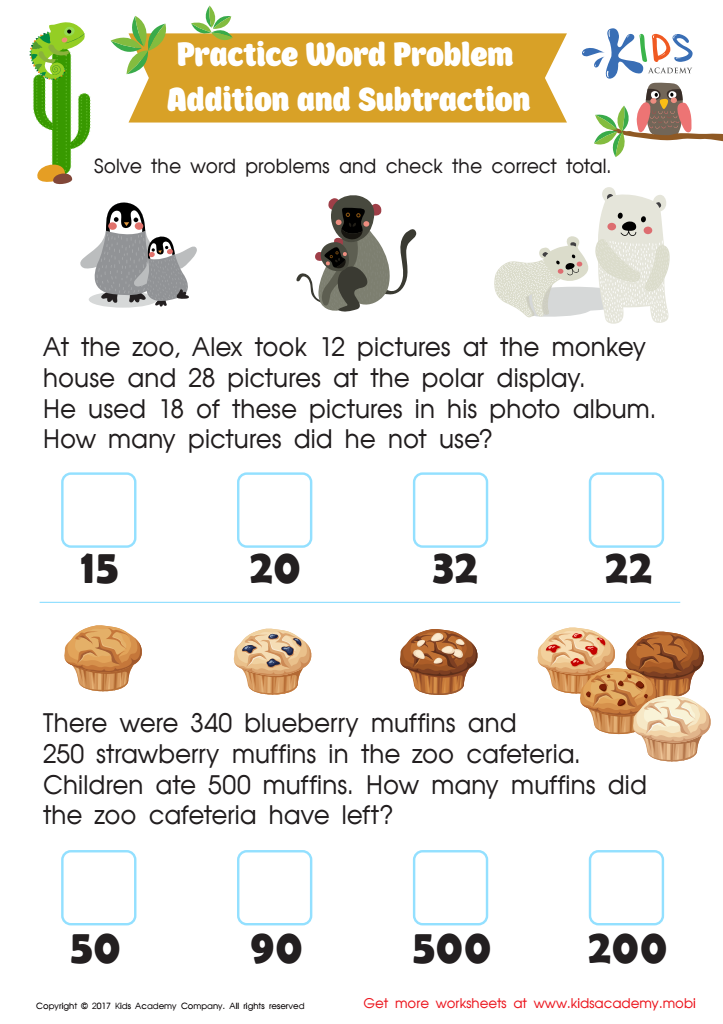
Addition and Subtraction: Word Problems Worksheet
 Assign to My Students
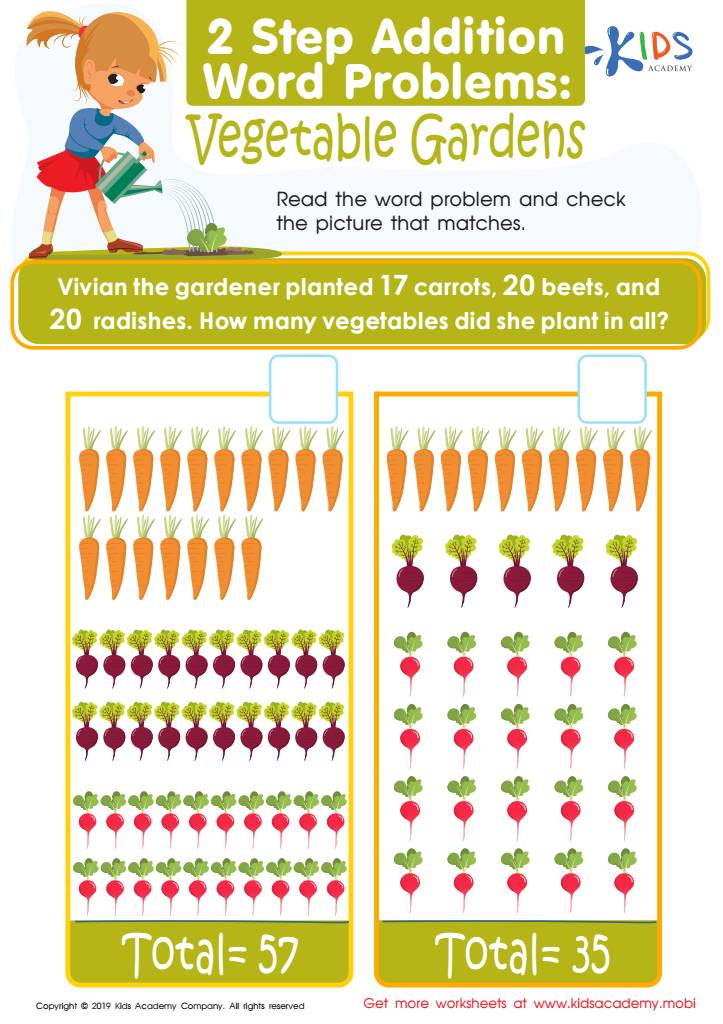
Vegetable Gardens Worksheet
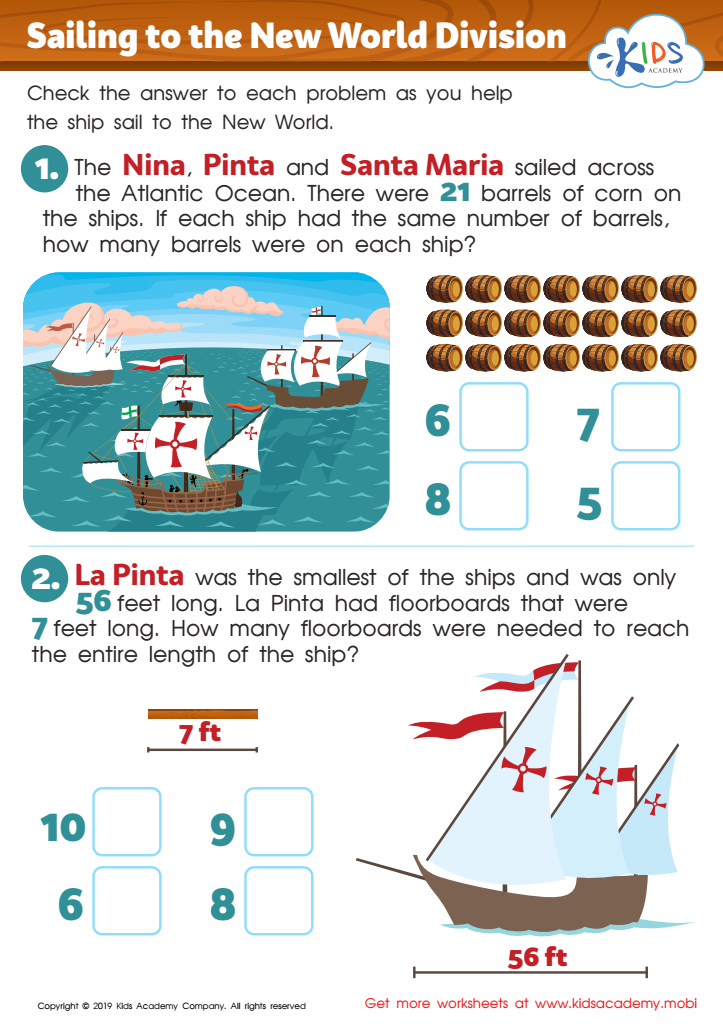
Sailing to the New World Division Worksheet
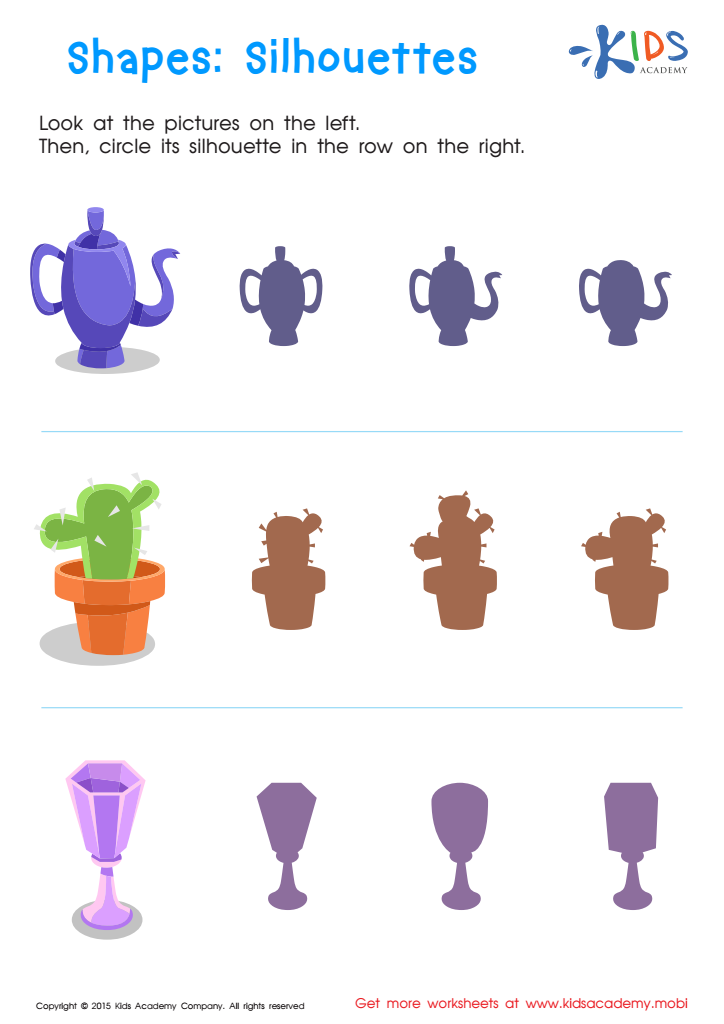
Silhouettes – Shapes Worksheet
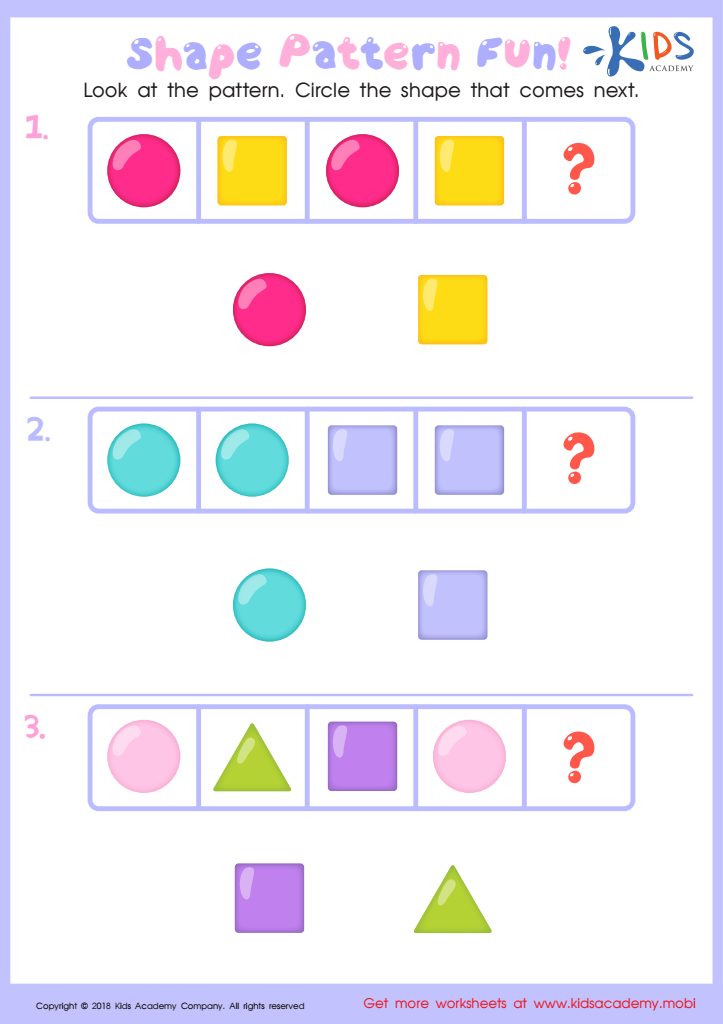
Shape Pattern Fun Worksheet







Parents and teachers should prioritize problem-solving skills in mathematics for 5-year-olds as it's foundational for lifelong learning. At this age, children are naturally curious and eager to explore their world. Learning to solve problems helps them develop critical thinking abilities, enhancing both their cognitive and social skills. Understanding how to approach and solve mathematical challenges also lays the groundwork for future math proficiency, making complex concepts easier to grasp as they grow.
Additionally, problem-solving encourages resilience, as children learn that making mistakes is a natural part of learning. This valuable lesson fosters a growth mindset, essential not only in math but in all areas of life. Through playful activities like puzzles or basic math games, children also improve their ability to collaborate and communicate, as they often work together and discuss their thought processes.
Fostering these skills early on can lead to increased confidence and independence, enabling young learners to tackle new challenges with enthusiasm. Ultimately, promoting problem-solving in mathematics equips children with the tools they need to navigate both academic and real-world scenarios, preparing them for success throughout their education and beyond.








