Problem-Solving Skills Normal Matching Worksheets for 5-Year-Olds
5 filtered results
-
From - To
Enhance your 5-year-old’s problem-solving abilities with our engaging Normal Matching Worksheets! Designed to make learning enjoyable, these worksheets help young learners practice critical thinking and logic skills through fun matching activities. Children will connect pictures and concepts, developing their ability to analyze and solve simple problems. Our colorful, visually appealing worksheets encourage creativity and comprehension, making each activity an exciting adventure in learning. Perfect for both classroom and home use, these resources foster essential skills that lay the groundwork for future academic success. Start your child’s journey to confident problem solving with our easy-to-use worksheets today!
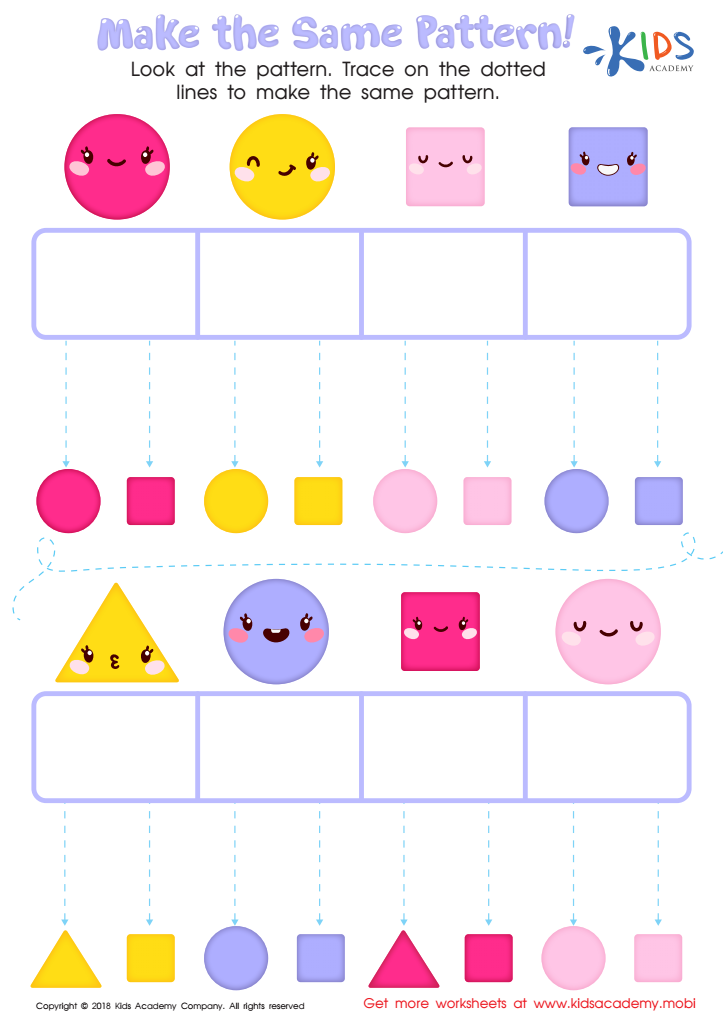
Make the Same Pattern Worksheet
 Assign to My Students
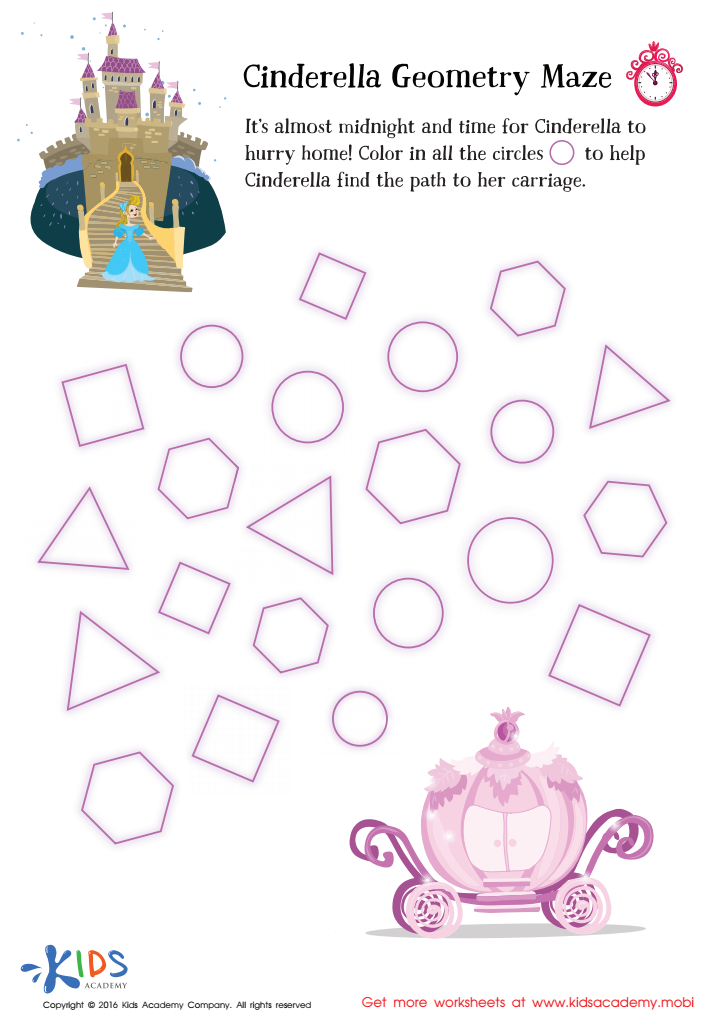
Cinderella Geometry Maze Worksheet
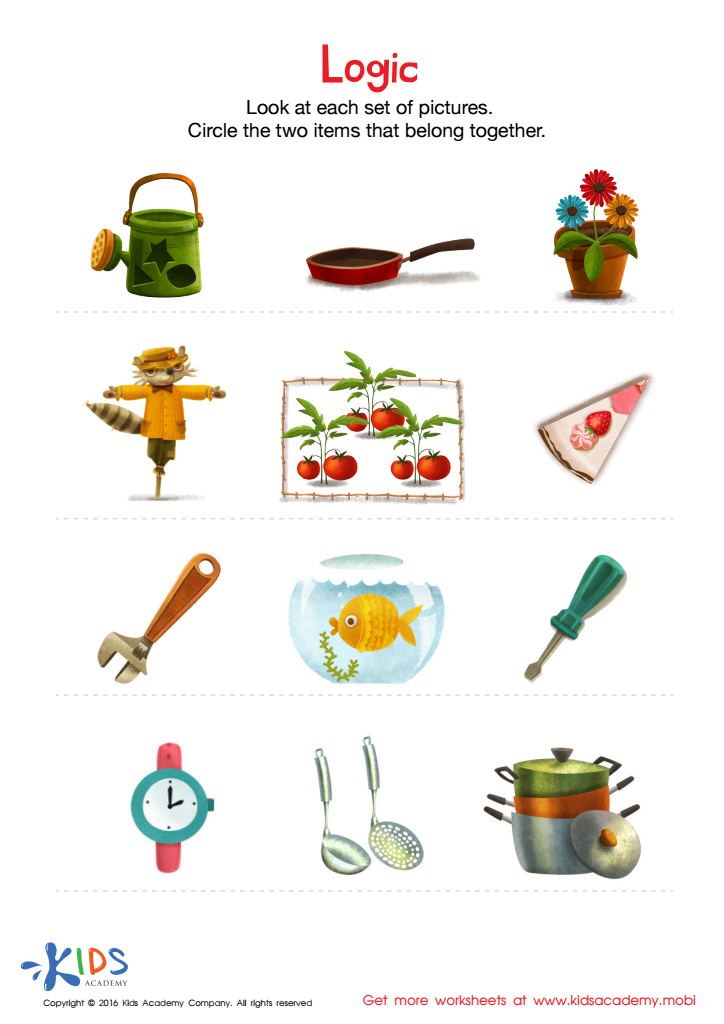
Logic Game Sorting Worksheet
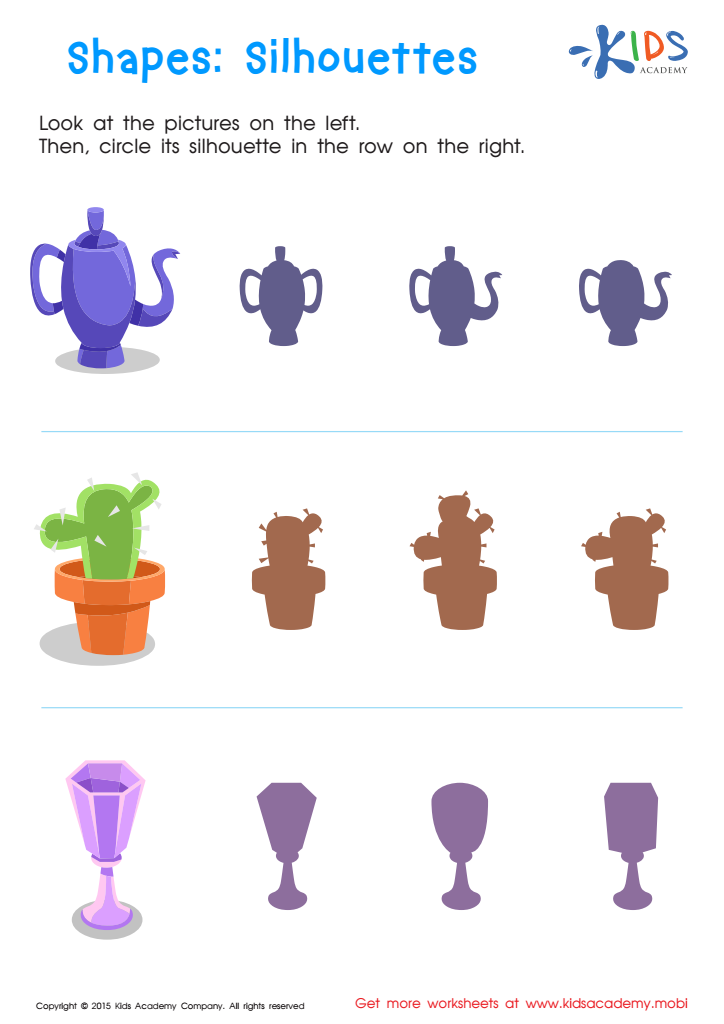
Silhouettes – Shapes Worksheet
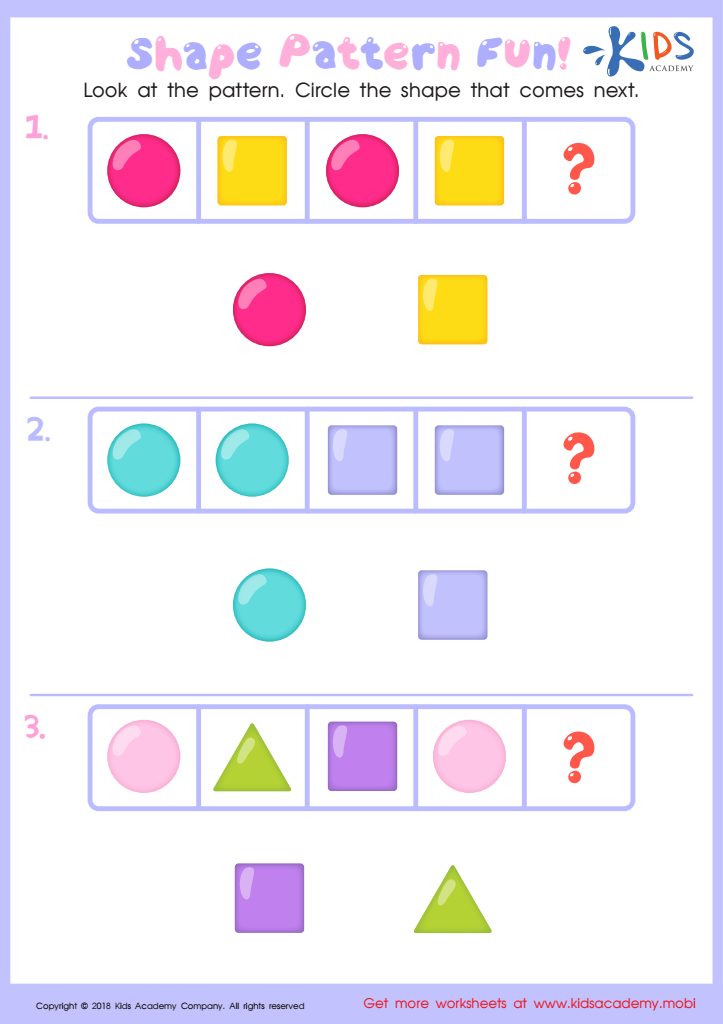
Shape Pattern Fun Worksheet







Problem-solving skills and normal matching are crucial for the cognitive and social development of 5-year-olds. At this age, children begin to engage in more complex thought processes, and nurturing these skills helps lay a strong foundation for future learning. Parents and teachers should care about these skills as they encourage creativity, critical thinking, and adaptability.
Normal matching—recognizing similarities and differences—supports cognitive organizing capabilities. By practicing matching games, children enhance their ability to distinguish between objects, concepts, and ideas, which aids not only in learning academic content but also in their day-to-day decision-making.
Furthermore, strong problem-solving skills promote effective communication and interpersonal abilities. When children work on problems, they learn to articulate their thoughts, listen to others, and negotiate solutions—a vital part of cooperative play and social interactions.
Engaging children in problem-solving activities offers opportunities for them to explore cause-and-effect relationships, fostering a sense of independence and resilience. By investing time in developing these skills, parents and teachers prepare children for a successful academic journey and life's various challenges, helping them become confident, independent thinkers. Promoting learning through play and hands-on activities in early education creates an enriching environment that nurtures these essential skills.