Logical thinking Normal Reading Worksheets for 5-Year-Olds
3 filtered results
-
From - To
Introducing our "Logical Thinking Normal Reading Worksheets for 5-Year-Olds" - a perfect blend of fun and education tailored to boost young minds. These worksheets promote critical thinking, problem-solving skills, and comprehension through engaging activities. Crafted by education experts, each sheet combines illustrations and age-appropriate texts to enrich vocabulary and logical reasoning. Your child will enjoy interacting with puzzles, matching games, and story sequences designed to strengthen their cognitive abilities. These resources are printable, ensuring convenient and interactive learning at home or in school. Empower your child's learning journey with our dynamic and enriching worksheets, fostering a love for reading and logical thinking!
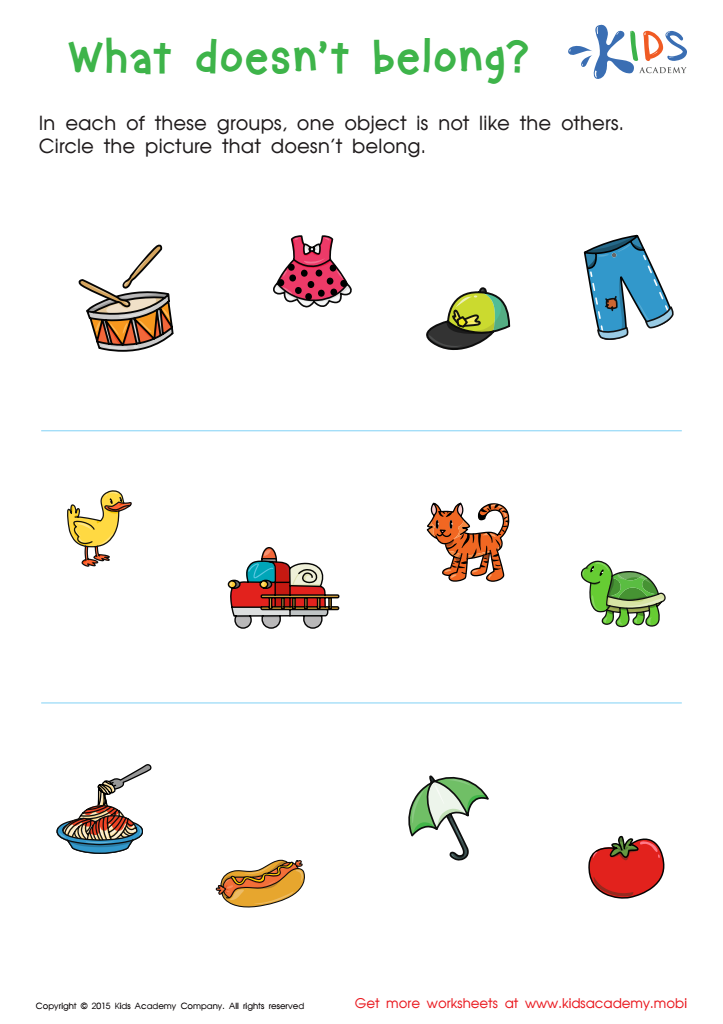
First Words: What Doesn't Belong Worksheet
 Assign to My Students
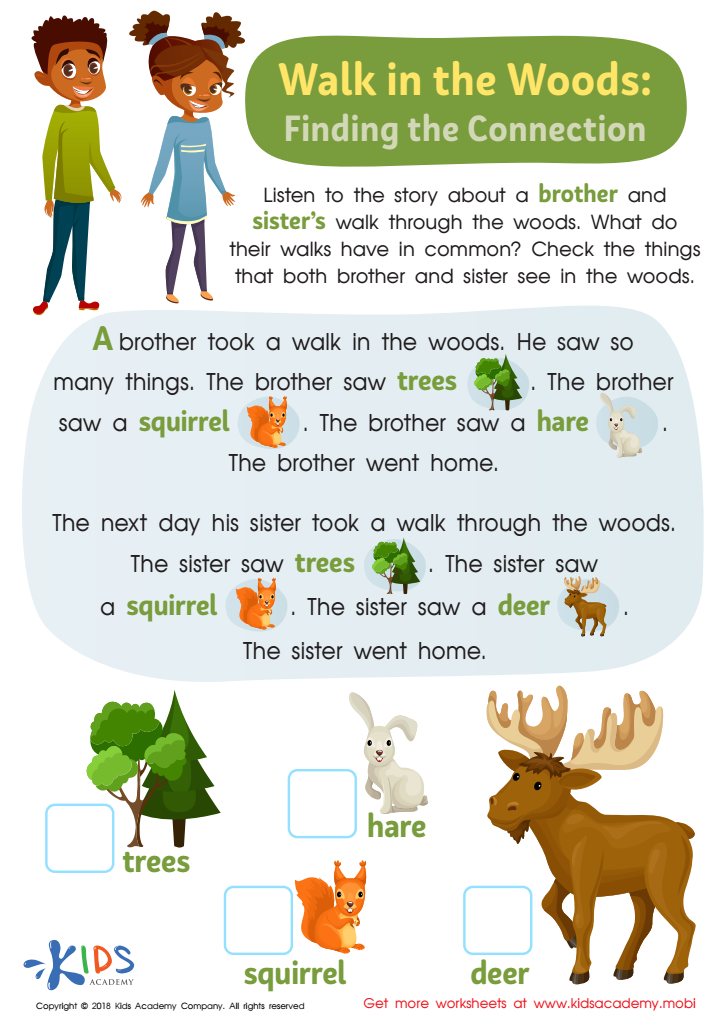
Walk In the Woods: Finding Connections Worksheet
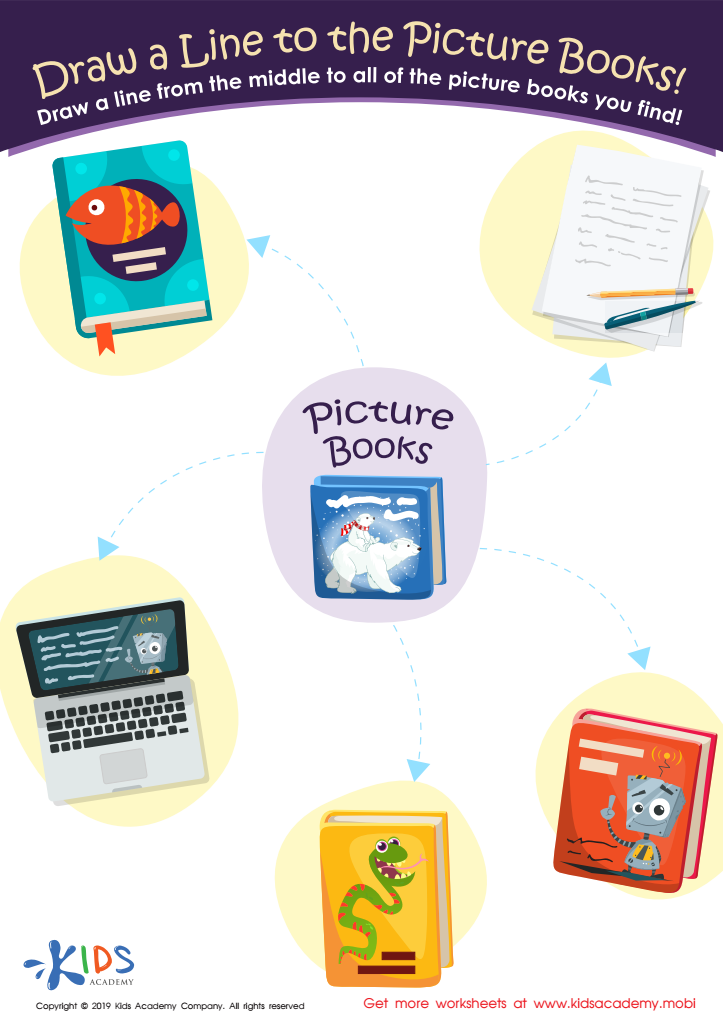
Draw a Line to the Picture Books Worksheet








Logical thinking and normal reading at the age of 5 lay a critical foundation for future cognitive and academic success. Here’s why parents and teachers should focus on these skills:
-
Cognitive Development: Logical thinking helps children understand patterns, sequences, and cause-and-effect relationships. It sharpens their problem-solving skills, allowing them to approach new information critically and make sense of the world around them.
-
Language Skills: Normal reading at age 5 is a clear indicator that a child is developing necessary language skills—understanding letter sounds, expanding their vocabulary, and beginning to decode simple words. This facilitates more advanced reading and language skills in later grades.
-
Self-Confidence and Independence: As children become more adept at reading and logical thinking, they gain confidence in their abilities. Independent thinking fosters self-reliance, which is crucial for personal development.
-
Academic Success: Early reading competence and logical reasoning are strong predictors of academic performance across all subjects. Mastery of these skills in early childhood sets a solid groundwork for complex learning and achievement.
-
Social Skills: Reading opens up a world of stories, characters, and situations, enhancing empathy and social understanding. Logical thinking contributes to more reasoned decision-making in social contexts.
Together, these skills empower children to navigate both academic material and everyday life more effectively, fostering a comprehensive development.








