Filters

7 filtered results

Clear all filters
Favorites
With answer key
Interactive

7 filtered results

Difficulty Level

Grade


Discover our engaging Cognitive Development Normal Science Worksheets designed specifically for 5-year-olds! These interactive resources focus on enhancing critical thinking and problem-solving skills through fun activities and hands-on learning experiences. Your little ones will explore concepts such as cause and effect, pattern recognition, and environmental awareness, all while building essential cognitive skills. Tailored to align with early childhood education standards, our worksheets provide a seamless blend of learning and play, ensuring that young learners stay motivated and excited about science. Perfect for use at home or in the classroom, these worksheets are a wonderful tool for fostering curiosity and understanding in young minds!

Check out this FREE Trial Lesson on Science for age 5!

What Do Animals Need?

Favorites
With answer key
Interactive
  • 5
  • Cognitive Development
  • Science
  • Normal
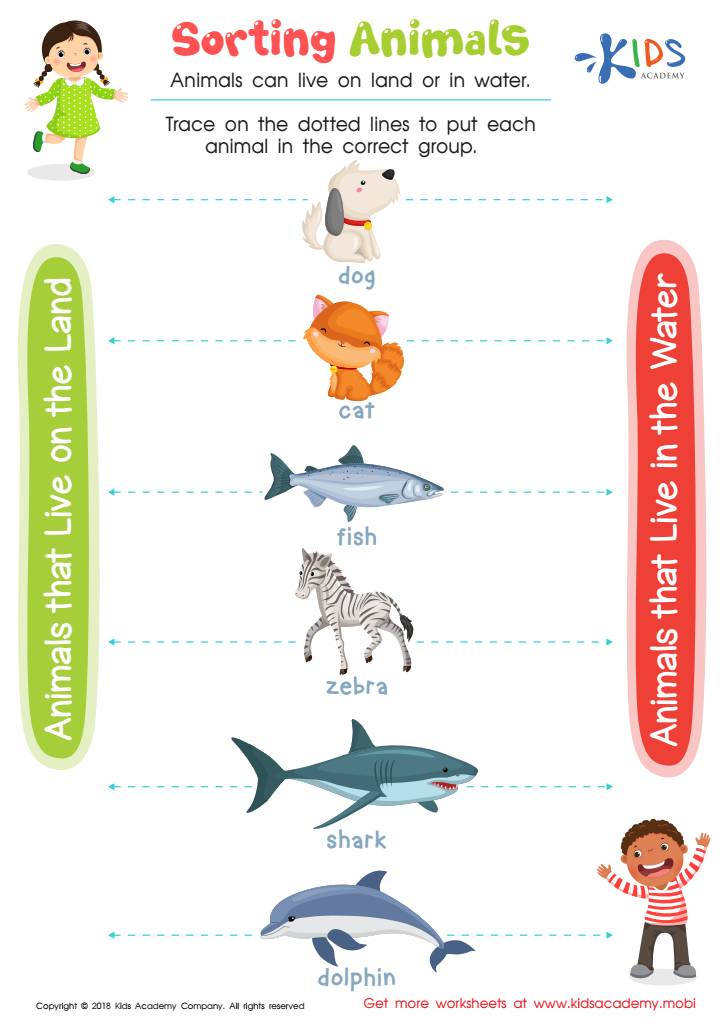
Sorting Animals Worksheet

Sorting Animals Worksheet

Your kids will love this free, interactive worksheet! With image clues, they can read and trace the animal names, and then sort them into groups of land or water animals. It's an enjoyable way to boost their critical thinking, fine motor and prior knowledge skills.
Sorting Animals Worksheet
Worksheet
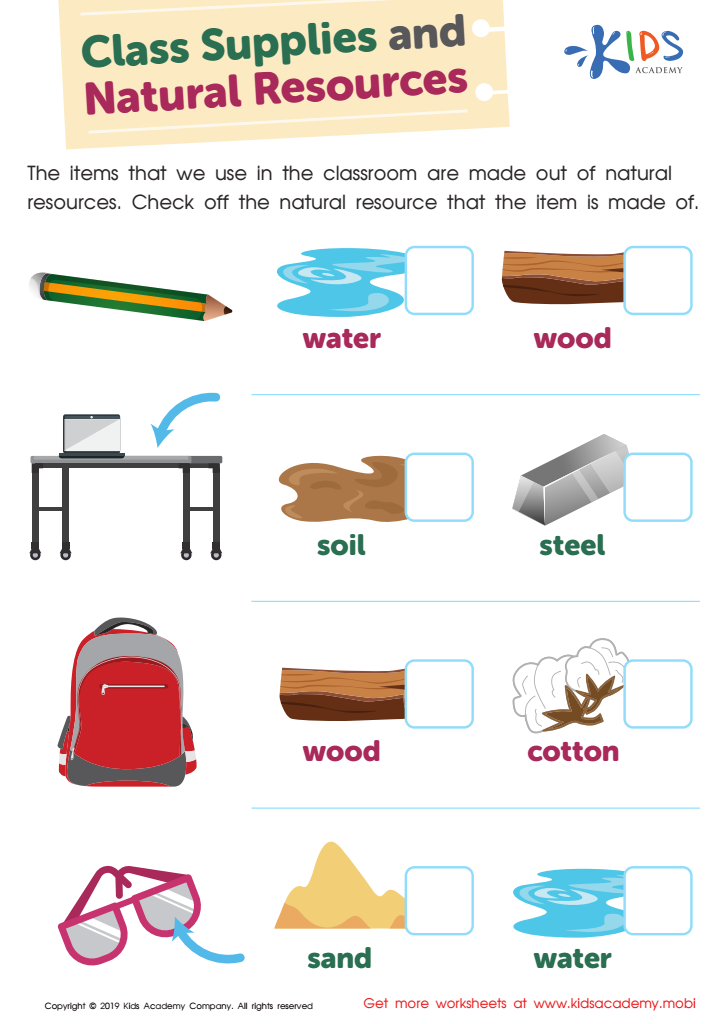
Class Supplies and Natural Resources Worksheet

Class Supplies and Natural Resources Worksheet

Look around the classroom with your students. Can they identify objects and name their natural resources? E.g. wood, cotton, steel. Ask your child to find an object made from wood. Then, look at this worksheet together. Ask your students to identify each object and check off the natural resource it's made from.
Class Supplies and Natural Resources Worksheet
Worksheet
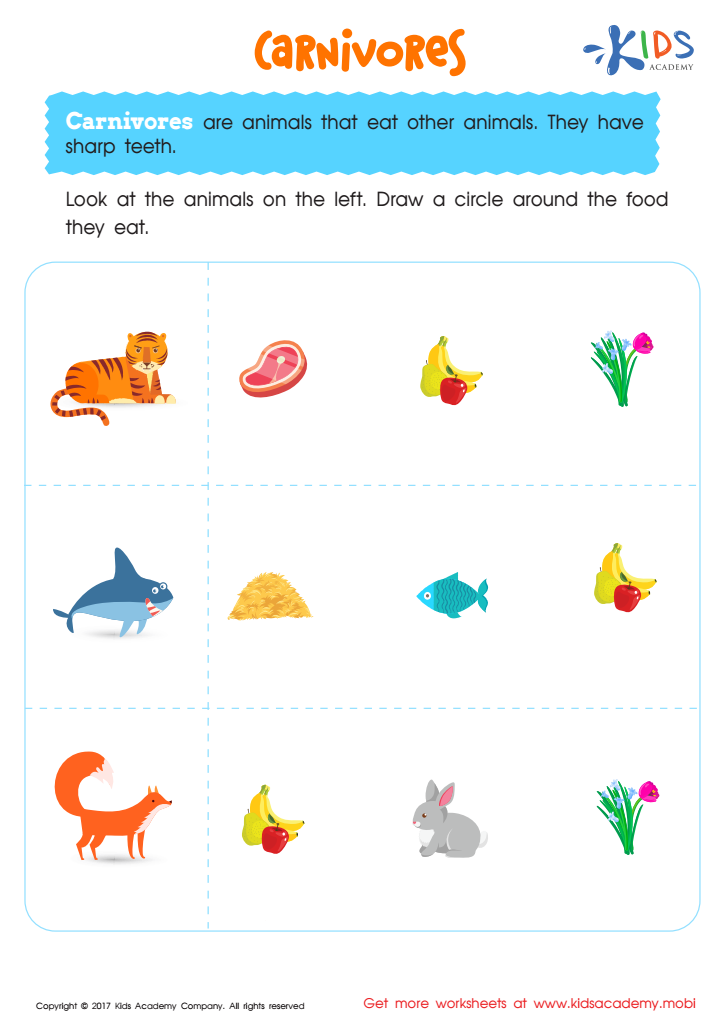
Carnivorous animals worksheet

Carnivores Worksheet

Boost their vocabulary and help them explore the incredible world of carnivores.
Carnivores Worksheet
Worksheet
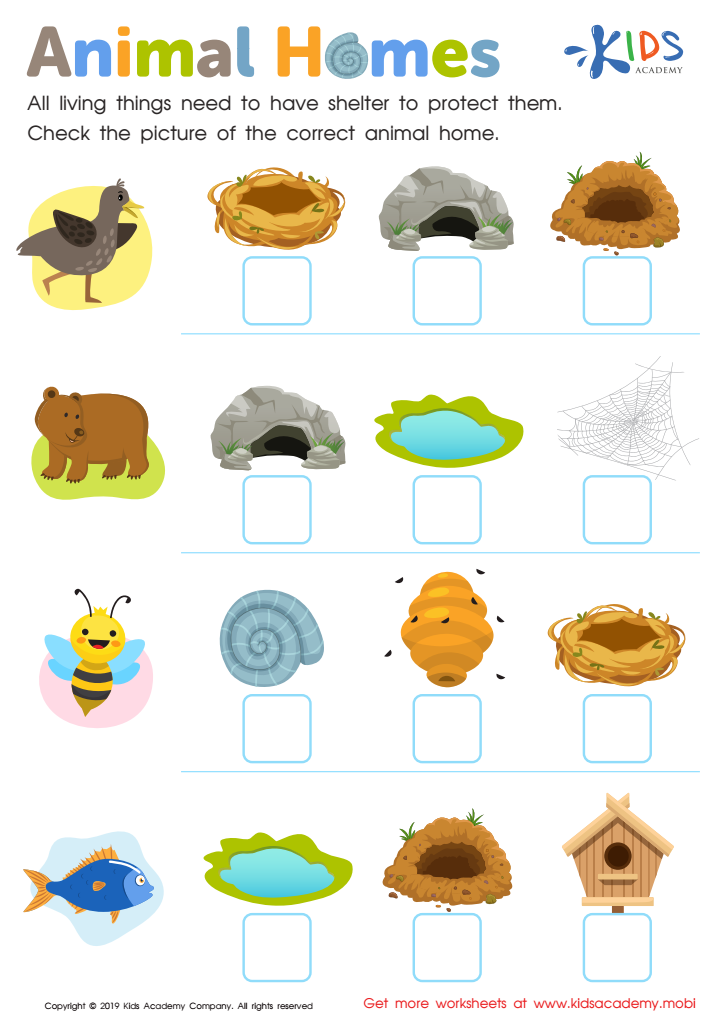
Animal Homes Worksheet

Animal Homes Worksheet

Students have homes where they can do things they love, sleep and stay safe from bad weather. Check the worksheet for animals and their shelters. Ask your kids to identify each and match the animal home to the picture. (80 words)
Animal Homes Worksheet
Worksheet
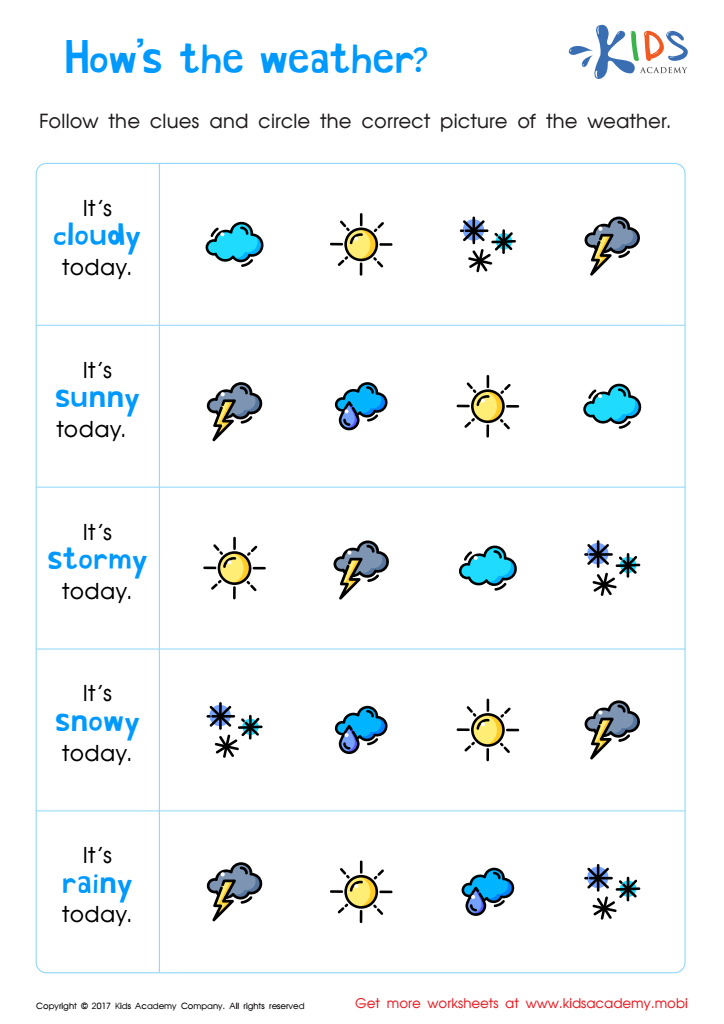
How’s the Weather Printable Worksheet

Hows the Weather Worksheet

Teaching kids about weather is a fun way to start science learning. This worksheet helps recognize symbols, literacy skills and make real world connections. Your child will love it!
Hows the Weather Worksheet
Worksheet
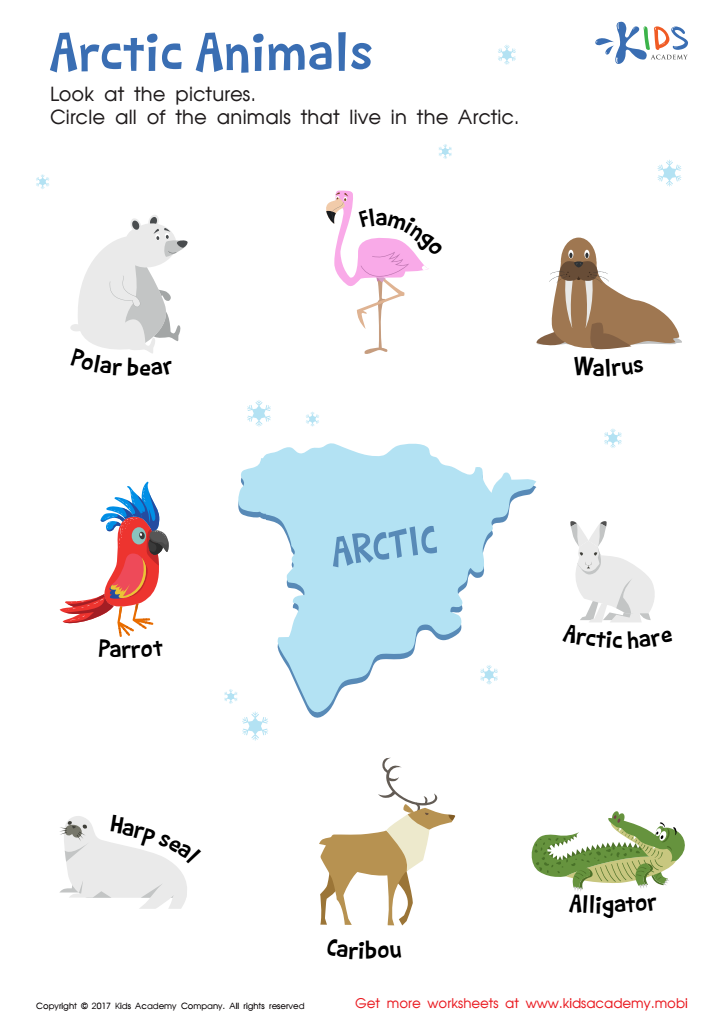
Arctic Animals Worksheet

Arctic Animals Worksheet

Kids love animals and this worksheet is a great way to teach them where they live. It reinforces classification skills and introduces new animals, like the Arctic hare. Use it to discuss the Arctic climate and how these animals live, then ask your child where other animals live to keep the conversation going.
Arctic Animals Worksheet
Worksheet
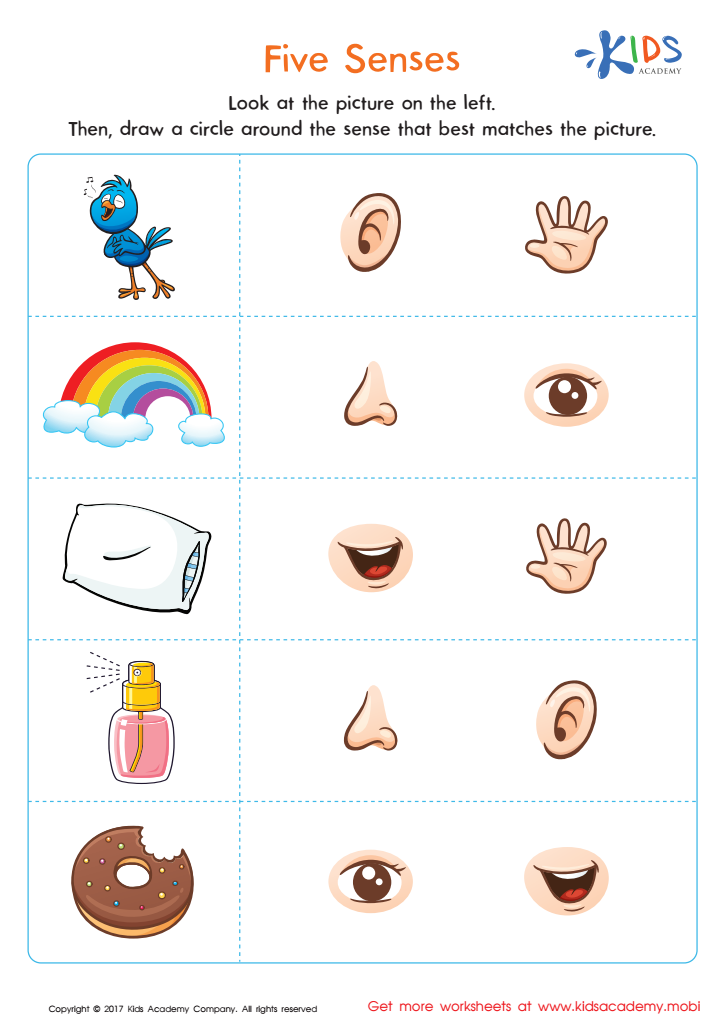
Free Printable Five Senses Worksheets

Five Senses Printable

For an easy way to jumpstart your child's critical thinking and introduce the five senses, print our free worksheets! These are great for reviewing each sense and practicing critical thinking skills. Work with your child and discuss each image. After completing the worksheet, find objects around the house so they can quiz themselves!
Five Senses Printable
Worksheet


Cognitive development during the early years is crucial for a child's growth and learning potential. For 5-year-olds, this stage is marked by significant changes in thinking, problem-solving, and understanding the world around them. Parents and teachers should care deeply about nurturing cognitive development because it lays the foundation for future learning and emotional well-being.

At this age, children transition from simple thought processes to more sophisticated reasoning and understanding. Engaging in age-appropriate activities like puzzles, storytelling, and simple science experiments can stimulate critical thinking and curiosity. These activities not only foster intellectual skills but also enhance social interactions and language development. When parents and teachers prioritize cognitive development, they create an environment where children feel supported to explore questions, form reasoning, and understand complex concepts.

Furthermore, understanding cognitive benchmarks helps adults identify if a child may need additional support. Addressing challenges early can lead to interventions that set the stage for lifelong success in academic and personal areas. In essence, by actively promoting cognitive development, parents and teachers empower children to thrive, encouraging a love of learning that will benefit them throughout their lives.