Phonics Skills Normal Phonics Worksheets for Ages 6-7
47 filtered results
-
From - To
Discover our engaging Phonics Skills Normal Phonics Worksheets designed for children ages 6-7! These printable resources help young learners develop essential phonetic skills, promoting reading and writing abilities. cover a variety of topics such as letter sounds, blending, digraphs, and word recognition in a fun and interactive way. With carefully crafted activities, children will reinforce their learning and build confidence in their literacy skills. Our worksheets are perfect for teachers and parents seeking effective materials to support phonics education at home or in the classroom. Dive into a world of phonics fun and watch your child thrive in their reading journey!
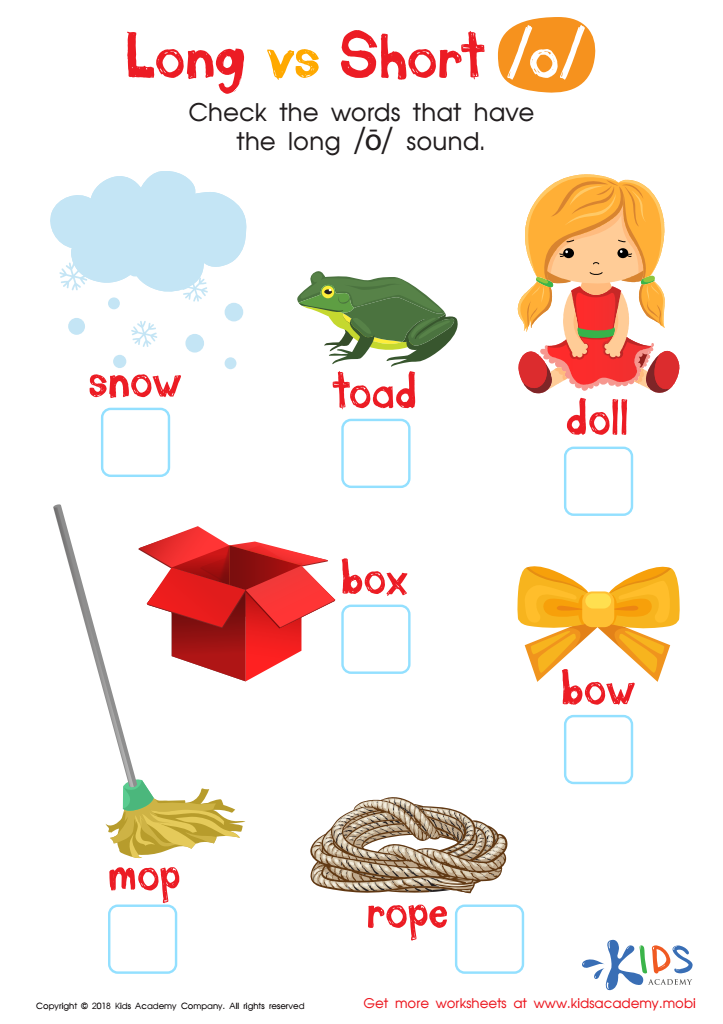
Long vs Short O Reading Worksheet
 Assign to My Students
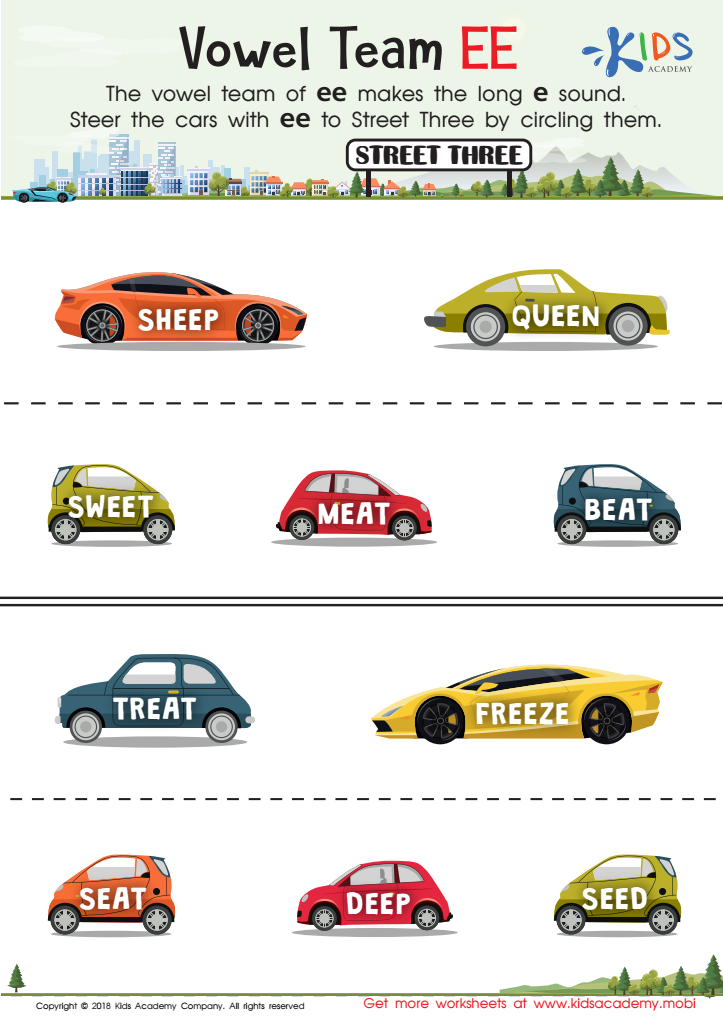
Vowel team ee Worksheet
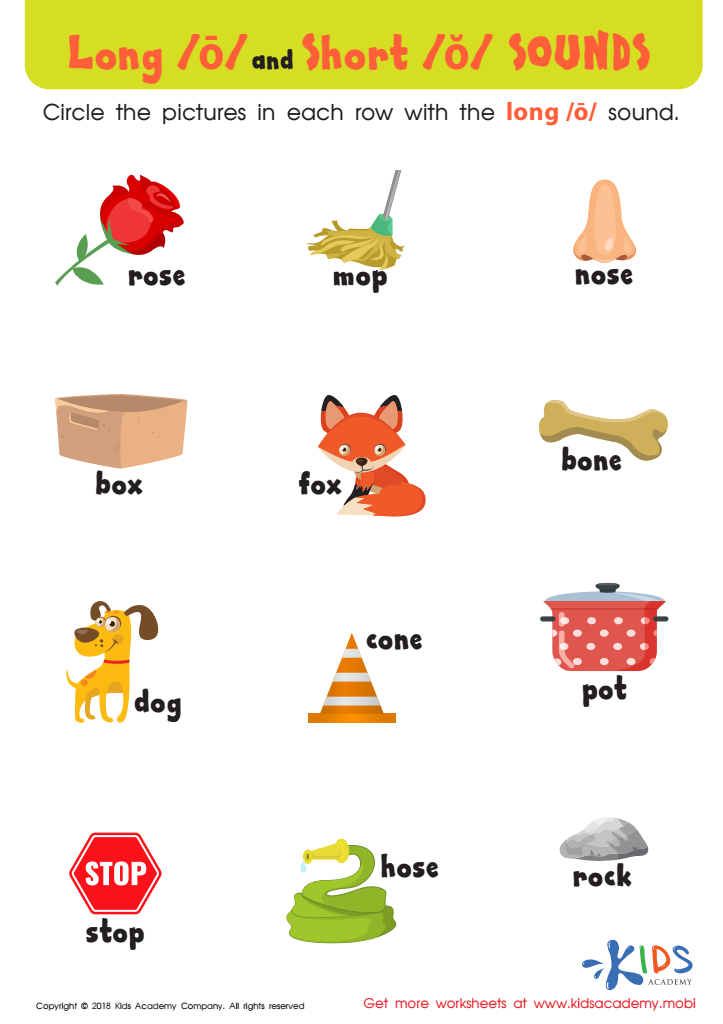
Reading: Long O and Short O Sounds Worksheet
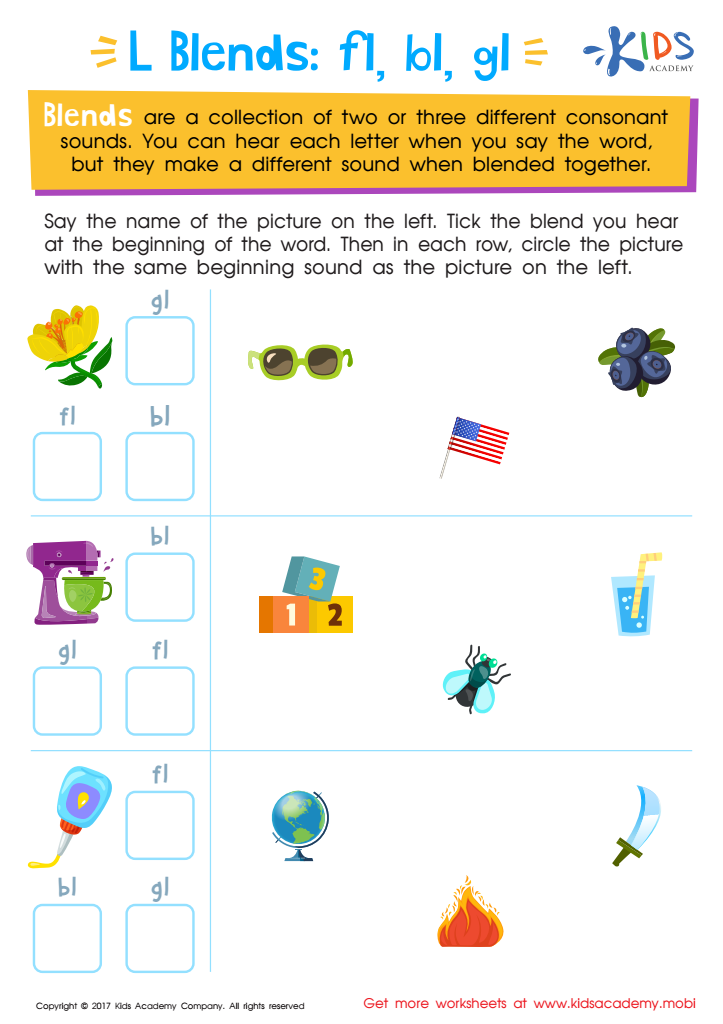
Blending Consonants: "Fl", "Bl" and "Gl" Printable
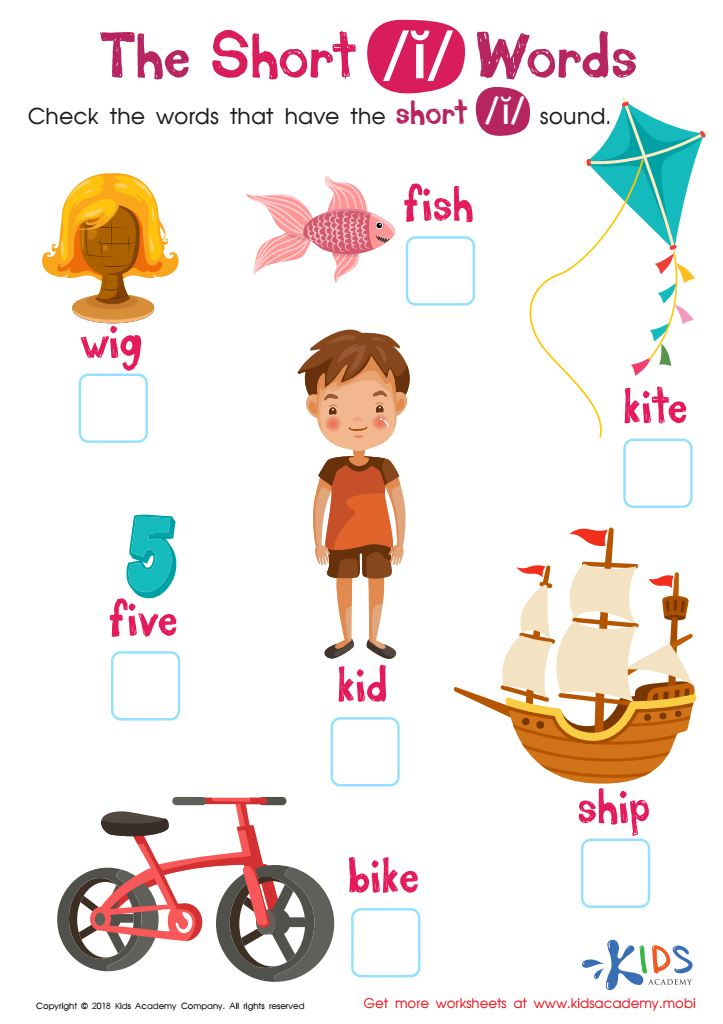
The Short I Words Reading Worksheet
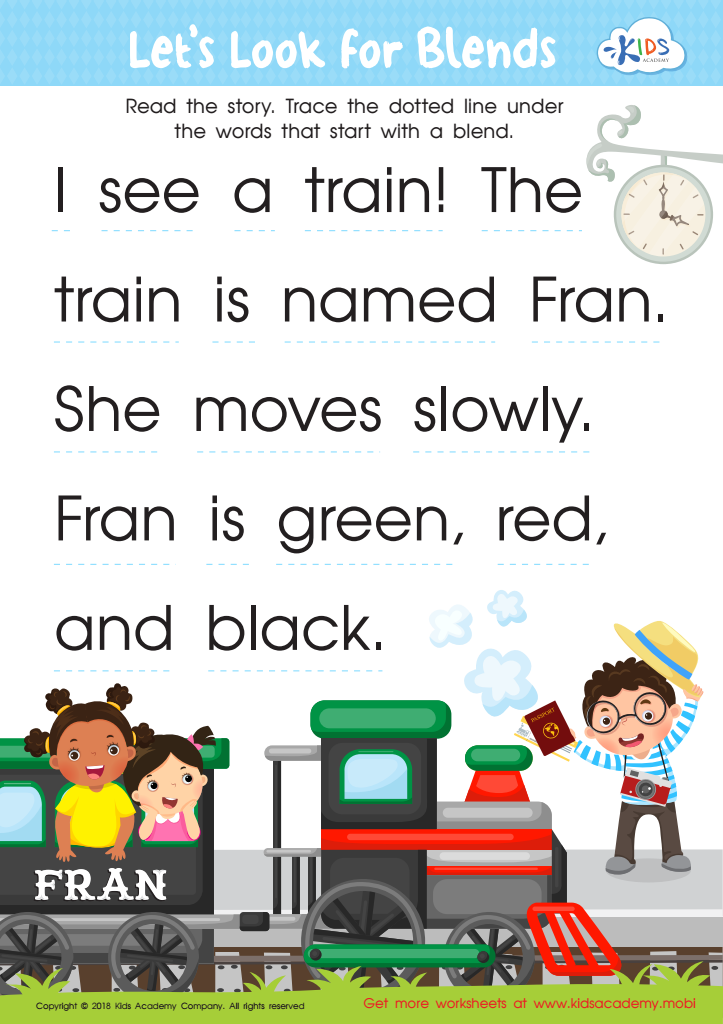
Let's Look for Blends Worksheet
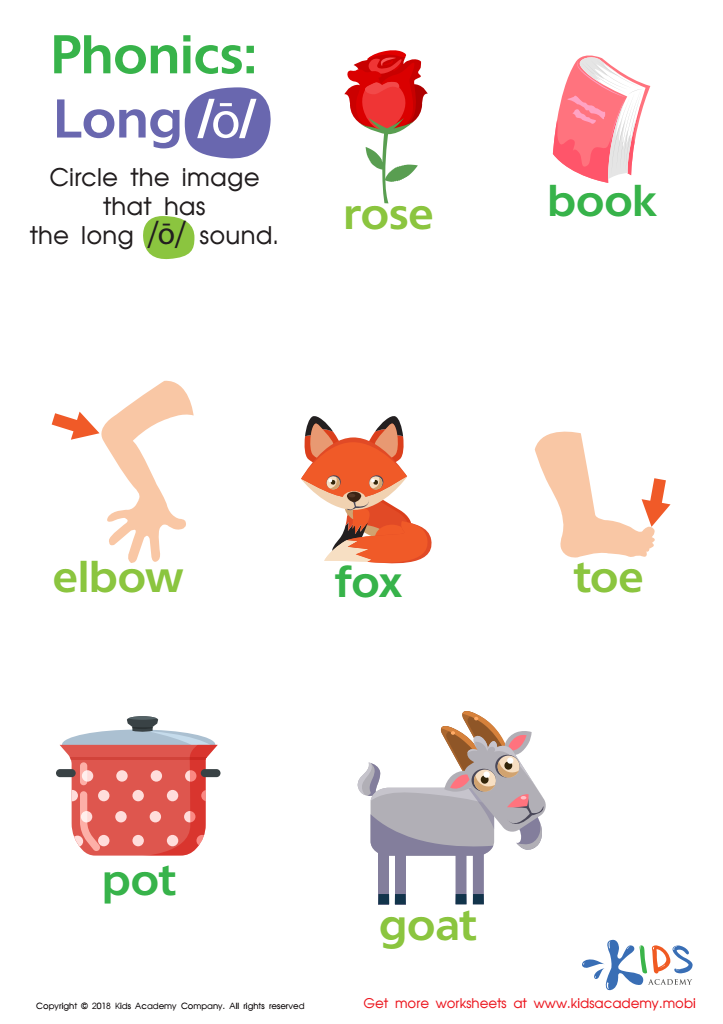
Phonics Long O Reading Worksheet
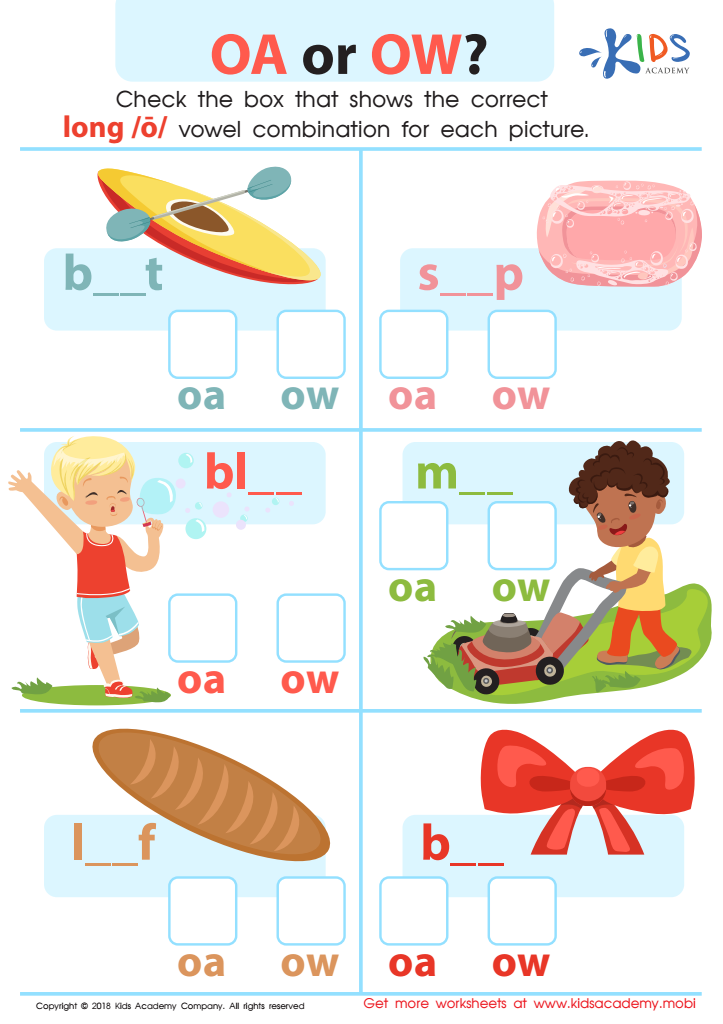
Reading: OA or OW Worksheet
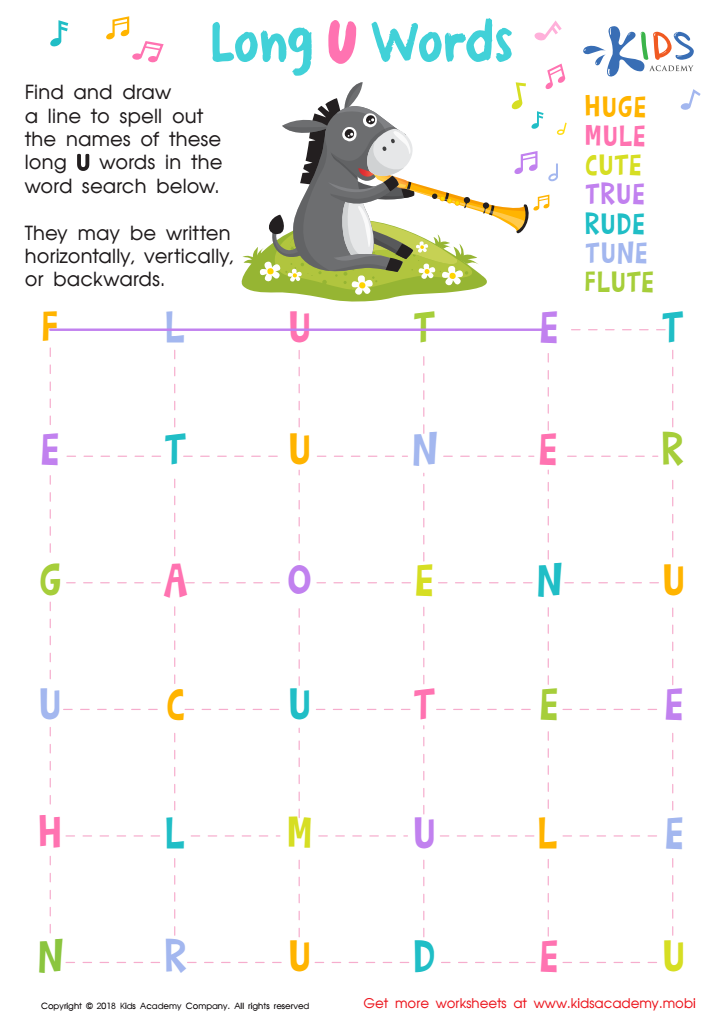
Long /u/ Words Worksheet
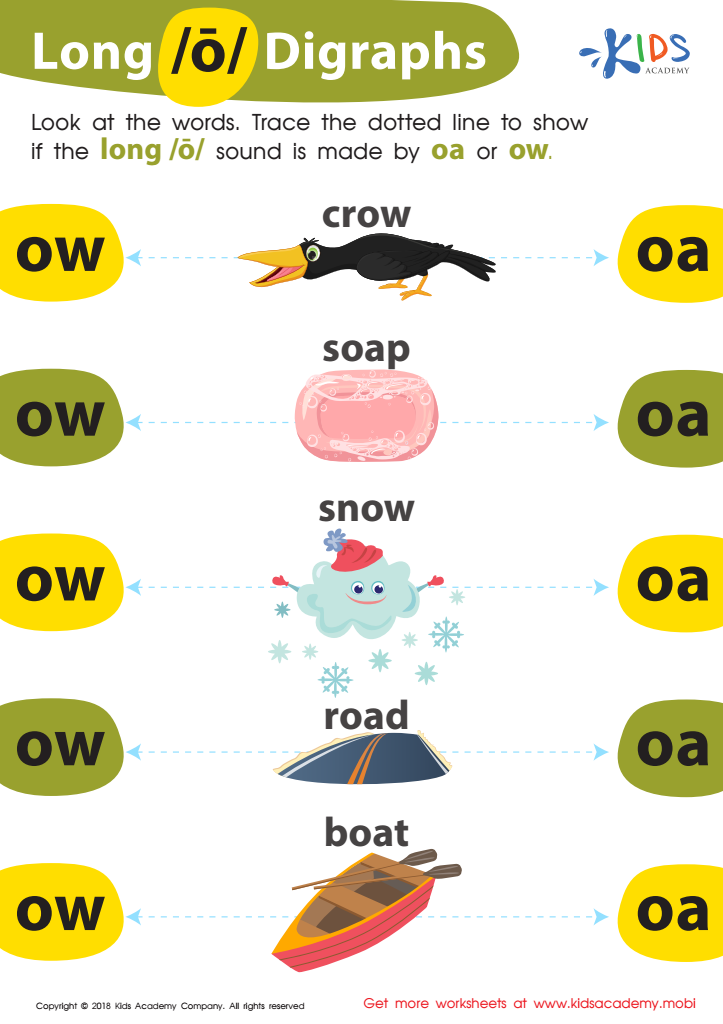
Reading: Long O Digraphs Worksheet
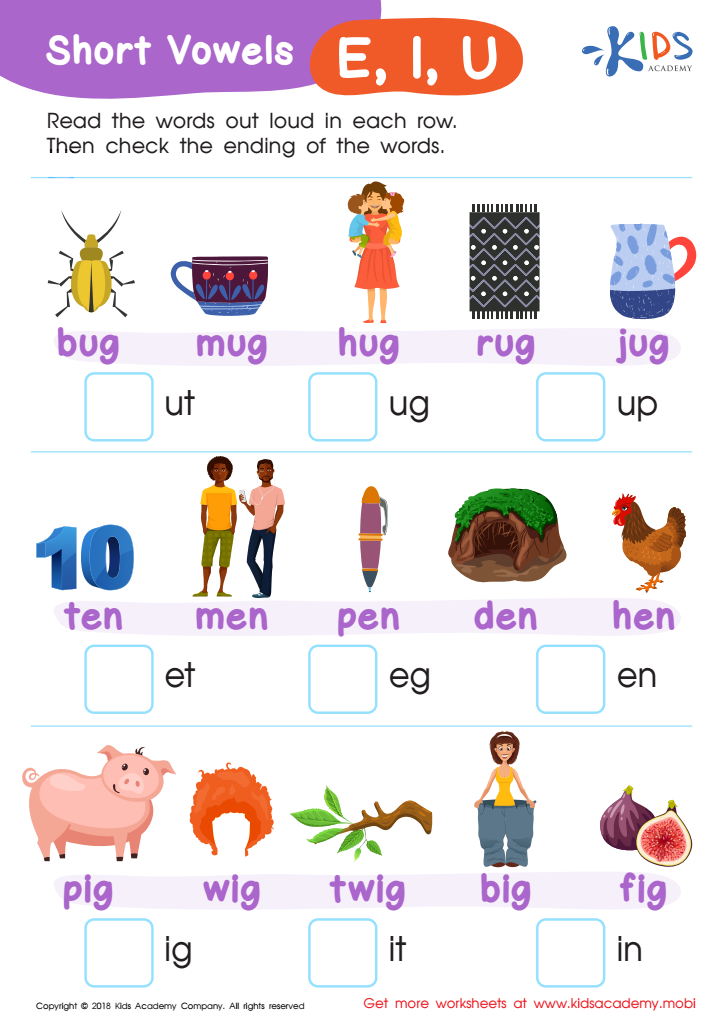
Short Vowels /e/, /i/, and /u/ Worksheet
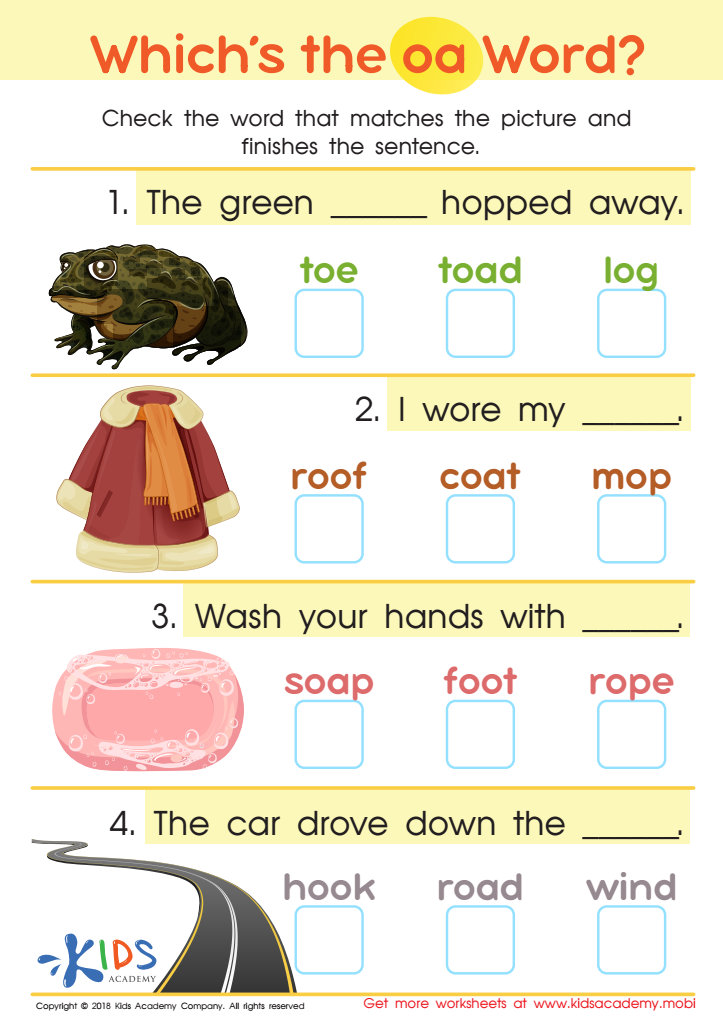
Which's the OA Word? Worksheet
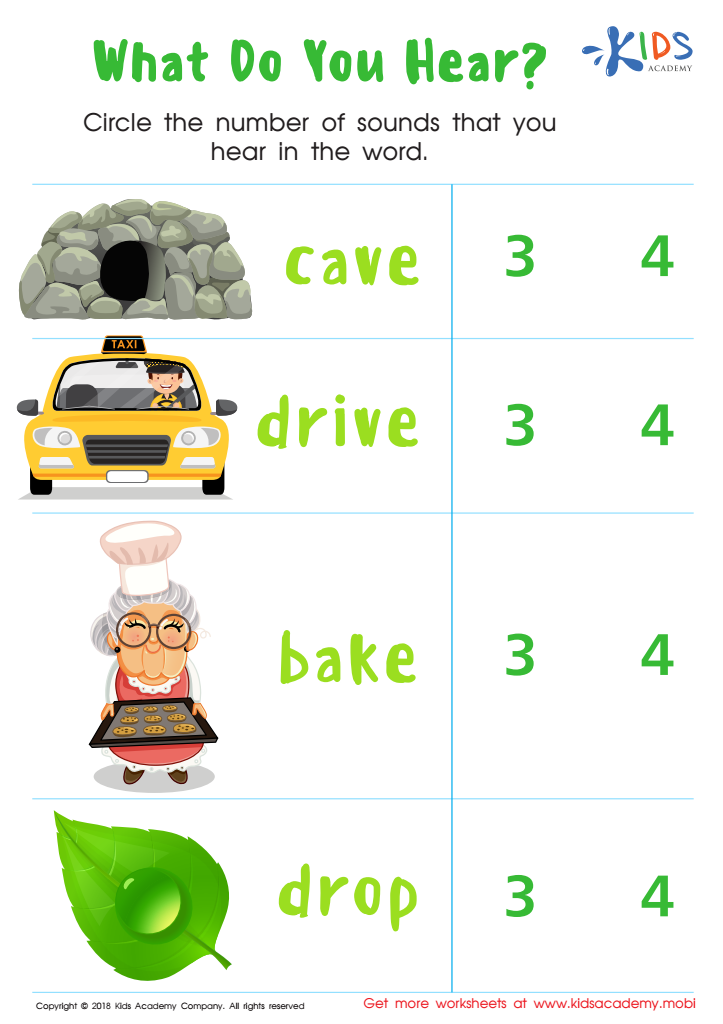
What Do You Hear? Worksheet
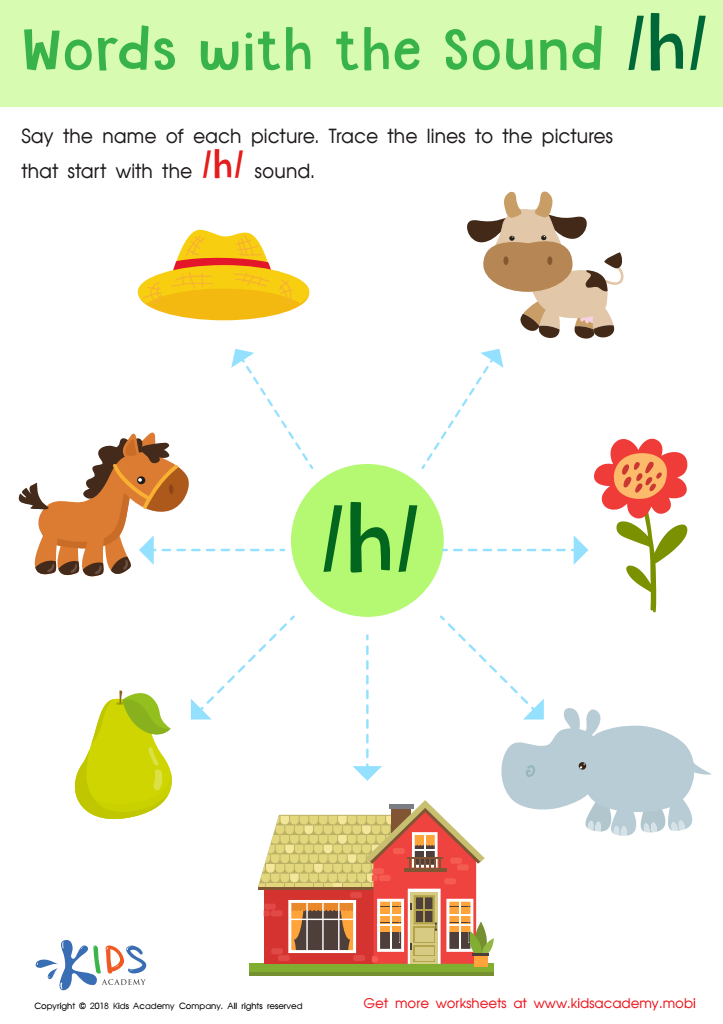
Words with sound h Reading Worksheet
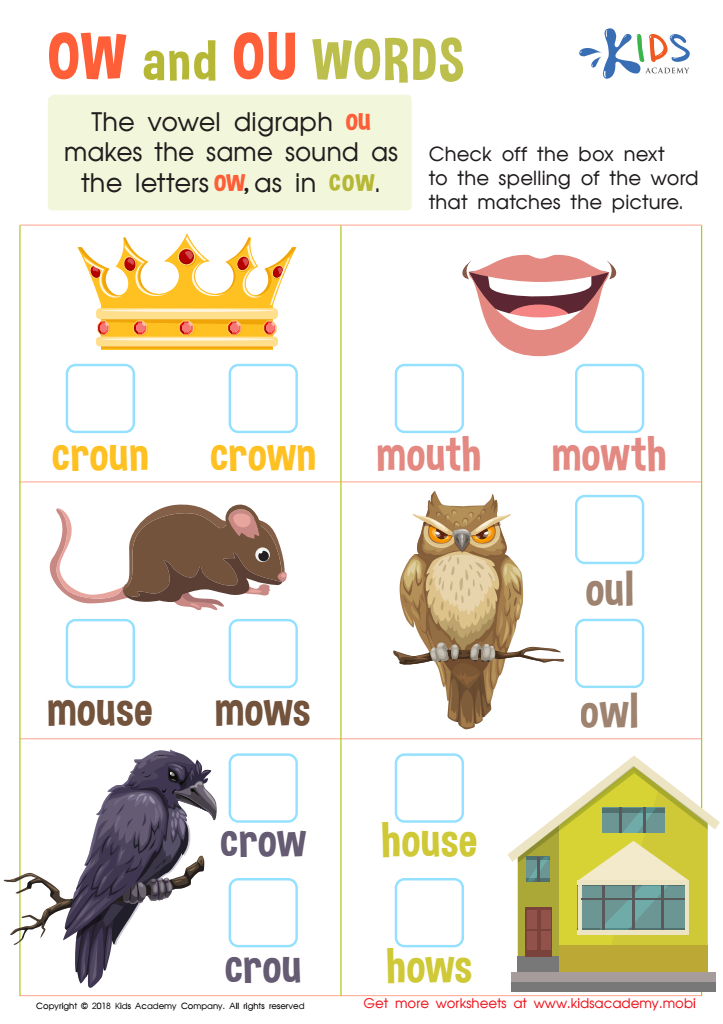
Reading: OW and OU Words Worksheet
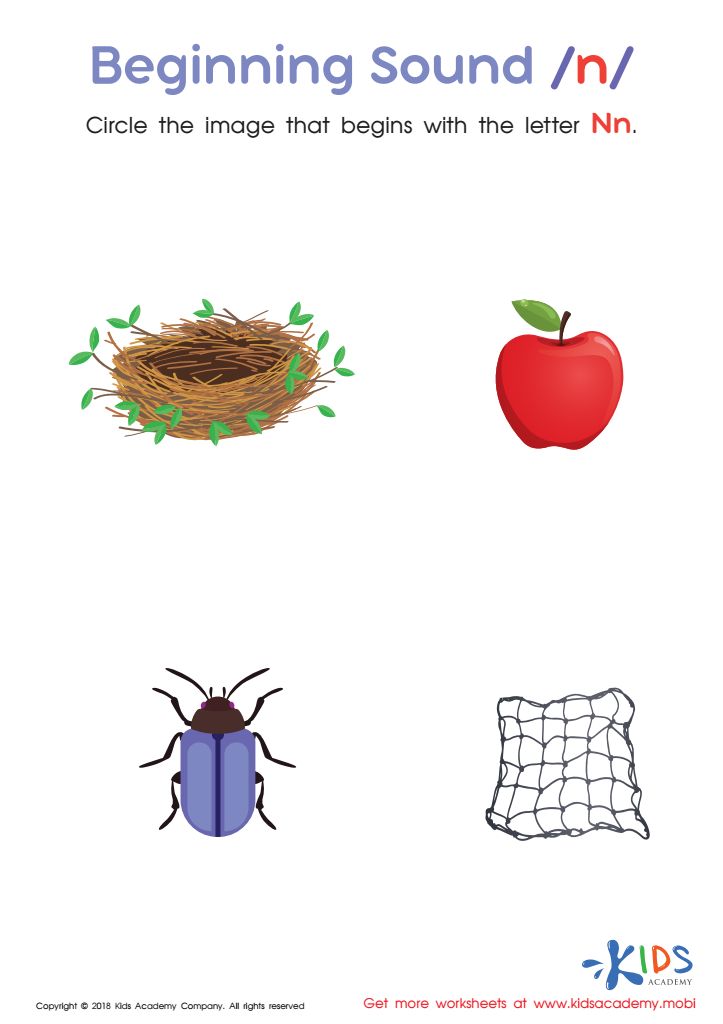
Beginning Sound «n» Worksheet
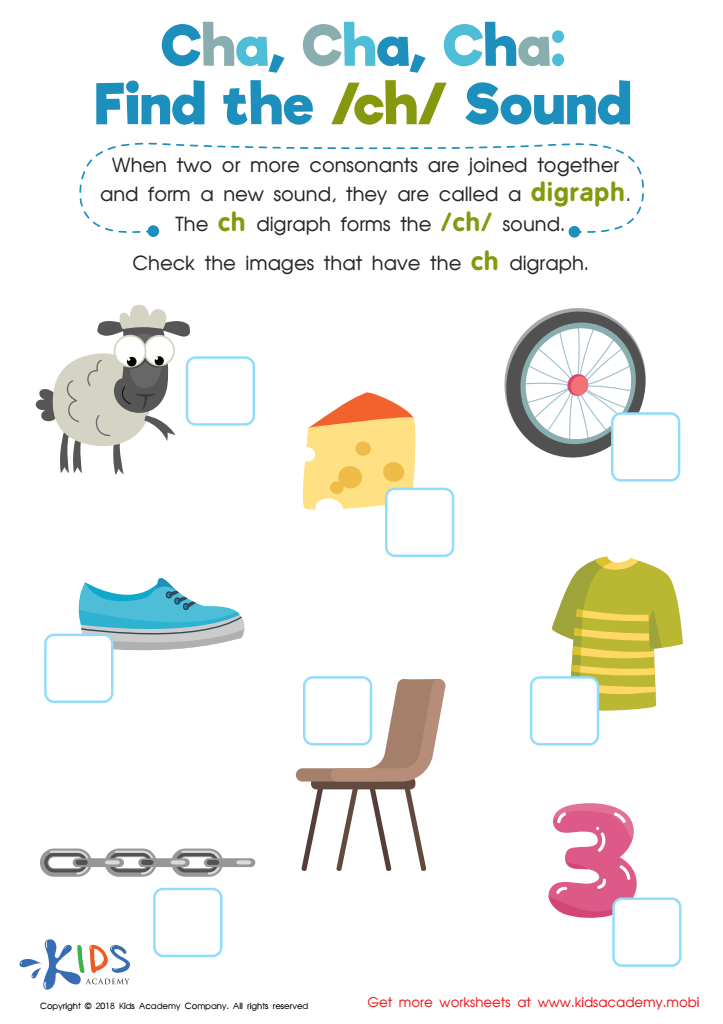
Cha, Cha, Cha: Find the /Ch/ Sound Worksheet
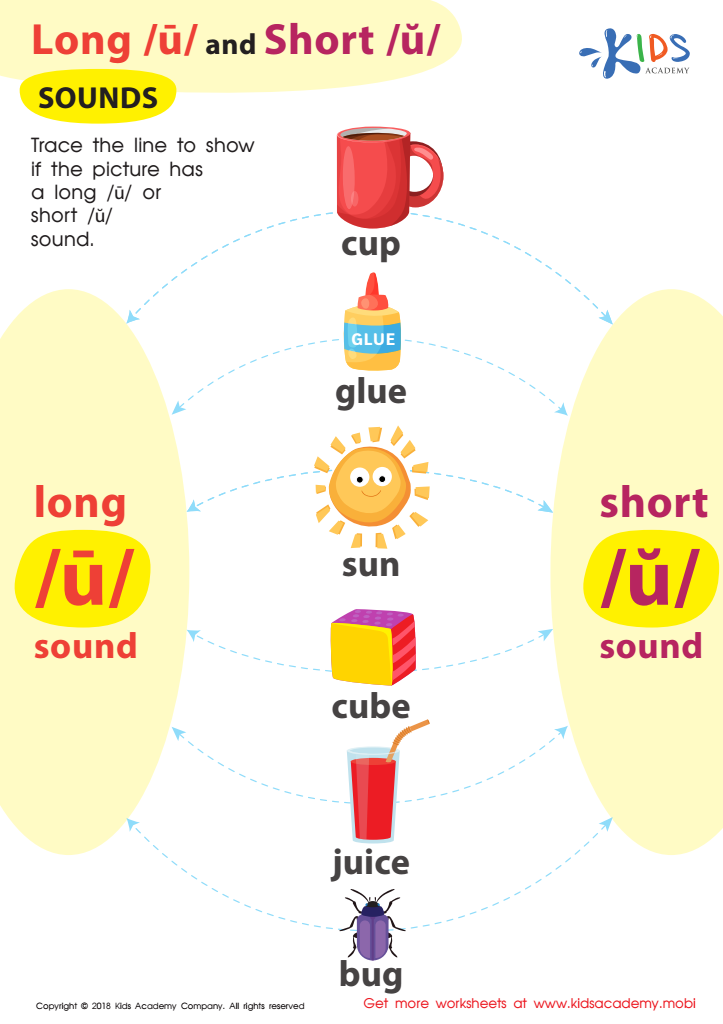
Reading: Long U and Short U Sounds Worksheet
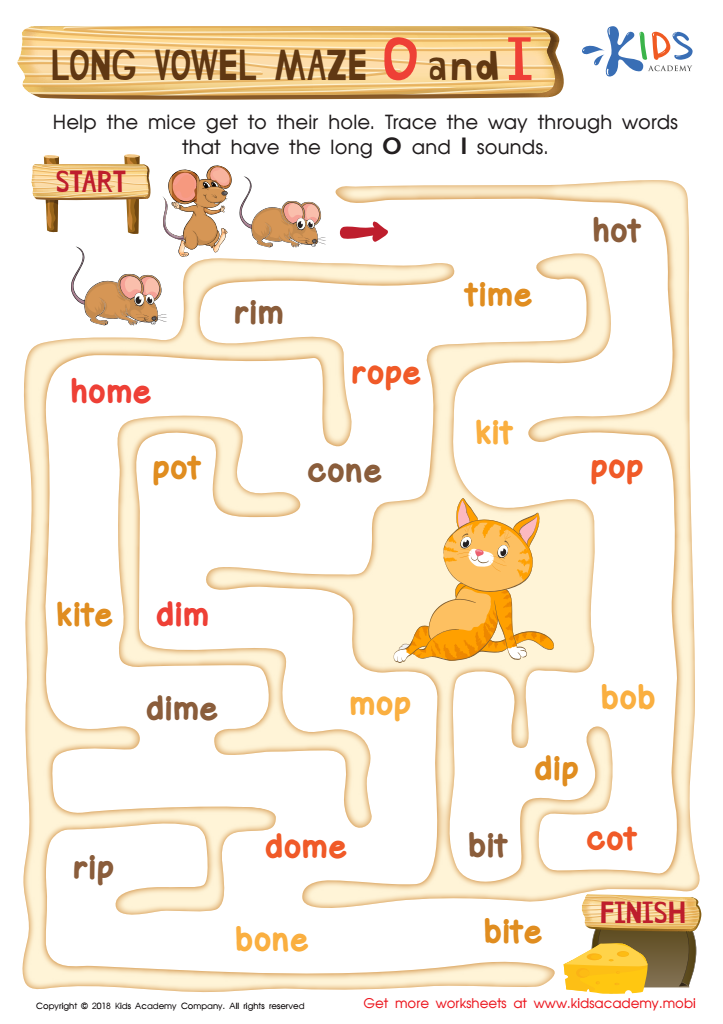
Long Vowel Maze /o/ and /i/ Worksheet
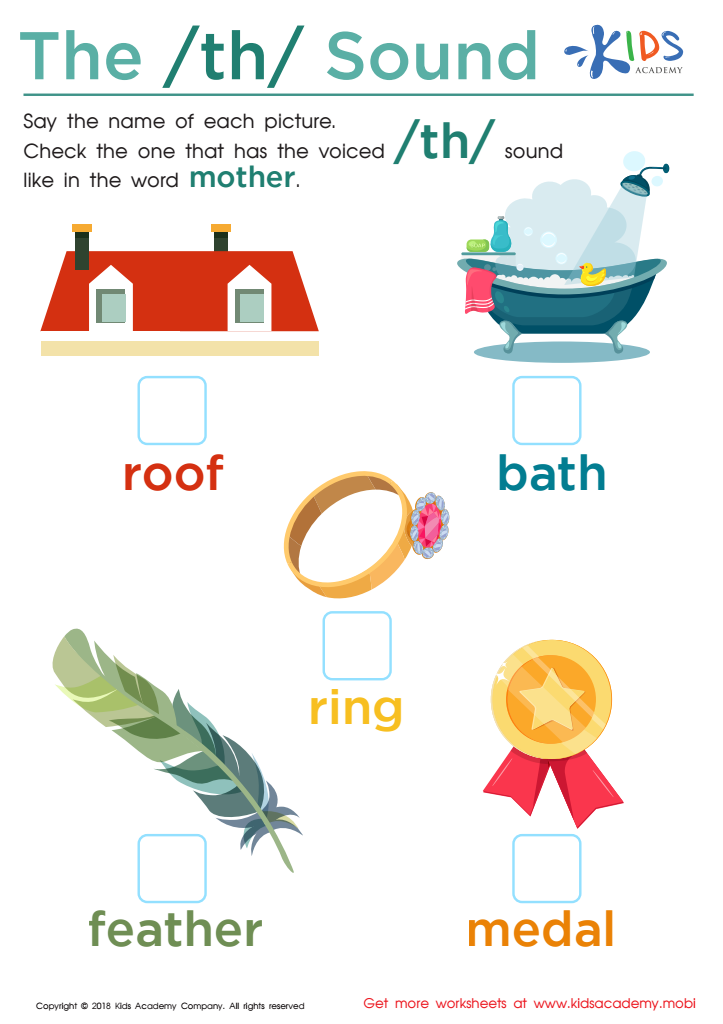
The /th/ Sound Worksheet
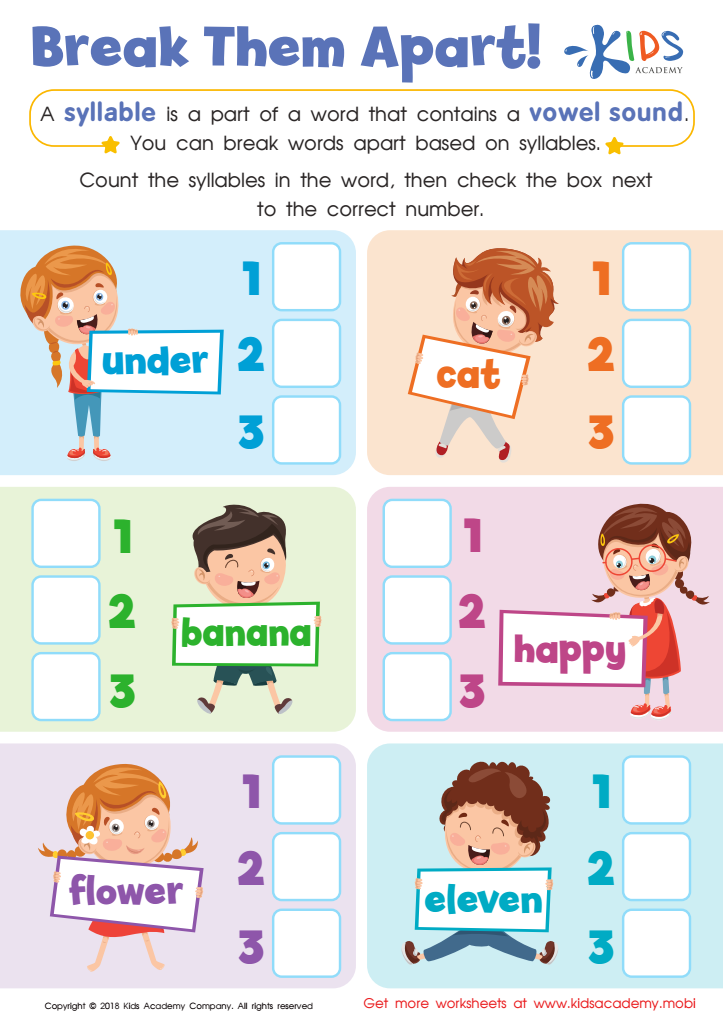
Reading: Break Them Apart Worksheet
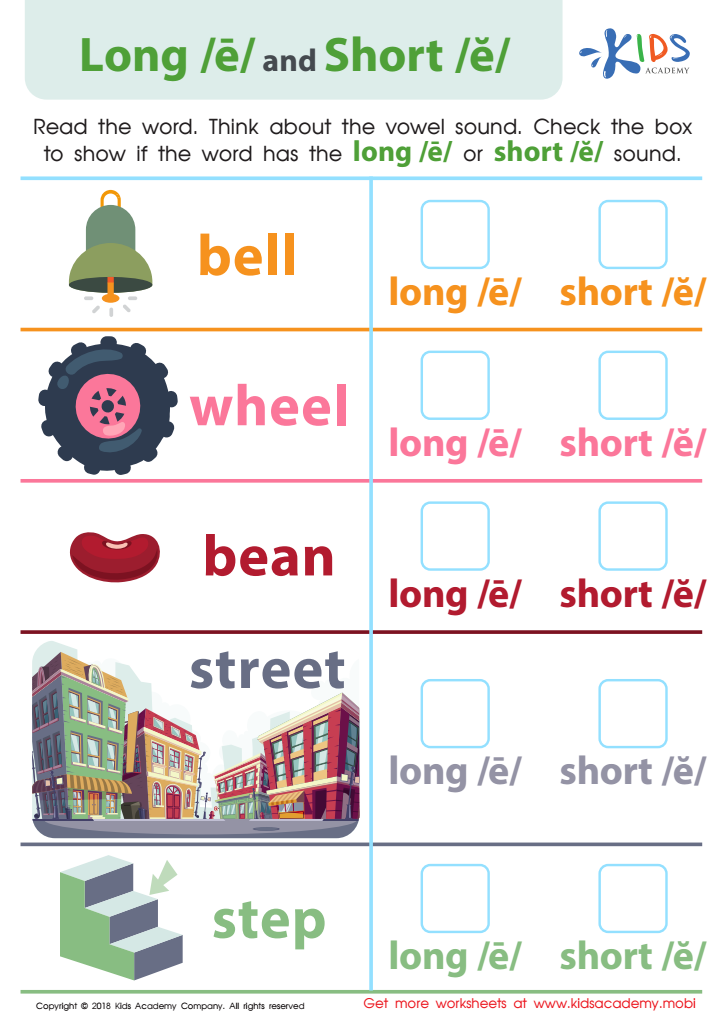
Reading: Long E and Short E Worksheet
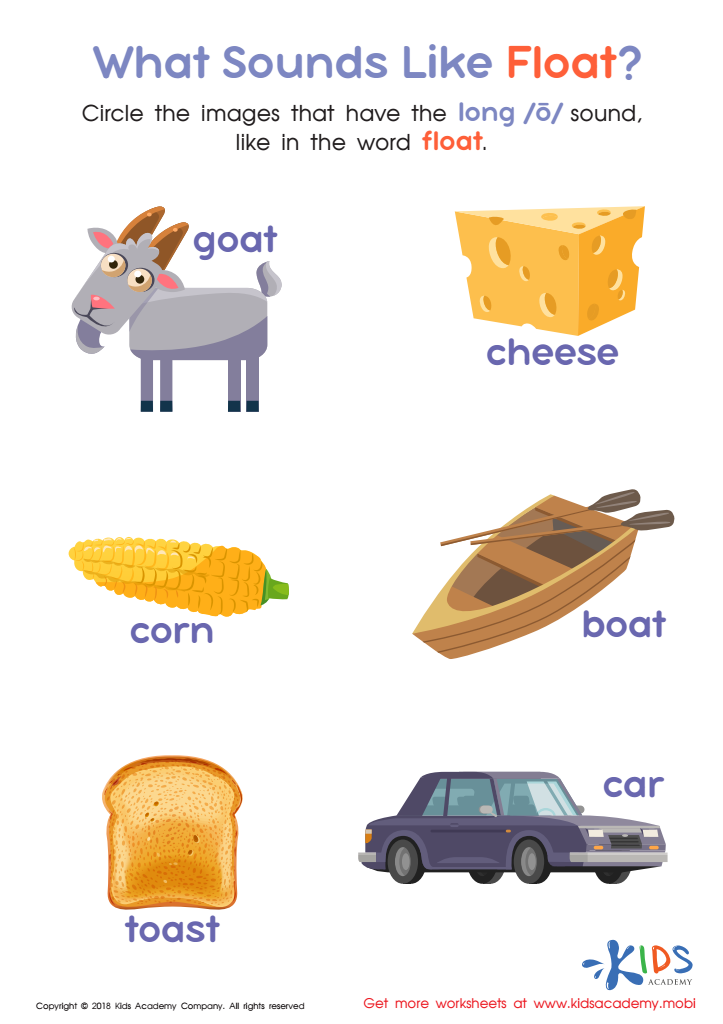
What Sounds Like Float? Worksheet
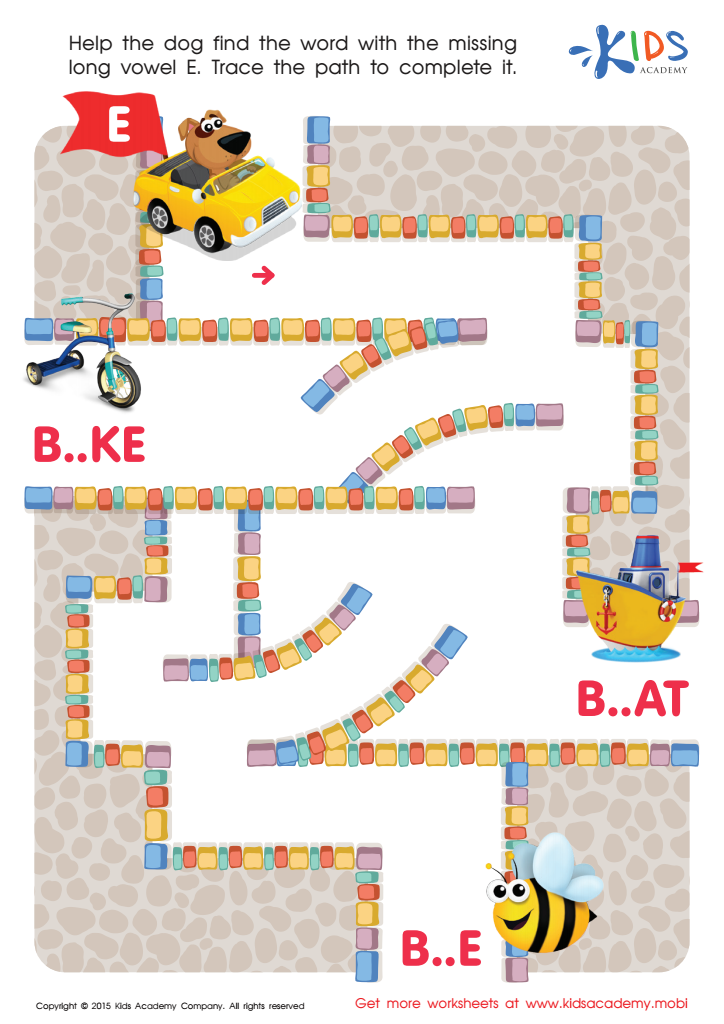
Long Vowel Sound E Worksheet








Phonics skills are crucial for children aged 6 to 7 as they form the foundation for reading and writing. At this age, students transition from learning basic sounds to applying them in decoding words and constructing sentences. Understanding phonics enhances their ability to recognize patterns in language, leading to greater fluency and comprehension.
Teachers and parents should care because proficient phonics skills significantly boost a child’s literacy development, facilitating improved academic performance across subjects. When children can decode unfamiliar words, their confidence in reading increases, fostering a lifelong love for literature and learning.
Moreover, phonics skills are critical for spelling. As children grasp how sounds correspond to letters, they become better spellers, further reinforcing their reading abilities. Early intervention is vital; if phonics skills are lacking, children may struggle with reading, impacting their self-esteem and future educational opportunities.
By prioritizing phonics instruction, both parents and teachers play a pivotal role in creating strong, literate individuals. Investing time and resources into phonicseducation prepares children not only for academic success but also equips them with essential communication skills for life. In short, good phonics coordinates better literacy, positioning children for future challenges.







