Reading Improvement Normal Phonics Worksheets for Ages 6-7
10 filtered results
-
From - To
Enhance your child’s literacy skills with our engaging Reading Improvement Normal Phonics Worksheets designed specifically for ages 6-7. These worksheets provide a fun way for young learners to explore the fundamentals of phonics, helping them master letter sounds, blending, and reading comprehension. Each activity is crafted to promote independent learning while reinforcing essential reading skills. With colorful illustrations and interactive tasks, your child will stay motivated and focused. Perfect for both home and classroom use, these phonics worksheets make reading practice enjoyable and effective. Boost your child’s confidence and literacy proficiency with our thoughtfully designed resources today!
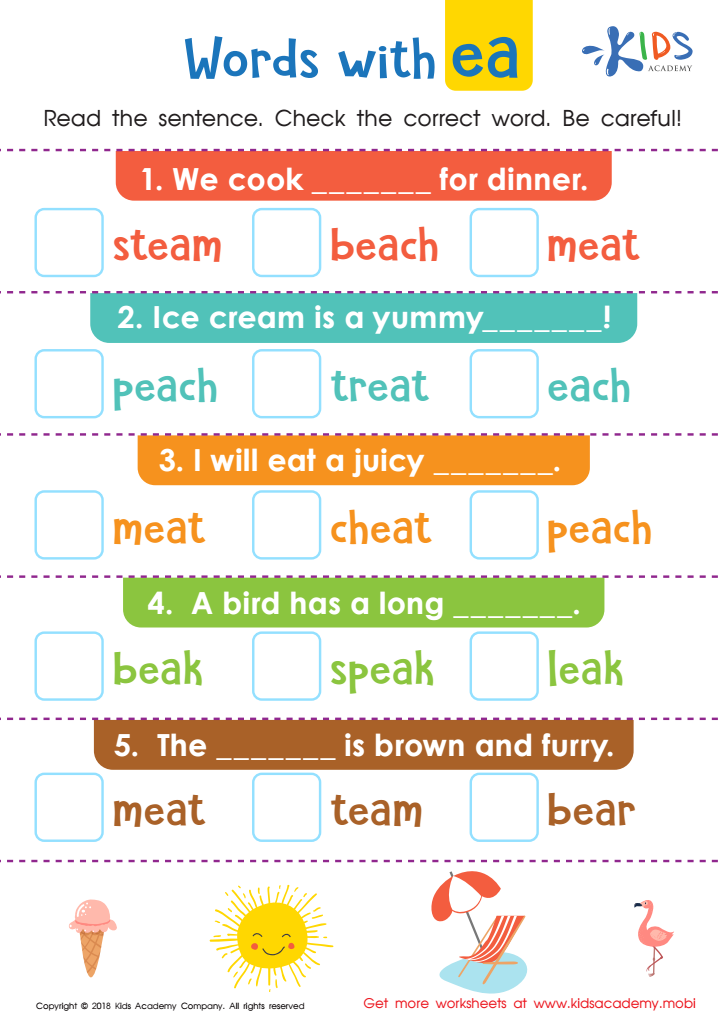
Words with ea Worksheet
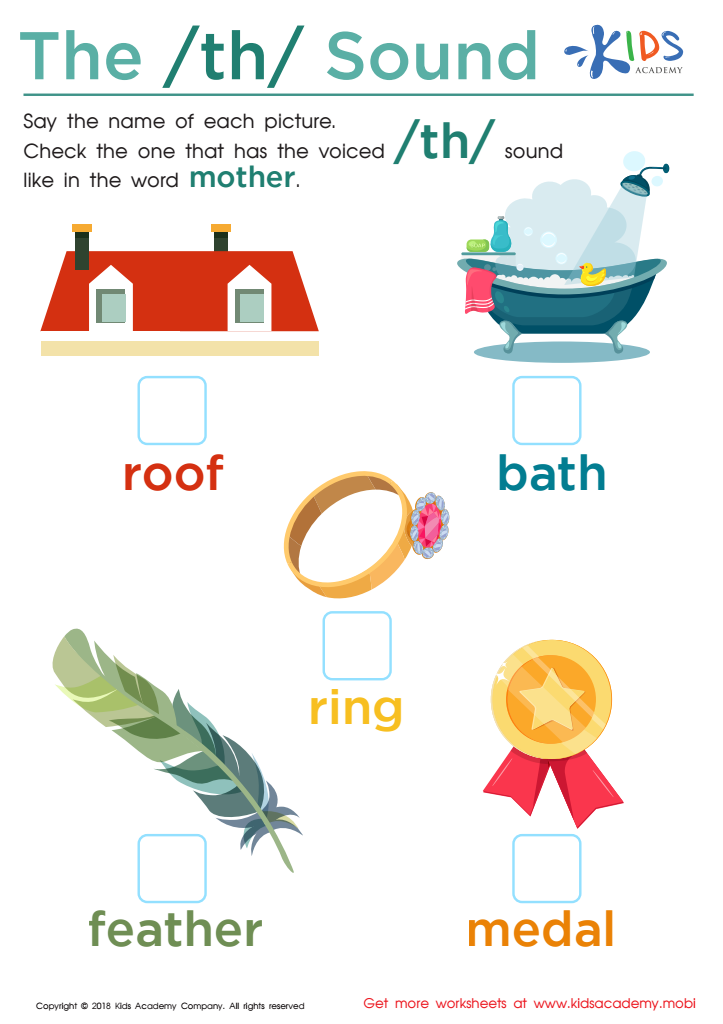
The /th/ Sound Worksheet
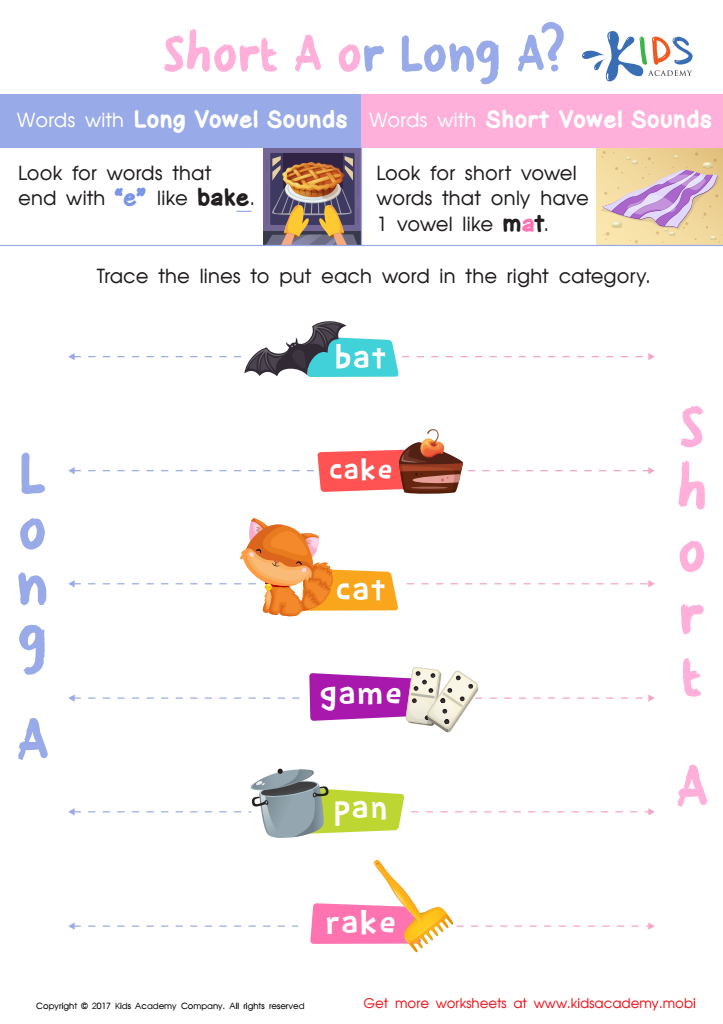
Short /a/ or Long /a/? Worksheet
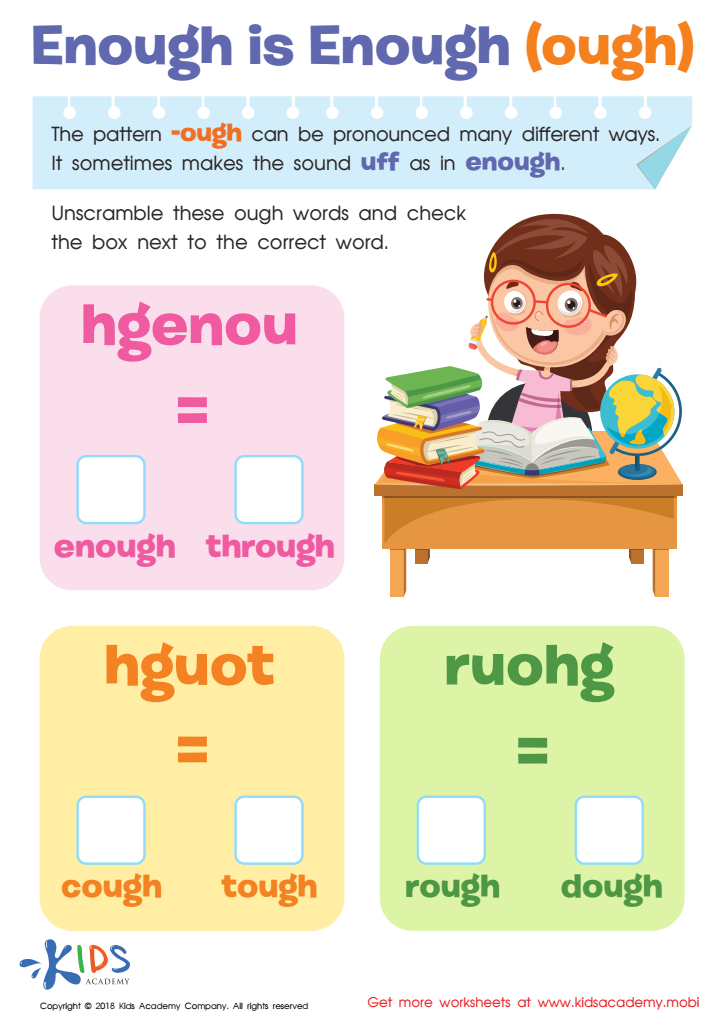
Enough Is Enough (ough) Worksheet
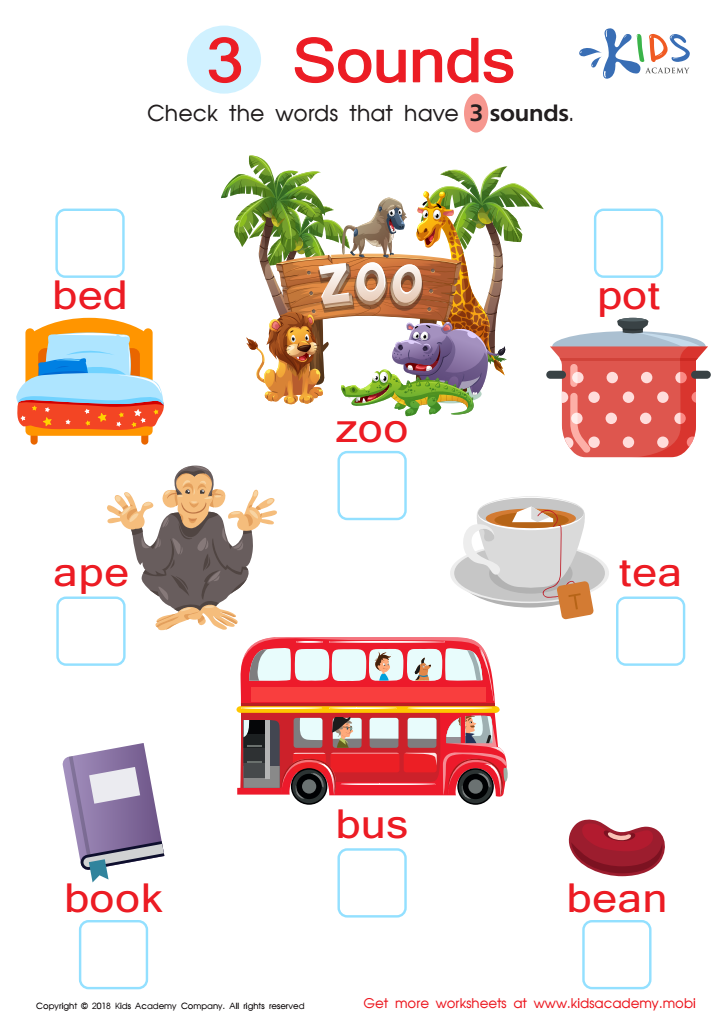
3 Sounds Worksheet
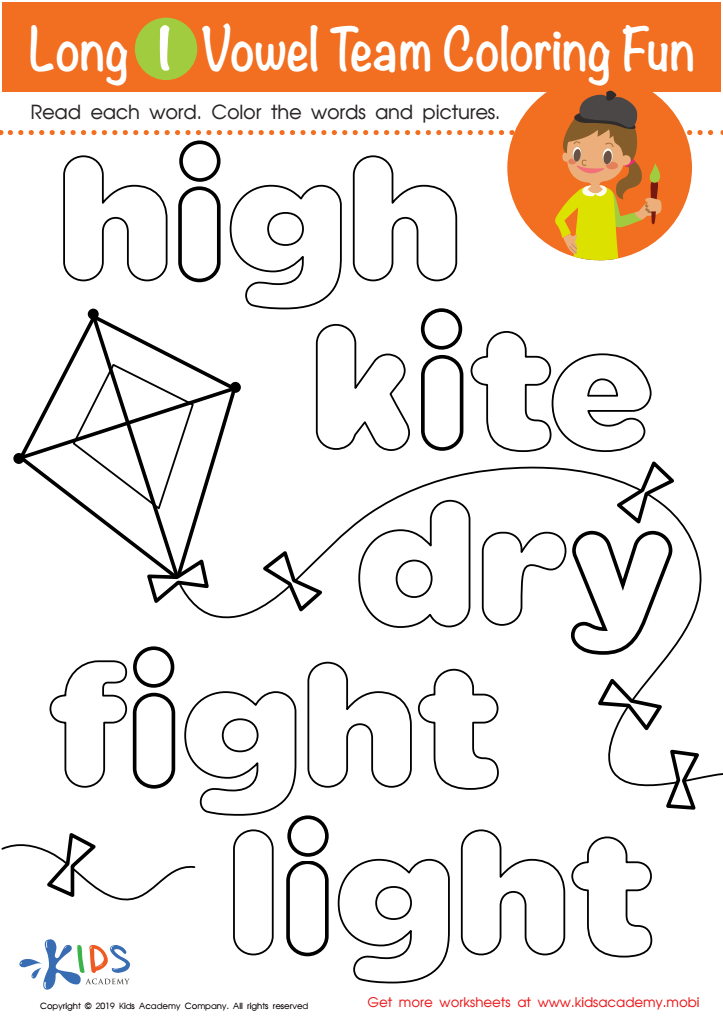
Long I Vowel Team Coloring Worksheet
 Assign to My Students
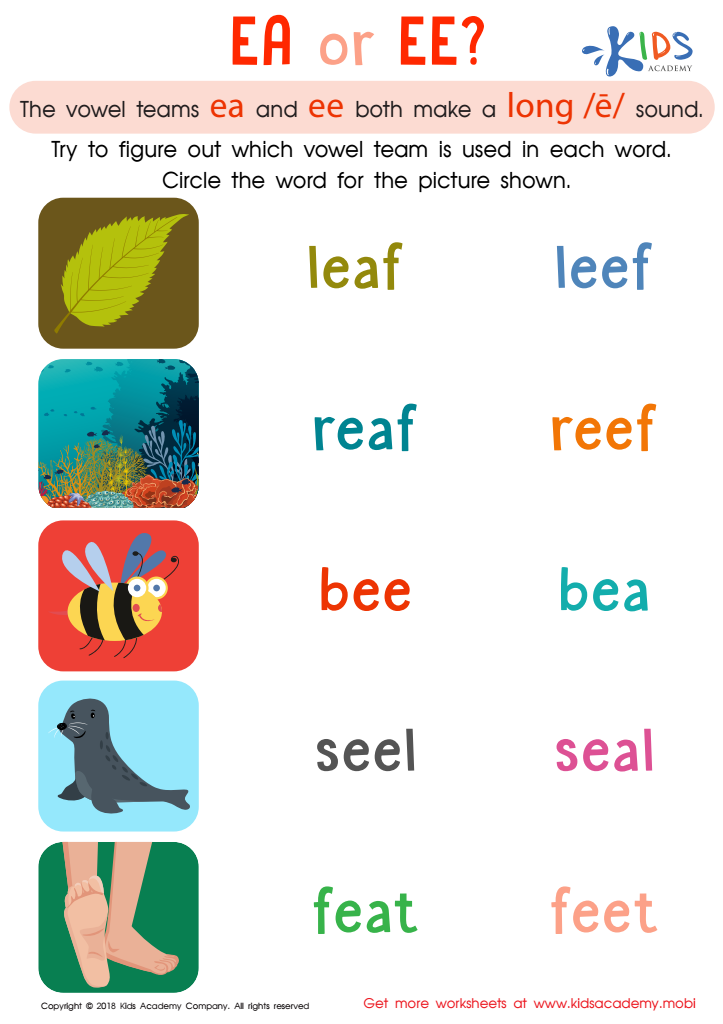
Reading: EA and EE Worksheet
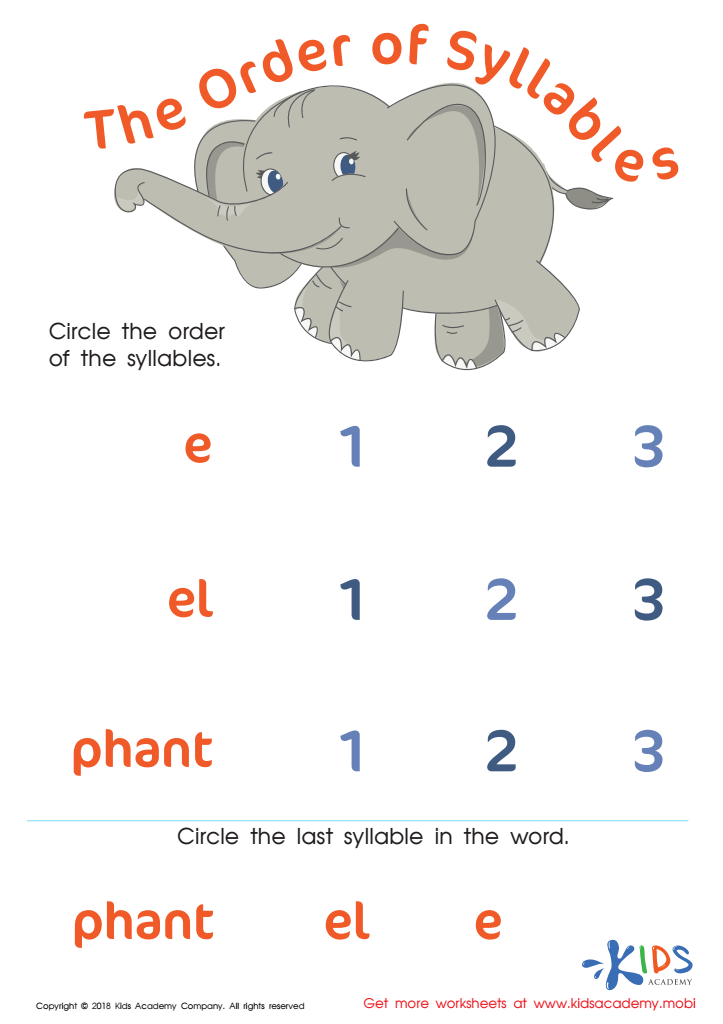
The Order of Syllables Worksheet
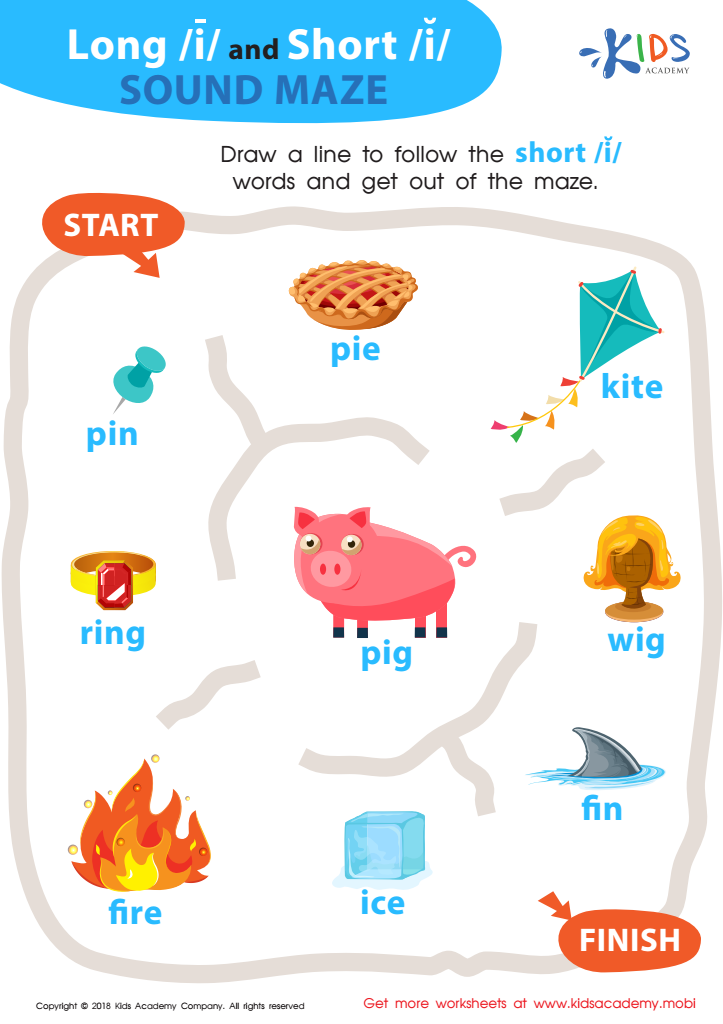
Reading: Long I and Short I Sound Maze Worksheet
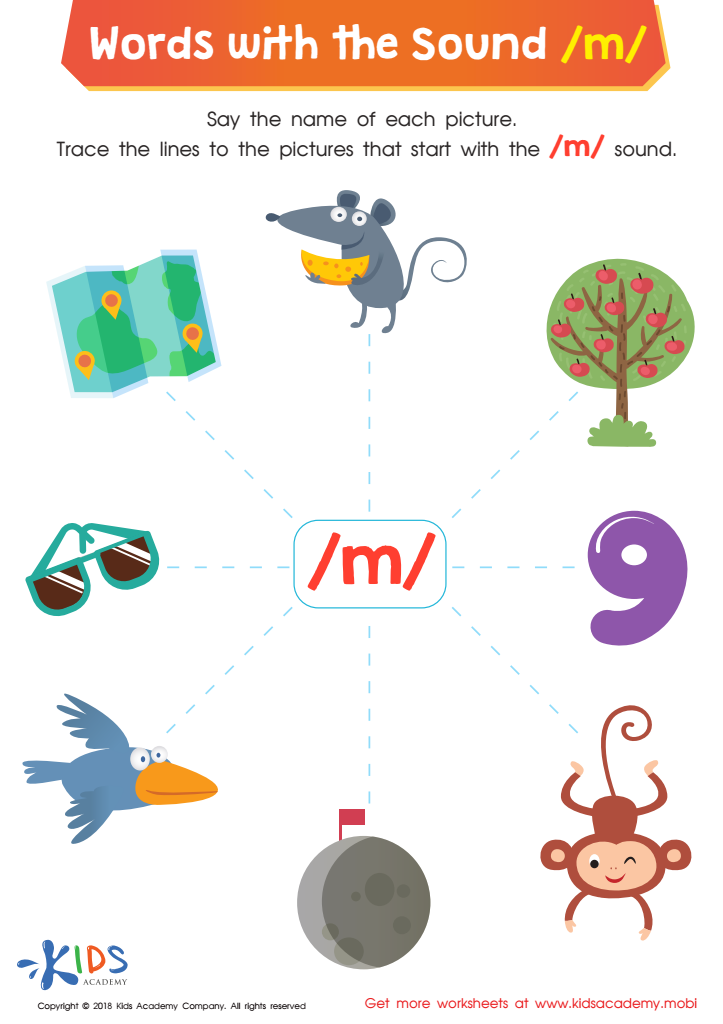
Words with Sound M Reading Worksheet








Parents and teachers should prioritize Reading Improvement Normal Phonics for ages 6-7 because this foundational stage is crucial for developing strong literacy skills. At this age, children are emerging as independent readers, and phonics instruction equips them with essential tools for decoding words and enhancing their reading fluency. A structured phonics program helps children understand the relationships between letters and sounds, making reading a more accessible and enjoyable experience.
Moreover, phonics instruction contributes to broader educational success; proficient readers tend to perform better across all subjects. By fostering reading confidence and competence, educators and parents can help children build a lifelong love for books and learning. Engaging with phonics not only supports children in mastering basic reading skills but also promotes critical thinking and comprehension.
Additionally, early intervention in reading difficulties can significantly reduce the risk of ongoing challenges. By working together, parents and teachers can identify and address individual reading needs, ensuring that each child progresses at their own pace. Ultimately, supporting reading improvement with a structured phonics approach lays the groundwork for academic achievement, boosts self-esteem, and prepares children for future educational challenges. Encouraging reading skills at this early age cultivates informed and capable learners for life.







