Sound Association Normal Phonics Worksheets for Ages 6-7
10 filtered results
-
From - To
Boost your child’s reading skills with our Sound Association Normal Phonics Worksheets for Ages 6-7. Designed to help young learners connect sounds with corresponding letters, these engaging worksheets offer a fun and effective way to master early phonics. Through colorful visuals, interactive exercises, and age-appropriate content, children will enhance their alphabet recognition, sound differentiation, and associative memory. Perfect for both classroom and home use, our worksheets provide essential practice to build strong literacy foundations. Empower your child’s educational journey with high-quality phonics practice that makes learning a delightful experience. Start today and watch them thrive!
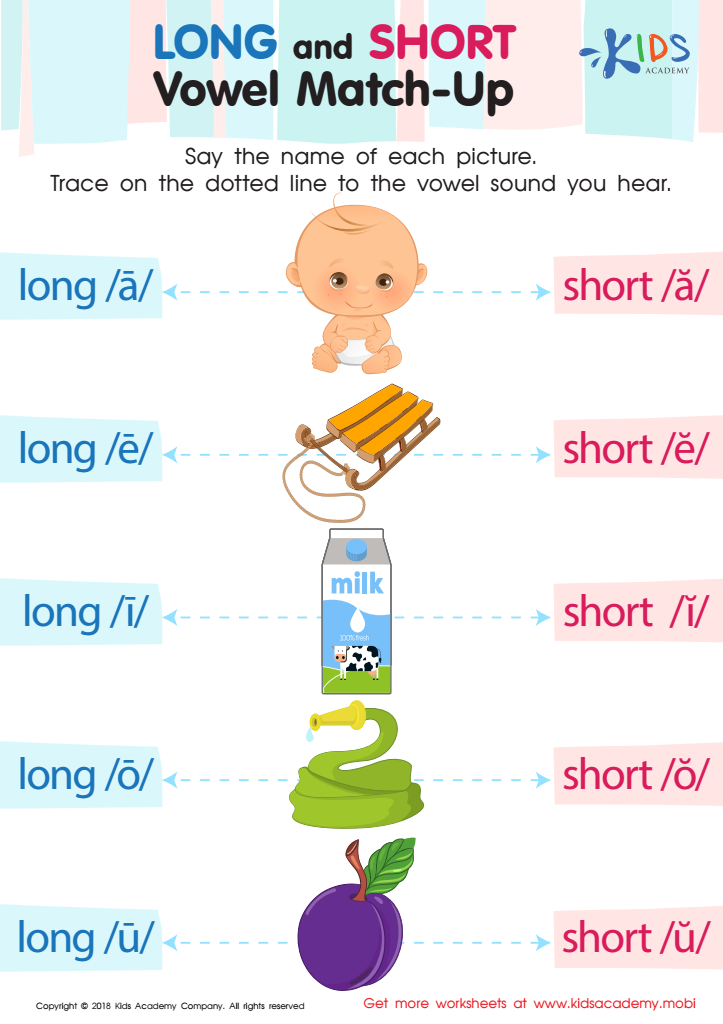
Long and Short Vowel Match up Reading Worksheet
 Assign to My Students
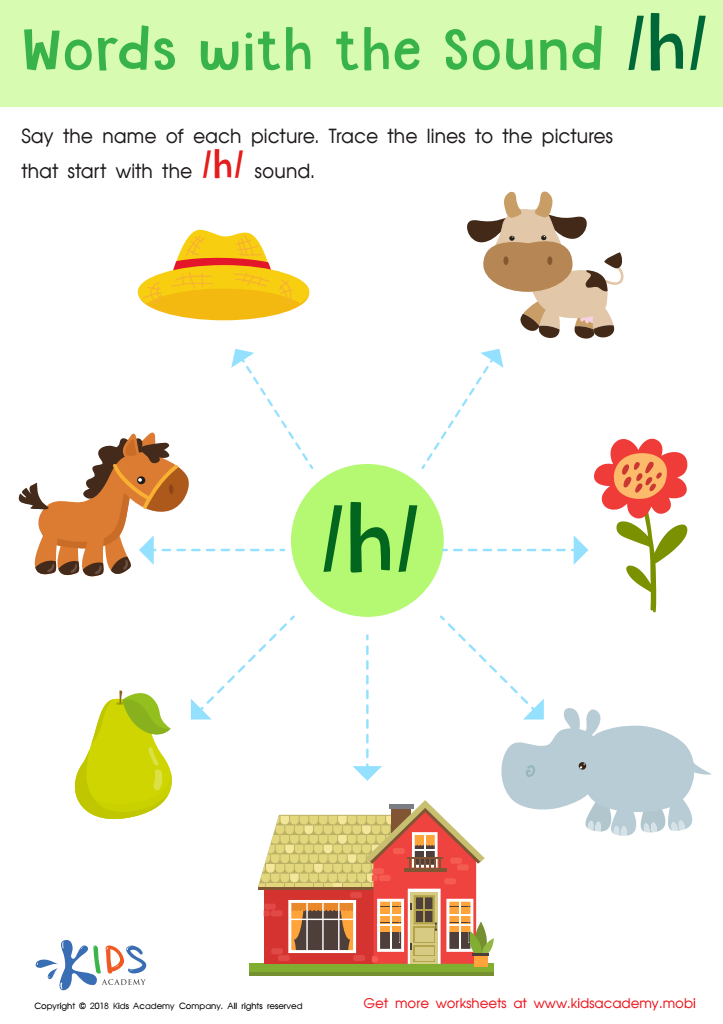
Words with sound h Reading Worksheet
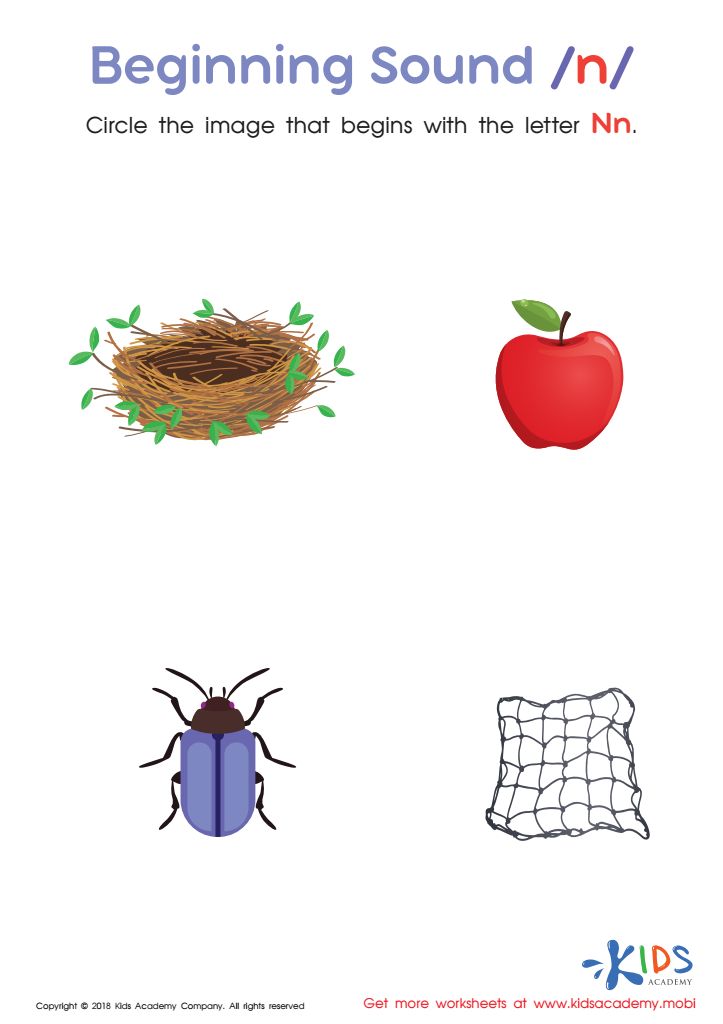
Beginning Sound «n» Worksheet
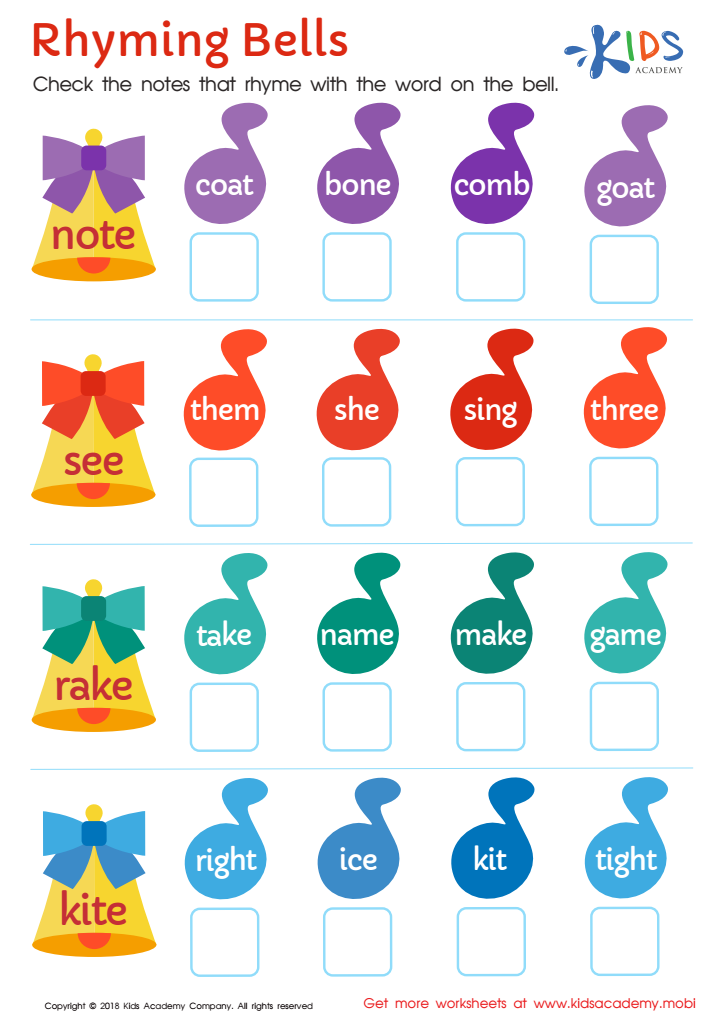
Rhyming Bells Worksheet
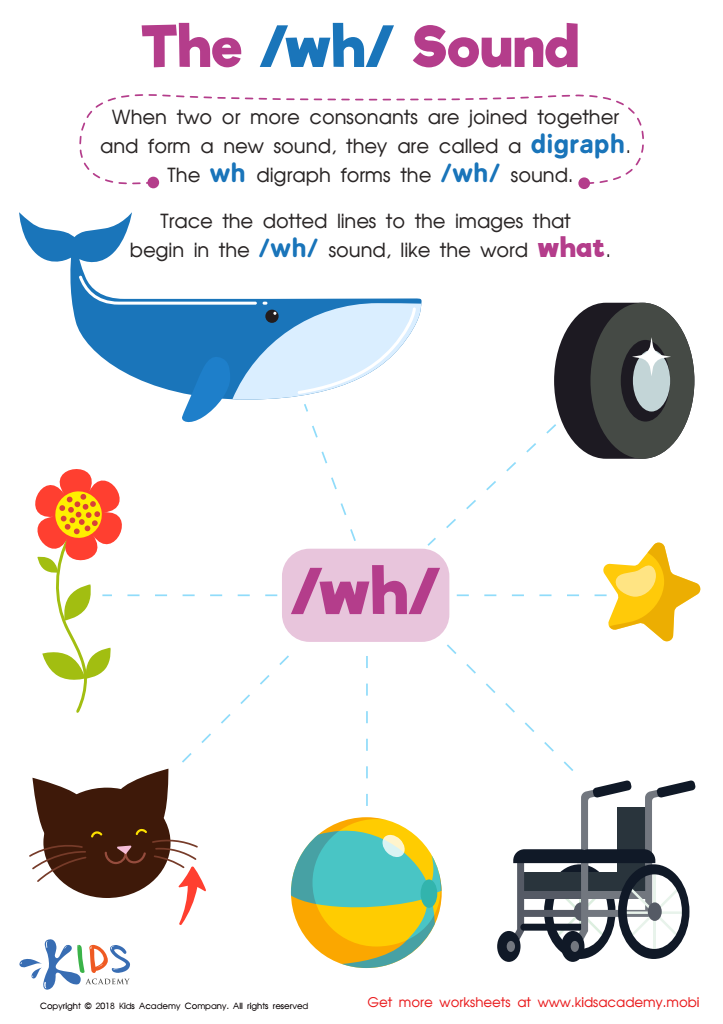
The /wh/ Sound Worksheet
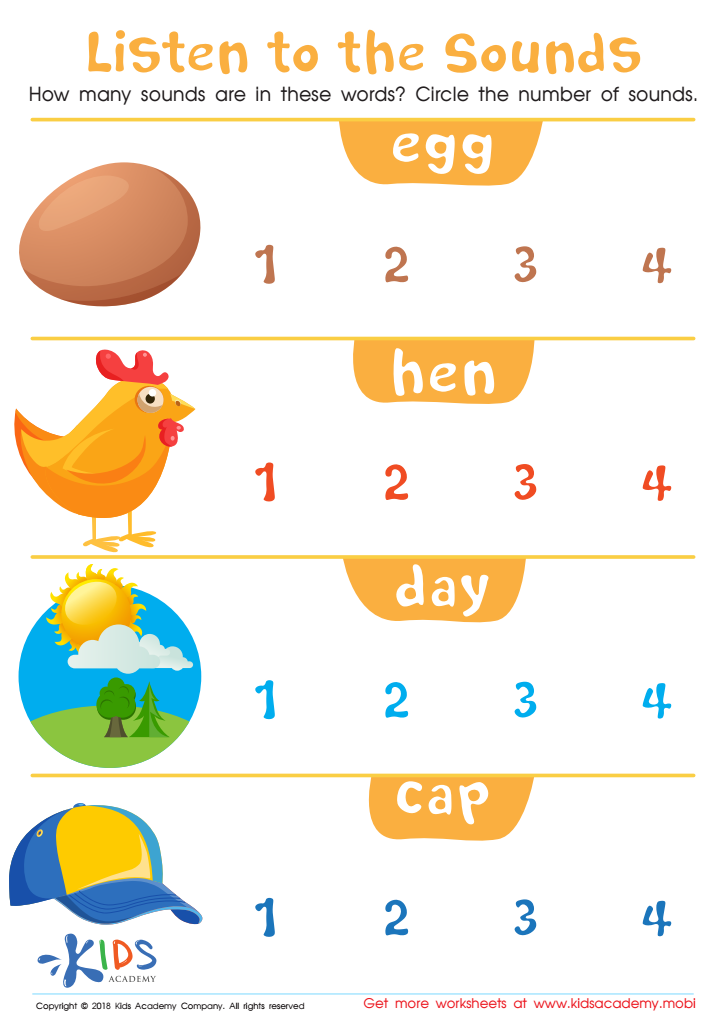
Listen to the Sounds Worksheet
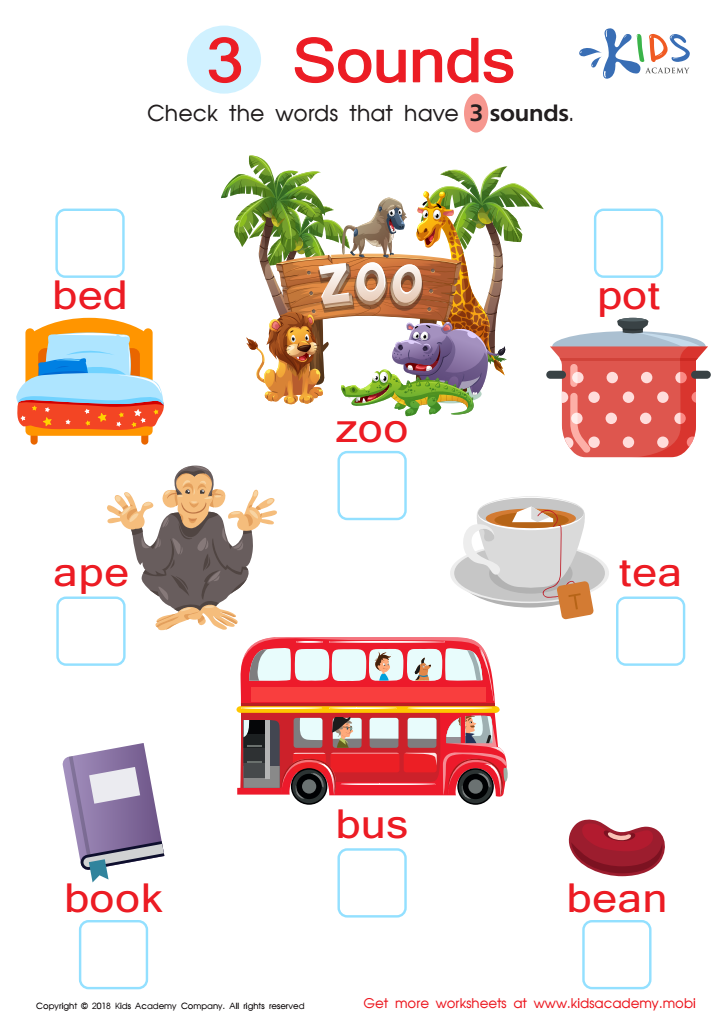
3 Sounds Worksheet
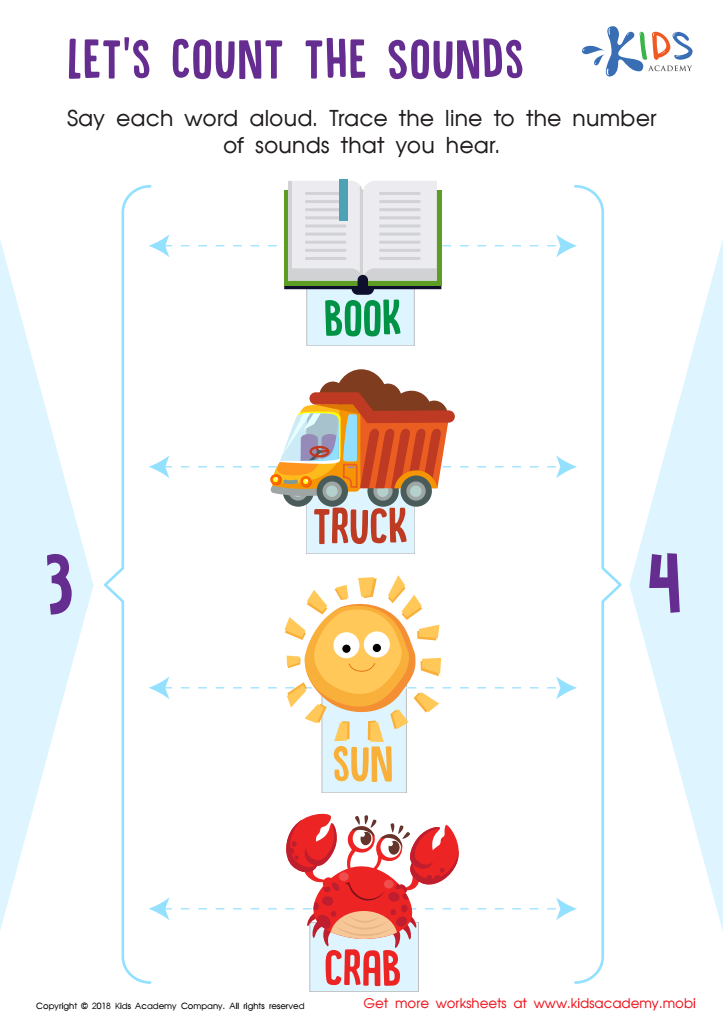
Let's Count the Sounds Worksheet
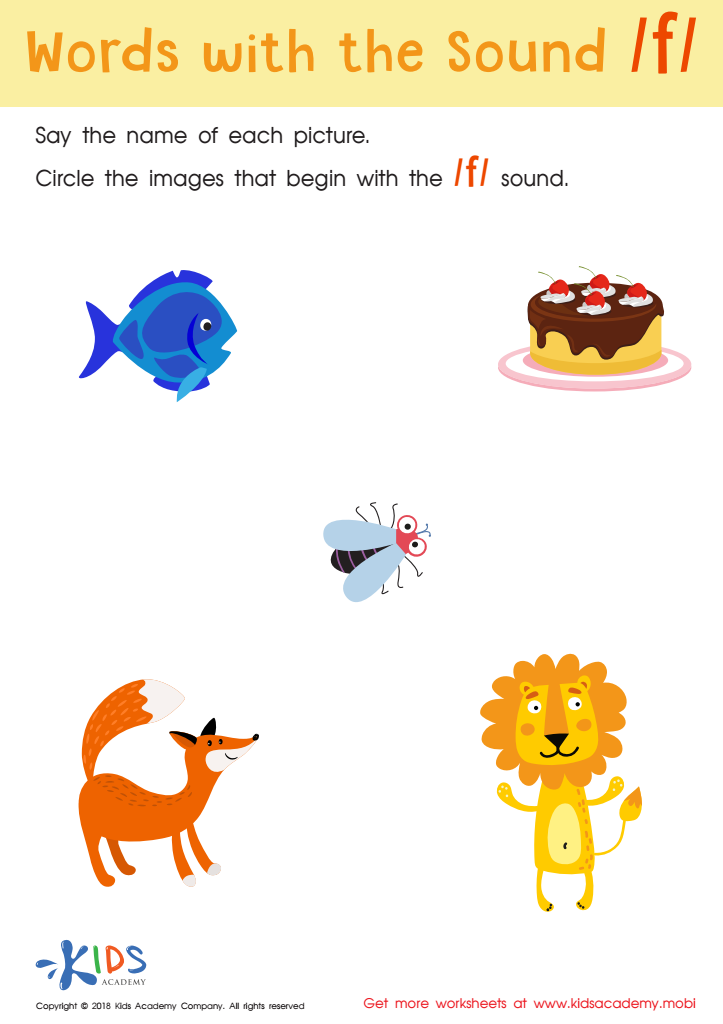
Words with sound f Reading Worksheet
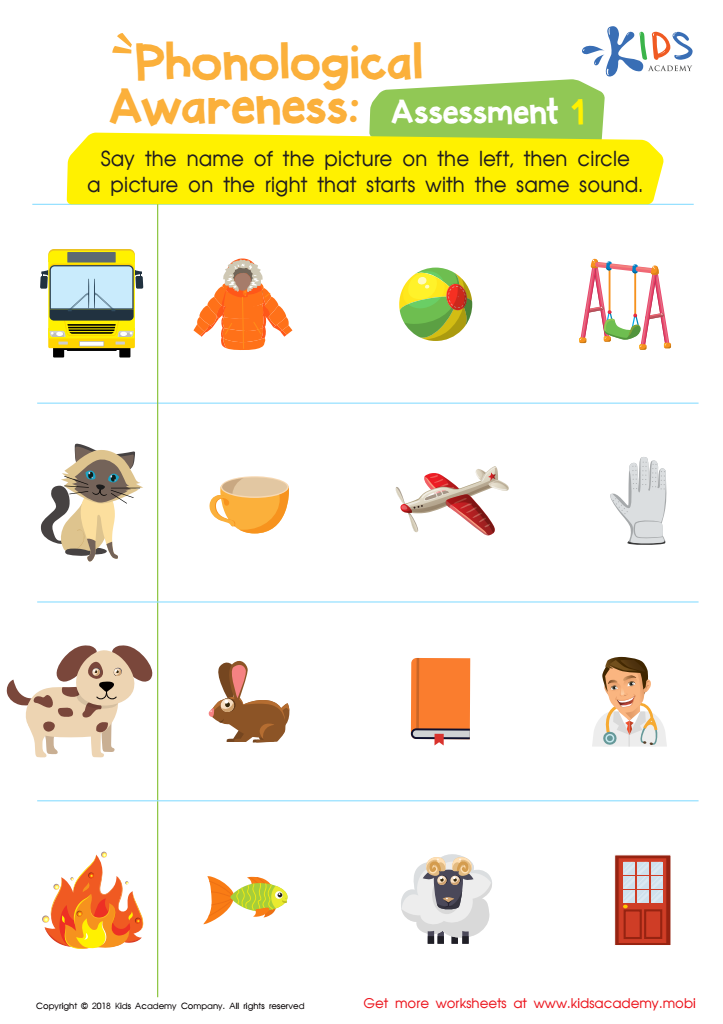
Phonological Awareness: Assessment 1 Worksheet








Sound Association Normal Phonics is crucial for children ages 6-7 because it sets the foundation for successful reading and writing skills. At this developmental stage, young learners are particularly keen to absorb new information, making it an ideal time to introduce phonics. Phonics, which emphasizes the relationship between sounds and their corresponding letters, helps children decode and understand the written language.
Parents and teachers should care about this because a strong grasp of phonics directly impacts a child’s ability to read fluently and comprehend text. When children understand how to match letters with their respective sounds, they can effectively sound out words, making their reading experience smoother and more enjoyable. This early confidence in reading can foster a love for learning that will benefit them throughout their education.
Moreover, mastering phonics can improve spelling skills, as children learn to recognize patterns in words. This can boost their ability to write clearly and correctly. Additionally, research has shown that children who excel in phonics often achieve higher results in standard literacy assessments and continue to perform well academically in later years. Therefore, ensuring young learners grasp sound association through regular, structured phonics education is critical to their overall academic success.







