Spelling practice Normal Phonics Worksheets for Ages 6-7 - Page 2
42 filtered results
-
From - To
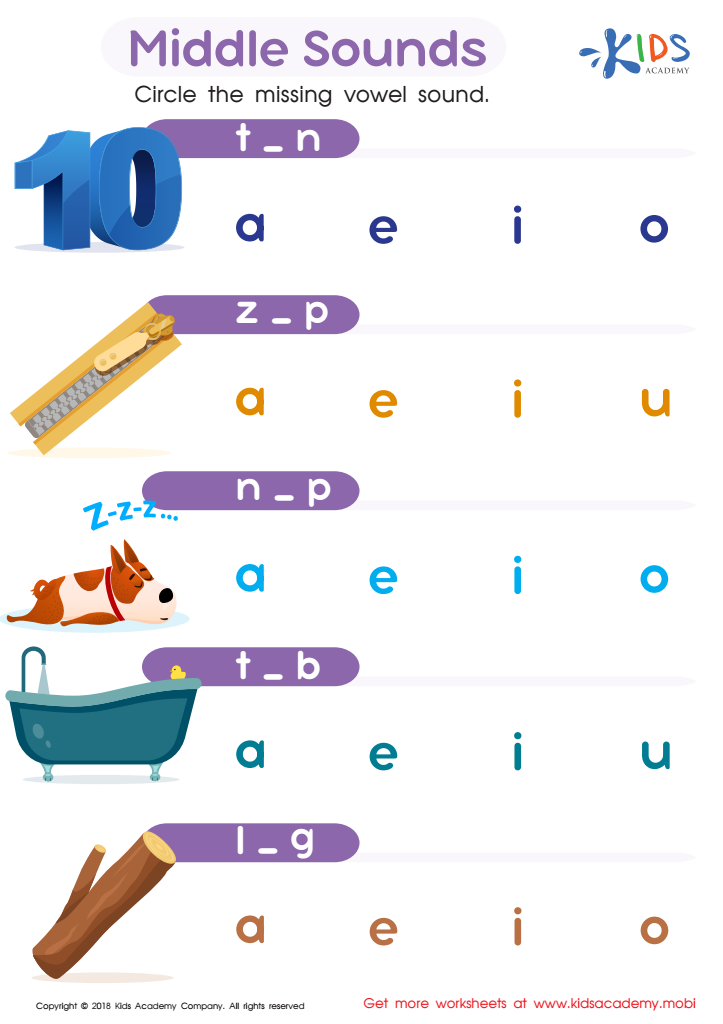
Middle Sounds Worksheet
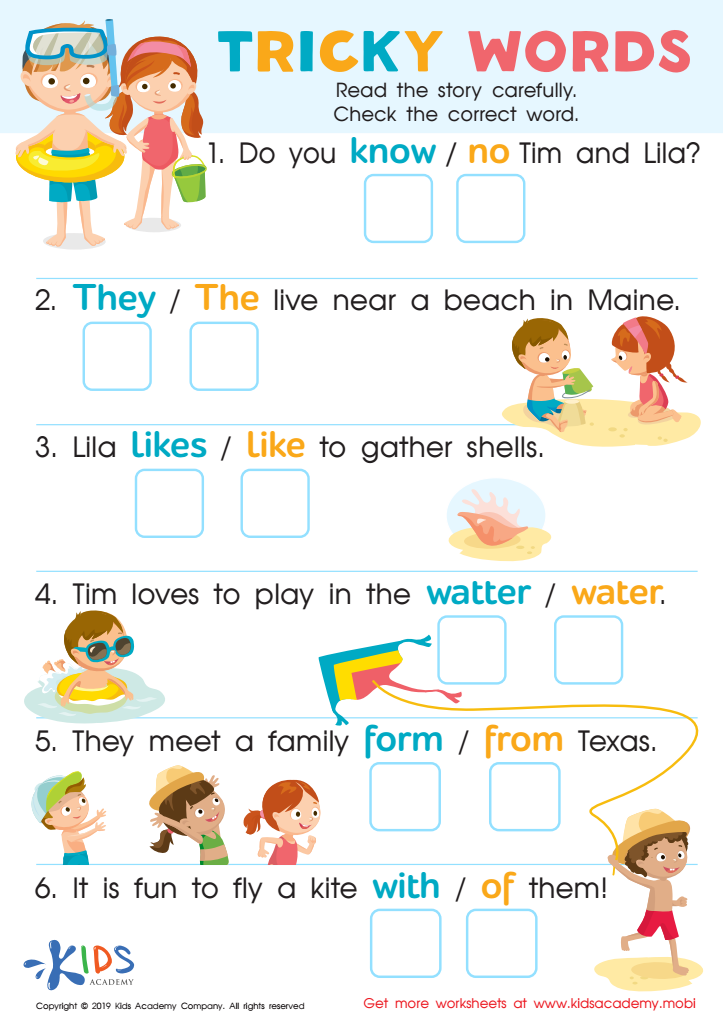
Tricky Words Worksheet
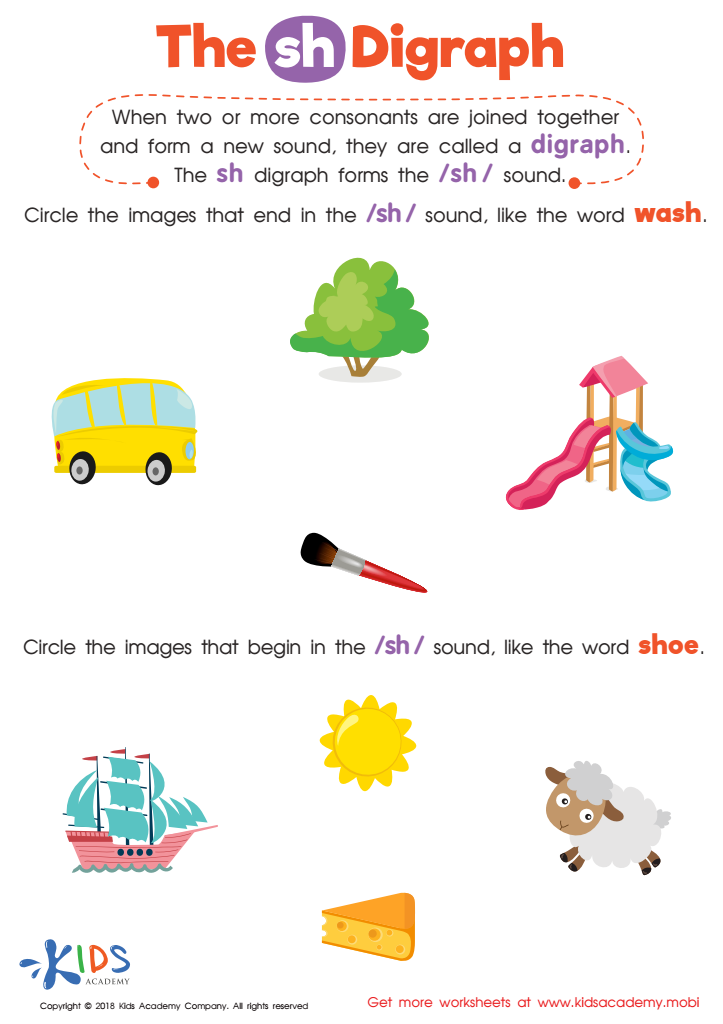
The SH Digraph Worksheet
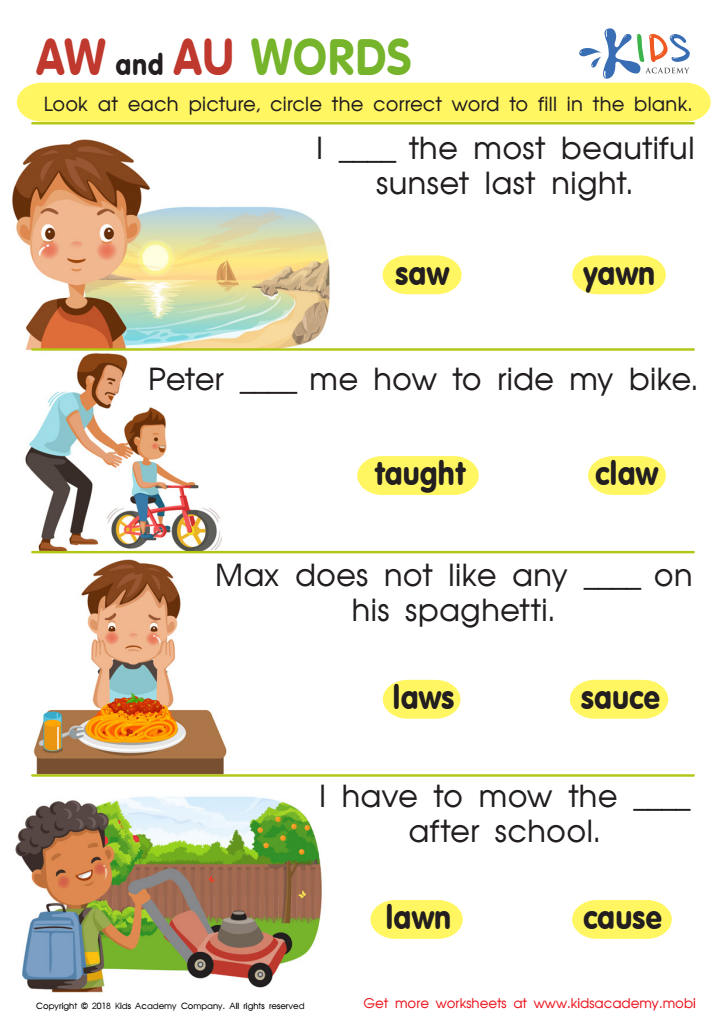
Reading: AW and AU Words Worksheet
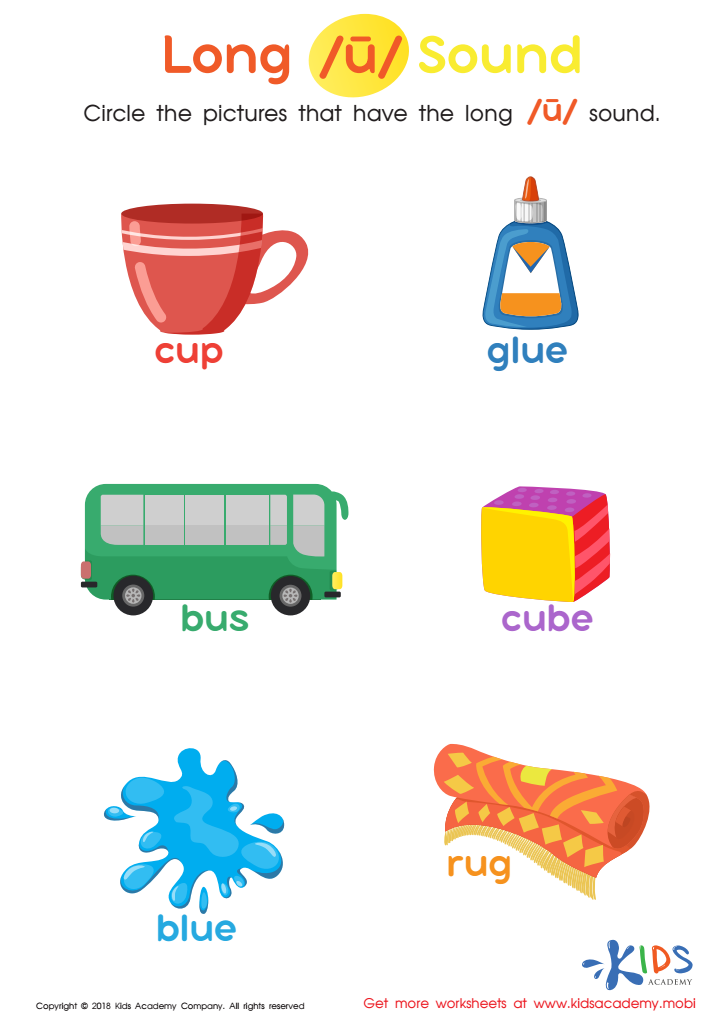
Long «u» Sound Worksheet
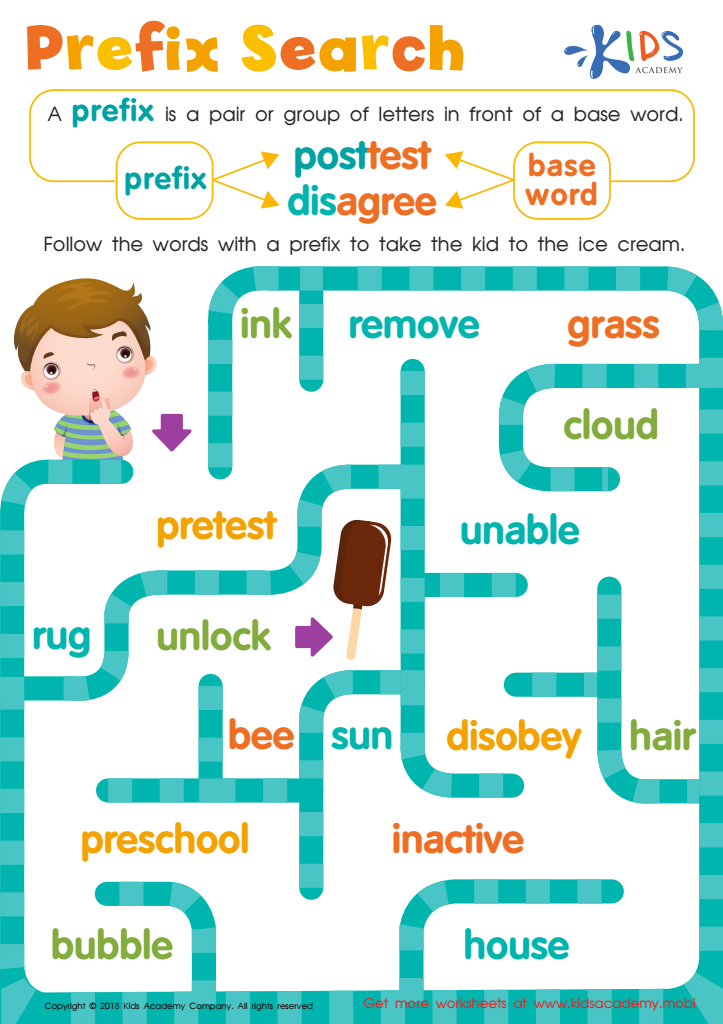
Reading: Prefix Search Worksheet
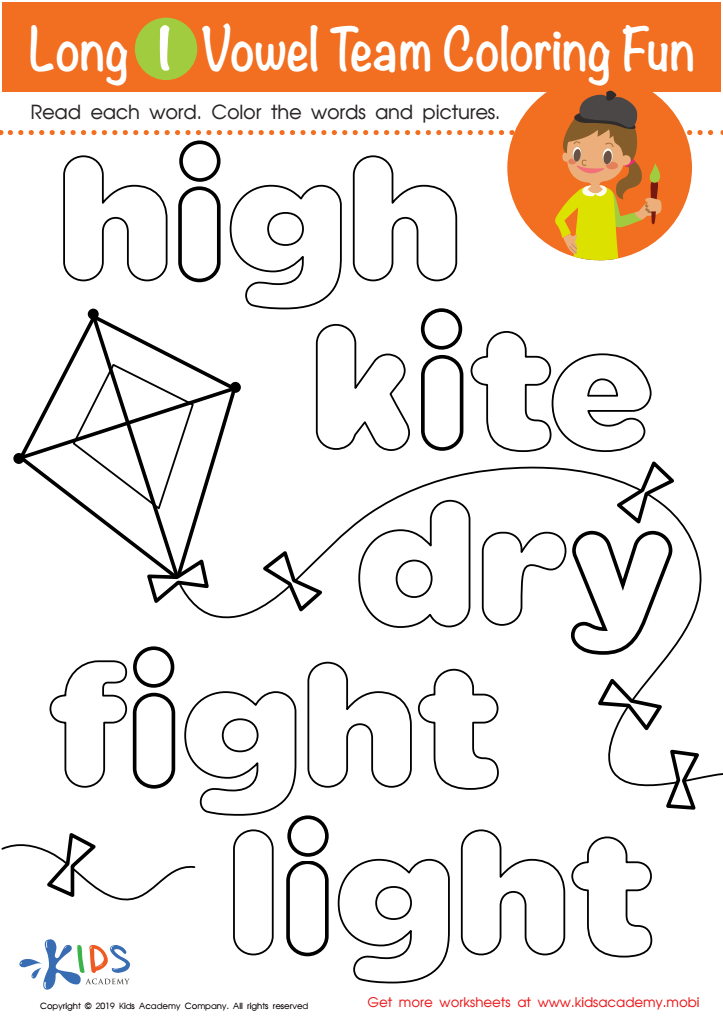
Long I Vowel Team Coloring Worksheet
 Assign to My Students
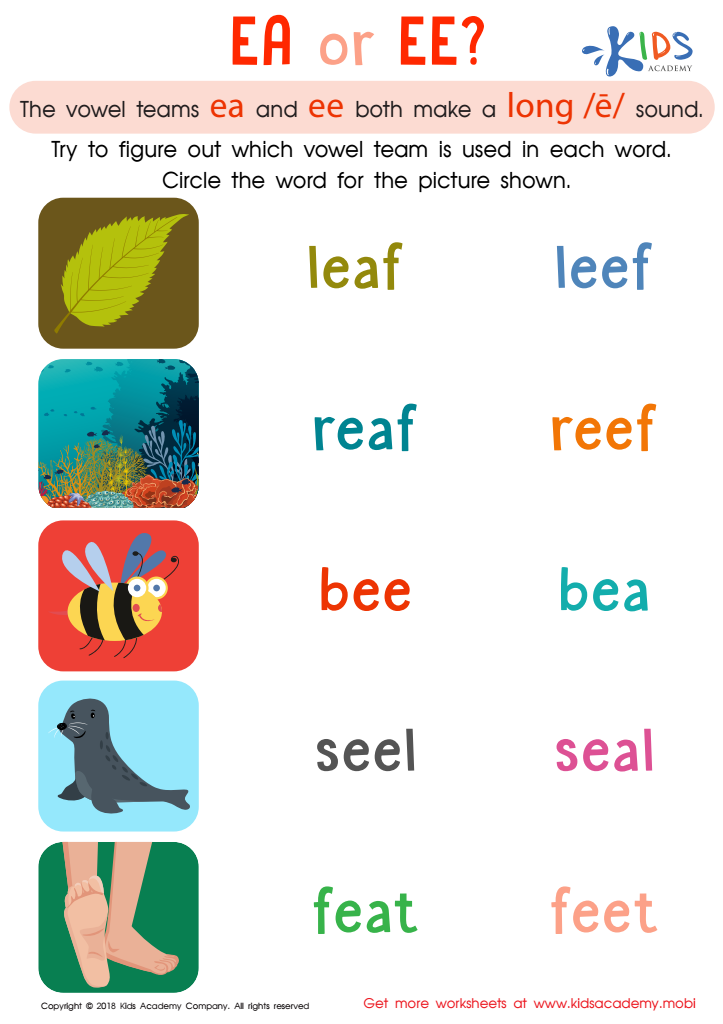
Reading: EA and EE Worksheet
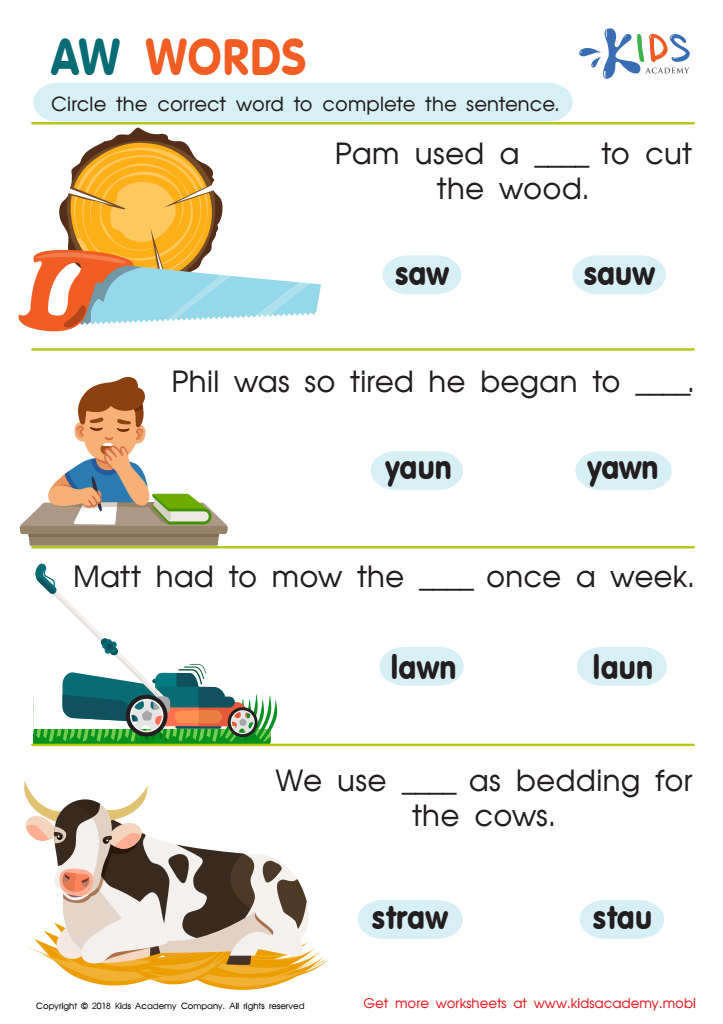
Reading: AW Words Worksheet
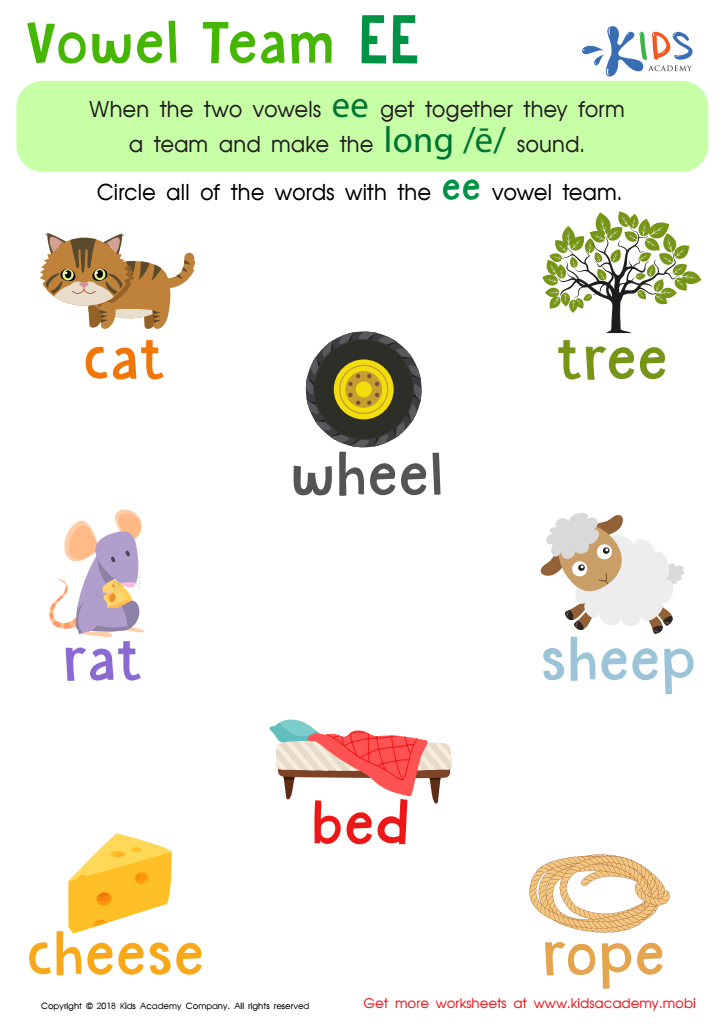
Reading: Vowel Team EE Worksheet
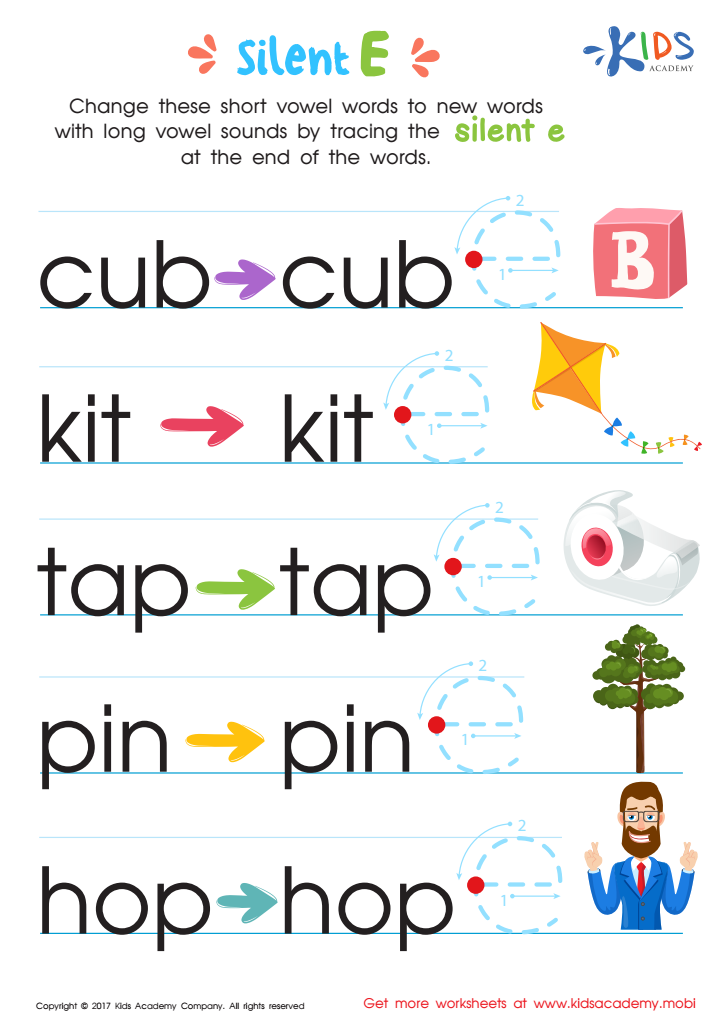
Silent E Words Worksheet
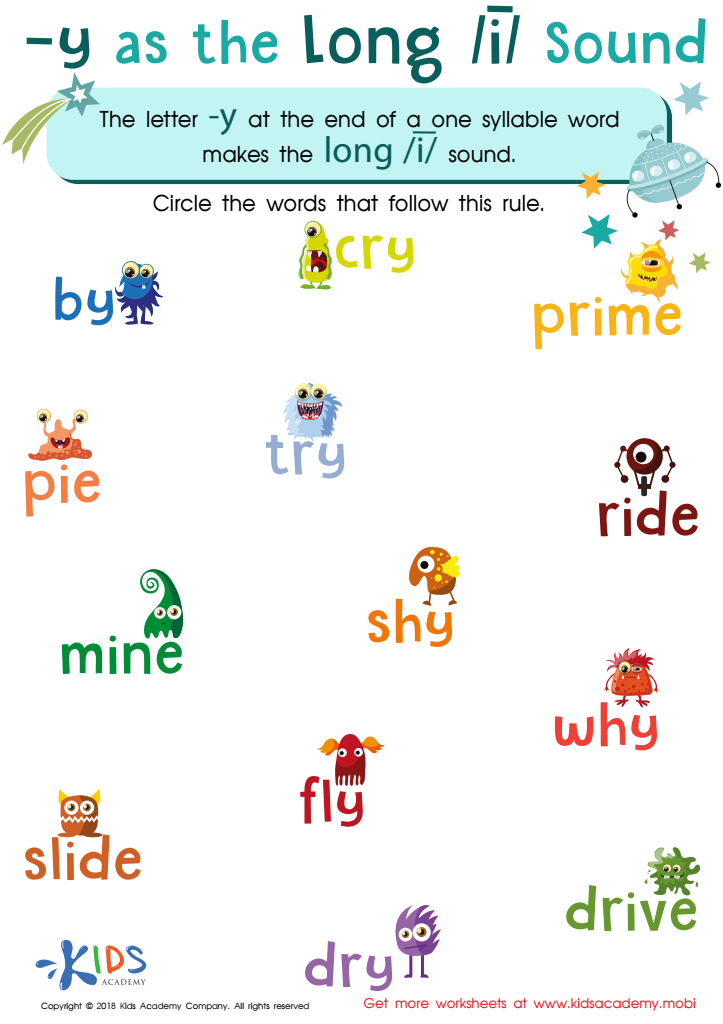
Reading: Y as Long I Worksheet
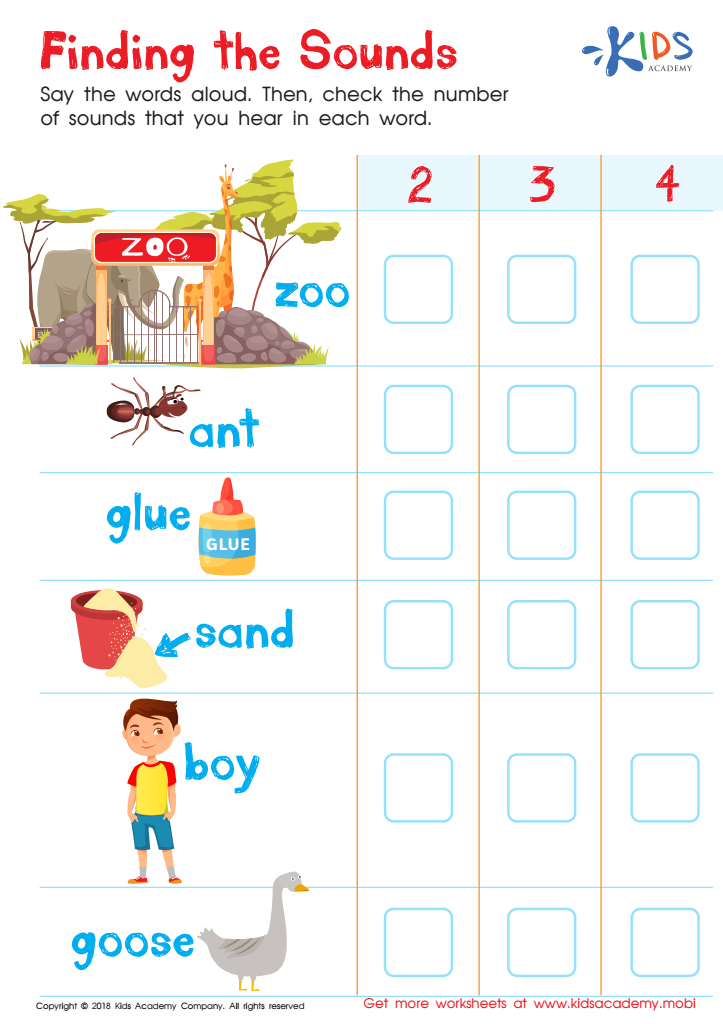
Finding the Sounds Worksheet
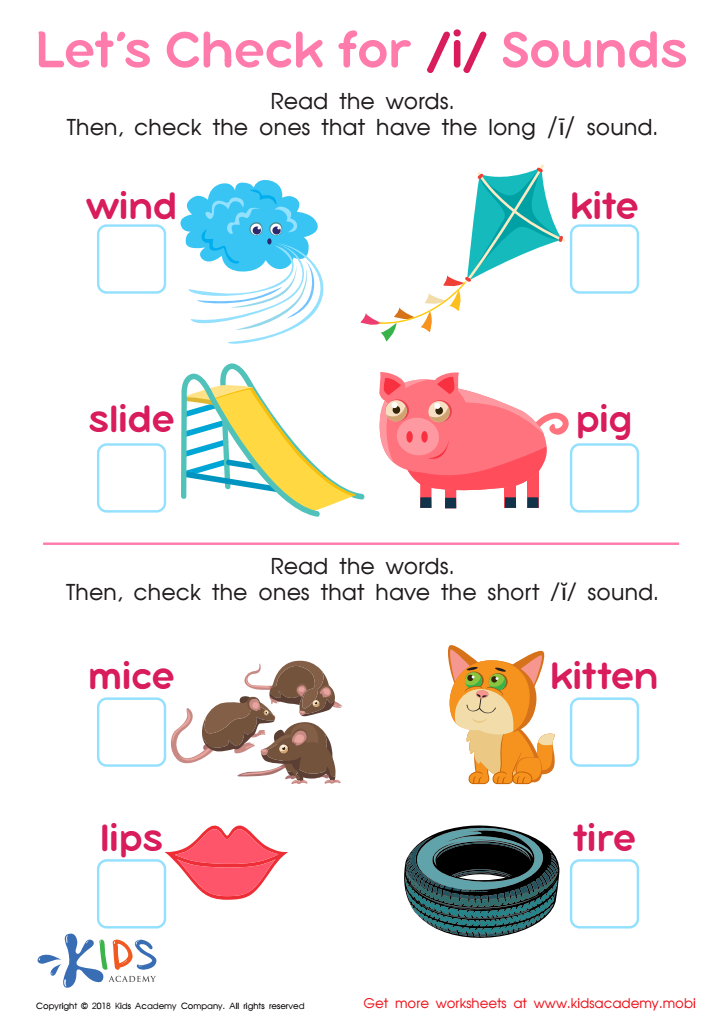
Let's Check for «i» Sounds Worksheet
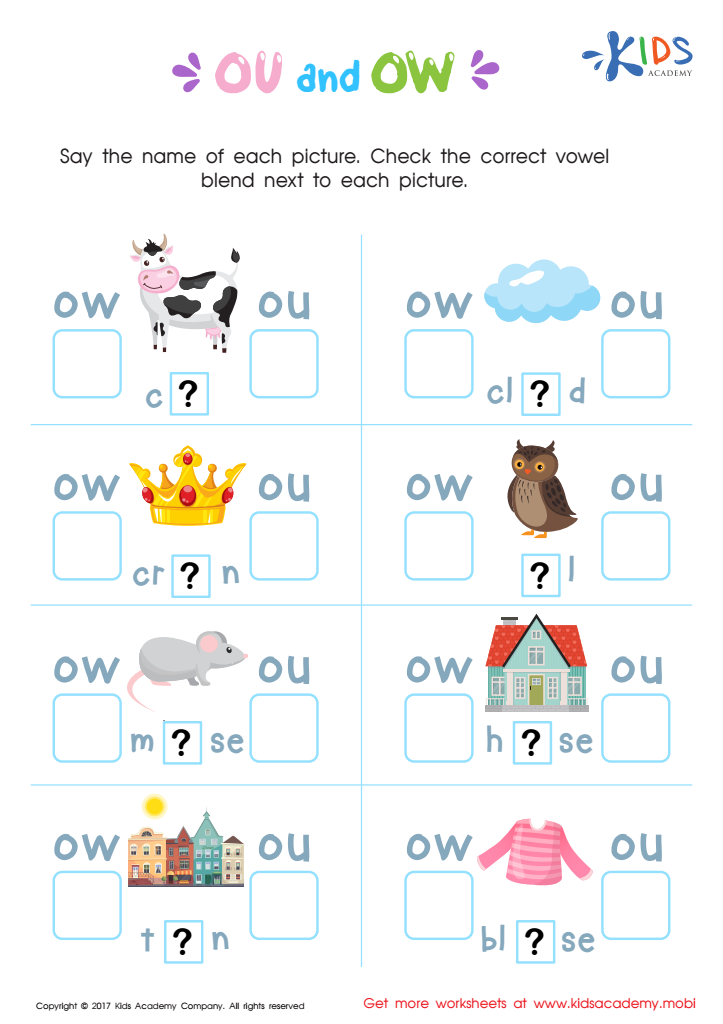
OU and OW Words Worksheet
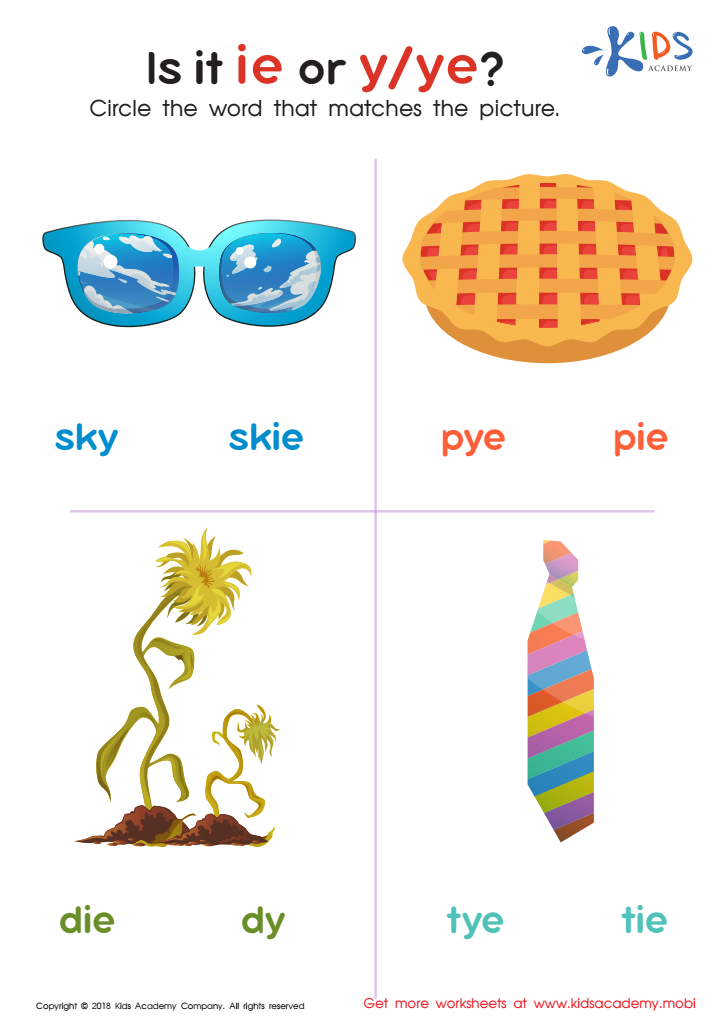
Is It IE or Y/Ye? Worksheet
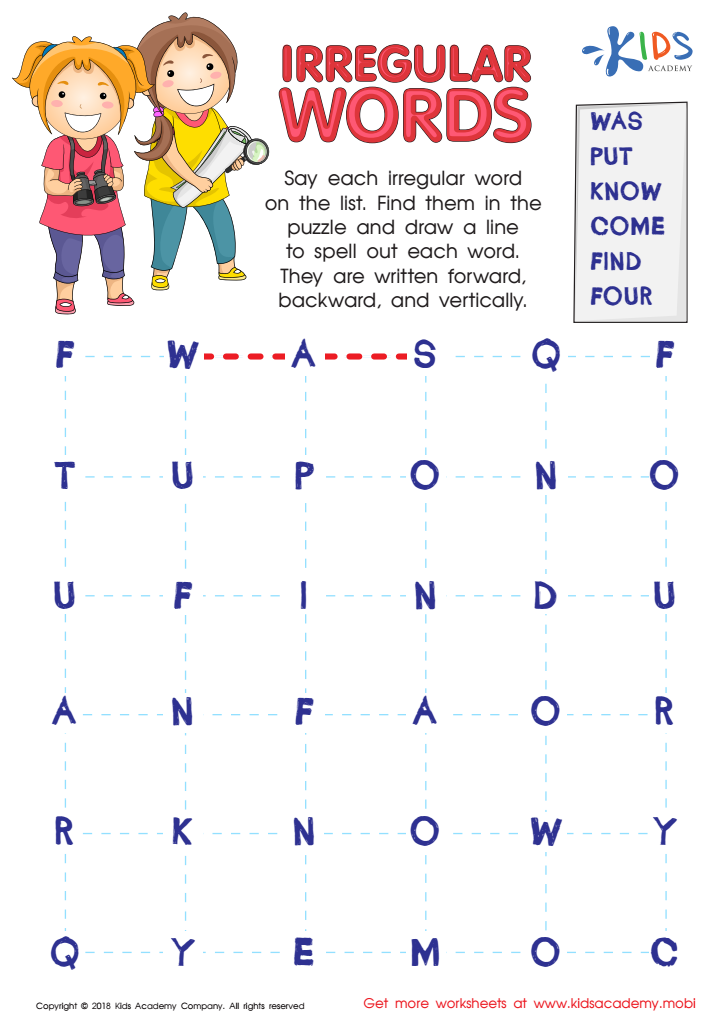
Irregular Words Worksheet
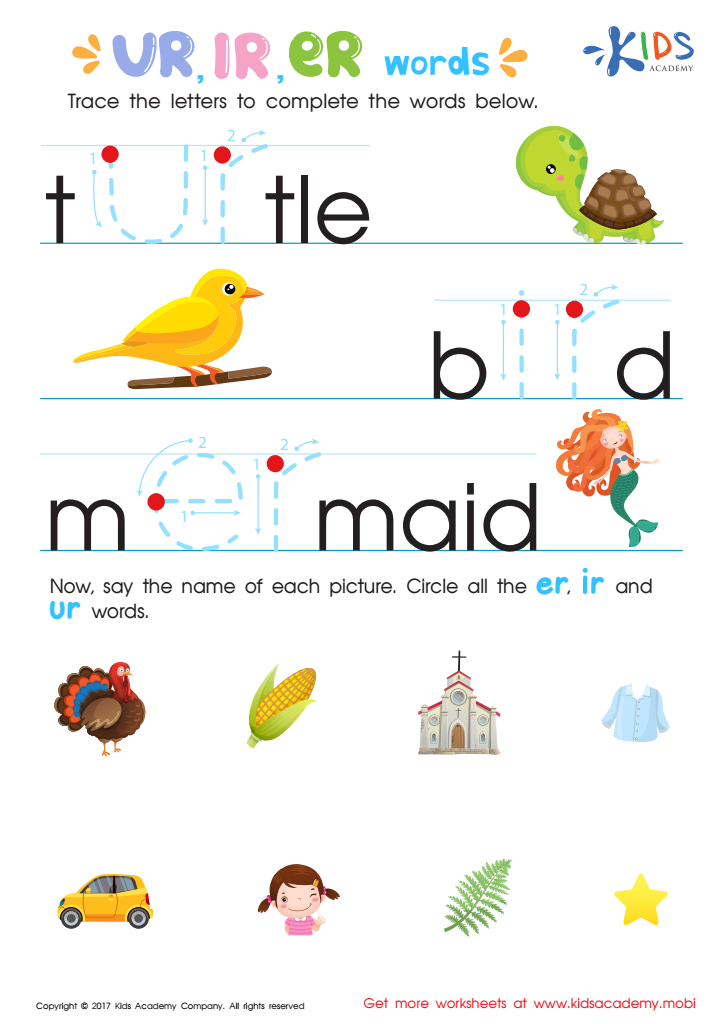
IR UR ER Words Worksheet








Parents and teachers should prioritize spelling practice, particularly through Normal Phonics, for children aged 6-7 because it lays a critical foundation for literacy development. At this age, children are actively learning to read and write, and effective phonics instruction provides them with the tools to decode words accurately. Normal Phonics emphasizes sound-letter relationships, which helps children understand how to break down words into their basic components.
This not only enhances their spelling abilities but also bolsters their reading fluency and comprehension. As students become confident spellers, they are more likely to tackle new texts, thus expanding their vocabulary and love for reading. Moreover, strong spelling skills enable children to express themselves clearly in writing, which is essential for academic success across subjects.
Additionally, engaging in spelling practice can be a fun and interactive experience, allowing parents and teachers to create enjoyable learning environments. This can instill a lifelong passion for literacy in children. Furthermore, with consistent practice, students can reduce anxiety related to writing tasks, ensuring they are better equipped for future learning challenges. Investing in Normal Phonics spelling practices supports not only immediate academic growth but also long-term educational outcomes, making it vital for healthy development in young learners.







