Addition Practice Normal Worksheets for Ages 6-7 - Page 2
36 filtered results
-
From - To
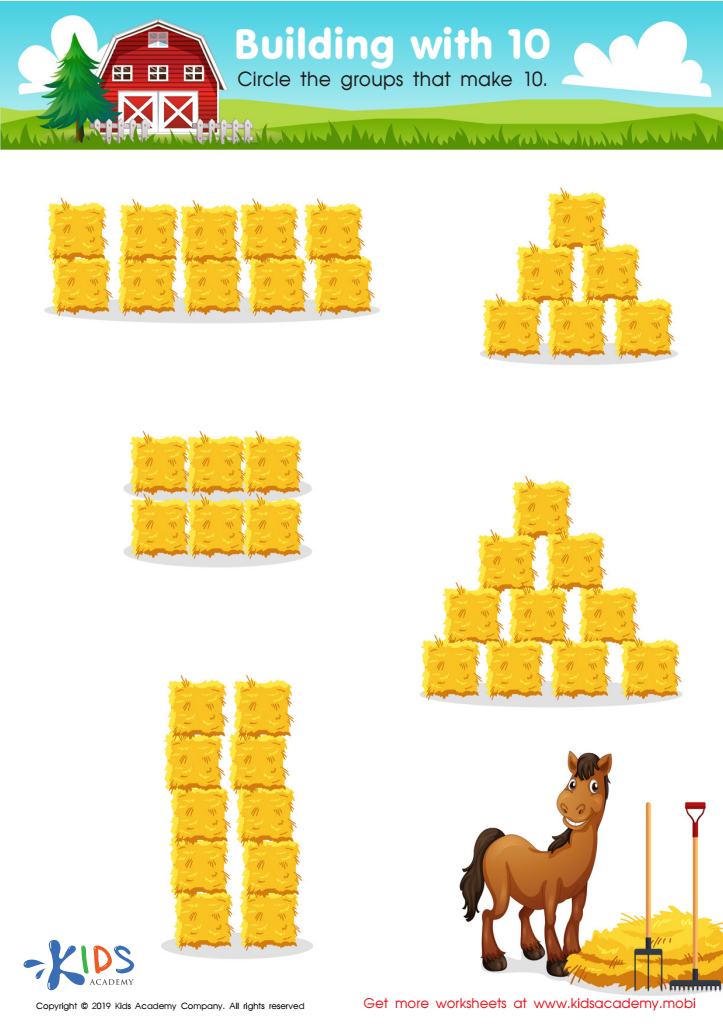
Building with 10 Worksheet
 Assign to My Students
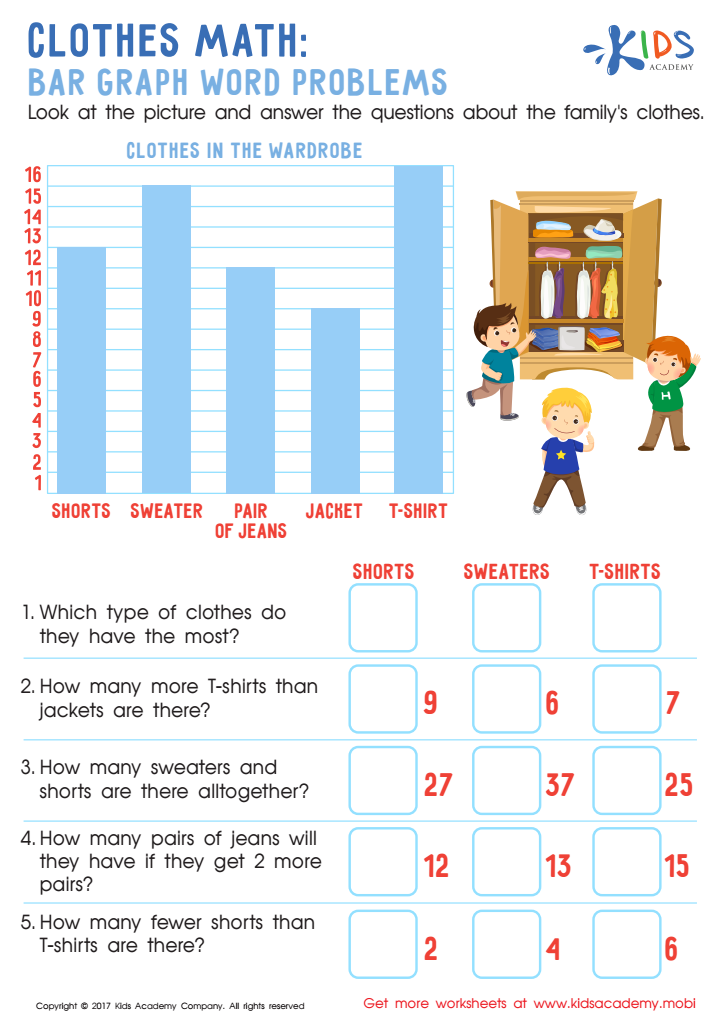
Clothes Math: Bar Graph Word Problems Worksheet
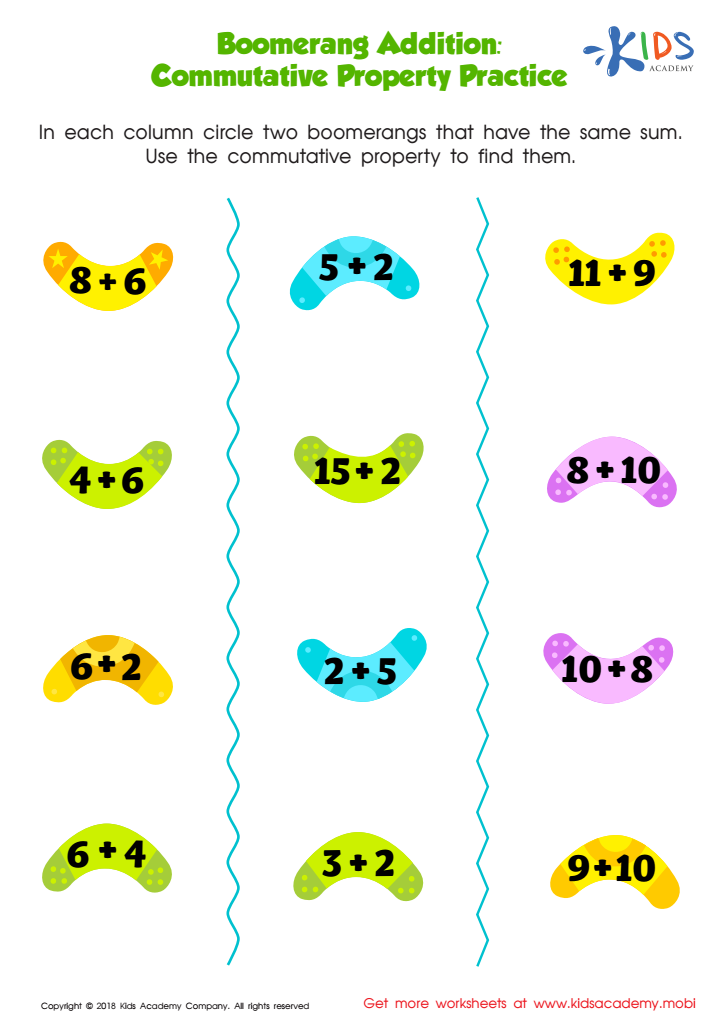
Boomerang Addition Worksheet
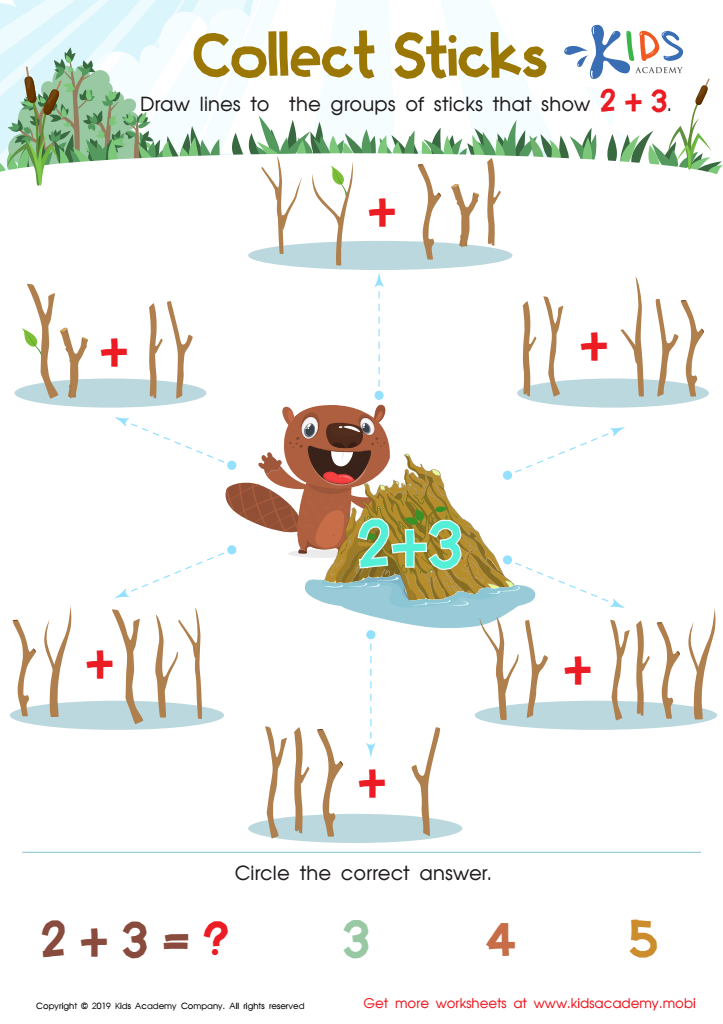
Collect Sticks Worksheet
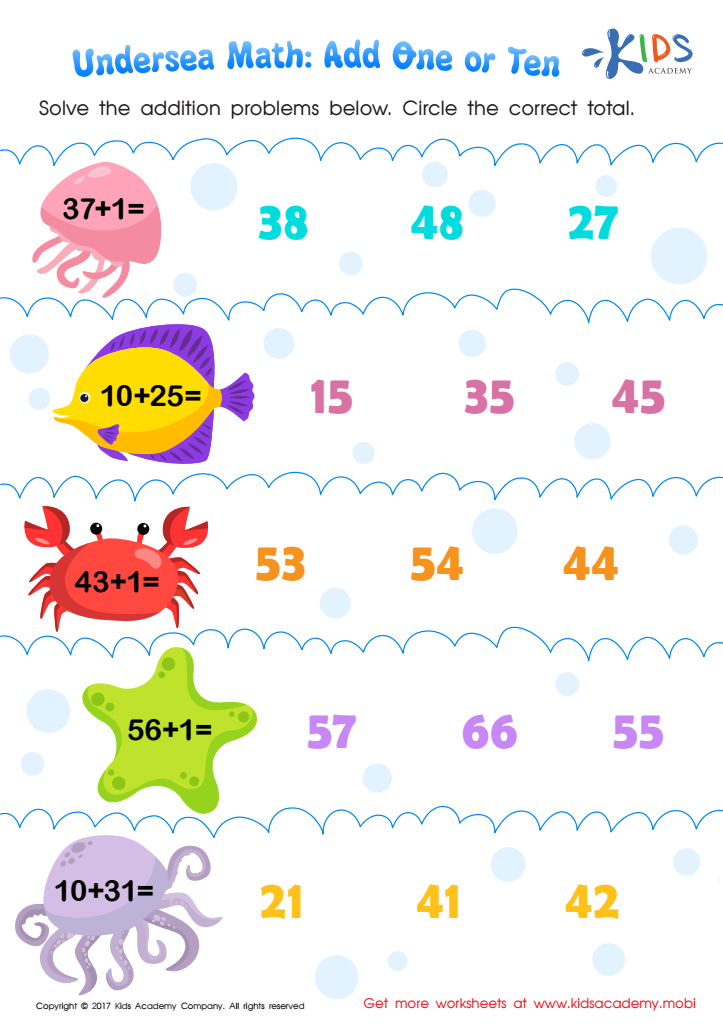
Undersea Math Worksheet
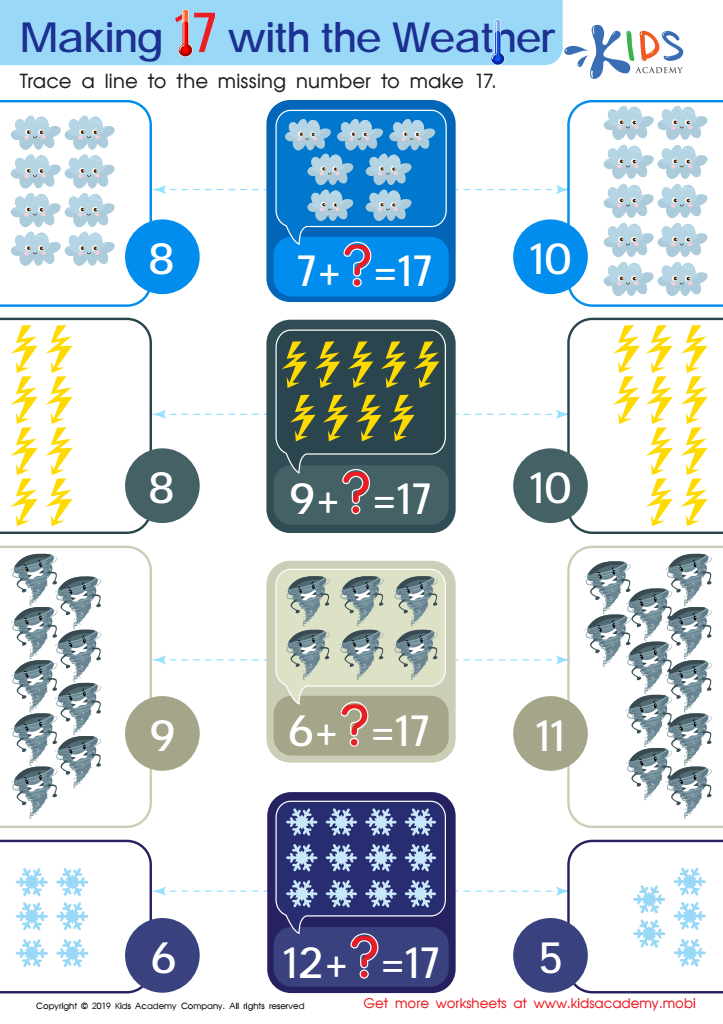
Making 17 with the Weather Worksheet
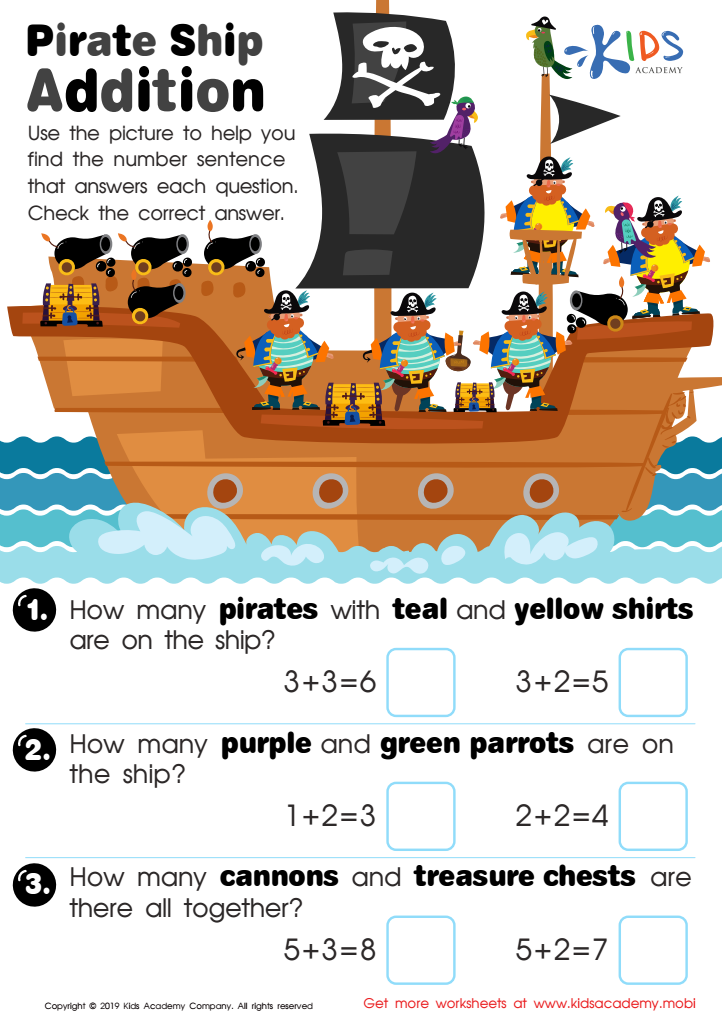
Pirate Ship Addition Worksheet
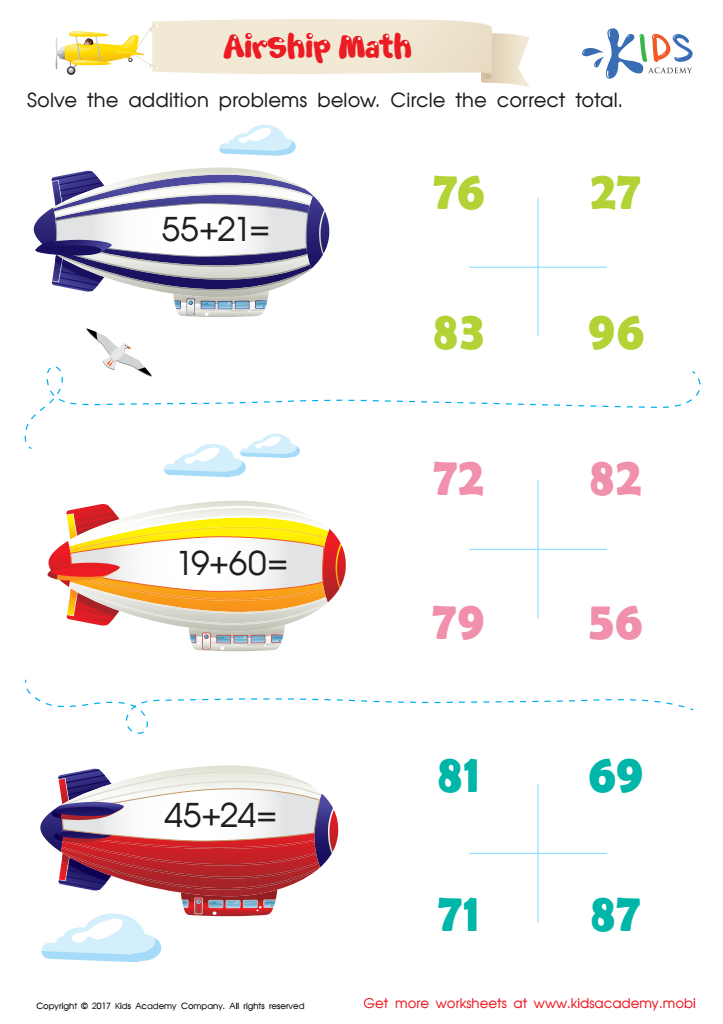
Airship Math Addition Printable
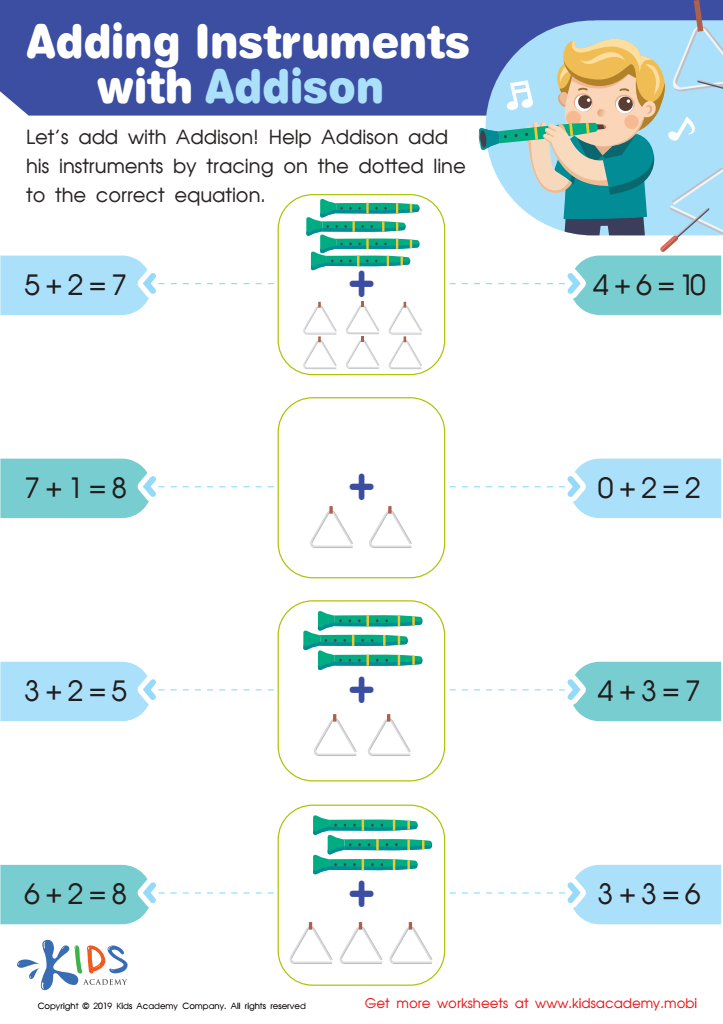
Adding Instruments with Addison Worksheet
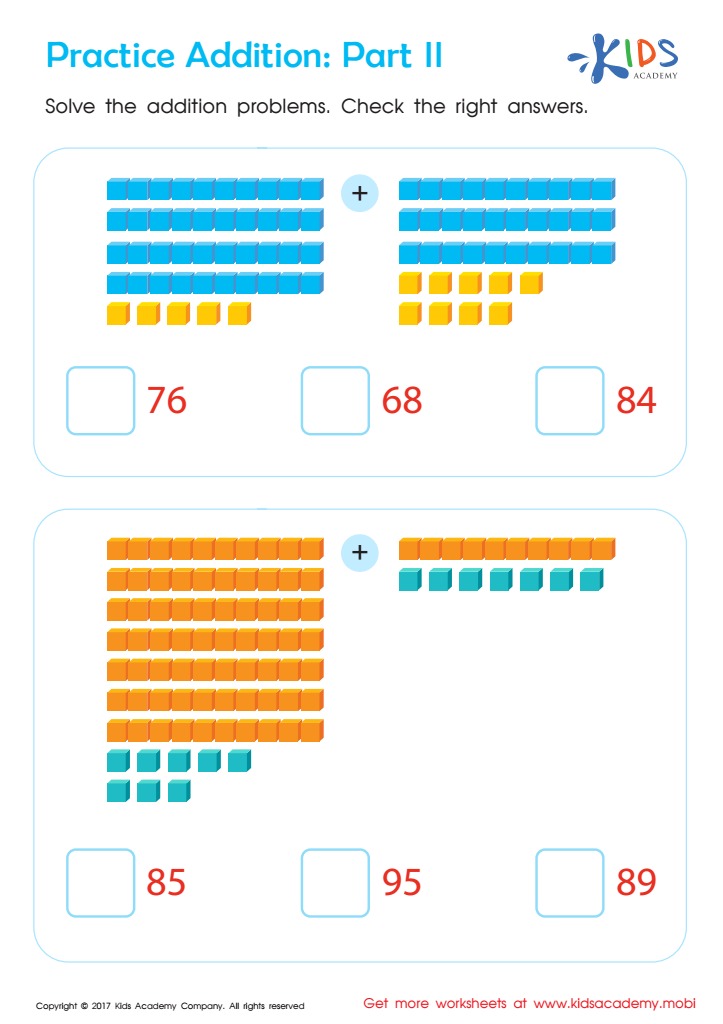
Practice Addition: Part 2 Worksheet
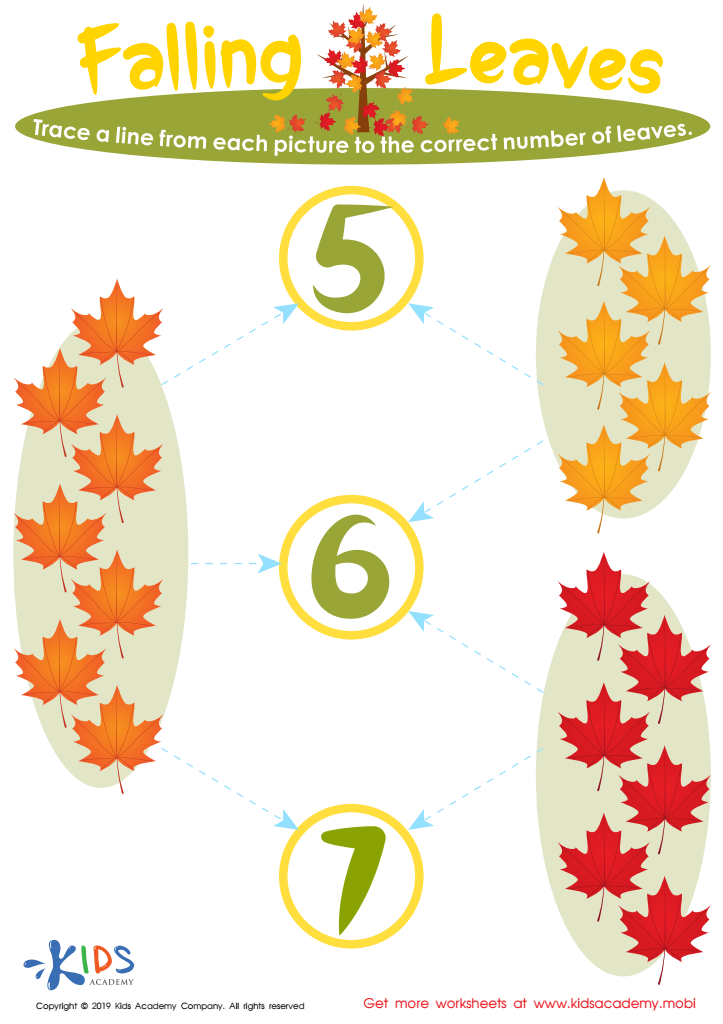
Falling Leaves Worksheet
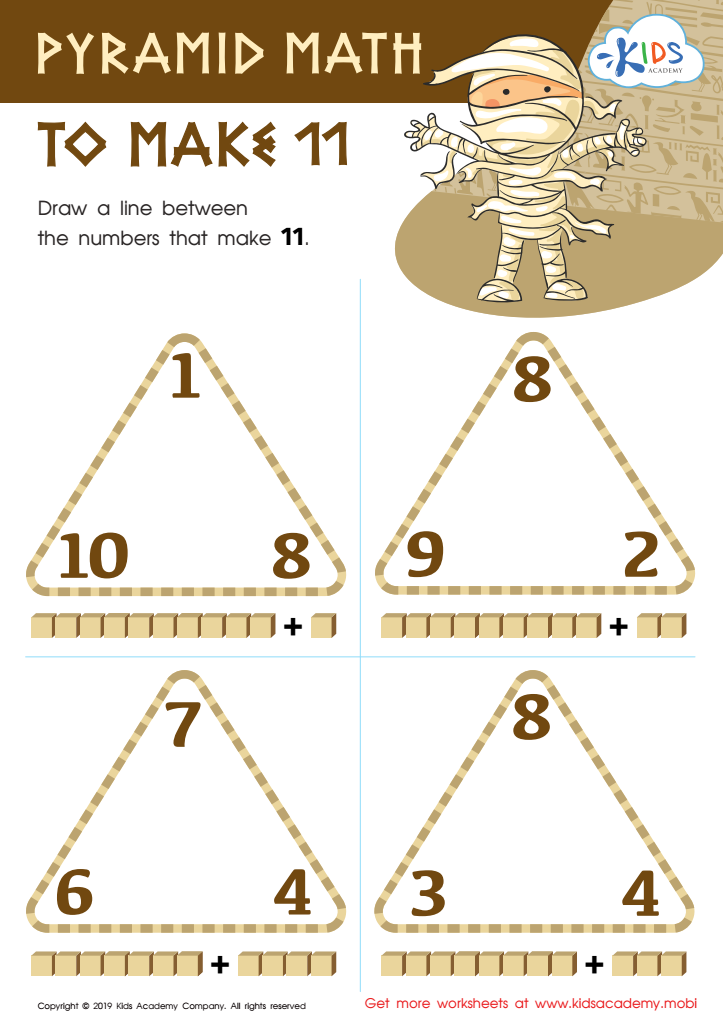
Pyramid Math to Make 11 Worksheet








Addition practice is fundamental for children ages 6-7 because these early years are a critical period for building a strong mathematical foundation. At this stage, children are developing their understanding of numbers and how they interact, making addition an essential skill in progressing towards more complex math concepts.
Parents and teachers should care about consistent addition practice, as it enhances number sense—a necessary skill for accurate calculations and problem-solving. When children engage in addition activities regularly, they build automaticity, which allows them to recall basic math facts quickly and allocate cognitive resources to higher-order mathematical thinking.
Moreover, addition practice boosts confidence as children see their own progress and gain mastery over time. This self-assurance spills over into other areas of learning, nurturing a positive attitude towards challenges. Regular practice also supports children's ability to collaborate effectively in classroom settings, where shared exercises often involve basic addition problems.
Ultimately, the early mastery of addition sets the stage for future academic success. With solid foundational skills, students are better equipped to tackle multiplication, division, fractions, and algebra. Ensuring that young learners receive ample practice in addition helps in constructing a robust mathematical platform, thereby fostering lifelong numeracy skills and critical thinking abilities.








