Basic addition practice Normal Worksheets for Ages 6-7
3 filtered results
-
From - To
Enhance your child's math skills with our Basic Addition Practice Normal Worksheets tailored for ages 6-7. These well-designed worksheets from Kids Academy offer engaging activities perfect for first graders, helping them to master fundamental addition concepts while having fun. Each worksheet is crafted to build confidence and accuracy in solving basic addition problems. Ideal for both classroom learning and home practice, our resources support young learners in developing strong foundational math skills through interactive exercises. Give your child the tools they need to succeed in math with these effective and enjoyable worksheets!
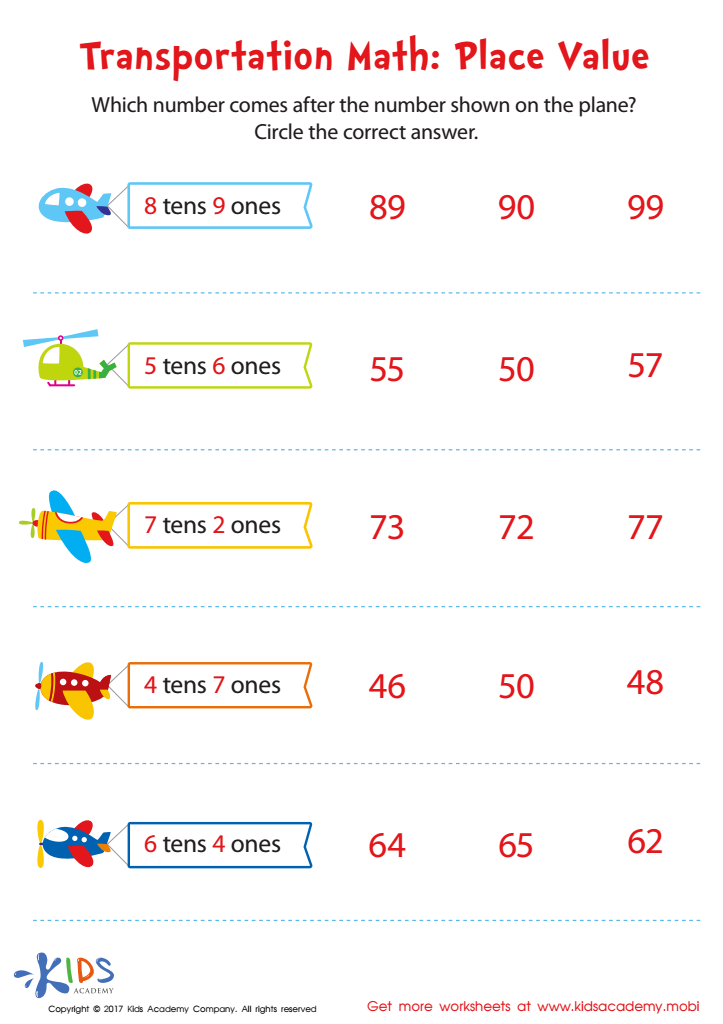
Transportation Math Printable
 Assign to My Students
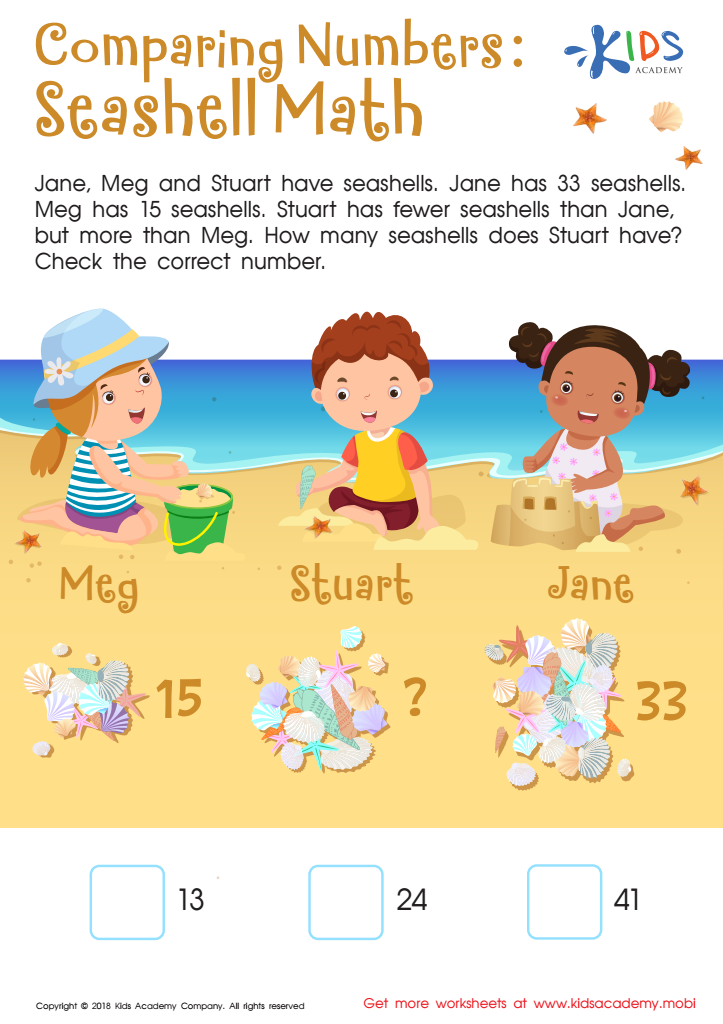
Seashell Collectors Worksheet
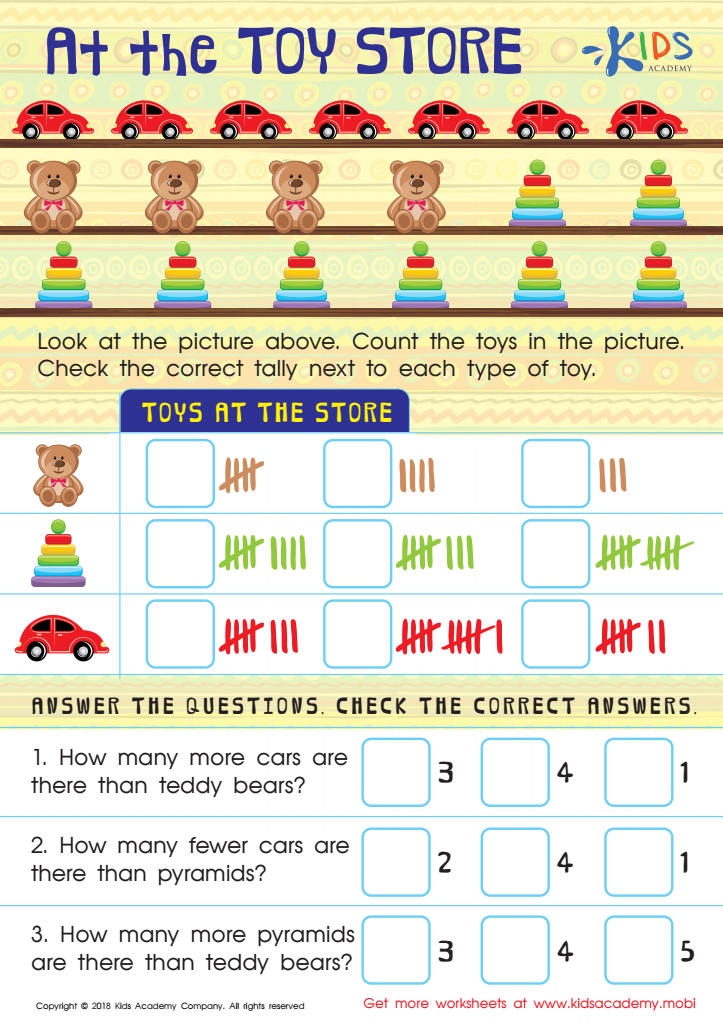
Tally Chart: At the Toy Store Worksheet








Basic addition practice is crucial for children aged 6-7 as it forms the cornerstone of their mathematical development. At this age, young learners are just starting to understand numbers and their relationships, which makes it the ideal time to introduce foundational math skills like addition.
Practicing basic addition helps children develop number sense, which is the ability to understand, relate, and connect numbers. This skill set is fundamental for future math concepts that will be more complex. By engaging in frequent addition exercises, children learn to recognize patterns, enhance memory, and develop problem-solving skills.
Additionally, confidence plays a significant role in a child's educational journey. When kids frequently practice and master basic addition, they gain self-confidence which promotes a positive attitude towards learning mathematics. This positivity can impact all academic areas, fostering an overall enthusiasm for school.
Teachers and parents should also recognize that early math skills correlate closely with later academic achievement. According to various studies, early proficiency in basic arithmetic can predict higher achievement in later grades. Therefore, ensuring that children receive adequate practice in basic addition helps lay a solid foundation for long-term academic success.
Investing time in basic addition practice offers developmental benefits, boosts confidence, and sets children up for future scholarly achievements, making it an essential part of early education.








