Basic Math Skills Normal Worksheets for Ages 6-7 - Page 2
35 filtered results
-
From - To
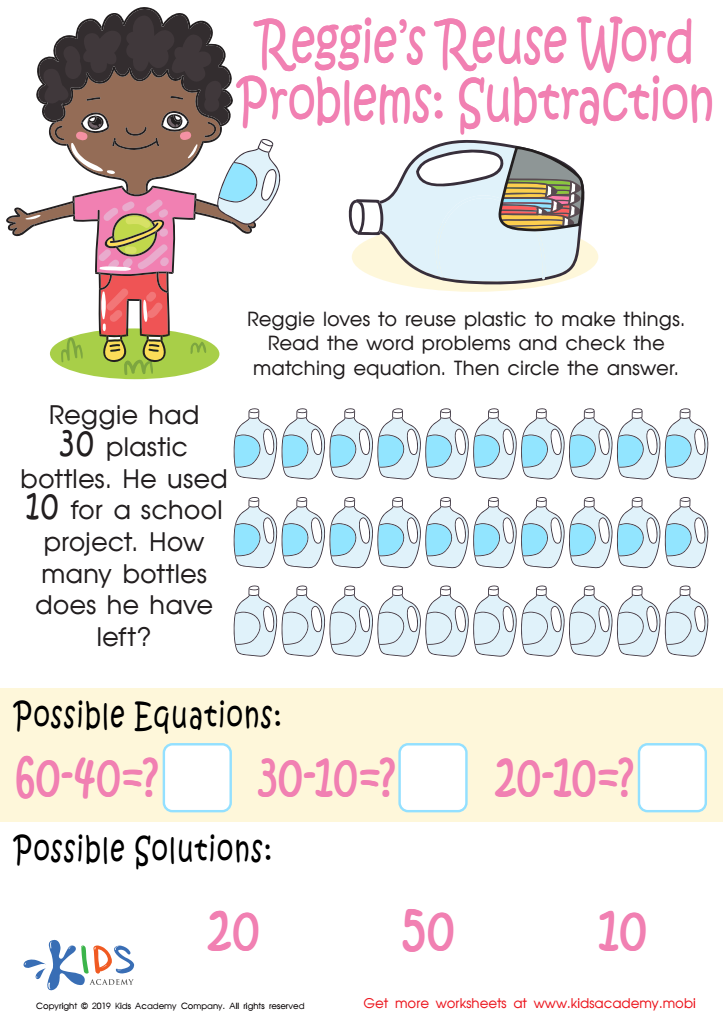
Reggie's Reuse Word Problems: Subtraction Worksheet
 Assign to My Students
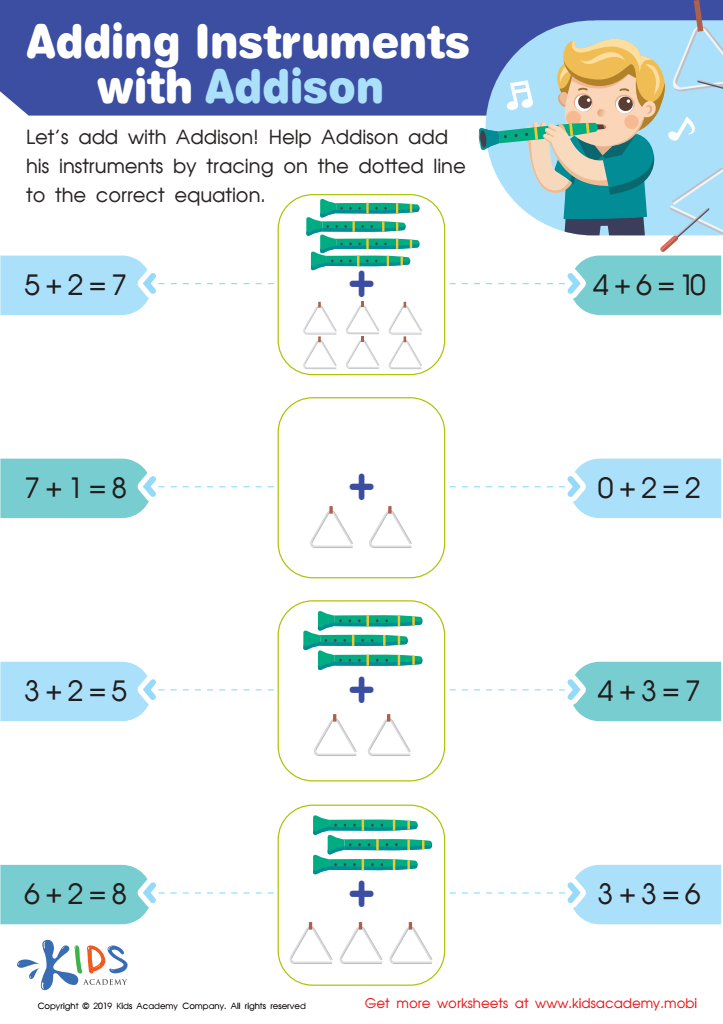
Adding Instruments with Addison Worksheet
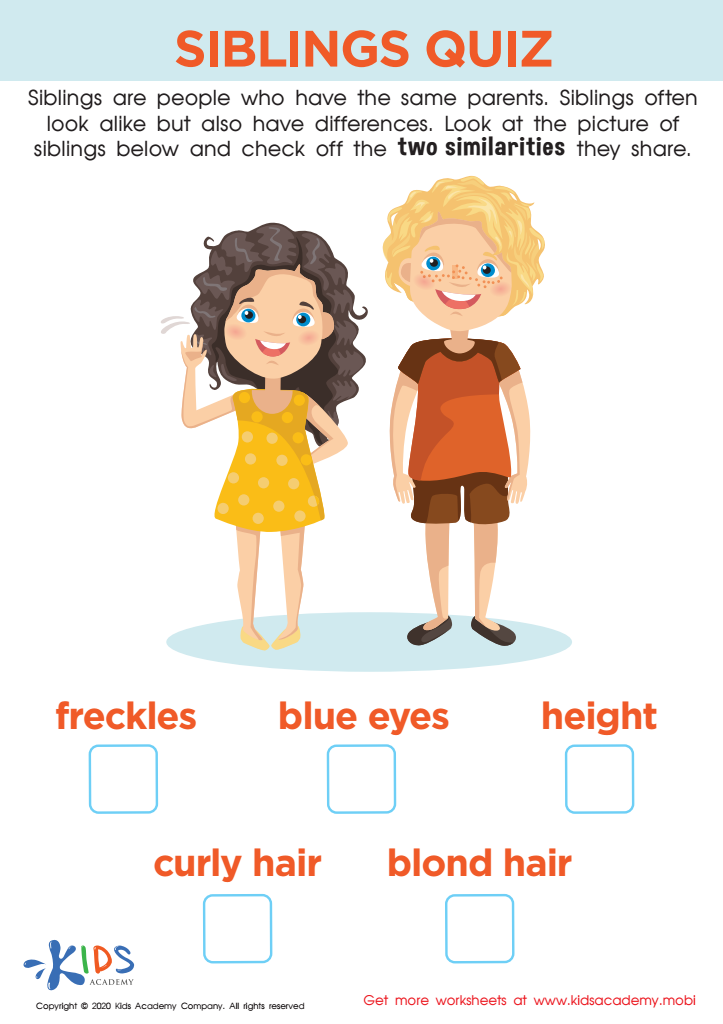
Siblings Quiz Worksheet

Count and Match Vegetables 1 – 5 Math Worksheet
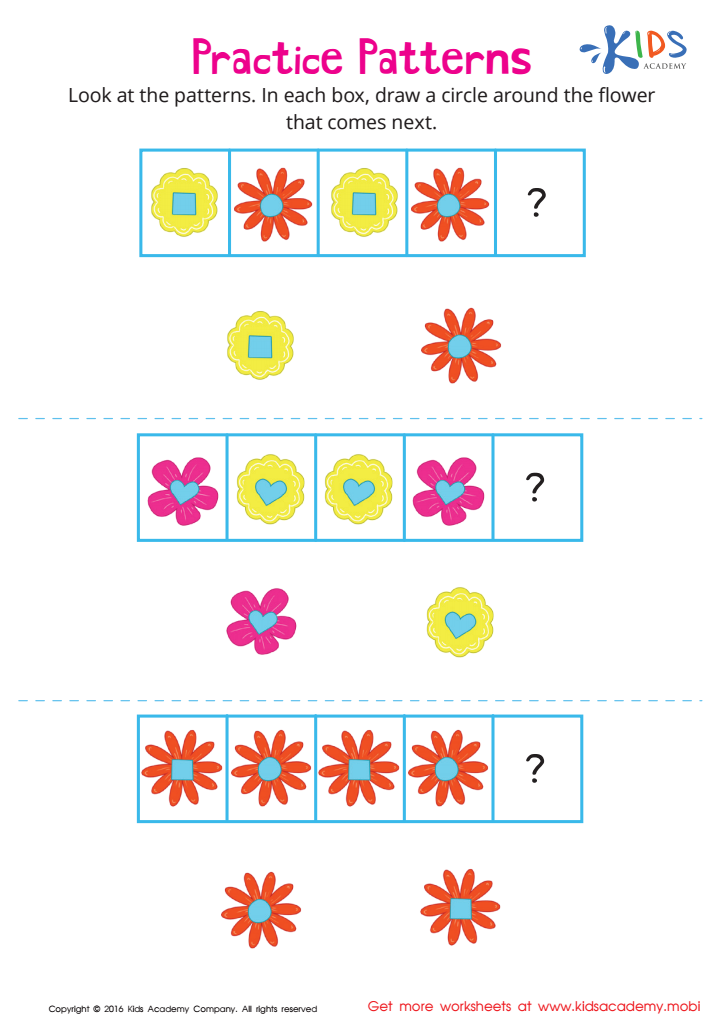
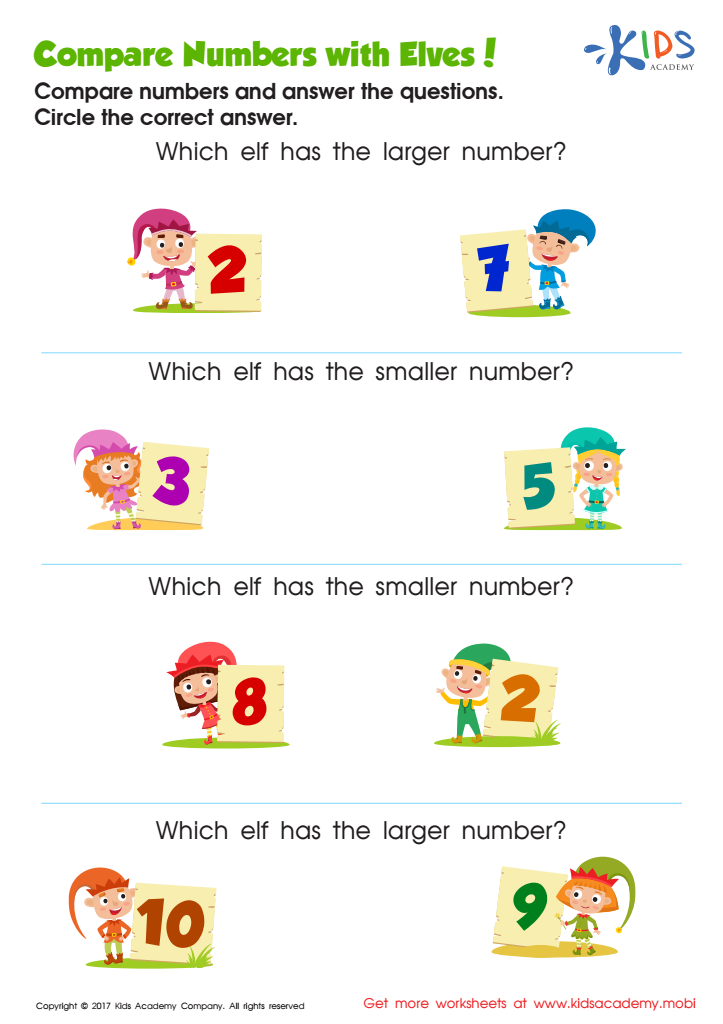
Comparing Numbers Worksheet for Kindergarten
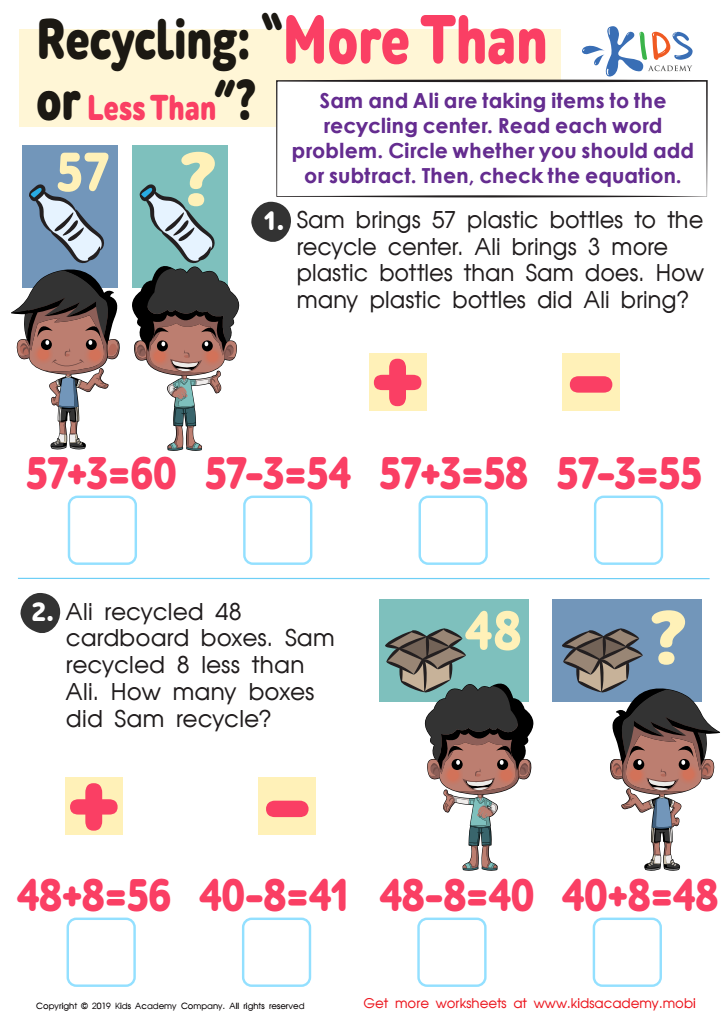
Recycling - More or Less Worksheet
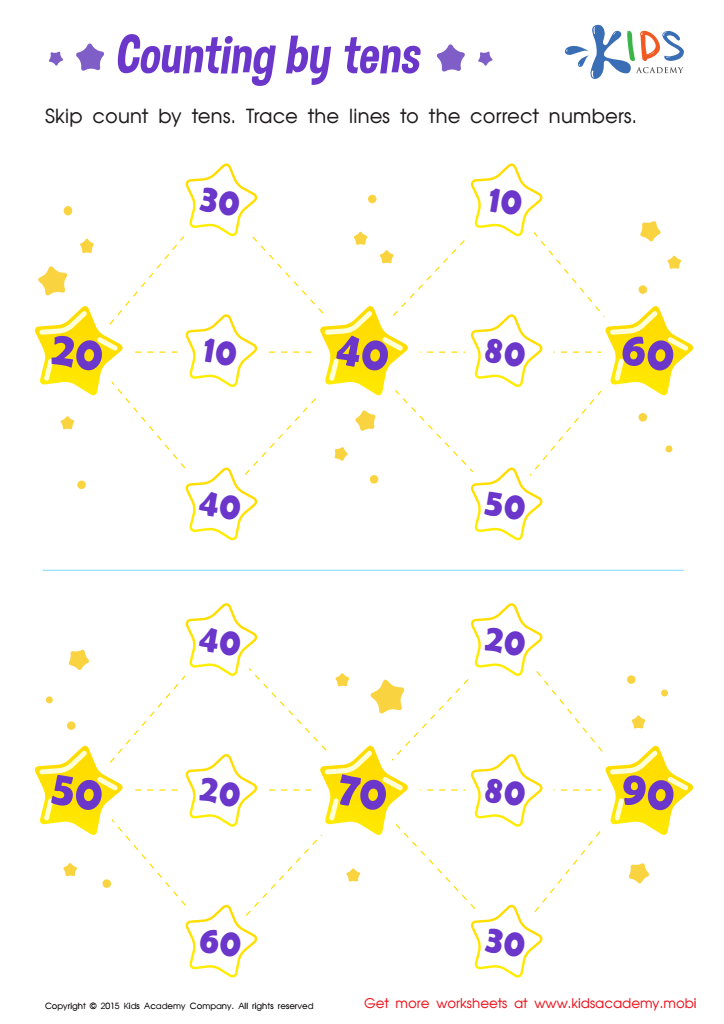
Learn Dozens: Counting by Tens Printable
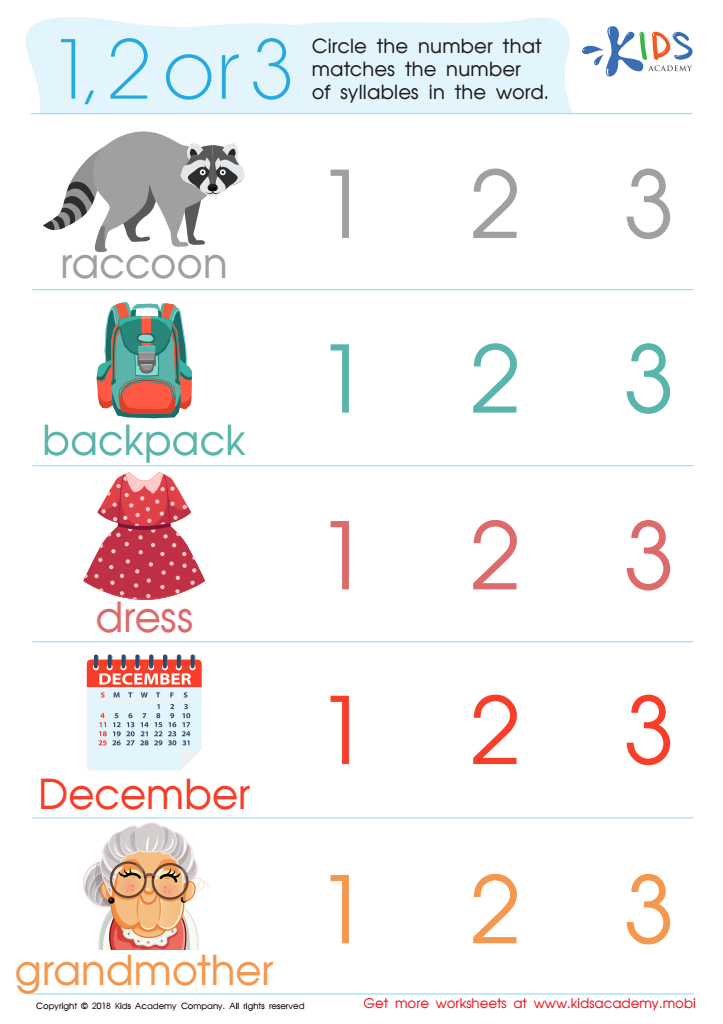
1, 2 or 3? Worksheet
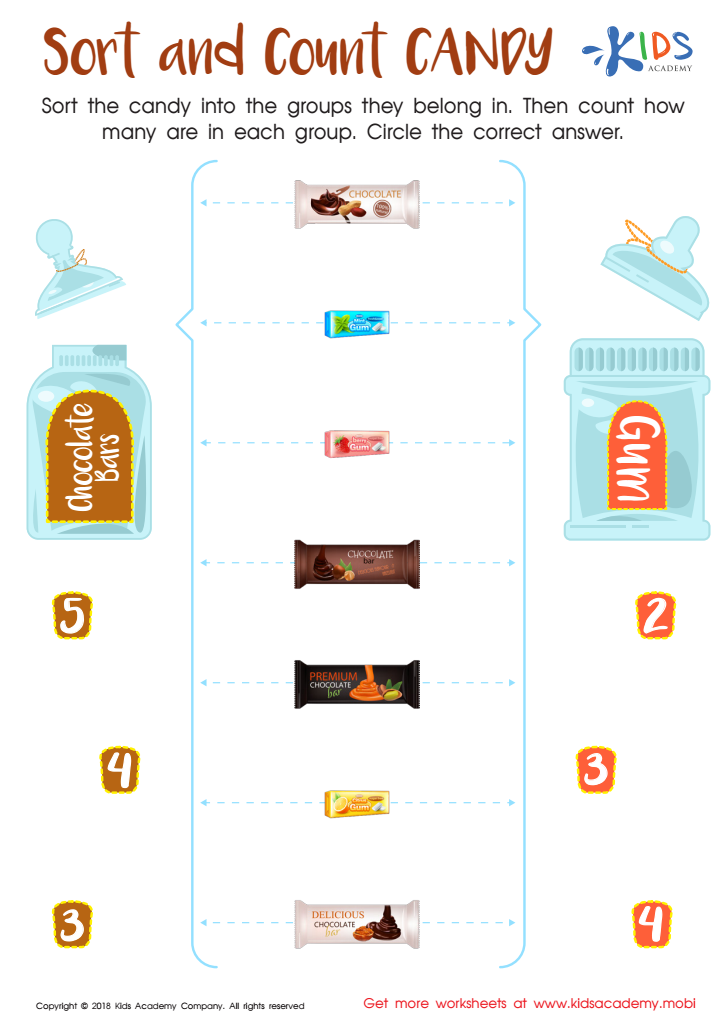
Sort and Count Candy Worksheet
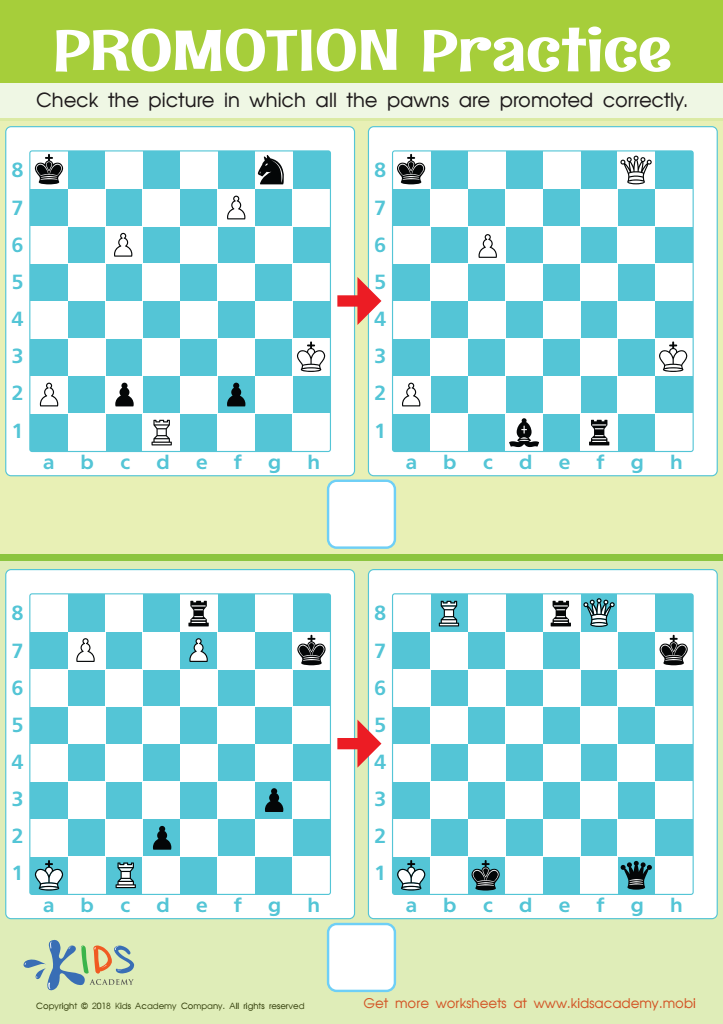
Promotion Practice Worksheet








Parents and teachers should prioritize basic math skills for children aged 6-7 because this stage forms the foundation for future learning and cognitive development. At this age, children are often introduced to key mathematical concepts such as addition, subtraction, counting, and understanding numbers, which are critical for their overall academic success. Strengthening these skills enhances problem-solving abilities, logical thinking, and promotes a positive attitude towards math, reducing future anxieties associated with the subject.
Additionally, basic math skills play a vital role in everyday life scenarios, such as managing money, telling time, and making measurements. By fostering these skills early on, educators and parents empower children to develop independence and confidence in their numeric abilities.
Engaging children in math through fun activities, games, and real-life applications not only keeps their interest piqued but also helps them grasp concepts more readily. When parents and teachers collaborate to emphasize the importance of basic math skills, they create a supportive environment that encourages exploration and curiosity. Ultimately, nurturing these skills ensures that children have the tools they need to succeed academically and navigate day-to-day challenges in the future.








