Categorizing objects Normal Worksheets for Ages 6-7
4 filtered results
-
From - To
Welcome to our "Categorizing Objects Normal Worksheets for Ages 6-7" page! Designed to enhance critical thinking and organizational skills, our engaging worksheets help young learners identify and group similar items through fun activities. These age-appropriate worksheets encourage children to explore various categories, fostering their ability to make connections and boost their cognitive development. With colorful illustrations and interactive tasks, each worksheet is crafted to keep students motivated and excited about learning. Perfect for classroom use or at-home practice, our categorizing worksheets will enhance your child's learning experience while making it enjoyable and effective. Start discovering the world of categorization today!
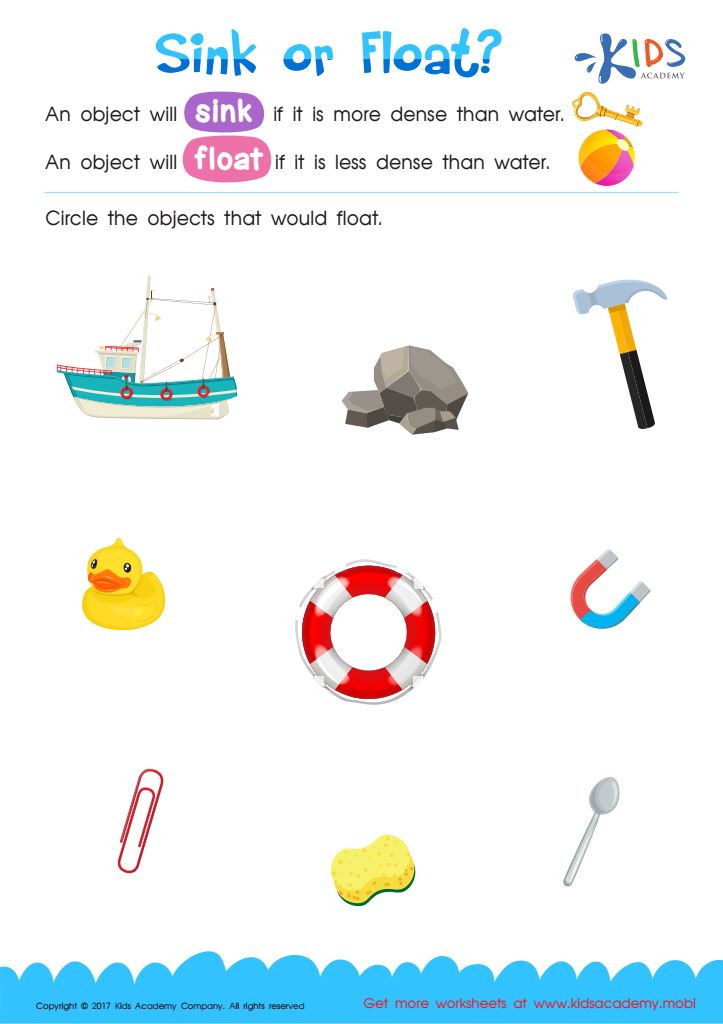
Sink or Float Printable
 Assign to My Students
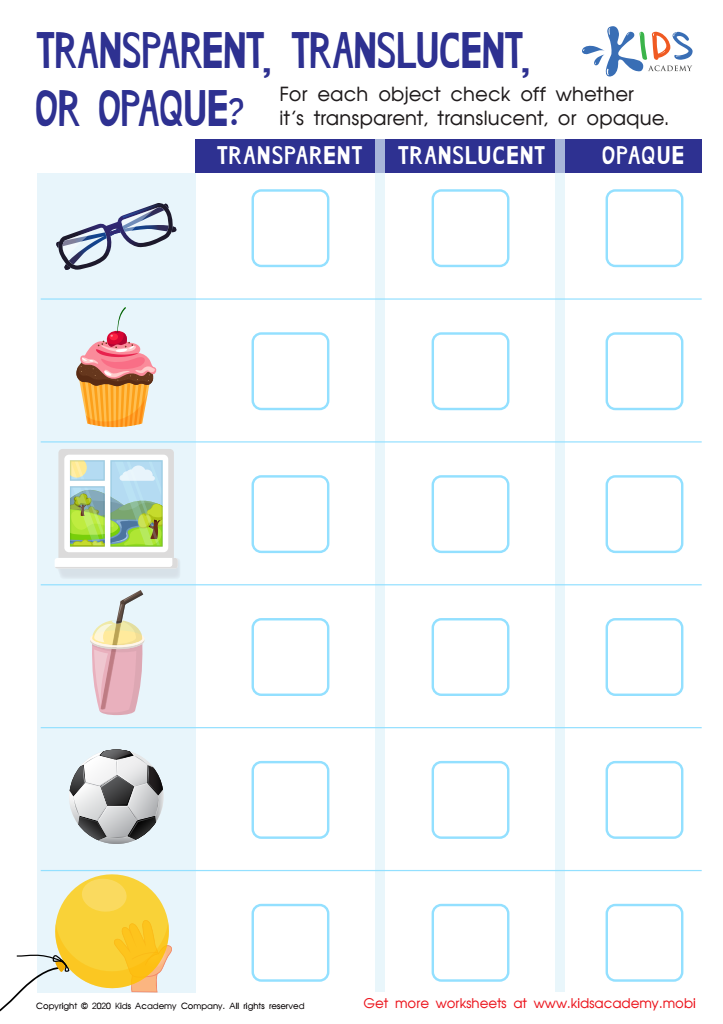
Transparent, Translucent, or Opaque Worksheet
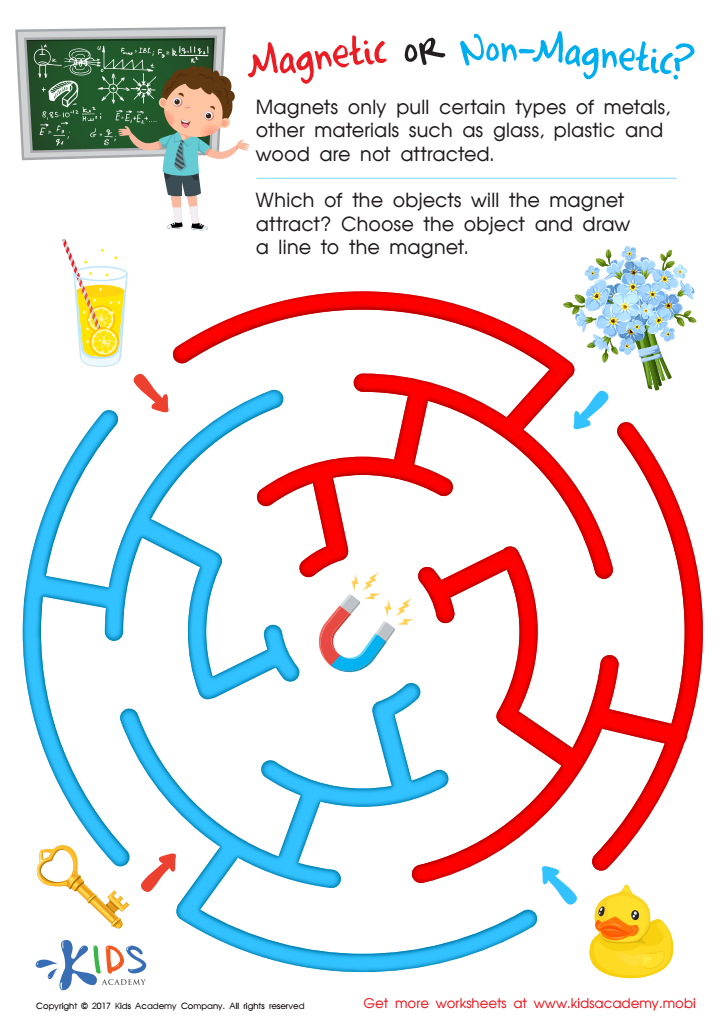
Magnetic or Non–Magnetic Worksheet
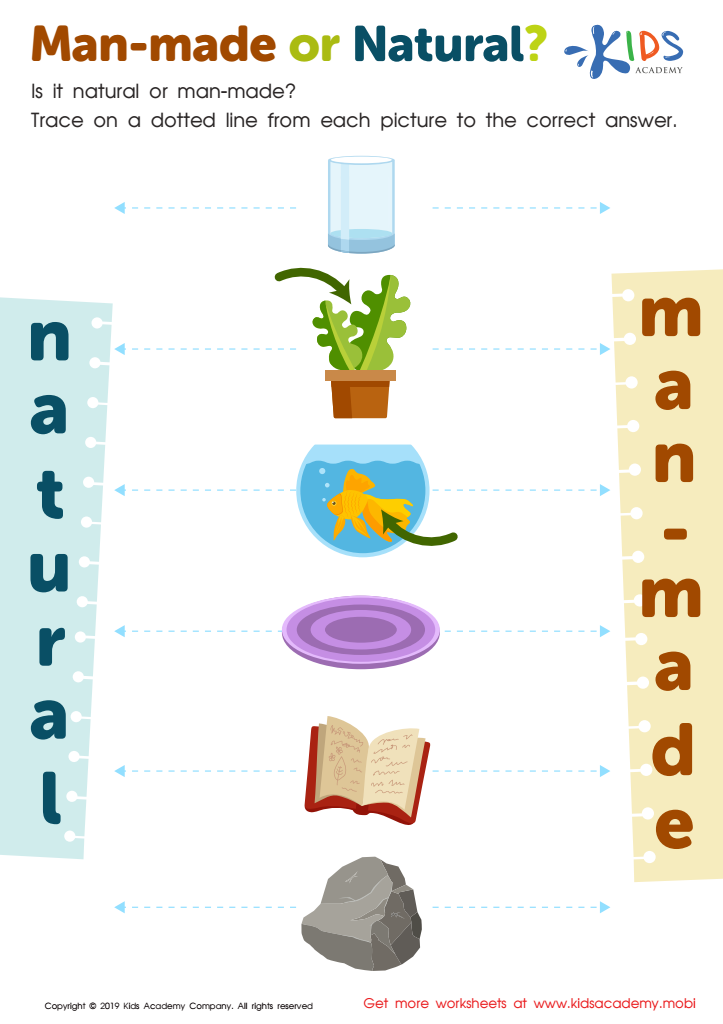
Man-Made or Natural? Worksheet







Parents and teachers should recognize the importance of categorizing objects for children aged 6-7, as this skill forms a foundational aspect of cognitive development. At this stage, children are developing critical thinking and problem-solving abilities. Categorization helps them make sense of the world by grouping similar items based on shared properties, such as shape, color, or function. This process enhances their observational skills, promoting deeper understanding and retention of new information.
In a classroom or home setting, engaging children in categorizing tasks can boost language development, linking new vocabulary with attributes of the objects. For instance, sorting animals by habitat not only teaches biology concepts but also enriches their language with terms like "desert" and "ocean."
Additionally, this skill fosters social interaction, as children often collaborate on categorizing activities, fostering teamwork and communication. As they develop organizational skills, it can also lead to improved ability to complete more complex tasks, furthering their academic success.
Lastly, categorizing objects lays the groundwork for mathematics and logical reasoning, crucial in upcoming grades. Overall, emphasizing this activity nurtures young learners holistically, preparing them for future educational pursuits and real-world applications.








