Critical thinking skills Normal Worksheets for Ages 6-7
9 filtered results
-
From - To
Enhance your child's cognitive abilities with our engaging Critical Thinking Skills Normal Worksheets designed for ages 6-7. These interactive worksheets are perfect for young learners looking to improve their reasoning, problem-solving, and analytical skills. Each activity encourages children to think creatively and logically, fostering a deeper understanding of essential concepts. Featuring colorful illustrations and age-appropriate challenges, our worksheets provide a fun and immersive way to develop critical thinking skills. Encourage your child's curiosity and empower them to become independent thinkers. Explore our collection today and watch your child thrive as they learn to approach problems with confidence and enthusiasm!
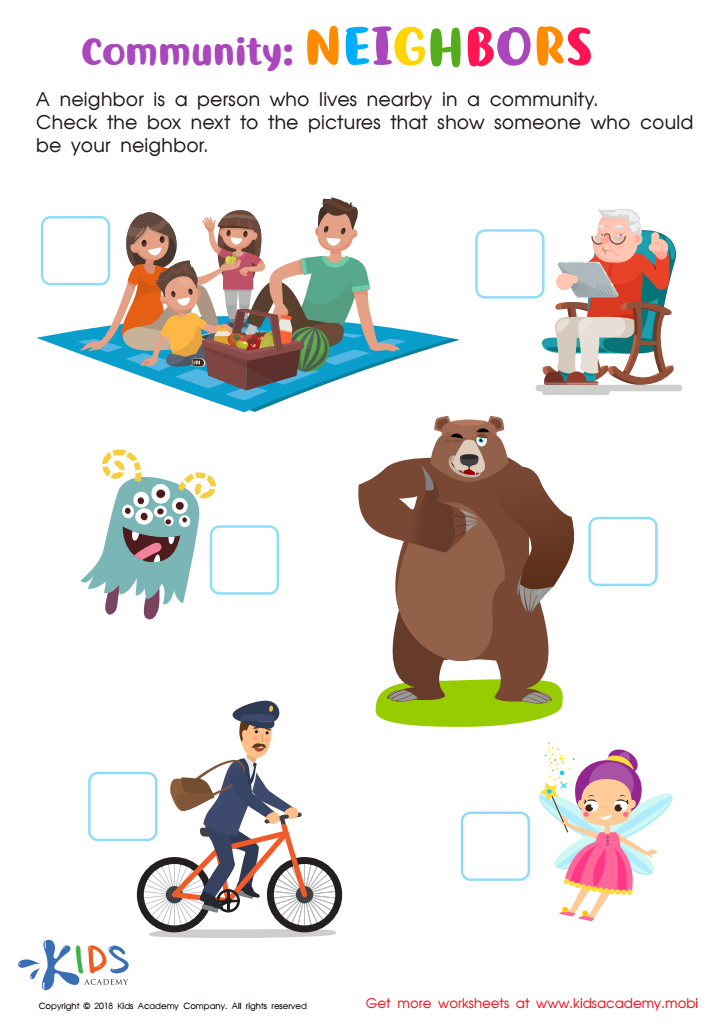
Community: Neighbors Worksheet
 Assign to My Students
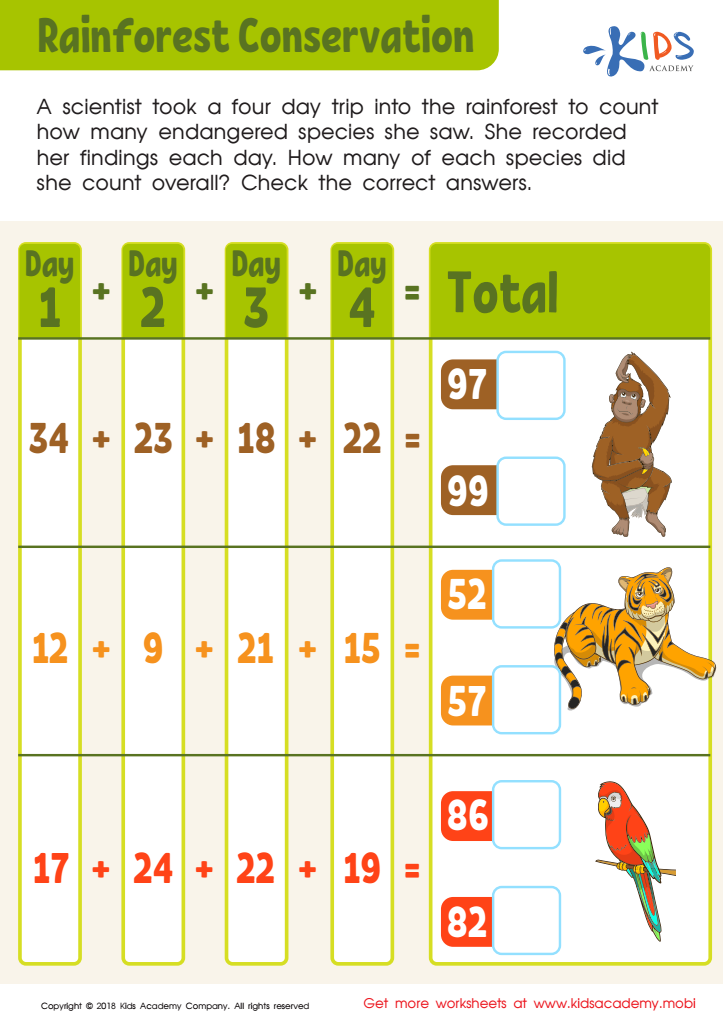
Rainforest Conservation Worksheet
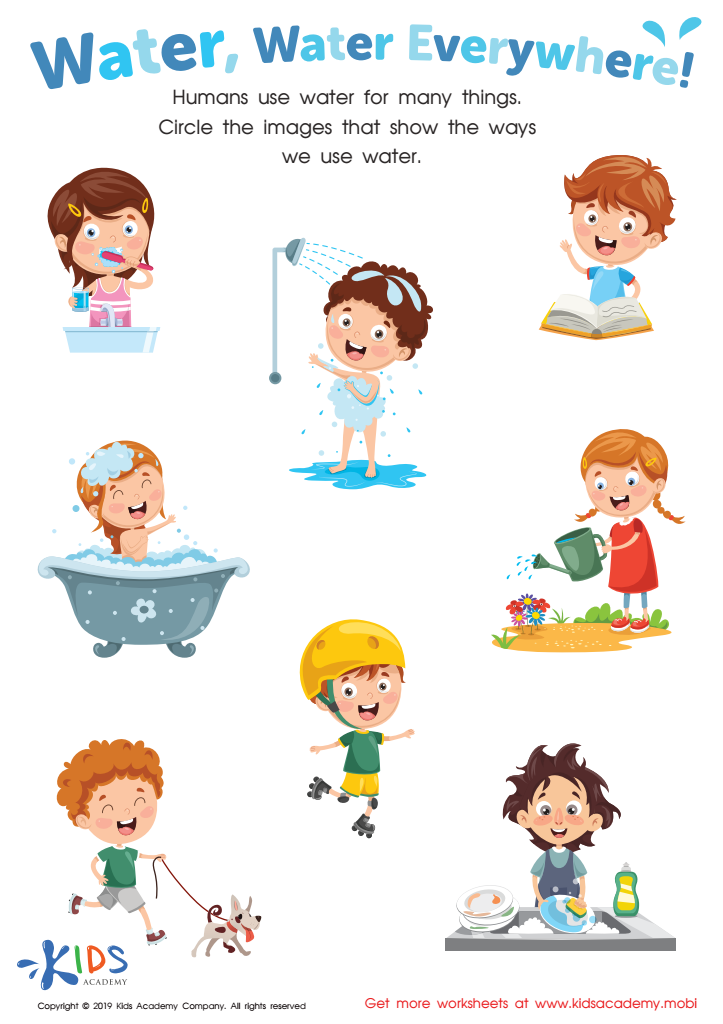
Water, Water Everywhere! Worksheet
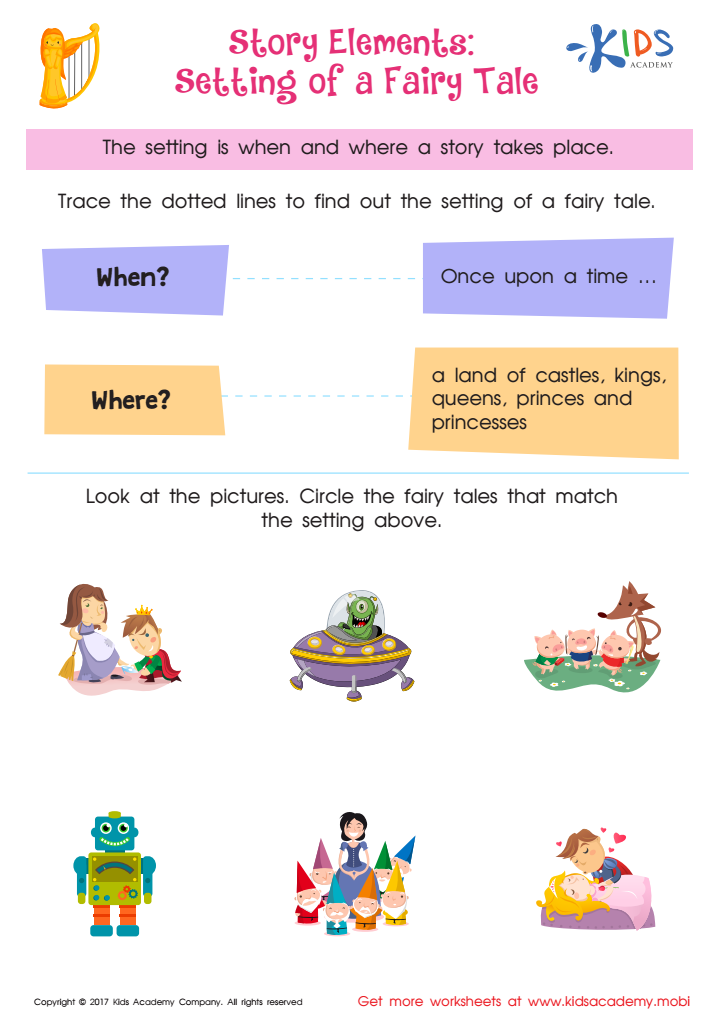
Story Elements: Setting of a Fairy Tale Printable
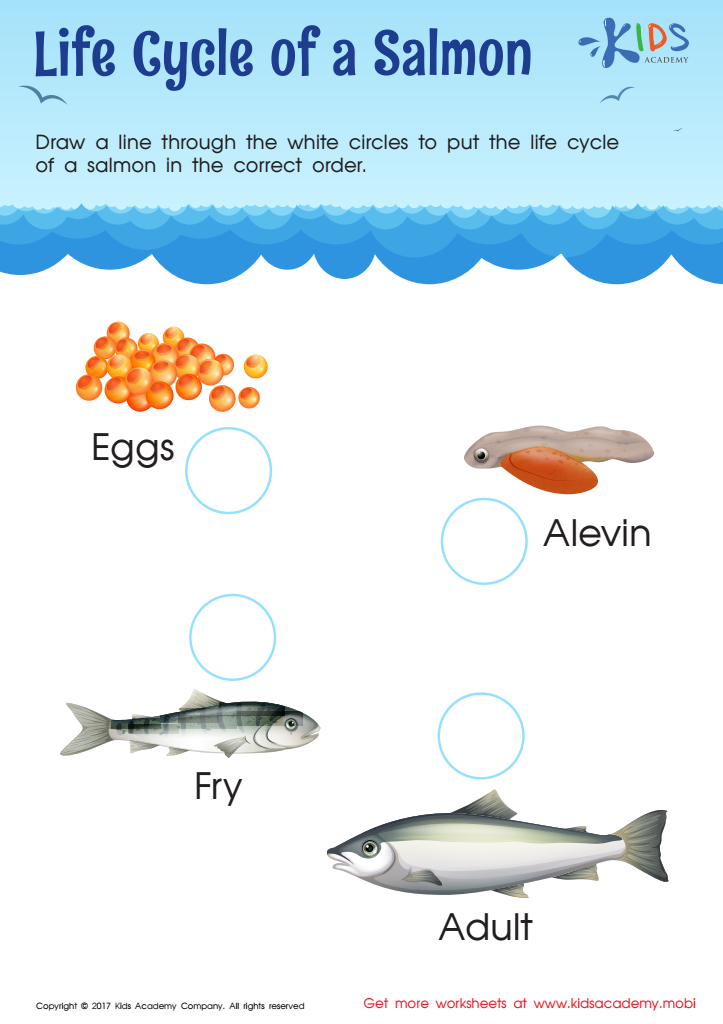
Cycle Of Salmon Worksheet
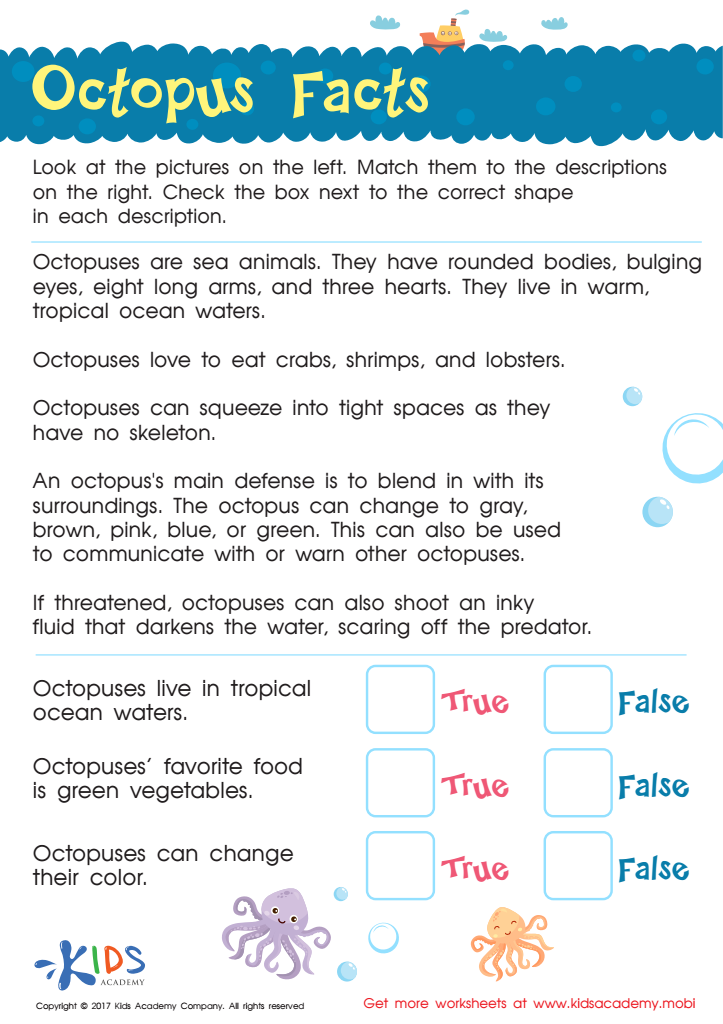
Octopus Facts Worksheet For Kids
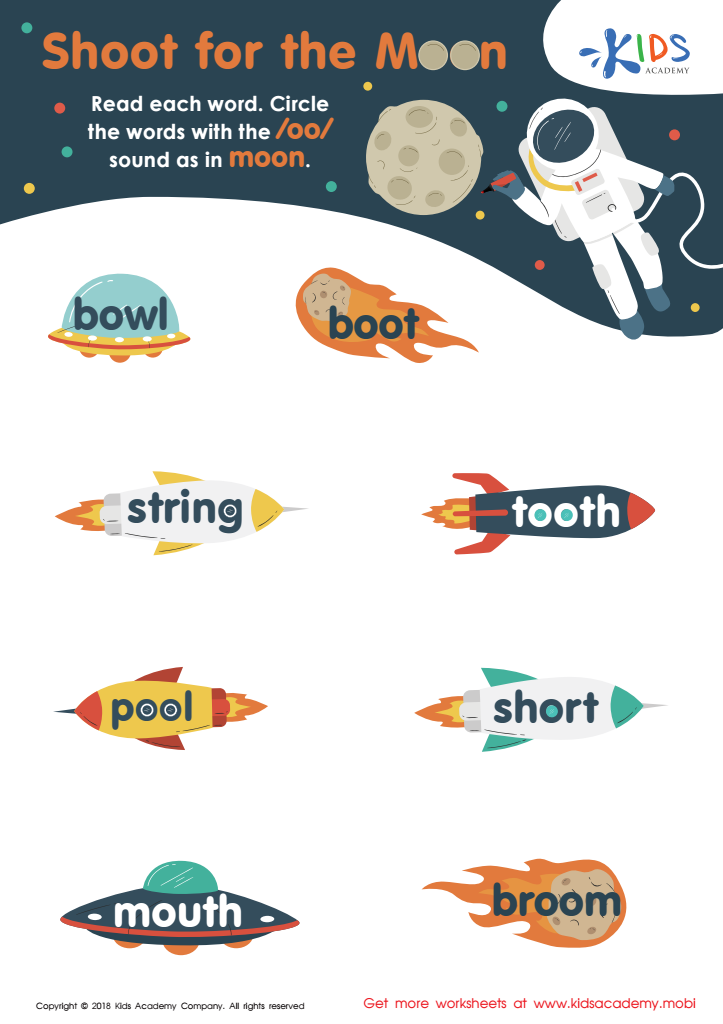
Reading: Shoot for the Moon Worksheet
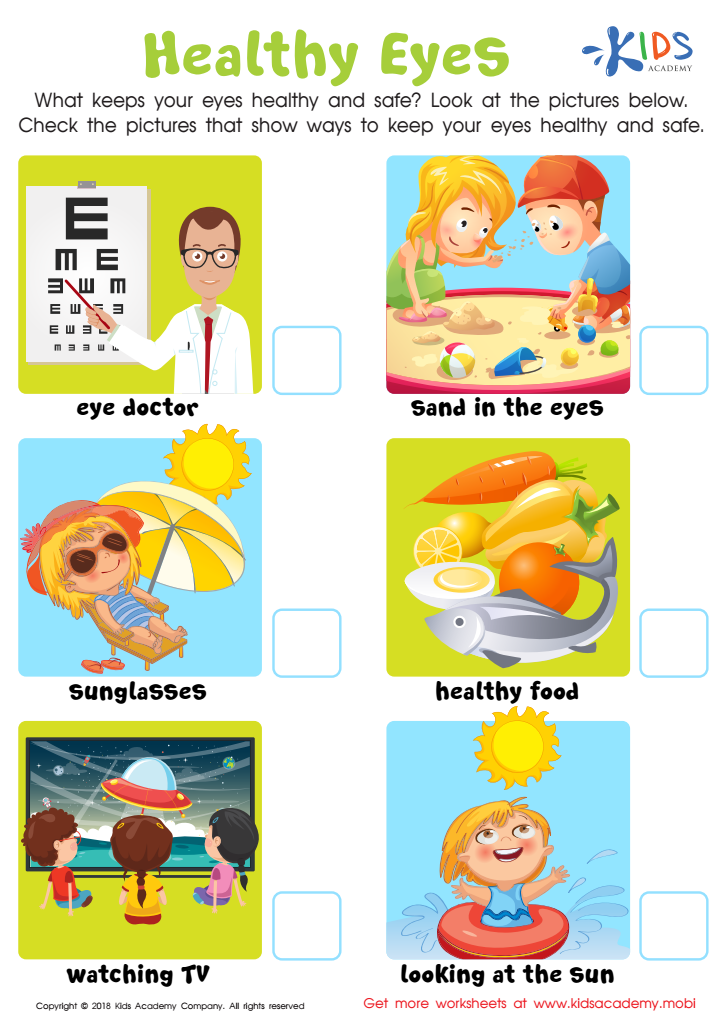
Healthy Eyes Worksheet
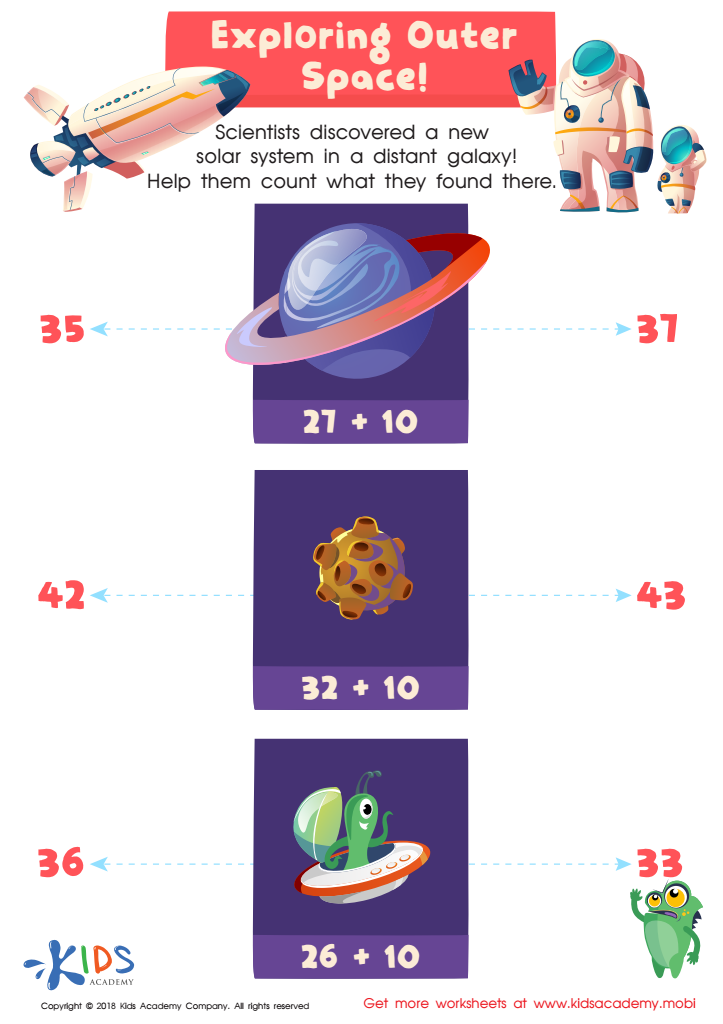
Exploring Outer Space Worksheet





.jpg)

Critical thinking skills are crucial for children aged 6-7, as they lay the foundation for effective problem-solving and decision-making. At this age, children begin to develop the ability to analyze information, ask questions, and assess different perspectives. By nurturing these skills, parents and teachers can help young learners forge a strong path towards academic success and personal growth.
Encouraging critical thinking promotes curiosity and motivation. When children learn to think critically, they become more engaged participants in their education, asking why things happen and exploring how things work. This engagement fosters a love of learning and enhances their overall cognitive development.
Additionally, critical thinking helps children navigate everyday challenges by teaching them to evaluate situations and make informed choices. In today’s complex world, the ability to discern credible information from misinformation is invaluable. By instilling critical thinking skills early, adults empower children to become independent thinkers who are capable of understanding and interpreting the world around them.
Ultimately, critical thinking contributes to astute judgment, enabling children to thrive socially and academically, laying the groundwork for responsible citizenship and resilience in the face of future challenges. Investing in these skills during formative years is essential for lifelong learning and engagement.








