Developing critical thinking Normal Worksheets for Ages 6-7
7 filtered results
-
From - To
Discover our engaging “Developing Critical Thinking Normal Worksheets” designed specifically for children aged 6-7. These worksheets are crafted to enhance logical reasoning and decision-making skills through fun, interactive activities. Explore a variety of themes that encourage young learners to analyze information, solve problems, and make connections. Each worksheet fosters creativity and promotes curiosity, helping children develop essential critical thinking abilities in a supportive environment. Perfect for home or classroom use, these resources lay a strong foundation for lifelong learning. Empower your child's mind today with enjoyable exercises that stimulate analytical thinking and inspire innovation! Visit us to start your journey in critical thinking!

Seeds on the Move Worksheet
 Assign to My Students
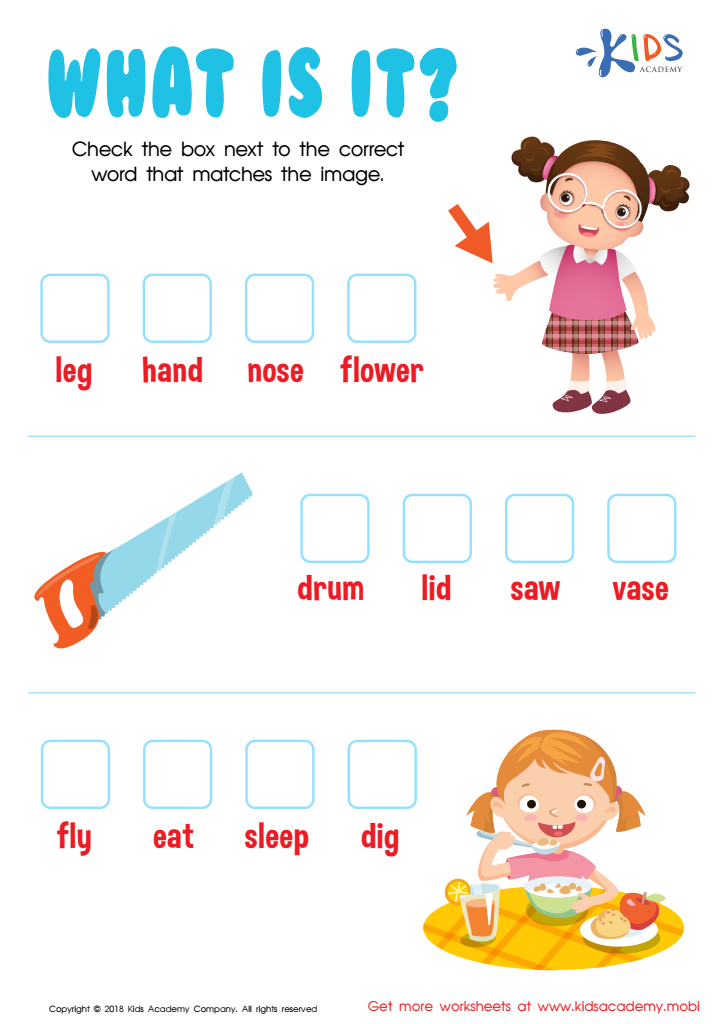
What Is It? Worksheet
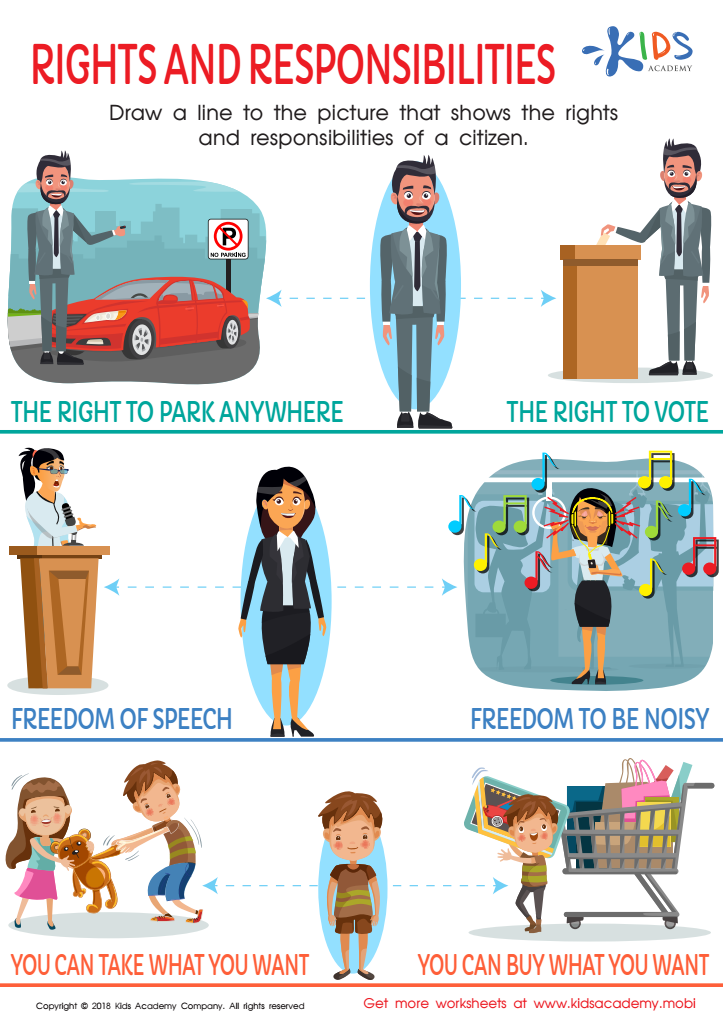
Rights and Responsibilities Worksheet
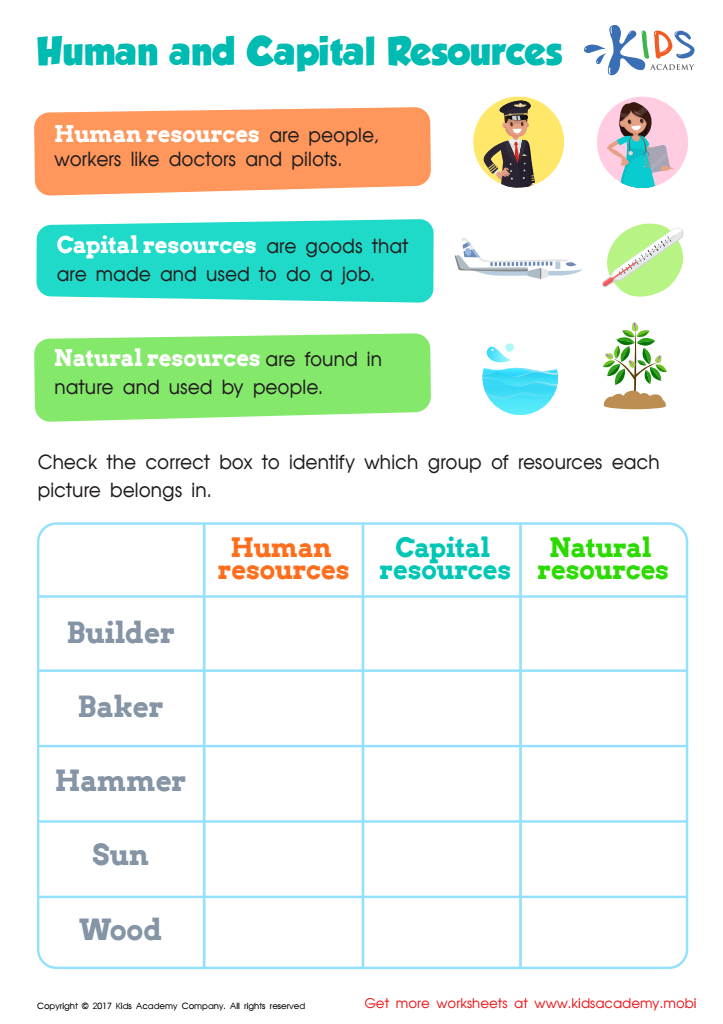
Human and Capital Resources Worksheet
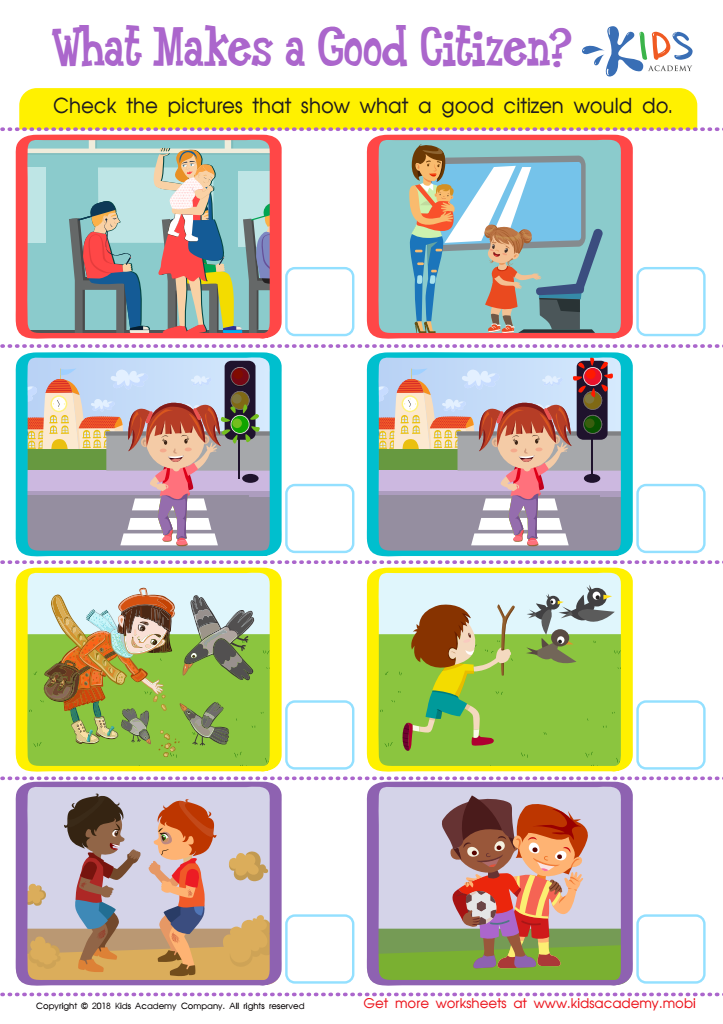
What Makes a Good Citizen? Worksheet
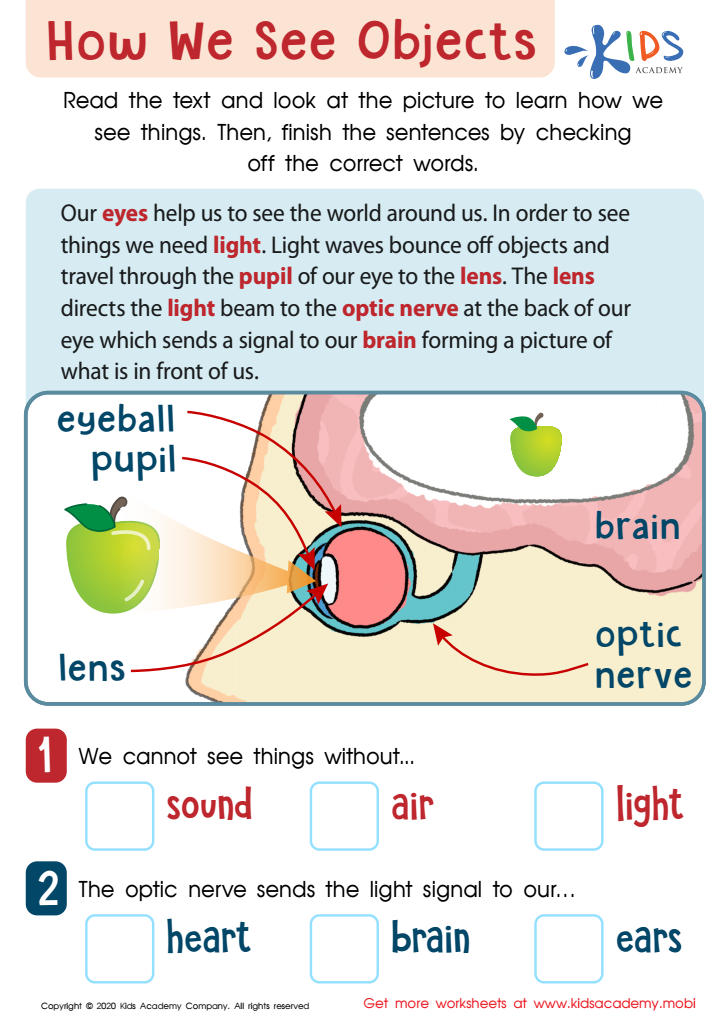
How We See Objects Worksheet

Man-Made or Natural? Worksheet








Developing critical thinking skills in children aged 6-7 is essential for their overall growth and future success. At this age, children are naturally curious and eager to explore their surroundings. Encouraging critical thinking during these formative years fosters their ability to analyze situations, ask questions, and solve problems—skills that will benefit them throughout their lives.
Teachers and parents play a crucial role in cultivating these skills. Engaging children in discussions, allowing them to express their thoughts, and encouraging them to explore various outcomes can enhance their cognitive development. This process not only boosts their academic performance but also prepares them for challenges in an ever-changing world.
Moreover, critical thinking fosters creativity and independence, helping children gain confidence in their decision-making abilities. When they learn to think critically, they become better equipped to navigate complex situations, refuse peer pressure, and make informed choices. Additionally, nurturing these skills supports emotional intelligence, as children learn to empathize and consider different perspectives.
Ultimately, investing in the development of critical thinking at an early age lays a strong foundation for lifelong learning and adaptability, crucial traits for thriving in today's society. By prioritizing this development, parents and teachers help shape engaged, thoughtful, and capable individuals.








