Enhancing logical thinking Normal Worksheets for Ages 6-7
4 filtered results
-
From - To
Boost your child’s logical thinking skills with our engaging worksheets designed for ages 6-7. Tailored to spark curiosity and facilitate critical thinking, these normal worksheets promote problem-solving and logical reasoning through fun activities. Children will hone their ability to identify patterns, sequences, and relationships in a playful manner that enhances learning. Each worksheet features age-appropriate challenges that make logical thinking exciting and achievable. Perfect for classrooms or home learning, our resources equip students with essential cognitive skills for academic success. Dive into a world of exploration and enhance your child's logical capabilities today with our thoughtfully crafted worksheets!
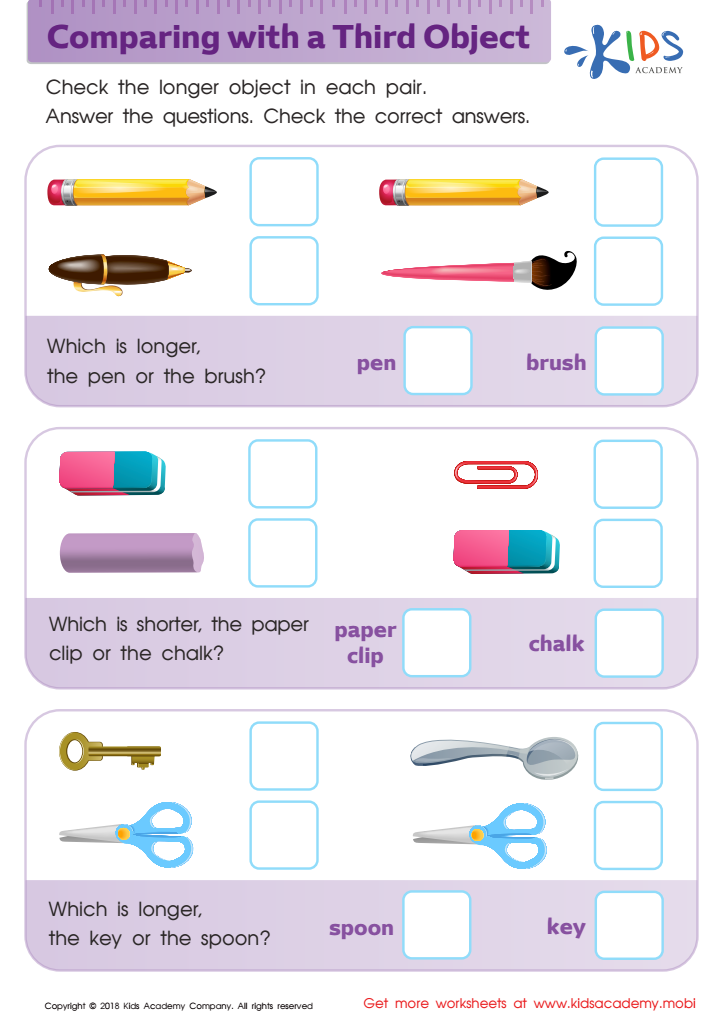
Comparing with a Third Object Worksheet
 Assign to My Students
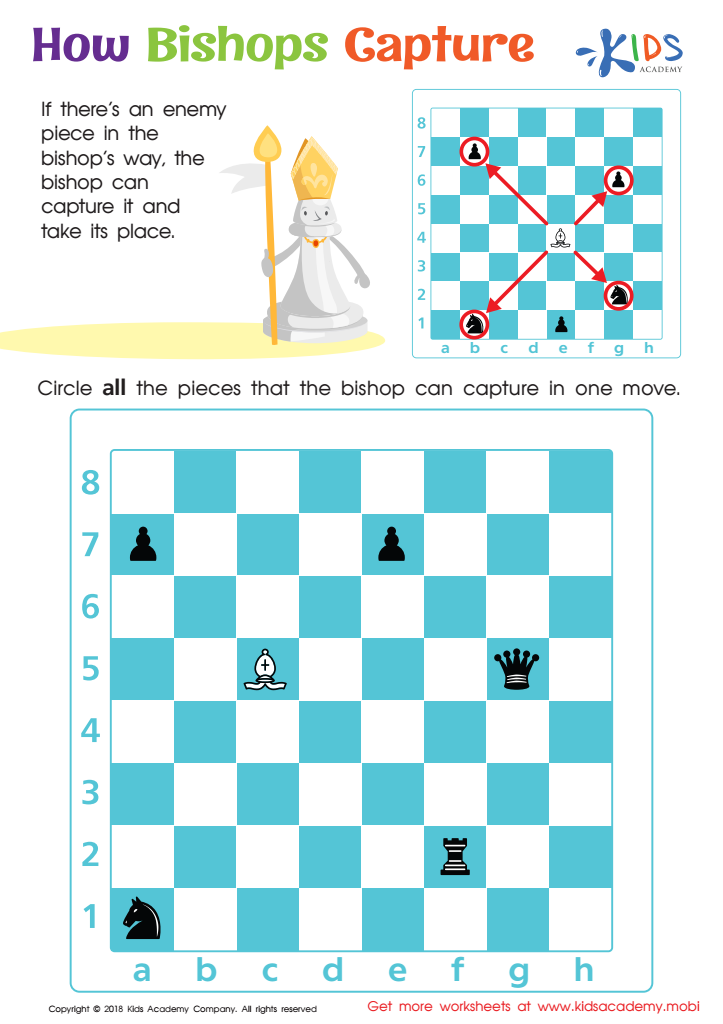
How Bishops Capture Worksheet
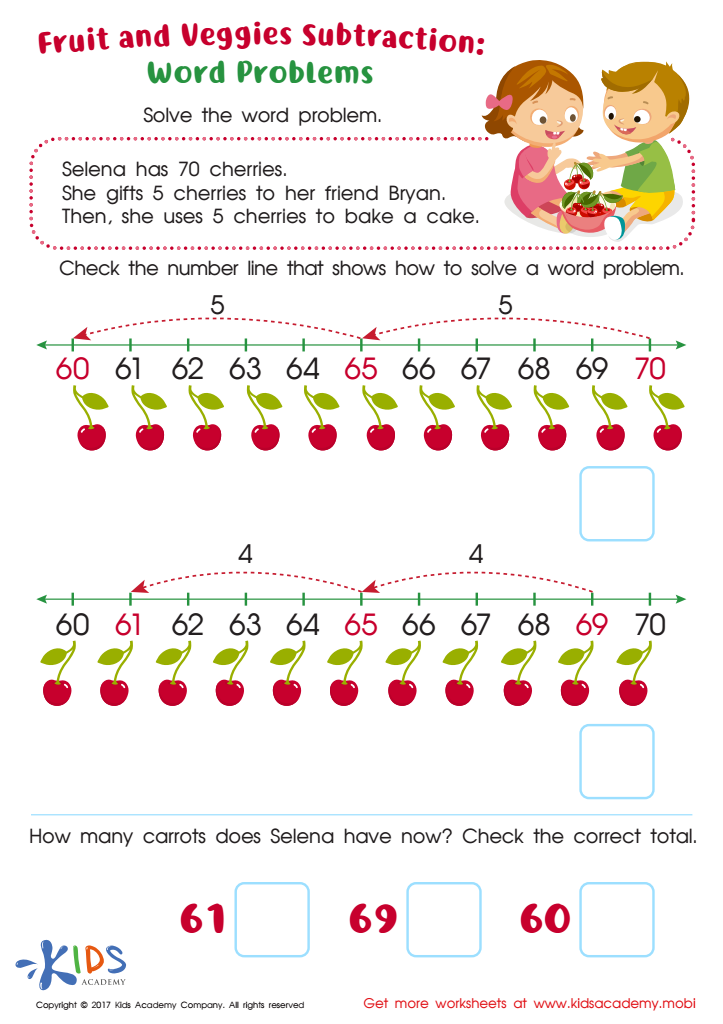
Subtraction Word Problems Free Printable
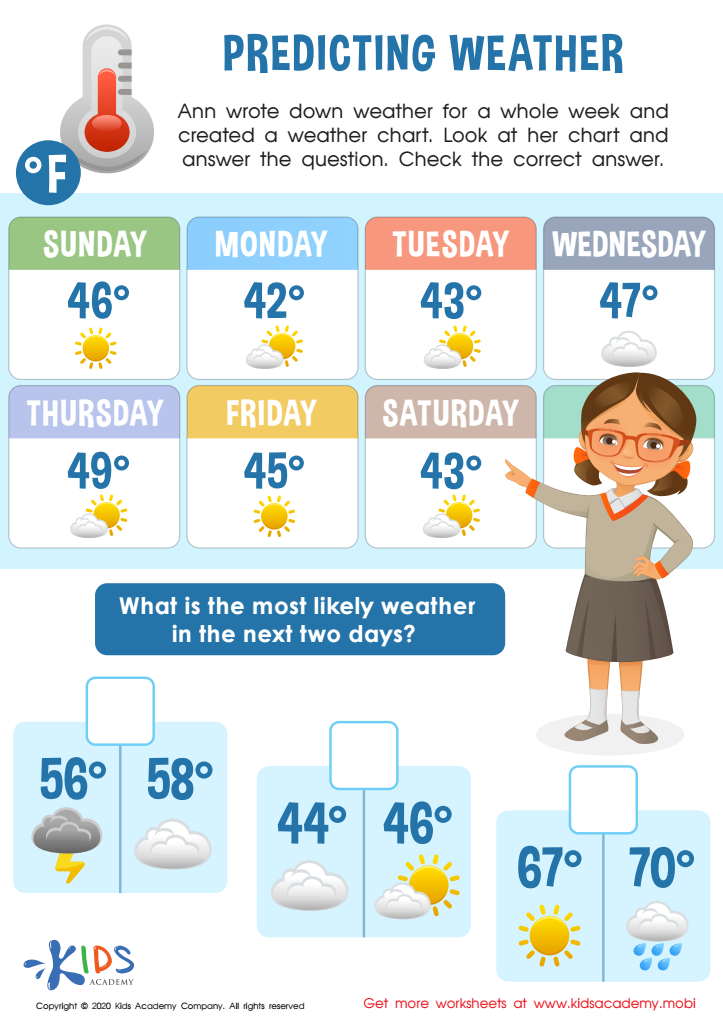
Predicting Weather Worksheet






Enhancing logical thinking in children aged 6-7 is crucial for their overall cognitive development and future academic success. At this age, children are naturally curious, and fostering logical thinking helps them make sense of the world around them. Logical thinking equips them with the skills to analyze situations, solve problems, and understand cause-and-effect relationships. This foundational skill is key not just in mathematics, but also in subjects like science, reading comprehension, and critical thinking across various contexts.
Moreover, promoting logical thinking nurtures a child's creativity and encourages them to explore different perspectives. It aids in decision-making processes, empowering children to evaluate options and make informed choices. For parents and teachers, investing time in activities that strengthen logic, such as puzzles, games, and storytelling, can lead to more engaged and confident learners.
By nurturing logical thinking skills early on, caregivers can help children build a solid foundation for lifelong learning and problem-solving. Ultimately, encouraging logical reasoning in young children enriches their educational experiences and supports their emotional and social skills by allowing them to communicate their thoughts clearly and effectively. Prioritizing this aspect of development now creates a pathway for future academic challenges and successes.








