Improving categorization skills Normal Worksheets for Ages 6-7
3 filtered results
-
From - To
Enhance your child's learning journey with our "Improving Categorization Skills Normal Worksheets" designed for ages 6-7. These engaging worksheets focus on helping young learners identify, sort, and categorize various objects, animals, and concepts, fostering critical thinking and problem-solving abilities. Each worksheet offers fun and interactive activities that enable children to distinguish similarities and differences, reinforcing foundational cognitive skills vital for academic success. Perfect for home or classroom use, our resources not only support early familiarity with organizational skills but also make learning enjoyable. Download and print today to watch your child thrive in understanding and classifying the world around them!
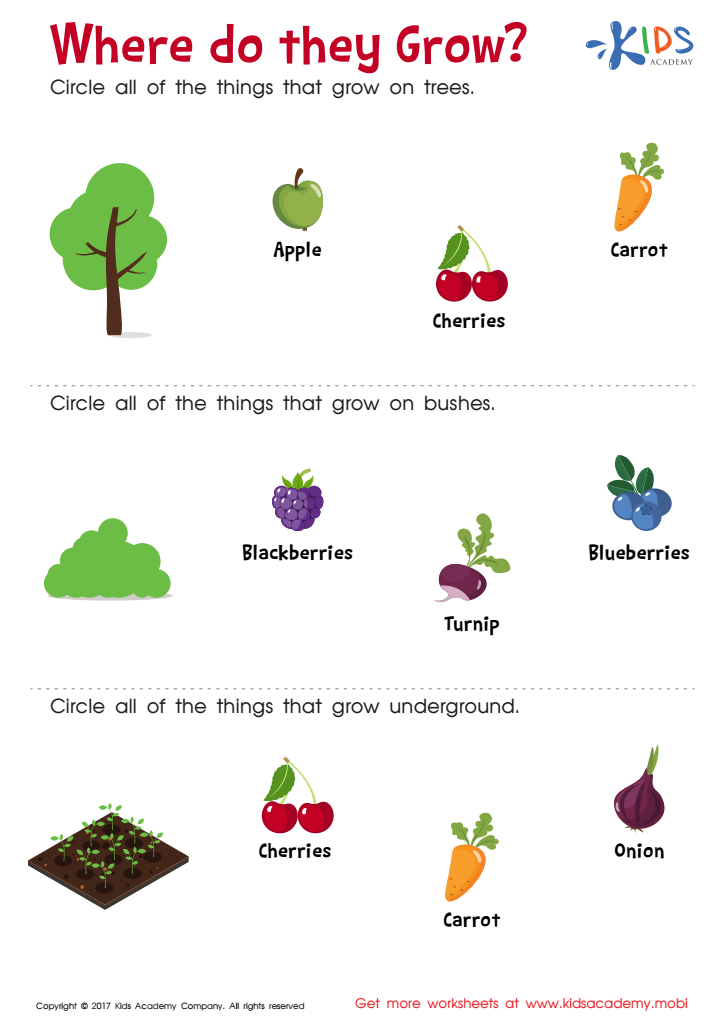
Where Do They Grow Worksheet
 Assign to My Students
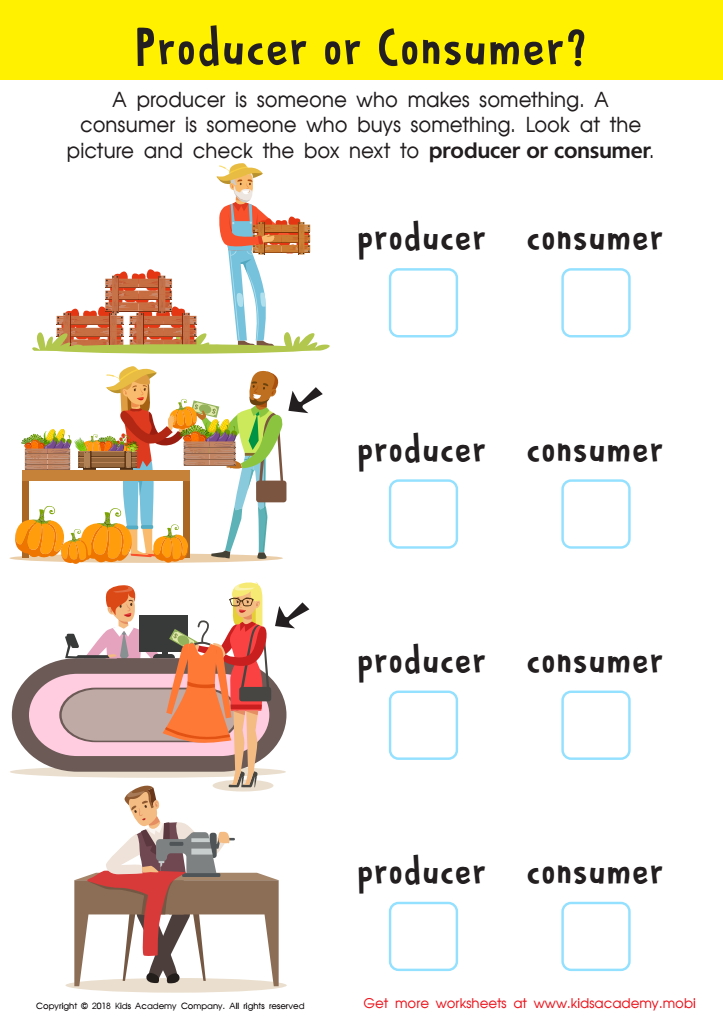
Producer or Consumer? Worksheet
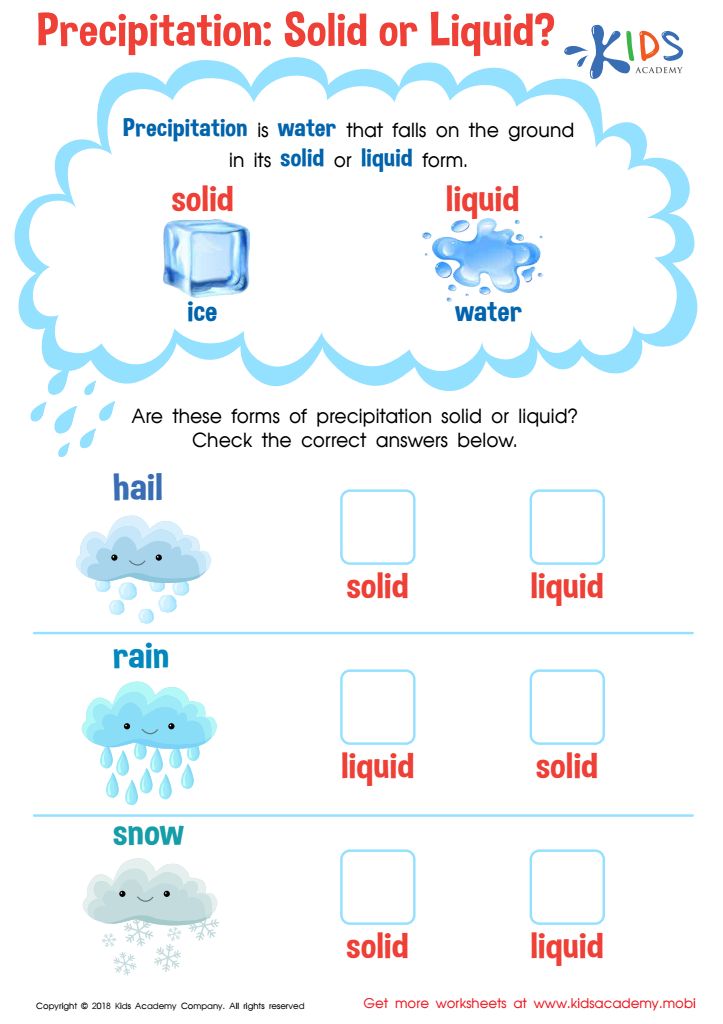
Precipitation: Solid or Liquid? Worksheet





Improving categorization skills for children aged 6-7 is crucial for a variety of reasons. At this developmental stage, children are actively learning how to sort and classify information. Mastering categorization helps them organize their thoughts, enhancing critical thinking and problem-solving abilities. By categorizing objects, ideas, or even emotions, children develop the cognitive framework necessary to make sense of the world around them.
Furthermore, strong categorization skills are foundational for language development. By grouping related words and concepts, children expand their vocabulary and improve comprehension. This ultimately fosters better communication skills, both in speaking and writing.
In addition, categorization promotes cognitive flexibility—the ability to adapt to new information and shifts in context. This skill is essential for academic success, as it allows children to connect different ideas, recognize patterns, and apply knowledge in varied situations.
Lastly, enhancing these skills can improve social interactions. By categorizing social cues and behaviors, children can navigate friendships and social structures more effectively.
For parents and teachers, fostering categorization skills in young children isn’t just about academics; it’s about equipping them with essential life skills that lay the groundwork for their future learning and interactions.








