Filters

54 filtered results

Clear all filters
Favorites
With answer key
Interactive

54 filtered results

Difficulty Level

Grade


Check out this FREE "Letter recognition" Trial Lesson for age 6-7!

D

Favorites
With answer key
Interactive
  • 6-7
  • Letter recognition
  • Normal
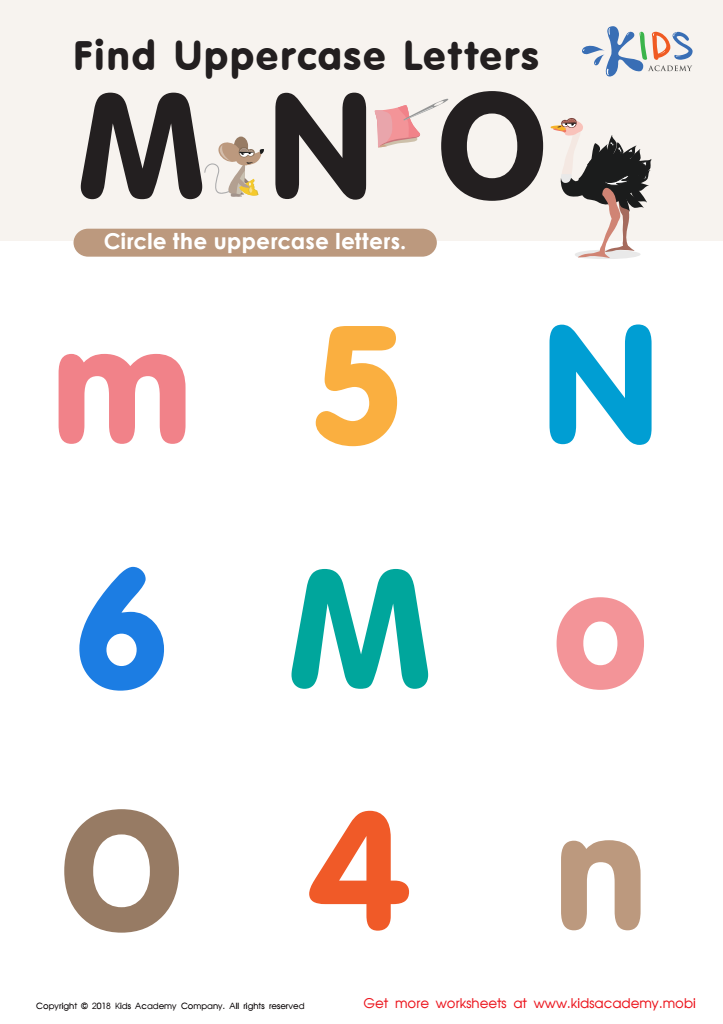
Find Uppercase Letters M, N, and O Worksheet Preview

Find Uppercase Letters M, N, and O Worksheet

Kids love puzzles! This one scrambles up letters and numbers. Help your learner spot the capital letters, then search for the uppercase M, N, and O. For an extra challenge, cover the large letters and have kids circle the capitals using only beginning letter sounds.
Find Uppercase Letters M, N, and O Worksheet
Worksheet
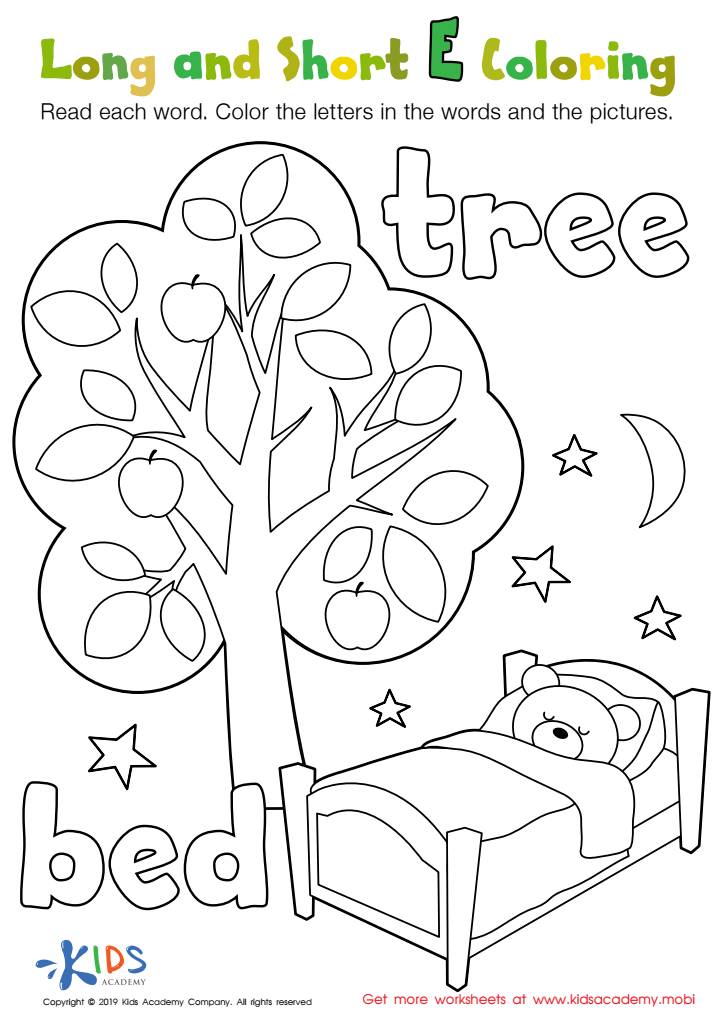
Long and Short E Worksheet

Long and Short E Worksheet

This fun printout makes learning phonics enjoyable for Grade 3 students. Get them to read the words “tree” and “bed” to recognize the different sounds of the letter “E”. After hearing the words they can color the words and the pictures to understand differences between long and short vowels.
Download (PDF)
Assign to My Students
Long and Short E Worksheet
Worksheet
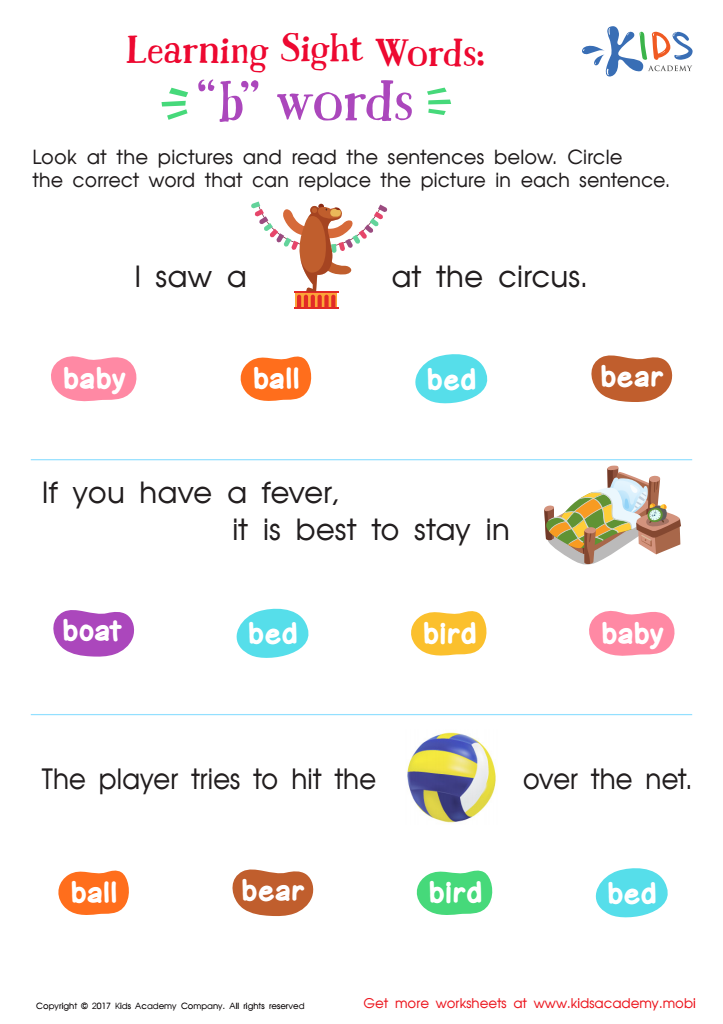
Sight Words Worksheet: B Words

"B" Words Printable Sight Words Worksheet
Kids will learn sight words quickly with this fun worksheet! "B" Words offers guided practice with simple sentences and pictures. Build your child's reading confidence with this helpful worksheet and watch them become a master!
"B" Words Printable Sight Words Worksheet
Worksheet
Letter N Coloring Page

Letter N Coloring Sheet

Let your child get creative and learn the alphabet with this letter "N" coloring page! It's a fun way to recognize the letter, featuring a body part all kids know. Coloring and reinforcing recognition of "N" will help your child have fun while learning!
Download (PDF)
Assign to My Students
Letter N Coloring Sheet
Worksheet
letter d worksheets
letter d worksheets

Letter D Tracing Page

Trace and write capital and lowercase letter "D" with our free printable alphabet worksheet! Be careful not to mix up "b" and "d" - just look at the ducks and write their first letter. The dolphin wants to join the fun too - do you like dolphins? Get more fun worksheets and activities at Kids Academy!
Letter D Tracing Page
Worksheet
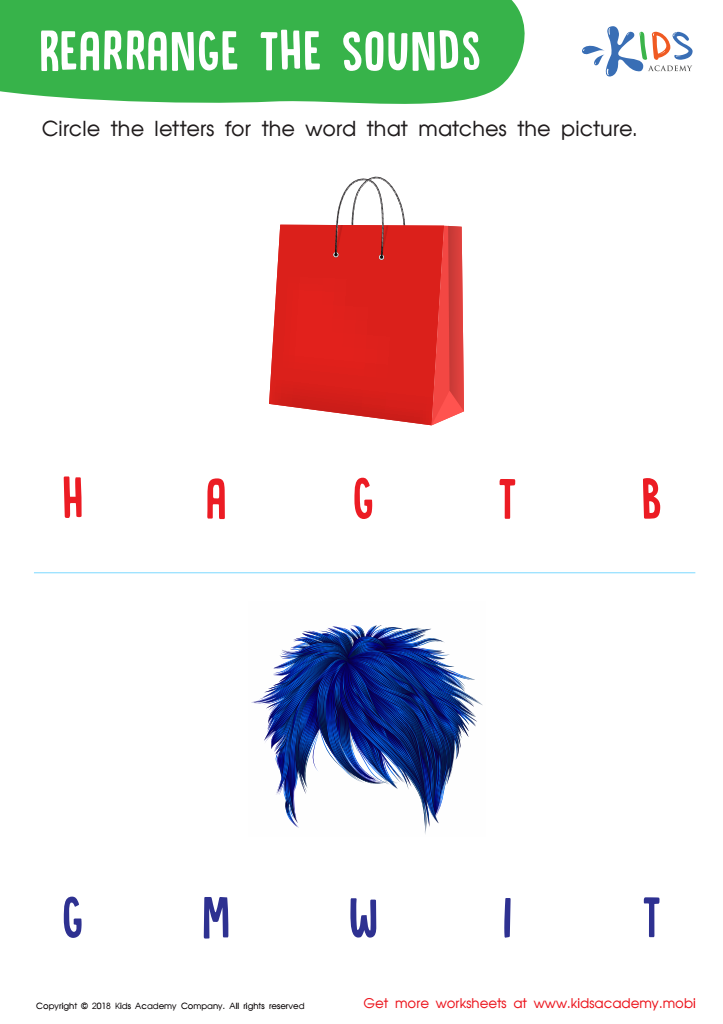
Rearrange the Sounds Worksheet

Rearrange the Sounds Worksheet

Ask students if they can identify the objects in the worksheet and spell the words. Guide them to find and circle the letters that match the picture. This exercise should be easy-peasy for advanced spellers.
Rearrange the Sounds Worksheet
Worksheet


... 2 3

Letter recognition is crucial for children ages 6-7 as it forms the foundation for literacy, which is pivotal for academic success and everyday functioning. At this developmental stage, kids typically transition from recognizing letters to beginning to read and write. Mastering letter recognition enhances their ability to decode words, promoting fluent reading skills. This fluency directly supports comprehension, allowing children to focus on understanding the meaning of texts rather than expending cognitive resources on recognizing individual letters.

Moreover, letter recognition aids in vocabulary development by enabling children to identify and learn new words efficiently. It also supports their ability to spell words correctly, facilitating effective written communication. Inconsistent letter recognition might lead to struggles in these areas, potentially affecting a child's self-esteem and motivation to learn.

By investing time in ensuring children achieve normal letter recognition, parents and teachers lay a solid groundwork for complex literacy skills like reading comprehension, critical thinking, and effective communication. It also helps identify early any learning difficulties, such as dyslexia, allowing for timely intervention. Ultimately, caring about and addressing letter recognition at this critical age fosters a positive, confident, and capable learner who is better prepared for future academic challenges.