Letter-sound association Normal Worksheets for Ages 6-7
6 filtered results
-
From - To
Explore our engaging Letter-Sound Association Worksheets designed specifically for children ages 6-7! These printable resources help young learners build essential phonemic awareness by connecting letters to their corresponding sounds. Each worksheet features fun activities and easy-to-understand instructions, making learning enjoyable and effective. Perfect for classroom use or at-home practice, these worksheets enhance reading skills through repeated exposure to letter and sound combinations in a playful manner. Foster your child’s literacy development and boost their confidence with our thoughtfully crafted worksheets, designed to promote skill mastery in a fun and interactive way. Get started on the path to reading success today!
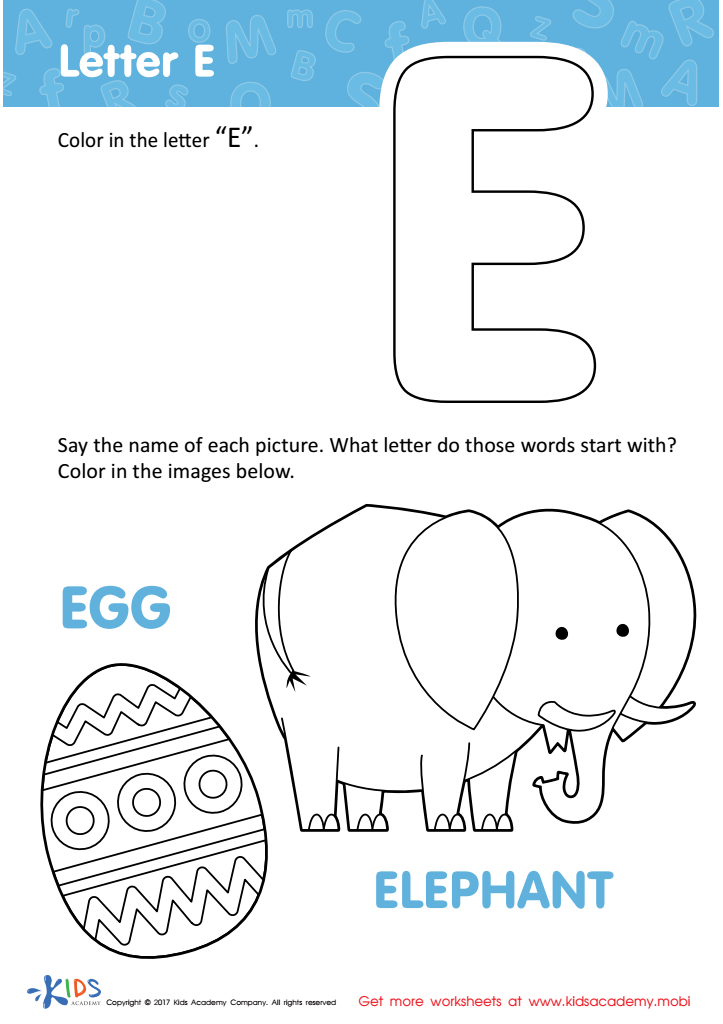
Letter E Coloring Sheet
 Assign to My Students
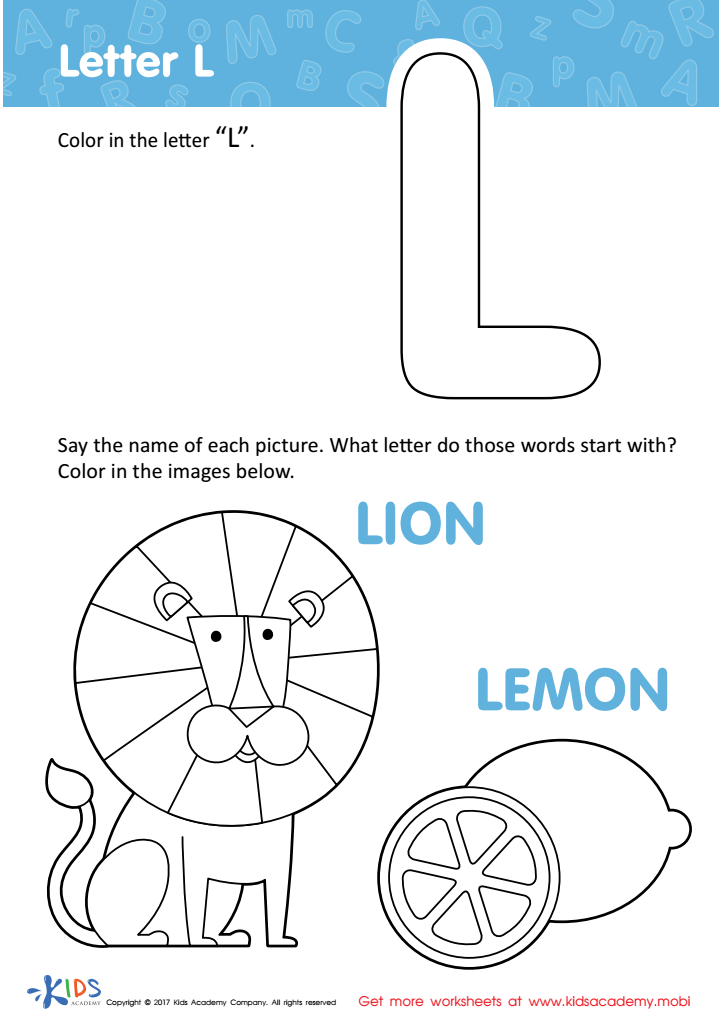
Letter L Coloring Sheet
Assign to My Students
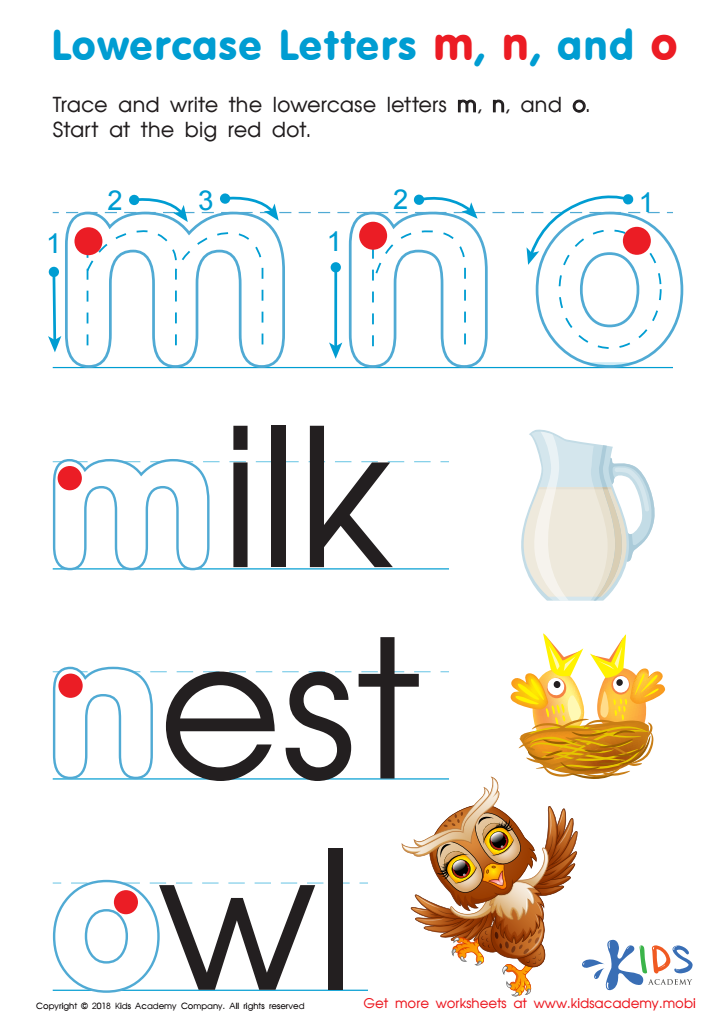
Lowercase Letters m n o Worksheet
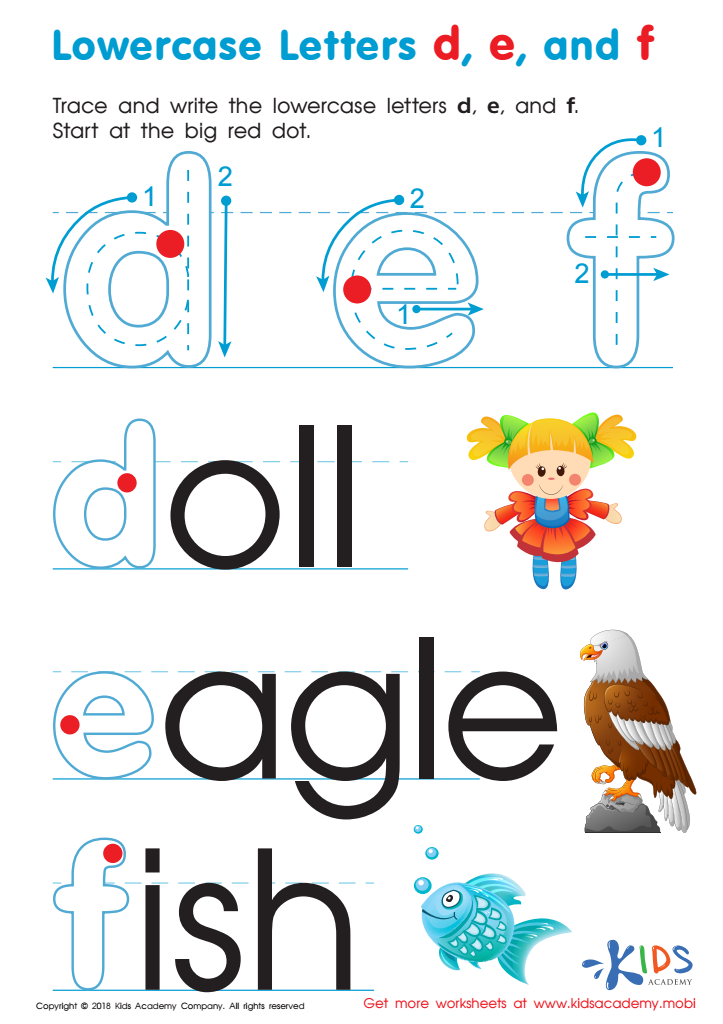
Lowercase Letters d e f Worksheet
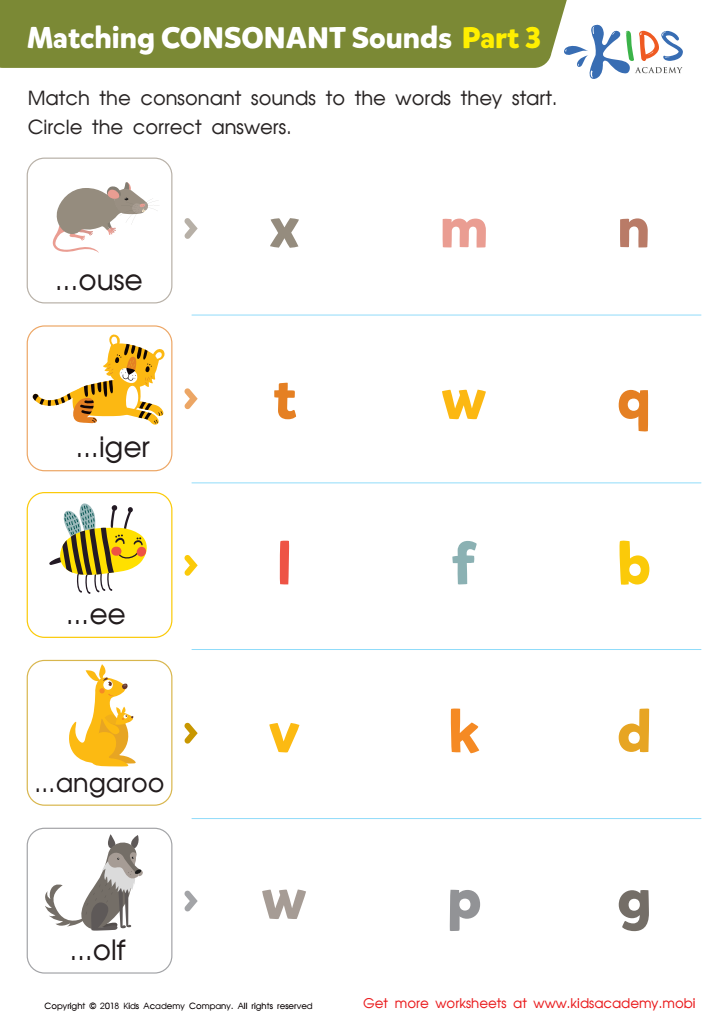
Matching Consonant Sounds: Part 3 Worksheet
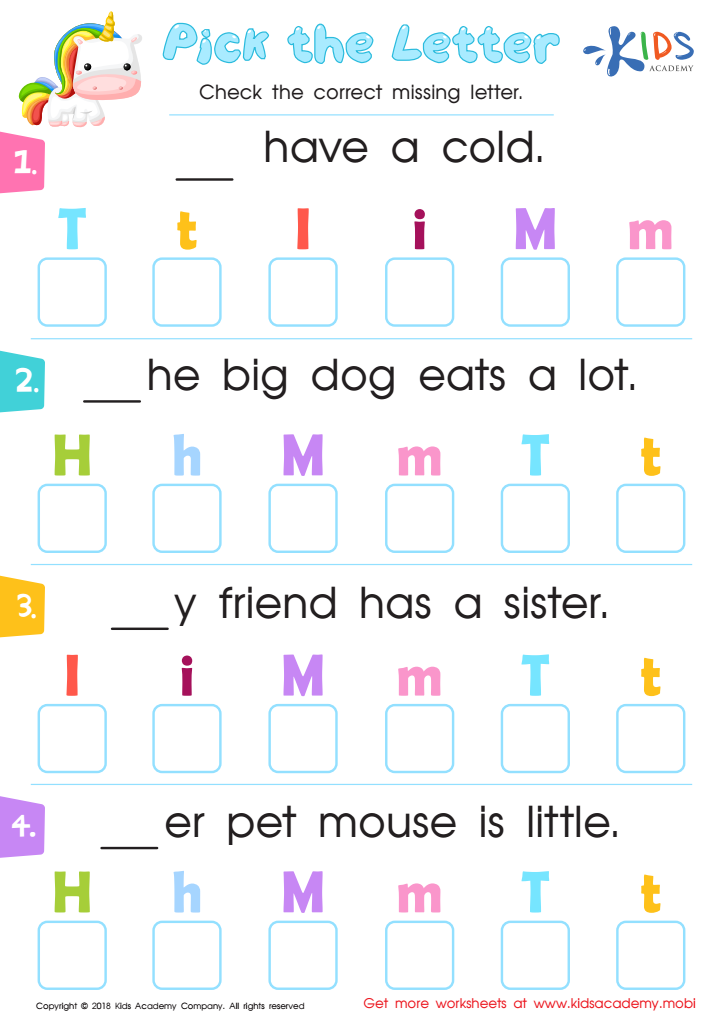
Pick the Letter Worksheet








Letter-sound association is a fundamental skill for children ages 6-7 as they embark on their reading journey. At this crucial stage, children begin to connect letters with their respective sounds, forming the basis of phonics, which is essential for decoding unfamiliar words. When children understand that letters represent sounds, they can blend these sounds together to read simple words, fostering confidence and independence in reading. This skill not only enhances literacy but also boosts overall academic performance.
Parents and teachers should prioritize letter-sound association because it significantly impacts a child's reading fluency and comprehension. Mastering this skill early on enables students to tackle increasingly complex texts, improving their ability to engage with written material. Moreover, strong reading skills cultivate a love for learning, encourage curiosity, and are linked to better outcomes in subjects across the curriculum.
In the classroom, employing engaging activities like phonics games, songs, and hands-on experiences can help reinforce this association. At home, parents can support learning through reading together, playing sound games, and exploring books. By emphasizing letter-sound association, parents and teachers play a vital role in equipping children with essential skills that foster lifelong reading habits and academic success.








