Phonics recognition Normal Worksheets for Ages 6-7
11 filtered results
-
From - To
Discover our expertly crafted Phonics Recognition Normal Worksheets for ages 6-7, designed to enhance young learners' reading skills. These engaging worksheets help children identify and understand phonetic sounds, aiding their ability to blend letters and form words. Filled with fun activities and colorful illustrations, our resources make learning enjoyable and effective. Perfect for at-home practice or classroom use, these worksheets support children in mastering the fundamentals of phonics, crucial for their literacy development. Empower your child’s reading journey with Kids Academy’s innovative phonics worksheets and set the foundation for lifelong learning success.
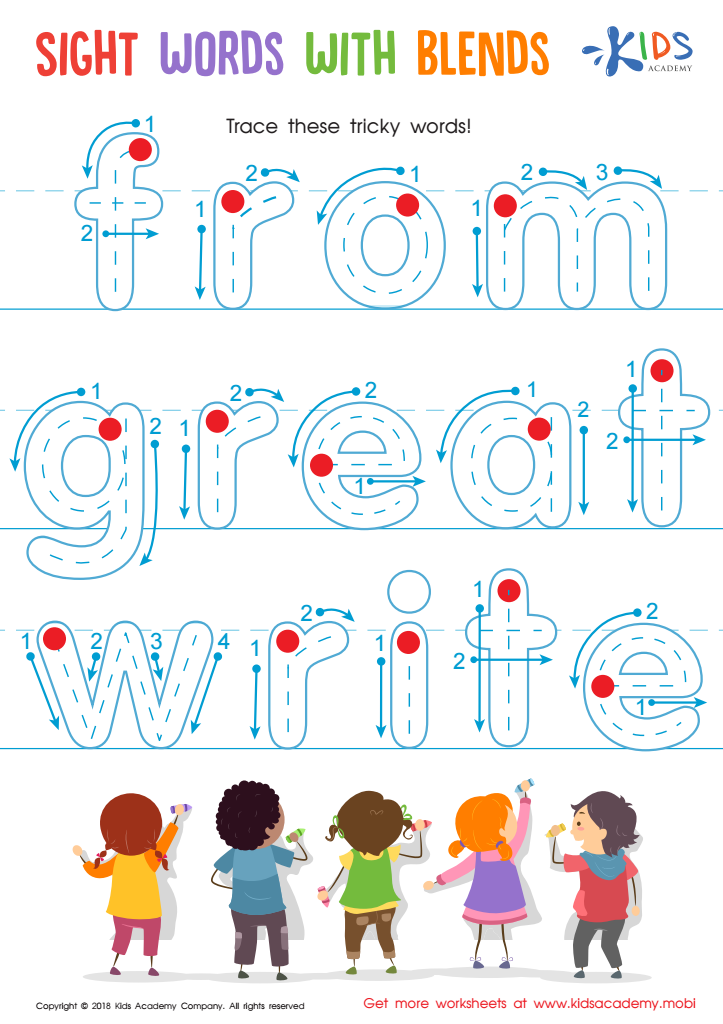
Sight Words with Blends Worksheet
 Assign to My Students
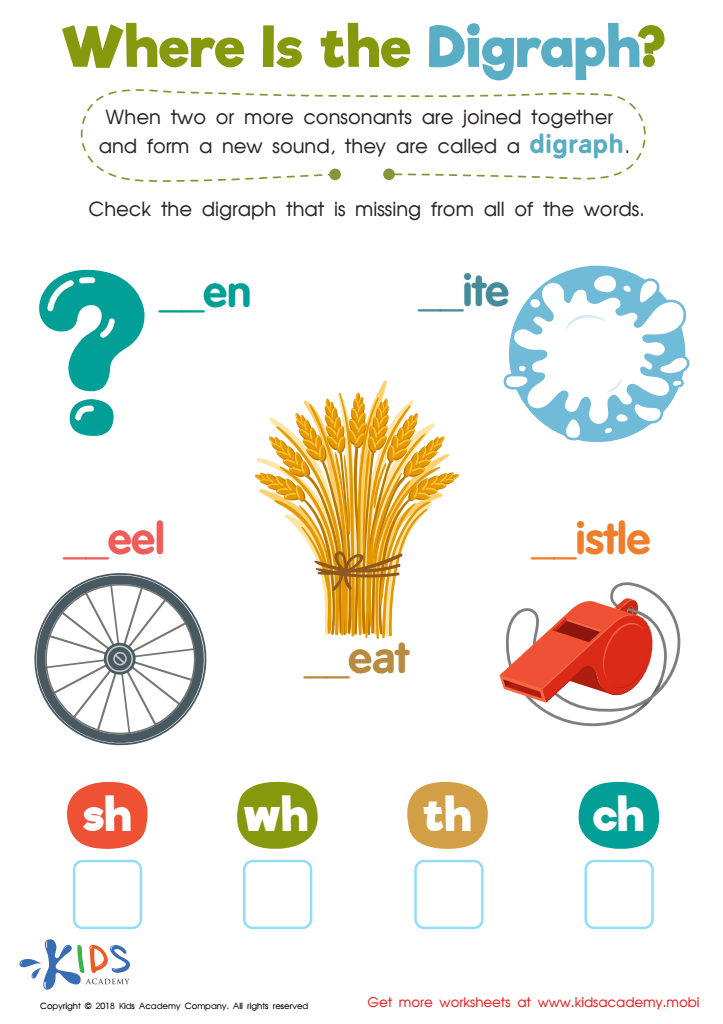
Where Is the Digraph? Worksheet
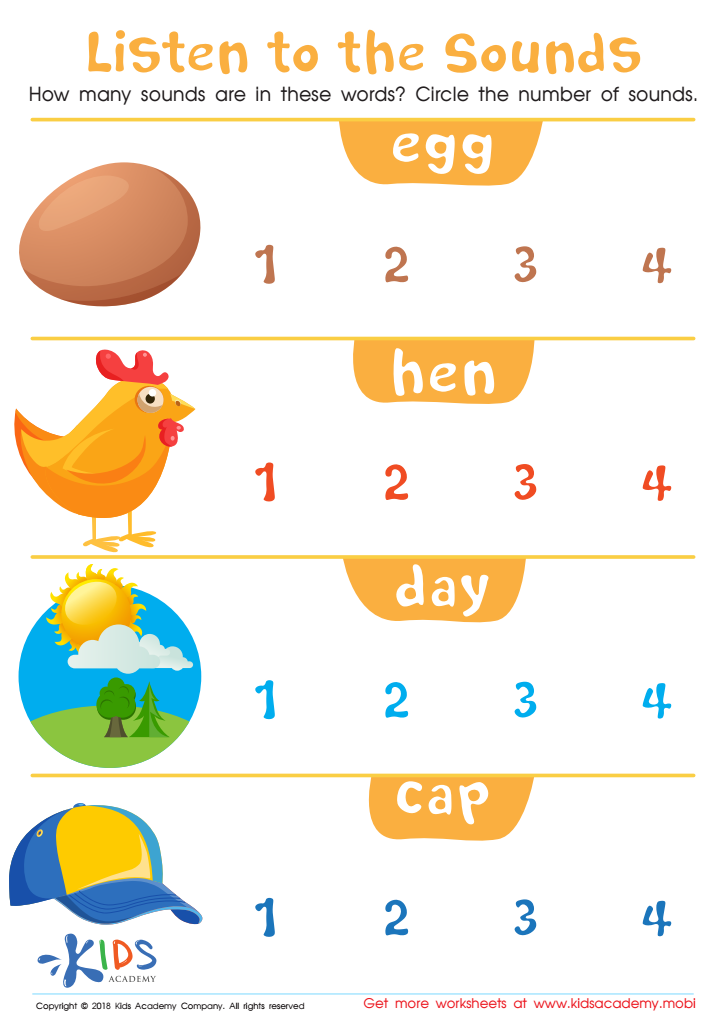
Listen to the Sounds Worksheet
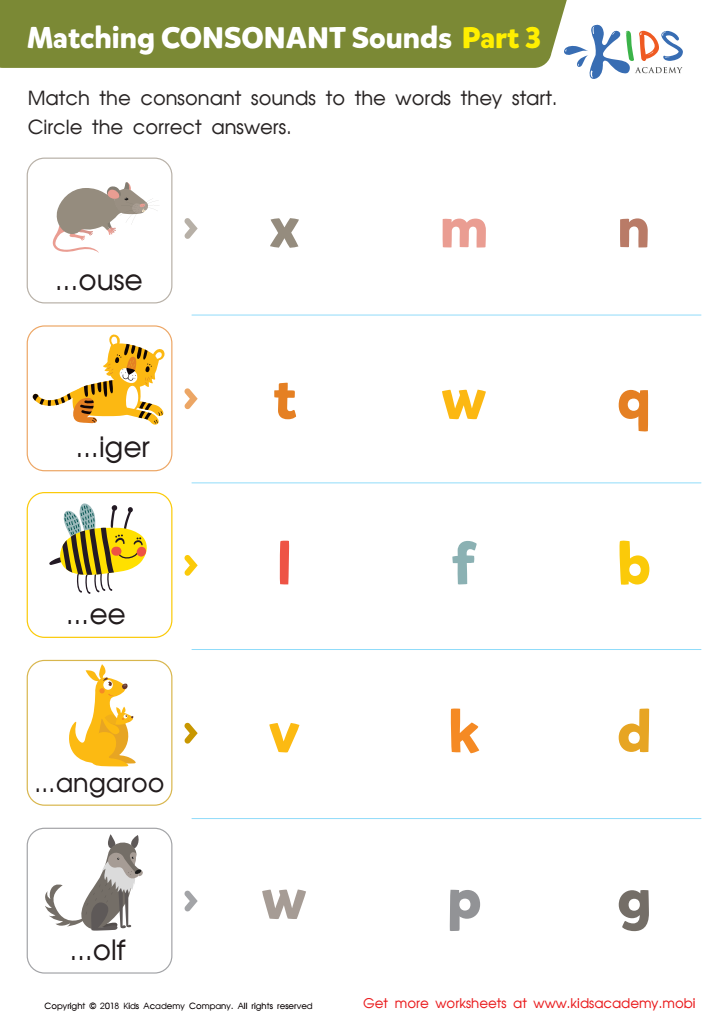
Matching Consonant Sounds: Part 3 Worksheet
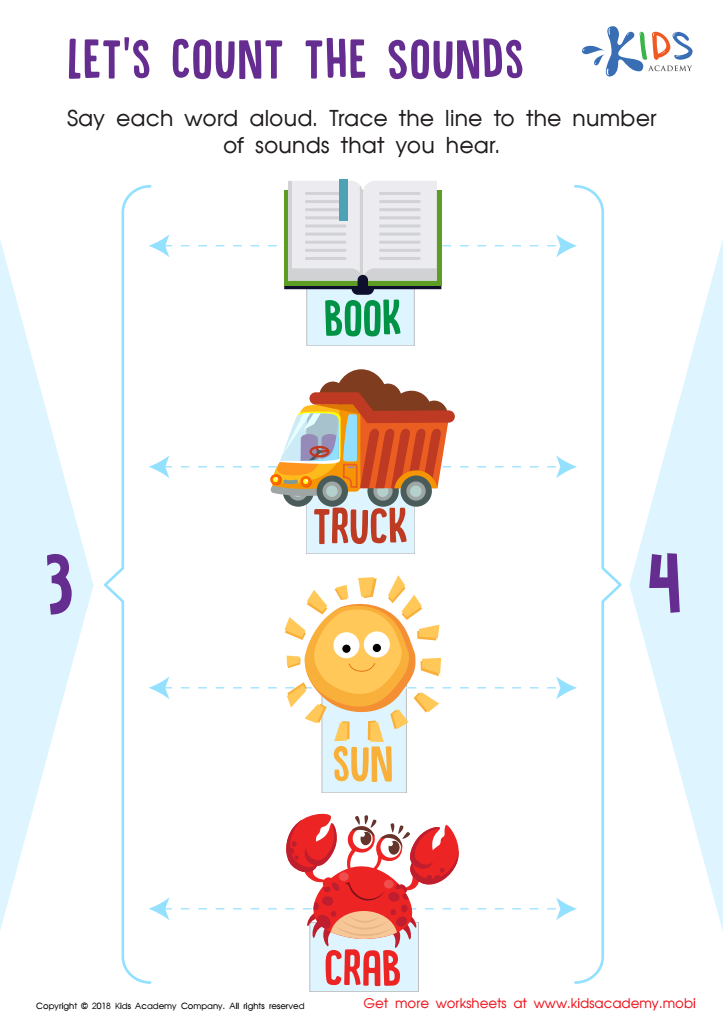
Let's Count the Sounds Worksheet
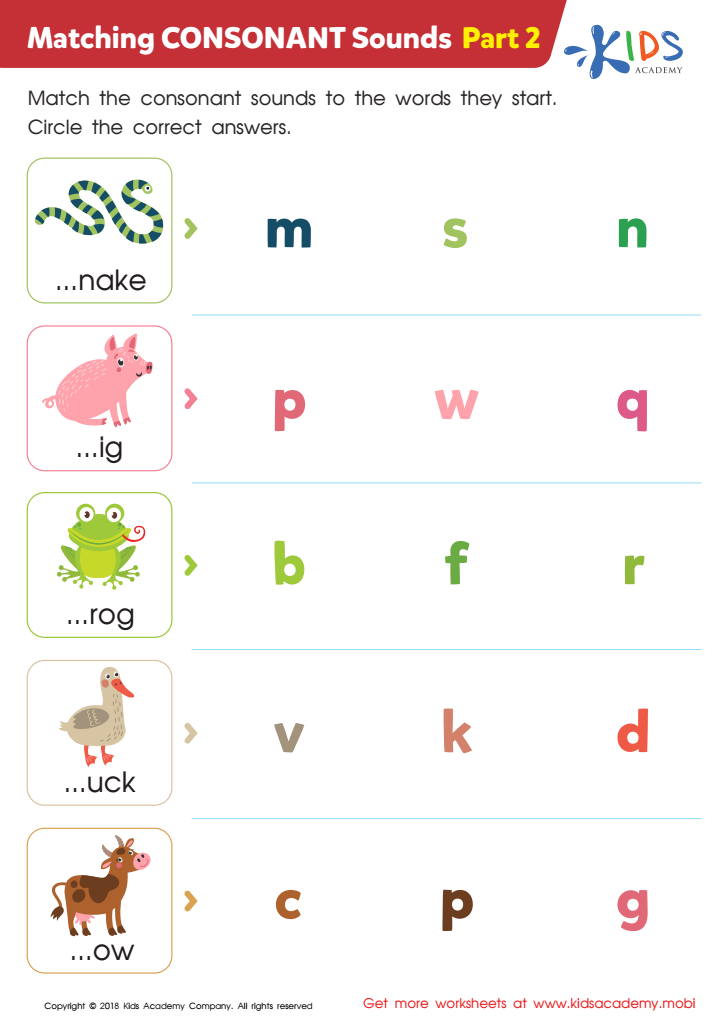
Matching Consonant Sounds: Part 2 Worksheet
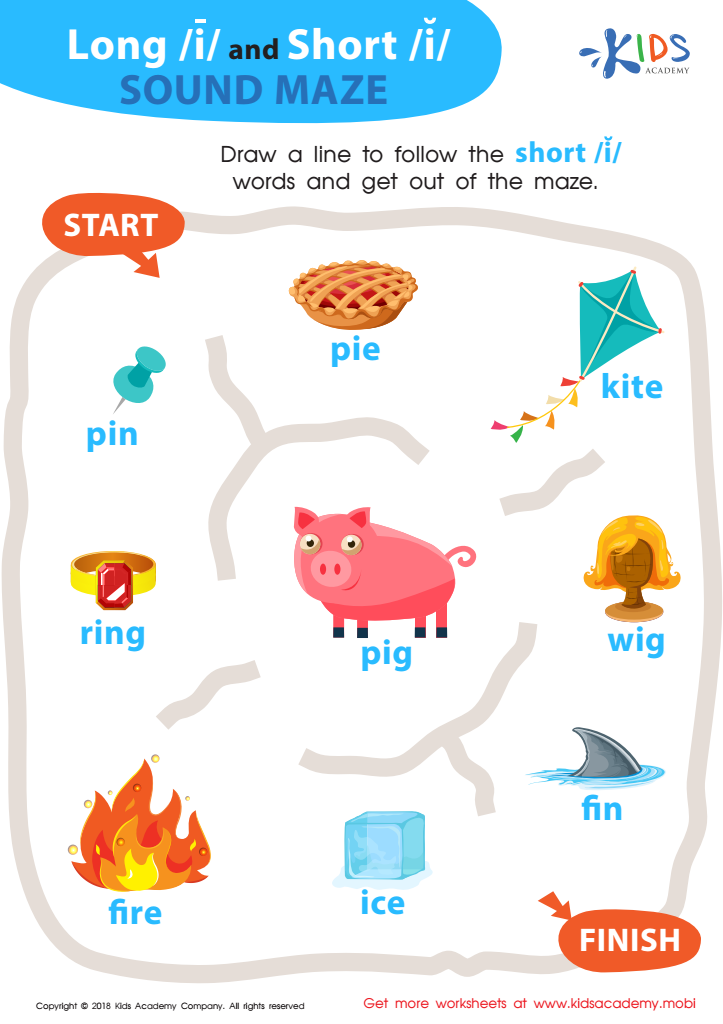
Reading: Long I and Short I Sound Maze Worksheet
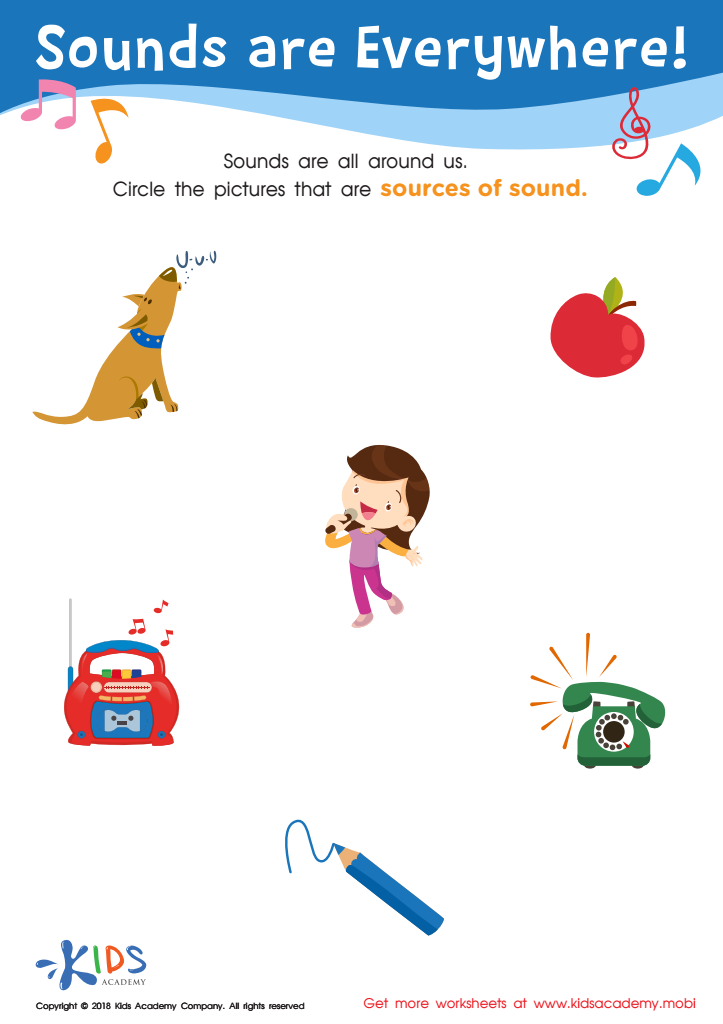
Sounds Are Everywhere! Worksheet
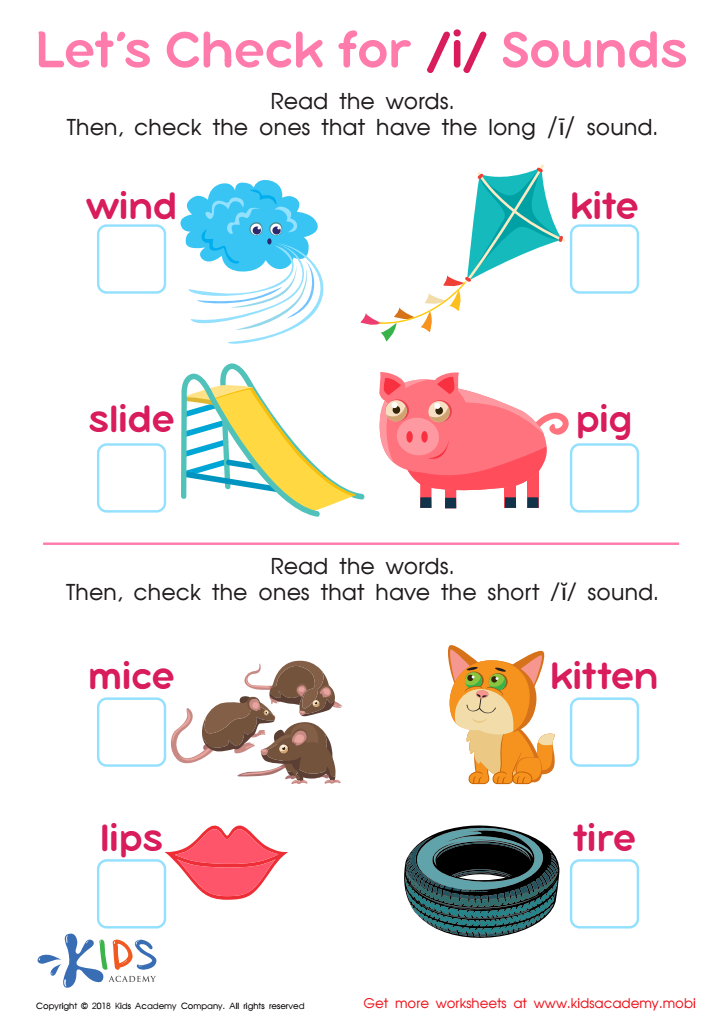
Let's Check for «i» Sounds Worksheet
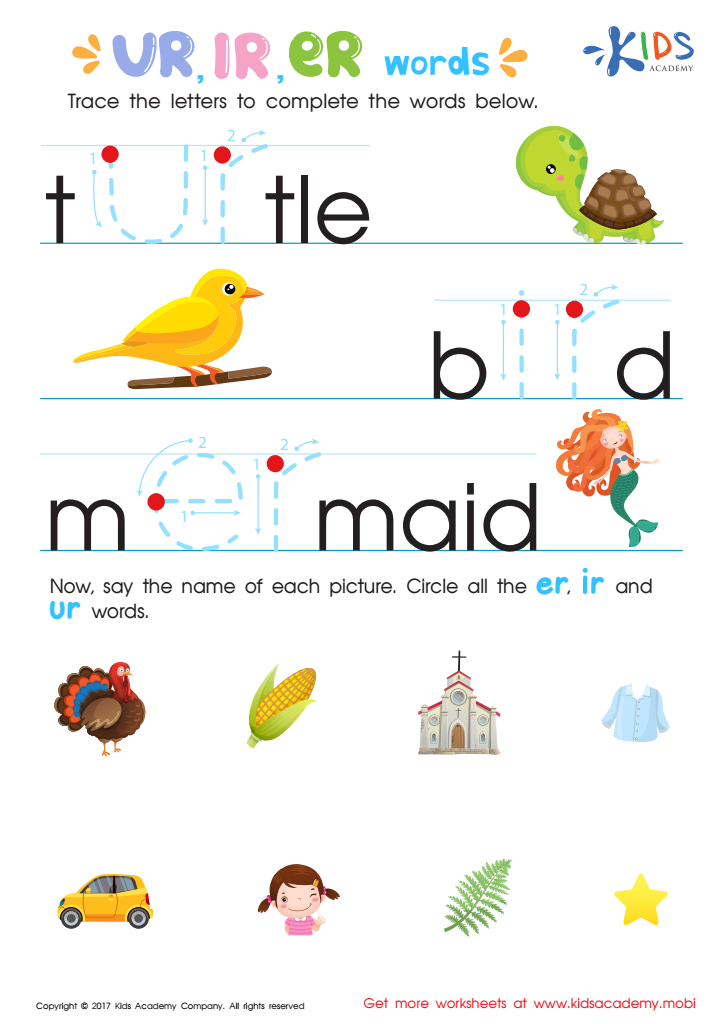
IR UR ER Words Worksheet
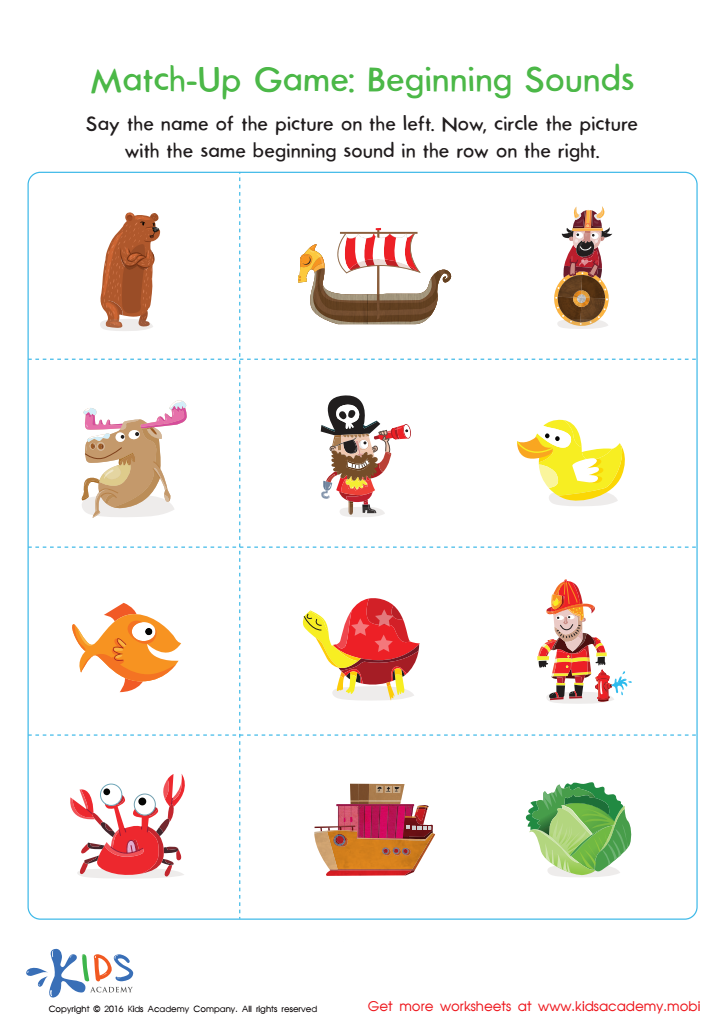
Match–Up Game: Beginning Sounds Worksheet








Phonics recognition is crucial for children ages 6-7 as it lays a solid foundation for their reading skills, a core building block of education. At this age, kids are transitioning from recognizing letters to associating them with specific sounds—a critical process in learning to read. Phonics instruction enables children to decode new words by sounding them out, dramatically enhancing their reading fluency and comprehension over time.
For parents and teachers, focusing on phonics recognition helps identify and address early reading difficulties. Early intervention can prevent potential struggles that may affect future academic success and self-esteem. Furthermore, phonics instruction supports vocabulary development, as children can decode and understand an expanding array of words, leading to richer language skills.
Phonics education also enhances children’s writing abilities by helping them spell words phonetically and understand the relationship between sounds and letters. This two-pronged approach of reading and writing fortifies literacy skills, promoting better overall educational outcomes.
In essence, for children aged 6-7, strong phonics recognition paves the way for proficient reading and writing. By investing in this critical stage of their education, parents and teachers equip children with essential tools for lifelong learning and intellectual growth.








