
Reading skills improvement Normal Worksheets for Ages 6-7
11 filtered results
Difficulty Level
Grade
Age
-
From - To
Subject
Activity
Standards
Boost your child's reading abilities with our engaging Reading Skills Improvement Worksheets for ages 6-7. Designed to enhance literacy, these interactive worksheets promote phonics, vocabulary growth, and comprehension. Each worksheet focuses on fundamental skills through fun activities, stories, and exercises tailored to your child's developmental needs. This engaging resource encourages independent learning while ensuring that reading becomes an enjoyable activity. By integrating colorful illustrations and relatable themes, children stay motivated as they build confidence in their reading skills. Perfect for home or classroom use, these worksheets are an essential tool for fostering a strong educational foundation. Start your child's reading journey today!
Favorites
With answer key
Interactive
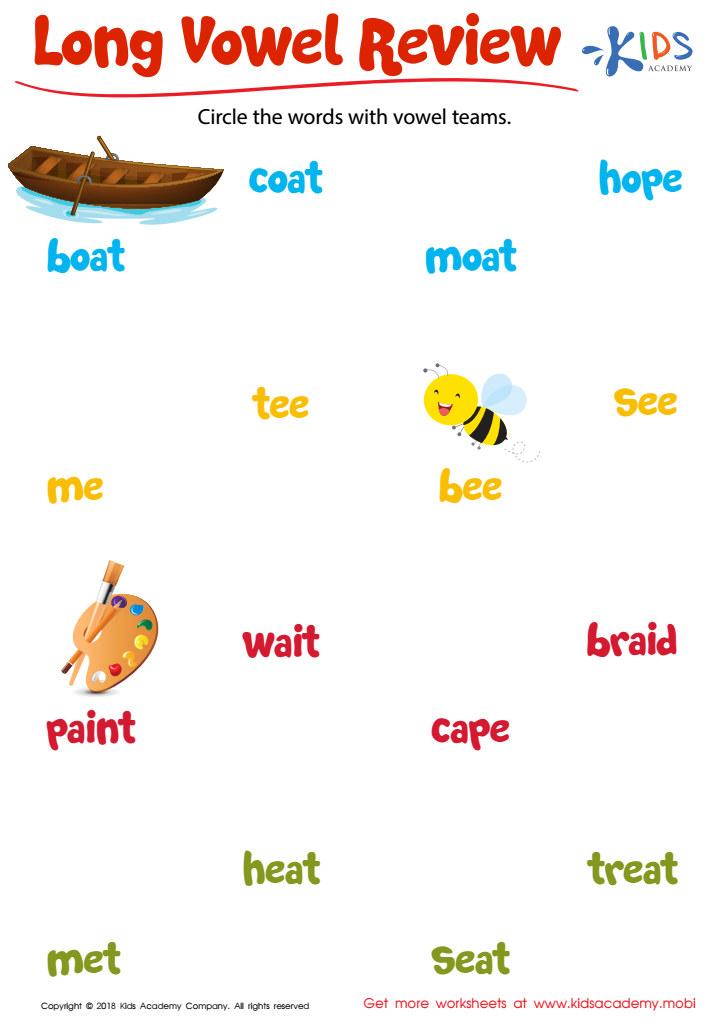
Long Vowel Review Worksheet
Vowel teams like "ea" and "ai" help us make words, and understanding these patterns aids emerging readers in becoming more fluent. This review worksheet has students finding words with vowel teams that make the long vowel sound, and helps them recognize high-frequency words.
 Assign to My Students
Long Vowel Review Worksheet
Worksheet
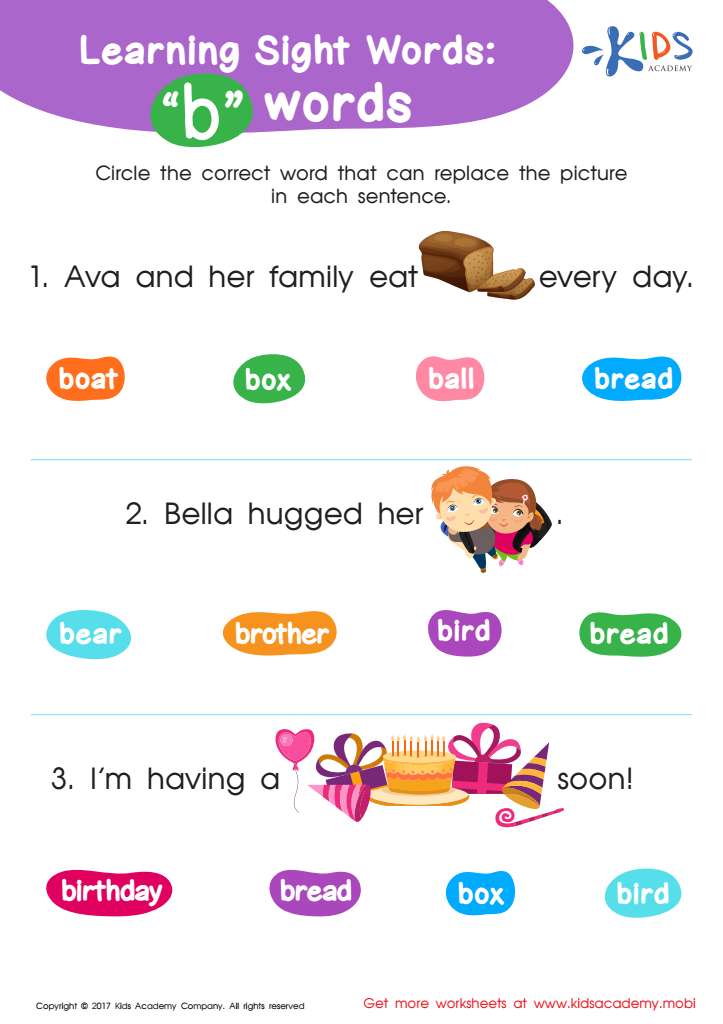
Sight Words Free Worksheet – B Words
This free 2nd grade sight words worksheet – b words – is a great way to help your child expand their sight word repertoire. They can read through each sentence, using the context and illustrations as clues to pick the right answer. Offer your child a quick practice session for even more learning!
Sight Words Free Worksheet – B Words
Worksheet
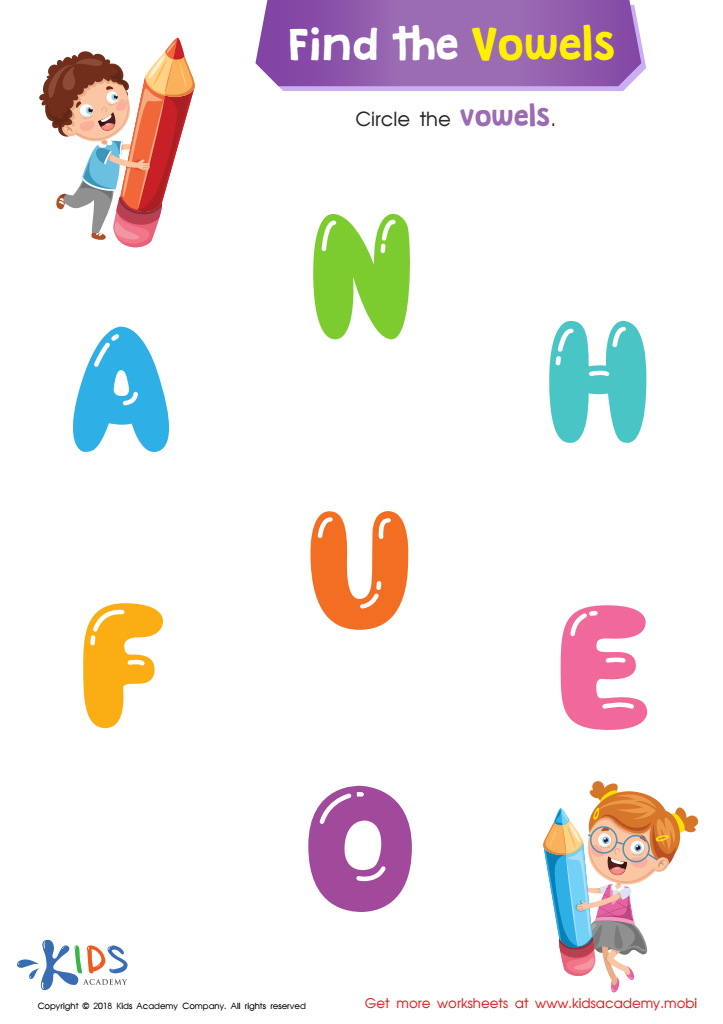
Find the Vowels Reading Worksheet
This worksheet helps kids identify vowels with bright colors and engaging activities to strengthen their visual discrimination and fine motor skills. Young learners will find it easy to succeed and be excited to keep reading!
Find the Vowels Reading Worksheet
Worksheet
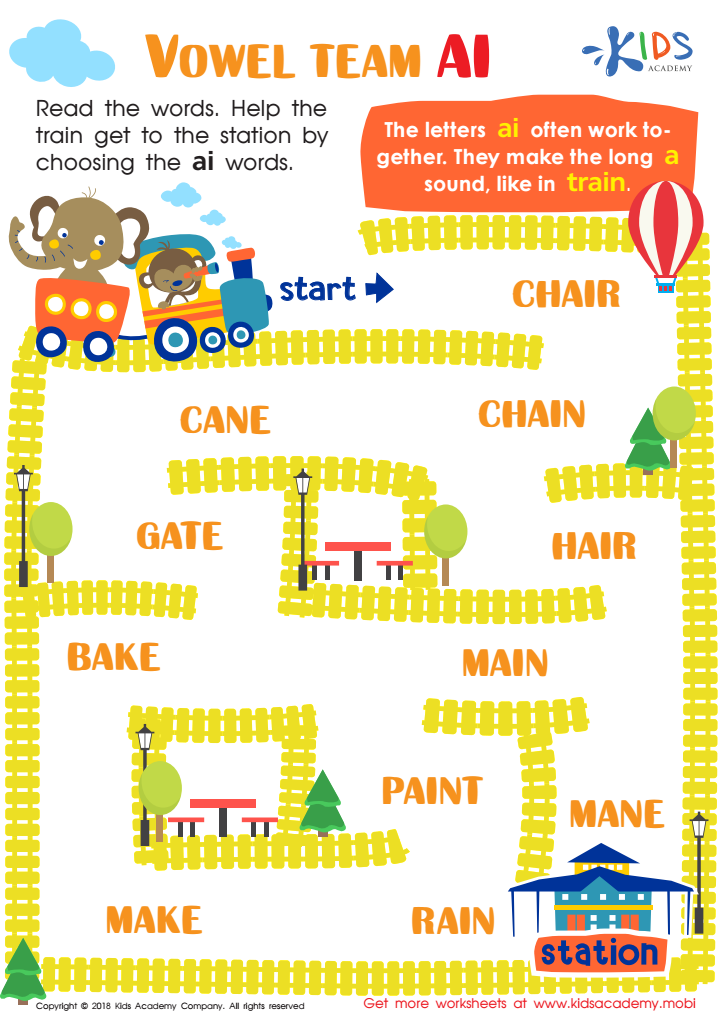
Vowel team ai Worksheet
Kids will have a blast learning about the -ai digraph with this fun worksheet. They'll read words with it and practice their motor skills as they help the animal duo get back to the train station. With success, they'll smile and enjoy the activity!
Vowel team ai Worksheet
Worksheet
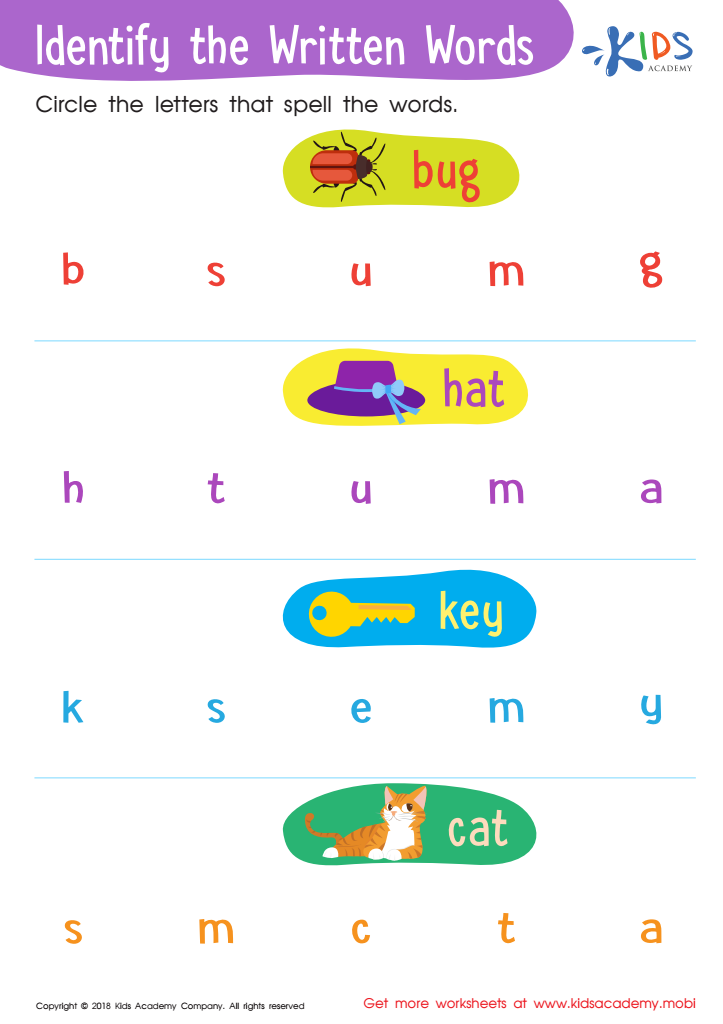
Identify the Written Words Worksheet
Have your students identify the objects on the printout, then spell the words. If they already know how to spell, this exercise should be easy. Help them circle the correct letters from the set to spell out the words. This is a great way to reinforce reading and spelling skills. Max 80 words.
Identify the Written Words Worksheet
Worksheet
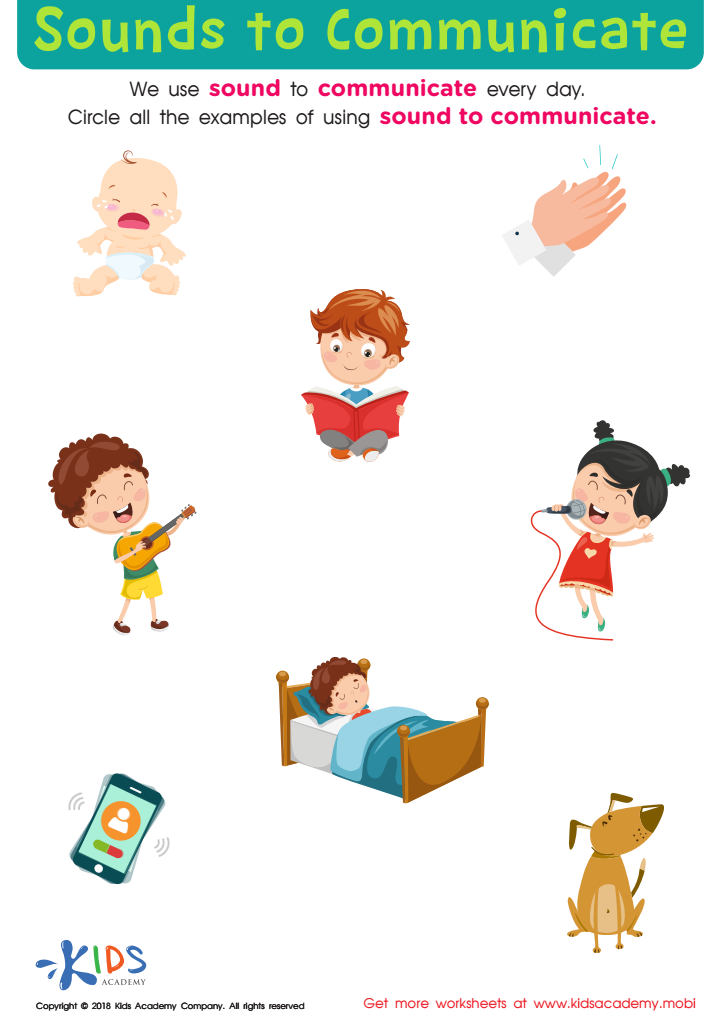
Sounds to Communicate Worksheet
Sounds are important for communication. Ask your students to name sounds people, animals and things make. Then, review this worksheet with them and see if they can identify the activities. Ask them to circle examples of sounds used to communicate.
Sounds to Communicate Worksheet
Worksheet
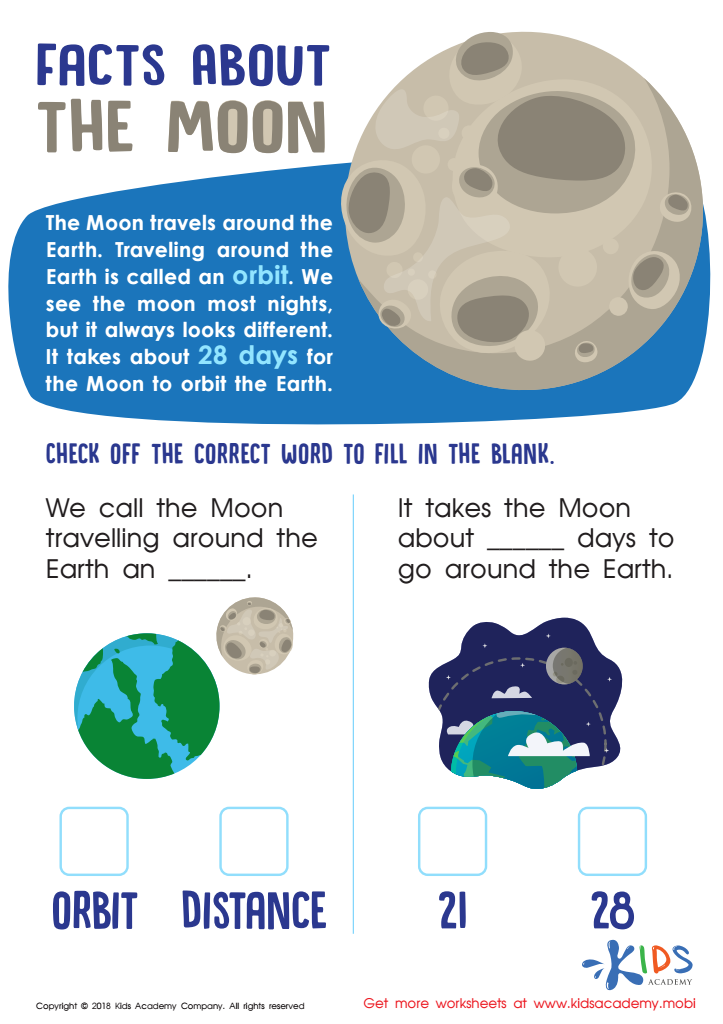
Facts About the Moon Worksheet
Have your child learn about our moon's orbit with this engaging worksheet! They can read the introductory paragraph for the required vocabulary, then read the sentences under the images and check off the correct boxes. Explore the wonders of the cosmos and our planet with this fun exercise!
Facts About the Moon Worksheet
Worksheet
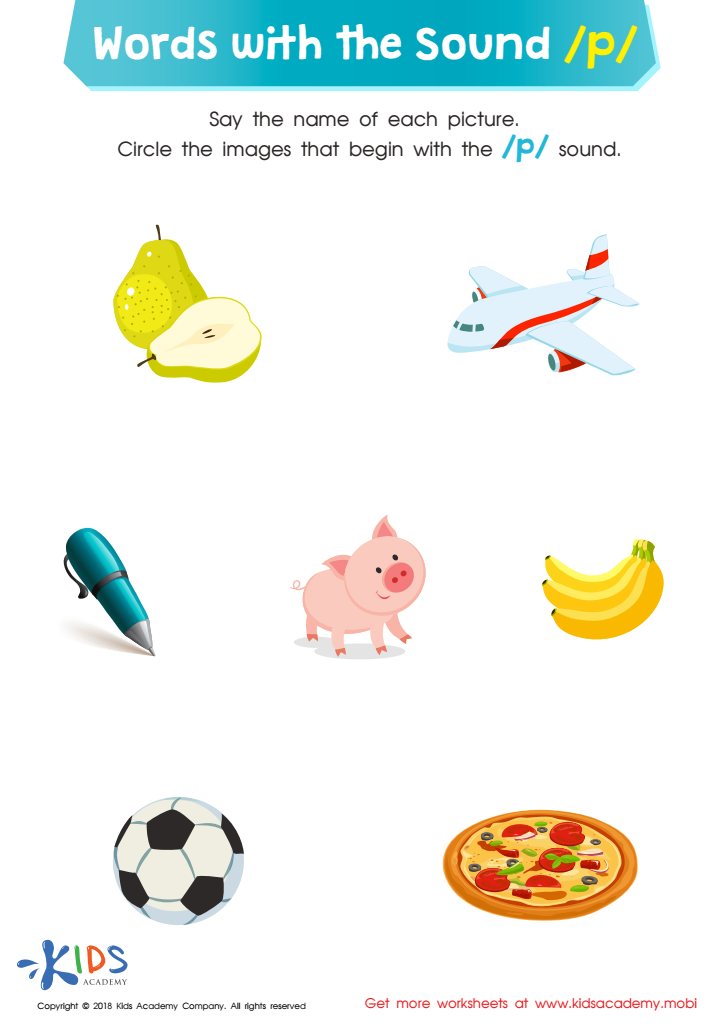
Words with sound p Reading Worksheet
Working on this fun worksheet? Name each picture aloud and listen carefully before circling those that start with the letter «p»! Pizza, pig, plane, or banana - practice phonics to help your child recognize the letter «p» sound for successful early reading and decoding!
Words with sound p Reading Worksheet
Worksheet
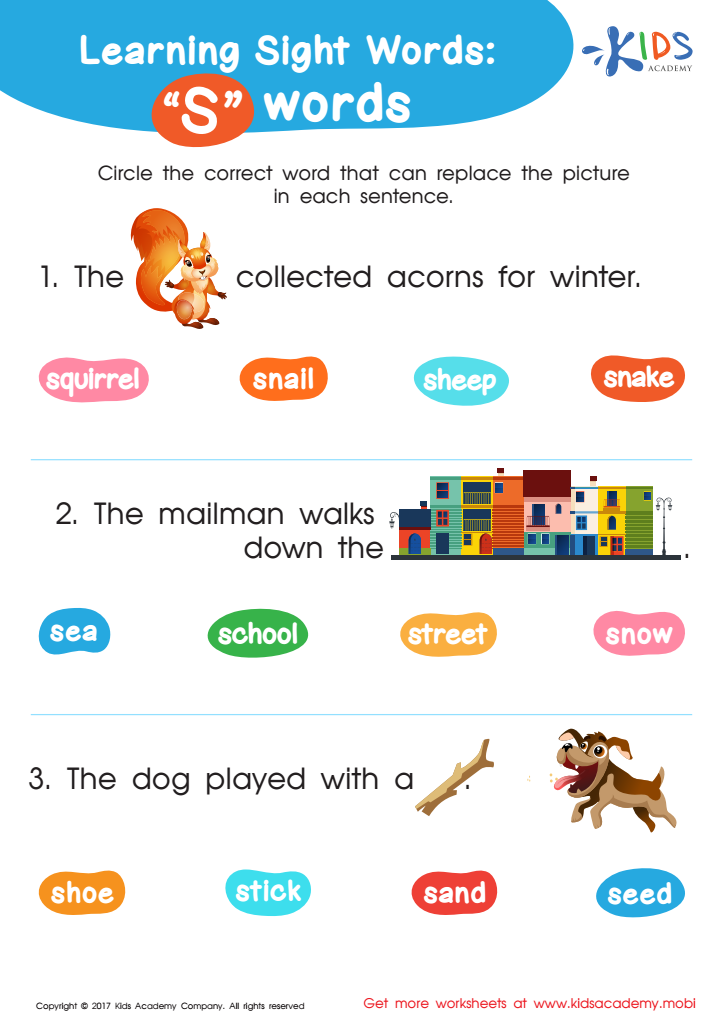
S Words Sight Words Worksheet
This 2nd grade worksheet encourages kids to practice using context clues when identifying sight words that begin with 's'. Engage them with colorful pictures to enhance the learning, helping them to understand the context of each sentence and choose the correct word.
S Words Sight Words Worksheet
Worksheet
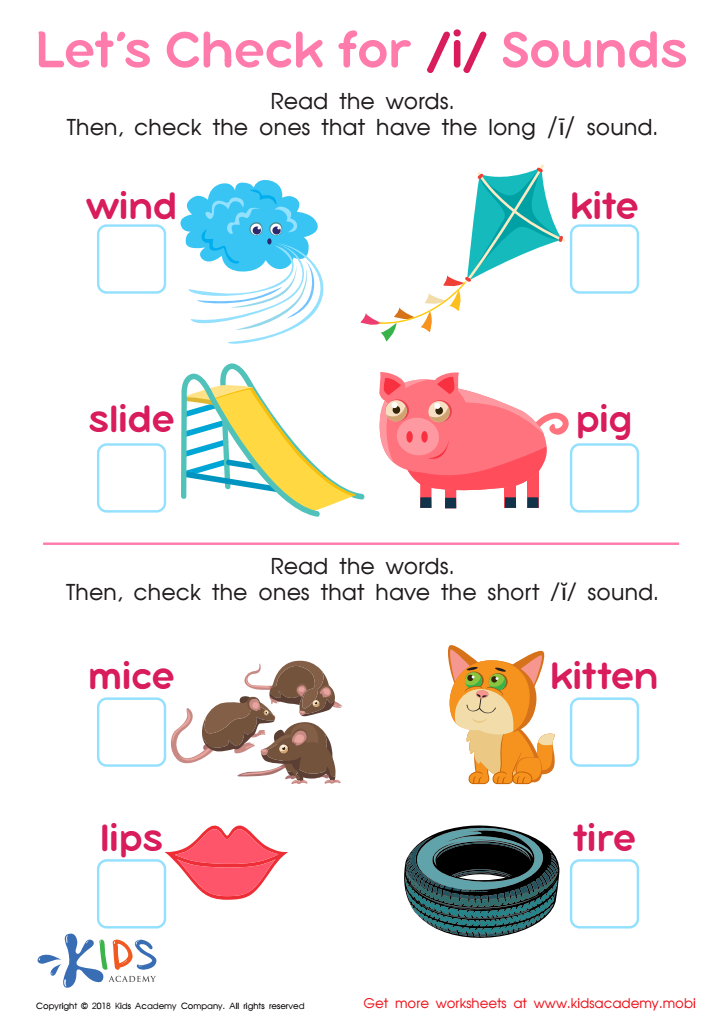
Let's Check for «i» Sounds Worksheet
This fun worksheet with pictures boosts phonics skills - differentiating between long «ī» and short «i» sounds in 1- and 2-syllable words. Kids use picture clues to read words, then check off the correct ones. It's a great way for new readers to practice early reading skills and find success on their own.
Let's Check for «i» Sounds Worksheet
Worksheet
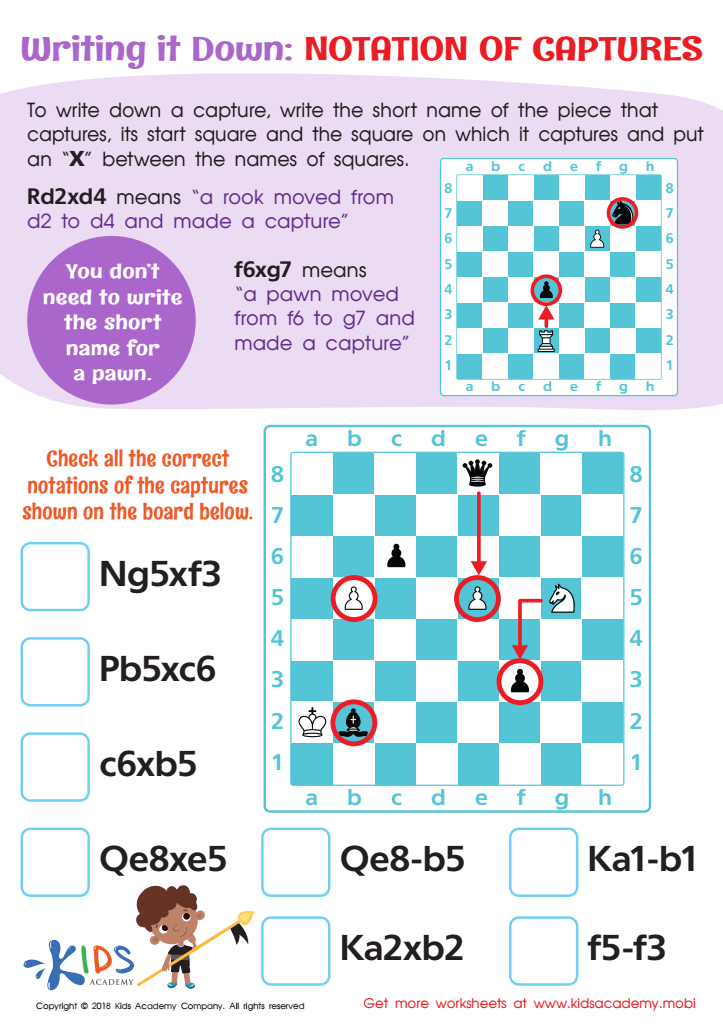
Notation of Captures Writing it Down Worksheet
To teach students how to record captures in chess, use this worksheet. Write down the piece's short name, start sq., and the sq. where it captures, separating them with an X. For example, Rd2Xd4 means a rook moved d2 to d4 and took a piece. Pawn captures don't need a name.
Notation of Captures Writing it Down Worksheet
Worksheet
Join Kids Academy for Free
Who is primarily going to use this learning content?







Reading skills are foundational for children aged 6-7, setting the stage for their academic success and overall development. At this age, children are transitioning from learning to read to reading to learn. Improved reading skills enhance their ability to understand and engage with the world around them, fostering critical thinking and curiosity.
Parents and teachers should prioritize reading skill improvement as it directly impacts a child's confidence and self-esteem. Proficient readers are more likely to participate in classroom discussions and express their ideas effectively, creating a positive learning environment. Additionally, strong reading skills correlate with better performance in subjects like math and science, which often require comprehension of written materials.
Moreover, improving reading skills nurtures a love for literature, encouraging children to explore new ideas and cultures while developing empathy. It also opens doors to countless opportunities, paving the way for lifelong learning and successful careers.
In summary, focusing on reading skills for children aged 6-7 is essential, as it fosters academic growth, boosts confidence, and lays a foundation for informed, engaged citizens. Teachers and parents play a crucial role in guiding this critical developmental phase, making collaboration and support vital.








