Shape identification Normal Worksheets for Ages 6-7
7 filtered results
-
From - To
Welcome to our Shape Identification Normal Worksheets designed specifically for children aged 6 to 7! These engaging, interactive worksheets provide a fun way for young learners to explore and recognize different shapes in various contexts. Each worksheet features colorful visuals and age-appropriate activities that promote critical thinking and enhance spatial awareness. With a wide variety of exercises, children will practice identifying, drawing, and categorizing shapes, building a strong foundation for their mathematical skills. Perfect for home or classroom use, our worksheets cater to diverse learning styles, ensuring every child gains confidence in shape recognition. Start your child’s learning adventure today!
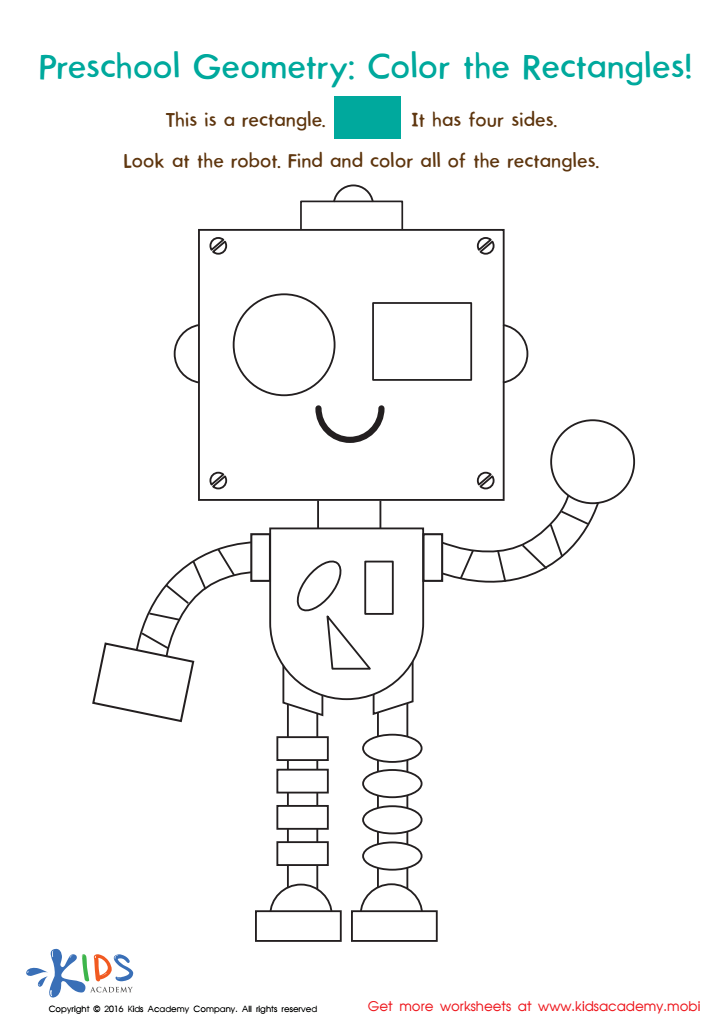
Geometry Worksheet
 Assign to My Students
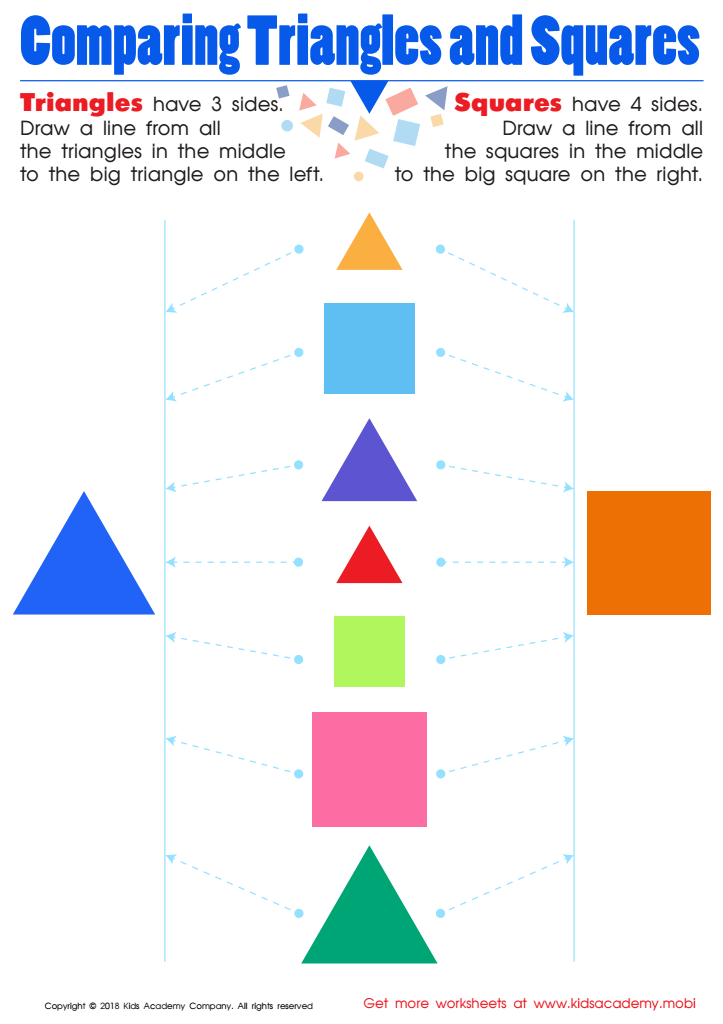
Comparing Triangles Squares Worksheet
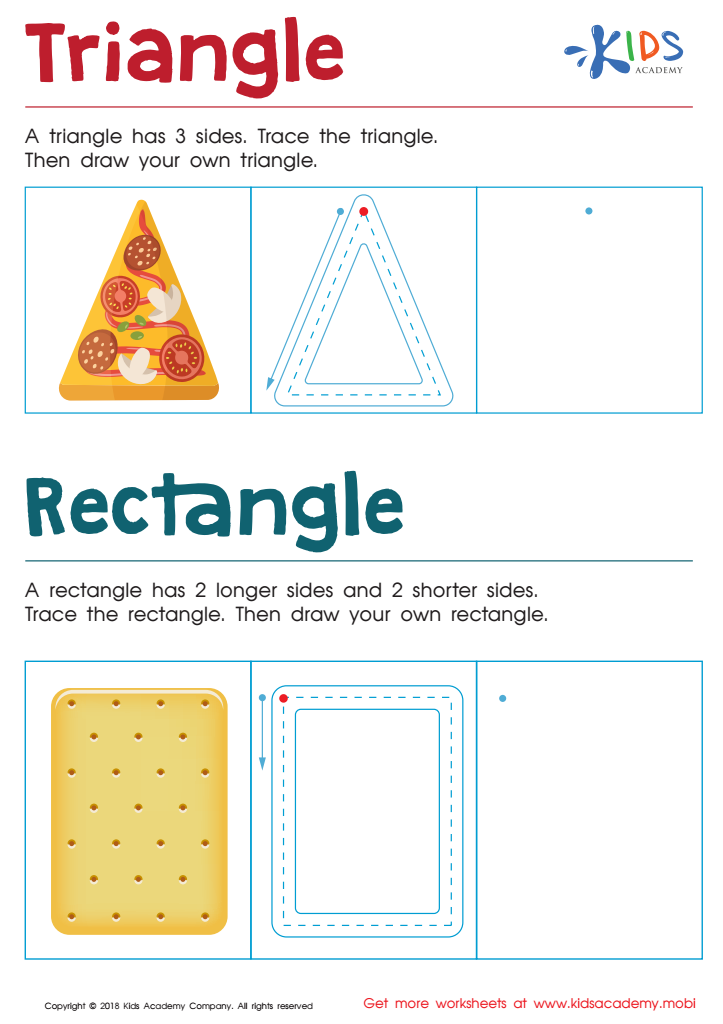
Triangle Rectangle Worksheet
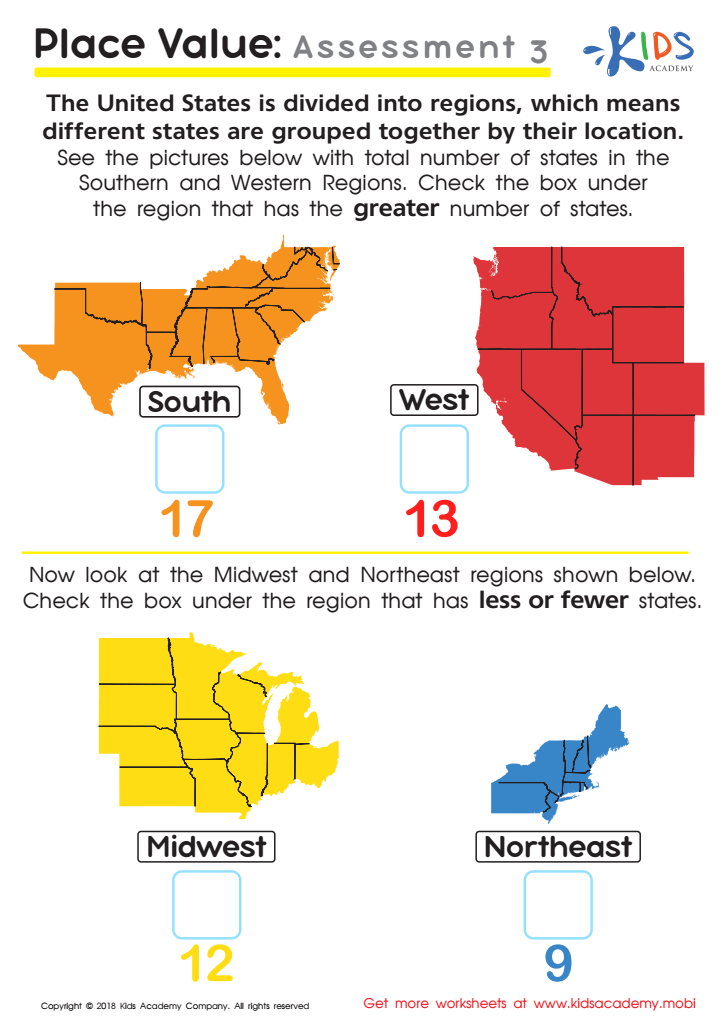
Place Value: Assessment 3 Worksheet
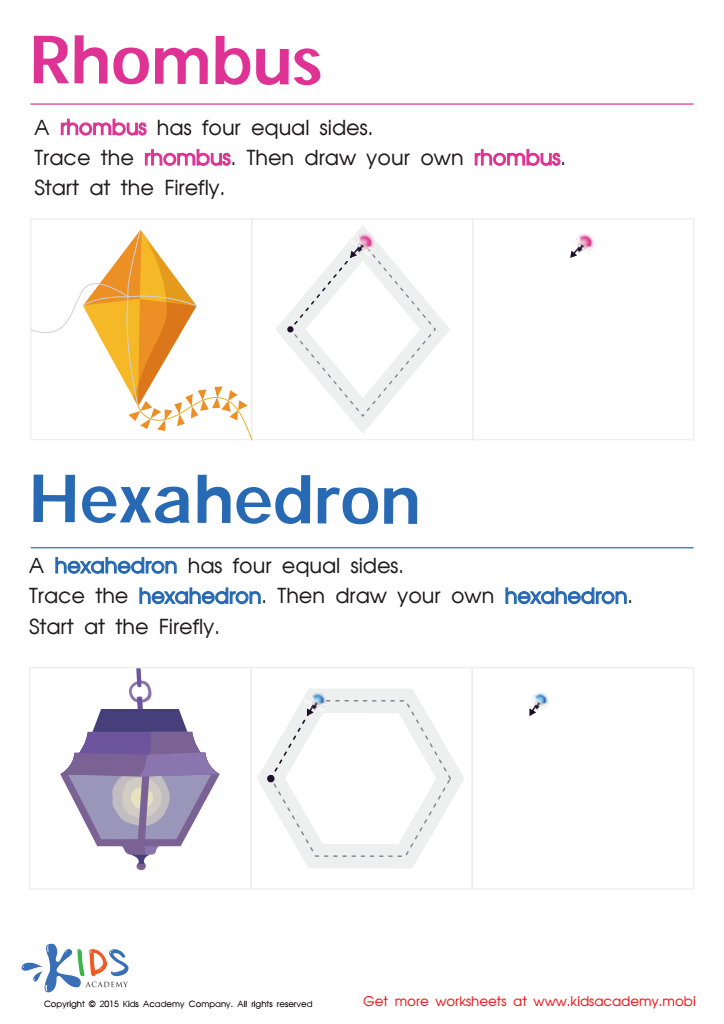
Draw a Rhombus And a Hexahedron Printable
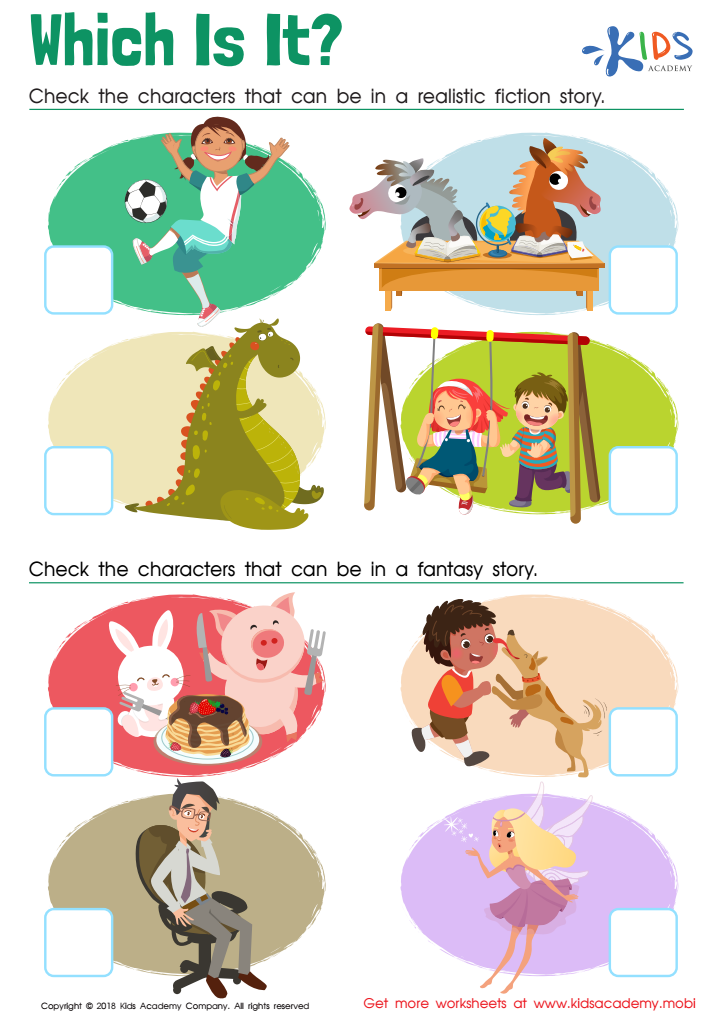
Which Is It? Worksheet
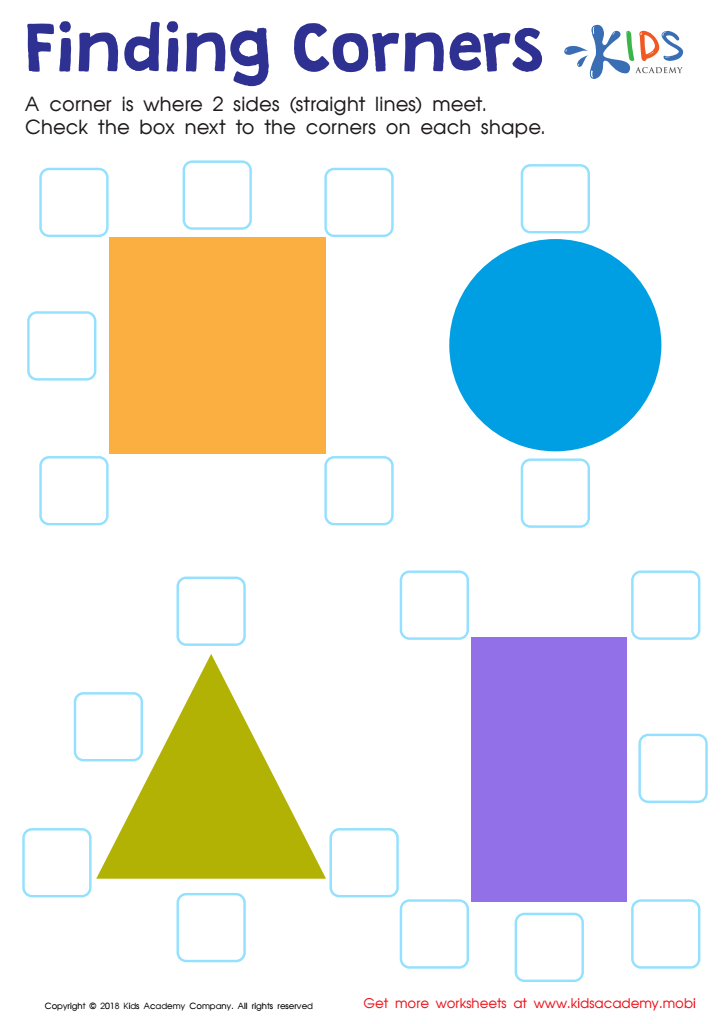
Finding Corners Worksheet




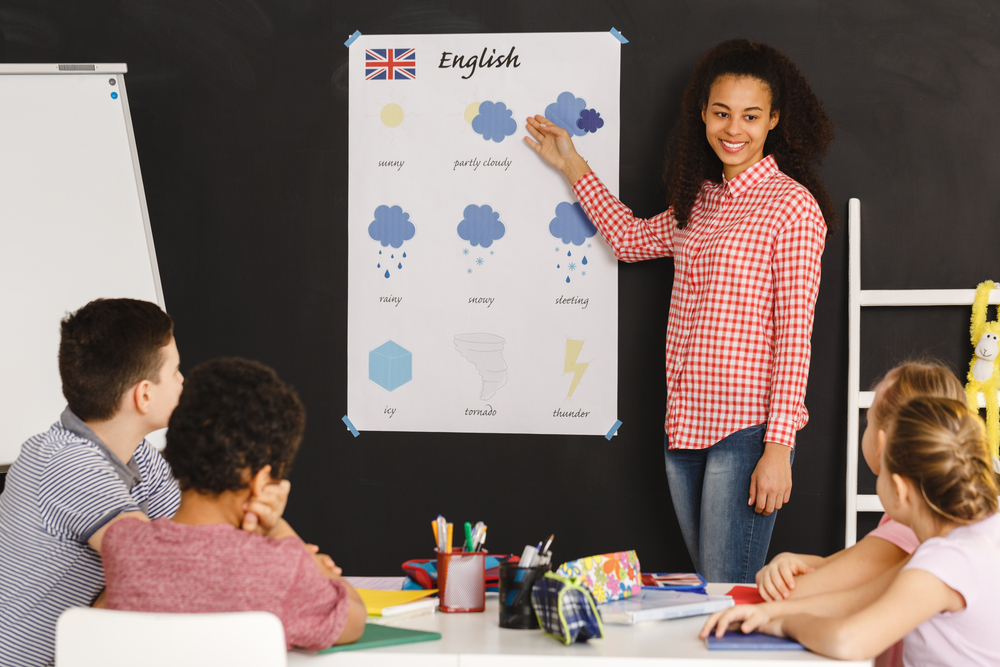



Shape identification is a fundamental skill for children aged 6-7, laying the groundwork for various cognitive and mathematical concepts. Teachers and parents should prioritize this learning opportunity because it significantly enhances spatial awareness and problem-solving abilities. Recognizing different shapes helps children make sense of the world around them, aiding in visual discrimination skills that are vital for tasks such as reading and writing.
Moreover, shape identification fosters critical thinking as children learn to compare and categorize objects, an early introduction to geometry concepts. It supports further mathematical learning, like understanding fractions and symmetry, by providing a tangible context for abstract ideas.
Additionally, shape recognition plays an essential role in everyday life, from organizing items to understanding directions and maps. These practical applications enhance a child's confidence and autonomy, teaching them to navigate their environment effectively.
Engaging children in shape identification through games, puzzles, and hands-on activities can make learning enjoyable while reinforcing social skills and collaboration. By caring about this developmental milestone, parents and teachers help nurture well-rounded learners capable of applying their knowledge in diverse and meaningful ways. Overall, shape identification is crucial for preparing children for future academic success and real-life challenges.








