Shape Recognition Normal Worksheets for Ages 6-7 - Page 2
36 filtered results
-
From - To
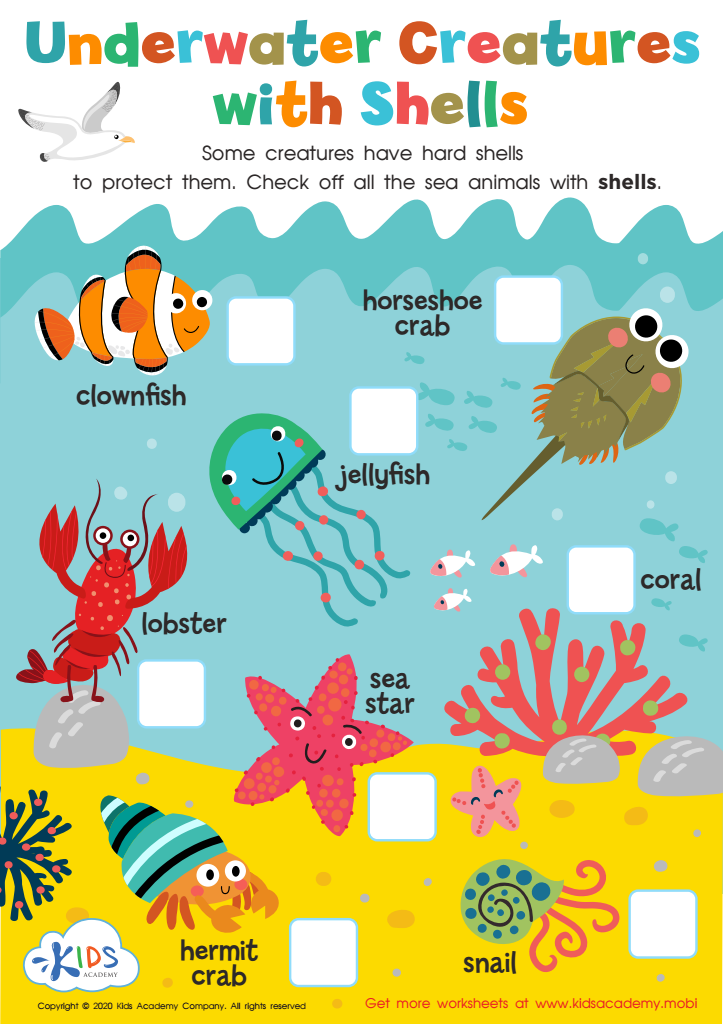
Underwater Creatures with Shells Worksheet
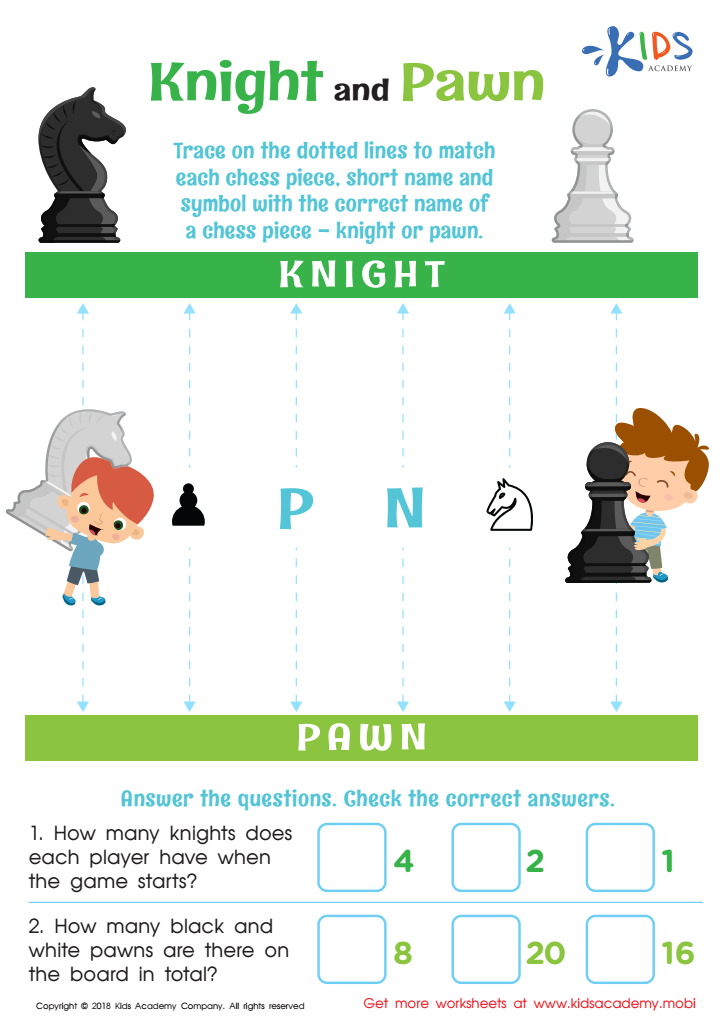
Knight and Pawn Worksheet
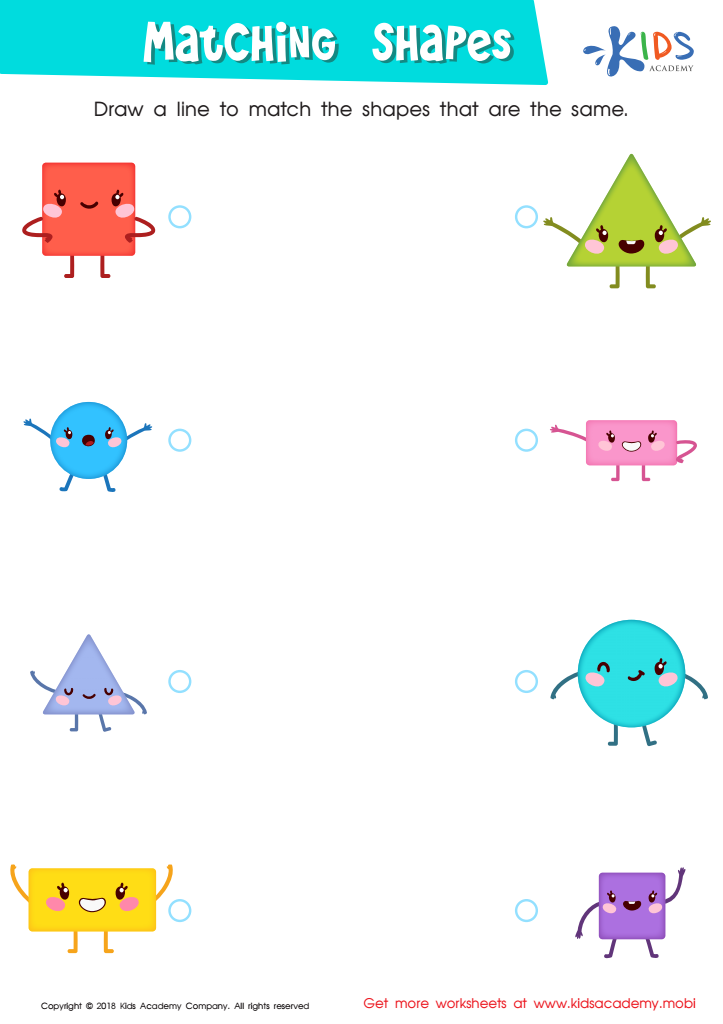
Matching Shapes Worksheet
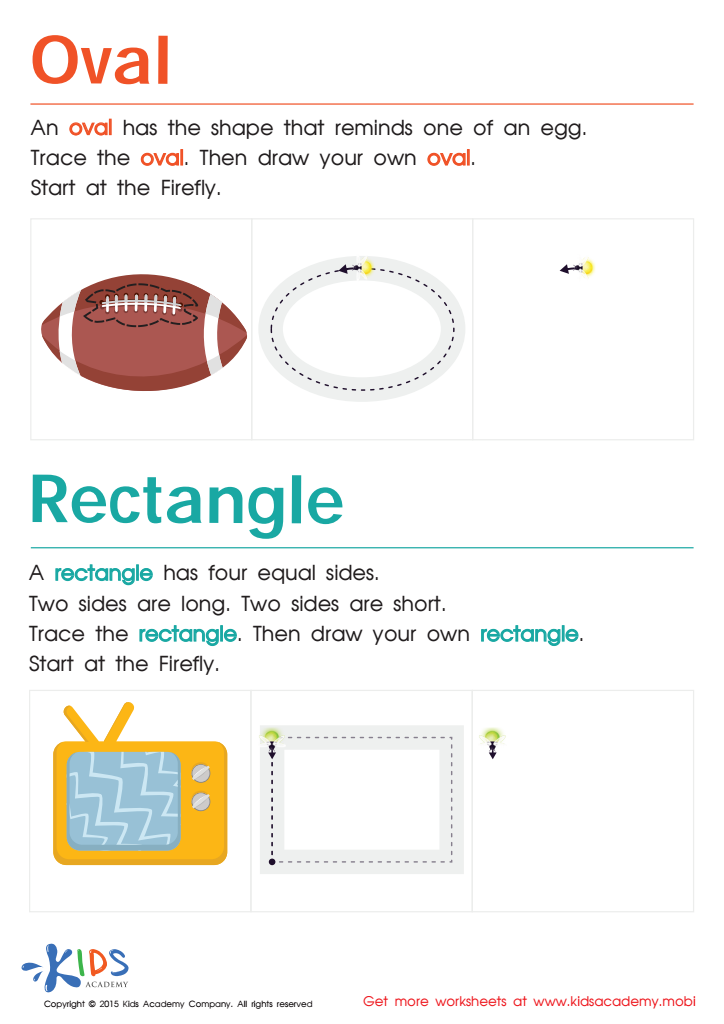
Easy Drawing of Ovals And Rectangles Worksheet
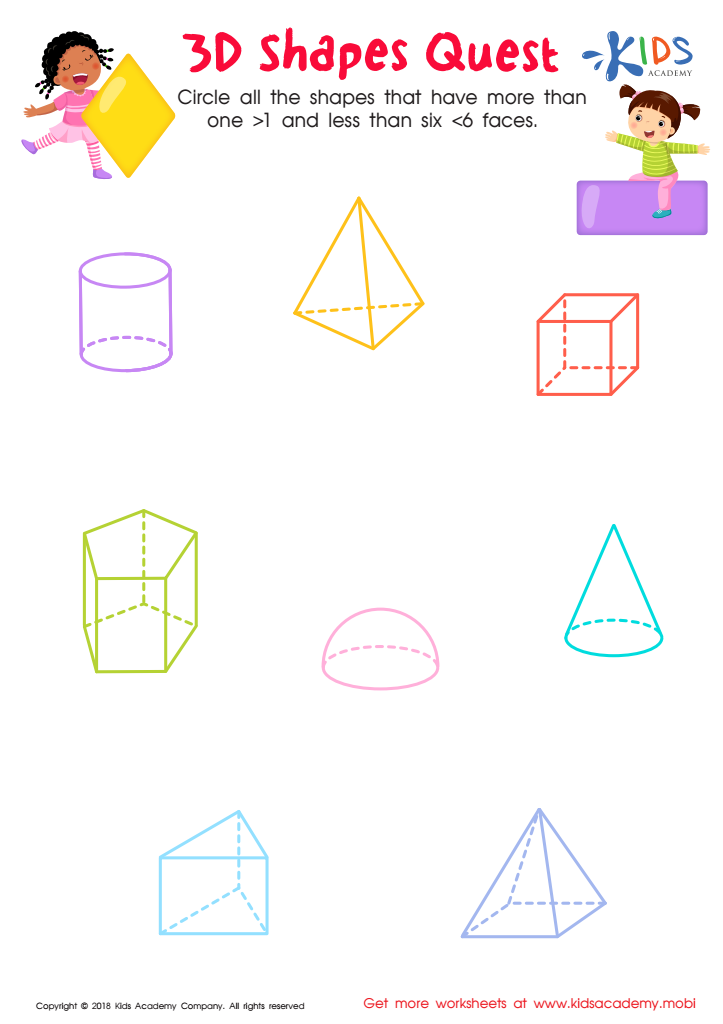
3D Shapes Quest Worksheet
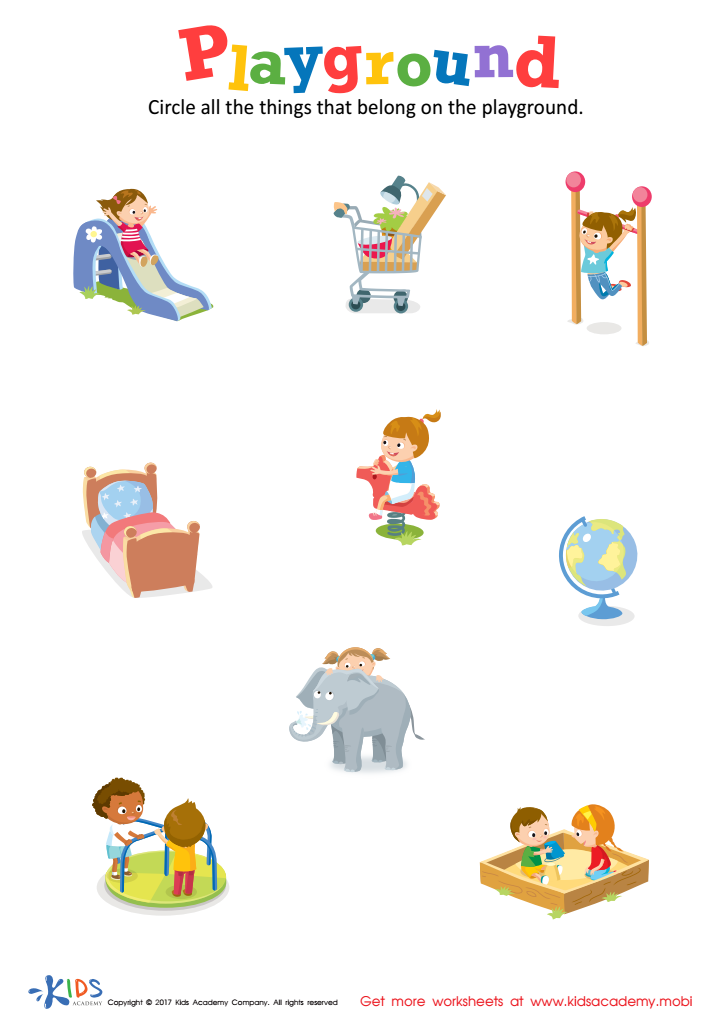
Playground Worksheet
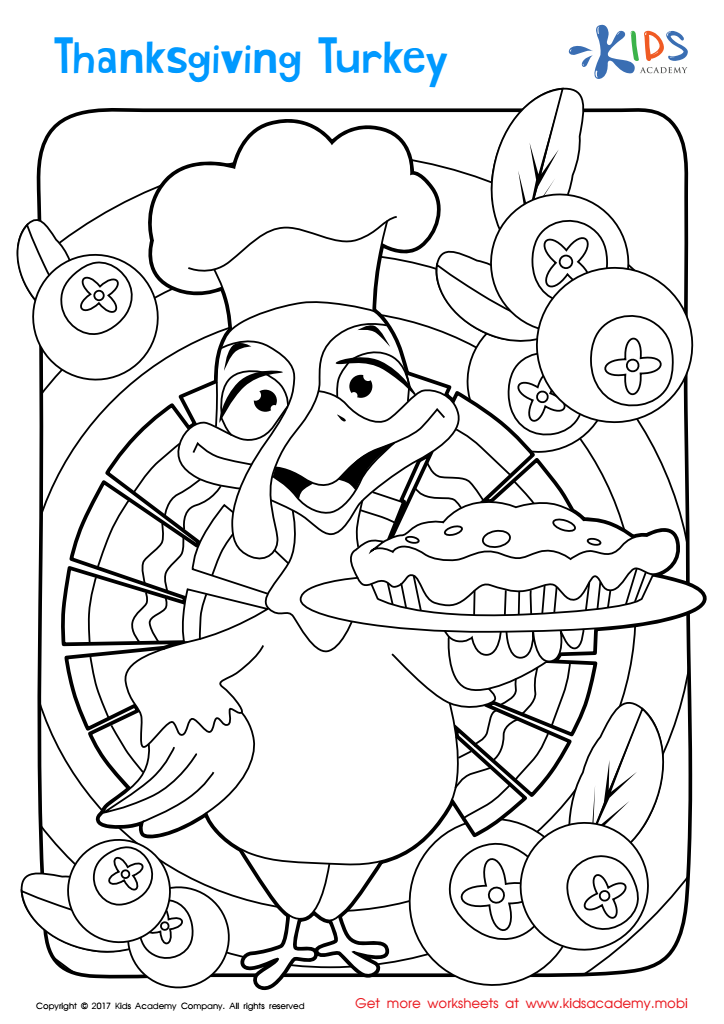
Turkey Thanksgiving Day Worksheet
 Assign to My Students
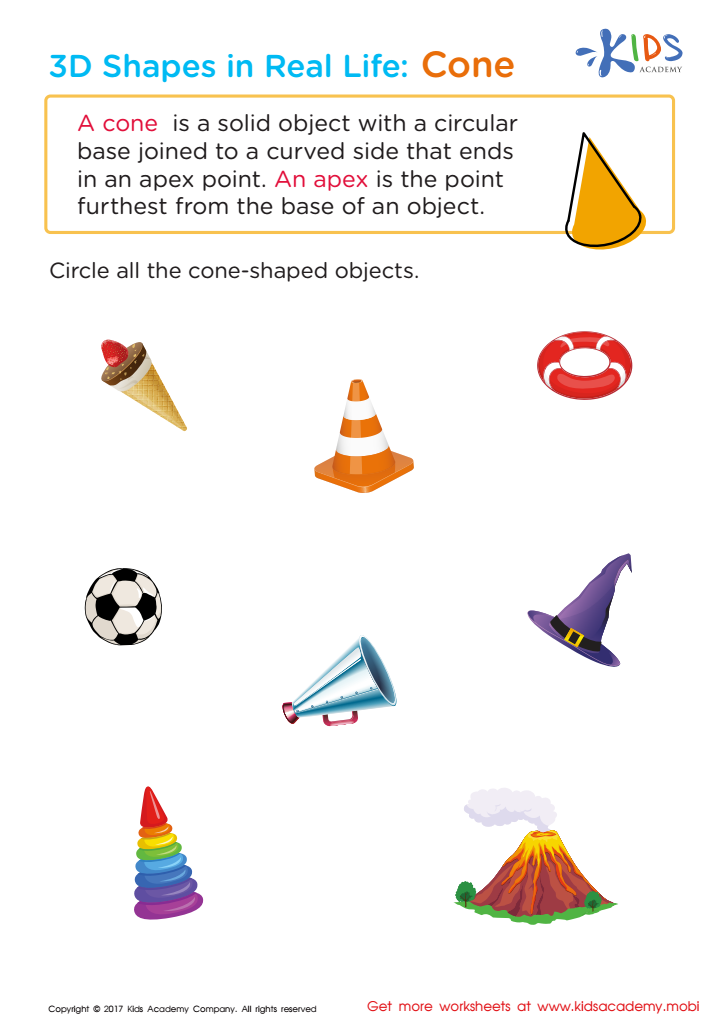
Shapes in Real Life: Cone Worksheet
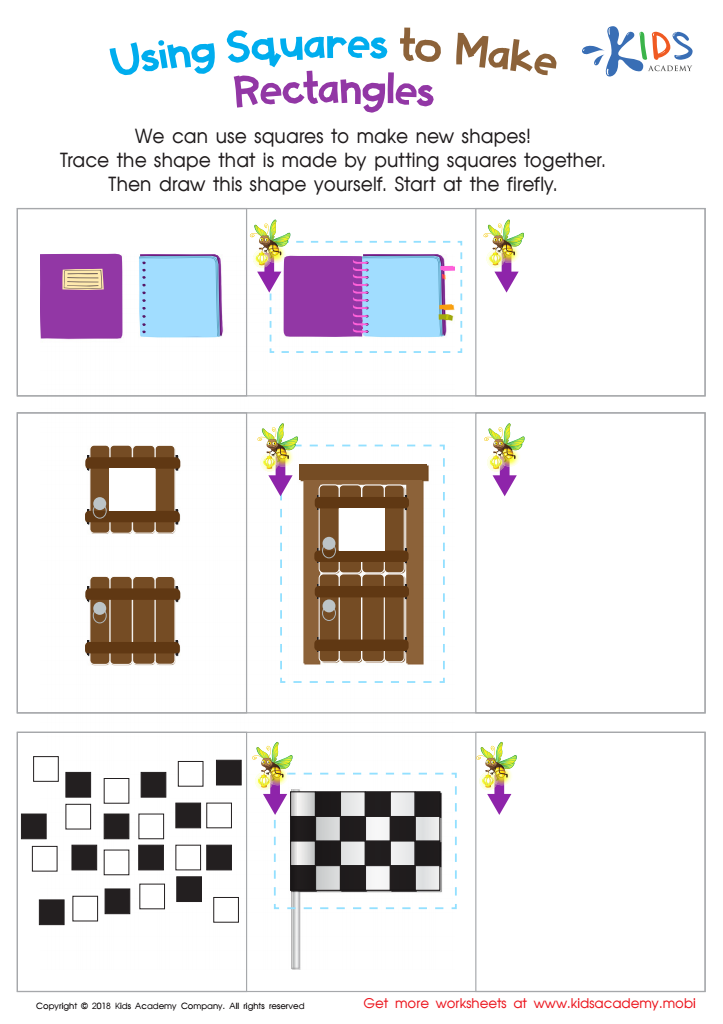
Using Squares to Make Rectangles Worksheet
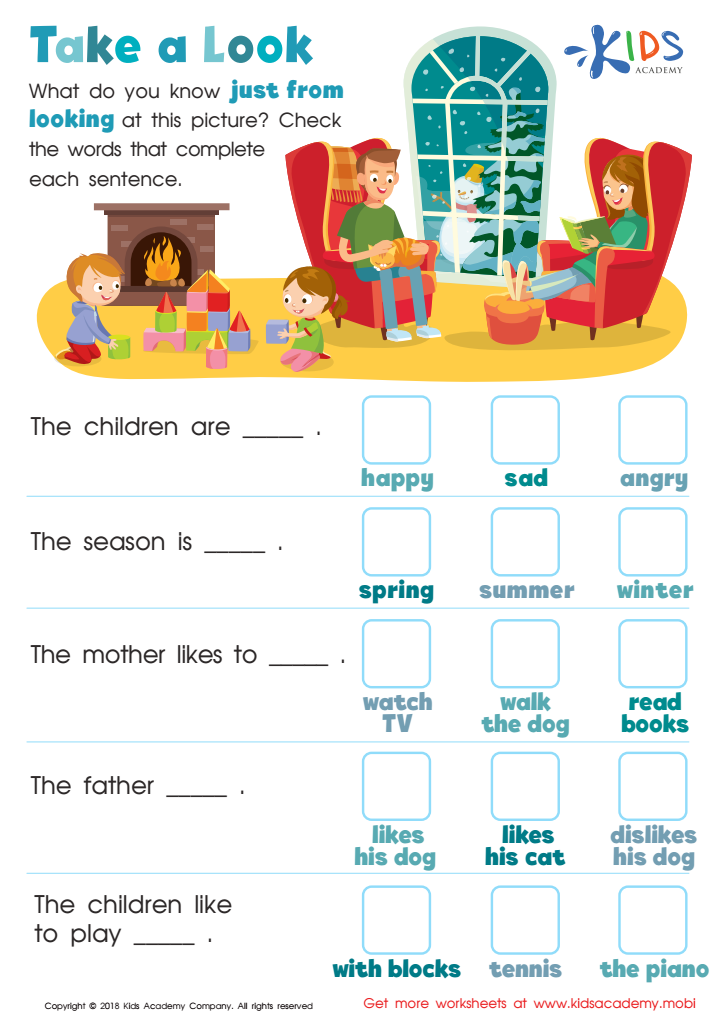
Take a Look - Part 1 Worksheet
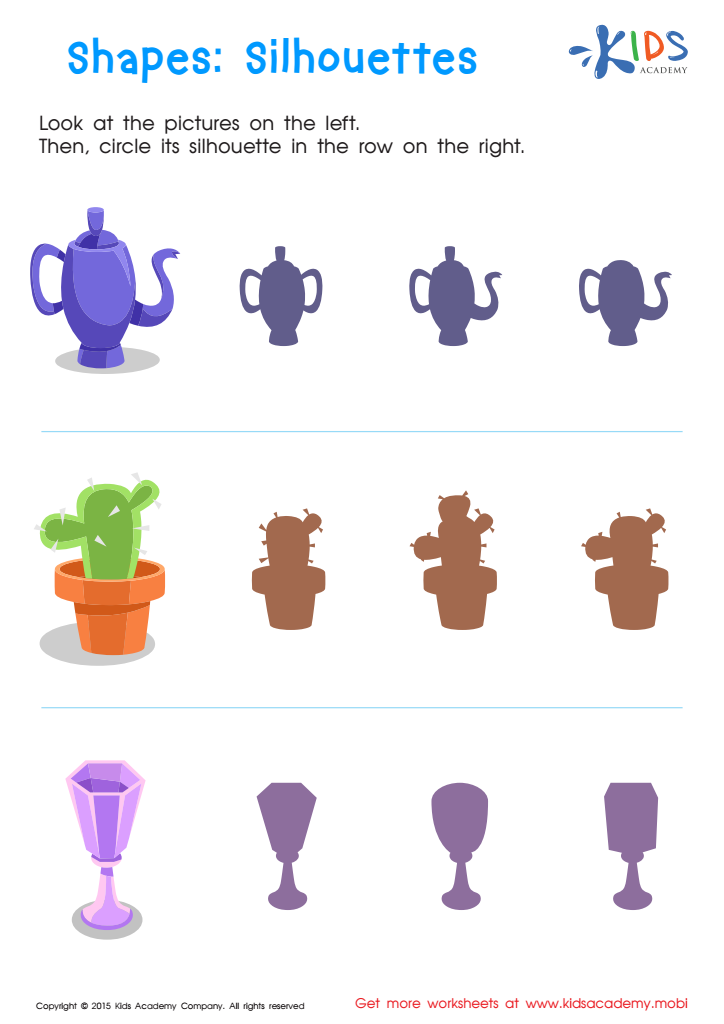
Silhouettes – Shapes Worksheet
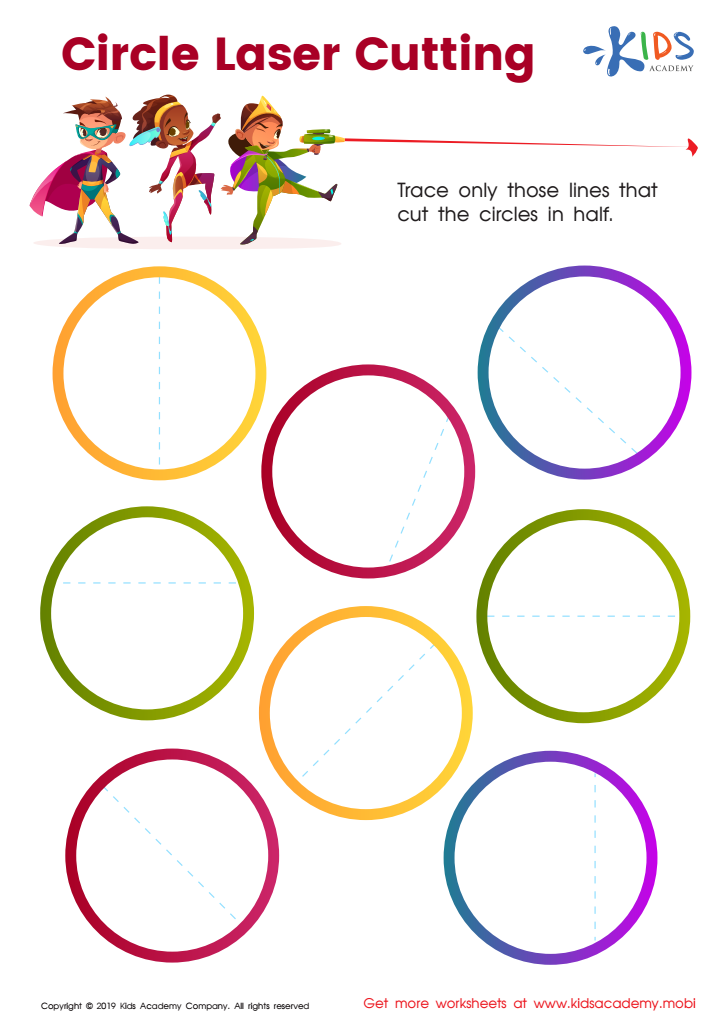
Circle Laser Cutting Worksheet








Shape recognition is a crucial developmental milestone for children aged 6-7 because it forms the foundation for many essential cognitive and academic skills. Understanding shapes is not just about identifying circles and squares; it's about recognizing patterns, distinguishing differences, and enhancing spatial awareness, which are critical for more complex mathematical concepts.
Firstly, shape recognition directly relates to early geometry skills, laying the groundwork for subjects like math, science, and technology. It helps children understand properties of objects and spatial relationships, which are vital for problem-solving and critical thinking.
Secondly, shapes play a significant role in language and literacy development. When children learn to recognize and describe shapes, they enhance their vocabulary and comprehension skills. Describing a hexagon or identifying a cube helps children in following instructions and expressing ideas more accurately.
Additionally, shape recognition assists in improving fine motor skills. Activities such as drawing shapes, cutting them out, or assembling them in puzzles refine a child’s hand-eye coordination and dexterity, which are essential for writing and other daily tasks.
Finally, engaging with shapes in a structured learning environment boosts children's confidence and prepares them for more complex academic work, fostering a lifelong love of learning. Hence, parents and teachers should prioritize shape recognition to support well-rounded development.








