Understanding habitats Normal Worksheets for Ages 6-7
5 filtered results
-
From - To
Explore the vibrant world of animal habitats with "Understanding Habitats" worksheets designed for ages 6-7. These expertly crafted activities from Kids Academy engage young learners through fun, interactive tasks that teach them about the diverse places animals call home. Each worksheet is full of colorful illustrations and simple explanations that help kids identify different habitats, understand the animals that live in them, and learn the importance of environmental stewardship. Perfect for classroom or home use, these worksheets are a delightful way to instill a love for nature and science in early grade students. Develop curiosity, critical thinking, and knowledge with every page!
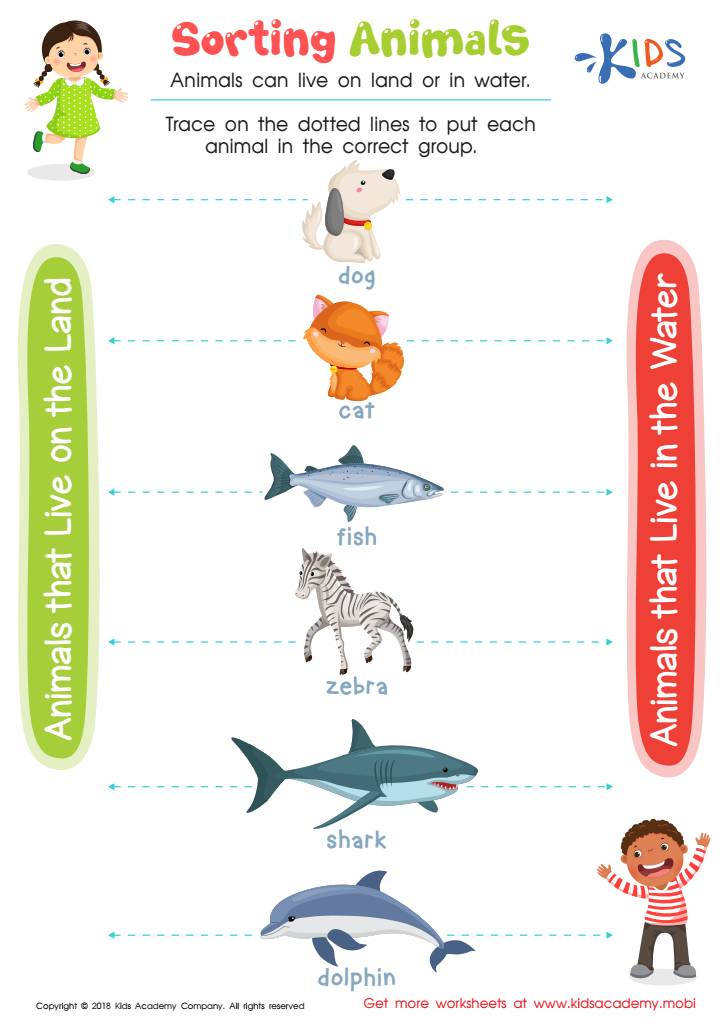
Sorting Animals Worksheet
 Assign to My Students
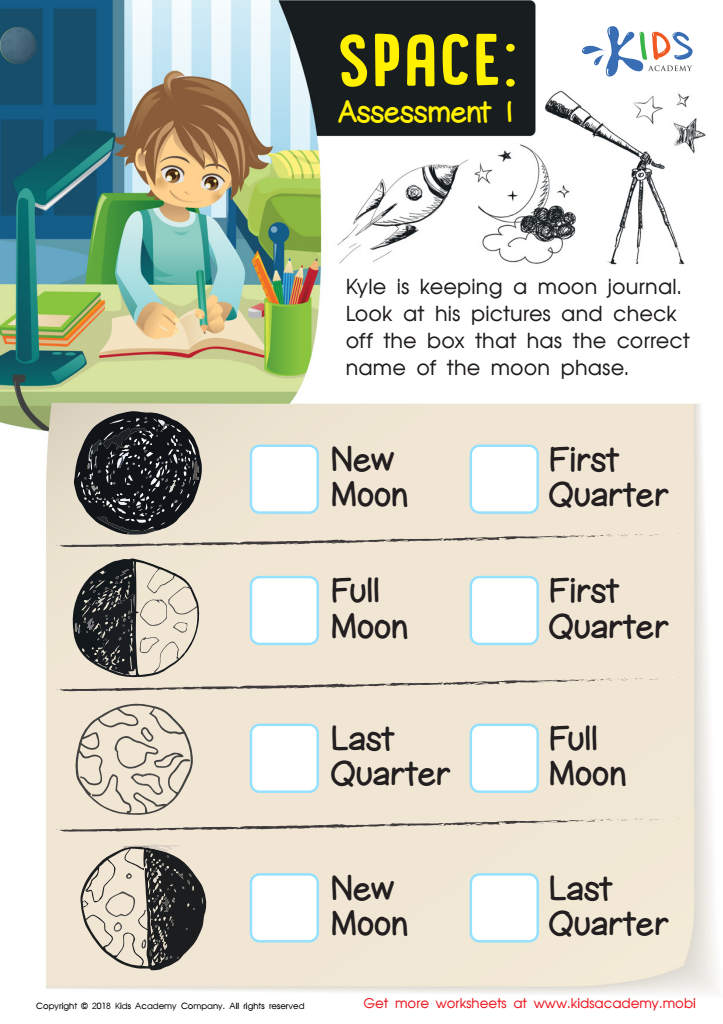
Space: Assessment 1 Worksheet
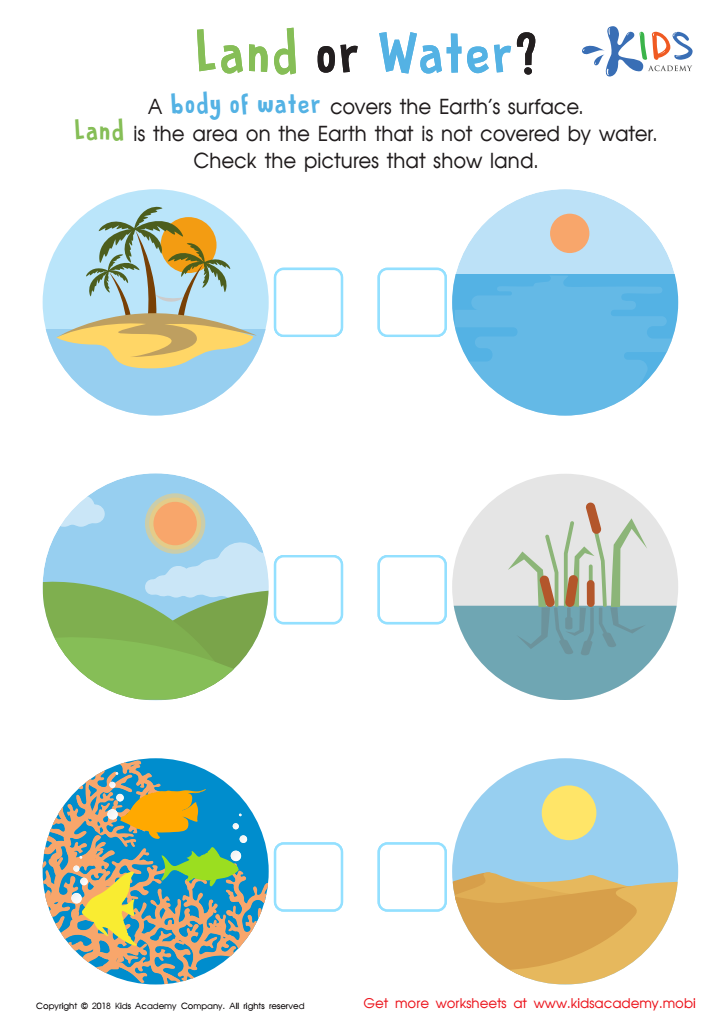
Land or Water Worksheet
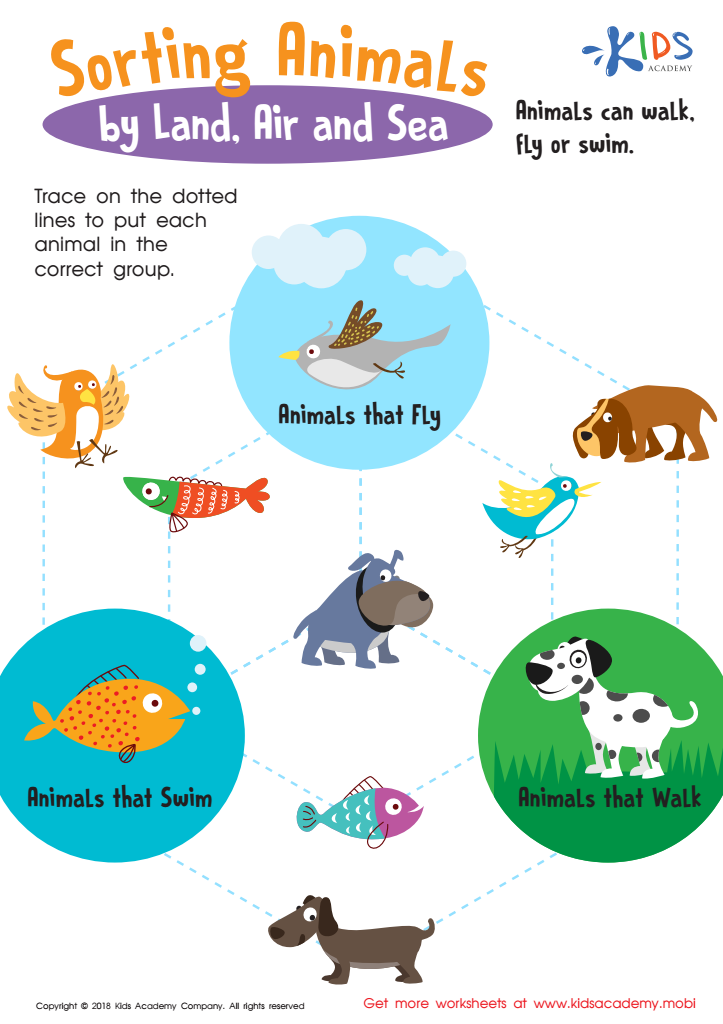
Sorting Animals by Land, Air and Sea Worksheet
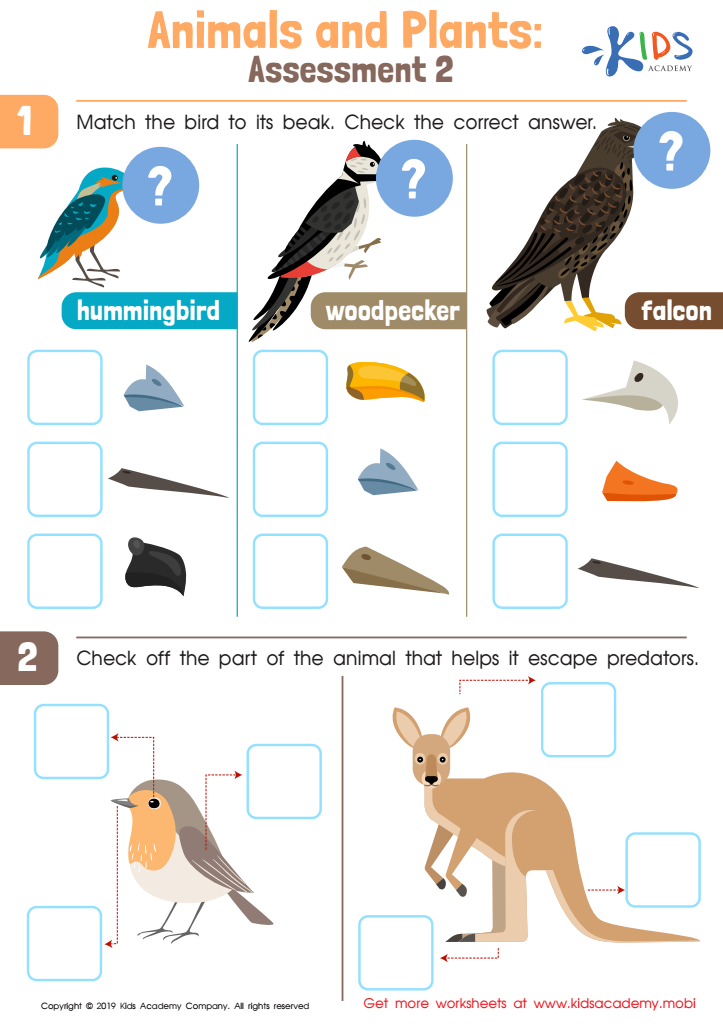
Animals and Plants: Assessment 2 Worksheet




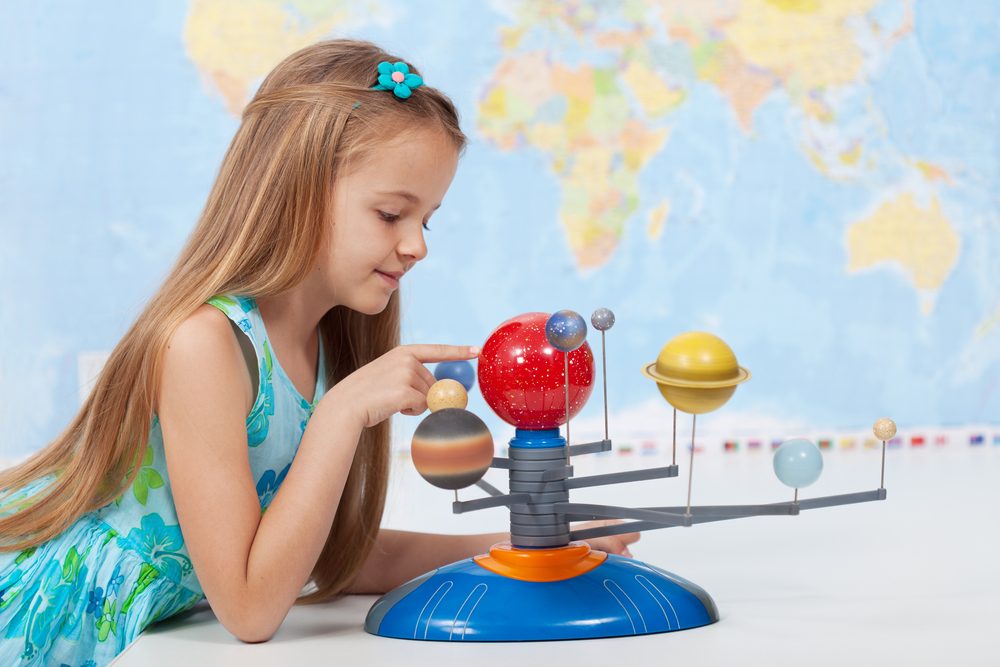



Understanding habitats is essential for young children, as it lays the foundation for a multitude of valuable life skills and knowledge. For parents and teachers, emphasizing the importance of habitats to 6-7 year olds can spark curiosity about the natural world, foster a sense of responsibility and stewardship for the environment, and support overall academic growth.
Firstly, learning about different habitats – forests, oceans, deserts, etc. – and the diverse creatures that inhabit them can captivate young minds. This can lead to a lifelong passion for science and nature. Such knowledge helps children understand the interconnectedness of life, reinforcing the concept that all living things depend on one another and their environment.
Secondly, exploring habitats can teach crucial values, such as empathy and respect for all forms of life. When children perceive animals and plants as part of a delicate ecosystem, they become motivated to protect natural landscapes, understanding that their actions can have significant impacts.
Lastly, studying habitats integrates core academic skills. It enhances vocabulary, introduces basic biology and geography concepts, and cultivates critical thinking as children compare and contrast different living conditions. Hands-on activities and observations not only make learning fun but also promote cognitive development.
Thus, engaging young students in the study of habitats prepares them for future learning and inspires them to become conscious, caring individuals.








