Fine Motor Skills Normal 2D Shapes Worksheets for Ages 6-7
4 filtered results
-
From - To
Enhance your child's fine motor skills with our engaging 2D shapes worksheets designed for ages 6-7! These printable resources uniquely combine mathematical learning with dexterity practice, helping young learners recognize and understand various shapes while improving hand-eye coordination. Each worksheet features fun activities, such as tracing, coloring, and cutting out shapes, encouraging children to strengthen their motor skills in a playful and educational way. Perfect for home or classroom use, these worksheets foster creativity and learning, making math an enjoyable adventure for your child. Explore our collection today and watch their fine motor skills flourish alongside their mathematical confidence!
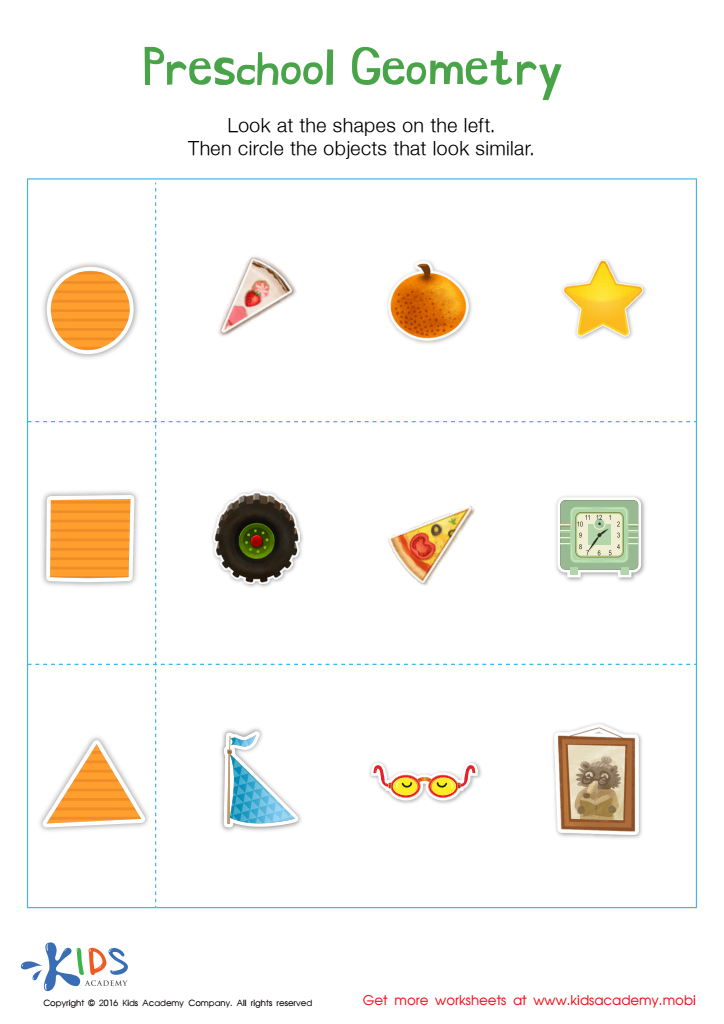
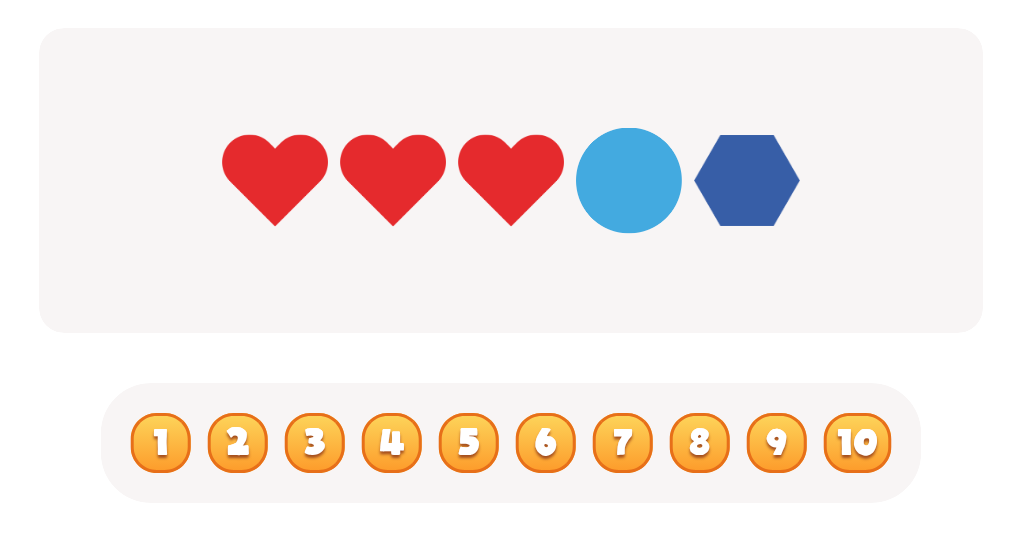
Preschool Geometry Match Up Worksheet
 Assign to My Students





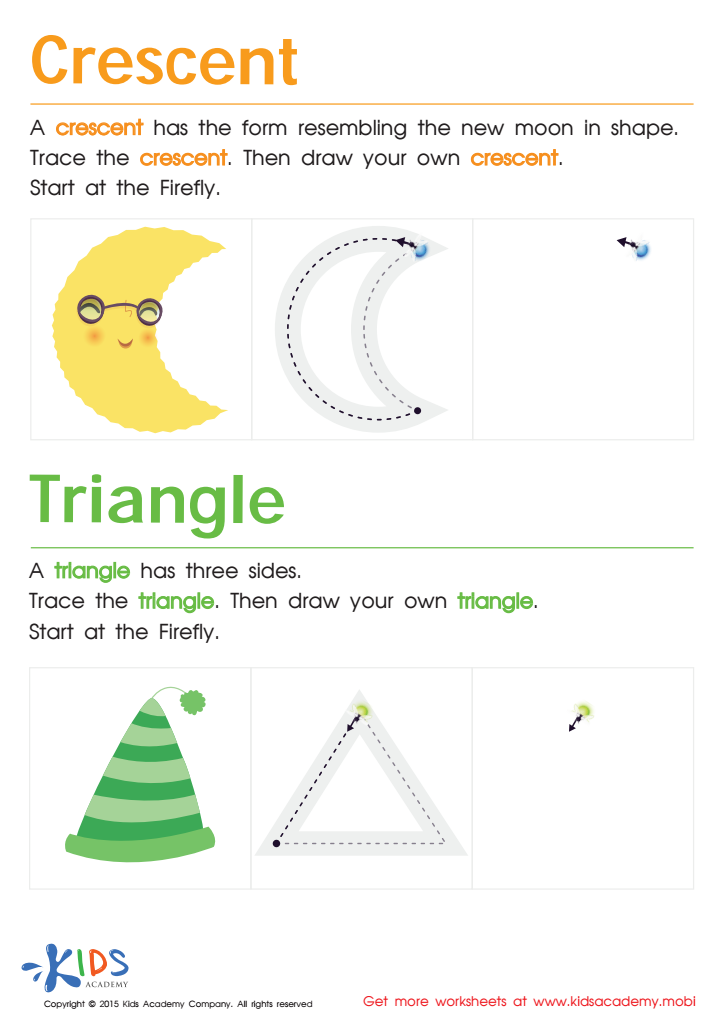
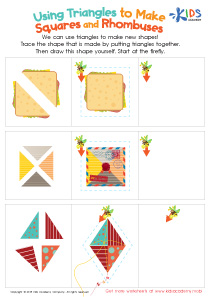
Learning to Draw Crescents And Triangles Worksheet
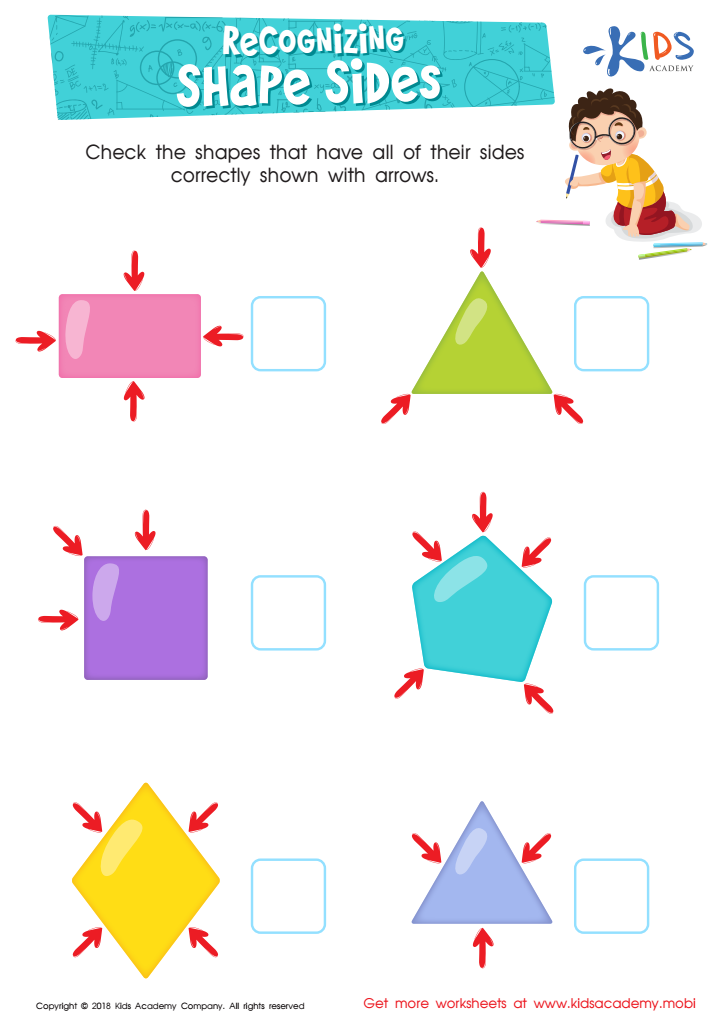
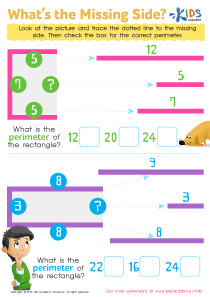
Recognizing Shape Sides Worksheet
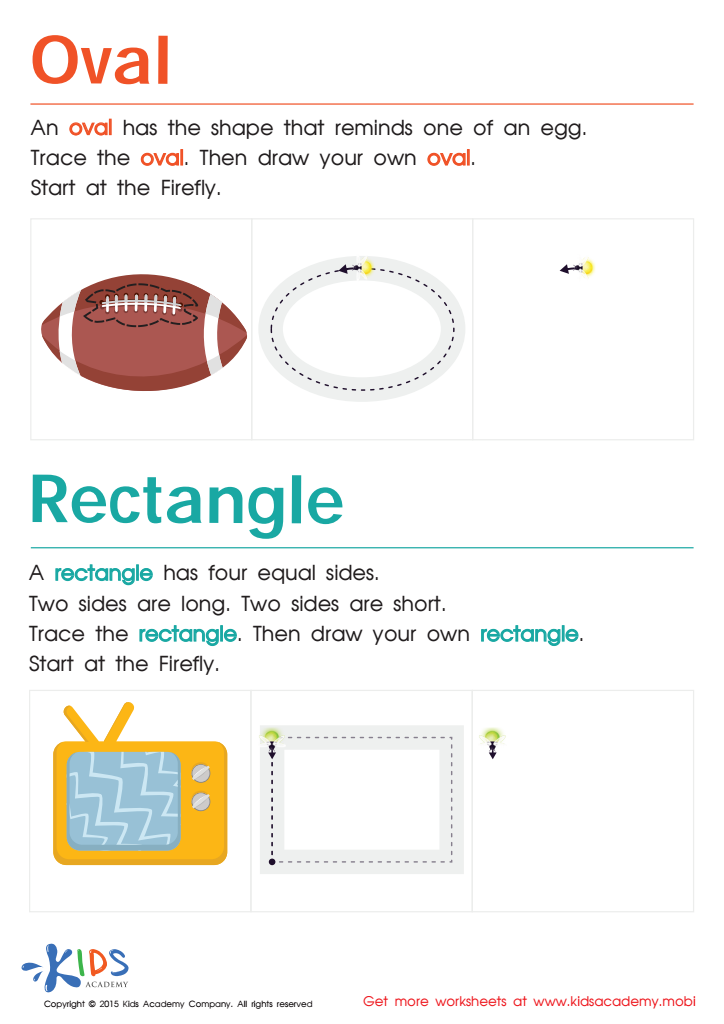
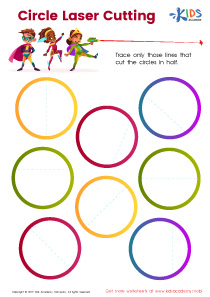
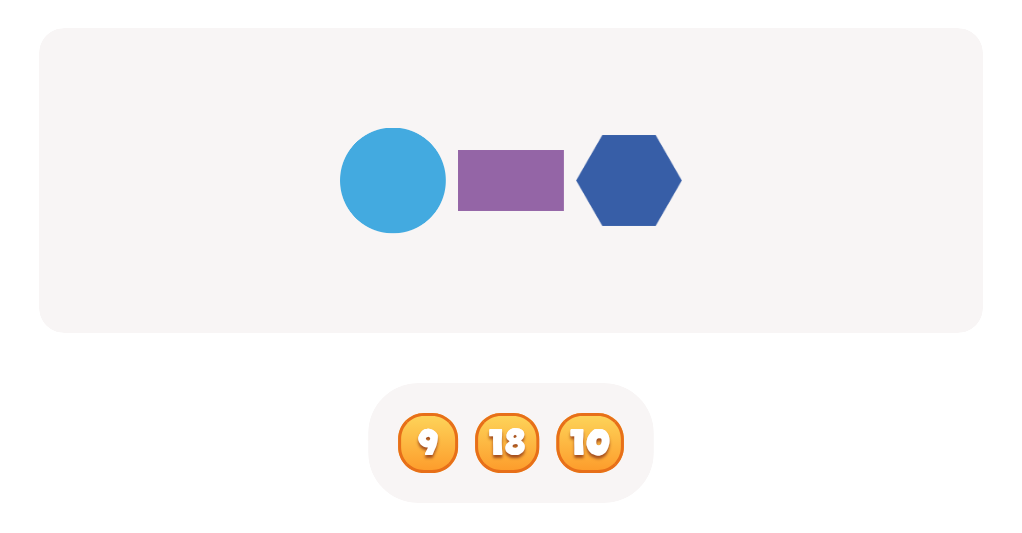
Easy Drawing of Ovals And Rectangles Worksheet








Fine motor skills and the understanding of normal 2D shapes are crucial for children aged 6-7. This developmental stage is pivotal for laying a strong foundation for future learning. Firstly, fine motor skills, which involve small muscle movements, enhance children's ability to perform tasks such as writing, cutting, and using scissors. These skills are essential for academic success, as they directly impact a child's ability to engage in classroom activities and express their ideas in written form.
Secondly, grasping normal 2D shapes is fundamental for cognitive and spatial development. It strengthens problem-solving abilities and aids in the understanding of geometry, which is a core math concept. Recognizing and manipulating shapes contributes to a child's ability to identify patterns, an essential skill for mathematics and critical thinking.
Furthermore, engaging in activities that focus on fine motor skills and shape recognition can foster creativity and self-confidence. Through drawing, tracing, and building with shapes, children develop a sense of accomplishment that encourages continual participation in hands-on learning.
Ultimately, parents and teachers should prioritize these skills, as they not only support academic learning but also contribute to the child's overall development, social interaction, and readiness for future educational challenges.