Problem-Solving Skills Normal Addition Facts Worksheets for Ages 6-7
5 filtered results
-
From - To
Unlock your child's potential with our engaging Problem-Solving Skills Normal Addition Facts Worksheets, designed specifically for ages 6-7. These thoughtfully crafted worksheets provide young learners with essential practice in addition while enhancing critical thinking and problem-solving abilities. Featuring a variety of exercises, children will tackle real-life math scenarios that enhance their understanding of addition in a fun and accessible manner. Ideal for use at home or in the classroom, our resources support foundational math skills and foster a love of learning. Help your child master addition facts and develop effective problem-solving strategies today! Join us for an exciting math journey!
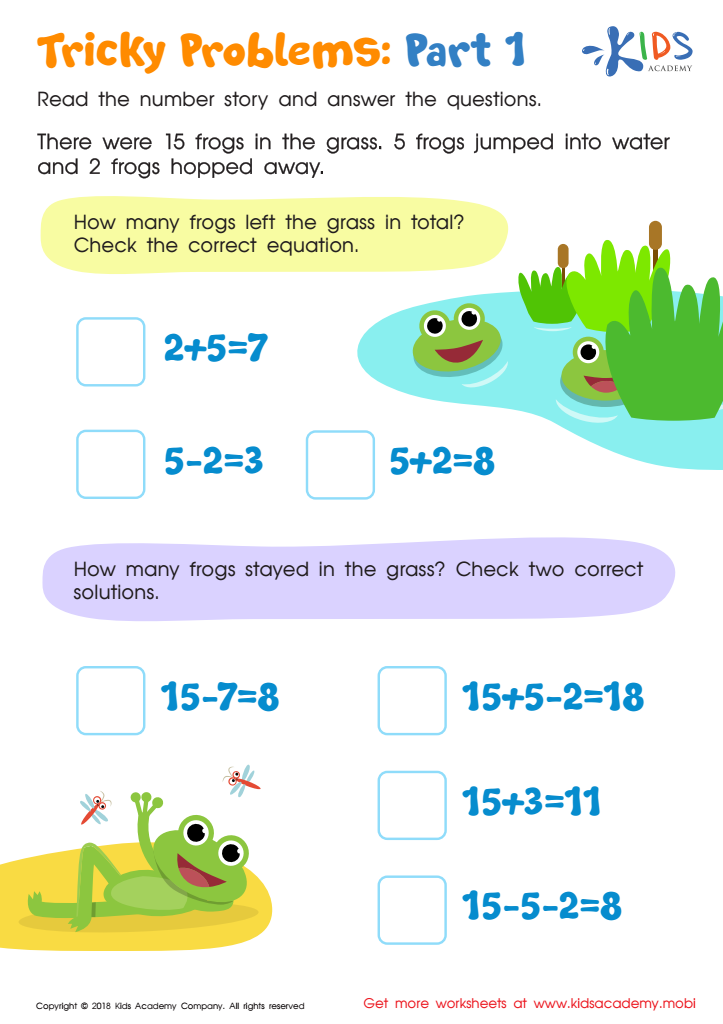
Tricky Problems Worksheet: Part 1
 Assign to My Students




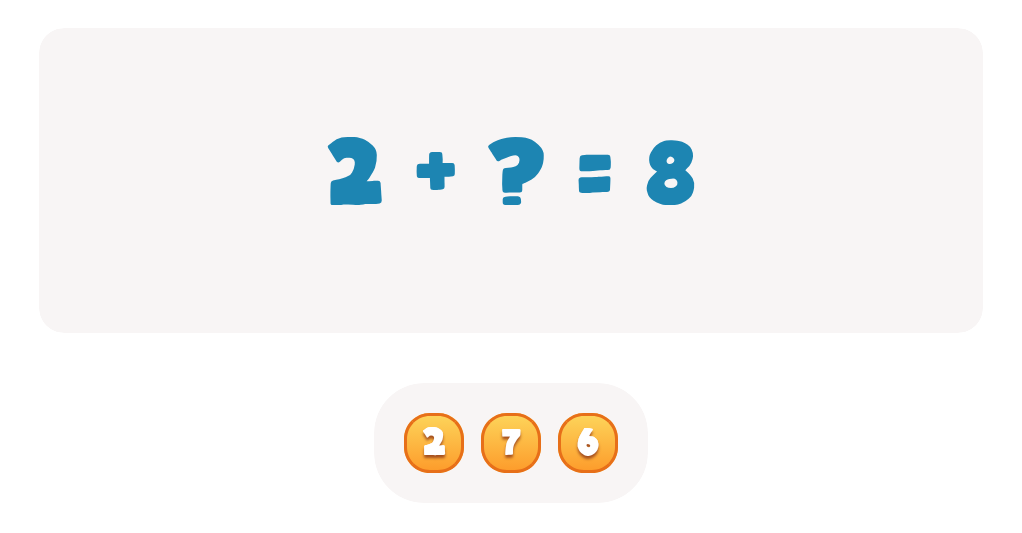




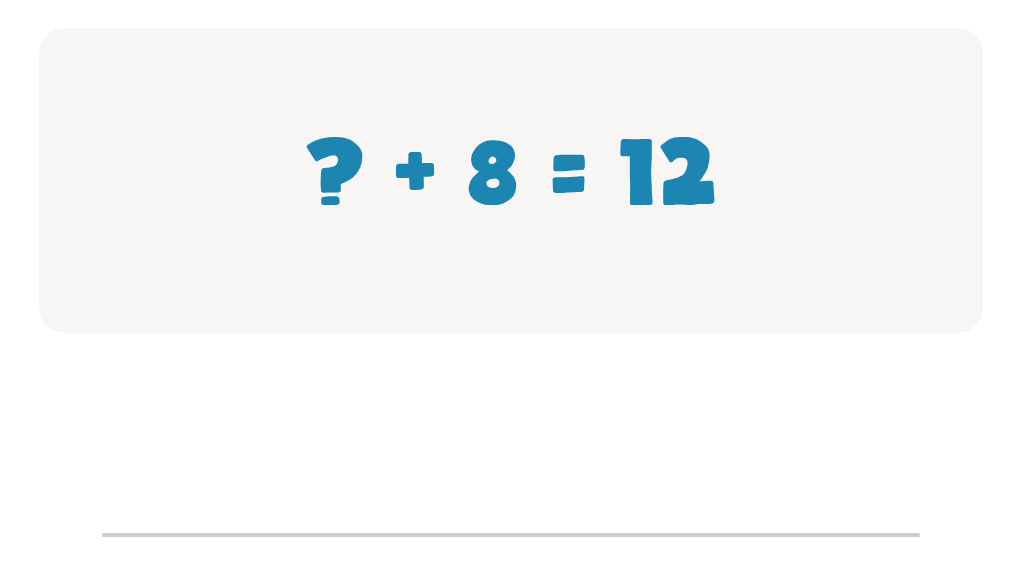
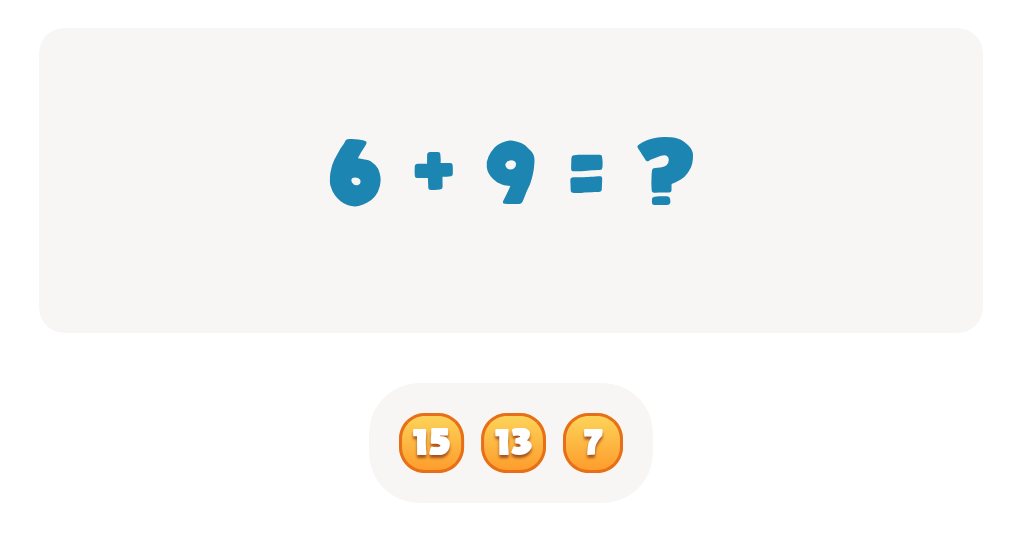
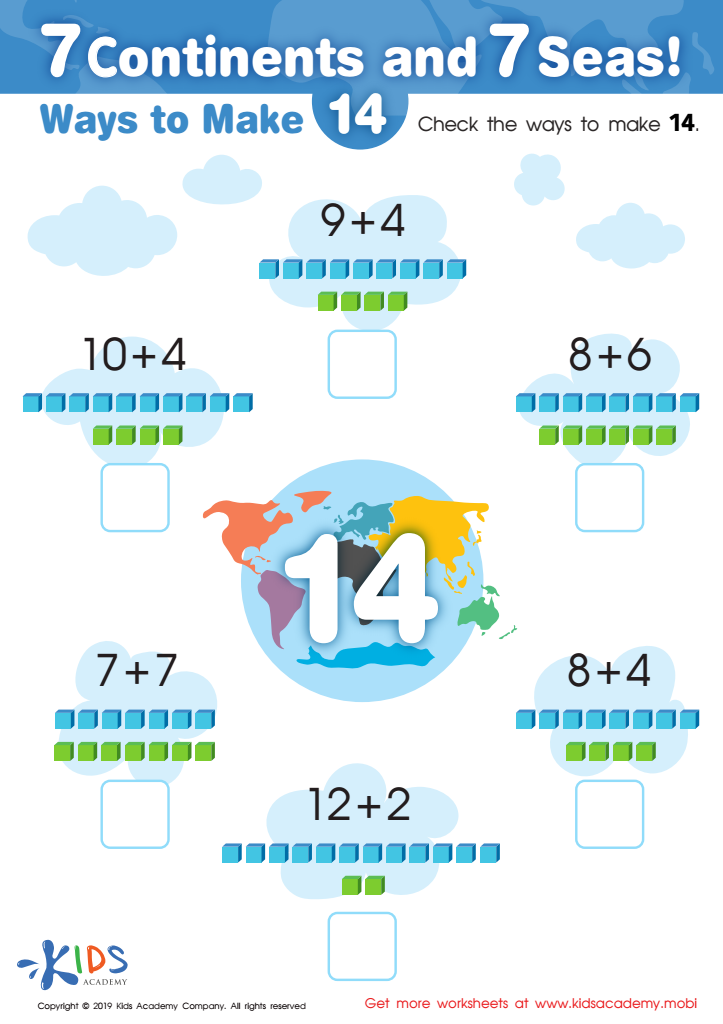
7 Continents and 7 Seas Worksheet
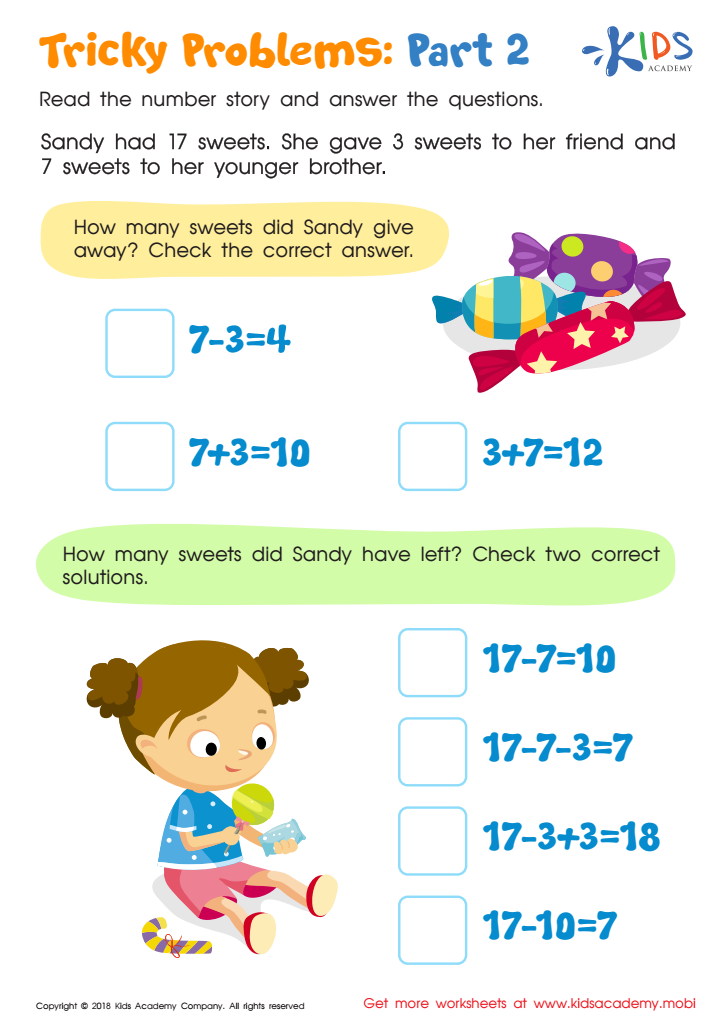
Tricky Problems Worksheet: Part 2
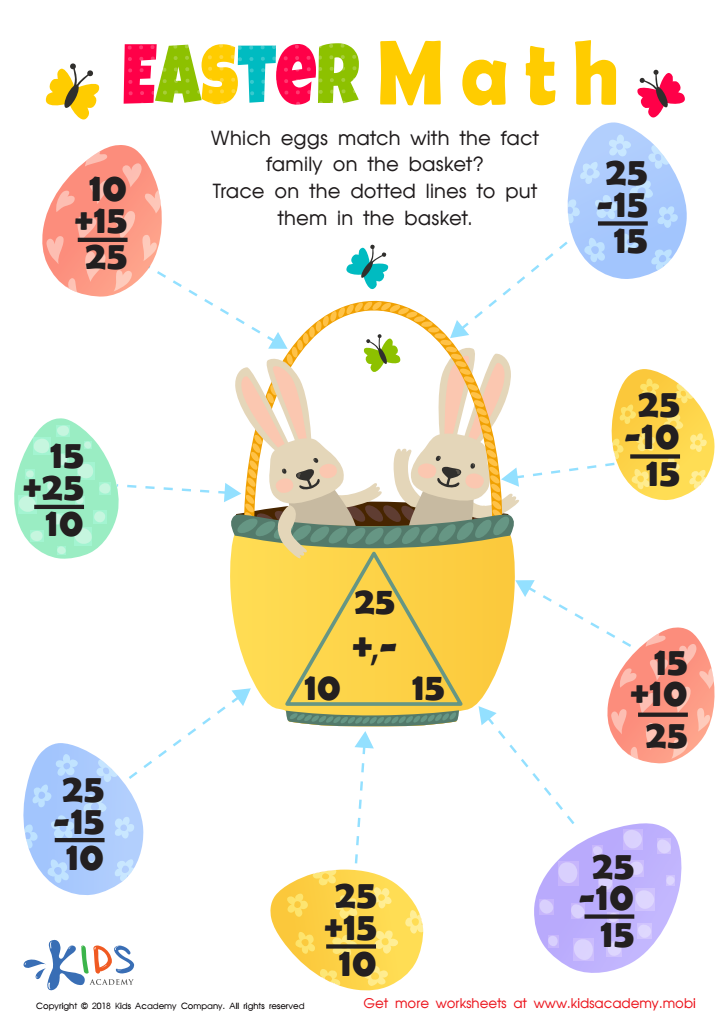
Fact Families: Easter Math Worksheet
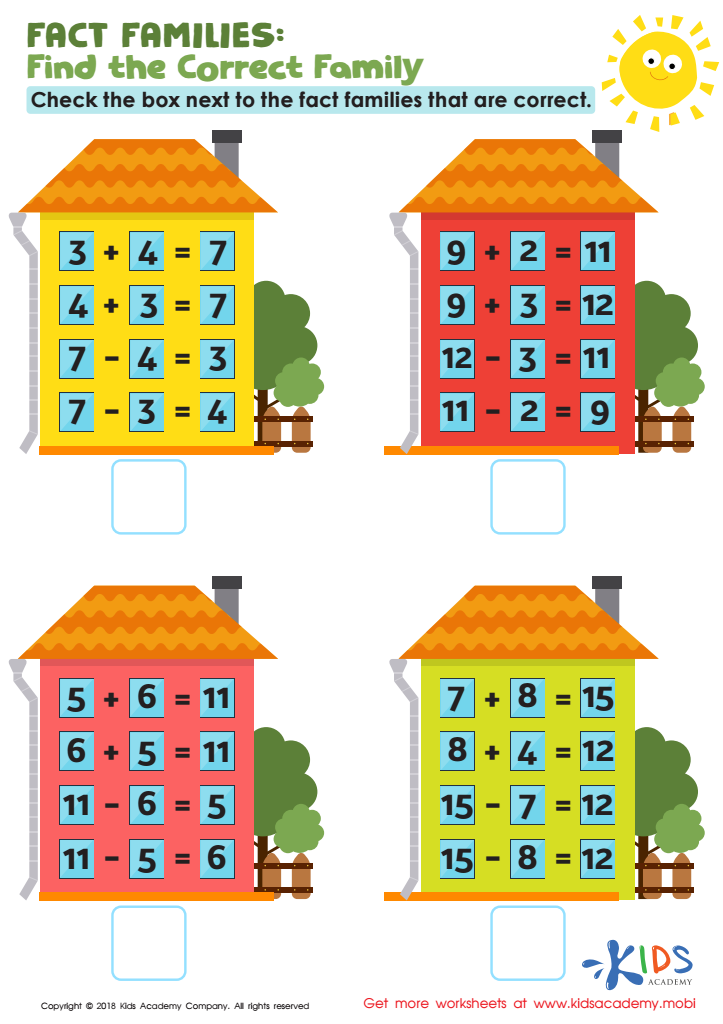
Fact Families: Find Correct Family Worksheet



.jpg)




Problem-solving skills, especially in the context of normal addition facts for children aged 6-7, are crucial for several reasons. At this age, students are laying the groundwork for their mathematical understanding, and mastering basic addition is essential. When children learn to solve problems using addition, they enhance their ability to think critically and logically. This skill extends beyond math; it fosters a mindset that equips them to tackle challenges across various subjects and life situations.
Moreover, developing strong addition skills supports cognitive development and enhances memory by allowing students to manipulate numbers effectively. When children engage in problem-solving, they learn to analyze situations, strategize, and evaluate outcomes, which are important life skills. Teachers and parents can encourage this by incorporating games and real-life scenarios into learning.
Additionally, proficiency in basic addition lays the foundation for more complex mathematics. A solid understanding of these early concepts encourages confidence, prompting a positive attitude toward math as they progress in their education. Therefore, nurturing problem-solving skills related to addition not only aids in academic success but also contributes to building resilient, adaptable thinkers prepared for future challenges.








