
Counting skills Normal Counting Worksheets for Ages 6-7
7 filtered results
Difficulty Level
Grade
Age
-
From - To
Subject
Activity
Standards
Enhance your child's counting skills with our engaging Normal Counting Worksheets, specifically designed for ages 6-7! These worksheets are perfect for young learners, providing an enjoyable way to practice fundamental counting concepts through vibrant visuals and interactive activities. From counting objects to recognizing number patterns, these resources support children in developing confidence and fluency in basic math skills. Tailored to complement classroom learning or for use at home, our worksheets foster essential numeracy skills in a fun and effective manner. Discover a world of endless counting possibilities that will spark curiosity and growth in your child's early math journey!
Favorites
With answer key
Interactive
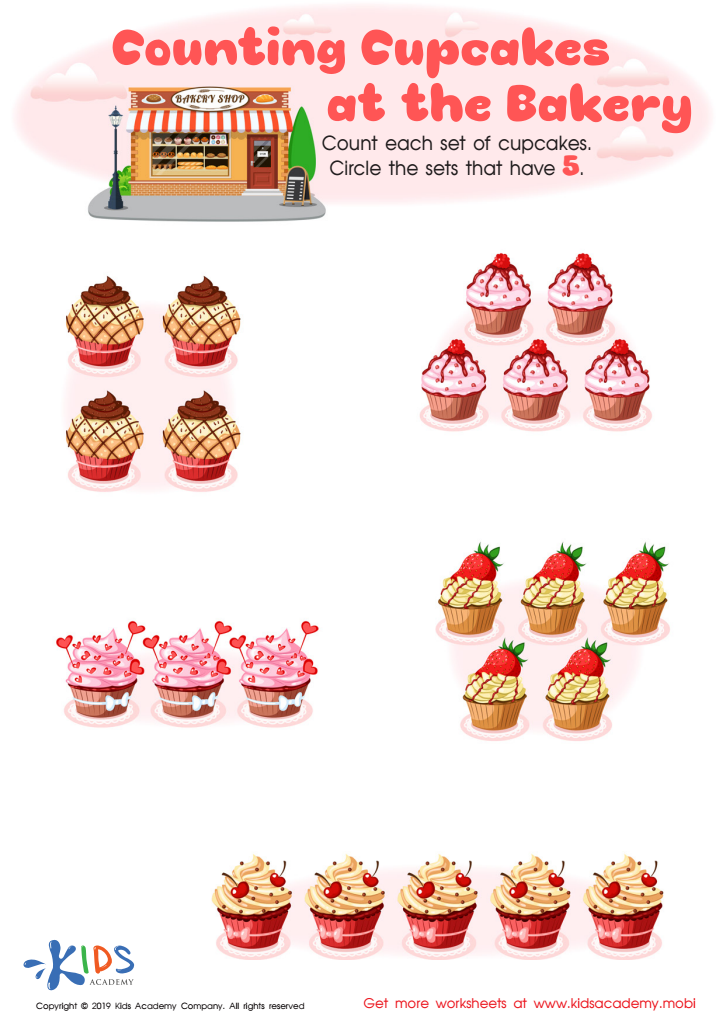
Counting Cupcakes Worksheet
This fun worksheet for preschoolers uses cupcakes to teach counting. Kids must circle the groups of cupcakes that add up to 5. The delicious treats make learning fun and engaging!
 Assign to My Students
Counting Cupcakes Worksheet
Worksheet

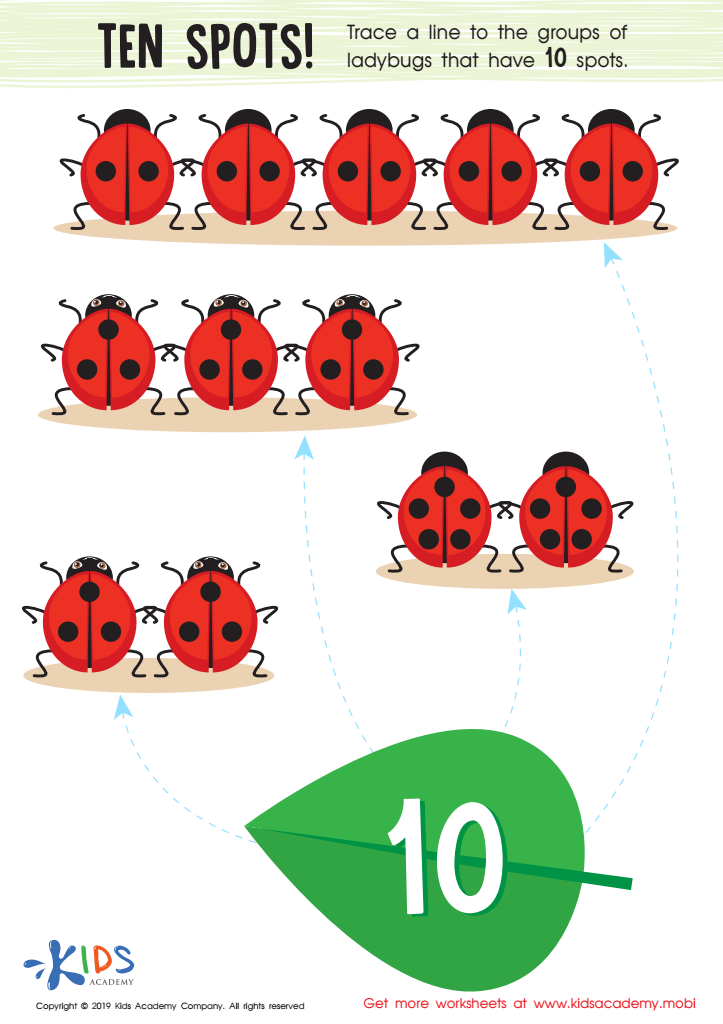
Ten Spots Worksheet
Kids love ladybugs! Ask them to tell you what stands out most--the spots. Show them a picture and help them count the spots. Trace a line to the group with 10 spots for a fun counting lesson.
Ten Spots Worksheet
Worksheet
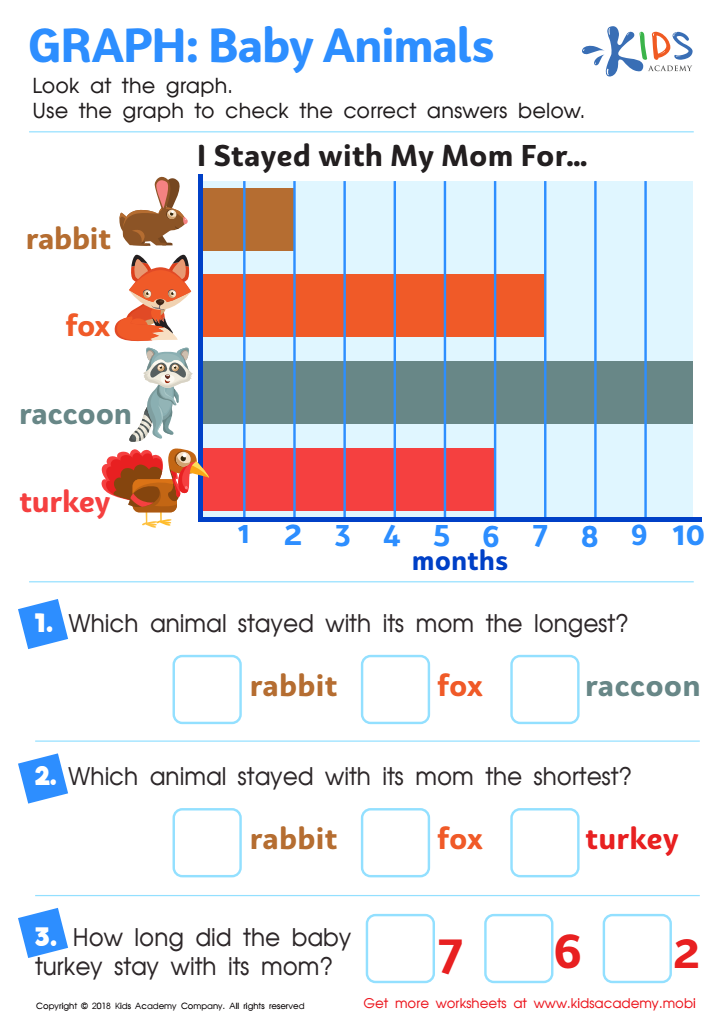
Graph: Baby Animals Worksheet
Graphs are essential for learning in math, science and ELA. This worksheet featuring baby animals is a fun way to practice reading graphs. Look at the graph and answer the questions below it. Check the boxes for the right answers based on the data.
Graph: Baby Animals Worksheet
Worksheet
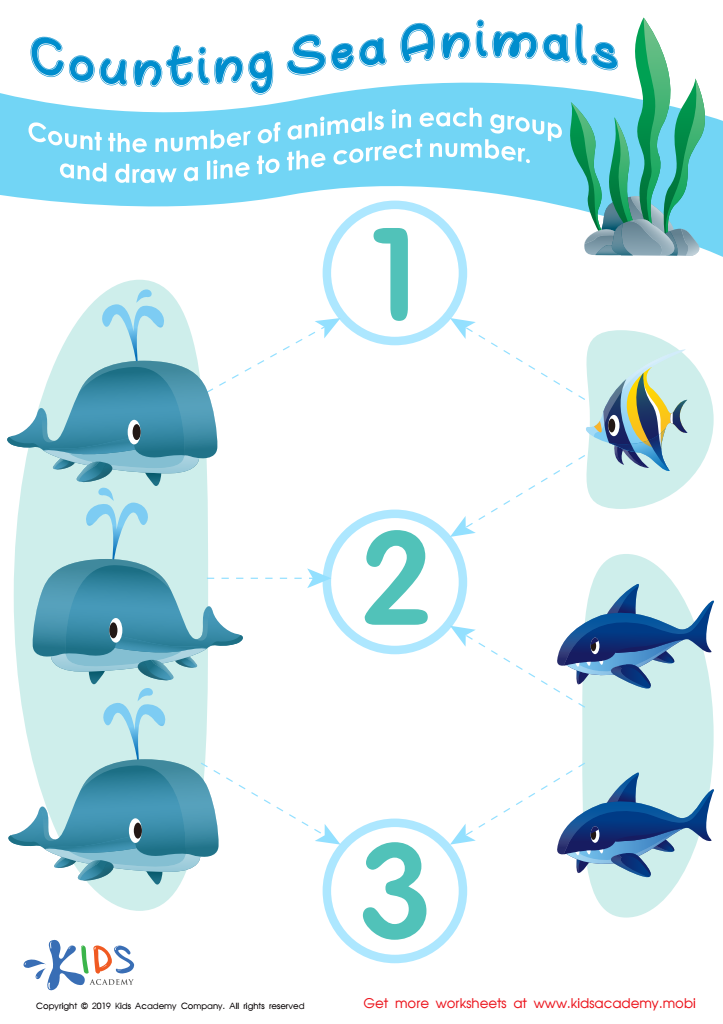
Counting Sea Animals Worksheet
Kids adore sea creatures for their captivating, unknown nature. Let them use this free worksheet to practice counting, where they match numbers to groups of animals. Through traceable lines, they'll easily connect numbers to sea creatures and learn math with vibrant, underwater fun!
Counting Sea Animals Worksheet
Worksheet
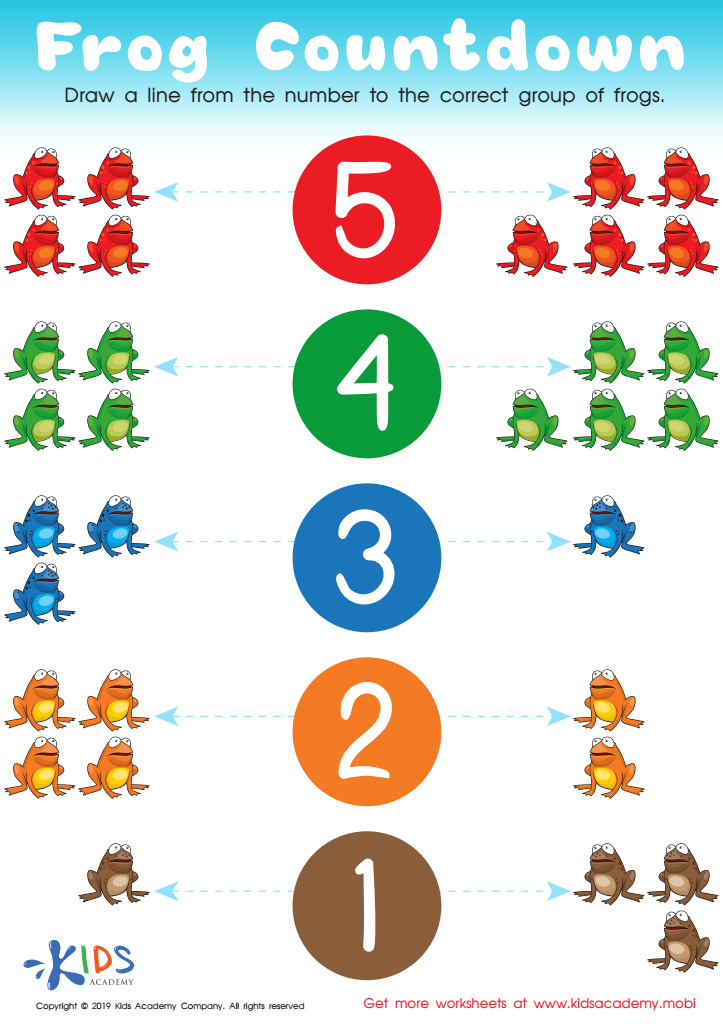
Frog Countdown Worksheet
Make learning fun for kids with traceable printouts! This exercise has kids counting frogs and drawing a line to match the number. Expand their knowledge with activities like this, beyond the basics they learn in school. Help them explore new ways of learning and make it enjoyable.
Frog Countdown Worksheet
Worksheet
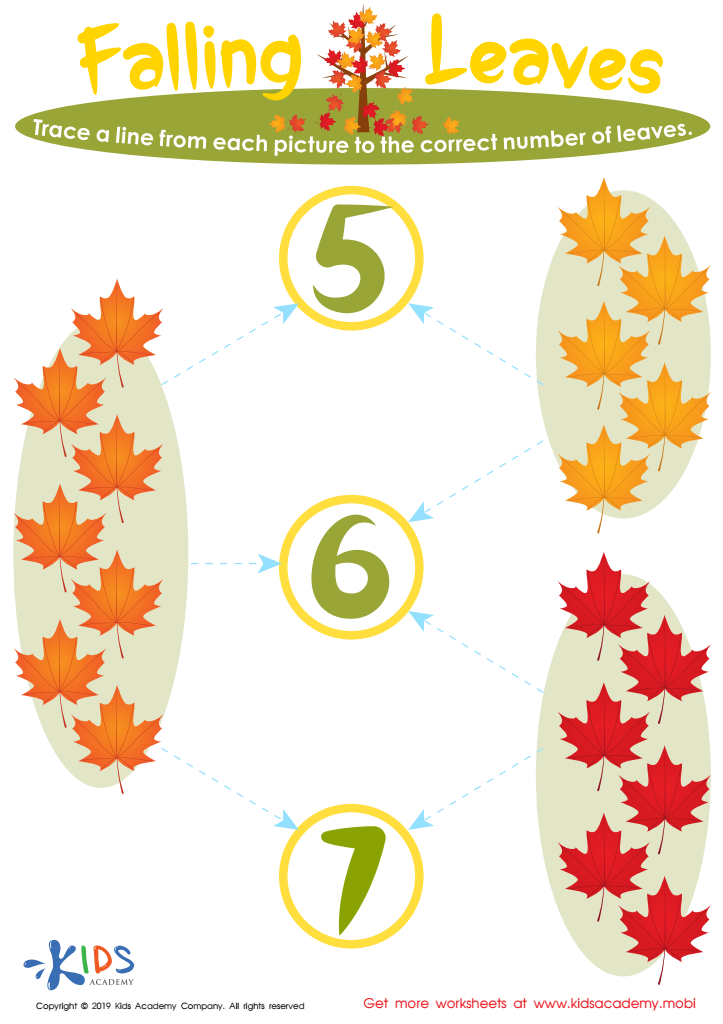
Falling Leaves Worksheet
Do your kids know the seasons? Ask them to name each one, then test their counting skills with a fun worksheet. Have them count from 1 to 10, then trace a line from each picture to the corresponding number of leaves. It's a great way to check their counting ability!
Falling Leaves Worksheet
Worksheet
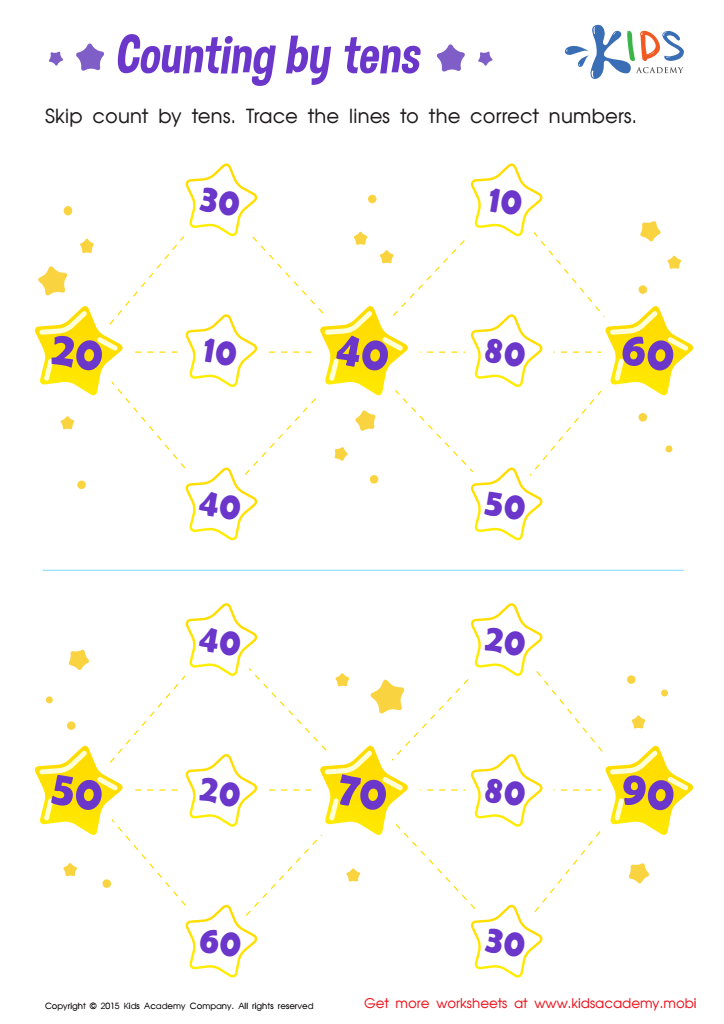
Learn Dozens: Counting by Tens Printable
Kindergartners need to learn skip counting - counting in number groups - to increase number sense and be ready for more advanced math. Our kindergarten worksheet featuring a starry trip to outer space will help your child practice this valuable skill. Your child will choose correct answers to trace the lines to the stars, building fluency in skip counting. They'll also strengthen problem solving and see the pattern it creates. Get your little learner to the next level with this skip counting worksheet!
Learn Dozens: Counting by Tens Printable
Worksheet
Join Kids Academy for Free
Who is primarily going to use this learning content?








Counting skills are foundational to a child's mathematical development, particularly for those aged 6-7. At this stage, children transition from simple number recognition to understanding more complex concepts such as addition, subtraction, and problem-solving. Mastery of normal counting not only supports their math proficiency but also enhances critical thinking skills.
For parents and teachers, fostering counting skills is important to help children build confidence in their abilities. Engaging in counting activities—like counting objects, games, or songs—can make learning enjoyable and interactive. This approach not only keeps children motivated but also promotes social interactions and teamwork when they're engaged with peers or family members.
Additionally, counting skills lay the groundwork for real-life applications, such as managing money, telling time, or understanding measurements. These practical skills instill a sense of responsibility and independence in young learners.
Furthermore, children who struggle with counting may face challenges in later math concepts, potentially affecting their overall academic performance and self-esteem. Supporting counting development ensures that all children have a solid foundation, enabling them to thrive in future learning environments. Therefore, parents and teachers play a crucial role in nurturing these essential skills, shaping confident, capable learners.








