Counting skills Normal Numbers Worksheets for Ages 6-7 - Page 2
64 filtered results
-
From - To
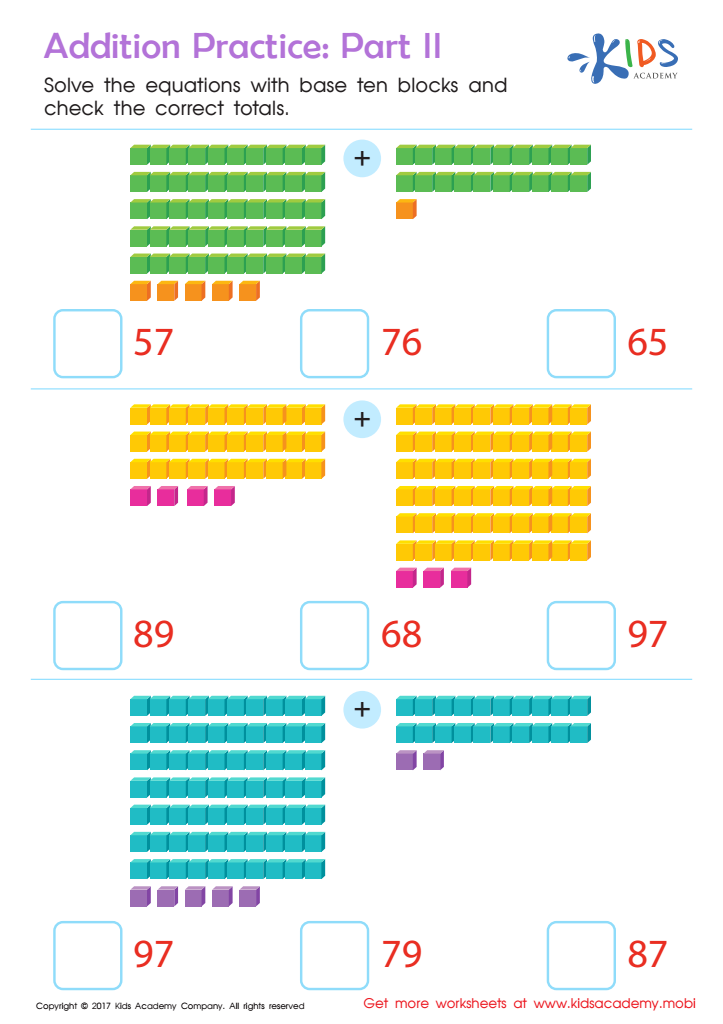
Addition Practice Sheet: Part 2
 Assign to My Students
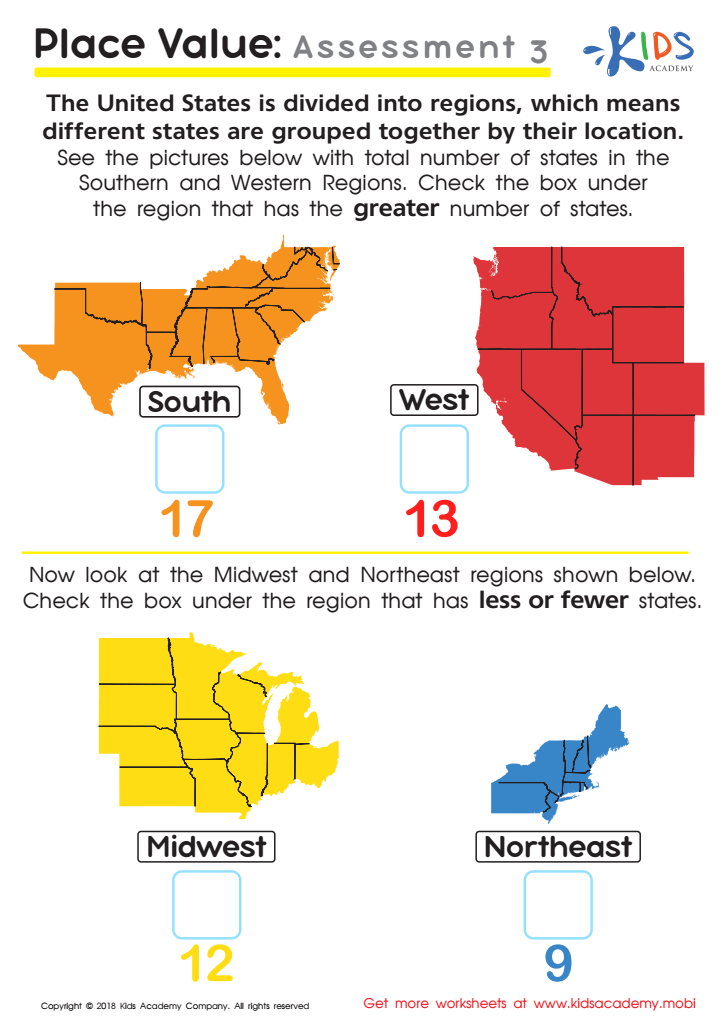
Place Value: Assessment 3 Worksheet
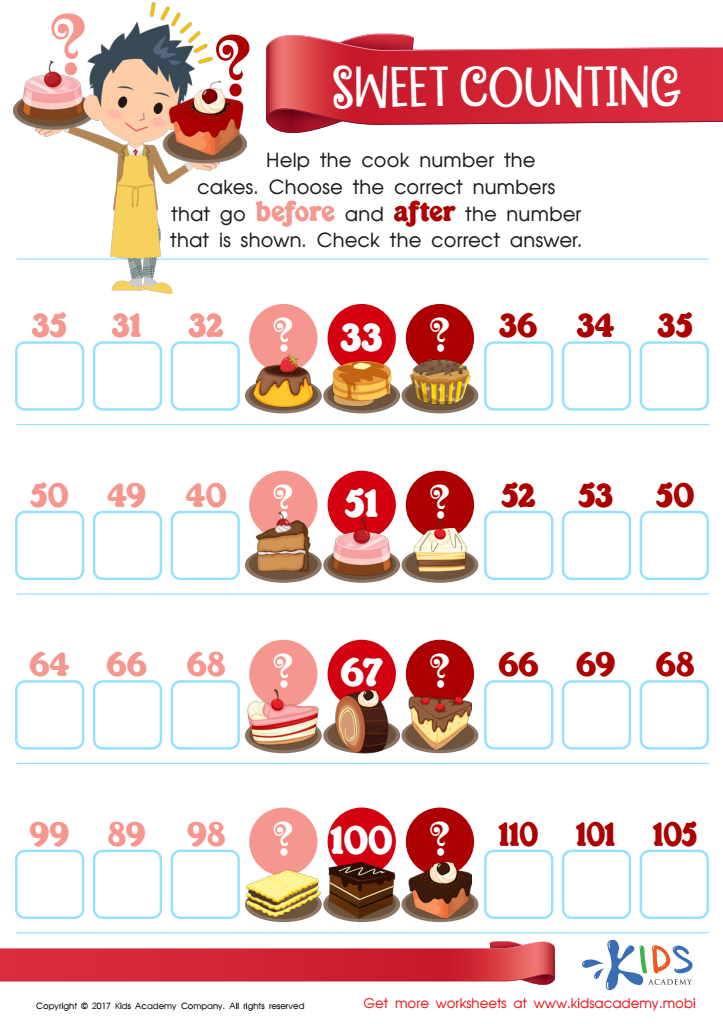
Sweet Counting - Part 1 Worksheet
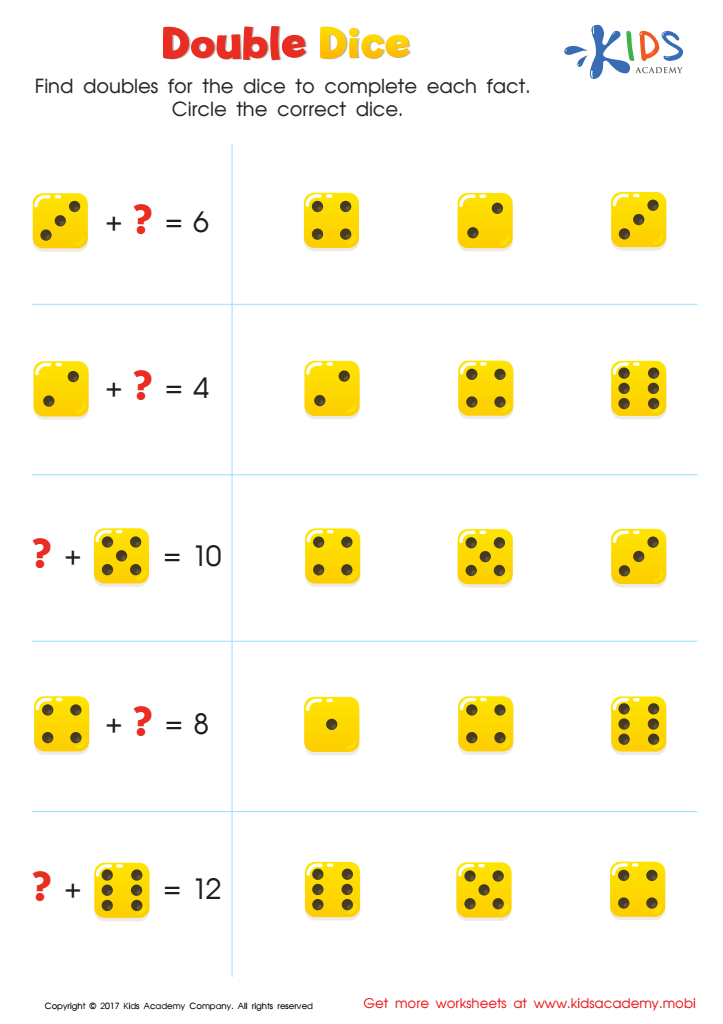
Addition Facts: Double Dice Worksheet
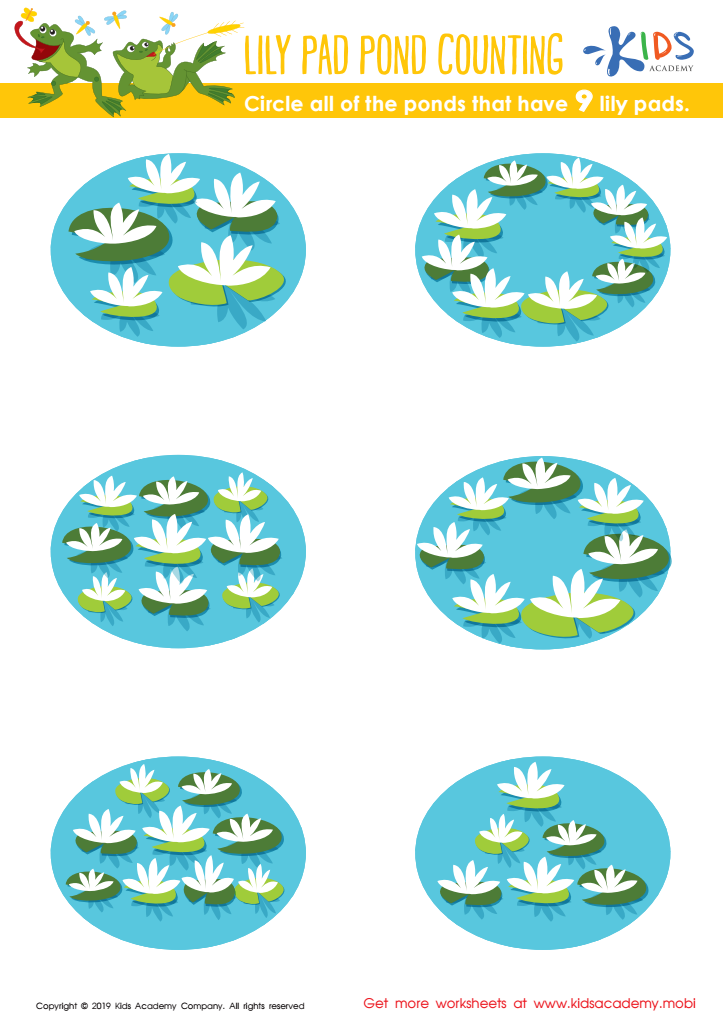
Lily Pad Pond Counting Worksheet
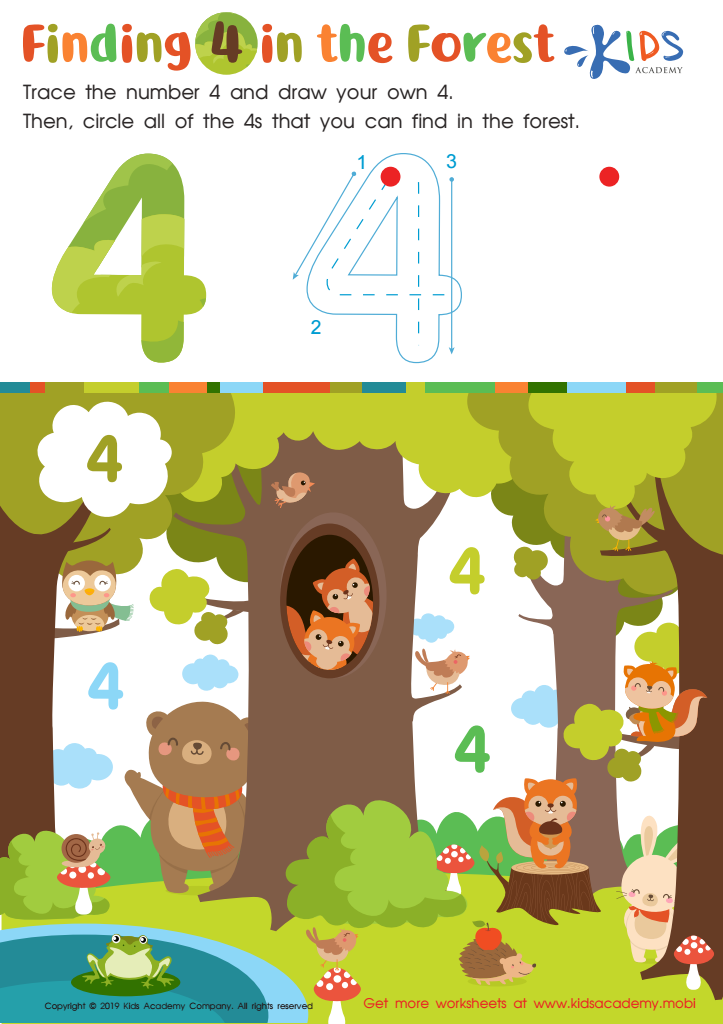
Finding 4 in the Forest Worksheet
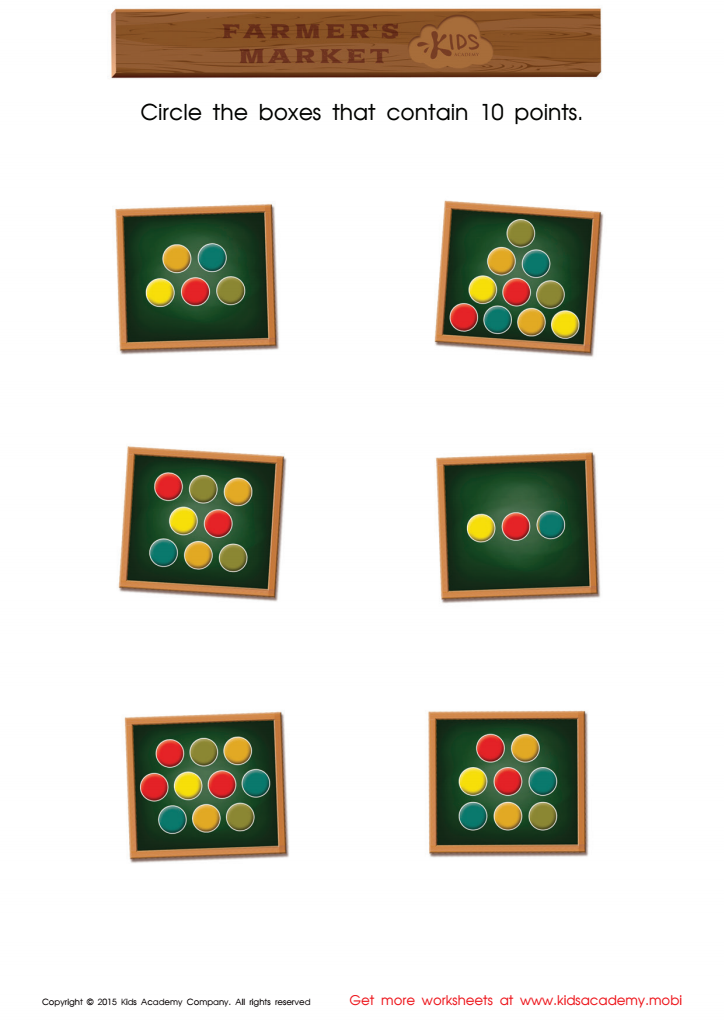
Count and Match Points 10 Math Worksheet
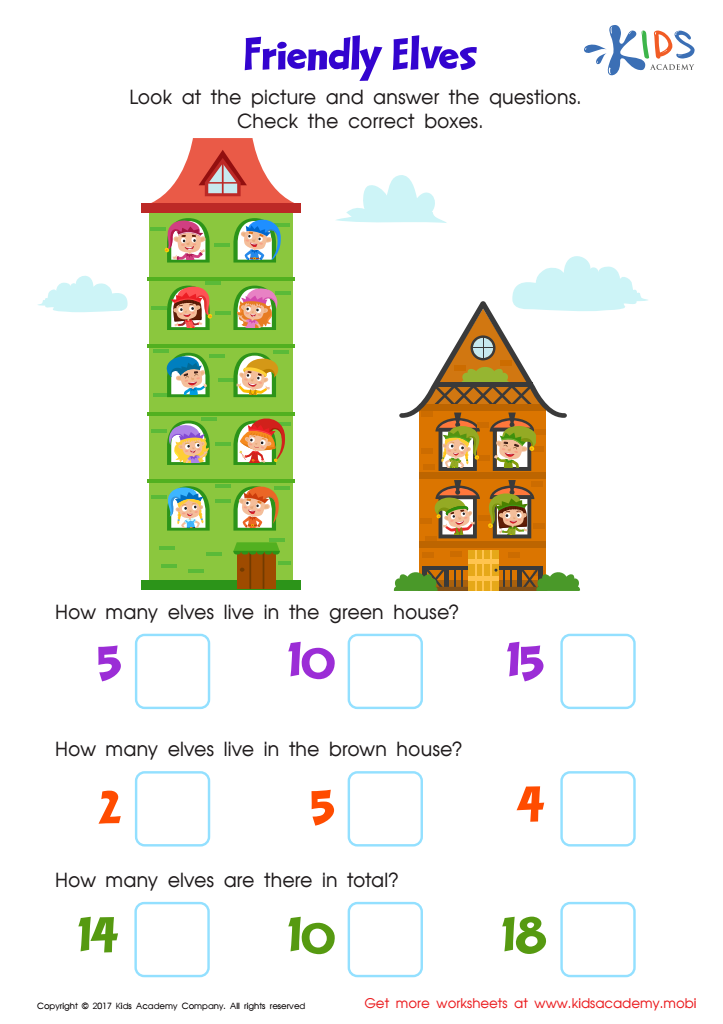
Place Value: Friendly Elves Worksheet
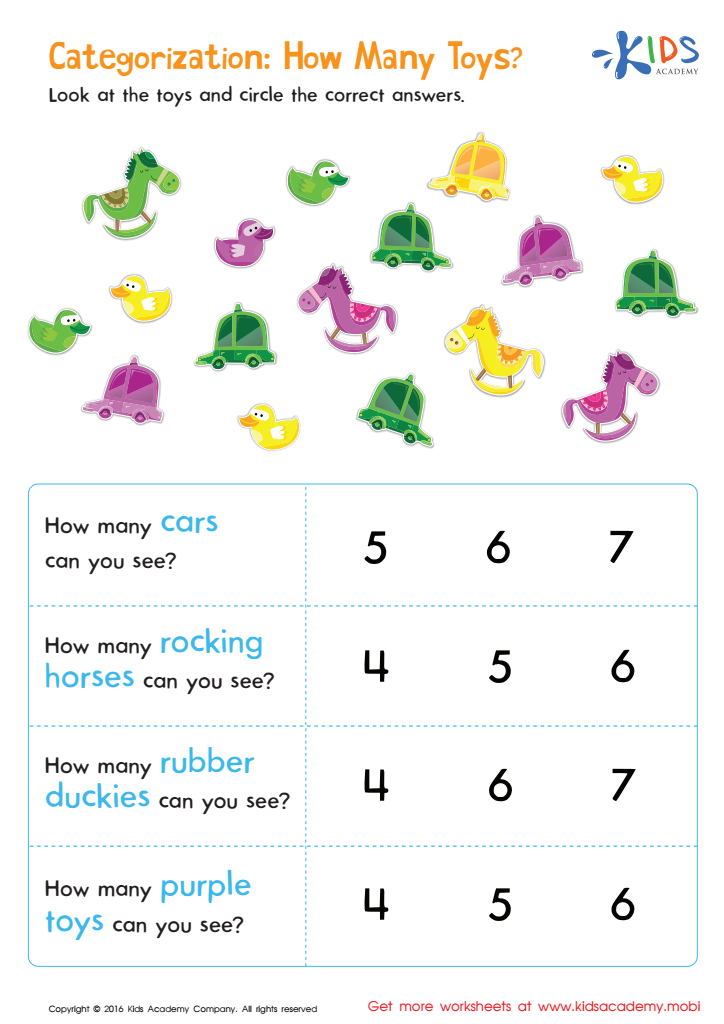
Classifying Toys by Type and Color Sorting Worksheet
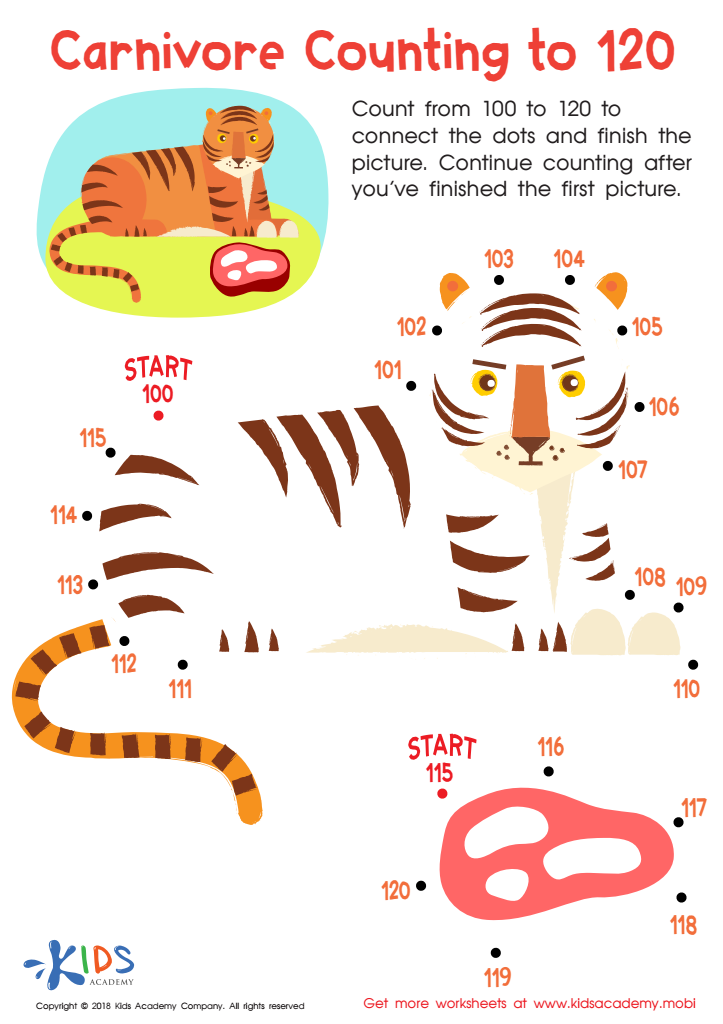
Carnivore Counting to 120 Worksheet
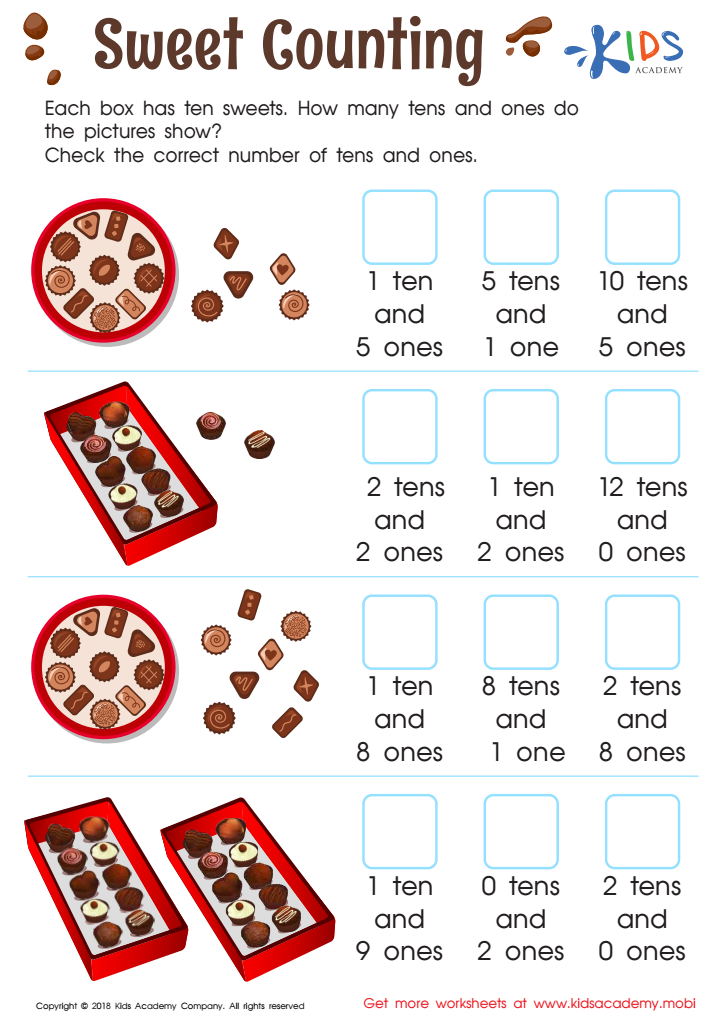
Sweet Counting - Part 2 Worksheet
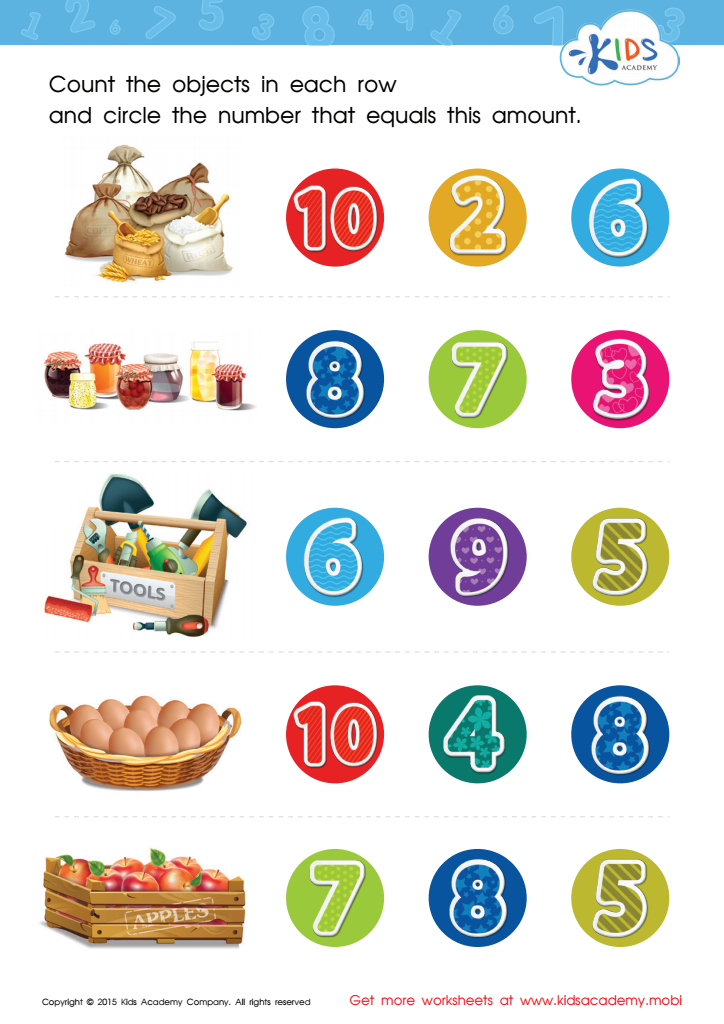
Count and Match 6 – 10 Math Worksheet
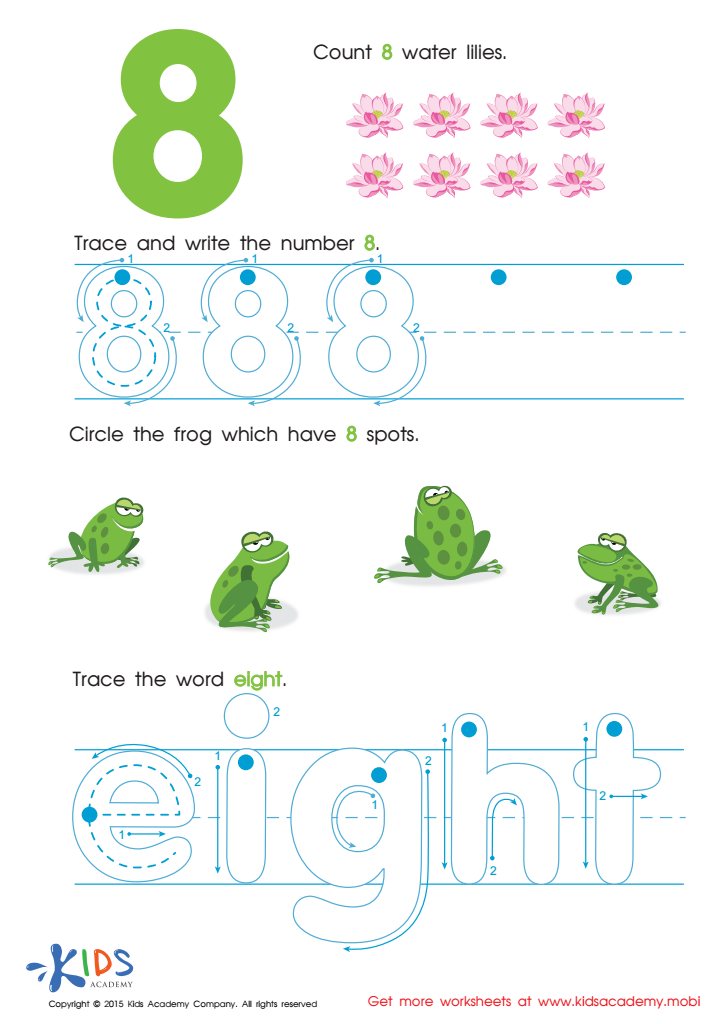
Learn Number 8 Easily Worksheet
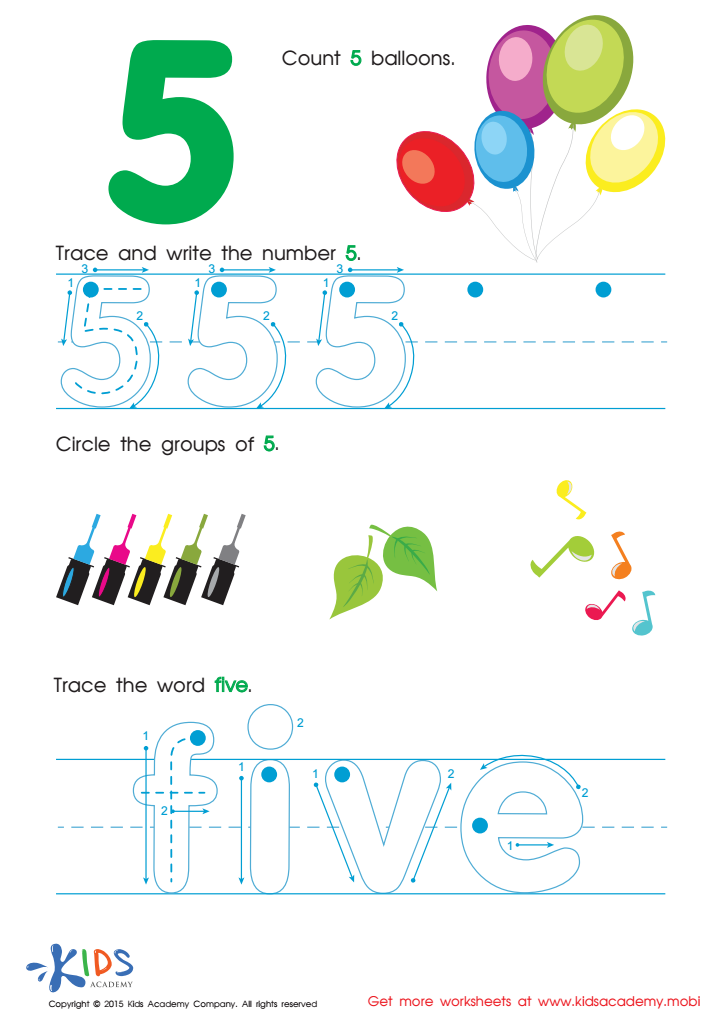
Practice Writing Number 5 Worksheet
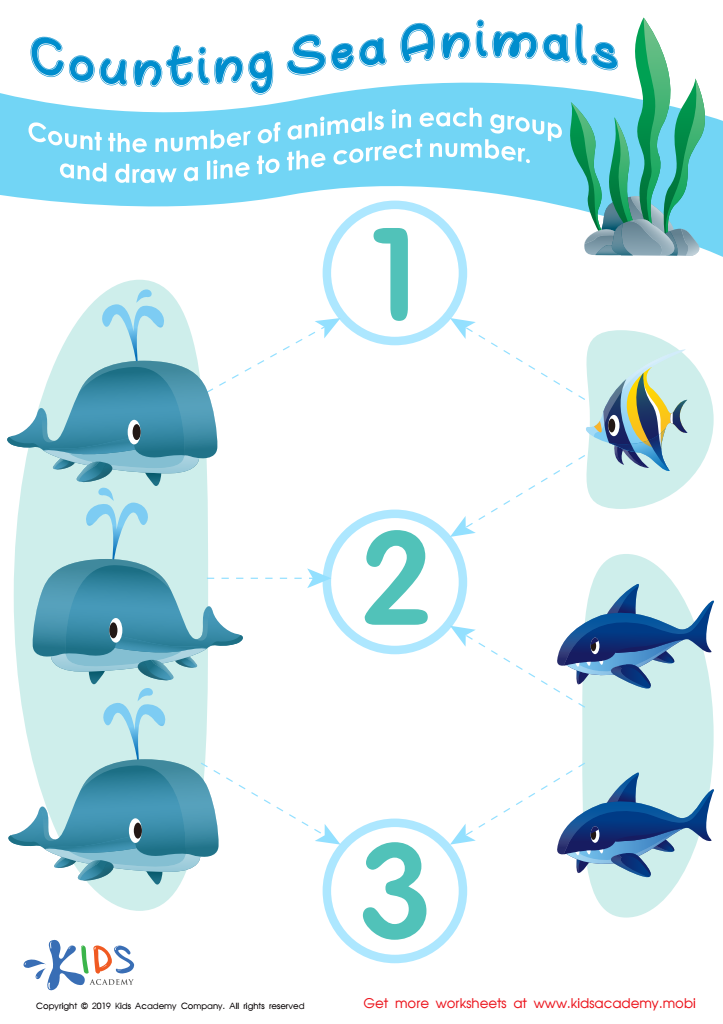
Counting Sea Animals Worksheet
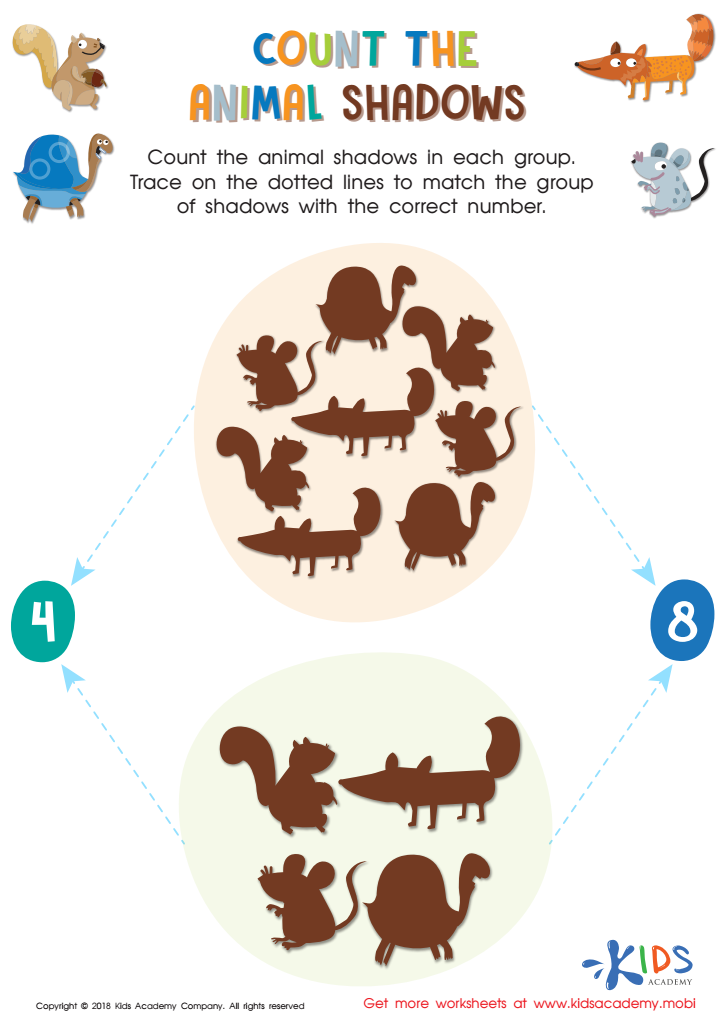
Count the Animal Shadows Worksheet
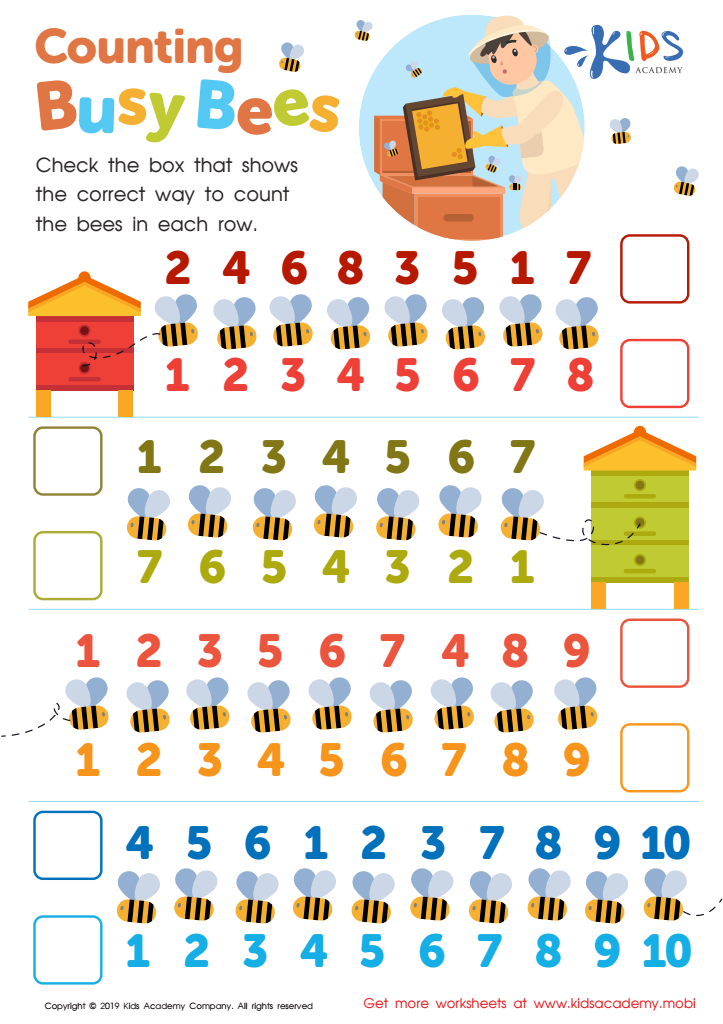
Counting Busy Bees Worksheet
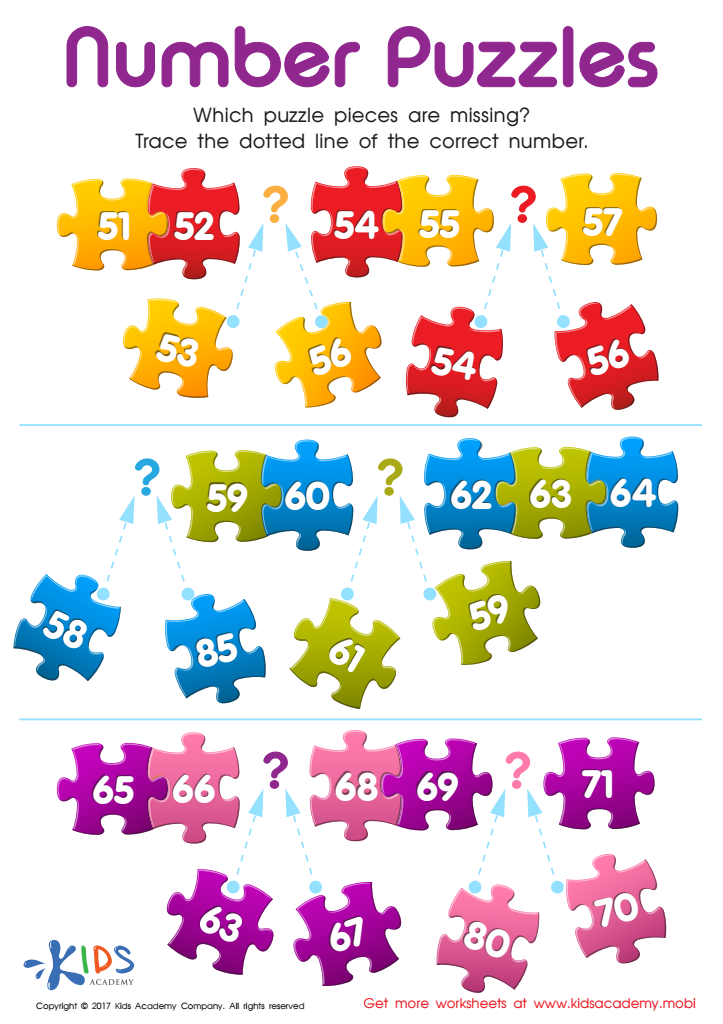
Number Puzzles Worksheet

Count and Match Vegetables 2 – 8 Math Worksheet

Count and Match Vegetables and Points Math Worksheet
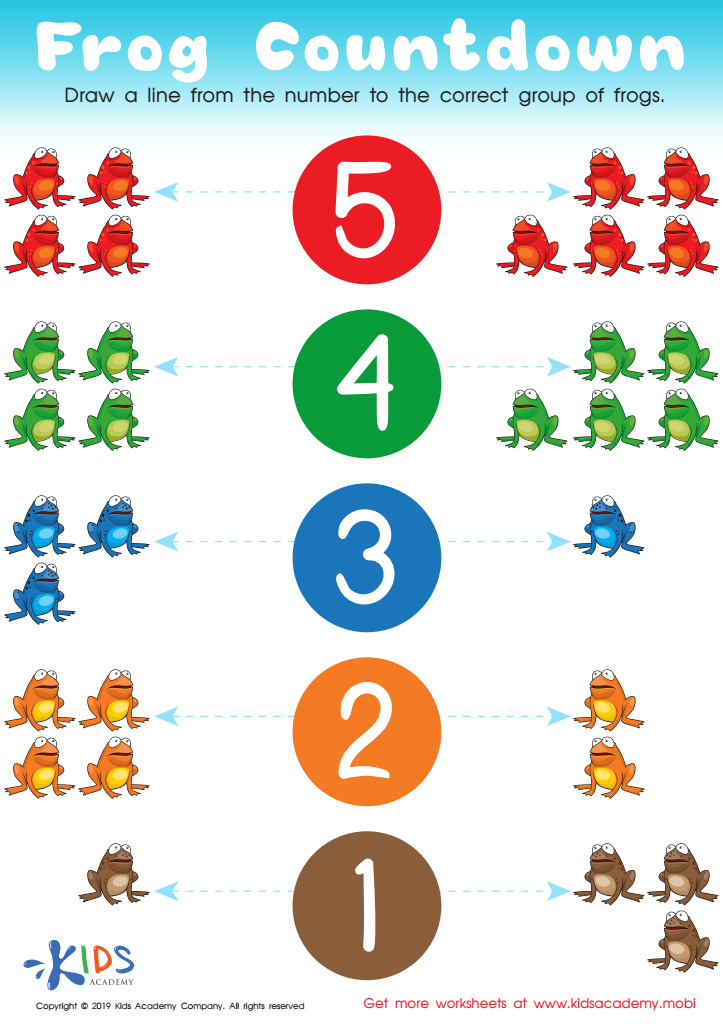
Frog Countdown Worksheet
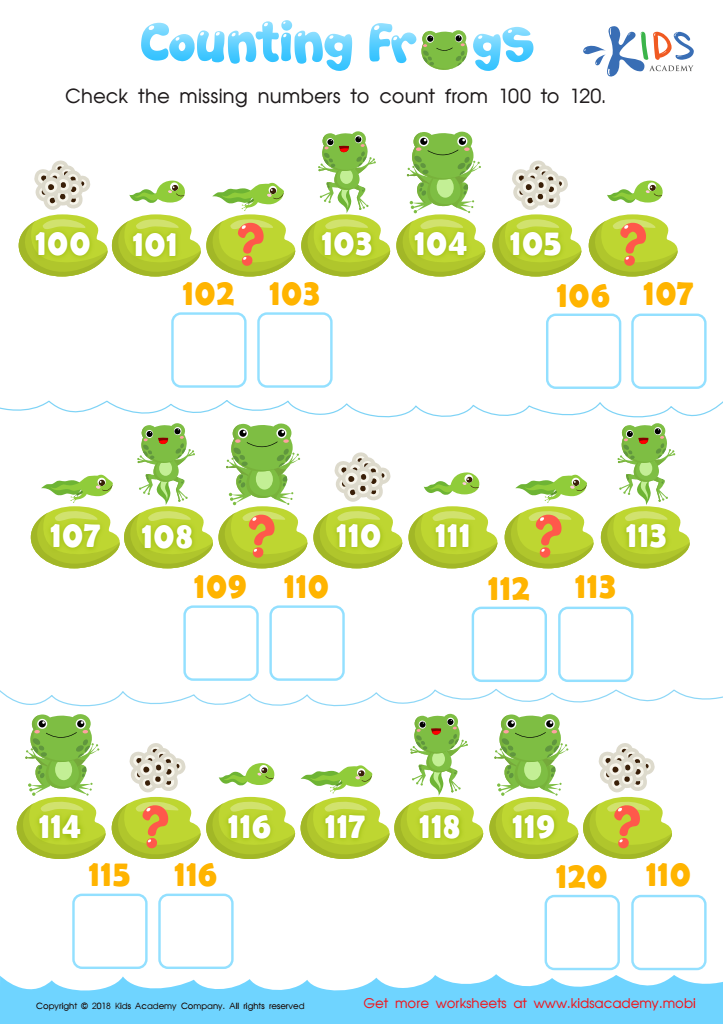
Counting Frogs Worksheet
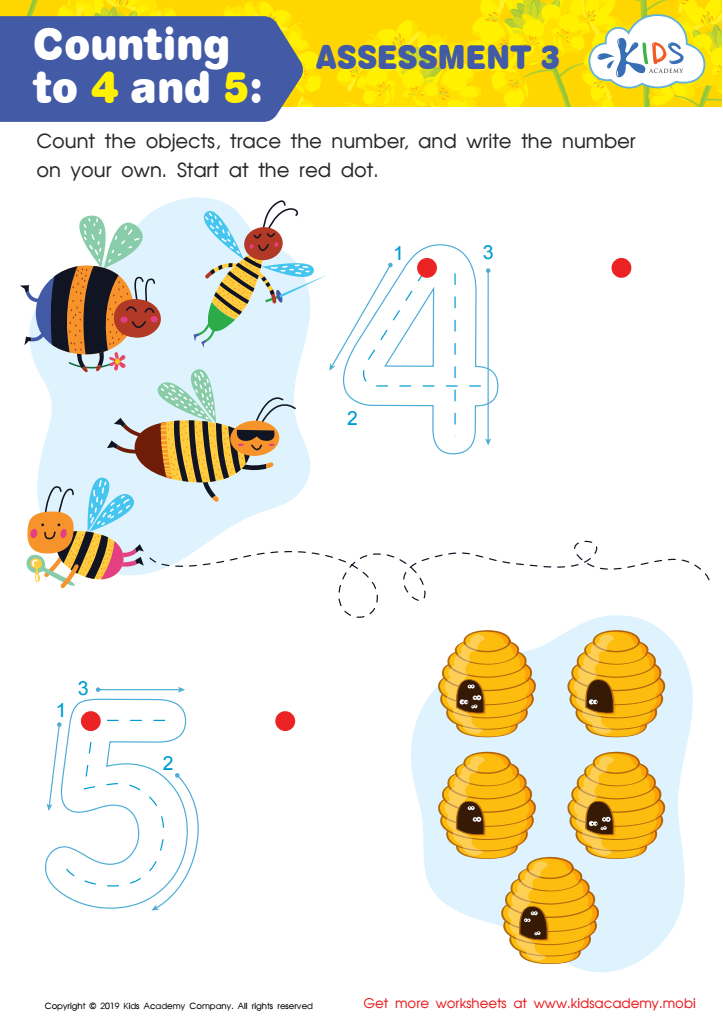
Counting to 4 and 5: Assessment 3 Worksheet
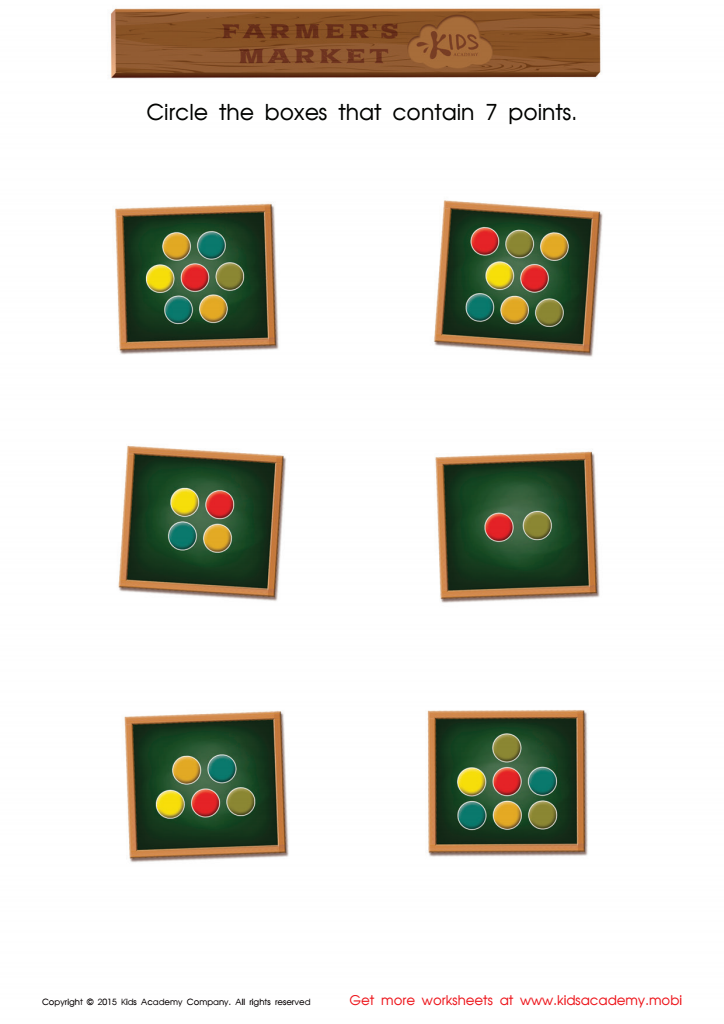
Count and Match Points 7 Math Worksheet








Counting skills and understanding normal numbers are foundational for children's mathematical development, especially for those aged 6-7. At this critical stage, children transition from basic counting to recognizing and manipulating numbers, laying the groundwork for more complex math concepts. Parents and teachers should care about this development for several reasons.
Firstly, counting skills enhance cognitive abilities. Mastering these skills sharpens children's problem-solving capabilities and nurtures their logical reasoning skills, vital for academic success. Secondly, strong counting abilities correlate with overall literacy and numeric literacy. Counting fosters a sense of number sense, which is vital when engaging with everyday tasks such as budgeting, shopping, and cooking.
Additionally, supporting counting skills cultivates confidence in children, encouraging them to participate actively in mathematical activities and discussions. It also helps in creating a positive attitude towards math, reducing anxiety as they progress to more difficult concepts in the future.
Finally, fostering these skills encourages social interaction among peers through games and group activities, enhancing communication and collaborative problem-solving skills. In conclusion, prioritizing counting skills in early education creates well-rounded learners prepared for future competencies in various subjects and real-life scenarios.








