Mathematical reasoning Normal Math Worksheets for Ages 6-7
14 filtered results
-
From - To
Unlock your child's potential with our "Mathematical Reasoning Normal Math Worksheets for Ages 6-7". Designed to bolster critical thinking and problem-solving skills, these worksheets integrate fun and challenging activities that encourage young learners to explore numbers and basic math concepts. Suitable for first and second graders, each worksheet focuses on foundational topics like addition, subtraction, patterns, and logical reasoning. Our engaging, high-quality printable resources ensure that learning math becomes an enjoyable and rewarding experience, laying a strong groundwork for your child's academic journey. Enhance their math confidence today with our expertly crafted materials!
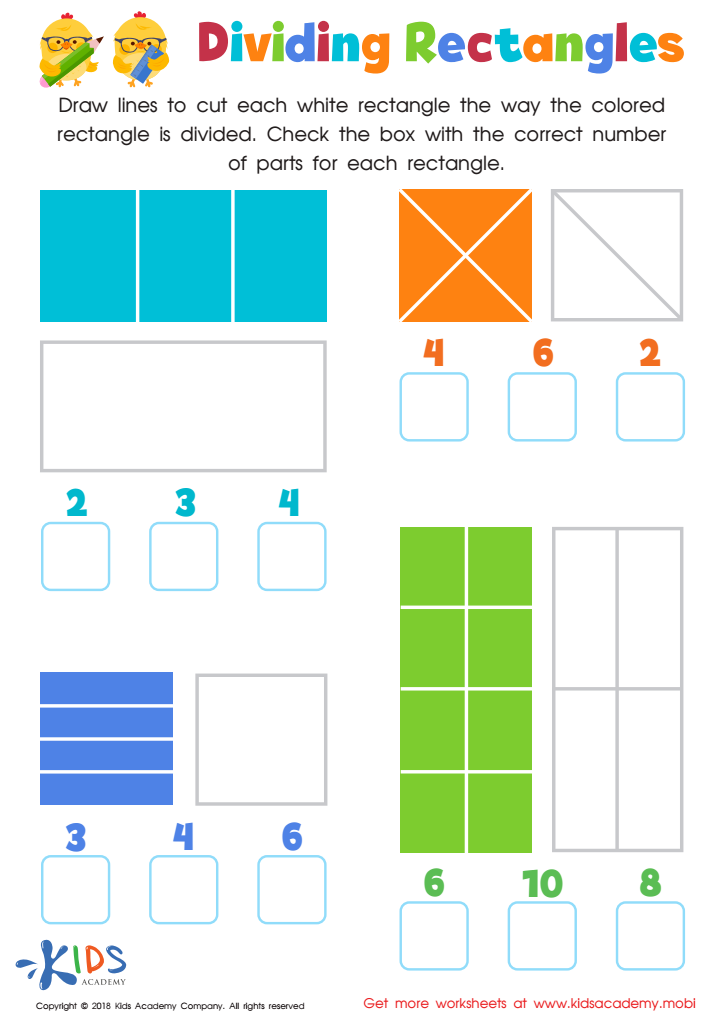
Dividing Rectangles Worksheet
 Assign to My Students
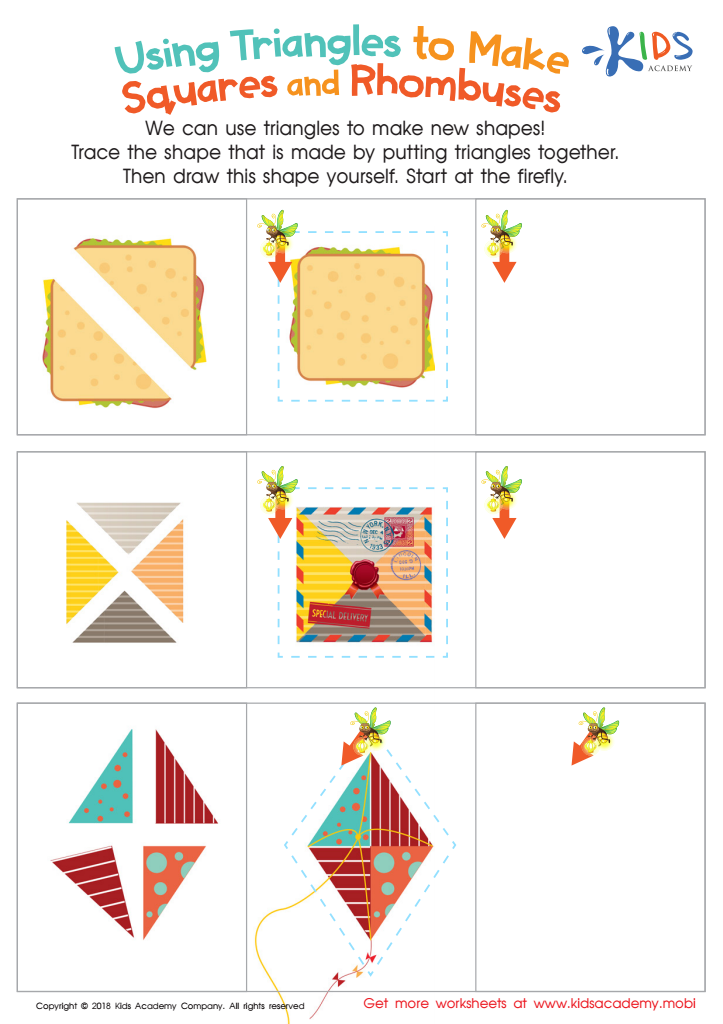
Using Triangles to Make Squares and Rhombuses Worksheet
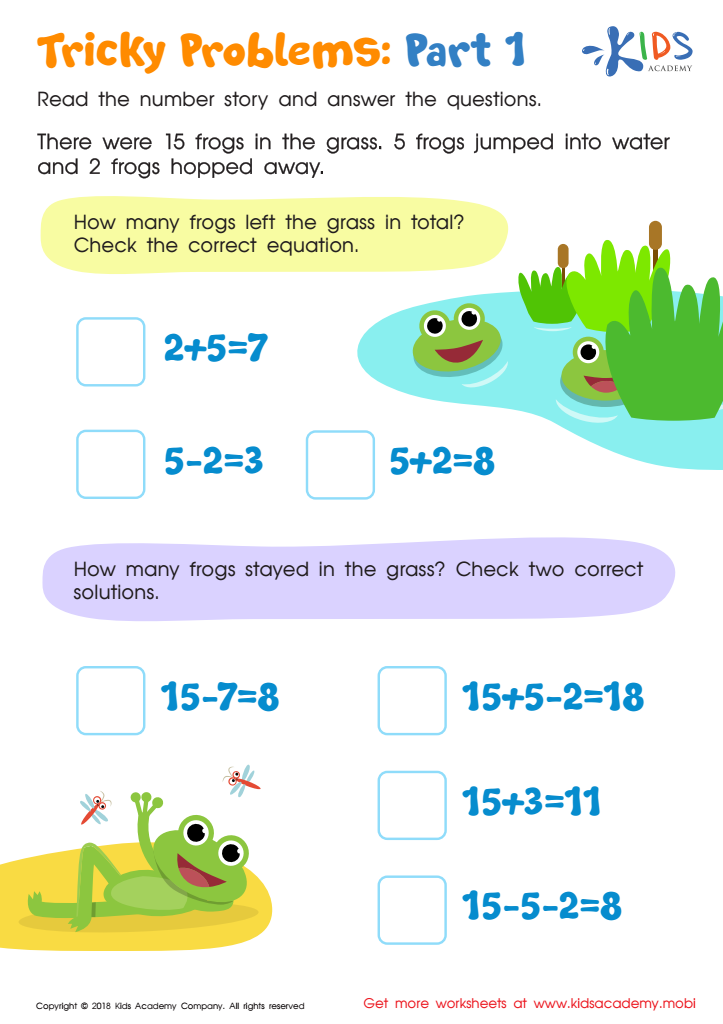
Tricky Problems Worksheet: Part 1
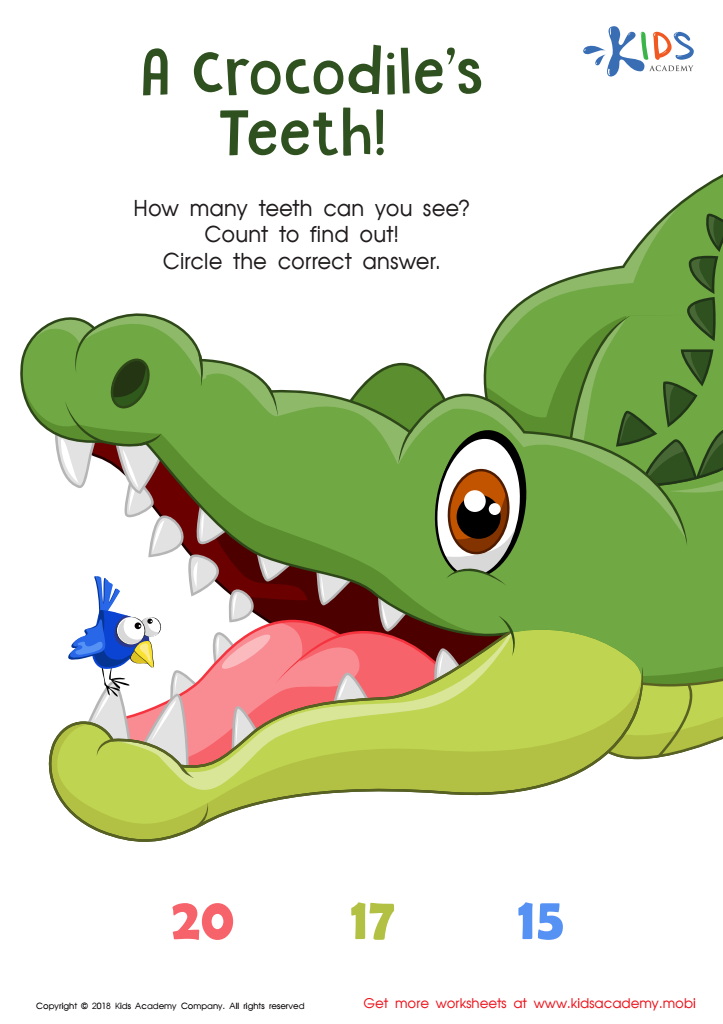
A Crocodile's Teeth Worksheet
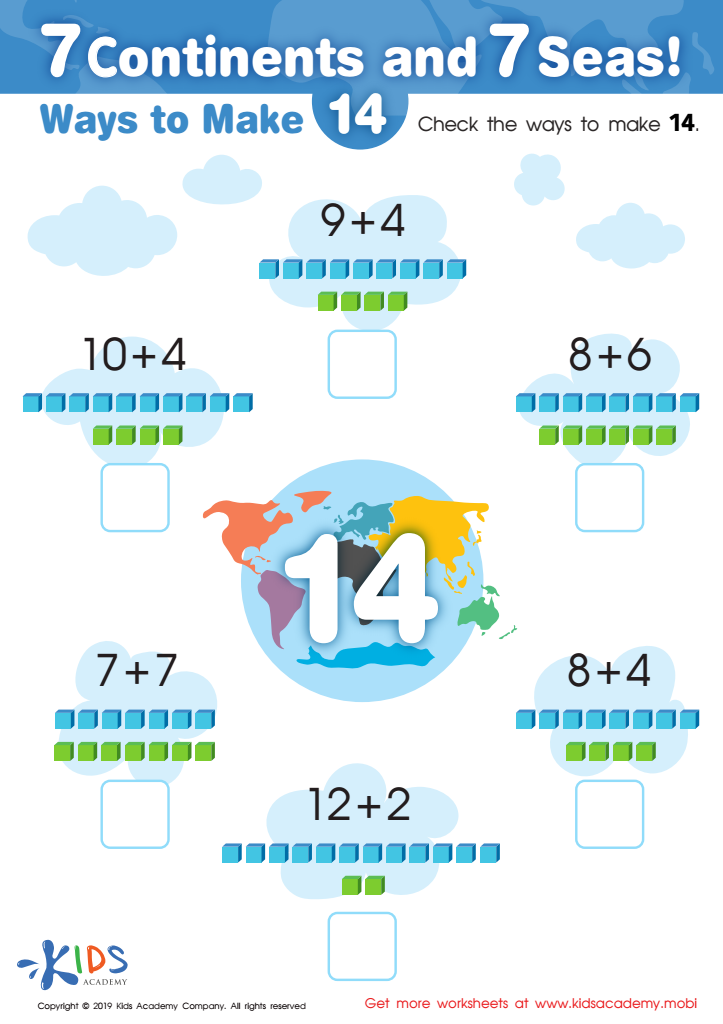
7 Continents and 7 Seas Worksheet
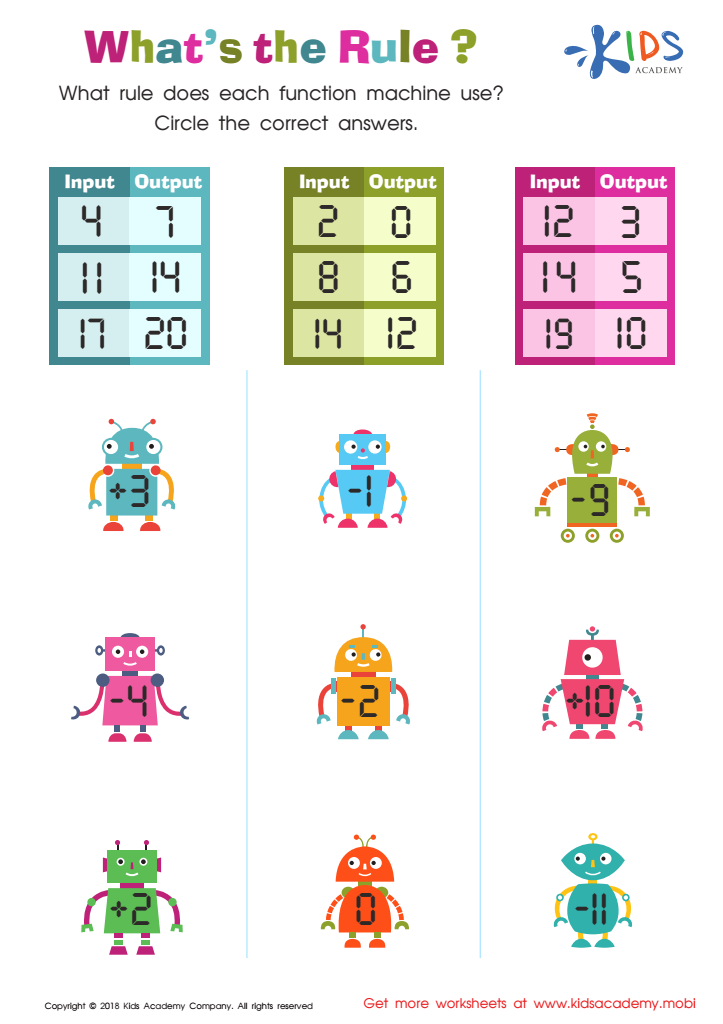
What's the Rule Worksheet
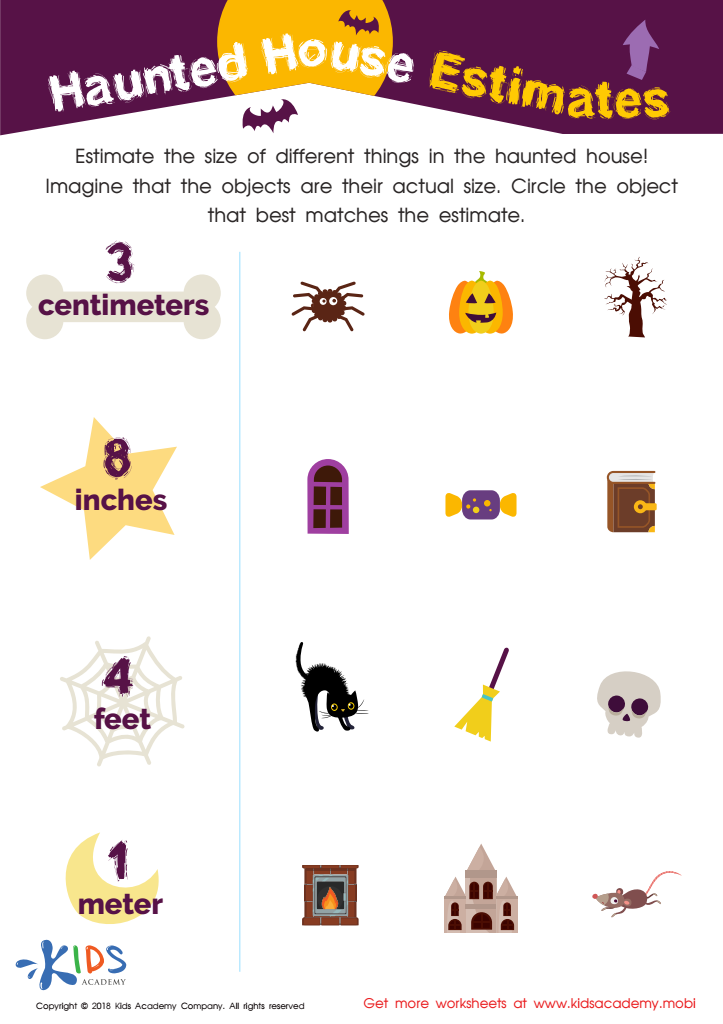
Haunted House Estimates Worksheet
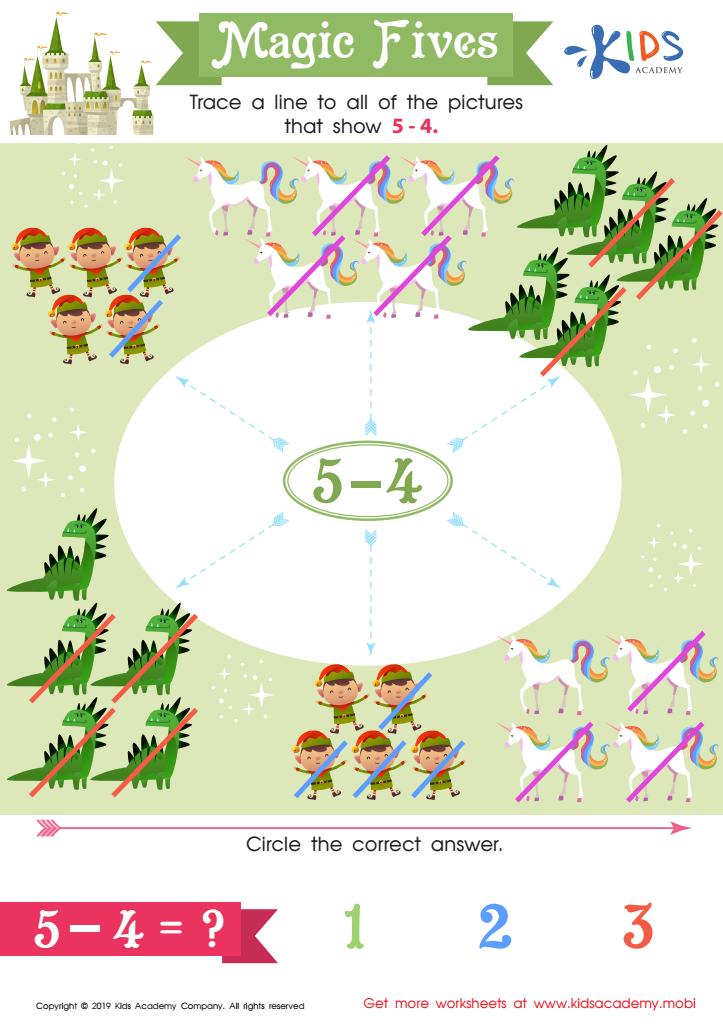
Magic Fives Worksheet
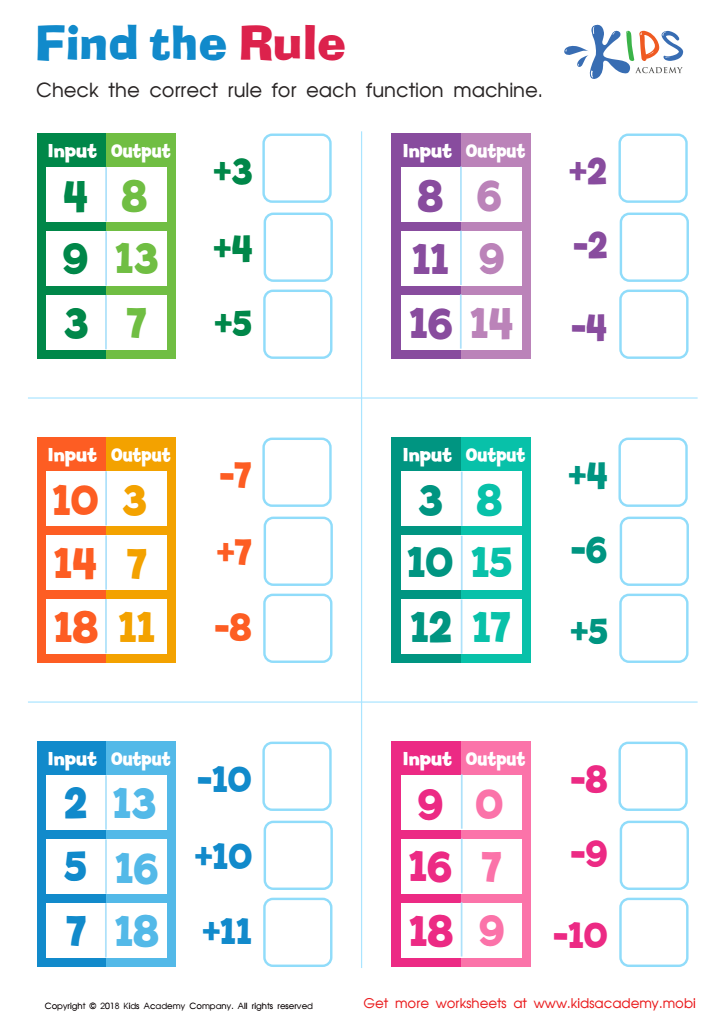
Find the Rule Worksheet
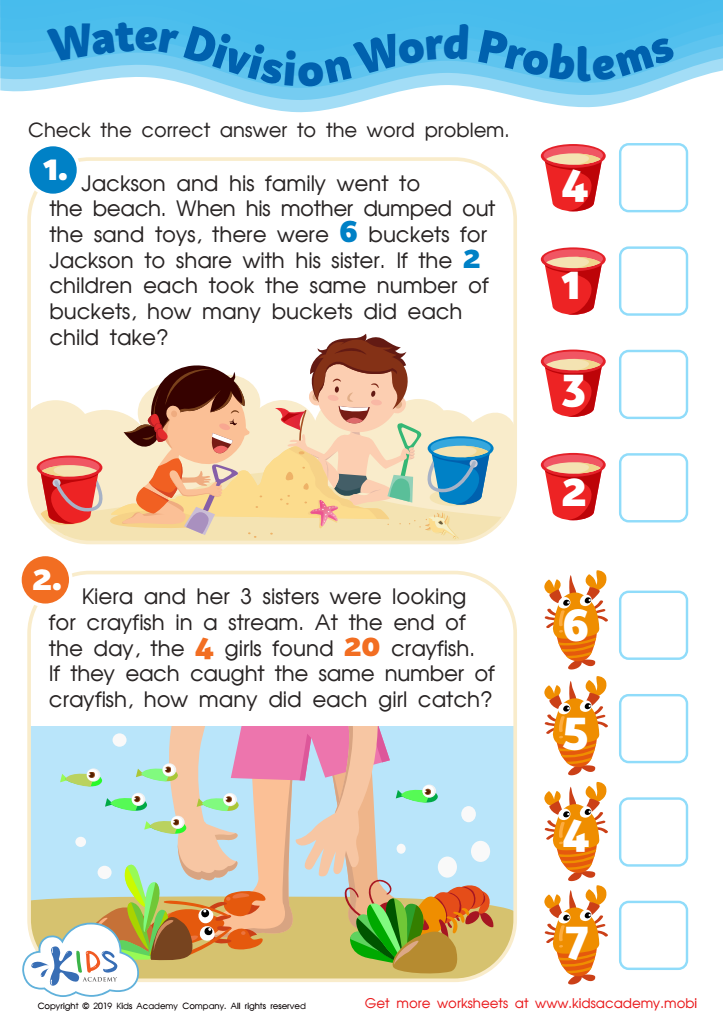
Water Division Word Problems Worksheet
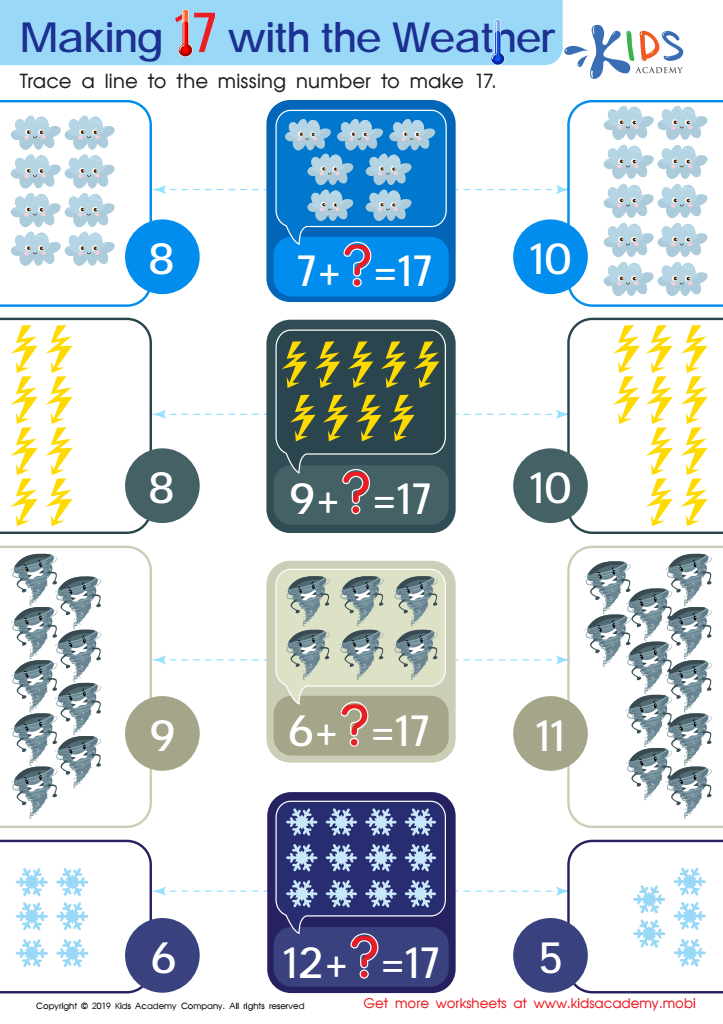
Making 17 with the Weather Worksheet
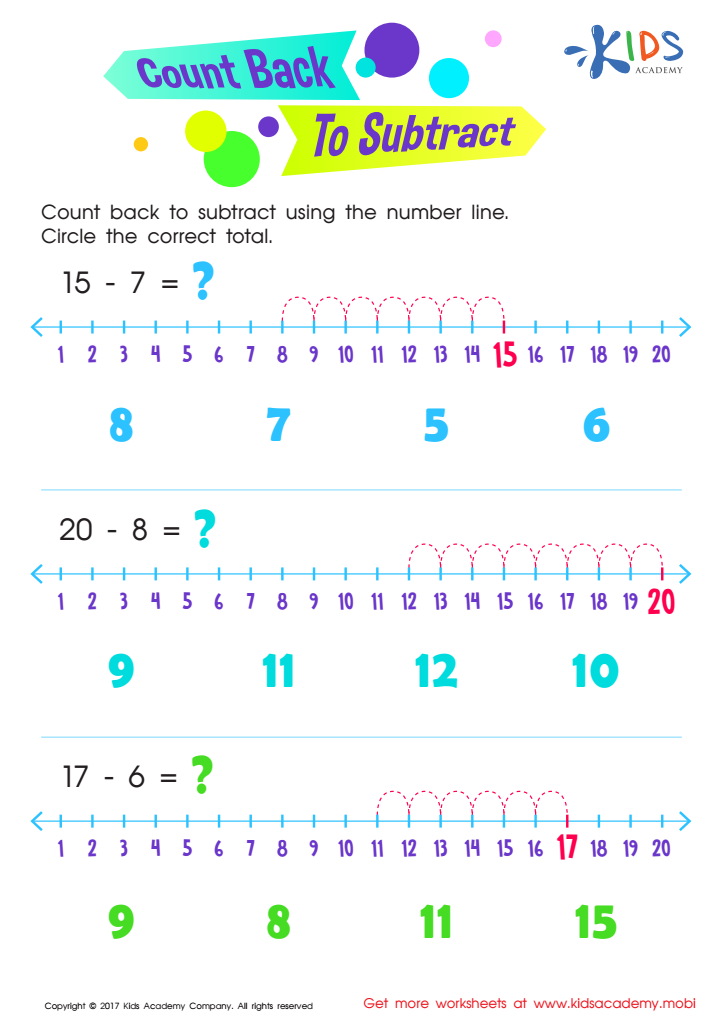
Count Back to Subtract Substraction Worksheet
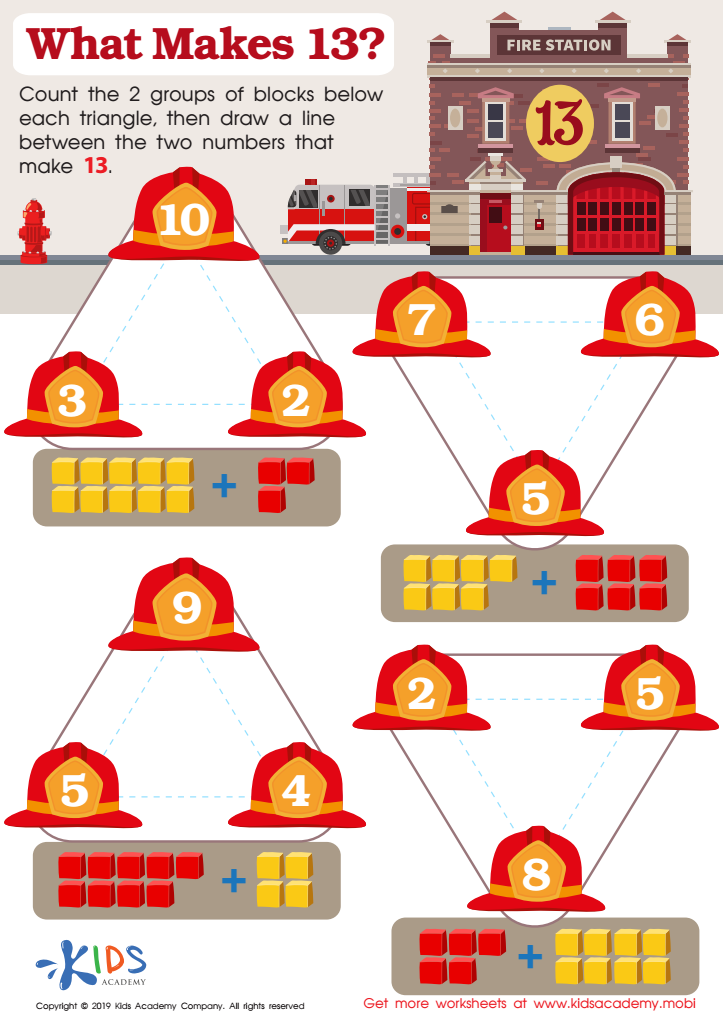
What Makes 13 Worksheet
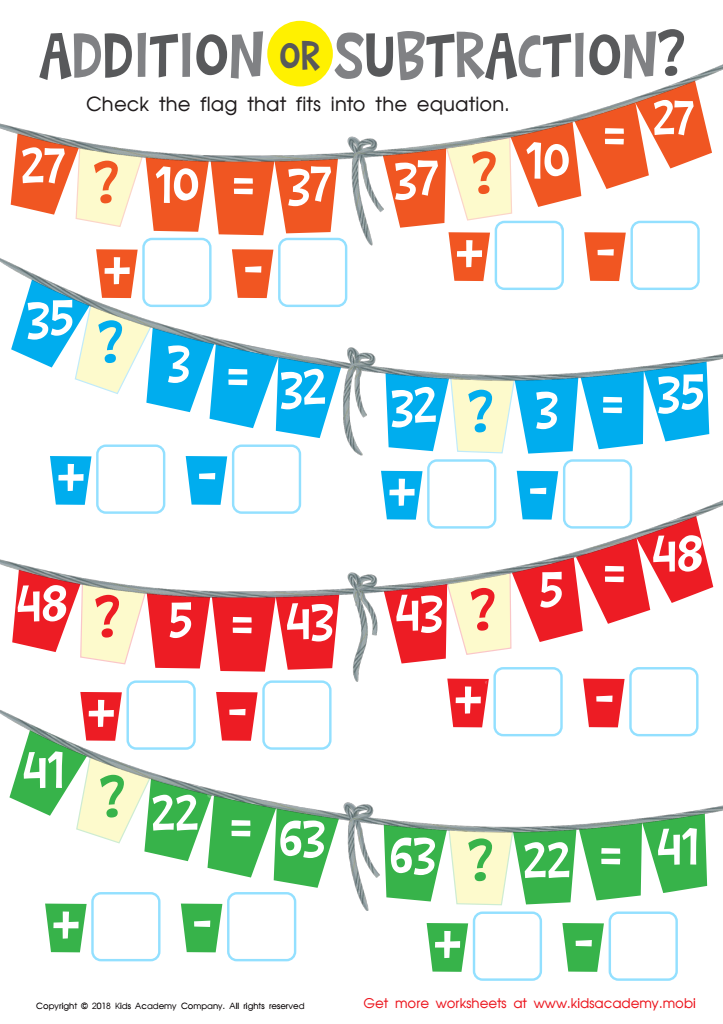
Addition or Subtraction? Worksheet







Mathematical reasoning is an essential building block for young children aged 6-7 because it forms the foundation for problem-solving and critical thinking, skills necessary for everyday life and future academic success. At this formative age, children’s minds are highly receptive and adaptive, making it the perfect time to nurture these cognitive capabilities.
Teaching mathematical reasoning helps children learn how to understand and analyze problems, develop step-by-step solutions, and recognize patterns. This cognitive development goes beyond numerical concepts and encourages a structured way of thinking that is applicable in all areas of life. For instance, when children learn to sequence or categorize objects, they are also enhancing their ability to organize thoughts and approach tasks methodically.
Additionally, developing strong mathematical reasoning improves a child’s confidence and competence in handling challenges, which can significantly enhance their enthusiasm for learning. Early proficiency in math reduces anxiety around the subject, making children more likely to engage positively as their education progresses.
For parents and teachers, providing a supportive environment that emphasizes mathematical reasoning equips children with the tools they need to thrive academically and personally. It also sets a strong precedent for valuing education and intellectual curiosity, guiding young learners toward a future of lifelong learning and adaptive problem-solving capabilities.








