Visual discrimination Normal Math Worksheets for Ages 6-7
6 filtered results
-
From - To
Enhance your child’s learning journey with our Visual Discrimination Normal Math Worksheets, designed specifically for kids aged 6-7. These engaging worksheets help children develop essential visual processing skills that are crucial for problem-solving and mathematical understanding. By practicing with fun and interactive activities, kids will learn to identify patterns, shapes, and differences, all while enjoying the process. Incorporating colorful illustrations and exciting exercises, our worksheets promote active learning and keep students motivated. Perfect for classroom use or at home, these resources are an excellent way to support young learners in building a strong foundation in math. Start their adventure today!
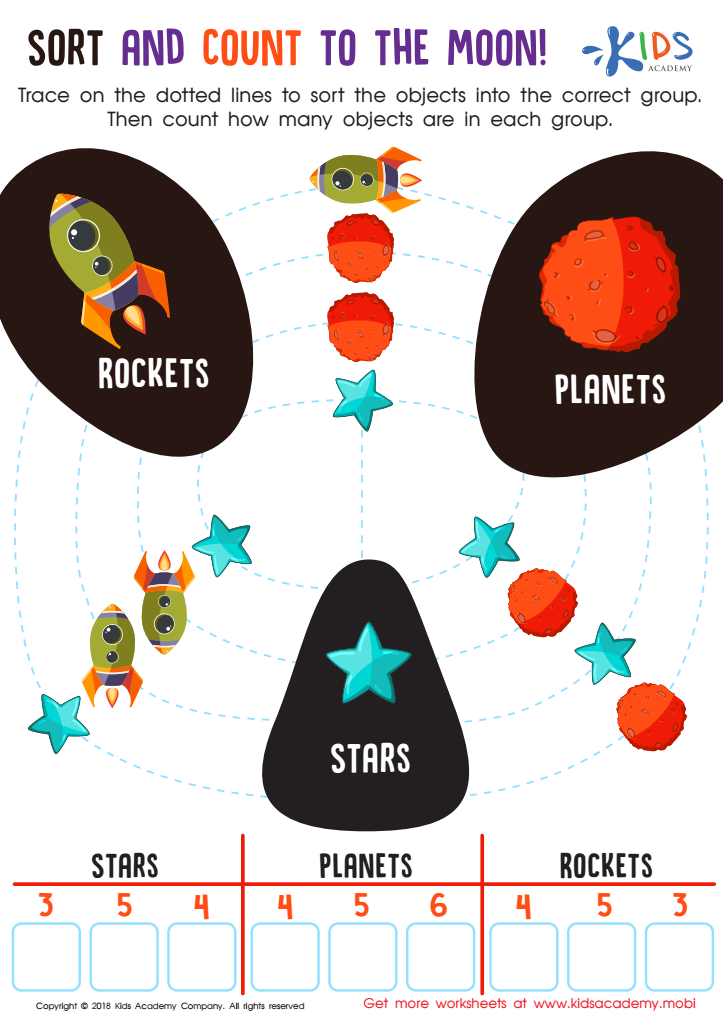
Sort and Count to the Moon Worksheet
 Assign to My Students
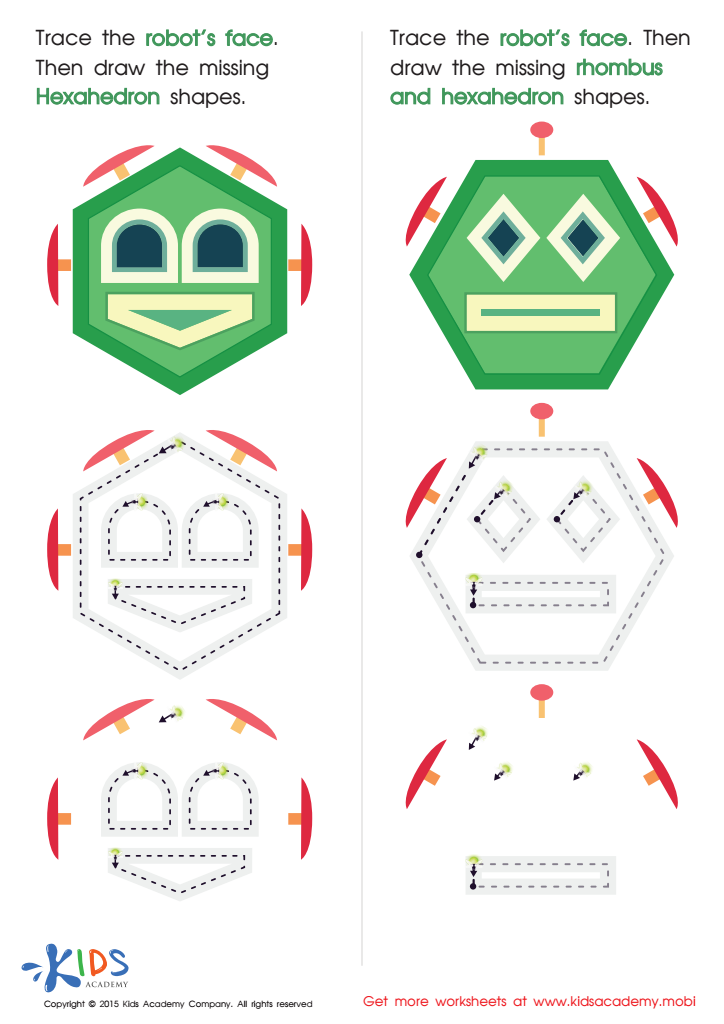
Practice Drawing Hexahedrons And a Rhombus Worksheet
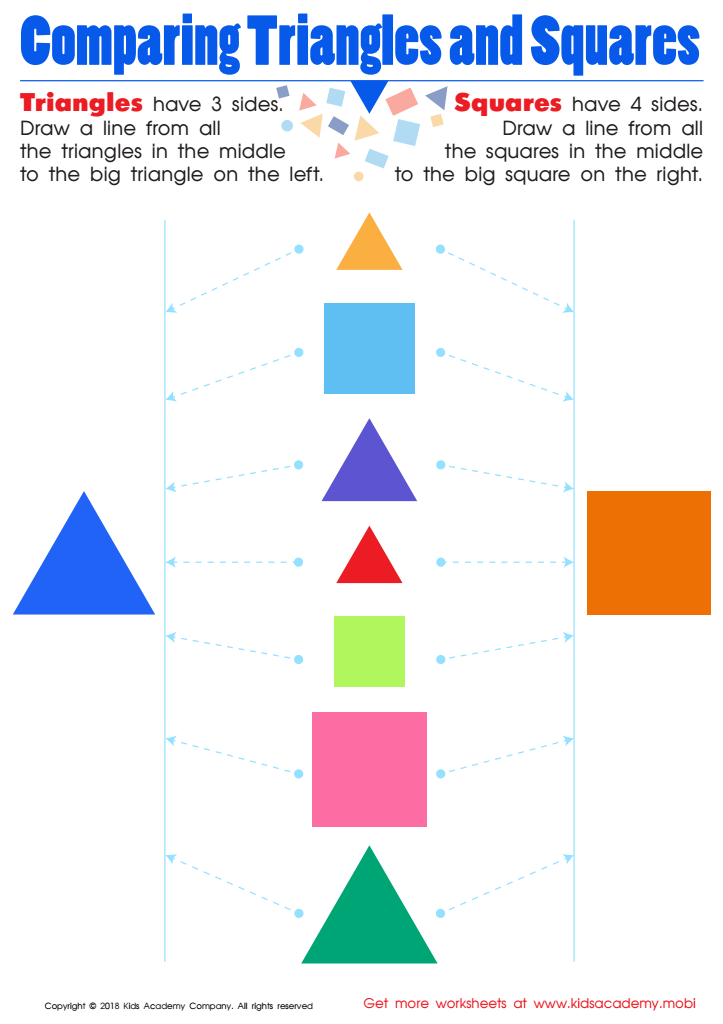
Comparing Triangles Squares Worksheet
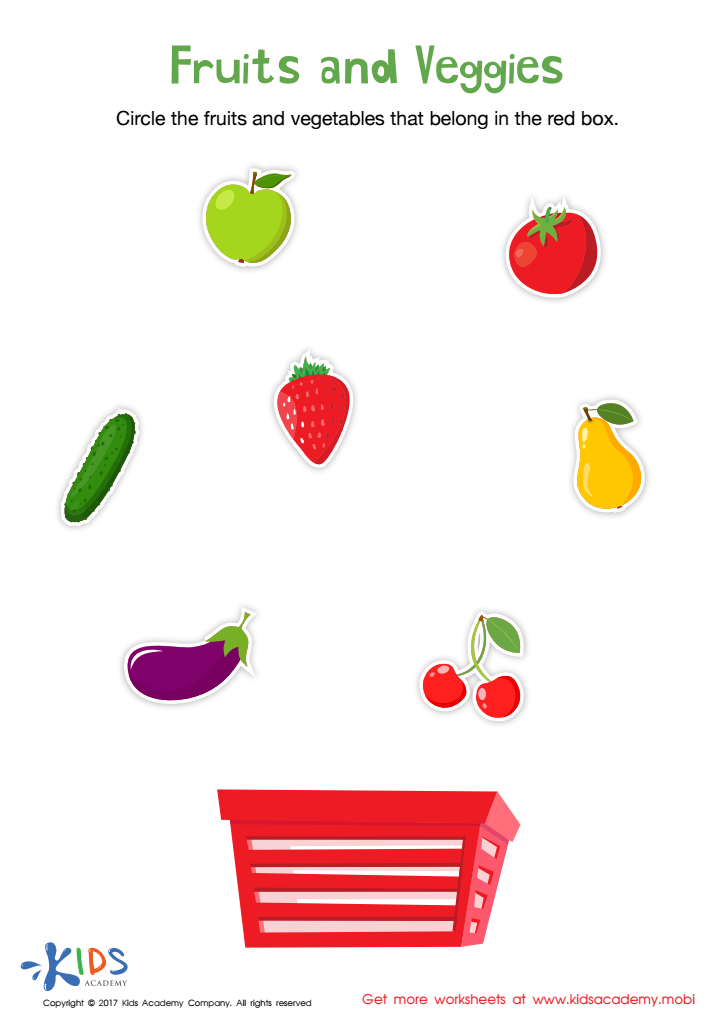
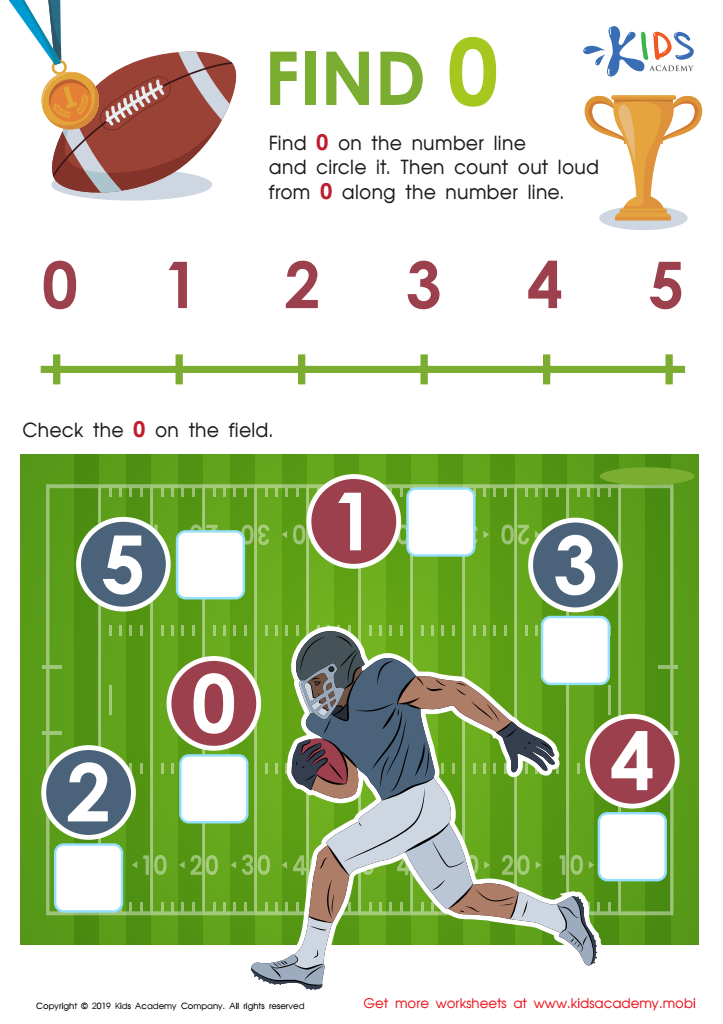
Find 0 Worksheet
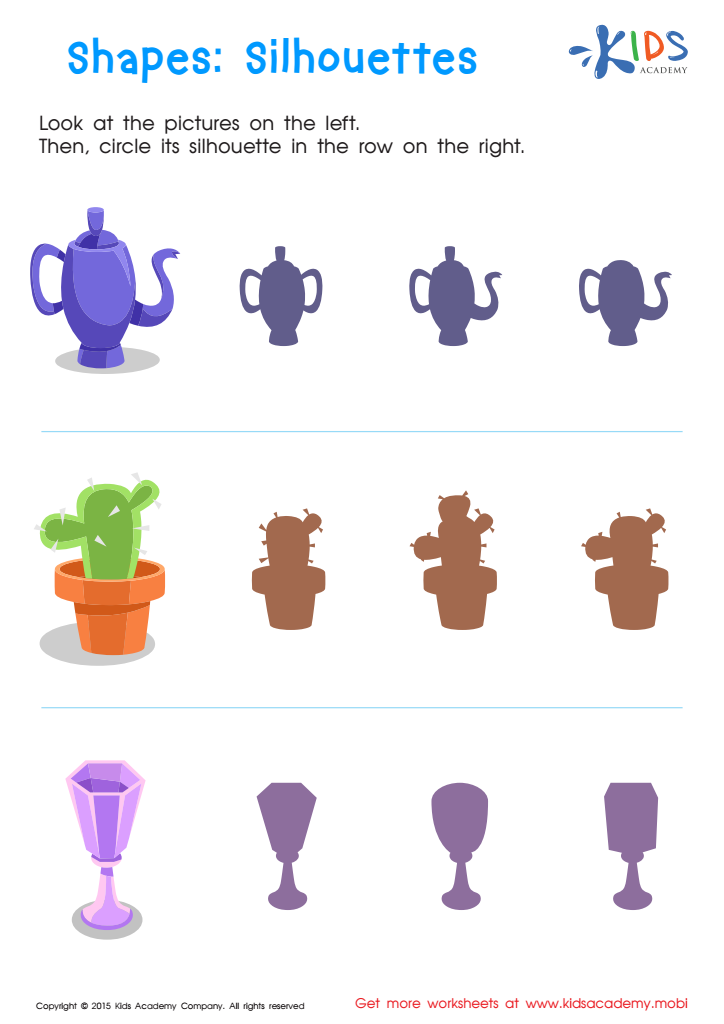
Silhouettes – Shapes Worksheet








Visual discrimination is a crucial skill for children aged 6-7, particularly in the context of normal math development. At this age, children are learning to recognize numbers, shapes, and patterns, which form the foundation for mathematical concepts. When parents and teachers foster visual discrimination, they help children differentiate between similar-looking numbers (like 6 and 9) or shapes (like squares and rectangles), reducing confusion and errors in math tasks.
This skill enhances a child's ability to navigate mathematical problems, improving their confidence and fluency as they encounter more complex concepts like addition, subtraction, and geometry. Engaging in activities that promote visual discrimination—such as sorting objects, identifying patterns, and playing visual games—can make learning more enjoyable and interactive.
Moreover, strong visual discrimination skills not only support math learning but also transfer to reading and writing, enabling children to recognize letters, words, and punctuation. By caring about this foundational skill, parents and teachers invest in children’s overall cognitive development, ensuring they lay solid academic groundwork. As a result, they cultivate a love for learning and equip students with the tools they need for future success in mathematics and beyond.








