Vocabulary expansion Normal Math Worksheets for Ages 6-7
4 filtered results
-
From - To
Discover a world of math magic with our Vocabulary Expansion Math Worksheets for ages 6-7! Designed to enrich a child's learning experience, these worksheets seamlessly blend essential math concepts with engaging vocabulary activities. Perfect for young learners, they focus on building math terminology comprehension while enhancing problem-solving skills. Whether it's identifying shapes, understanding measurements, or exploring patterns, our worksheets make math fun and accessible. By integrating vocabulary development, kids not only master math topics but also improve language abilities. Give your child the tools to excel in math and beyond with our expertly crafted resources.
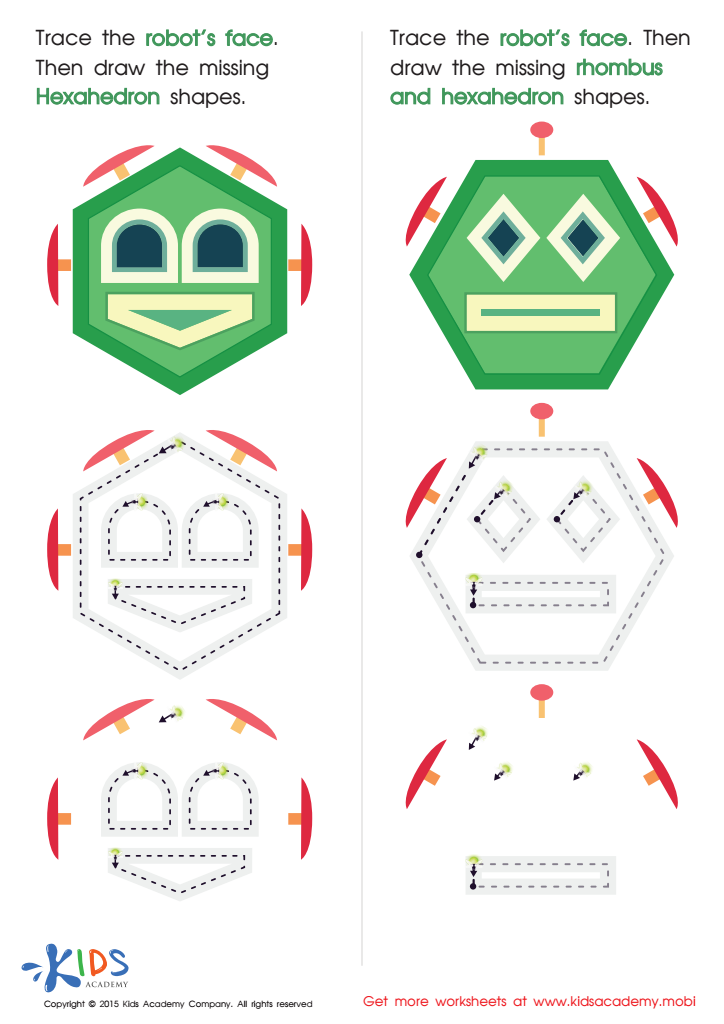
Practice Drawing Hexahedrons And a Rhombus Worksheet
 Assign to My Students
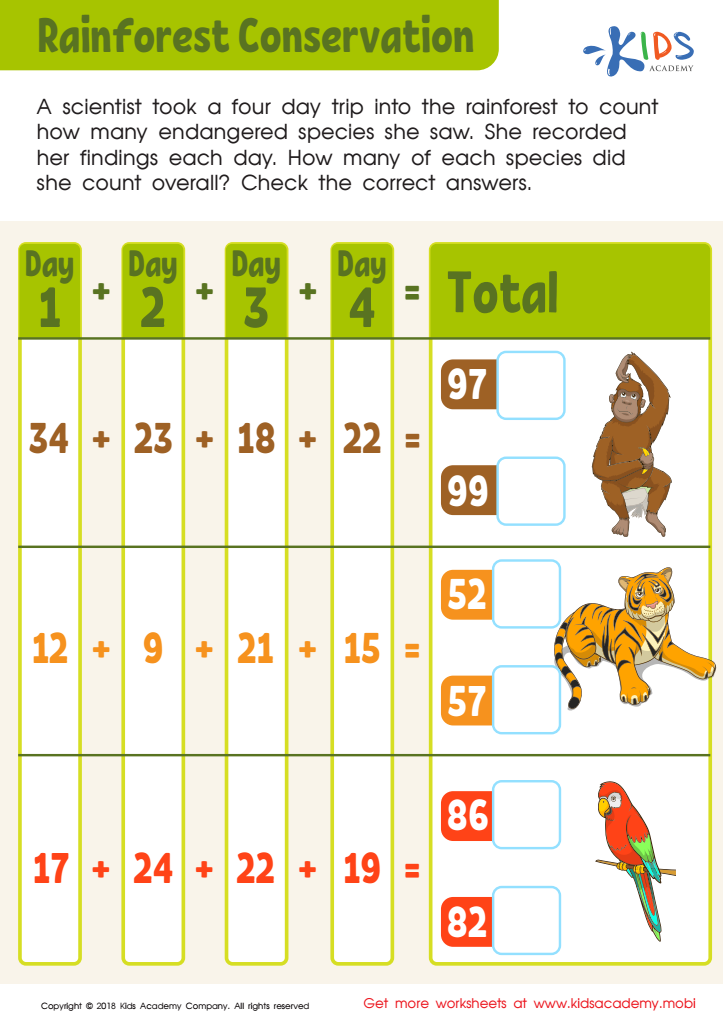
Rainforest Conservation Worksheet
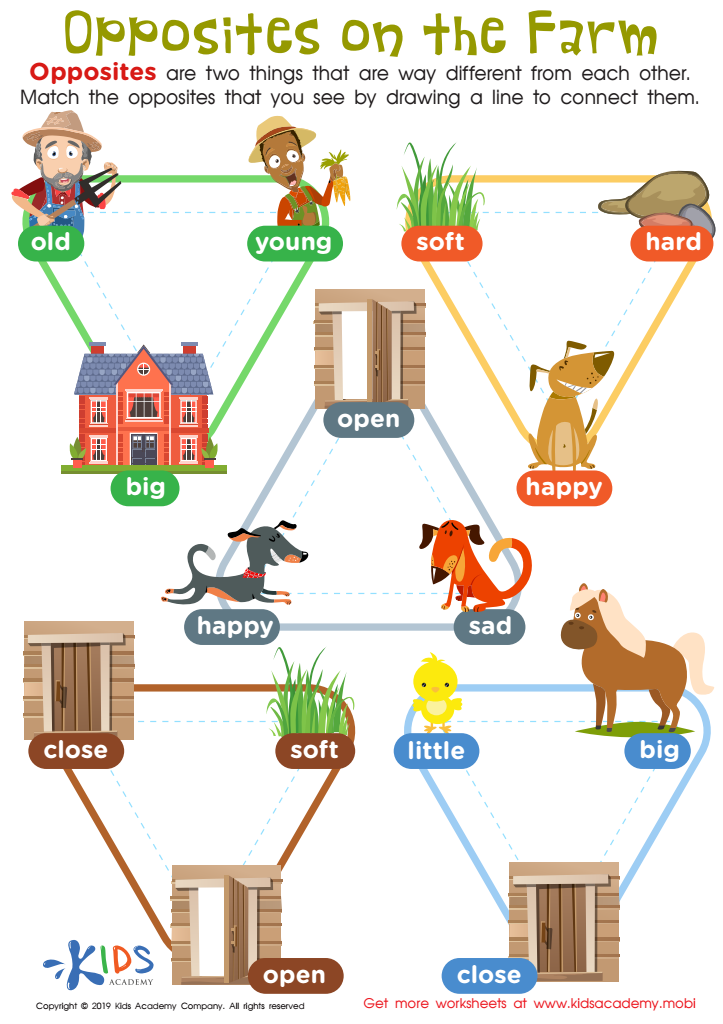
Opposites on the Farm Worksheet
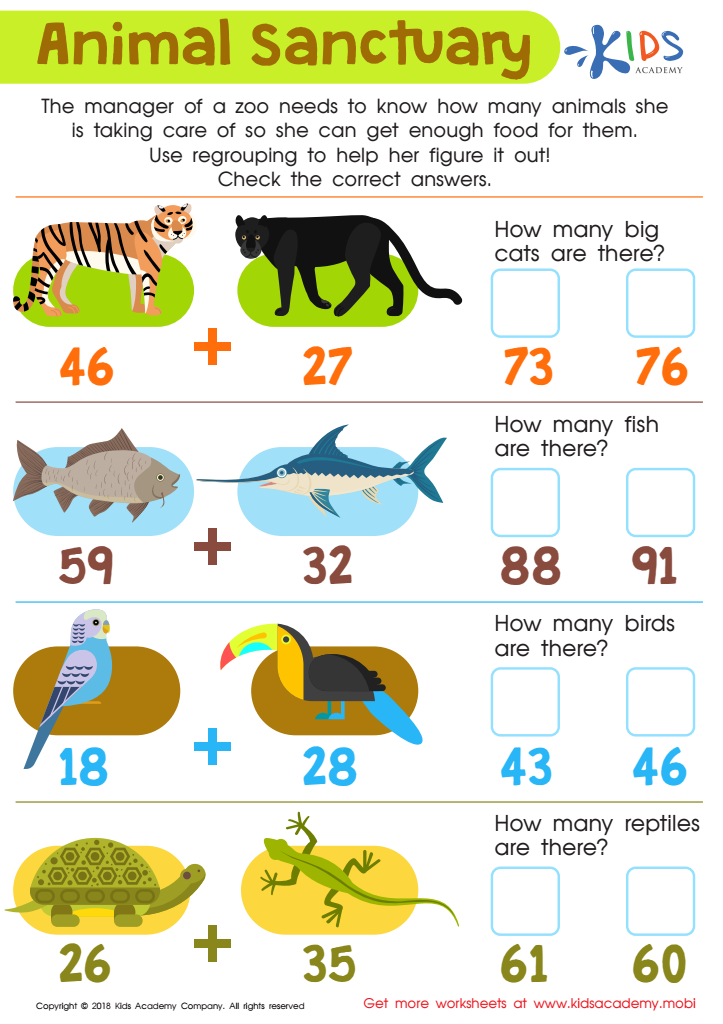
Animal Sanctuary Worksheet







Vocabulary expansion and math skills are both critical components in the foundational education of children aged 6-7, and parents or teachers should prioritize them for several key reasons.
First, a robust vocabulary enhances reading comprehension. Children who understand more words can grasp the meaning of stories better, enabling them to make strides in literacy. This, in turn, opens doors to a wealth of knowledge and fosters a lifelong love for reading.
Math skills, particularly foundational ones, are equally important. At ages 6-7, children transition from concrete to abstract thinking. Proficiency in "normal" math like basic addition, subtraction, and an understanding of shapes gives them confidence. It equips them with problem-solving skills that are useful both academically and in everyday life.
Furthermore, integrating vocabulary and math helps develop critical thinking. For example, understanding words like "sum," "difference," or "shape" not only aids in math but also enriches a child's ability to follow instructions and engage in reasoned discussions.
Lastly, a combined emphasis on vocabulary expansion and math fosters cognitive development. Activities that promote these skills help interconnect different brain areas, making learning more holistic and impactful. This prepares children for future academic challenges and cultivates a well-rounded intellect.








