Problem-Solving Skills Normal Measurement Worksheets for Ages 6-7
4 filtered results
-
From - To
Enhance your child's problem-solving abilities with our specially designed Normal Measurement Worksheets for ages 6-7. These engaging and educational worksheets provide a fun way for young learners to grasp essential measurement concepts. Each worksheet includes activities that foster critical thinking, teaching kids to measure length, weight, and capacity using simple units. By practicing with these worksheets, children build confidence and improve their math skills. Perfect for classroom use or at-home learning, these worksheets are an excellent resource for helping kids achieve mastery in measurement while developing crucial problem-solving skills. Start your child's journey toward math success today!
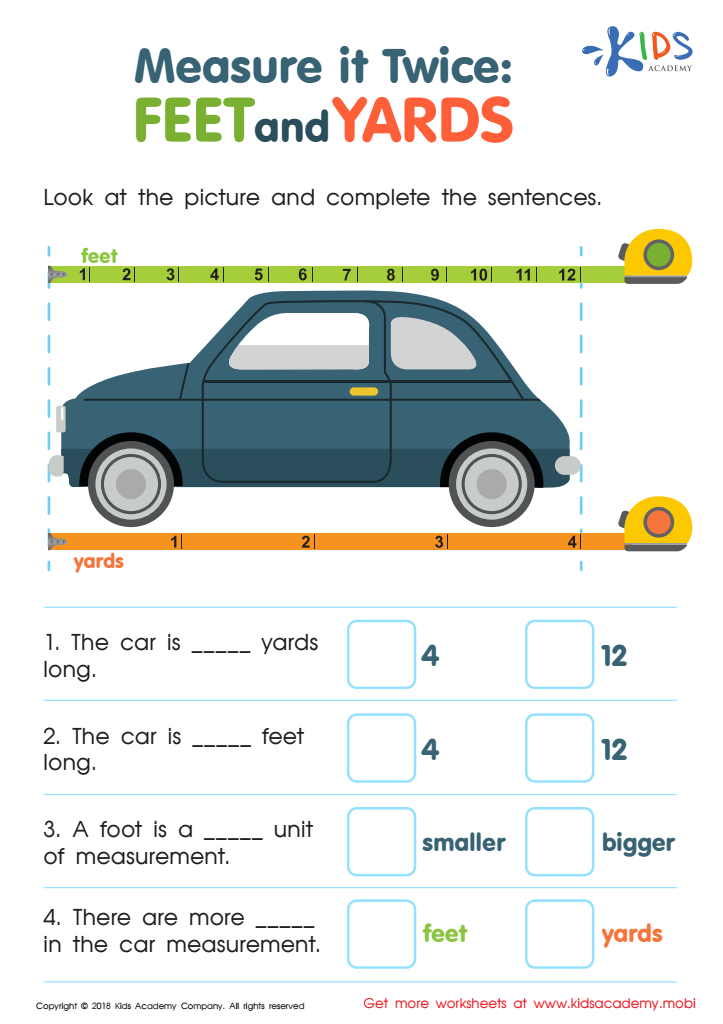
Measure It Twice: Feet and Yards Worksheet
 Assign to My Students
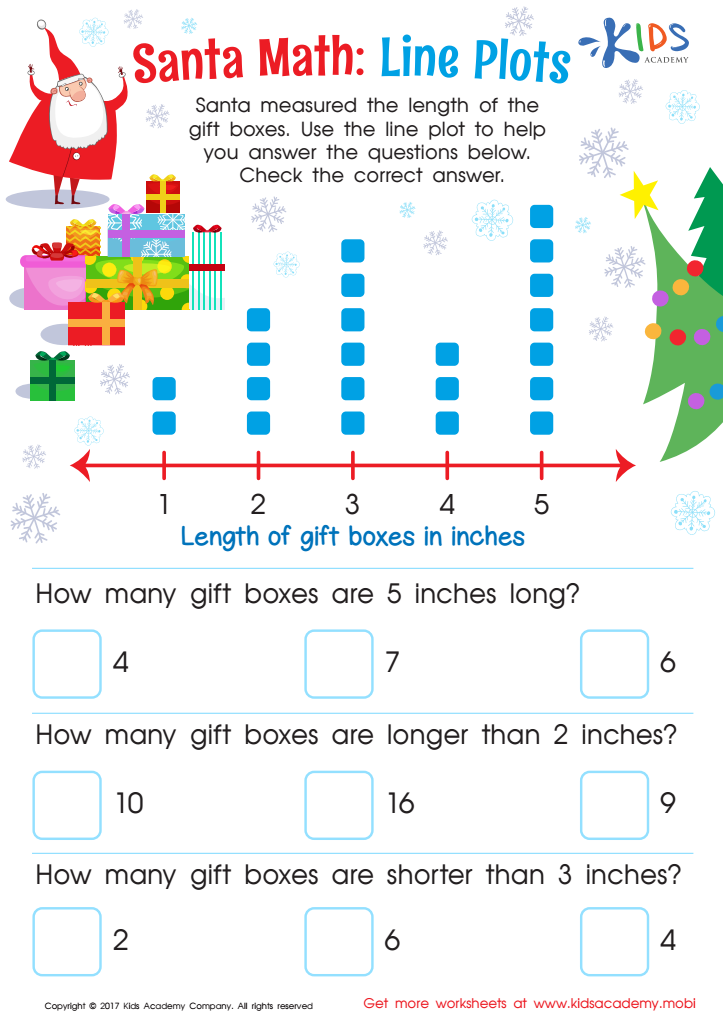
Line Plot Worksheet
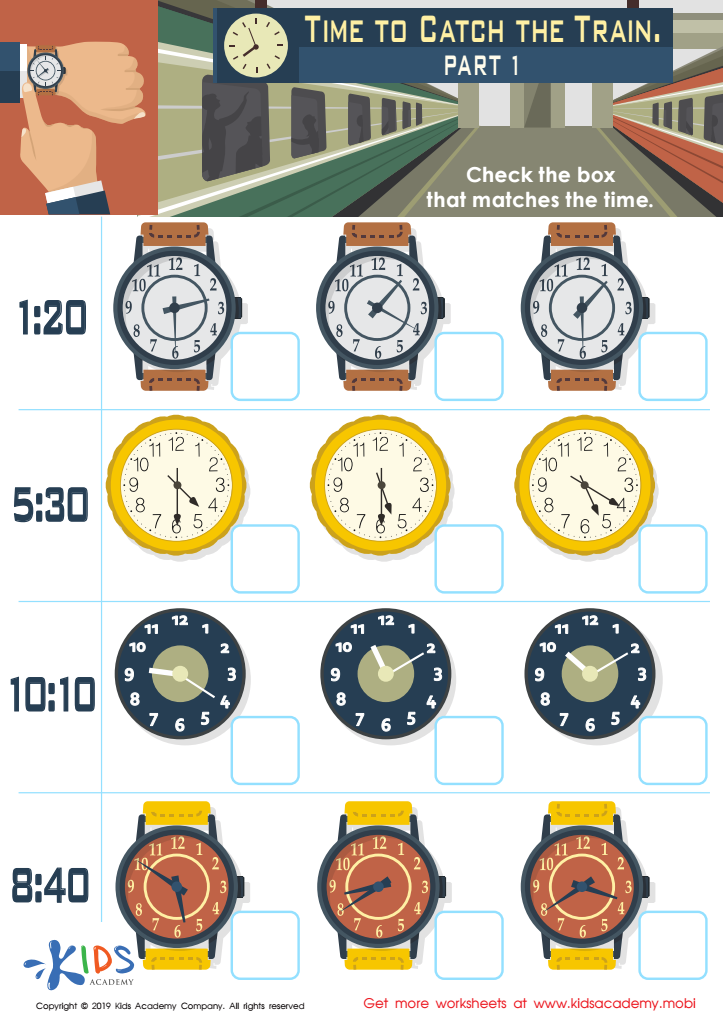
Time to Catch the Train Part 1 Worksheet
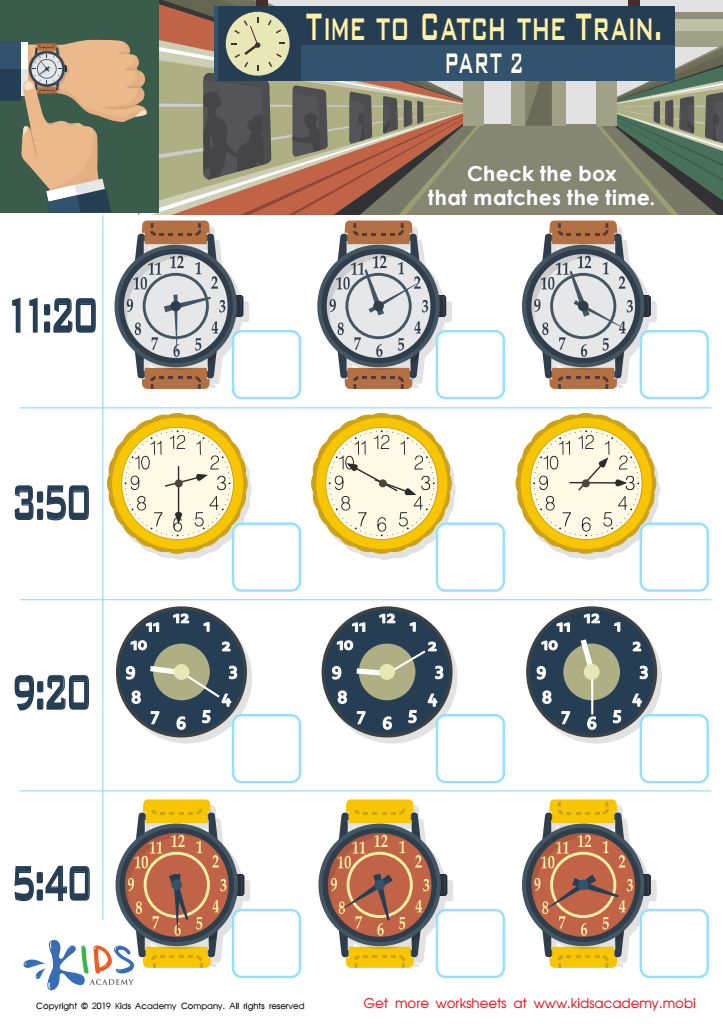
Time to Catch the Train Part 2 Worksheet








Caring about the normal measurement of problem-solving skills in children aged 6-7 is essential for both parents and teachers, as this period marks a crucial stage in cognitive development. During these formative years, children are naturally curious and beginning to engage with more complex thought processes. Problem-solving skills lay the foundation for critical thinking, decision-making, and understanding cause-and-effect relationships, all of which are crucial for academic success and everyday life.
Monitoring these skills can identify any early signs of developmental delays or difficulties, allowing for timely interventions. Early support can include tailored educational approaches, extra resources, or specialized assessments aimed at helping children catch up with their peers. This prevents minor problems from becoming larger issues in the future, impacting their academic progress and self-esteem.
Moreover, problem-solving abilities are not limited to academic environments but extend to social settings as well. Children learn how to navigate conflicts, negotiate with peers, and make thoughtful decisions, which are vital skills for building healthy relationships. By valuing and regularly measuring these skills, parents and teachers ensure that children develop into well-rounded individuals adept at facing and resolving challenges, leading to more resilient and adaptable adults in the future.








